Quelles sont les normes de qualité des légumes de la chaîne du froid dans 2025?
Normes de qualité des légumes de la chaîne du froid assurez-vous que les légumes-feuilles, les plantes-racines et les légumes-fruits conservent leur fraîcheur, sécurité et nutrition en restant dans les plages de température et d'humidité recommandées. Sans ces normes, une estimation 12 %–13 % de l'alimentation mondiale est perdu à cause d’une réfrigération inadéquate, et à propos 25 % des aliments de la chaîne du froid est gaspillé en raison de dépassements de température. En comprenant les conditions optimales et les technologies émergentes, toi peut minimiser les déchets, respectez la réglementation et gardez vos légumes croustillants de la ferme à l'assiette.
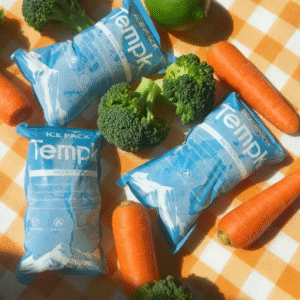
Pourquoi les normes de la chaîne du froid sont importantes – découvrez comment le contrôle de la température affecte la respiration et la durée de conservation des légumes.
Conditions optimales pour différents groupes de légumes – explorez les températures et les niveaux d’humidité recommandés pour les légumes-feuilles, racines, tubercules et légumes-fruits.
Réglementations et normes de qualité – se renseigner sur la section FSMA 204 règles de tenue de registres et directives du Codex pour les légumes réfrigérés et surgelés.
Technologies émergentes et tendances en matière de durabilité – découvrez comment les capteurs IoT, L’intelligence artificielle et les initiatives d’efficacité énergétique comme la coalition Move to 15 °C remodèlent le paysage de la chaîne du froid.
Conseils pratiques et FAQ – obtenez des conseils pratiques pour le pré-refroidissement, conditionnement, surveillance et conformité.
Pourquoi les normes de la chaîne du froid sont-elles cruciales pour la qualité des légumes?
La chaîne du froid est un processus continu, chaîne d'approvisionnement à température contrôlée utilisé pour conserver les denrées périssables. En maintenant des plages de températures spécifiques pendant la récolte, stockage, transport et vente au détail, il prévient la détérioration et les maladies d'origine alimentaire. Sans chaîne du froid fiable, la respiration et la croissance microbienne s'accélèrent, faire flétrir les légumes, perdre des nutriments et héberger des agents pathogènes. Les données de l'International Fresh Produce Association montrent qu'environ 40 % de tous les aliments sont réfrigérés à un moment donné, encore 25 % des aliments transportés sous chaîne du froid sont gaspillés en raison des écarts de température. Ces pertes équivalent à environ 620 millions de tonnes de nourriture chaque année et suffisamment de nourriture pour se nourrir un milliard de personnes.
Impact des écarts de température sur la durée de conservation des légumes
Lorsque les légumes sont exposés à des températures supérieures ou inférieures à leur plage optimale, les taux de respiration changent radicalement. L'Institut International du Froid (IIR) note que le contrôle de la température influence directement la respiration et le vieillissement; même de petits écarts raccourcissent la durée de conservation en accélérant les processus métaboliques. Par exemple, laitue stockée dessus 5 °C (41 °F) se détériore rapidement à mesure que l’humidité se perd et qu’un brunissement enzymatique se produit. Inversement, conserver les légumes tropicaux comme les tomates à des températures inférieures 10 °C peut provoquer blessure par refroidissement- se manifeste par des piqûres, taches imbibées d'eau et mauvaise saveur. Le maintien des températures spécifiques au produit garantit une qualité visible, conserver la qualité et la valeur nutritionnelle.
Tableau 1 – Conditions recommandées pour les légumes
| Catégorie de légumes | Température recommandée | Humidité relative | Signification pour vous |
| Légumes-feuilles & herbes (laitue, épinard, chou frisé, persil) | 0–2 °C (32–36 °F) pour les feuilles non coupées; ≤5 °C (≤41 °F) pour les légumes-feuilles coupés selon les directives de la FDA | 95–100 % RH pour prévenir la déshydratation | Garde les feuilles croustillantes, ralentit la respiration et minimise le flétrissement; les produits coupés nécessitent une réfrigération pour supprimer la croissance pathogène. |
| Légumes crucifères et racines (brocoli, chou, carottes, betteraves) | 0–2 °C (32–36 °F) pour le brocoli et le chou; 32 °F (0 °C) pour les carottes et les betteraves; maintenir une humidité élevée (90–95 %) | 90–95 % RH | Empêche la perte d'humidité et préserve le croquant; une humidité élevée réduit le flétrissement et la perte de poids. |
| Tubercules et bulbes (pommes de terre, patates douces, oignons, ail) | 38–40 °F (3–4 °C) pour les pommes de terre; 50–55 °F (10–13 °C) pour les patates douces et les courges d'hiver pour éviter les dommages causés par le froid; 32–40 °F (0–4 °C) pour les oignons et l'ail | 85–90 % RH pour les pommes de terre; 70–75 % RH pour les courges d'hiver | Équilibre la suppression de la germination et la texture; une humidité modérée prévient la pourriture et les maladies. |
| Légumes-fruits & cucurbitacées (tomates, concombres, poivrons, aubergines, courgettes) | 12–15 °C (54–59 °F) pour les tomates; 7–10 °C (45–50 °F) pour les concombres et les poivrons; éviter les températures inférieures 10 °C pour les variétés tropicales afin d'éviter les dommages causés par le froid | 85–90 % RH | Conserve la saveur et la couleur; évite les dommages causés par le froid tels que les piqûres et les taches aqueuses. |
| Courge d'hiver & citrouilles | 10–13 °C (50–55 °F) avec 70–75 % RH | 70–75 % RH | Stockage prolongé pendant 2 à 3 mois sans dommages dus au froid; empêche la perte d'humidité. |
| Mélanges de légumes coupés ou prêts à consommer | ≤5 °C (41 °F) pour la FDA; la réfrigération ou la glace assurent le contrôle des agents pathogènes | 90–100 % RH | Ralentit la croissance microbienne et prolonge la durée de conservation; nécessaire à la sécurité alimentaire. |
Ces valeurs fournissent une référence; vérifiez toujours les directives spécifiques aux produits et tenez compte de l’humidité pour éviter la déshydratation ou la condensation.
Conditions optimales de la chaîne du froid pour les groupes de légumes populaires
Légumes-feuilles et fines herbes – Comment les garder croustillants?
Les légumes-feuilles sont très périssables en raison de leur teneur élevée en humidité et de leur respiration rapide. Selon la référence sur les entrepôts frigorifiques de l’Université Cornell, légumes à feuilles non coupés comme la laitue, les épinards et le chou frisé doivent être conservés à 0–2 °C (32–36 °F) avec 95–100 % humidité relative. A ces températures, la respiration ralentit et les feuilles conservent leur turgescence. Quand les feuilles sont traitées (coupé ou déchiqueté), la FDA les classe comme contrôle du temps/température pour la sécurité des aliments et nécessite un stockage à ≤5 °C (≤41 °F) pour supprimer la croissance des agents pathogènes. Températures ci-dessus 7 °C (45 °F) accélérer la croissance microbienne, conduisant à des épidémies potentielles d’E. coli et salmonelle.
Pour éviter la déshydratation, maintenir une humidité proche de 100 %. Un moyen simple consiste à conserver les légumes verts dans des sacs en plastique perforés ou utilisez des brumisateurs dans les présentoirs de vente au détail. Le refroidissement sous vide ou l'hydrorefroidissement immédiatement après la récolte élimine la chaleur du champ et prolonge la durée de conservation.. Les retards de refroidissement durcissent les asperges et autres légumes verts tendres, donc pré-refroidir les produits dans les deux heures suivant la récolte.
Racine, Légumes tubercules et allium – Équilibrer l’humidité et le contrôle des germes
Légumes-racines comme les carottes, les betteraves et les radis exigent du froid, environnements humides. Le guide de Cornell recommande de les conserver dans 0–2 °C (32–36 °F) avec 90–95 % humidité relative. Les carottes et les betteraves peuvent se conserver plusieurs mois dans ces conditions car une humidité élevée évite la déshydratation et maintient le croustillant.. En revanche, pommes de terre nécessitent des températures légèrement plus chaudes (38–40 °F) pour empêcher la conversion de l'amidon en sucres, ce qui provoque une douceur et des couleurs de friture foncées. Trop d'humidité favorise la pourriture, donc maintenir une humidité relative autour 85–90 %.
Les patates douces et les ignames sont des cultures tropicales. Les stocker ci-dessous 10 °C (50 °F) peut provoquer des blessures par le froid et des piqûres. Conservez ces tubercules à 10–13 °C (50–55 °F) avec 70–75 % RH, semblable à la courge d'hiver. Pour oignons et ail, températures plus fraîches (0–4 °C (32–40 °F)) aider à inhiber la germination, mais l'humidité doit être modérée pour éviter la croissance de moisissures. Ventilation et durcissement adéquats (séchage des cols avant stockage) réduire la teneur en humidité et prolonger la durée de conservation.
Légumes-fruits et cucurbitacées – Éviter les blessures causées par le froid
Légumes-fruits comme les tomates, concombres, les poivrons et les aubergines sont sensibles au froid. La table de Cornell suggère de stocker tomates à 12–15 °C (54–59 °F); des températures plus basses diminuent la saveur et provoquent des piqûres. Concombres et poivrons faire de son mieux à 7–10 °C (45–50 °F). Pour les aubergines et les courgettes, maintenir les températures autour 10–12 °C (50–54 °F) avec 85–90 % humidité relative, les protégeant des dommages causés par le froid tout en limitant le dessèchement. Gardez ces légumes à l'écart des fruits produisant de l'éthylène (bananes, pommes) pour éviter une maturation prématurée.
Courges d'hiver et citrouilles – Conserver sans réfrigérer
Courge d'hiver, les citrouilles et les courges nécessitent un environnement plus chaud. La référence de Cornell recommande 10–13 °C (50–55 °F) et 70–75 % humidité relative. Stockage ci-dessous 10 °C provoque des dommages causés par le froid, tandis qu'une humidité plus élevée peut entraîner la pourriture. Durcissement approprié : maintenir la courge entre 80 et 85 °F (27–29 °C) pour 10 jours pour durcir la peau – améliore la durée de conservation. Après durcissement, stockez-les au-dessus du sol sur des palettes pour favoriser la circulation de l’air et éviter la condensation.
Normes réglementaires et conformité 2025
Section FSMA 204 et traçabilité des légumes à haut risque
Aux États-Unis, la loi sur la modernisation de la sécurité alimentaire (FSMA) met fortement l'accent sur la traçabilité et la tenue de registres. Le Règle finale de la FSMA sur les exigences relatives aux enregistrements de traçabilité supplémentaires (Section 204) désigne certains légumes, comme les légumes-feuilles, comme aliments à haut risque et oblige les entreprises à maintenir Éléments de données clés (KDE) pour chacun Événement de suivi critique (CTE). Informations sur l'origine, destination, les numéros de lot et les dates de manipulation doivent être disponibles à la FDA dans les 24 heures de demande. Bien que la date initiale de mise en conformité de la règle ait été fixée à janvier 20 2026, la FDA a proposé un 30prolongation d'un mois, ce qui signifie que les entreprises ont désormais jusqu'à Juillet 20 2028 se conformer pleinement. La mise en œuvre précoce de systèmes de traçabilité numérique permet de rationaliser les audits et de garantir la conformité.
Normes Codex et ISO pour les légumes réfrigérés et surgelés
Le Commission du Codex Alimentarius, qui comprend 188 pays membres, publie des normes de qualité alimentaire mondialement reconnues. L'IIF note que Principes généraux d'hygiène alimentaire (CXC1 1969), le Code d'usages en matière d'hygiène pour les aliments emballés réfrigérés à durée de conservation prolongée (CXC46 1999) et le Code de bonnes pratiques pour la transformation et la manipulation des aliments surgelés (CXC8 1976) établir des recommandations de préparation, traitement, conditionnement, stockage et distribution d'aliments réfrigérés et surgelés. Pour les légumes spécifiquement, le Norme pour les légumes surgelés (CXS 320 2015) définit les exigences de qualité, y compris la variété, maturité et absence de défauts – avant congélation. Les agences nationales adoptent ces normes pour garantir une qualité uniforme au-delà des frontières. L'ISO propose également des normes telles que ISO 17648 sur les produits aquatiques surgelés; bien que pas spécifique aux légumes, ils démontrent l’étendue de la surveillance internationale.
Exigences de sécurité et de température des produits
Les États-Unis. La FDA souligne que couper les légumes-feuilles sont des contrôles de temps/température pour les aliments sûrs et doivent être stockés à ou en dessous 5 °C (41 °F) pour inhiber la croissance des agents pathogènes. E. le nombre de coli diminue à 39–41 °F, alors que les températures sont supérieures 7 °C favorise une multiplication bactérienne rapide. Le ministère de l'Éducation de Californie recommande également de conserver les réfrigérateurs entre 32 et 40 °F (0–4 °C) et des congélateurs à 0 °F (–18 °C); ils conseillent une surveillance quotidienne, utilisation de thermomètres précis à ± 3 °F et maintien des joints de porte pour une circulation d'air adéquate. Le respect de ces directives garantit la conformité et maintient les légumes de la chaîne du froid sans danger pour les programmes scolaires et les cuisines institutionnelles..
Technologies de pointe et tendances en matière de développement durable 2025
Capteurs IoT et surveillance en temps réel
Les chaînes du froid modernes reposent sur Internet des objets (IoT) appareils pour suivre la température, humidité et emplacement pendant le stockage et le transport. Selon des rapports sur la technologie de la chaîne du froid, capteurs IoT ambiants (appareils sans batterie) enregistrer les conditions environnementales et transmettre des données en continu. Les données permettent aux équipes logistiques d'identifier rapidement les écarts et de prendre des mesures correctives., réduire la détérioration et améliorer la conformité. Des capteurs surveillent également vibration, exposition à la lumière et géolocalisation, s'assurer que les livraisons arrivent à temps. Les tableaux de bord numériques regroupent ces informations, faciliter les audits et prendre en charge l'analyse prédictive. En plus d'améliorer la sécurité alimentaire, la surveillance en temps réel aide réduire les déchets et améliorer la rentabilité.
Intelligence artificielle et analyse prédictive
Intelligence artificielle (IA) transforme la logistique de la chaîne du froid en optimisant les itinéraires, prévoir les besoins de maintenance et automatiser les entrepôts. Les analystes du secteur soulignent que l'IA peut analyser les données du capteur prévoir les écarts de température, ajuster les points de consigne de réfrigération et planifier de manière proactive les réparations de l'équipement. Les algorithmes d'apprentissage automatique optimisent également les modèles de chargement des camions et les itinéraires des conducteurs., réduire la consommation de carburant et garantir que les légumes restent dans des zones de température sûres. Par 2025, de nombreux opérateurs de chambres froides déploient systèmes de préparation de commandes automatisés et robotique dans les entrepôts pour réduire les coûts de main-d'œuvre et augmenter la précision.
Emballage durable et initiative Passer à 15 °C
La durabilité devient partie intégrante des opérations de la chaîne du froid. Utilisations modernes des emballages matériaux à changement de phase (PCMS) et panneaux isolés sous vide pour maintenir des températures stables avec moins d’énergie. L'industrie explore également contenants réutilisables et isolation recyclable Pour réduire les déchets. Une initiative majeure appelée Passer à 15 °C, lancé par DP World et ses partenaires, propose d'augmenter les températures standard de stockage des aliments surgelés de –18 °C à –15 °C. Selon le magazine de développement durable, ce changement pourrait sauver 25 térawattheures d'énergie et réduire 17.7 millions de tonnes de CO₂ émissions annuelles, tout en réduisant les coûts de la chaîne d'approvisionnement 5–12 %. Ces économies sont dues au fait que les systèmes de réfrigération fonctionnent moins pour maintenir un point de consigne légèrement plus chaud., mais la qualité des aliments reste comparable. Les analystes préviennent que l'adoption nécessite la validation de la qualité de différents produits, mais les avantages environnementaux potentiels sont énormes.
Logistique verte, Énergie renouvelable et résilience
Les opérateurs de la chaîne du froid sont de plus en plus intégrer les énergies renouvelables— comme les panneaux solaires et les éoliennes — dans les entrepôts et les centres de distribution. Les systèmes de gestion de l'énergie optimisent les charges de réfrigération et déplacent la demande vers les périodes creuses, réduire les émissions de gaz à effet de serre. Les entreprises investissent également dans infrastructure résiliente résister aux conditions météorologiques extrêmes; isolation améliorée, des générateurs de secours et des micro-réseaux assurent une réfrigération continue pendant les pannes de courant. Ces innovations réduisent non seulement l'empreinte carbone, mais aident également les entreprises à répondre aux attentes croissantes des consommateurs en matière de produits durables..
Meilleures pratiques pour maintenir la qualité des légumes dans la chaîne du froid
Pré-refroidissement et manipulation
Le pré-refroidissement est le première étape critique après la récolte. L'élimination rapide de la chaleur du champ ralentit la respiration et retarde la sénescence. Les méthodes incluent refroidissement sous vide, hydrorefroidissement et refroidissement à air forcé. Pour les légumes-feuilles et les fines herbes, viser à réduire la température de la pulpe à 0–2 °C dans les heures suivant la récolte. Utilisez toujours des produits propres, équipement désinfecté pour éviter la contamination croisée. Les outils et les surfaces doivent être lavés avec des désinfectants approuvés entre les lots, et les travailleurs doivent suivre de bonnes pratiques d'hygiène.
Emballage et transport
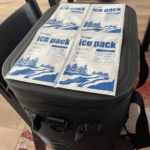
Sélectionnez un emballage qui maintient la température et l’humidité tout en permettant la circulation de l’air. Cartons isothermes avec packs de changement de phase garder les produits au frais sans faire fondre la glace. Utiliser sacs en plastique perforés ou des doublures résistantes à l'humidité pour retenir l'humidité mais empêcher la condensation. Pendant le transport, charger les palettes uniformément pour assurer la circulation de l’air et éviter de bloquer les bouches de réfrigération. Gardez les portes fermées pendant le transport et évitez les ouvertures fréquentes. Calibrer les thermomètres de camion et les utiliser bûcherons de données pour enregistrer la température et l'humidité; ces enregistrements soutiennent la conformité et l'assurance qualité.
Surveillance, Enregistrement des données et formation
Une surveillance continue est essentielle à la responsabilisation. Enregistreurs de données et capteurs IoT collecter des informations en temps réel sur la température, événements d'humidité et de choc, permettant aux opérateurs de réagir rapidement. Définissez des seuils d'alarme légèrement en dessous des températures maximales autorisées pour déclencher des actions correctives avant que la qualité ne se dégrade.. Examiner régulièrement les courbes de température et enquêter sur les anomalies. Fournir des informations complètes entraînement pour les conducteurs, les employés d'entrepôt et le personnel de vente au détail afin qu'ils comprennent l'importance du maintien de la chaîne du froid. Empilage correct, manipulation et premier entré, premier sorti (FIFO) la rotation réduit le temps d'exposition et garantit que les stocks plus anciens soient déplacés en premier.
Tendances en matière de durabilité et avenir des légumes de la chaîne du froid
Efficacité énergétique et réduction des émissions de carbone
La durabilité n’est plus une option. Modernisation des équipements de réfrigération compresseurs à haut rendement, ajout de variateurs de vitesse et utilisation réfrigérants naturels comme l'ammoniac ou le CO₂ peuvent réduire considérablement la consommation d'énergie. L'initiative Passer à 15 °C démontre qu'en ajustant la température du congélateur d'un simple 3 °C peut réduire la consommation d’énergie de 25 TWh et économisez des millions en coûts. De plus, certaines installations de stockage frigorifique sont en cours d'installation panneaux solaires et éoliennes pour alimenter les opérations, s’aligner sur les objectifs zéro émission nette des entreprises.
Jumeau numérique et maintenance prédictive
UN jumeau numérique est un modèle virtuel d'une installation ou d'un actif qui simule les performances dans différents scénarios. En intégrant les données des capteurs, les entreprises peuvent prédire les pannes d'équipement, optimiser la consommation d'énergie et tester de nouveaux processus sans perturber les opérations. Service de planification de maintenance prédictive avant que des pannes ne surviennent, réduisant les temps d'arrêt et garantissant une réfrigération constante, essentielle pour préserver la qualité des légumes.
Infrastructure résiliente au climat
Le changement climatique augmente la fréquence des chaleurs extrêmes et des pannes de courant. Pour atténuer les risques, les opérateurs de la chaîne du froid investissent dans bâtiments isolés, systèmes d'alimentation de secours et micro-réseaux qui peut fonctionner indépendamment du réseau principal. Ces mesures garantissent que les légumes restent à des températures sûres même en cas de catastrophe.. En plus, chambres froides portables et réfrigérateurs à énergie solaire soutenir les petits agriculteurs des pays en développement, réduire les pertes après récolte et améliorer les moyens de subsistance.
FAQ
Q1: Quelle est la température idéale du réfrigérateur pour conserver des légumes frais à la maison?
Gardez votre réfrigérateur domestique entre 32–40 °F (0–4 °C), comme recommandé par les directives de sécurité alimentaire. Placez les légumes-feuilles dans le bac à légumes où l'humidité est plus élevée et évitez de trop le remplir pour permettre la circulation de l'air..
Q2: À quelle vitesse les légumes doivent-ils être refroidis après la récolte?
Les légumes devraient être pré-refroidi dans les deux heures de récolte. Un refroidissement rapide ralentit la respiration et évite la perte de qualité. Utilisez le refroidissement sous vide ou à air pulsé pour les légumes-feuilles et l'hydrorefroidissement pour les légumes-racines..
Q3: Pourquoi ne puis-je pas conserver les tomates au réfrigérateur?
Les tomates souffrent blessure par refroidissement lorsqu'il est stocké ci-dessous 12 °C (54 °F); les basses températures réduisent la saveur et provoquent des piqûres. Conserver les tomates à température ambiante jusqu'à ce qu'elles soient mûres, puis réfrigérer seulement si nécessaire pour prolonger la durée de conservation.
Q4: Les légumes coupés nécessitent-ils un contrôle de température plus strict?
Oui. Couper les légumes-feuilles sont classés comme contrôle de temps/température pour les aliments sûrs et doivent être stockés à ≤5 °C (≤41 °F). La coupe augmente la surface et libère des nutriments, fournir un environnement hospitalier pour les agents pathogènes.
Q5: Quelle documentation est requise en vertu de la section FSMA 204?
Pour les légumes à haut risque, tu dois maintenir Éléments de données clés comme le nom du fournisseur, codes de lot, dates de récolte et dossiers d'expédition pour chacun Événement de suivi critique et les fournir à la FDA dans les 24 heures. Les systèmes numériques simplifient ce processus et garantissent le respect par le 2028 date limite.
Suggestion
Principaux à retenir: Les normes de qualité des légumes de la chaîne du froid tournent autour du maintien des températures et des niveaux d'humidité spécifiques au produit., mettre en œuvre des pratiques strictes d’hygiène et de manipulation, et le respect des cadres réglementaires. Les légumes-feuilles prospèrent entre 0 et 2 °C avec près de 100 % humidité, tandis que les plantes-racines et les tubercules nécessitent des conditions plus froides ou légèrement plus chaudes selon leur physiologie. Les organismes de réglementation comme la FDA et le Codex établissent les normes en matière de températures sûres et de traçabilité., et technologies émergentes : capteurs IoT, L’IA et les emballages durables transforment la façon dont nous gérons la logistique de la chaîne du froid. Le respect de ces normes réduit le gaspillage alimentaire, protège la santé des consommateurs et soutient la durabilité.
Plan d'action:
Auditez votre chaîne du froid actuelle: Cartographiez chaque étape, de la récolte à la vente au détail; identifier les points sensibles à la température et les équipements nécessitant des mises à niveau.
Mettre en œuvre des systèmes de surveillance: Déployez des capteurs et des enregistreurs de données IoT pour collecter des données de température et d'humidité en temps réel. Définir des seuils et des alertes pour les écarts.
Formez votre équipe: Assurez-vous que tout le monde, des moissonneurs aux conducteurs, comprend l'importance du contrôle de la température., chargement et hygiène appropriés.
Examiner les exigences réglementaires: Familiarisez-vous avec la section FSMA 204 et normes Codex; investir dans des outils de traçabilité numérique pour répondre aux 2028 date de conformité.
Investir dans la durabilité: Évaluer la réfrigération économe en énergie, innovations en matière d'énergies renouvelables et d'emballage. Envisager d’adopter les recommandations Passer à 15 °C pour réduire les coûts et les émissions.
À propos TempPk
Aperçu de l'entreprise: Tempk est un innovateur majeur en matière de solutions d'emballage et de surveillance de la chaîne du froid. Nous prévoir des boîtes isothermes, des packs de glace en gel et des enregistreurs de données compatibles IoT pour garantir que les légumes et autres denrées périssables maintiennent des températures optimales pendant le transport. Notre R&L'équipe D développe continuellement des matériaux respectueux de l'environnement et des technologies à changement de phase pour réduire l'impact environnemental. Avec des décennies d'expérience, nous aidons les entreprises à se conformer à la FSMA, Normes Codex et ISO tout en maximisant la fraîcheur et en minimisant les déchets.
Étapes suivantes: Prêt à élever votre chaîne du froid? Consultez nos experts dès aujourd'hui pour concevoir une solution sur mesure pour vos légumes. Que vous ayez besoin d'un emballage isotherme, capteurs intelligents ou orientations réglementaires, Tempk dispose des outils et de l'expertise nécessaires pour garder vos produits frais et sûrs..