Stockage des légumes dans la chaîne du froid: How to Keep Freshness?
Dernière mise à jour: Décembre 16, 2025
Cold chain vegetables storage works when you control température, humidité, et le temps ensemble. If you’re seeing “mystery spoilage,” small swings matter—2–3°C during staging or loading can speed up aging. A useful rule of thumb: respiration can roughly double for each 10°C rise, so short warm spikes can steal days of shelf life. Treat cold chain vegetables storage as a daily routine, and quality becomes more predictable.
Cet article vous aidera à répondre
-
Why cold chain vegetables storage breaks during handoffs (and how to stop it)
-
How to set safe zones for vegetable cold storage humidity control
-
Comment choisir pre-cooling leafy greens after harvest sans deviner
-
How to avoid yellowing using ethylene sensitive vegetables storage règles
-
How to prove control with cold chain monitoring for vegetables
Why does cold chain vegetables storage fail in the “in-between” moments?
Réponse directe: Cold chain vegetables storage fails most often during handoffs—harvest to packhouse, packhouse to dock, dock to truck, and truck to cold room. These “in-between” minutes add warm air, heure de la porte, and delays that cold chain vegetables storage can’t fully undo later.
Cold rooms usually do their job. The problem is what happens outside them. Warm pallets staged on a dock act like space heaters, even in winter. Open doors pull humid air inside, then condensation forms when that air hits cold surfaces. If you want more consistent freshness, tighten the handoffs around cold chain vegetables storage first—because that’s where your biggest swings hide.
The three “silent shelf-life killers” to watch
| Silent killer | A quoi ça ressemble | What it does to quality | Ce que cela signifie pour vous |
|---|---|---|---|
| Slow cooling after harvest | Product enters storage warm | High respiration and fast aging | Shorter selling window, more shrink |
| Temps d'ouverture de porte long | Forklifts and picking keep doors open | Variations de température + condensation | More mold risk, limp greens |
| Mixed loads with one setpoint | One trailer for “everything” | Chilling injury or warm storage | Complaints: “soft cucumbers” or “wilted greens” |
Conseils pratiques que vous pouvez utiliser aujourd'hui
-
Set a “max door time” rule: post it where people load and pick.
-
Scène froide, pas chaud: keep orders in cold staging until the last responsible moment.
-
Separate by temperature need first: compatibility comes before convenience in cold chain vegetables storage.
Exemple concret: A distributor found most temperature excursions happened on the dock, pas sur la route. After improving dock flow for cold chain vegetables storage, complaints dropped within weeks.
What temperature and humidity targets protect cold chain vegetables storage?
Réponse directe: Cold chain vegetables storage works best when you match each vegetable group to a safe temperature band and humidity target. Many vegetables prefer near-freezing air and high humidity, but chilling-sensitive items (like cucumbers and basil) need warmer setpoints to avoid damage in cold chain vegetables storage.
“Colder is better” is a common mistake. For some vegetables, too cold causes chilling injury—pitting, water-soaked spots, and faster decay after you warm the product again. Votre objectif est simple: cold enough to slow aging, warm enough to avoid damage, and stable enough to prevent condensation in cold chain vegetables storage.
Référence rapide: safe zones for cold chain vegetables storage
| Vegetable example | Bande temporaire cible | Target RH | Typical storage outcome | Ce que cela signifie pour vous |
|---|---|---|---|---|
| Légumes-feuilles (laitue, épinard) | 0–2°C | 95%+ | Crisp, less wilting | Prioritize humidity + flux d'air doux |
| Broccoli / chou-fleur | 0–2°C | 95%+ | Slower yellowing | Pre-cool fast, keep stable |
| Carottes | 0–2°C | 95%+ | Less shrivel | Watch condensation on cartons |
| Tomates | 10–13°C | 85–90% | Less chilling damage | Never co-store with near-0°C greens |
| Concombres | 10–13°C | ~90–95% | Plus ferme, fewer pits | Protect from “too cold” walls |
| Garlic / dry onions | ~0–2°C | ~65–70% | Less decay | Keep out of wet high-RH rooms |
Conseils et suggestions pratiques
-
Build at least two zones: près-0°C for greens/crucifers, and a warmer zone for chilling-sensitive items.
-
Humidity should be “humid air,” not “water on product.” If you see droplets, stabilize swings first.
-
Label zones clearly: most cold chain vegetables storage errors are simple misplacement.
Cas pratique: Broccoli loves near-0Stockage °C. Cucumbers do not. In cold chain vegetables storage, one shared setpoint usually hurts one product.
How do you remove field heat fast for cold chain vegetables storage?
Réponse directe: Pre-cooling is the fastest way to protect cold chain vegetables storage. If vegetables enter storage warm, you spend shelf life early and destabilize the whole room. The highest-loss items—leafy greens and cruciferous vegetables—benefit most from rapid cooling for cold chain vegetables storage.
Think of your cold room like a bank account. Every warm pallet withdraws “cold” from the space, raising room temperature and humidity stress for everything else. Pre-cooling reduces that shock, making cold chain vegetables storage predictable and repeatable.
Pre-cooling method chooser (60 secondes)
| Votre situation | Best pre-cooling option | Pourquoi ça marche | Ce que cela signifie pour vous |
|---|---|---|---|
| Légumes-feuilles with high respiration | Refroidissement sous vide | Cools fast through evaporation under vacuum | Great for speed; manage moisture loss |
| Boxed produce on pallets | Forced-air cooling | Pulls cold air through vented cartons | Faster than room cooling, good for DCs |
| Produce that tolerates water contact | Hydrorefroidissement | Water removes heat quickly | Requires sanitation discipline |
| Small batches and flexible timing | Refroidissement de la pièce | Simple but slow | Works only if you control time tightly |
Conseils et suggestions pratiques
-
Pre-cool in the same shift whenever possible—especially for leafy greens.
-
If you can’t pre-cool: create a warm-load isolation zone so warm pallets don’t heat the main room.
-
Check carton venting: forced-air cooling fails when packaging blocks airflow.
-
Measure receiving temperature: this is the easiest KPI for cold chain vegetables storage stability.
Exemple concret: A shipper switched from room cooling to forced-air for boxed vegetables. Door-to-setpoint time dropped, and cold chain vegetables storage became easier to manage.
How do you stop ethylene and mixed loads from damaging cold chain vegetables storage?
Réponse directe: Ethylene is a natural ripening gas, and many green vegetables are very sensitive to it. In cold chain vegetables storage, mixing ethylene-producing items with ethylene-sensitive vegetables can trigger yellowing, ramollissement, and off-odors—especially during longer dwell times.
You don’t need complex equipment to get results. Most teams win by following simple separation rules that are easy to teach and audit in cold chain vegetables storage.
A simple “compatibility checklist” for ethylene sensitive vegetables storage
-
Separate ethylene producers from ethylene-sensitive vegetables (especially leafy greens and crucifers).
-
Avoid “overnight mixed loads” when temperature needs differ.
-
Increase air exchange if mixing is unavoidable, and keep storage time short.
-
Watch hidden ethylene sources: ripening areas, certain combustion equipment, or shared ventilation.
| Mixing risk | What you may notice | Cause probable | Fix that works for you |
|---|---|---|---|
| Yellowing greens | Faster discoloration | Ethylene exposure | Split zones or time-separated staging |
| “Old” smell in packs | Off odors | Trapped gases | Improve airflow, reduce tight over-wrap |
| Uneven quality in one pallet | Some cartons age faster | Points chauds + gas pockets | Re-stack for airflow channels |
Conseils et suggestions pratiques
-
Group by temperature first, then by ethylene sensitivity.
-
If you only have one room: store ethylene-sensitive items for the shortest time.
-
If greens yellow early: check co-storage near ripening zones and review cold chain vegetables storage ventilation.
Cas pratique: A DC moved leafy greens away from a ripening area and improved ventilation. Cold chain vegetables storage quality became more consistent without new equipment.
How do packaging and airflow prevent hot spots in cold chain vegetables storage?
Réponse directe: In cold chain vegetables storage, cold air must reach the product—not just the room. Poor airflow creates hot spots inside pallets, so vegetables can stay warm even at a “good” room setpoint. Packaging can help or hurt cold chain vegetables storage depending on venting and moisture control.
Think of airflow like water flowing through pipes. If you block returns, stack tight to walls, or wrap pallets airtight, you pinch the flow and create warm pockets.
Airflow basics (no engineering talk)
Cold air must:
-
Reach the pallet surface
-
Move through the load (or around it, en fonction de l'emballage)
-
Return to the cooling system without obstruction
| Airflow pattern | Ce que ça fait | Erreur courante | Ce que tu devrais faire |
|---|---|---|---|
| Good circulation | Refroidissement uniforme | Empilage mural serré | Leave gaps near walls and vents |
| Poor circulation | Points chauds | Pallets block returns | Keep returns and fans clear |
| Trapped air | Slow cooling | Over-wrapping loads | Enveloppement pour la stabilité, ne pas sceller |
Packaging choices that support cold chain vegetables storage
| Type d'emballage | Contrôle de l'humidité | Flux d'air | Meilleure utilisation | Ce que cela signifie pour vous |
|---|---|---|---|---|
| Perforated liners/film | Modéré | Haut | Légumes-feuilles | Reduces wilting without trapping too much moisture |
| Rigid crates | Faible | Haut | Légumes racines | Great airflow; manage dehydration risk |
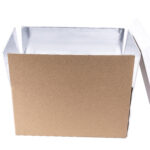
| Doublures isolées | Haut | Faible | Long dwell or last-mile buffers | Helps stability; regarder la condensation |
| Modified atmosphere packs | Contrôlé | Faible | High-value produce | Needs correct setpoints to avoid off-odors |
Conseils et suggestions pratiques
-
Create “air chimneys” inside pallets: avoid solid walls of cartons.
-
Align crate vents: misalignment behaves like a solid wall.
-
Treat wrap as a safety belt: firm enough to hold, breathable enough to cool.
Exemple concret: A distributor changed pallet patterns to increase airflow channels. Cold chain vegetables storage stabilized, and rejections decreased.
How do you monitor cold chain vegetables storage and prove control?
Réponse directe: You don’t need hundreds of sensors. Vous avez besoin des bonnes mesures, in the right places, with a clear response plan. Cold chain vegetables storage monitoring should focus on temps hors plage, pas seulement des moyennes, because short spikes can still damage quality.
Monitoring also builds buyer confidence. When you can show a simple temperature history and corrective actions, you reduce disputes and replacements—and your cold chain vegetables storage becomes a measurable process.
The “3-point” monitoring plan (simple et évolutif)
| Monitoring point | Que mesurer | Pourquoi ça compte | What you do if it’s off |
|---|---|---|---|
| Réception | Température du produit (surface or core) | Stops warm loads destabilizing storage | Pré-refroidissement, isoler, or delay put-away |
| Room hot spot | Warmest zone near doors/corners | Finds airflow and door problems early | Clear vents, adjust staging, add curtains |
| Outbound | Product trend before loading | Protects customer experience | Prise, re-route, or shorten dwell |
Cold Chain Vegetables Storage Health Score (interactif)
Donnez-vous 0–2 points per line (0 = non, 1 = parfois, 2 = oui). Total: 0–20.
-
We pre-cool or isolate warm loads on every receiving shift for cold chain vegetables storage.
-
We store leafy greens near 0–2°C with high humidity (without wet cartons).
-
We protect chilling-sensitive items (concombres, basilic) in a warmer zone.
-
We follow ethylene separation rules for ethylene sensitive vegetables storage.
-
We keep a posted “max door time” rule at each handoff.
-
We never block vents/returns and we maintain pallet airflow gaps.
-
We track temps hors plage, not just daily averages, for cold chain vegetables storage.
-
We calibrate sensors on a schedule and log exceptions.
-
We verify outbound temperature before loading.
-
We review excursions weekly and fix root causes.
Signification du score
-
16–20: strong cold chain vegetables storage control
-
10–15: good basics, but you’re leaking shelf life
-
0–9: high risk—avoidable shrink is likely happening weekly
Conseils et suggestions pratiques
-
Commencer par three sensors: receiving spot, door hot spot, outbound check.
-
Attribuer one owner per shift to respond to alerts.
-
Treat excursions as process failures, pas de « malchance ».
Cas pratique: A pack line reduced repeat spoilage after placing one sensor near the door and assigning alert ownership. Cold chain vegetables storage stopped being a mystery.
Cold chain vegetables storage for last-mile delivery: quels changements?
Réponse directe: Short routes still fail when staging and packing are warm. For last mile, most temperature damage happens before the van leaves. Cold chain vegetables storage must connect directly to picking, emballage, and loading routines.
If your staging area is warm, your cold chain vegetables storage is leaking value. Every minute on a warm dock is a quality penalty you can’t fully recover.
Last-mile workflow fixes that actually help
| Last-mile step | Hidden failure | Que faites vous | Bénéficiez pour vous |
|---|---|---|---|
| Cueillette | Les portes s'ouvrent trop longtemps | Sélections par lots, zone picking | More stable room temperature |
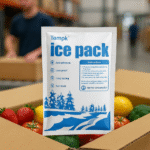
| Emballage | Warm tables warm produce | Use cold packing zone or buffer packs | Less condensation later |
| Chargement | Warm dock time | Chargement rapide, route by sensitivity | Moins de réclamations clients |
Conseils et suggestions pratiques
-
Pre-stage routes inside cold staging, pas sur le quai.
-
Protect leafy greens from compression: crushing speeds damage.
-
Validate insulated totes using your real route time and door frequency.
Cas pratique: A grocery delivery team moved packing closer to cold staging and cut dock time. Cold chain vegetables storage performance improved, and “soft cucumber” complaints dropped.
2025 developments and trends you should plan for now
Cold chain vegetables storage in late 2025 is shifting from “basic refrigeration” to planned stability and proof. Buyers increasingly expect time-stamped temperature records, not just promises. En même temps, operations are under pressure to reduce energy use and packaging waste, so cold chain vegetables storage is becoming more precise.
Dernier aperçu des progrès
-
Surveillance plus intelligente, fewer devices: teams place sensors at hot spots and risk points, pas partout.
-
Operational micro-zones: curtains and baffles let one room behave like multiple zones.
-
Croissance des emballages réutilisables: better airflow designs and repeatable performance reduce variability.
-
Better exception handling: more teams treat excursions as process issues with root-cause fixes.
Perspicacité du marché (qu'est-ce que cela signifie pour toi)
If you can show stable cold chain vegetables storage control, you typically see fewer disputes, moins de remplacements, and more repeat business. Many wins come from workflow discipline (heure de la porte, mise en scène, zonage) before expensive equipment upgrades.
Liens internes suggérés (for topical authority)
Utilisez-les comme pages internes de votre site. Keep anchor text descriptive and keyword-rich.
Questions fréquemment posées
Q1: What is the best temperature for cold chain vegetables storage of leafy greens?
Most leafy greens keep best near 0–2°C avec very high humidity and fast pre-cooling. Keep air humid without wet cartons.
Q2: Why do cucumbers fail in cold chain vegetables storage?
Cucumbers are chilling-sensitive. If stored too cold, they can develop chilling injury. Hold them around 10–13°C avec une humidité élevée.
Q3: What humidity level should I target for vegetable cold storage humidity control?
Many vegetables do well around 90–95% RH, but “dry keepers” like garlic need lower humidity to reduce decay risk.
Q4: How do I reduce ethylene damage fast in cold chain vegetables storage?
Start with separation rules: keep ethylene producers away from sensitive greens, improve air exchange, and shorten mixed storage time.
Q5: Do I really need pre-cooling leafy greens after harvest?
If greens enter storage warm, you lose shelf life quickly. Even a simple isolation or forced-air pre-cool step can improve consistency.
Q6: Where should I place sensors for cold chain monitoring for vegetables?
Place sensors at risk points: recevoir, a door-area hot spot, and outbound verification. You want early warning, not perfect mapping.
Q7: What’s the biggest hidden cause of spoilage in storage rooms?
Hot spots from blocked airflow. One blocked return or tight wall stacking can warm pallets without you noticing.
Q8: How can I cut waste quickly without big investment?
Fix receiving checks, discipline de porte, zonage, and pallet airflow first. These changes often pay back within weeks.
Résumé et recommandations
Cold chain vegetables storage works when you manage température, humidité, flux d'air, et manipulation comme un seul système. Start by matching vegetables to safe zones: près-0°C for most greens and crucifers, warmer storage for chilling-sensitive items like cucumbers, and dry storage for garlic. Protect freshness with rapid pre-cooling, simple ethylene separation rules, and pallet airflow that prevents hot spots. Enfin, monitor time out of range and fix the worst handoff first to strengthen cold chain vegetables storage.
Vos prochaines étapes (a simple plan)
-
Cette semaine: add receiving temperature checks and a warm-load isolation rule for cold chain vegetables storage.
-
Suivant 2 semaines: audit airflow (évents, retours, pallet gaps) and fix your top two hot spots.
-
Ce mois-ci: implement the 3-point monitoring plan and a one-page excursion response SOP.
-
En cours: refine mixed-load rules for ethylene sensitive vegetables storage and temperature zoning.
CTA: Use the Health Score above, then fix the lowest-scoring item first. That’s usually your fastest cold chain vegetables storage win.