Comment optimiser la chaîne d'approvisionnement en légumes de la chaîne du froid en 2025?
Mis à jour le 25 Décembre 2025
S'assurer que les légumes restent frais de la ferme à la table n'a jamais été aussi important ni aussi complexe.. Un bien géré chaîne d'approvisionnement en légumes de la chaîne du froid minimise les déchets et maximise les profits, pourtant jusqu'à 12 % de la production alimentaire mondiale est perdue chaque année en raison de chaînes du froid inadéquates. Ce guide complet explique pourquoi une chaîne du froid efficace pour les légumes est importante, ce qui motive le marché 2025, quelles technologies remodèlent l'industrie et comment garder une longueur d'avance. Que vous soyez agriculteur, distributeur, détaillant ou responsable logistique, cet article vous montrera comment réduire les pertes, réduisez les émissions et livrez des produits plus frais à vos clients.
Cet article répondra:
Pourquoi une chaîne d'approvisionnement fiable en légumes sous chaîne du froid est-elle essentielle? — Comprendre l'impact de la perte de nourriture, exigences réglementaires et directives de température.
Quels sont les moteurs du marché dans 2025? — Explorez la demande croissante d'aliments surgelés, des réglementations plus strictes, commerce transfrontalier et préférences des consommateurs.
Quelles technologies transforment les chaînes du froid végétales? — Découvrez comment l'IA, IoT, la blockchain et les énergies renouvelables améliorent la traçabilité et la durabilité.
Comment gérer les risques et surmonter les défis? — Obtenez des stratégies pratiques pour contrôler la température, augmenter la visibilité et minimiser les déchets.
Quelles sont les dernières tendances et quelle est la prochaine étape? — Découvrez les initiatives de développement durable, prévisions de croissance du marché et perspectives de prix.
Pourquoi une chaîne d'approvisionnement fiable en légumes est-elle essentielle?
Sans chaînes du froid efficaces, les légumes se gâtent vite. Une réfrigération inadéquate est responsable de pertes 526 millions de tonnes de nourriture chaque année. Les petits exploitants agricoles de certaines régions d’Afrique perdent plus de 50 % de leurs récoltes de légumes en raison d'un refroidissement insuffisant. Des chaînes du froid appropriées réduisent la croissance microbienne et les réactions enzymatiques, prolonger la durée de conservation et préserver les nutriments. Ils réduisent également les émissions de gaz à effet de serre : les pertes et gaspillages alimentaires représentent 8 à 10 % des émissions. % des émissions mondiales, tandis que les processus de réfrigération consomment à eux seuls 17 % de l’électricité mondiale.
La conformité réglementaire est un autre facteur. Les États-Unis. Loi sur la modernisation de la sécurité alimentaire (FSMA) Règle 204 nécessite une traçabilité 24 heures sur 24 pour les aliments à haut risque, dont de nombreux légumes. Maintenir des températures de 0 - 5 °C (32 - 41 °F) prévient les agents pathogènes et préserve la texture. Une surveillance en temps réel et une documentation appropriée sont donc essentielles pour répondre aux exigences légales et éviter des rappels coûteux..
Exigences de température et meilleures pratiques pour différents légumes
Différents légumes nécessitent des plages de température et d'humidité distinctes. Une mauvaise manipulation entraîne la formation de cristaux de glace, dommages à la texture ou flétrissement. Utilisez le tableau ci-dessous comme référence rapide:
| Type de légume | Température recommandée & Humidité | Impact si ignoré | Ce que cela signifie pour vous |
| Légumes surgelés | −18 °C à −23 °C; faible humidité | Les fluctuations forment des cristaux de glace et endommagent la structure cellulaire | Des températures ultra basses constantes empêchent la croissance bactérienne et préservent la saveur. |
| Légumes-feuilles frais | 0 - 4 °C avec une humidité élevée | Flétrissement, déshydratation et perte de nutriments | Maintenez une humidité élevée en utilisant des films respirants ou en brumisant pour garder les feuilles croustillantes. |
| Légumes racines (pommes de terre, oignons) | 10 - 13 °C | Blessure due au froid ou germination | Un stockage plus chaud évite les blessures mais ralentit quand même la détérioration. |
| Légumes tropicaux (tomates, concombres) | 10 - 13 °C avec humidité modérée | Ramollissement et pourriture | Évitez les températures inférieures 10 °C pour éviter les blessures dues au froid. |
Conseils de manipulation pratiques pour 2025
Utiliser des conteneurs frigorifiques: Réglez des contrôles précis de la température et de l’humidité; besoin de légumes frais 0 - 4 °C alors que les variétés tropicales nécessitent 10 - 13 °C.
Planifier le chargement et le déchargement: Réduisez l’exposition aux températures ambiantes en coordonnant des transferts rapides.
Mettre en œuvre une surveillance en temps réel: Déployez des capteurs IoT et des trackers GPS pour obtenir des données continues et alerter les gestionnaires des écarts.
Avoir une alimentation de secours et des énergies renouvelables: Les générateurs et l'énergie solaire ou éolienne évitent les perturbations lors des pannes. Un distributeur d'Asie du Sud-Est a rapporté que l'utilisation d'un stockage frigorifique alimenté par l'énergie solaire et la surveillance de l'IoT ont permis de réduire les coûts énergétiques de 13.10 centimes par kWh à 3.2 centimes tout en maintenant des températures ultra basses.
Pré-refroidir rapidement: Utiliser des cellules de refroidissement rapide ou un refroidissement à air forcé immédiatement après la récolte pour éviter la formation de cristaux de glace.
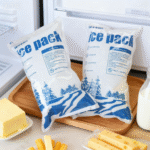
Utilisez un emballage approprié: Conteneurs en mousse isolés, les sacs scellés sous vide et les packs de gel aident à maintenir la température.
Surveiller l'humidité: Une humidité équilibrée empêche le flétrissement; les films respirants permettent les échanges gazeux tout en retenant l'humidité.
Installer des capteurs: Les enregistreurs IoT fournissent des données continues sur la température et l'humidité, permettant des interventions rapides.
Étude de cas: En juillet 2025 L'UNICEF a expédié 500 000 doses de vaccin par voie maritime; une planification minutieuse des itinéraires et une logistique verte ont réduit les émissions de gaz à effet de serre de 90 % et réduire les coûts de transport en 50 % par rapport au fret aérien. Des stratégies similaires peuvent aider les exportateurs de légumes à économiser de l’argent et à réduire leur empreinte carbone.
Quels sont les moteurs du marché 2025?
Le marché des légumes sous chaîne du froid se développe rapidement grâce à l’évolution des habitudes de consommation, réglementations plus strictes et innovation technologique. Voici les principaux moteurs:
Demande croissante d’aliments surgelés et transformés — Les modes de vie urbains et la popularité des kits repas ont accru la consommation de légumes surgelés et d'aliments prêts à manger.. Persistence Market Research évalue le marché de la chaîne du froid alimentaire à NOUS $65.8 milliard dans 2025 et le projette pour atteindre NOUS $205.3 milliards 2032, grandir à 17.5 % annuellement. Le marché des légumes surgelés à lui seul vaut NOUS $57 milliard et devrait atteindre NOUS $102.3 milliards 2035.
Des réglementations plus strictes en matière de sécurité alimentaire et d’environnement — Règle de la FSMA 204 impose des enregistrements numériques et une traçabilité 24 heures sur 24. L’initiative Move to 15 °C encourage l’augmentation des températures des congélateurs de –18 °C à –15 °C, livraison 10–15 % économies d'énergie sans compromettre la sécurité. La directive européenne sur les emballages exige des emballages recyclables et réutilisables.
Croissance du commerce et des infrastructures transfrontaliers — Les exportations de produits périssables ont augmenté 5.6 % chaque année depuis 2018. La capacité de stockage frigorifique de l’Inde a augmenté 35 % entre 2020 et 2024, tandis que la capacité de la Chine dépasse 200 millions de m³. Le marché de l’Asie-Pacifique devrait croître 11 % par 2025, bien que les disparités régionales créent des opportunités d’investissement.
Digitalisation et technologie des capteurs — Les plateformes IoT et l'analyse prédictive contribuent à réduire les temps d'arrêt en jusqu'à 50 %, diminuer les coûts de réparation de 10–20 % et économisez 10–30 % d'énergie. La blockchain fournit des enregistrements inviolables de chaque transfert, assurer une traçabilité de bout en bout.
Changer les préférences des consommateurs — Les consommateurs exigent des produits frais, légumes peu transformés et apprécient la commodité. Abonnements aux kits repas, les services d'épicerie en ligne et les restaurants à service rapide s'appuient sur une logistique réfrigérée fiable. Le secteur de la restauration rapide en Inde devrait croître 20–25 % annuellement.
Statistiques et tendances du marché 2025
| Métrique | 2025 Valeur | Prévision / Impact | Importance pratique |
| Marché mondial de la logistique de la chaîne du froid | NOUS $436 milliard | On s'attend à ce qu'il dépasse NOUS $1.36 billion par 2034 | Une croissance rapide met en évidence de fortes opportunités d’investissement et la nécessité d’une logistique efficace. |
| Marché de la chaîne du froid alimentaire (dans l'ensemble) | NOUS $65.8 milliard | Il est prévu d'atteindre NOUS $205.3 milliard par 2032 (TCAC 17.5 %) | Indique une demande croissante dans toutes les catégories alimentaires, y compris les légumes. |
| Marché aux légumes surgelés | NOUS $57 milliard | Prévisions à atteindre NOUS $102.3 milliard par 2035 (TCAC 6 %) | Forte croissance des légumes surgelés; les processeurs devraient augmenter leur capacité. |
| Part de la nourriture perdue en raison du manque de chaîne du froid | 12 % (526 millions de tonnes) | Assez de nourriture pour se nourrir 1 milliard personnes | Investir dans les infrastructures de réfrigération pourrait améliorer considérablement la sécurité alimentaire. |
| Part de la chaîne du froid dans les émissions mondiales de GES | 4 % des émissions mondiales; 17 % de la consommation mondiale d’électricité | Il est essentiel de réduire les émissions grâce à des pratiques économes en énergie et aux énergies renouvelables.. | |
| Prévisions de prix des légumes frais (NOUS) | Les prix de détail sont pratiquement inchangés en 2025 (–1.3 % à 1.3 % changement); les prix à la ferme devraient diminuer 14.1 % | Des prix de détail stables profitent aux consommateurs mais mettent la pression sur les producteurs; l’efficacité des chaînes du froid contribue à maintenir les marges. | |
| Marché nord-américain de la chaîne du froid | NOUS. marché estimé à NOUS $91 milliard dans 2025, projeté d'atteindre NOUS $109 milliard par 2030; Canada États-Unis $6 milliards en hausse vers les États-Unis $7 milliard; Mexique États-Unis $7 milliards en hausse vers les États-Unis $8 milliard | Combiné NOUS $124 milliard Le marché nord-américain met en évidence la domination régionale et les opportunités. | |
| Acteurs dominants de l’entreposage frigorifique | Lineage Logistics a 2.1 milliards de pieds³ de capacité; Americold Logistics a 1.3 milliards de pieds³ | Ensemble, ils contrôlent 50 % des États-Unis. capacité de stockage frigorifique, leur donnant un pouvoir de fixation des prix. | |
| Volatilité des prix des légumes | L'USDA prévoit une baisse des prix des légumes frais 0.8 % dans 2025 (ouais ouais); cependant, les prix de gros ont augmenté 38.9 % en juillet 2025 en raison de la météo et des tarifs | Les fluctuations des prix soulignent la nécessité de systèmes de chaîne du froid résilients, capables d’amortir les chocs d’offre et de demande.. |
Quelles technologies transforment la chaîne du froid végétale?
L'innovation technologique révolutionne la façon dont les légumes sont stockés, transporté et surveillé. Les solutions suivantes offrent des avantages concurrentiels dans 2025 et au-delà:
IA, Applications IoT et Blockchain
Intelligence artificielle et analyse prédictive: L’IA optimise les itinéraires de livraison, prévoit la demande et prédit les pannes d’équipement. Cela peut réduire la consommation de carburant, atténuer les retards et réduire les coûts de maintenance. La prévision de la demande basée sur l’IA aide à répondre à l’incertitude de l’offre et de la demande.
Surveillance activée par l'IoT: Les capteurs suivent en permanence la température, humidité et emplacement. Les alertes en temps réel permettent des actions correctives et réduisent la détérioration. Dans 2022 le segment du matériel représentait plus de 76.4 % du marché du suivi et de la surveillance de la chaîne du froid.
Blockchain pour la traçabilité: La blockchain crée des enregistrements immuables de chaque transfert, assurer la transparence et le respect des réglementations en matière de sécurité alimentaire.
Robotique et automatisation: Systèmes automatisés de stockage et de récupération (AS/RS) et les systèmes de manutention robotisés répondent aux pénuries de main-d'œuvre et réduisent les erreurs. Autour 80 % des entrepôts ne sont pas automatisés, indiquant un potentiel de croissance important. Les robots fonctionnent en continu, améliorer le débit et assurer un contrôle cohérent de la température.
Maintenance prédictive: L'analyse basée sur l'IA planifie les réparations avant les pannes, réduisant les temps d'arrêt de jusqu'à 50 % et réduire les coûts de réparation en 10–20 %.
Énergie renouvelable et réfrigération durable
Chambre froide à énergie solaire: Décentralisé, unités d'entreposage frigorifique hors réseau, comme ceux adoptés dans l'Andhra Pradesh, aider les petits exploitants agricoles à réduire les pertes après récolte. Une unité de stockage frigorifique solaire de 10 tonnes coûte ₹12,5 lakhs (à peu près 75 % subventionné) et a permis aux agriculteurs de stocker leurs produits sur place, économiser sur les coûts de transport et réduire la détérioration. Les installations des régions productrices de piment en Inde fonctionnaient à 70–80 % utilisation par 2024, démontrer l’efficacité énergétique et l’adoption de l’énergie solaire.
Réfrigérants naturels: Remplacement des réfrigérants à PRG élevé par du CO₂, l'ammoniac ou les hydrocarbures s'alignent sur l'Amendement de Kigali et contribuent à réduire les émissions directes.
Initiative passer à –15 °C: Augmenter la température du congélateur de –18 °C à –15 °C peut permettre d'économiser 10–15 % d'énergie tout en préservant la sécurité alimentaire, prolonger la durée de vie des équipements et réduire les coûts d’exploitation.
Conçu pour s'adapter aux micro centres de distribution: Les nouvelles installations sont conçues avec plusieurs zones de température, isolation avancée (tels que les panneaux isolés sous vide et les matériaux à changement de phase), intégration et automatisation des énergies renouvelables. Des fournisseurs nord-américains comme NewCold et RLS Logistics investissent des centaines de millions de dollars dans des installations d'entreposage frigorifique hautement automatisées afin d'offrir des services flexibles., capacité économe en énergie.
Optimisation des itinéraires et plateformes numériques
Planification d'itinéraire intelligente: Des analyses avancées minimisent l’exposition aux intempéries et réduisent les temps de transit. Optimisation automatisée des itinéraires et suivi en temps réel réduisant la consommation de carburant et les dépenses opérationnelles.
Plateformes de visibilité de bout en bout: Le suivi en temps réel fournit des enregistrements vérifiables de la température et de l'emplacement, assurer la conformité et améliorer la satisfaction des clients. La standardisation des données augmente, avec 74 % des données logistiques qui devraient être standardisées d’ici 2025.
Tendances émergentes et innovations de niche
Conteneurs réfrigérés solaires et camions frigorifiques électriques réduisent leur dépendance aux générateurs diesel. Des entreprises comme Eja Ice Nigeria déploient des chambres froides à énergie solaire et une surveillance IoT pour réduire les factures d'énergie et maintenir la qualité..
Conteneurs intelligents avec capteurs intégrés surveiller la température et l'emplacement, réduire le poids et soutenir les chaînes d’approvisionnement circulaires.
Modèles de refroidissement décentralisé en tant que service: Les coopératives agricoles et les OPF partagent des unités de stockage solaires frigorifiques pour réduire les coûts d'investissement.
Comment gérer les risques et surmonter les défis?
La chaîne du froid des légumes fait face à de nombreux risques, des écarts de température aux lacunes de communication. Une gestion proactive des risques est essentielle.
Défis courants et leur impact
Contrôle de la température et stabilité: Les fluctuations pendant le transport provoquent la cristallisation de la glace, détérioration et détérioration de la texture.
Manque de visibilité et de coordination: Les lacunes dans la surveillance rendent difficile l'identification des endroits où se produisent les abus de température. Mauvaise coordination entre les fournisseurs, les transporteurs et les détaillants entraînent des retards et des dommages aux produits.
Déchets d’emballage et erreurs de planification: Une mauvaise utilisation des packs de gel gaspille des matériaux et augmente le risque d’écarts de température.
Non-conformité réglementaire: Des enregistrements manquants ou des conditions de stockage inappropriées peuvent entraîner des amendes et des rappels..
Lacunes en matière d’infrastructures: Installations vétustes, de mauvais itinéraires de transport et des coûts énergétiques élevés nuisent à l'efficacité.
Stratégies de gestion des risques
Surveillance et alerte en temps réel: Déployez des capteurs et des trackers GPS pour surveiller en permanence la température, humidité et emplacement.
Maintenance prédictive: Utilisez des analyses basées sur l'IA pour planifier les réparations avant les pannes, réduisant les temps d'arrêt et les coûts de réparation.
Visibilité de bout en bout: Intégrez les systèmes de gestion des transports à la planification des ressources de l'entreprise pour suivre les expéditions et les stocks.. Utilisez la RFID et les codes-barres pour maintenir des niveaux de stock optimaux.
Optimisation des itinéraires: Utiliser l’IA pour optimiser les itinéraires de livraison, réduire les retards et la consommation de carburant.
Formation et communication: Standardiser les procédures de chargement, déchargement et surveillance; organiser régulièrement des formations et des exercices.
Alimentation de secours et énergie renouvelable: Installez des générateurs et adoptez l’énergie solaire ou éolienne pour assurer une réfrigération ininterrompue.
Emballage durable: Calibrer les tailles d'emballage en fonction du volume d'expédition; adopter des conteneurs réutilisables et des systèmes de mise en commun en boucle fermée.
Conseils pratiques et recommandations
Kits de repas en petits lots: Utilisez des récipients isothermes et des packs de gel qui maintiennent une température de 0 à 5 °C., combiné avec des enregistreurs IoT pour le suivi des livraisons du dernier kilomètre.
Envois congelés longue distance: Maintenir –18 °C ou moins; utiliser des conteneurs intelligents avec des capteurs et une optimisation des itinéraires. Envisagez le fret maritime pour réduire les émissions et les coûts.
Traitement des coupes fraîches: Appliquer des carottiers et éplucheurs robotisés pour minimiser le temps de manipulation; emballer dans des films respirants et refroidir rapidement.
Investissez dans des infrastructures résilientes: Développer des zones multi-températures, intégrer les énergies renouvelables et construire des micro-centres de distribution pour améliorer la livraison du dernier kilomètre.
Collaboration et éducation: Éduquer les petits agriculteurs et les coopératives sur le contrôle de la température; fournir un entreposage frigorifique et un financement abordables.
Étude de cas: Un exportateur de légumes surgelés d'Asie du Sud-Est a installé des capteurs IoT et des systèmes d'alimentation de secours. Les excursions de température ont diminué 90 %, les plaintes concernant la durée de conservation ont chuté de façon spectaculaire et l'augmentation de la température du congélateur à -15 °C a permis de réduire les coûts énergétiques de 10–15 %.
Quelles sont les dernières tendances et quelle est la prochaine étape?
La durabilité au cœur des opérations
La durabilité environnementale n’est plus une option; c'est prévu. La chaîne du froid alimentaire représente 4 % des émissions mondiales de gaz à effet de serre et consomme 17 % de l’électricité mondiale. Les entreprises intègrent l’énergie solaire et éolienne dans leurs installations et utilisent des biocarburants pour les transports. Les systèmes de certification tels que EDGE Advanced démontrent des opérations zéro carbone. Le Passer à –15 °C initiative, soutenu par les grands détaillants, promesses 10–15 % économies d’énergie et durée de vie prolongée des équipements. Les emballages circulaires et les systèmes de mise en commun en boucle fermée réduisent les déchets.
Automatisation et AI
Systèmes automatisés de stockage et de récupération, la robotique et l’IA occupent le devant de la scène. Presque 80 % des entrepôts ne sont pas encore automatisés, laissant une marge importante pour des gains d’efficacité. L'IA fournit des informations prédictives qui optimisent les opérations de l'entrepôt, prévoir la demande et planifier la maintenance. Les robots améliorent la sécurité, réduire les coûts de main-d'œuvre et assurer un contrôle constant de la température.
Logistique verte et infrastructure moderne
Investissements dans des systèmes de réfrigération modernes, les équipements de manutention automatisés et les énergies renouvelables sur site modernisent les installations de stockage frigorifiques vieillissantes. Les entreprises s'orientent vers construit pour convenir des solutions qui personnalisent la capacité et améliorent l’efficacité énergétique. Le Marché logistique de la chaîne du froid alimentaire en Amérique du Nord devrait atteindre NOUS $86.67 milliard dans 2025, reflétant l’augmentation des investissements dans la logistique des produits frais. Les partenariats stratégiques et l’intégration de la chaîne d’approvisionnement aident les entreprises à gagner en visibilité et en résilience; par 2025, 74 % des données logistiques devraient être standardisées.
Boom des produits à base de plantes et biologiques
Les alternatives végétales et les produits certifiés biologiques gagnent du terrain. Bloomberg Intelligence prévoit que le marché des aliments à base de plantes pourrait compenser 7.7 % du marché mondial des protéines par 2030. Ces produits introduisent de nouvelles exigences en matière de température et de réglementation et proviennent souvent de start-up sans expérience en logistique.. Les prestataires de la chaîne du froid doivent s'adapter à cette croissance en proposant leur expertise, stockage flexible et emballage durable.
Volatilité des prix et comportement des consommateurs
Événements météorologiques, l'inflation et les tarifs douaniers ont provoqué les prix de gros des légumes frais aux États-Unis. piquer 38.9 % année sur année en juillet 2025. Les légumes clés comme la laitue et les épinards ont vu leurs prix augmenter de 133 % et 157.4 %, respectivement. Cependant, l'USDA prédit que les prix des légumes frais pourraient baisser 0.8 % année après année plus tard 2025. Des prix de détail stables et des prix en baisse au niveau des exploitations soulignent la nécessité de chaînes du froid efficaces pour préserver la rentabilité..
Expansion et résilience
La demande d’entrepôts frigorifiques augmente en raison de la variabilité climatique et des perturbations de la chaîne d’approvisionnement. Les entreprises augmentent leur capacité ou externalisent le stockage et utilisent des micro-centres de distribution pour améliorer la livraison du dernier kilomètre.. Les stratégies de résilience incluent la constitution de stocks stratégiques et la diversification des fournisseurs. De nouveaux partenariats permettent l’intégration dans les chaînes d’approvisionnement, garantir que les entreprises puissent s’adapter rapidement aux chocs.
Questions fréquemment posées
- À quelle température faut-il conserver les légumes frais pendant le transport?Les légumes frais nécessitent généralement 0 - 4 °C (32 - 40 °F), tandis que les légumes tropicaux comme les tomates et les concombres ont besoin 10 - 13 °C (50 - 55 °F); le maintien de l'humidité empêche le flétrissement.
- Comment l’IA améliore-t-elle la logistique de la chaîne du froid pour les légumes?L’IA optimise les itinéraires de livraison, prédit les pannes d'équipement et fournit des prévisions d'inventaire et de demande en temps réel. Ces informations réduisent la consommation de carburant, minimiser les temps d’arrêt et améliorer la fraîcheur des produits.
- Quels sont les plus grands défis liés à l’expédition internationale de légumes surgelés?Les principaux défis sont de maintenir les températures entre –18 °C et –23 °Ctout au long du voyage, éviter les coupures de courant, assurer la conformité réglementaire et obtenir une visibilité sur plusieurs transferts. Surveillance en temps réel, une alimentation de secours et des pratiques de manipulation formées aident à surmonter ces problèmes.
- Pourquoi l’initiative Passer à –15 °C est-elle importante?Augmenter les températures standard du congélateur de –18 °C à –15 °Cpeut sauver 10–15 % d'énergie et prolonger la durée de vie des équipements. Il réduit les émissions sans compromettre la sécurité alimentaire et aide les entreprises à atteindre leurs objectifs de développement durable..
- Comment les petits agriculteurs peuvent-ils bénéficier de systèmes améliorés de chaîne du froid ??L’accès à un entrepôt frigorifique abordable réduit les pertes après récolte, augmente les revenus et permet aux agriculteurs d’atteindre des marchés éloignés. Les unités solaires exploitées par des organisations de producteurs agricoles offrent une solution rentable.
Résumé et recommandations
Dans 2025 le chaîne d'approvisionnement en légumes de la chaîne du froid évolue rapidement. Les principaux points à retenir comprennent:
Investir dans un contrôle adéquat de la température réduit les pertes alimentaires et préserve la nutrition. Différents légumes ont des exigences de température distinctes, et un pré-refroidissement rapide et un emballage isolé protègent la qualité.
La demande du marché pour les aliments surgelés et transformés entraîne une croissance rapide; le marché de la chaîne du froid alimentaire devrait tripler d’ici 2032. Des réglementations plus strictes, le commerce transfrontalier et les préférences des consommateurs alimentent également l’expansion.
Innovations technologiques telles que l'IA, IoT, la blockchain et la robotique offrent une meilleure visibilité, efficacité et durabilité. Les énergies renouvelables et les réfrigérants naturels contribuent à réduire les émissions et les coûts énergétiques.
Gestion proactive des risques, y compris une surveillance en temps réel, maintenance prédictive, optimisation des itinéraires et formation — réduit la détérioration et améliore la résilience.
Durabilité, automation, les tendances en matière d’infrastructures modernes et de produits à base de plantes façonnent l’avenir. La volatilité des prix souligne la nécessité de chaînes du froid robustes pour protéger les marges.
Plan d'action pour les praticiens
Évaluez votre chaîne du froid actuelle: Utilisez un outil d’auto-évaluation pour évaluer votre contrôle de la température, documentation et conformité. Identifier les lacunes des capteurs, formation et alimentation de secours.
Investissez dans la surveillance en temps réel: Implémenter des capteurs IoT, enregistreurs de données et systèmes blockchain pour maintenir la transparence et répondre aux exigences de la FSMA. Envisagez d'utiliser une plateforme numérique intégrant l'optimisation des itinéraires et la maintenance prédictive.
Adopter des pratiques d’énergie renouvelable et d’efficacité énergétique: Explorez l'entreposage frigorifique à énergie solaire, déplacez vos congélateurs à –15 °C et remplacez les réfrigérants à fort GWP. Utiliser des panneaux isolés sous vide et des matériaux à changement de phase pour améliorer l'isolation.
Moderniser les infrastructures: Mise à niveau ou sous-traitance pour une construction adaptée aux installations avec automatisation et plusieurs zones de température. Planifier l’expansion et la résilience en diversifiant les fournisseurs et en construisant des micro-centres de distribution.
Se former et collaborer: Assurer une formation régulière du personnel sur le chargement, procédures de déchargement et de surveillance. Travailler avec les OPF et les coopératives pour rendre l'entreposage frigorifique accessible aux petits exploitants.
À propos du tempk
Tempk est un fournisseur de confiance de solutions d'emballage isotherme et de chaîne du froid haute performance. Nous spécialisé dans les produits écologiques de la chaîne du froid, y compris des packs de glace en gel, sacs isolés, panneaux isolés sous vide et conteneurs intelligents avec capteurs intégrés. Nos produits maintiennent des températures précises pour les légumes, produits pharmaceutiques et autres denrées périssables, aider les entreprises à réduire leurs déchets et à respecter les normes réglementaires. Nous investir également dans la recherche et le développement pour améliorer l’efficacité énergétique et la durabilité, s’aligner sur des initiatives mondiales telles que le passage à –15 °C.
Appel à l'action: Prêt à optimiser votre chaîne du froid? Contactez Tempk pour une consultation personnalisée. Notre équipe vous aidera à sélectionner le bon emballage isotherme, des solutions de surveillance et des options d'énergie renouvelable pour protéger vos légumes et augmenter vos résultats.