Mis à jour: Janvier 11, 2026
Introduction
When you’re responsible for keeping food, boissons ou produits médicaux froids dans un cadre commercial, you can’t rely on flimsy picnic coolers. Commercial ice boxes—often called cooler boxes—provide serious insulation and temperature control to protect products throughout the cold chain. Whether you operate a restaurant, caterer, grocery distribution hub or pharmaceutical provider, this guide answers key questions about the wholesale market for high-capacity ice boxes. We’ll explore current market dynamics and offer practical advice to help you select the right products for your business.
This Guide Will Help You Understand:
- Market growth and demand drivers – including the surge in outdoor recreation and last-mile delivery.
- Key features of commercial ice boxes – insulation materials, capacity options and powered vs. non-powered models.
- Industrial and commercial applications – from foodservice to pharmaceutical cold chain logistics.
- Regulatory and sustainability considerations – understanding compliance requirements and emerging eco-friendly materials.
What Is the Commercial Ice Box Market and Why Is It Growing?
Commercial ice boxes are portable, insulated containers designed to maintain low temperatures for extended periods. Unlike household coolers, these units use heavy-duty materials such as thick foam cores, durable plastic shells and gasketed lids to provide long hold times and withstand industrial use. Many models integrate drains, wheels, tie-down points or even compressors. They are indispensable in catering, hospitality, food-retail distribution and pharmaceutical logistics.
Key Market Drivers and Opportunities
Rising outdoor and mobile lifestyles. A mix of pandemic-induced outdoor activities and an ongoing shift toward mobile recreation has boosted demand for portable cooling. Straits Research notes that the global cooler box market was valued at USD 6.92 milliards en 2025 et devrait atteindre USD 17.97 milliards 2034, Grandir à un TCAC de 11.31%.
Growth in food delivery and cold-chain logistics. Fortune Business Insights reports that the cooler box market is projected to grow from USD 6.80 milliards en 2025 en USD 14.28 milliards 2032. Growth is driven by the rise in food delivery, mobile lifestyles and premiumisation of coolers.
Increasing demand in medical and pharmaceutical sectors. Cooler boxes aren’t just for food. Vaccination campaigns during the COVID-19 pandemic highlighted the need for validated, high-performance portable coolers.
Expanding wholesale refrigeration sector. Les États-Unis. refrigeration equipment wholesaling industry generated USD 10.5 billion in revenue in 2025, experiencing a compound annual growth rate (TCAC) de 2.0% over the previous five years.
Market Segmentation by Product Type
Commercial ice boxes fall into several categories:
- Hard-Sided Coolers: Rigid containers made from rotomolded plastic or metal. They offer long hold times and rugged durability.
- Glacières à parois souples: Flexible coolers made from fabric and foam. They are lighter and more portable but offer shorter hold times.
- Powered/Active Coolers: Incorporate compressors or thermoelectric modules to provide active cooling.
- Disposable EPS Coolers: Low-cost expanded-polystyrene (PSE) or Styrofoam boxes. Use is declining due to environmental regulations.
- Vaccination and Pharmaceutical Carriers: Specialized containers often built with vacuum insulation panels (VIP) ou matériaux à changement de phase.
Understanding Key Features of Commercial Ice Boxes
When purchasing wholesale ice boxes, consider the following features to ensure they meet your operational requirements:
Insulation and Materials
The effectiveness of an ice box hinges on its insulation. Roto-molded polyethylene shells filled with closed-cell polyurethane foam are common for hard-sided coolers. Stainless steel or high-density polyethylene (HDPE) provides impact resistance and ease of cleaning.
Capacity and Design
Commercial applications range from 20 liter boxes for small food deliveries to 100 liter units for catering. Some models include built-in dividers, removable trays or stacking features to optimize space.
Active Cooling vs. Passive Cooling
Passive coolers rely solely on insulation and ice or phase-change materials (PCMS) pour maintenir la température. Active coolers incorporate thermoelectric modules or compressor systems, offering continuous cooling without ice.
Temperature Monitoring and Compliance
A temperature monitoring device is crucial for sensitive shipments. The CDC advises placing a TMD in each container to monitor vaccine temperatures.
Durability and Ergonomics
Commercial environments demand boxes that can withstand repeated use, harsh weather and rough handling. Coins renforcés, UV-resistant exteriors and rubber gasket seals improve durability and performance.
Eco-Friendly Materials and Reusability
With growing pressure to reduce single-use plastics, manufacturers are exploring recyclable materials and reusable designs.
Applications: Where Are Commercial Ice Boxes Used?
Foodservice and Hospitality
Restaurants, caterers and hotels rely on coolers to maintain safe temperatures for perishable ingredients and prepared dishes during transit or outdoor events.
Retail and Grocery Distribution
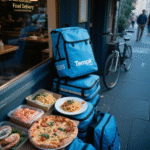
Distribution centers use insulated containers to deliver fresh produce, dairy and frozen goods to supermarkets, convenience stores and home delivery customers.
Pharmaceutical and Healthcare Logistics
Vaccins, biologics and temperature-sensitive medications require precise temperature control. The CDC guidelines emphasize using qualified containers and packouts with TMDs for vaccine transport.
Fishing, Hunting and Outdoor Sports
Fishing enthusiasts and hunting guides use rugged marine coolers to store catches and game meat.
Camping and Recreational Activities
Camping and caravanning remain a key driver of ice box demand.
Catering and Events
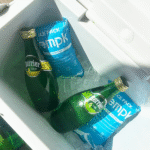
Event planners use cooler boxes to transport beverages and buffet items to outdoor weddings, corporate retreats and festivals.
Buying Considerations: Choosing the Right Commercial Ice Box
Selecting the best ice box for your business depends on your use case, budget and logistical requirements. Here are step-by-step recommendations:
- Define Your Temperature Requirements – Determine the temperature range you need to maintain.
- Determine Capacity and Portability Needs – Consider the volume of goods you transport daily.
- Assess Durability and Hygiene – Look for features such as UV-resistant shells and reinforced corners.
- Evaluate Cooling Method (Passif vs. Actif) – Choose based on transport distance and temperature sensitivity.
- Consider Regulatory Compliance – Ensure the cooler meets CDC recommendations for vaccine transport.
- Look at Sustainability and Cost Over the Product’s Lifetime – Evaluate total cost of ownership.
- Check Supplier Credentials and Warranty – Select manufacturers with a track record in commercial refrigeration.
2026 Trends and Innovations in Commercial Ice Boxes
Understanding future trends helps you make a long-term investment. Here are notable developments affecting the commercial ice box market in 2026 et au-delà:
- Electrification and Smart Features: Battery-powered coolers with integrated telematics and solar charging options.
- Matériaux durables: Recyclable EPP foam and bio-based insulation replacing EPS.
- Intégration IoT: Real-time temperature monitoring and GPS tracking for fleet management.
- Conceptions modulaires: Empilable, interchangeable components for flexible logistics.
Material Comparison Table
| Material Type | Performance thermique | Durabilité | Typical Wholesale Implication |
|---|---|---|---|
| Rotomolded Polyethylene | Excellent (thick foam core) | Très haut | Higher unit cost, longer lifespan |
| Polystyrène élargi (PSE) | Bien | Faible (à usage unique) | Faible coût, facing regulatory bans |
| Polypropylène expansé (PPE) | Good to Excellent | Haut (réutilisable) | Mid-range cost, écologique |
Ice Box Type and Pricing Overview
| Ice Box Type | Environ. Wholesale Price | Use Case Benefit |
|---|---|---|
| Refroidisseur à côté (50L) | $80–150$ | Temps de maintien longs, rugged use |
| Refroidisseur à côtés doux (30L) | $40–80$ | Léger, portable |
| Powered Cooler (40L) | $200–$400 | Refroidissement actif, no ice needed |
Résumé et recommandations
Commercial ice boxes—whether simple insulated chests or advanced battery-powered units—play a critical role in modern cold chain logistics. Le marché connaît une croissance rapide, driven by outdoor lifestyles, livraison de nourriture, healthcare demand and technological innovation.
Principaux à retenir:
- The global cooler box market will more than double from USD 6.80 milliards en 2025 à plus de USD 14 milliards 2032.
- Hard-sided coolers dominate the market, while electrified coolers and reusable designs represent major growth opportunities.
- Demand is driven by outdoor recreation, last-mile delivery and the expanding cold chain in food and pharmaceuticals.
- Sustainable materials and reusable designs are replacing EPS disposables due to environmental bans.
- For vaccine transport, specialized medical coolers with TMDs are required; regular food coolers are unsuitable.
Étapes suivantes
- Audit your current cooling requirements.
- Select appropriate products based on transport distance and temperature sensitivity.
- Develop packing and monitoring protocols.
- Integrate digital tools for temperature tracking.
- Plan for sustainability with reusable materials.
À propos du tempk
We at Tempk specialize in cold chain solutions designed for commercial and industrial clients. Our product range includes high-performance cooler boxes, insulated shippers and phase-change materials engineered to maintain stable temperatures for food, pharmaceuticals and sensitive goods.
Prochaine étape: If you’re ready to upgrade your commercial cooling solutions, consult with our experts to determine the best mix of passive and active coolers for your needs.