Livraison de chocolat réfrigéré: Comment conserver les chocolats parfaits pendant le transport
Mis à jour pour 2025: Livraison de chocolat réfrigéré Guide. La demande de chocolat haut de gamme a explosé avec le commerce électronique, Pourtant, expédier du chocolat en toute sécurité reste un défi. Dans 2025 le marché mondial du chocolat a dépassé 1,11 billion de dollars américains. Pour satisfaire les clients et protéger les profits, livraison de chocolat réfrigéré doit équilibrer la température, humidité et timing. Ce guide montre comment livrer des truffes, barres et pralines sans fondre ni fleurir, tirer parti du meilleur emballage d’aujourd’hui, technologies et pratiques de durabilité.
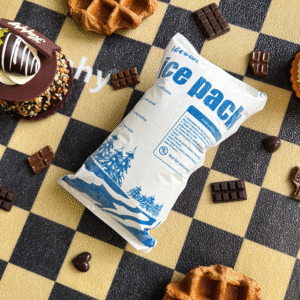
Comprendre les plages de température et d'humidité idéales pour les chocolats, garantir que les expéditions arrivent brillantes et lisses.
Comparez les solutions d'emballage et de refroidissement—des boîtes isolées aux matériaux à changement de phase (PCMS)-et voyez ce qui correspond à votre entreprise.
Naviguer dans la logistique de la chaîne du froid, y compris le pré-refroidissement, transport frigorifique et livraison du dernier kilomètre.
Tirer parti de technologies telles que l’IoT, IA et blockchain pour une surveillance en temps réel et un routage prédictif.
Adopter les meilleures pratiques en matière de durabilité et de réglementation, réduire les émissions et répondre 2025 conformité.
Gardez une longueur d'avance sur les tendances avec des prévisions de marché et des informations sur l'innovation pour 2025 et au-delà.
Quelles sont les conditions optimales pour la livraison de chocolat réfrigéré?
Un contrôle précis de la température et de l'humidité est essentiel pour la livraison de chocolat réfrigéré. Le chocolat est une délicate émulsion de beurre de cacao, sucre et solides du lait; lorsqu'il est exposé à la chaleur ou à l'humidité, les graisses migrent vers la surface (grosse floraison) ou les sucres cristallisent (floraison de sucre). La recherche montre que les chocolats doivent être conservés entre 54 ° F et 68 °F (12–20 ° C) avec humidité relative ci-dessous 50 %. Le chocolat noir tolère le bas de cette fourchette, tandis que le chocolat au lait et le chocolat blanc nécessitent un contrôle plus strict.
Pourquoi la température et l'humidité sont importantes
Le maintien d'un microclimat stable empêche la condensation et la floraison. La chaleur excessive ramollit le beurre de cacao 86 °F à 90 °F (30–32 °C), donc même un bref pic peut ruiner une expédition. L'humidité relative doit rester inférieure 50 % pour éviter la cristallisation du sucre et les surfaces ternes. Le pré-refroidissement du produit et de son emballage aide à stabiliser l'humidité pendant le transport..
Comprendre les points de fusion du chocolat
Différents chocolats ont des comportements de fusion uniques:
| Type de chocolat | Plage de température | Niveau d'humidité | Importance pratique |
| Chocolat noir | 12–20 ° C (54–68 °F) | ≤50 % | Une teneur plus élevée en beurre de cacao le rend stable à des températures plus basses; tolère un léger refroidissement. |
| Chocolat au lait | Même gamme que l'obscurité | ≤50 % | Plus sensible à cause du lait; a besoin d'un contrôle plus strict. |
| Chocolat blanc | 12–20 ° C | ≤50 % | Le plus fragile; une faible teneur en solides de cacao signifie que les graisses se séparent rapidement. |
| Chocolats fourrés/crème | 12–20 ° C | ≤50 % | Sujet à la fissuration ou à la dissolution du remplissage lorsque les températures fluctuent. |
Conseils pratiques pour maintenir des conditions optimales
Stabiliser la température: Gardez les expéditions entre 12–20 ° C. Utiliser des conteneurs isothermes et des PCM (Matériaux à changement de phase) correspond à cette gamme.
Contrôler l'humidité: Maintenir l'humidité relative en dessous 50 % avec des déshydratants ou des doublures absorbant l'humidité.
Assurer la circulation de l’air: Prévoir un espace entre les cases; évitez de conserver le chocolat à proximité de produits odorants.
Protéger de la lumière: Utiliser un emballage opaque pour éviter la dégradation induite par la lumière.
Adapté au type: Le chocolat noir supporte les températures plus fraîches; le lait et le blanc ont besoin de conditions plus stables.
Exemple du monde réel: Une entreprise de logistique expédiant des truffes gastronomiques à travers les continents a connu une floraison de sucre en été. Après avoir ajouté une surveillance continue de la température et de l'humidité et passé à un emballage passif isolé, les taux de rejet ont chuté de 15 % à 2 %. Cette simple combinaison de capteurs et d'isolation préservait la qualité et protégeait la marque.
Quelles solutions d'emballage et de refroidissement fonctionnent le mieux pour la livraison de chocolat réfrigéré?
L'emballage est la dernière défense contre la chaleur et l'humidité. Choisir la bonne isolation et les bons liquides de refroidissement peut maintenir les chocolats dans leur plage de sécurité pendant des jours. L’emballage doit équilibrer les performances thermiques, durabilité et coût.
Isolation et liquides de refroidissement
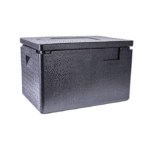
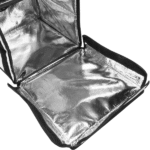
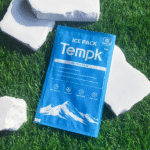
Les boîtes isolées modernes utilisent des matériaux tels que polystyrène élargi (PSE) mousse, doublures en fibre de coton, mousses à base d'amidon, papier bulle et doublures en papier recyclé. Options premium comme ClimaCell® allier hautes performances thermiques et durabilité. Liquides de refroidissement tels que des packs de gel, glace carbonique et Matériaux à changement de phase (PCMS) absorber ou libérer de l’énergie pour maintenir les températures cibles. Pour les expéditions de chocolat, l'emballeur doit équilibrer l'épaisseur de l'isolation avec le poids et le coût pour maintenir le contenu entre 60 ° F et 70 °F.
Emballage primaire et contrôle de l'humidité
L'emballage primaire doit être suffisamment solide pour la distribution dans le commerce électronique et protéger contre la condensation.. L'utilisation de boîtes ou de boîtes solides et d'emballages résistants à l'humidité permet de résister à une manipulation brutale.. Ajout déshydratants ou doublures absorbant l'humidité l'intérieur de la boîte réduit le risque de floraison du sucre. Lors de l’expédition de chocolats haut de gamme, les boîtes combinent souvent plusieurs couches: une enveloppe intérieure pour un contact direct et une couche extérieure comme barrière lumineuse.
Préconditionnement et prérefroidissement
Le contrôle de la température commence avant de quitter l'entrepôt. Les chocolats doivent être refroidis à 18–20 ° C et matériaux d'emballage pré-refroidis pour stabiliser les températures internes. Placer des produits froids dans un emballage chaud favorise la condensation; le préconditionnement réduit à la fois les gradients de température et maintient l'humidité en dessous 50 %.
Planification stratégique des itinéraires et calendrier de livraison
Même le meilleur emballage ne peut compenser une mauvaise planification. Connaître les points de fusion et les conditions météorologiques permet aux planificateurs d'expédier les chocolats pendant les heures les plus fraîches et d'éviter les itinéraires sujets à la chaleur.. L'analyse prédictive et le suivi météorologique peuvent ajuster les itinéraires en temps réel pour éviter les vagues de chaleur ou le trafic.. Le partenariat avec des transporteurs spécialisés dans la livraison à température contrôlée réduit les temps de transit et réduit l'exposition..
Comparaison des solutions d'emballage et de refroidissement
| Solution | Caractéristiques | Environ. Durée | Avantages |
| Boîtes isolées | Matériaux multicouches (polystyrène, papier, coton) transfert de chaleur lent | 24–72 heures | Léger, peu coûteux et personnalisable. |
| Matériaux à changement de phase (PCMS) | Packs de gel ou PCM avancés qui absorbent/libèrent de la chaleur pendant le changement de phase | 24–96 heures | Maintenir des températures stables sur une plage plus large; réutilisable. |
| Conteneurs actifs | Unités de réfrigération motorisées avec contrôle précis | 72+ heures | Convient aux expéditions de grande valeur ou sur de longues distances; plus cher. |
| Solutions hybrides | Combinaison d'isolation, PCM et refroidissement actif minimal | 48–96 heures | Équilibrer coût et performances pour les distances moyennes. |
Recommandations d'emballage
Adaptez l’isolation au tracé: Les températures ambiantes élevées nécessitent des revêtements plus épais ou plus performants.
Choisissez les PCM pour la plage souhaitée: Les packs de gel standard restent à proximité 0 °C; les PCM spécialisés maintiennent 15–20 ° C, idéal pour le chocolat.
Emballage primaire sécurisé: Les boîtes robustes empêchent l'écrasement et la pénétration de l'humidité.
Ajuster en fonction de la saisonnalité: Augmente le refroidissement ou l'isolation en été et isole du froid en hiver.
Intégrer des enregistreurs de données: Une surveillance continue détecte les écarts à un stade précoce afin que vous puissiez intervenir avant que la floraison ne se produise..
Étude de cas: Un chocolatier en ligne a adopté les doublures ClimaCell® et les emballages PCM à base de papier pour ses expéditions estivales. Couplé avec des enregistreurs de données en temps réel, livraisons maintenues 60–70 °F (15–21 °C) malgré une canicule. Plaintes abandonnées, et la légère hausse du coût de l'emballage a été compensée par une augmentation des ventes.
Comment fonctionne la chaîne du froid pour l'expédition du chocolat?
La livraison de chocolat réfrigéré implique plusieurs étapes depuis la fabrication jusqu'au client.. Après la production, les chocolats sont refroidis à la température de conservation souhaitée (typiquement 18–20 ° C) et placé dans un emballage à humidité contrôlée. Ils sont stockés dans des entrepôts à température contrôlée avec panneaux isolés, systèmes de stockage/récupération automatisés et rayonnages à palettes haute densité. Le transport utilise des camions réfrigérés (frigorifiques), conteneurs isothermes ou unités de fret aérien avec refroidissement cryogénique. Tout au long du transit, Les capteurs IoT et les enregistreurs de données transmettent la température en temps réel, données d'humidité et de localisation, s'assurer que les écarts déclenchent des actions correctives.
Stratégies du dernier kilomètre pour la livraison de chocolat réfrigéré
Le dernier kilomètre est souvent la partie la plus difficile de la livraison sous chaîne du froid.. Les fluctuations de température lors de la livraison finale peuvent entraîner une dégradation rapide. Pour protéger la qualité:
| Stratégie | Ce que cela implique | Avantages |
| Planification efficace des livraisons | Livrez pendant les périodes plus fraîches et évitez la chaleur de midi | Réduit l’exposition à la température et améliore l’intégrité du produit. |
| Minimiser le temps de traitement | Limiter le temps hors emballage isotherme | Empêche un réchauffement ou un refroidissement rapide. |
| Microcentres de distribution | Positionner les petits entrepôts à proximité des clients | Réduit les distances de déplacement et améliore la vitesse. |
| Optimisation des itinéraires | Utilisez l'IA et l'analyse prédictive pour planifier les itinéraires les plus rapides | Réduit la consommation de carburant et garantit une livraison dans les délais. |
| Packaging passif avec PCM | Maintenir la température pendant le transit du dernier kilomètre | Fournit une protection thermique sans réfrigération mécanique. |
Conseils pratiques
Prévoyez des périodes plus fraîches: Planifiez les livraisons tôt le matin ou tard le soir lorsque les températures ambiantes sont plus basses.
Réduisez le temps de séjour: Assurez-vous que les conducteurs disposent d'instructions claires et de points de dépôt prédéfinis pour minimiser le temps passé à l'extérieur du véhicule..
Utiliser des micro centres de distribution: Des distances plus courtes limitent l’exposition à la chaleur et à l’humidité.
Surveiller en temps réel: Équiper les camionnettes de livraison de capteurs qui alertent les conducteurs si les températures dépassent les seuils fixés.
Fournir les instructions au client: Encouragez les destinataires à récupérer les colis rapidement et à les stocker dans un endroit frais à leur arrivée.
Cas réel: En Amérique Latine, les conditions routières imprévisibles et les retards douaniers peuvent ralentir les expéditions de chocolat. Les pluies torrentielles au Brésil ou le manque de stockage climatisé en Argentine risquent souvent de fondre. Les prestataires de logistique intégrée répondent à ces problématiques en proposant des outils douaniers numériques, hubs climatisés et solutions de transport multimodal.
Comment la technologie peut-elle améliorer la logistique du chocolat réfrigéré?
Les technologies numériques transforment la chaîne du froid en un système intelligent, réseau piloté par les données. Aujourd'hui, Capteurs IoT, analyse prédictive, L'IA et la blockchain travaillent ensemble pour offrir une visibilité en temps réel, prévenir les pannes d’équipements et sécuriser la chaîne d’approvisionnement.
Implémentation d'une surveillance basée sur l'IoT
Les appareils IoT vont des simples enregistreurs de température aux packages multi-capteurs sophistiqués. Ils transmettent des données à une plateforme cloud où des modèles prédictifs analysent les tendances et déclenchent des alertes. Leurs avantages incluent:
| Technologie | Ce que ça fait | Avantages pratiques |
| Capteurs IoT | Surveiller en permanence la température, humidité et emplacement | Fournir une visibilité en temps réel; alerter les opérateurs avant que la floraison ne se produise. |
| Analyse prédictive | Utilisez les données des capteurs pour prévoir les pannes d’équipement et les perturbations d’itinéraire | Réduisez les temps d'arrêt imprévus jusqu'à 50 % et réduisez les coûts de réparation en 10–20 %. |
| Analyse énergétique | Suivre la consommation d’énergie des unités de réfrigération | Optimiser la consommation d’énergie et réduire les coûts en 10–30 %. |
| AI route optimisation | Planifier des itinéraires de livraison efficaces en fonction du trafic, météo et demande | Économisez du carburant, réduire les émissions et raccourcir les délais de livraison. |
| Chaîne de blocs | Enregistrez chaque transfert dans un grand livre immuable | Garantir l'authenticité, simplifier les rappels et dissuader la falsification. |
Conseils pour l'adoption numérique
Adoptez une plateforme connectée: Choisissez des appareils et des logiciels IoT qui s'intègrent parfaitement afin de disposer d'un tableau de bord unique.
Commencez par les atouts clés: Équipez en premier les unités de réfrigération et les véhicules de livraison les plus critiques; échelle après avoir démontré le retour sur investissement.
Utiliser la blockchain de manière stratégique: Réserver la blockchain aux chocolats à haut risque ou de grande valeur; un suivi plus simple peut suffire pour d'autres envois.
Formez votre équipe: Assurez-vous que le personnel peut interpréter les données et répondre rapidement aux alertes.
Exemple: Un confiseur européen a intégré des capteurs IoT et des analyses prédictives dans sa flotte. Avant l'adoption, à propos 15 % des expéditions ont subi des écarts de température. Dans un délai d'un an, les écarts sont tombés à 3 %, économisant des milliers de kilos de chocolats et réduisant la consommation de carburant en 12 % grâce à des itinéraires optimisés par l'IA.
Quel rôle joue la durabilité dans la livraison de chocolat réfrigéré?
La durabilité n’est plus une option; cela fait partie intégrante de la stratégie de la chaîne du froid. Les émissions des transports et les déchets d’emballage sont des préoccupations environnementales majeures. Par 2025, les entreprises sont confrontées à la pression des réglementations et des consommateurs pour décarboner la logistique et adopter des matériaux plus écologiques.
Transport et emballage écologiques
Les stratégies environnementales incluent les véhicules électriques ou hybrides, carburants renouvelables, entrepôts économes en énergie et emballages biodégradables. Par exemple:
| Mesure | Comment il réduit les émissions | Avantages pour vous |
| Véhicules électriques/hybrides | Réduire la consommation de carburant et les émissions de gaz à effet de serre; des coûts d'exploitation réduits | Réduisez les frais d’expédition, respecter la réglementation verte et valoriser l’image de marque. |
| Carburants renouvelables (biodiesel, diesel renouvelable) | Réduire les émissions jusqu'à 80 % | Offrir une option de transition pour les flottes existantes; aucune mise à niveau majeure du véhicule n'est nécessaire. |
| AI route optimisation | Économise du carburant et réduit le carbone de 10–15 % | Améliorez les livraisons à temps et réduisez les coûts. |
| Entrepôts économes en énergie | L'éclairage LED et le CVC intelligent réduisent la consommation d'énergie de 20–30 % | Réduisez les dépenses opérationnelles et maintenez des conditions de stockage constantes. |
| Emballages biodégradables ou réutilisables | Réduit les déchets plastiques et soutient les chaînes d’approvisionnement circulaires | Répondre à la demande des consommateurs pour des produits respectueux de l’environnement et améliorer les références en matière de durabilité. |
Recommandations en matière de logistique durable
Véhicules électriques pilotes sur des itinéraires urbains à haute densité pour évaluer les économies et la réponse des clients.
Adopter des carburants renouvelables pour que les flottes diesel existantes réduisent immédiatement leurs émissions.
Utiliser l'IA pour la planification d'itinéraire pour minimiser la distance et le temps de déplacement.
Améliorer les entrepôts avec éclairage LED et systèmes CVC intelligents.
Choisissez un emballage vert, tels que des doublures recyclables et des isolants à base de papier.
Mettre en œuvre le recyclage et le compostage programmes pour les emballages et les déchets organiques.
Étude de cas verte: Un centre de distribution est passé à l'éclairage LED et a installé un panneau solaire sur le toit, compensation 40 % de sa consommation d'énergie. En passant aux contenants isothermes réutilisables, il a réduit les emballages à usage unique de 80 % et économisé sur les coûts d'élimination. Les clients ont apprécié la démarche éco-responsable, renforcer la fidélité à la marque.
2025 Derniers développements et tendances dans la logistique du chocolat réfrigéré
Aperçu de la tendance
L'industrie de la chaîne du froid évolue rapidement. Le marché mondial de la chaîne du froid devrait atteindre entre $393 milliards et $453 milliards en 2025 et accélérer pour $1.63 mille milliards par 2035, reflétant un 15 % taux de croissance annuel composé. Les facteurs déterminants incluent l’explosion de la livraison de courses en ligne, demande croissante de produits biologiques, et les attentes des consommateurs en matière de visibilité et de traçabilité. L’Asie-Pacifique est la région à la croissance la plus rapide, soutenu par des subventions gouvernementales et un commerce électronique en plein essor.
Le segment du matériel a dominé le marché du suivi et de la surveillance de la chaîne du froid en 2022, holding sur 76 % de part de marché. Simultanément, le marché de l'emballage est en plein essor: les emballages de la chaîne du froid ont été valorisés à $20.08 milliards en 2020 et devrait atteindre $36.65 milliards 2026. Les revenus de la livraison de nourriture en ligne devraient atteindre $45.33 millions par 2025, soulignant l’importance des emballages à température contrôlée.
Aperçu des dernières innovations et tendances
Automatisation et robotique: Le besoin d’efficacité et la pénurie de main-d’œuvre conduisent à l’adoption de systèmes automatisés de stockage et de récupération (AS/RS) et manipulation robotisée. À propos 80 % des entrepôts restent non automatisés, indiquant un potentiel de croissance important.
La durabilité comme valeur fondamentale: Systèmes de réfrigération économes en énergie, les sources d’énergie renouvelables et les emballages durables sont désormais essentiels. La chaîne du froid alimentaire mondiale émet environ 2 % des émissions de CO₂, pousser les entreprises vers des solutions plus vertes.
Visibilité de bout en bout avec suivi en temps réel: Les appareils IoT avancés offrent une visibilité ininterrompue et aident à optimiser les itinéraires et à réduire les déchets.
Moderniser les infrastructures: Les installations frigorifiques vieillissantes sont modernisées grâce à des systèmes de réfrigération modernes, équipements de manutention automatisés et énergie renouvelable sur site.
IA et analyse prédictive: L'IA optimise les itinéraires, prévoit la demande et prédit la maintenance des équipements, améliorer la prise de décision et la fiabilité des services.
Une chaîne du froid pharmaceutique en croissance: Le segment logistique de la chaîne du froid pharmaceutique est valorisé à $6.7 milliards en 2025 et devrait atteindre $9.3 milliards 2034.
Investissement dans la logistique des produits frais: Alors que les consommateurs exigent des produits frais, produits de haute qualité, la logistique de la chaîne du froid est cruciale dans la livraison du dernier kilomètre. Le marché nord-américain de la chaîne du froid alimentaire devrait atteindre $86.67 milliard dans 2025.
Partenariats stratégiques et intégration: Collaboration entre fabricants, les fournisseurs d’emballages et les fournisseurs de technologies améliorent la résilience et la portée du marché.
Insistance au marché
La croissance du marché de l’emballage sous chaîne du froid est largement tirée par segments d'épicerie et de livraison de nourriture en ligne. Les produits alimentaires constituent environ 75 % de part de marché de l’emballage sous chaîne du froid, le reste étant destiné aux produits pharmaceutiques et à d'autres industries. Adoption de Matériaux à changement de phase (PCMS) et l'isolation avancée augmente pour maintenir la stabilité de la température sur de plus longues durées. Entre-temps, exigences réglementaires telles que celles des États-Unis. Règle de la FSMA 204 exiger une traçabilité au sein 24 heures, accélérer l’adoption de la technologie. En plus, les attentes des consommateurs en matière de transparence sont élevées: 99 % des acheteurs souhaitent avoir une visibilité sur la chaîne d'approvisionnement et 75 % changera de marque s'ils ne le reçoivent pas.
Questions fréquemment posées
Q1: À quelle température doivent être conservés les chocolats lors de la livraison?
Conservez les chocolats entre 64 ° F et 68 °F (18–20 ° C) pour conserver la texture et la saveur. Températures ci-dessus 86 °F (30 °C) risque de fonte et de floraison des graisses.
Q2: Comment éviter que le chocolat ne fonde lors de la livraison?
Utilisez des emballages isothermes avec des packs de gel ou des PCM, produits et emballages pré-refroidis, planifier les itinéraires pendant les heures les plus fraîches et compter sur des transporteurs expérimentés à température contrôlée.
Q3: Pourquoi l'humidité est-elle importante dans la logistique du chocolat?
Une humidité élevée provoque une floraison de sucre, où l'humidité se condense à la surface et cristallise le sucre. Garder l'humidité en dessous 50 % et l'utilisation de doublures absorbant l'humidité réduit ce risque.
Q4: Quelles technologies améliorent la livraison de chocolat réfrigéré?
Les capteurs IoT assurent une surveillance en temps réel, L'IA et l'analyse prédictive optimisent les itinéraires et prévoient les pannes d'équipement, et la blockchain assure la traçabilité.
Q5: Comment puis-je réduire l'impact environnemental de l'expédition de chocolat réfrigéré?
Adoptez les véhicules électriques, carburants renouvelables, AI route optimisation, entrepôts économes en énergie et emballages biodégradables.
Q6: Qu'est-ce que la règle FSMA 204 signifie pour les expéditeurs de chocolat?
En vigueur en janvier 2025, les États-Unis. Règle de la Loi sur la modernisation de la sécurité alimentaire 204 exige que certains aliments à haut risque soient traçables au sein 24 heures. La mise en œuvre d’une surveillance en temps réel et d’une tenue de registres électroniques contribue à garantir la conformité.
Q7: Les matériaux à changement de phase sont-ils nécessaires pour les livraisons courtes?
Pour les livraisons courtes (Par exemple, le même jour dans une ville), des packs de gel ou des briques de glace peuvent suffire. Cependant, Les PCM offrent des températures plus stables sur une plage plus large et sont idéaux pour les transports en commun sur plusieurs jours ou les climats plus chauds.
Résumé & Recommandations
Principaux à retenir:
Maintenir une température stricte (18–20 ° C) et l'humidité (<50 %) lignes directrices pour éviter la prolifération de graisses et de sucres.
Sélectionnez la bonne solution d’emballage et de refroidissement—la combinaison de matériaux isolés avec des PCM permet d'obtenir une protection plus longue.
Mettre en œuvre une surveillance en temps réel et des analyses prédictives détecter rapidement les écarts et optimiser les itinéraires.
Adopter des pratiques durables en utilisant des véhicules électriques, carburants renouvelables et emballages écologiques.
Restez informé des tendances et des réglementations du marché—le secteur de la chaîne du froid se développe rapidement et devient plus transparent.
Plan d'action:
Auditez votre chaîne du froid actuelle: Mesurer la stabilité de la température et de l'humidité à chaque étape. Identifier où se produisent les écarts.
Emballage de mise à niveau: Pensez à une isolation haute performance (Par exemple, ClimaCell®) et PCM adaptés à la gamme sûre du chocolat. Ajuster les quantités de liquide de refroidissement de façon saisonnière.
Implémenter des capteurs IoT: Commencez par les actifs critiques (véhicules de transport et zones d'entrepôt) pour surveiller les conditions. Utilisez des tableaux de bord basés sur le cloud pour des alertes en temps réel.
Optimiser la logistique: Utiliser des outils d'IA pour la planification d'itinéraires et la maintenance prédictive. Planifiez les livraisons à des heures plus fraîches et utilisez des micro-centres de distribution pour réduire les distances.
Adoptez la durabilité: Transition vers des véhicules électriques ou hybrides, adopter des emballages biodégradables et améliorer les systèmes énergétiques des entrepôts.
Formez votre équipe et vos partenaires: Assurez-vous que tout le monde comprend les seuils de température, protocoles d'emballage et systèmes de surveillance. Élaborer des plans d’urgence en cas d’écarts.
À propos du tempk
Nous sommes Rotation, un innovateur de premier plan dans le domaine des solutions d'emballage et de logistique pour la chaîne du froid. Notre équipe combine des décennies d'expertise dans la science des matériaux thermiques avec des technologies IoT de pointe.. Nous sommes spécialisés dans sacs isolés, boîtes et liquides de refroidissement PCM avancés qui protègent les produits sensibles à la température – les chocolats, produits pharmaceutiques et plus encore, tout au long de leur parcours. Nos installations certifiées ISO et notre engagement en faveur du développement durable signifient que chaque produit répond à des normes de qualité rigoureuses tout en minimisant l'impact sur l'environnement.. Choisissez Tempk pour vous assurer chaque livraison de chocolat réfrigéré arrive parfaite, à chaque fois.
Prochaine étape: Contactez nos experts pour discuter de vos défis en matière de livraison de chocolat réfrigéré et trouver une solution sur mesure. Que vous expédiiez localement ou mondialement, Tempk possède la technologie et l'expérience nécessaires pour garder vos chocolats sucrés et sûrs..