Conservation du chocolat réfrigéré: comment garder le chocolat frais?
Quand tu apprécies le bon chocolat, vous voulez qu'il reste brillant et se casse lorsque vous le cassez. L'art de conservation du chocolat réfrigéré veille à ce que le chocolat conserve sa texture et sa saveur en contrôlant la température et l'humidité. À la fin de ce guide, tu sauras conserver le chocolat entre 12–20 °C et humidité inférieure 50 %, choisir le bon emballage, et découvrez les dernières 2025 des innovations qui font conservation du chocolat réfrigéré plus facile que jamais.
Pourquoi le stockage du chocolat réfrigéré est-il essentiel pour la qualité et la saveur? Comprenez comment la température et l'humidité affectent le chocolat et apprenez des conseils de conservation à long terme..
Comment obtenir des conditions optimales de conservation du chocolat réfrigéré? Étapes pratiques pour maintenir des conditions stables grâce au pré-refroidissement et à une surveillance appropriée.
Quelles solutions d'emballage et de refroidissement fonctionnent le mieux pour le stockage du chocolat réfrigéré? Comparez les boîtes isothermes, matériaux à changement de phase et réfrigération active.
Quelles sont les dernières 2025 tendances en matière de conservation du chocolat réfrigéré? Explorez l'IA, IoT, la durabilité et la croissance du marché façonnent la chaîne du froid.
Comment pouvez-vous appliquer la conservation du chocolat réfrigéré à la maison ou en entreprise? Scénarios et outils du monde réel pour vous aider à mettre en œuvre ces pratiques.
Pourquoi le stockage du chocolat réfrigéré est-il essentiel pour la qualité et la saveur?
Réponse directe
Le stockage du chocolat refroidi empêche la prolifération des graisses, floraison de sucre et perte de texture en maintenant le chocolat dans une plage de température stable de 12 à 20 °C avec une humidité inférieure 50 %. Le chocolat est une délicate émulsion de beurre de cacao, sucre et solides du lait; Même de petites fluctuations de température ou d'humidité peuvent provoquer la séparation du beurre de cacao ou la cristallisation des sucres.. Quand cela arrive, le chocolat devient terne et friable, conduisant au gaspillage et aux clients mécontents. Sans faire attention conservation du chocolat réfrigéré, vos truffes premium peuvent perdre de la valeur avant d'arriver sur la table.
Explication élargie
Vous vous demandez peut-être pourquoi un bloc de chocolat a besoin de tant d'attention. Le chocolat est plus qu'un bonbon; c'est un mélange finement réglé. Trop de chaleur ramollit le beurre de cacao, et quand il refroidit à nouveau, la graisse remonte à la surface en stries appelées graisse grasse.. D'autre part, si le chocolat est froid suivi d'un réchauffement, l'humidité se condense et le sucre cristallise : c'est la floraison du sucre. Ces changements sont sans danger pour la consommation mais ruinent l’attrait du produit. Correctement conservation du chocolat réfrigéré évite ces problèmes en maintenant la température stable et l’humidité faible; les experts recommandent une température de 12 à 20 °C et une humidité relative inférieure 50 %. Le chocolat noir peut tolérer des conditions légèrement plus fraîches que les variétés au lait ou blanches. L'exposition à la lumière et les odeurs fortes dégradent également la qualité, alors conservez le chocolat dans le noir, espaces sans odeur. En adoptant des mesures rigoureuses conservation du chocolat réfrigéré pratiques, vous protégez à la fois la saveur et l’apparence.
Effets de la température et de l'humidité sur le chocolat
| Type de chocolat | Température optimale | Niveau d'humidité | Importance pratique |
| Chocolat noir | 12–20 ° C (54–68 °F) | ≤50 % | La teneur élevée en beurre de cacao permet au chocolat noir de rester stable à l'extrémité la plus froide de la gamme. Un léger refroidissement est toléré. |
| Chocolat au lait | 12–20 ° C | ≤50 % | Plus sensible en raison des solides du lait; nécessite un contrôle plus strict et une réponse rapide aux excursions. |
| Chocolat blanc | 12–20 ° C | ≤50 % | La faible teneur en matière sèche de cacao fait du chocolat blanc le plus délicat; une surveillance continue est essentielle. |
| Chocolats fourrés ou à la crème | 12–20 ° C | ≤50 % | Les obturations peuvent se fissurer ou se séparer lorsque les températures fluctuent. |
Conseils et suggestions pratiques
Prévenir la floraison en été: Gardez le chocolat à l'abri de la lumière directe du soleil, utilisez un emballage opaque et évitez de le stocker à proximité d'appareils chauds. Maintenir l'humidité en dessous 50 %. Bien conservation du chocolat réfrigéré c'est anticiper quand la chaleur monte.
Évitez les pièges de la réfrigération: Les réfrigérateurs sont humides; l'humidité peut se condenser sur le chocolat et provoquer une floraison de sucre. Si la réfrigération est inévitable, envelopper hermétiquement le chocolat et le laisser revenir à température ambiante avant ouverture pour éviter la condensation. Une règle fondamentale de conservation du chocolat réfrigéré est d'éloigner l'humidité de la surface.
Contrôler les odeurs: Conservez le chocolat à l'écart des aliments odorants comme les oignons et les épices. Le chocolat absorbe facilement les odeurs, donc sans brouillon, des conditions de propreté sont essentielles. Approprié conservation du chocolat réfrigéré conserve à la fois la saveur et l’arôme.
Chronométrez votre consommation: La plupart des chocolats peuvent durer jusqu'à un an ou plus s'ils sont conservés correctement. Cependant, les chocolats frais fourrés sont meilleurs à consommer en quelques semaines. Vérifiez les dates de péremption et planifiez en conséquence.
Étude de cas: Un chocolatier haut de gamme a remarqué que ses livraisons estivales arrivaient avec des stries blanches à la surface. En mettant en œuvre une surveillance de la température et de l'humidité en temps réel et en passant à des emballages passifs isolés, leur taux de rejet est passé de 15 % à 2 %. Ce simple changement de conservation du chocolat réfrigéré protégé leur marque et leurs clients satisfaits.
Comment obtenir des conditions optimales de conservation du chocolat réfrigéré?
Réponse directe
Pour obtenir un stockage optimal du chocolat refroidi, il faut stabiliser l'environnement entre 12 °C et 20 °C et maintenir l'humidité relative en dessous 50 %. Ceci est accompli grâce au pré-refroidissement, débit d'air contrôlé et surveillance. Le chocolat noir résiste au bas de gamme, tandis que les chocolats au lait et blancs nécessitent des conditions constantes. Avec le bon conservation du chocolat réfrigéré, vous minimisez la floraison et prolongez la durée de conservation.
Guide étape par étape
Protéger le chocolat n’est pas compliqué, mais cela nécessite une attention aux détails. Suivez-les conservation du chocolat réfrigéré mesures:
Produits et emballages pré-refroidis: Pré-refroidir le chocolat à 18-20 °C avant de l'emballer et réfrigérer les matériaux d'emballage pour éviter la condensation.. Mettre un chocolat froid dans un emballage chaud favorise l'accumulation d'humidité. Cette simple habitude ouvre la voie à une bonne conservation du chocolat réfrigéré.
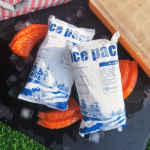
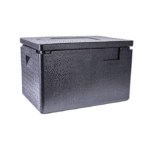
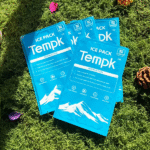
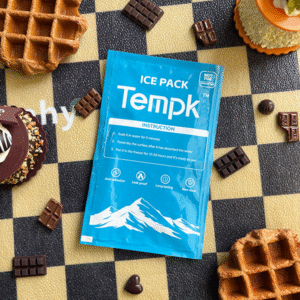
Utiliser des environnements isolés: Conservez le chocolat dans des pièces climatisées ou dans des contenants isolés pour minimiser les variations de température.. Refroidissement passif (boîtes isothermes avec packs de gel) maintient le produit dans la plage cible pendant 24 à 72 heures et constitue l'épine dorsale de la pratique conservation du chocolat réfrigéré.
Surveiller la température et l'humidité: Placez des capteurs ou des enregistreurs de données à l'intérieur des zones de stockage et des caisses de transport. La surveillance en temps réel permet une intervention rapide si les conditions dérivent. La visibilité est essentielle pour être robuste conservation du chocolat réfrigéré.
Assurer la circulation de l’air et la propreté: Prévoyez de l'espace autour des cartons et des palettes pour que l'air puisse circuler. Nettoyer régulièrement la zone de stockage pour éliminer les odeurs. Une bonne circulation de l’air est la pierre angulaire de conservation du chocolat réfrigéré.
Protéger de la lumière: Utilisez un emballage sombre ou stockez-le dans des environnements sombres; la lumière peut dégrader le beurre de cacao et gâcher sa saveur. Un sombre, un environnement frais définit l'idéal conservation du chocolat réfrigéré.
Plan pour le type de chocolat: Ajustez légèrement le stockage pour l'obscurité, lait, chocolats blancs ou fourrés. Les chocolats blancs et fourrés nécessitent les conditions les plus constantes. Adaptation conservation du chocolat réfrigéré au type de produit réduit le risque.
Détails supplémentaires
Contrôle de l'humidité: Même si le chocolat n’est pas aussi sensible à l’humidité que les produits frais, l'humidité devient problématique près du point de condensation. L'humidité relative doit rester en dessous 50 % et être surveillé en permanence. Le préconditionnement réduit la variation d’humidité. Bien conservation du chocolat réfrigéré accorde la même attention à l’humidité et à la température.
Évitez le froid extrême: La congélation du chocolat endommage la texture en provoquant des efflorescences et des craquelures du sucre.. Stockage ci-dessous 10 °C est généralement trop froid et peut rendre la graisse cassante. Conservation du chocolat réfrigéré se situe entre la température ambiante et la réfrigération, pas au congélateur.
Acclimatation: Lors du déplacement du chocolat de la chambre froide à la température ambiante, laissez-le se réchauffer progressivement à l'intérieur de son emballage pour éviter la condensation. La patience est une vertu dans conservation du chocolat réfrigéré.
Table pratique: Catégories de la chaîne du froid et impact
| Catégorie de chaîne du froid | Plage de température (°F/°C) | Marchandises typiques | Impact sur le chocolat |
| Ambiant | 59–86 °F (15–30 ° C) | Marchandises non périssables | Trop chaud pour conservation du chocolat réfrigéré; risque élevé de fonte. |
| Cool | 50–59 °F (10–15 °C) | Fromage, produits frais | Peut suffire pour des transferts très courts mais au-dessus de la gamme de chocolat optimale. |
| Glacé | 32–50 °F (0–10 °C) | Vaccins, laitier | Convient à la chaîne du froid du chocolat; empêche la croissance microbienne. |
| Congelé | –22 à 32 °F (–30–0 °C) | Viande, desserts congelés | Trop froid pour le chocolat; provoque une floraison de sucre et des dommages à la texture. |
Conseils orientés utilisateur
Stockage à domicile: Si ta maison est chaude, choisissez la pièce la plus cool (souvent un garde-manger ou un sous-sol) conserver le chocolat. Placez le chocolat dans un récipient hermétique avec un sachet de gel de silice pour contrôler l'humidité.. Cette forme simple de conservation du chocolat réfrigéré fait durer vos friandises plus longtemps.
Petite entreprise: Pour les petites boulangeries, investissez dans une cave à vin dédiée ou dans une armoire isolée thermiquement pour maintenir un environnement cohérent. Un thermomètre numérique de base et une jauge d'humidité coûtent peu cher mais offrent une tranquillité d'esprit. Conservation du chocolat réfrigéré commence par la mesure.
Transporter des cadeaux: Lors de l'envoi de chocolat, utilisez des enveloppes isolées avec des packs de gel ou des matériaux à changement de phase conçus pour une température de 15 à 20 °C. Ajoutez du liquide de refroidissement supplémentaire en été et réduisez-le en hiver. Réfléchi conservation du chocolat réfrigéré rend l'expédition des cadeaux sans souci.
Exemple du monde réel: Un confiseur artisanal a commencé à pré-refroidir le chocolat et les emballages et a formé son personnel pour surveiller l'humidité.. Ils ont réduit les problèmes de condensation en 80 %, et les clients ont signalé des chocolats toujours brillants, même par temps humide.. Cela montre comment les améliorations des processus dans conservation du chocolat réfrigéré faire une vraie différence.
Quelles solutions d'emballage et de refroidissement fonctionnent le mieux pour le stockage du chocolat réfrigéré?
Réponse directe
L'emballage isolé passif avec des matériaux à changement de phase constitue la solution la plus rentable pour le stockage du chocolat réfrigéré sur de courtes à moyennes distances.. Ces solutions maintiennent la température sans alimentation externe et sont modulaires, léger et évolutif. Réfrigération active (conteneurs motorisés) est adapté aux expéditions de grande valeur ou au transport longue distance. Choisir le bon emballage est donc essentiel pour réussir conservation du chocolat réfrigéré.
Explication élargie
L'emballage est la première ligne de défense contre la chaleur. L'emballage passif de la chaîne du froid comprend des boîtes isothermes, conteneurs et doublures qui emprisonnent l'air frais. Ils fonctionnent avec des éléments de refroidissement tels que des packs de gel et des matériaux à changement de phase (PCMS) qui absorbent et libèrent de la chaleur. Les PCM sont particulièrement utiles car ils stabilisent la température autour de leur point de fusion; pour les expéditions de chocolat, Les PCM formulés pour une température de 15 à 20 °C maintiennent un point idéal pendant des heures ou des jours. Gamme de matériaux isolants haute performance allant du polystyrène expansé (PSE) doublures en mousse et en fibre de coton, mousses à base d'amidon et papier recyclé. Les options écologiques comme ClimaCell® allient performance thermique et durabilité. Pour les très longs trajets ou les marchandises de grande valeur, les conteneurs actifs offrent un contrôle précis de la température pour 72 heures ou plus mais sont plus lourds et plus chers. Comprendre ces options vous permet de concevoir conservation du chocolat réfrigéré des solutions adaptées à vos besoins.
Comparaison des solutions d'emballage
| Solution | Caractéristiques clés | Durée approximative | Avantages |
| Boîtes isolées | Matériaux multicouches (polystyrène, papier, coton) transfert de chaleur lent | 24–72 heures | Léger, peu coûteux, tailles flexibles; fondation de conservation du chocolat réfrigéré. |
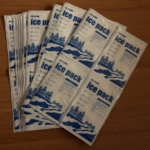
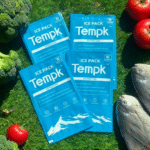
| Matériaux à changement de phase (PCMS) | Les packs de gel ou les PCM avancés absorbent/libèrent de la chaleur pendant le changement de phase | 24–96 heures | Maintenir des températures stables; réutilisable; durée de vie plus longue; idéal pour conservation du chocolat réfrigéré expéditions. |
| Conteneurs actifs | Les unités de réfrigération motorisées offrent un contrôle précis | 72 heures ou plus | Convient aux expéditions de grande valeur ou sur de longues distances; plus cher; avancé conservation du chocolat réfrigéré. |
| Solutions hybrides | Combinaison d'isolation et de PCM avec un refroidissement actif minimal | 48–96 heures | Équilibrer coût et performances pour les expéditions à moyenne distance; flexible conservation du chocolat réfrigéré option. |
Choisir le bon emballage
Itinéraire et durée: Sélectionnez l'épaisseur de l'isolation et la capacité PCM en fonction de la longueur du trajet et de la température ambiante.. Les itinéraires plus longs ou plus chauds nécessitent plus de liquide de refroidissement. Bien conservation du chocolat réfrigéré anticipe les conditions de voyage.
Saisonnalité: Augmenter la quantité d'éléments de refroidissement en été, mais isolez du froid en hiver pour éviter le gel. Les désaisonnalisations font partie intégrante conservation du chocolat réfrigéré succès.
Solidité: L'emballage primaire doit être suffisamment solide pour résister à la manipulation et protéger de l'humidité.. L'emballage solide empêche la casse et la pénétration de l'humidité. conservation du chocolat réfrigéré.
Contrôle de l'humidité: Ajoutez des sachets déshydratants ou des doublures absorbant l'humidité pour gérer l'humidité.. Même avec une température parfaite, l'humidité peut ruiner le chocolat; proactif conservation du chocolat réfrigéré ajoute des déshydratants.
Durabilité: Envisagez des matériaux recyclables ou biodégradables pour réduire les déchets. Les doublures à base de papier et les contenants réutilisables soutiennent une chaîne d'approvisionnement circulaire et respectueuse de l'environnement. conservation du chocolat réfrigéré.
Des conseils concrets pour les utilisateurs
Expédition pour le commerce électronique: Utilisez une combinaison de PCM et d’enveloppes isolées adaptées à la durée d’expédition. Incluez un enregistreur de données pour enregistrer les conditions afin que vous puissiez affiner votre approche lors des futures expéditions.. Ce système simple peut transformer votre conservation du chocolat réfrigéré logistique.
Distribution à grande échelle: Pour le stockage en entrepôt, investissez dans des expéditeurs de palettes isolées et des capteurs IoT pour obtenir des données de température et d'humidité en temps réel. Utilisez l'analyse prédictive pour planifier les bonnes quantités de liquide de refroidissement. Mise à l'échelle conservation du chocolat réfrigéré nécessite de bonnes données.
Innover durablement: Remplacez les doublures en mousse à usage unique par une isolation à base de papier recyclable. Un chocolatier en ligne a opté pour les doublures ClimaCell® et a vu les plaintes chuter pendant une vague de chaleur tout en maintenant ses livraisons entre 60 et 70 °F. (15–21 °C) gamme. La durabilité peut aller de pair avec l’efficacité conservation du chocolat réfrigéré.
Exemple: Une entreprise de logistique transportant des truffes gourmandes à travers les continents a utilisé des emballages passifs isolés combinés à des PCM et à une surveillance en temps réel.. Leurs expéditions sont restées dans la fourchette 12-20 °C, et les retours clients dus à la floraison ont chuté de façon spectaculaire. Cela souligne à quel point un emballage et une surveillance robustes garantissent la fiabilité conservation du chocolat réfrigéré.
Quels sont les derniers développements et tendances en matière de stockage réfrigéré du chocolat en 2025?
Aperçu de la tendance
La conservation du chocolat réfrigéré n'est pas une discipline statique; les innovations et les forces du marché continuent de le remodeler. À ce jour 2025, le marché mondial de la logistique de la chaîne du froid est évalué autour USD 436.3 milliard et projeté de grimper jusqu'à USD 1.36 mille milliards par 2034 à un 13.46 % taux de croissance annuel composé. Le marché du chocolat lui-même est en plein essor, avec des ventes mondiales de chocolat dépassant 1,11 billion de dollars américains en 2023 et la demande augmente. La hausse des prix du cacao – dépassant les 12 600 dollars la tonne métrique en raison des pénuries liées au climat – fait ressortir la nécessité de protéger la valeur des produits.. Ces facteurs économiques encouragent les entreprises à investir dans des technologies avancées. conservation du chocolat réfrigéré stratégies.
Derniers progrès en 2025
Optimisation des itinéraires basée sur l'IA: L'intelligence artificielle analyse les données en temps réel et historiques pour planifier des itinéraires de livraison efficaces, prévoir les pannes d’équipement et gérer la demande. L’IA peut réduire la consommation de carburant en 15 % et réduire les émissions, avec des exemples comme le système ORION d'UPS permettant d'économiser des millions de gallons de carburant par an. Appliquer l'IA à conservation du chocolat réfrigéré réduit les déchets et les coûts.
Internet des objets (IoT) surveillance: Les capteurs IoT suivent la température, humidité et emplacement, offrant une visibilité de bout en bout et des alertes lorsque les conditions dérivent. L'analyse prédictive peut réduire les temps d'arrêt imprévus jusqu'à 50 % et des coûts de réparation réduits. La surveillance numérique devient la norme dans le monde moderne conservation du chocolat réfrigéré.
Logistique durable: Véhicules électriques et hybrides, carburants renouvelables, les entrepôts économes en énergie et les emballages biodégradables réduisent l'impact environnemental tout en réduisant les coûts d'exploitation. L'éclairage LED et le CVC intelligent offrent 20 à 30 % économies d'énergie. Les pratiques durables s'alignent sur les valeurs des consommateurs et améliorent conservation du chocolat réfrigéré processus.
Blockchain pour la traçabilité: L'enregistrement de chaque transfert dans un registre immuable garantit l'authenticité et la conformité du produit.. Ceci est particulièrement important pour les chocolats haut de gamme dont la provenance est importante.. La blockchain ajoute de la transparence à conservation du chocolat réfrigéré.
Microcentres de distribution: L'implantation de petits entrepôts à proximité des clients raccourcit les distances de livraison du dernier kilomètre et réduit l'exposition aux températures extrêmes.. Le micro-exécution est un aspect croissant de l'efficacité conservation du chocolat réfrigéré.
Insistance au marché
L’expansion de la chaîne du froid recoupe l’évolution des préférences des consommateurs. La demande de chocolats à base de plantes et d’origine éthique augmente, pousser les entreprises à manipuler de nouveaux produits délicats qui nécessitent un refroidissement précis. L’Asie-Pacifique devrait connaître la plus forte croissance dans le domaine de la logistique de la chaîne du froid, reflétant une urbanisation rapide et l’expansion du commerce électronique. En même temps, les pressions géopolitiques telles que les perturbations commerciales et les tarifs douaniers affectent la capacité logistique, soulignant la nécessité de chaînes d’approvisionnement résilientes. Les investisseurs financent la modernité, entrepôts automatisés utilisant des réfrigérants à faible GWP et des énergies renouvelables. Rester au courant de ces développements garantit votre conservation du chocolat réfrigéré les pratiques restent compétitives.
Questions fréquemment posées (FAQ) sur les tendances
Comment l’IA et l’IoT améliorent le stockage du chocolat réfrigéré? L'IA analyse les données pour optimiser les itinéraires et prédire les pannes d'équipement, économiser du carburant et réduire les pertes. Les capteurs IoT offrent une visibilité en temps réel et déclenchent des alertes en cas de dérive de température ou d'humidité.. Ensemble, ils font conservation du chocolat réfrigéré plus fiable.
Pourquoi la durabilité est-elle importante? Pratiques durables : véhicules électriques, énergie renouvelable, emballage biodégradable : réduction des émissions et réduction des coûts d’exploitation. Les consommateurs apprécient de plus en plus les marques respectueuses de l'environnement. Durable conservation du chocolat réfrigéré réduit également les déchets et séduit les clients soucieux de l'environnement.
Les chocolats à base de plantes changent-ils les besoins de stockage? Les chocolats à base de plantes et fonctionnels peuvent contenir des ingrédients plus délicats; ils nécessitent toujours une plage de température de 12 à 20 °C mais peuvent avoir une durée de conservation plus courte, ce qui accélère la distribution. La surveillance est essentielle pour les conservation du chocolat réfrigéré.
Quel rôle joue la blockchain? La blockchain crée des enregistrements inviolables des données de température et des transferts commerciaux, améliorer la traçabilité et permettre des rappels rapides. Cela renforce la confiance dans le conservation du chocolat réfrigéré processus.
La croissance du marché est-elle uniforme dans toutes les régions? L’Asie-Pacifique est en tête de la croissance grâce à la rapidité des investissements dans le commerce électronique et les infrastructures. Les régions dotées d’infrastructures plus anciennes se modernisent pour suivre le rythme. Les perspectives régionales éclairent la stratégie conservation du chocolat réfrigéré décisions.
Questions fréquemment posées
Q1: Quelle est la température idéale de conservation du chocolat refroidi?
Conserver le chocolat entre 12 °C et 20 °C (54–68 °F) pour éviter de fondre, perte de floraison et de texture. Le chocolat noir tolère des températures plus fraîches que le chocolat au lait et le chocolat blanc. Maintenir l'humidité relative en dessous 50 %. Bien conservation du chocolat réfrigéré équilibre toujours la température et l’humidité.
Q2: Comment conserver le chocolat à la maison sans équipement spécialisé?
Conservez le chocolat au frais, garde-manger sombre dans un contenant hermétique. Évitez le réfrigérateur car la condensation peut provoquer une floraison de sucre. Si ta chambre est chaude, enveloppez bien le chocolat et placez-le dans une cave à vin ou un sac isotherme avec un petit sac de gel. Créatif conservation du chocolat réfrigéré à la maison fait une grande différence.
Q3: Puis-je congeler du chocolat?
La congélation n'est pas recommandée. Températures ci-dessous 10 °C peut provoquer une efflorescence et une fissuration du sucre, ruiner la texture. Si vous devez congeler, envelopper hermétiquement le chocolat, décongeler lentement et consommer rapidement. La congélation ne fait pas partie de l'idéal conservation du chocolat réfrigéré.
Q4: Pourquoi mon chocolat devient-il blanc?
Des stries blanches ou une couche poussiéreuse indiquent une floraison grasse ou sucrée. Cela se produit lorsque le chocolat subit des fluctuations de température ou d'humidité.. Il est toujours sécuritaire de manger, mais correct conservation du chocolat réfrigéré empêche la floraison.
Q5: Quel emballage dois-je utiliser pour expédier du chocolat?
Utilisez des boîtes isothermes avec des matériaux à changement de phase conçues pour des expéditions à une température comprise entre 15 et 20 °C.. Assurez-vous que l’emballage est solide, résistant à l'humidité et comprend des déshydratants pour contrôler l'humidité. Ajouter un enregistreur de données pour surveiller les conditions. Un emballage réfléchi soutient la sécurité conservation du chocolat réfrigéré pendant le transit.
Q6: Combien de temps dure le chocolat?
Lorsqu'il est stocké correctement entre 12 et 20 °C et à faible humidité, les barres de chocolat solide peuvent durer jusqu'à deux ans. Les chocolats fourrés ont une durée de conservation plus courte et sont mieux consommés en quelques semaines. La durée de conservation est maximisée grâce à une conservation du chocolat réfrigéré.
Q7: Quelle est la différence entre le stockage actif et passif du chocolat réfrigéré?
Le stockage passif utilise de l'isolation et des PCM sans réfrigération mécanique, offrant 24 à 96 heures de protection pour la plupart des envois. Le stockage actif utilise des conteneurs motorisés pour un contrôle précis et est nécessaire pour les très longs trajets ou les marchandises de grande valeur. Chacun a sa place dans une approche globale conservation du chocolat réfrigéré stratégies.
Q8: Comment faire 2025 des innovations comme l'IA et l'IoT m'aident?
L’IA optimise les itinéraires et les plannings de maintenance, réduisant la consommation de carburant et la détérioration. Les capteurs IoT fournissent des données en temps réel pour corriger les écarts avant que le bloom ne se produise. La combinaison de ces outils permet conservation du chocolat réfrigéré plus efficace et durable.
Q9: L'humidité est-elle vraiment importante si la température est contrôlée?
Oui. Même lorsque la température est dans la plage, une humidité élevée peut provoquer la dissolution et la recristallisation du sucre, menant à la floraison du sucre. Gardez l'humidité en dessous 50 % et surveillez-le en permanence. Réussi conservation du chocolat réfrigéré gère les deux conditions.
Q10: Quelles mesures les petites entreprises de chocolat devraient-elles prendre en premier?
Commencez par mesurer la température et l’humidité de votre espace de stockage. Investissez dans des armoires ou des glacières isolées, chocolat pré-refroidi et emballage, et utilisez des packs de gel lors de l'expédition. Au fil du temps, adoptez des capteurs et des analyses prédictives pour affiner votre processus. Même de petits changements génèrent de gros gains conservation du chocolat réfrigéré.
Résumé et recommandations
Principaux à retenir
Environnement stable: Conservez le chocolat entre 12 °C et 20 °C avec une humidité relative inférieure 50 %. Le chocolat noir peut supporter des conditions légèrement plus fraîches; le chocolat au lait et le chocolat blanc ont besoin de températures constantes. Ceci constitue le noyau de conservation du chocolat réfrigéré.
Pré-refroidir et surveiller: Pré-refroidir le chocolat et l'emballage, utiliser des conteneurs isothermes avec des PCM, et surveiller la température et l'humidité en continu. Évitez la réfrigération sauf si nécessaire. Des routines solides sous-tendent l’efficacité conservation du chocolat réfrigéré.
Choisissez le bon emballage: Utiliser du solide, emballage résistant à l'humidité avec une isolation et un liquide de refroidissement adéquats pour votre itinéraire. Pensez aux matériaux écologiques pour réduire l’impact environnemental. Le choix des emballages est un élément stratégique de conservation du chocolat réfrigéré.
Tirer parti de la technologie: Adoptez les capteurs IoT, Optimisation des itinéraires par l'IA et analyses prédictives pour réduire les déchets et améliorer l'efficacité. Adopter la technologie modernise conservation du chocolat réfrigéré opérations.
Rester informé: Suivez les tendances dans 2025 comme la durabilité, micro centres de distribution et blockchain pour rester compétitif. La formation continue garantit votre conservation du chocolat réfrigéré suit le rythme des évolutions de l’industrie.
Plan d'action
Évaluez vos pratiques actuelles de stockage et d’expédition: Enregistrez la température et l’humidité de votre zone de stockage et de vos expéditions. Identifier les fluctuations et les risques potentiels. La sensibilisation est la première étape vers une robustesse conservation du chocolat réfrigéré.
Mettre en œuvre des contrôles de base: Investissez dans des armoires isolées ou des boîtes d'expédition avec PCM. Commencez à utiliser de simples enregistreurs de données pour surveiller les conditions. Même les outils de base renforcent conservation du chocolat réfrigéré.
Formez votre équipe: Sensibiliser le personnel à l’importance de conserver le chocolat réfrigéré, comment pré-refroidir les produits et les emballages, et comment répondre aux alarmes de température ou d'humidité. Les facteurs humains sont essentiels au maintien d’une bonne conservation du chocolat réfrigéré.
Adoptez la technologie: Intégrez progressivement les capteurs IoT et les logiciels de routage IA. Commencez petit : surveillez les expéditions de clés et évoluez au fur et à mesure que vous constatez les retours.. Preuves futures de l'adoption numérique conservation du chocolat réfrigéré.
Pensez durabilité: Choisissez des emballages réutilisables ou biodégradables, et explorer les véhicules de livraison électriques ou hybrides lorsque cela est possible. Des choix responsables soutiennent à la fois la planète et votre conservation du chocolat réfrigéré objectifs.
Engagez-vous avec les clients: Communiquez les délais de livraison et partagez les conseils de stockage. Des clients bien informés contribuent à maintenir la qualité des produits. L'éducation des clients complète la boucle de l'efficacité conservation du chocolat réfrigéré.
À propos du tempk
Nous sommes l'un des principaux fournisseurs de solutions d'emballage à température contrôlée et de chaîne du froid conçues pour garantir la sécurité et la fraîcheur des marchandises sensibles.. Notre expertise s'étend à l'alimentation, produits pharmaceutiques et technologie, et nos systèmes de refroidissement passifs et actifs ont reçu la confiance de marques mondiales. Nous développons des solutions d’emballage réutilisables et exploitons la recherche pour optimiser la logistique de la chaîne du froid. En mettant l’accent sur la durabilité et l’innovation, nous vous aidons à maintenir l'intégrité des produits tout en réduisant les déchets et les émissions. Autrement dit, nous fournissons les outils qui font conservation du chocolat réfrigéré possible à n'importe quelle échelle.
Étapes suivantes? Consultez nos experts pour évaluer votre conservation du chocolat réfrigéré besoins ou explorez notre gamme de conteneurs isothermes et de matériaux à changement de phase. Nous sommes là pour vous accompagner dans votre voyage vers une fraîcheur, chocolat plus sûr.