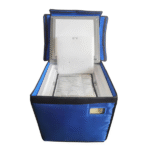
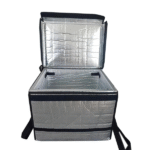
Sac isotherme Costco: Comment conserver les aliments au frais 2025?
UN costco insulated bag is a simple way to slow heat gain during the trip from checkout to your fridge. But it is not a refrigerator. Dans 2025, more shoppers treat that short drive like a “mini cold chain” because hot cars, trafic, and extra errands can raise risk fast. A practical rule many food-safety guides use: keep perishables out of the 40°F – 140 °F “Danger Zone,” and limit unrefrigerated time to 2 heures (ou 1 heure in extreme heat).
Cet article répondra pour vous:
-
how long does a costco insulated bag keep food cold on real trips (pas d'allégations marketing)
-
best way to pack a costco insulated bag with ice packs using a repeatable “two cold sources” method
-
costco insulated bag size choices for bulk groceries and awkward box shapes
-
leakproof insulated bag habits to prevent drips, taches, et les odeurs
-
costco insulated bag for grocery delivery routines that reduce warm spikes and returns
Is a Costco insulated bag enough for cold groceries?
Yes—if you use your costco insulated bag as a short-trip temperature buffer, not as permission to delay. It performs best when you pack cold items tightly, keep it fully closed, and add at least one cold source in warm weather. Pensez à l’isolation comme à une veste d’hiver: it slows heat movement, but it cannot “create cold.”
Dans la vraie vie, the bag helps most when your groceries would otherwise sit in a warm trunk or get opened repeatedly. If your routine includes multiple stops, long commutes, or hot parking lots, the system matters more than the bag. Votre objectif est simple: reduce time, réduire les ouvertures, and add cold mass.
The “Enough vs Not Enough” decision table
| Situation | Costco insulated bag alone | Ajouter des sources froides? | Ce que cela signifie pour vous |
|---|---|---|---|
| <20 min drive, temps doux | Often fine | Facultatif | Easy win with low effort |
| 20–60 min drive, warm car | Risk rises | Oui (1–2 paquets) | Meilleure texture + marge plus sûre |
| 60+ min or multiple stops | Usually not enough | Oui + stronger cooling | Upgrade your system, pas seulement le sac |
Conseils pratiques que vous pouvez utiliser aujourd'hui
-
Shop cold items last: Put refrigerated and frozen items in the costco insulated bag right before checkout.
-
Gardez-le fermé: A half-open zipper is a warm-air invitation.
-
Put the bag in the cabin: The trunk can heat up fast, especially in sun.
Exemple concret: A weekly bulk shopper reduced “soft edge” ice cream issues by packing frozen items together inside a costco insulated bag, adding two gel packs, and keeping the zipper closed until home.
How long does a Costco insulated bag keep food cold?
How long a costco insulated bag keeps food cold depends on heat, fullness, sources froides, and openings—not the logo on the bag. A full, zipped bag with gel packs can stay cold far longer than a half-empty bag that gets opened at every stop. Instead of chasing one “magic number,” plan by time blocks and risk level.
If your trip can stretch past an hour in warm conditions, use cold sources every time. If you might hit two hours (trafic + courses), treat that as a system-design problem: use more cold mass, reduce stops, or move to a hard cooler.
A quick hold-time planner (interactif)
Pick the best match and follow the plan:
-
Temps de trajet
-
Sous 60 minutes → pack tight, garder fermé
-
60–120 minutes → add 2–4 cold sources and avoid extra stops
-
Sur 120 minutes → use stronger cooling (hard cooler or validated shipper)
-
-
Outside temperature
-
Mild → easier to manage
-
Warm → add cold mass
-
Hot → treat this as a “one-hour” scenario for high-risk foods
-
-
Ce que tu portes
-
Frozen → protect texture, minimize opening
-
Glacé (meat/dairy/seafood) → use cold sources and leak barriers
-
Shelf-stable → keep outside the insulated bag
-
What controls cold-hold time the most?
| Facteur | Meilleur choix | Worse choice | Ce que cela signifie pour vous |
|---|---|---|---|
| Fullness | Snug packing | Lacunes | Less warm air circulation |
| Source froide | 2 packs de gel | Aucun | Une plus grande marge de sécurité |
| Placement | Cabin shade | Hot trunk | Less heat load |
| Accéder | Keep closed | Peek often | Each open “resets” cold air |
Conseils pratiques que vous pouvez utiliser aujourd'hui
-
Eliminate air gaps: Fill space with a towel or paper bag.
-
Use “cold mass”: Chilled drinks act like extra ice packs.
-
Stop peeking: Opening is the fastest way to lose cold.
Exemple concret: A commuter doing a 90-minute return trip kept dairy colder by using two gel packs and placing the costco insulated bag on the back seat, pas dans le coffre.
How do you choose the right Costco insulated bag size for bulk shopping?
The right costco insulated bag size is usually the smallest bag that fits your real “cold load.” Bigger is not always better because extra empty space becomes warm air. A snug fit typically holds temperature longer and prevents crushing.
Bulk shopping creates shape problems: wide frozen boxes, tall milk jugs, and deli trays. Choose for your most common shape, not your biggest fantasy haul.
Quick size matching by shopping style
| Your typical trip | Meilleure forme de sac | Que chercher | Ce que cela signifie pour vous |
|---|---|---|---|
| Frozen-heavy | Large, boxy tote | Flat base, rigid sides | Less crushing + meilleur ajustement |
| Laitier + épicerie fine | Cabas moyen | Strong zipper + doublure essuyable | Fewer leaks and odors |
| Party trays | Grand + large | Poignées renforcées | Easier carry, moins de déversements |
| Mixed bulk | Two-bag approach | One cold, one dry | Faster packing and better control |
The “Fit Finder” mini tool (interactif)
Donnez-vous des points:
-
Cold items per trip: 1–3 (1) / 4–8 (2) / 9+ (3)
-
Drive time: <20 min (1) / 20–60 (2) / 60+ or stops (3)
-
Hot weather frequency: rare (1) / parfois (2) / souvent (3)
Guide de notation
-
3–4: Small/medium costco insulated bag
-
5–7: Medium/large bag + sources froides
-
8–9: Two-bag system + higher cooling capacity
Conseils pratiques que vous pouvez utiliser aujourd'hui
-
Measure your “largest regular item.” If it won’t fit, you won’t use the bag.
-
Check handle stitching. Bulk loads stress handles more than insulation.
-
Split heavy + fragile. One bag for frozen blocks, one for delicate dairy/produce.
Exemple concret: A shopper stopped crushing berries and soft cheese by using a smaller costco insulated bag for fragile chilled items and a separate tote for heavy frozen boxes.
Best way to pack a Costco insulated bag with ice packs
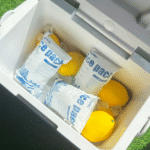
The best way to pack a costco insulated bag with ice packs is a “two cold sources” layout: one below and one above perishables. This stabilizes the base and protects against warm-air dumps when you open the zipper. Add a thin buffer if foods are delicate.
A key rule: never put warm groceries into the bag and “hope the ice fixes it.” Start cold and stay cold.
Costco insulated bag pack-out map (copier/coller SOP)
| Couche | Ce que vous placez | Pourquoi ça marche | Ce que cela signifie pour vous |
|---|---|---|---|
| Bas | Source froide (gel pack/frozen bottle) | Bloque la chaleur par le bas | Firmer frozen items |
| Milieu | Produits périssables (laitier, épicerie fine, fruit de mer) | Protected cold core | Meilleure marge de sécurité |
| Haut | Second cold source | Guards against openings | More consistent cold |
Emballage étape par étape (Howto)
-
Préfabriqué (5–10 minutes): Keep gel packs in the bag while you shop.
-
Group by temperature: Frozen with frozen, chilled with chilled, dry outside.
-
Ajouter un tampon: Use a thin towel or paper bag near delicate foods.
-
Seal proteins: Double-bag raw meat/seafood to prevent drips.
-
Top-cap cold: Place a cold source on top, then zip fully.
-
Unload first: Empty the costco insulated bag before anything else.
Conseils pratiques que vous pouvez utiliser aujourd'hui
-
Use two medium packs instead of one giant pack for even coverage.
-
Place packs on side walls when space allows to reduce air pockets.
-
Protect delicate items (baies, chocolat, légumes verts) with a buffer layer.
Exemple concret: A shopper kept frozen items firmer by placing two flat gel packs along the side walls of the costco insulated bag instead of directly on top of ice cream.
Costco insulated bag leak control: how to pack raw meat safely?
A costco insulated bag must manage two risks at once: temperature and contamination. Raw meat and seafood should be treated as “liquid risk.” Keep them sealed, séparé, and positioned so any leak cannot spread to ready-to-eat foods.
Most “my bag smells” problems start here: one small drip that never gets fully cleaned. Build your routine so separation happens automatically.
Raw-protein packing rules (simple et reproductible)
-
Règle 1: Raw protein goes in sealed secondary containment (inner bag or container).
-
Règle 2: Raw protein goes low and away from produce, épicerie fine, et les aliments cuits.
-
Règle 3: Si une fuite se produit, toi wash and fully dry the bag the same day.
| Risk point | Quelles sont les causes | Your fix | Ce que cela signifie pour vous |
|---|---|---|---|
| Drips | Punctured packaging | Confinement secondaire | Less contamination |
| Warmth | Long errand loop | Deux sources froides + faster route | Safer cold holding |
| Odeur | Moisture in seams | Faire le ménage + sec ouvert | Bag lasts longer |
Conseils pratiques que vous pouvez utiliser aujourd'hui
-
Bring one dedicated “protein liner.” It keeps the main liner clean.
-
Add an absorbent pad under seafood or meat packages.
-
Don’t overstuff. If the zipper won’t close, insulation can’t help.
Exemple concret: Many “the cooler bag stopped working” complaints are really “the zipper never fully closes because it’s overpacked.” A smaller, better-packed costco insulated bag often wins.
Costco insulated bag for grocery delivery: is it reliable?
A costco insulated bag for grocery delivery can be reliable for short routes if you standardize your process. Delivery success is less about the bag and more about repeatability: pré-refroidir, emballer en dernier, deliver first, garder fermé, and rotate dry bags.
If your routes are long, your climate is hot, or you have frequent door-open cycles, consider higher-performance insulated containers and a tighter delivery schedule.
The “Delivery Reality Check” (interactif)
Donnez-vous 1 point pour chaque « oui »:
-
Deliveries are typically under 60–90 minutes door-to-door
-
Vous utilisez cold sources on every perishable order
-
Cold items are staged dernier and delivered d'abord
-
The bag stays closed between stops
-
Tu peux reject or re-pack when packs are not fully frozen
-
Tu peux clean and dry bags daily
Guide de notation
-
0–2: High risk → upgrade system
-
3–4: Workable with strict SOP
-
5–6: Strong short-range setup
Conseils pratiques que vous pouvez utiliser aujourd'hui
-
Planification d'itinéraire: Deliver frozen and dairy first, shelf-stable last.
-
Standardiser un emballage: Fewer “creative” variations means fewer failures.
-
Rotate bags: Never pack into a damp liner.
Exemple concret: A meal-prep business improved ratings by making one rule: every cold order goes into a pre-chilled costco insulated bag with two gel packs.
How to clean and dry a Costco insulated bag to prevent odor
To clean and dry a costco insulated bag to prevent odor, you need full drying—not just wiping. Odor usually comes from trapped moisture in seams and corners. If the bag stays damp overnight, smell and mold risk rise quickly.
Treat your bag like a mini cooler. If it stays dry and clean, it stays usable—and you actually keep using it.
Cleaning checklist (fast enough to stick)
-
Empty crumbs and debris
-
Wipe liner with mild soapy solution
-
Rinse with a clean damp cloth (soap residue can smell)
-
Sécher complètement: sécher avec une serviette + sécher à l'air
-
Magasin unzipped in a ventilated spot
| Cleaning step | Fréquence | La plus grosse erreur | Ce que cela signifie pour vous |
|---|---|---|---|
| Essuyer la doublure | Every use | Skipping corners | Odor returns fast |
| Sécher complètement | Every use | Storing closed | Mold risk rises |
| Deep clean seams | Hebdomadaire | Ignoring zipper track | Hidden residue builds |
Conseils pratiques que vous pouvez utiliser aujourd'hui
-
After seafood: add an extra rinse wipe for odor residue.
-
Dry with zipper open and the bag “propped” so air circulates.
-
Wipe seams, not only flat panels. Seams hold odor.
Exemple concret: A shopper eliminated persistent smell by switching to “dry-first storage” and leaving the costco insulated bag unzipped overnight after every use.
Costco insulated bag vs hard cooler for road trips
A costco insulated bag vs hard cooler decision comes down to time, chaleur, et fréquence d'ouverture. The bag wins for convenience: light carry, quick grocery runs, and short stop-to-fridge travel. A hard cooler usually wins for long, hot trips and repeated openings.
If you routinely exceed one to two hours with high-risk foods, use a cooler that can hold temperature longer. If you stay inside short windows, the costco insulated bag system (avec des sources froides) c'est souvent assez.
Comparaison rapide
| Fonctionnalité | Costco insulated bag | Refroidisseur dur | Ce que cela signifie pour vous |
|---|---|---|---|
| Portabilité | Haut | Medium/low | Utilisation quotidienne plus facile |
| Cold hold time | Short-to-medium | Medium-to-long | Better for long trips |
| Cycles d'ouverture de porte | Sensitive | More forgiving | Delivery and road trips favor cooler |
| Nettoyage | Easy if dried | Easy but bulky | Choose what you’ll maintain |
Conseils pratiques que vous pouvez utiliser aujourd'hui
-
Si vous voyagez: use a hard cooler as “base,” and a costco insulated bag as “grab bag.”
-
If you do stops: reduce openings—stage what you need near the top.
-
If you want consistency: measure your routine, then choose your container.
Exemple concret: A family used a hard cooler for a beach day but still used a costco insulated bag for quick snack runs—less lifting, less fuss.
2025 trends in Costco insulated bags and everyday cold chain
Dans 2025, more shoppers treat store-to-home transport like a personal cold chain. Curbside pickup, kits de repas, and short-distance delivery push people to standardize routines: pré-refroidir, deux sources froides, and better separation. The biggest shift is mindset: process beats product.
You also see more demand for easy-clean liners, stronger handles for bulk loads, and “two-zone” packing habits. People increasingly keep multiple bags and rotate them so they never pack into damp interiors.
Aperçu des derniers développements
-
More “two-zone” habits: un sac pour congelé, un pour le frais
-
More leak control: liners and absorbent layers reduce wet-bottom mess
-
More routine cold sources: gel packs live permanently in the freezer
Questions fréquemment posées
Q1: How long does a costco insulated bag keep food cold without ice packs?
Usually only for short trips. If you’re carrying dairy, viande, ou fruits de mer, add cold sources and keep the bag zipped to reduce warming and risk.
Q2: What is the best way to pack a costco insulated bag with ice packs?
Utiliser deux sources froides: one at the bottom and one on top, with perishables in the middle. Add a thin buffer layer for delicate foods to prevent cold damage.
Q3: Can I put raw meat and ready-to-eat foods in the same costco insulated bag?
Tu peux, but it’s safer to separate them. Use sealed secondary containment for raw proteins and keep them low so any leak can’t reach ready-to-eat items.
Q4: Why does my costco insulated bag smell even after wiping?
It likely stayed damp. Odor often comes from moisture trapped in seams. Fully air-dry the bag open and wipe corners and zipper tracks.
Q5: Is a costco insulated bag good for grocery delivery?
Yes for short routes—if you standardize your SOP. Préfabriqué, use cold sources every time, keep the bag closed between stops, and rotate dry bags daily.
Résumé et recommandations
UN costco insulated bag is a powerful everyday tool when you treat it like a system. Emballez bien, keep it closed, et utiliser deux sources froides for perishables in warm conditions. Separate raw proteins to prevent leaks and contamination, and fully dry the bag to prevent odor. When trips get long or hot, upgrade your cooling capacity instead of hoping insulation can “win” alone.
Votre plan d'action pour la prochaine étape (effacer le CTA)
-
Prendre one standard pack-out and use it for your next three trips.
-
Garder deux sources froides in your freezer permanently.
-
Créer un protein liner habit to stop leaks and smells.
-
Track your risk triggers: chaleur, s'arrête, et fréquence d'ouverture.
-
If your routine exceeds short-trip limits, move to a stronger cooler system.
À propos du tempk
Et tempk, we focus on practical temperature-control habits and packaging systems that reduce temperature spikes during real transport. We help teams build repeatable pack-outs, improve leak control, and choose the right cooling capacity for their route realities. Notre objectif est simple: Moins de surprises, des livraisons plus propres, and more consistent product quality.
Prochaine étape: Partagez votre temps de voyage habituel, climat (mild/warm/hot), and what you buy most (frozen vs dairy vs meat). We’ll recommend a simple costco insulated bag packing routine and cold-source setup you can reuse every trip.