Introduction
Are you wondering whether a custom insulated box is worth the investment for your cold-chain shipments? With the insulated shipping packaging market projected to grow from USD 8.18 milliards en 2025 en USD 8.78 milliards en 2026 à un 7.3 % taux de croissance annuel composé (TCAC), la demande de plus intelligent, greener and more flexible thermal packaging has never been higher. Modern cold-chain logistics rely on precise temperature control, sustainable materials and intelligent tracking. Dans ce guide, you’ll learn how tailored insulation solutions improve thermal performance, protect product quality and strengthen your brand. À la fin, you’ll be equipped to design or choose the right box for your needs and stay ahead of 2026 tendances.
Cet article répondra:
Why custom insulated boxes matter: Discover how sizing to your product minimizes dead space, boosts thermal efficiency and reduces waste.
How to select materials & caractéristiques: Evaluate EPP, VIP and EPS insulation, phase-change elements, durable exteriors and smart tracking technologies.
Designing for efficiency and branding: Learn how custom dimensions, modular compartments and branding elements create operational savings and marketing value.
Applications & meilleures pratiques: See how different industries—from fresh produce to biologics—leverage custom insulated boxes and follow actionable tips for packing and maintenance.
2026 tendances & aperçus du marché: Stay informed about innovations such as IoT monitoring, eco-friendly materials and the projected expansion of the cold-chain sector.
Why Custom Insulated Boxes Are Essential for the Cold Chain
Réponse directe
Custom insulated boxes improve thermal efficiency, cut logistics costs and support sustainability by matching the box size and insulation to your product. Unlike standardized containers that leave extra air space, a tailored box minimizes convection and heat transfer, keeping temperature-sensitive goods within the required range for longer. Reducing dead space also means smaller, lighter shipments that save on storage and transport expenses. En outre, using only the necessary amount of material minimizes waste and helps meet environmental goals. En bref, a custom box ensures product safety and operational efficiency while supporting ESG commitments.
Explication élargie
When you choose a one-size-fits-all container, you inevitably pay for unused volume and extra insulating materials. This excess space allows warm air to circulate around your products, which accelerates heat gain and shortens the time your payload stays within the ideal temperature range. A custom insulated box is engineered to hug your product tightly, reducing air pockets and heat flow. Think of it like wearing a glove in winter: a snug fit traps warm air and keeps your fingers warm longer, whereas a loose mitten allows cold air to enter. By tailoring the box dimensions and the insulating layers—whether foam, vacuum panels or phase-change materials—you optimise thermal efficiency. You also lower dimensional weight charges, reduce packaging waste and avoid overloading pallets or delivery vehicles. De plus, custom boxes can be made with recyclable materials and designed for repeated use, aligning with corporate sustainability goals and regulatory trends.
Thermal Efficiency Through Tailored Fit
Informations détaillées
Custom sizing delivers tangible performance gains. Selon Insulated Products Corporation (IPC), eliminating empty space inside packaging improves thermal performance by minimizing airflow and heat transfer. This means perishable goods remain within their safe temperature range for longer durations, réduire le risque de détérioration. On the operational side, a tailored fit ensures packages are as compact as possible, cutting storage and shipping costs. Waste reduction is another benefit: using only the necessary amount of insulation materials minimises environmental impact and saves money. Enfin, custom dimensions support regulatory compliance by ensuring consistent thermal protection across every shipment.
| Avantage | Comment ça marche | Real-world significance |
|---|---|---|
| Efficacité thermique | Box dimensions match product size, reducing air pockets that facilitate heat transfer | Longer temperature hold times preserve quality of vaccines, perishable foods and biologics |
| Efficacité opérationnelle | Plus petit, lighter packages decrease dimensional weight and optimise pallet space | Reduces shipping costs and storage requirements, especially in high-volume e-commerce and meal-kit deliveries |
| Waste minimization | Only the necessary material is used; less insulation and fewer gel packs are required | Supports sustainability initiatives and lowers material costs |
| Conformité réglementaire | Consistent insulation across every shipment ensures products stay within prescribed temperature ranges | Helps meet strict cold-chain guidelines for pharmaceuticals and food safety |
Conseils et suggestions pratiques
Assess your product’s dimensions: Measure your items and design packaging that leaves minimal dead space. Consider irregular shapes and allow for cushioning without excessive air gaps.
Choose pre-qualified solutions: Work with suppliers who perform thermal testing under realistic shipping conditions to validate performance. IPC, Par exemple, uses performance testing chambers to simulate shipping conditions and assure thermal protection.
Reuse where possible: Optez pour du durable, reusable materials like EPP or VIP panels. Over multiple shipments, reusability lowers cost per use and reduces waste.
Demander des échantillons: Many suppliers offer samples and performance data. Testing your product in a sample box gives confidence that it meets your thermal and operational requirements.
Exemple de cas: A confectionery company switched to custom insulated boxes that perfectly fit its chocolates. The tailored packaging reduced the use of ice packs and lowered shipping costs by 15 %, while maintaining ideal temperatures throughout transit.
How to Design a Custom Insulated Box: Matériels, Features and Sizing
Réponse directe
A well-designed custom insulated box uses the right combination of insulation materials, phase-change technology and durable exteriors, all sized to your product’s dimensions. Polypropylène expansé (PPE), Panneaux d'isolation sous vide (VIP) and expanded polystyrene (PSE) are common materials. EPP provides cushioning and can be reused hundreds of times; VIP offers exceptionally low thermal conductivity for long-distance shipments; EPS is lightweight but less durable. Many premium boxes incorporate integrated cooling elements in the lid, robust exteriors to withstand shocks and humidity, and ergonomic features like stackable designs and handles for easy handling. To meet specific temperature requirements—such as chilled (2–8 ° C), ambiant (15–25 ° C) or frozen—phase-change materials can be selected to absorb or release latent heat at those points. A size that fits your payload closely maximizes thermal performance and cost efficiency.
Explication élargie
Matériaux d'isolation: The choice of material determines how well your box resists heat transfer. VIP panels consist of evacuated micro-porous cores sealed in gas-barrier films; they deliver exceptional insulation with minimal thickness but may be more expensive. EPP is a closed-cell foam that absorbs shocks and can be reused; it’s suitable for moderately long transits or rental systems. EPS is inexpensive and lightweight but prone to cracking and less efficient; some suppliers combine EPS with reflective films or integrate dry ice or gel packs to enhance performance.
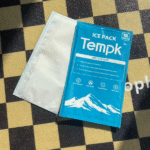
Matériaux à changement de phase (PCMS): Selecting the right PCM is crucial for holding a specific temperature. Par exemple, Tempk offers phase-change temperatures ranging from –25 °C to 22 °C by selecting different PCM formulations. These materials absorb heat as they melt, maintaining the interior temperature until the phase transition is complete. By combining PCMs with VIP or EPP, boxes can keep pharmaceuticals or frozen seafood within strict limits for 48 heures ou plus.
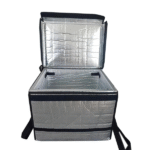
External and internal design: A robust exterior made from polyethylene or polypropylene protects the box from shocks, moisture and dirt. Lisse, fully welded interior surfaces enable easy cleaning and maintain hygiene—crucial for pharmaceuticals and food. Integrated cooling lids simplify packing and unloading, while stackable footprints ensure compatibility with standard pallets and automated systems. Customizations such as snap-fit lids, scellés inviolables, labeling fields and RFID chips enhance security and traceability.
Dimensionnement: Evaluate your typical shipment dimensions and weight. Oversized boxes add unnecessary insulation material and shipping costs. Undersized boxes risk compression damage or inadequate insulation. Collaborate with your packaging provider to design the smallest possible internal volume that accommodates your goods and cushioning. For large payloads, modular designs that combine multiple smaller compartments may provide flexibility while maintaining thermal integrity.
Materials and Features Overview
| Material/Feature | Description | Mieux pour | Notes |
|---|---|---|---|
| PPE (Polypropylène expansé) | Closed-cell foam with high impact resistance and ability to retain shape over repeated uses. | Rental or reuse programs; médicaments; produits frais. | Léger, recyclable and foldable; provides insulation for ~48 hours when combined with PCM. |
| VIP (Panneaux d'isolation sous vide) | Panels with evacuated cores sealed in barrier films; extremely low thermal conductivity. | Expéditions à longue distance; ultra-cold chain (Par exemple, biologique, vaccins). | Coût plus élevé; sensitive to puncture—often combined with protective shells. |
| PSE (Polystyrène élargi) | Lightweight foam used in many standard coolers. | Low-cost shipping of foods or samples with short transit times. | Lower durability; often used with extra gel packs. |
| Matériaux à changement de phase | Substances qui absorbent ou libèrent de la chaleur à des températures spécifiques; can maintain –25 °C to 22 °C ranges. | Médicaments, fruits de mer gelés, vaccins. | Must match desired temperature range; requires proper pre-conditioning. |
| Integrated cooling lids | Lids with built-in compartments for gel packs or PCM. | Simplifies packing; ensures uniform temperature distribution. | Often paired with VIP or EPP boxes to reduce assembly time. |
| RFID & suivi | Embedded chips and transponders enable real-time monitoring and traceability. | High-value shipments; regulated pharmaceuticals. | Supports compliance with regulations and prevents tampering. |
Conseils et suggestions pratiques
Select materials based on transit duration: Pour les envois sous 24 heures, EPS or EPP with gel packs may suffice; for 48–72 hour transit or ultra-cold shipments, consider VIP panels and PCMs.
Test avant la mise à l'échelle: Use small test shipments with data loggers to verify that your custom design maintains the required temperature. Adjust insulation thickness or PCM volume based on results.
Planifier la réutilisation: If you have a closed logistics loop, invest in durable materials like EPP and design the box for easy cleaning and disassembly. Reusable boxes reduce per-shipment cost and waste.
Intégrer une technologie intelligente: Add RFID chips or IoT sensors to monitor temperature and location. This can help identify delays and validate compliance with regulatory requirements.
Design for branding: Use custom colors, patterns and logos to turn your box into a marketing tool. Aesthetic design influences 68 % of purchasing decisions.
Exemple de cas: A pharmaceutical company needed to ship gene therapy vials at –20 °C. By using custom VIP panels combined with a PCM that solidifies at –25 °C, the company maintained the required temperature for 60 hours without dry ice, reducing shipping weight and improving safety. Integrated RFID tags allowed real-time temperature monitoring throughout transit.
Why the Right Size and Capacity Matter: Minimizing Dead Space and Costs
Réponse directe
Choosing the right size for your custom insulated box minimises dead space, preserves temperature and reduces shipping costs. When the box matches your product dimensions, less air circulates around the contents, decreasing heat transfer. Smaller external dimensions lower dimensional-weight charges and allow more units per pallet. Eliminating unnecessary space also reduces the amount of PCM or gel packs required, saving cost and lowering environmental impact.
Explication élargie
Suppose you’re shipping a 10-cm-tall vaccine vial but using a box designed for 20 cm items. The extra 10 cm of vertical space forces you to add more gel packs and insulation, increasing the package weight and shipping cost. It also introduces empty air space that facilitates convection and accelerates temperature loss. Over hundreds of shipments, such inefficiencies add up. Custom sizing ensures that each component of the box—the outer shell, insulation and PCM—are dimensioned precisely for your product, maintaining thermal performance with minimal material consumption. Selon l'IPC, minimizing dead space not only prolongs the thermal protection but also reduces wasted materials and logistics costs.
Dimensionnement, compartiments & ergonomics
| Bag or Box Type | Capacité typique | Cas d'utilisation idéal | Avantage pratique |
|---|---|---|---|
| Petit (≤3 L) | Holds a single meal, medicine kit or lab sample. | Déjeuners quotidiens, individual test kits. | Léger et facile à transporter; minimal material waste. |
| Moyen (6–10L) | Environ 1 ft high; fits a week’s worth of produce or several vials. | Grocery deliveries, kits de repas, doses de vaccin. | Balanced size and portability; suits most courier services. |
| Grand (15–20L) | Souvent 1.5 ft long; accommodates frozen items, vaccines or meal kits with extra ice packs. | Camping, expéditions pharmaceutiques, seafood or meal kits requiring extended cooling. | Provides ample space for PCMs and modular compartments; supports longer journeys. |
| Backpack style (10–15L) | Includes shoulder straps for hands-free carrying. | Commuting, cycling deliveries, corporate gifts. | Even weight distribution; combines practical use with promotional value. |
Conseils et suggestions pratiques
Measure your product and packaging materials together (including vials, trays or primary packaging). Provide these dimensions to your supplier to ensure a snug fit.
Balance capacity and convenience: For weekly grocery runs, a 10-L bag may be sufficient. For pharmaceuticals or meal kits requiring ice packs, choose a larger capacity to accommodate the coolant.
Use modular inserts: If your shipments vary in size, consider modular inserts that partition the box into smaller compartments. This prevents items from shifting and allows you to adjust internal volume.
Consider ergonomics: Ergonomic handles or shoulder straps make handling easier and safer for your staff or customers.
Test for stacking and palletization: Ensure your custom dimensions align with standard pallet sizes or conveyor systems to maximize loading efficiency.
Cas pratique: A meal-kit delivery service adopted custom medium-sized boxes with foldable compartments. Customers reported that meals stayed below 40 °F (≈4.4 °C) pour 45 minutes, and the company reduced packaging waste by reusing the boxes multiple times.
Smart Technologies and Branding: Enhancing Function and Visibility
Réponse directe
Integrating smart technology and branding elements into your custom insulated box elevates both function and marketing impact. IoT sensors and RFID chips enable real-time temperature monitoring and location tracking, ensuring compliance with cold-chain regulations. Branding elements—such as custom colors, logos and patterns—turn each box into a mobile advertisement, avec jusqu'à 68 % of consumers influenced by aesthetic design. Combining these features enhances user trust, operational transparency and brand recognition.
Explication élargie
Fonctionnalités intelligentes: Modern insulated boxes can include RFID chips or transponders that collect temperature data and transmit it to cloud-based dashboards. These systems alert you if temperatures deviate from the acceptable range or if the box is opened unexpectedly, allowing immediate action. Some high-end boxes integrate GPS, Bluetooth or Wi-Fi modules so that logistics managers can track location and conditions in real time. With real-time monitoring, you can improve cold-chain compliance, reduce spoilage and maintain an auditable record for regulatory reporting.
Marque & aesthetics: Custom printing, embossing and color matching transform your box into a brand asset. According to the Tempk article, 68 % of consumers’ purchasing decisions are influenced by design. A well-designed box communicates professionalism, sustainability and care for product quality. For corporate gifting or direct-to-consumer shipping, a striking design encourages social sharing and repeat purchases. Branding also extends to labeling and barcoding fields, which facilitate scanning and inventory management.
Technologie intelligente & branding features
| Fonctionnalité | Ce que ça fait | Avantages |
|---|---|---|
| RFID chips & transponders | Track temperature and location; store data for auditing | Ensures regulatory compliance, prevents theft and enables real-time alerts |
| GPS/Bluetooth modules | Provide real-time location and environmental data | Helps with route optimization and customer notifications |
| Capteurs de température intelligents | Record internal temperature and send notifications if thresholds are breached | Enables proactive corrective actions to save shipments |
| Custom colors and logos | Visually tie the box to your brand identity | Increase brand visibility and consumer recall |
| Étiquetage & barcoding fields | Provide areas for barcodes, QR codes or hot-stamped logos | Simplify inventory tracking; support RFID scanning |
Conseils et suggestions pratiques
Intégrer des capteurs le plus tôt possible: Design the box to accommodate sensors and wiring from the outset. Retro-fitting can compromise insulation or structural integrity.
Choose battery-efficient technology: RFID and Bluetooth Low Energy (BLE) devices extend monitoring without large batteries.
Consider privacy and data security: Use encrypted communication for sensitive shipments and comply with data protection regulations.
Align branding with sustainability: Use eco-friendly inks and materials to reinforce your ESG message. Consider minimalistic designs or natural color palettes to reduce environmental impact.
Test readability: Ensure barcodes or QR codes remain scannable after temperature cycling and exposure to condensation.
Exemple: A grocery delivery company introduced custom insulated boxes with integrated temperature sensors and printed branding. Customers received notifications about delivery progress and temperature status, leading to higher satisfaction. The company also captured data to optimize routes and reduce emissions, while the branded boxes generated word-of-mouth marketing.
Applications of Custom Insulated Boxes Across Industries
Réponse directe
Custom insulated boxes cater to diverse industries—food, médicaments, biologique, échantillons cliniques, seafood and more—each with unique temperature and handling requirements. Selecting the right insulation materials and box configuration ensures that vaccines stay between 2–8 °C, frozen seafood remains at –18 °C and fresh produce stays crisp at 5 °C. Because custom boxes can be sized, equipped and branded for specific applications, they improve efficiency and compliance across the value chain..
Explication élargie
The cold-chain encompasses many segments, each with distinct needs. A pharmaceutical shipper may require deep-frozen conditions with VIP and –25 °C PCMs, plus tamper-evident seals and GPS tracking. A meal-kit service might prioritize ease of unpacking, modular compartments for different temperature zones and aesthetics that reflect the brand. Seafood exporters depend on robust exteriors and water-resistant liners to prevent leakage. Some applications require extended hold times; Par exemple, Tempk’s insulated cooler box can maintain temperatures for more than 48 hours for a 15 kg load. Dans le domaine de la santé, boxes must withstand repeated cleaning and sterilization, while in grocery deliveries, collapsibility and lightweight design are important.
Cas d'utilisation de l'industrie
| Industrie | Plage de températures typique | Recommended materials & caractéristiques | Avantages |
|---|---|---|---|
| Pharmaceutique & biopharma | 2–8 ° C (réfrigéré), –20 ° C (congelé), ultra-froid | Panneaux VIP, EPP shells, Matériaux à changement de phase, capteurs de température intégrés, scellés inviolables | Maintains vaccine potency; meets strict regulatory standards; allows real-time tracking |
| Échantillons cliniques & sang | 2–8 ° C (réfrigéré) | EPP or VIP boxes with PCM, hygienic interiors, secure seals | Préserve l’intégrité de l’échantillon; réduit le risque de contamination |
| Nourriture & kits de repas | 0–5 °C for refrigerated items; –18 °C pour les surgelés; ambient 15–25 °C | EPP or EPS with modular compartments, integrated gel packs, foldable designs, marque | Keeps multiple temperature zones; enhances user experience; supports reuse |
| Fruit de mer & volaille | –18 °C (congelé) | VIP panels with high-capacity PCMs, robust exteriors, doublures étanches | Prevents thawing during long shipments; controls odors and cross-contamination |
| Produits frais & fleurs | 5–8 ° C (cool) | Breathable yet insulated materials, moisture-absorbing pads, intégration de capteurs | Maintient la fraîcheur; prevents condensation and spoilage |
| Électronique & vaccines requiring ultra-cold | –60 °C à –80 °C | Specialized VIP plus vacuum sealed PCMs; active cooling or dry ice alternatives | Ensures stability of mRNA vaccines and sensitive components; eliminates dry ice shipping restrictions |
Conseils et suggestions pratiques
Map temperature profiles: Identify the temperature requirements of each item in your shipment and design compartments accordingly. Par exemple, separate chilled produce from frozen proteins using modular inserts.
Planifier la conformité réglementaire: Pharmaceuticals require validated shippers; choose packaging that meets standards such as GDP (Bonne pratique de distribution) et les lignes directrices de l'OMS.
Consider reusability for B2B: For long-term contracts or rental programs, invest in durable EPP or plastic boxes with VIP inserts that can endure hundreds of cycles.
Address end-of-life: Provide instructions for recycling or return of the box. Use recyclable or biodegradable materials wherever possible.
Formez votre équipe: Proper packing, pre-conditioning of PCMs and handling procedures are vital for achieving performance.
Exemple: A vaccine manufacturer shipping vials to remote clinics uses custom boxes with VIP panels and PCMs targeted at 5 °C. The boxes include tamper-evident seals and RFID chips. Thanks to precise insulation and tracking, shipments maintain safe temperatures for 48 heures, even under high ambient heat, garantir la conformité et la sécurité des patients.
2026 Derniers développements et tendances
Aperçu de la tendance
Staying ahead of industry trends helps you future-proof your packaging strategy. Par 2026, innovation in cooler boxes is accelerating, with buyers demanding multi-functional, eco-friendly and tech-savvy designs. The insulated shipping packaging segment alone is projected to reach USD 11.75 milliards 2030, supported by biopharmaceutical growth, e-commerce expansion and sustainability regulations. Entre-temps, the broader cold-chain logistics sector is expected to exceed USD 1.3 mille milliards par 2034, highlighting the importance of reliable thermal packaging solutions.
Dernier progrès en un coup d'œil
Spécialisé & conceptions modulaires: Outdoor enthusiasts seek rugged, waterproof insulated boxes; commuters want lightweight, foldable versions. Layered compartments and detachable racks allow separation of frozen, chilled and ambient goods.
Innovation matérielle: Manufacturers increasingly use recycled plastics, bamboo fibres and biodegradable fabrics, replacing traditional foams. Sustainable materials deliver comparable insulation and appeal to eco-conscious consumers.
Intégration de technologies intelligentes: IoT-enabled boxes enable remote temperature monitoring; features like built-in scales, USB ports and GPS trackers enhance convenience. AI-based route optimization, blockchain traceability and solar-powered refrigeration are emerging across the cold chain.
Personnalisation & branding boom: Brands now offer customizable interiors, colors and patterns, transforming boxes into marketing tools. This reflects research that 68 % of purchasing decisions are influenced by design.
Écologique & circular economy focus: Recycled plastics and natural fibres are becoming mainstream, and certifications plus supply chain transparency play a bigger role in procurement decisions.
Technologies de la chaîne du froid: IA, IoT and blockchain are driving efficient route planning, maintenance prédictive et traçabilité. Solar panels integrated into boxes can prolong cooling without additional gel packs.
Croissance et consolidation du marché: Demand for insulated cooler bags reached USD 6.5 milliards en 2025. Major players like Cold Chain Technologies acquired Packaging Technology Group to expand sustainable offerings. New products like Ranpak’s paper-based RecyCold Climaliner provide 48-hour thermal protection while being recyclable.
Insistance au marché
The confluence of consumption upgrading, environmental consciousness and digital transformation is pushing the insulated box market to new heights. E-commerce growth is a major driver: les États-Unis. Census Bureau reported a 7.5 % year-over-year increase in e-commerce sales in Q2 2023. Food and vaccine distribution demands, combined with stricter sustainability regulations, are encouraging investment in reusable, recyclable and smart packaging solutions. Asia-Pacific is emerging as the fastest-growing region due to rising middle-class consumption and healthcare investments. North America and Europe remain the largest markets, but manufacturers worldwide are collaborating to develop low-carbon materials, self-cooling boxes and RFID-enabled smart packaging.
Questions fréquemment posées
Q1: How does a custom insulated box differ from a standard cooler?
A custom insulated box is tailored to your product’s dimensions, temperature range and branding. It may include modular compartments, phase-change materials and smart sensors, whereas standard coolers offer fixed sizes and basic insulation.
Q2: Are eco-friendly materials as effective at insulation?
Oui. PET recyclé, biodegradable fabrics and bamboo fibres can provide insulation performance comparable to conventional foams. Par exemple, paper-based thermal liners like Ranpak’s RecyCold Climaliner offer up to 48 hours of thermal protection and are 98.5 % papier.
Q3: What is the typical lead time for custom insulated boxes?
Lead times vary by supplier, but for bulk orders (1,000–2,000 pieces), design approval, sampling and production typically require 4–8 weeks. Suppliers with in-house manufacturing and testing facilities may shorten this timeline.
Q4: Can a custom insulated box be used for both hot and cold items?
Oui. Insulated boxes slow heat transfer in both directions. Cependant, you should separate hot and cold items with partitions or compartments to prevent temperature mixing.
Q5: How long will my insulated box keep items cold?
Performance depends on insulation type, PCM capacity and ambient conditions. High-quality boxes with VIP and appropriate PCM can maintain safe temperatures for up to 48 heures.
Q6: What certifications should I look for?
Look for suppliers with ISO 9001, BSCI and SEDEX certifications, or compliance with Good Distribution Practice (PIB) guidelines for pharmaceuticals.
Résumé & Recommandations
Principaux à retenir
Custom insulated boxes ensure precise thermal control and reduce waste. By matching the box to your product dimensions, you minimise dead space, improve temperature hold time and lower logistics costs.
Material choice matters. EPP and VIP deliver durable, isolation haute performance; phase-change materials enable specific temperature ranges; integrated cooling lids and RFID chips enhance functionality.
Smart technology and branding create added value. IoT sensors and tracking provide real-time visibility, while custom colors and logos influence consumer perception.
Applications span multiple industries. From pharmaceuticals and biologics to meal kits and seafood, tailored boxes adapt to varying temperature and handling requirements.
2026 les tendances mettent l’accent sur la durabilité, modularity and digital integration. Matériaux écologiques, AI-driven route optimization, IoT monitoring and customizable designs are driving the market forward.
Prochaines étapes réalisables (CTA)
Définissez vos besoins: Identify your products’ temperature ranges, dimensions and transit durations. This forms the foundation of your custom design.
Partner with a reputable supplier: Choose a manufacturer that offers in-house design, performance testing and a range of materials. Ask for samples and validated test data.
Incorporate smart features: Evaluate the need for RFID, temperature sensors and GPS tracking based on product value and regulatory requirements.
Prioriser la durabilité: Opt for recycled or biodegradable materials and plan for reuse or recycling at end-of-life.
Test and iterate: Conduct pilot shipments, collect temperature data and adjust insulation or PCM as needed. Continuous improvement ensures reliability and compliance.
À propos du tempk
Tempk is a global leader in cold-chain temperature control packaging. Avec 14 années d'expérience dans l'industrie, the company produces over 1 billion units annually and supplies more than 3,000 brands across 20 pays. Tempk’s custom insulated boxes are made from environmentally friendly non-woven fabrics and pearl cotton, providing more than 48 hours of insulation for 15 kg loads. The boxes feature foldable designs, smooth zippers and compatibility with ice packs or ice bricks, and they can be customized in size, matériel (PPE, VIP, PSE) and phase-change temperature. Tempk operates five ISO-certified factories and maintains a CNAS-certified laboratory to ensure that every product meets stringent quality and safety standards. By combining innovation, customization and quality assurance, Tempk delivers reliable solutions for food, pharmaceutical and logistics clients. Get in touch with Tempk to discuss your requirements and receive a tailored solution.
Appel à l'action
Prêt à optimiser vos emballages sous chaîne du froid? Contact Tempk for a consultation or request a sample to experience the benefits of a custom insulated box firsthand. The company’s experts can help you design a box that meets your thermal performance needs, supports sustainability and enhances your brand image.