Boîte EPP personnalisable en vrac personnalisée: Un guide de sélection pratique pour les acheteurs de la chaîne du froid
Pour personnalisable Boîte EPP décisions personnalisées en masse, une boîte EPP personnalisable pour les commandes personnalisées en gros doit être sélectionnée comme élément fonctionnel de votre système logistique, pas comme une promesse autonome de contrôle de la température. Le bon choix dépend du passage de la conception d'échantillons à la production personnalisée en vrac pour les programmes logistiques répétés., l'exigence de température du produit, la charge utile, la source froide, et les preuves derrière toute réclamation de performance. Utilisez les conseils ci-dessous pour comparer les options, questionner les fournisseurs, et passer de l'évaluation d'échantillons à une utilisation fiable sans trop promettre ce qu'une boîte EPP peut faire.
Réponse rapide: une boîte EPP personnalisable pour les commandes personnalisées en gros est un bon candidat lorsque vous avez besoin d'une isolation légère, protection contre les chocs, et manipulation reproductible, mais il faudrait l'approuver avec la source froide, charge utile, itinéraire, et processus de réception. Il ne s'agit pas d'un raccourci autour de la surveillance de la température ou de l'examen de la qualité..
Ce que la boîte peut faire et ce qu'elle ne peut pas faire
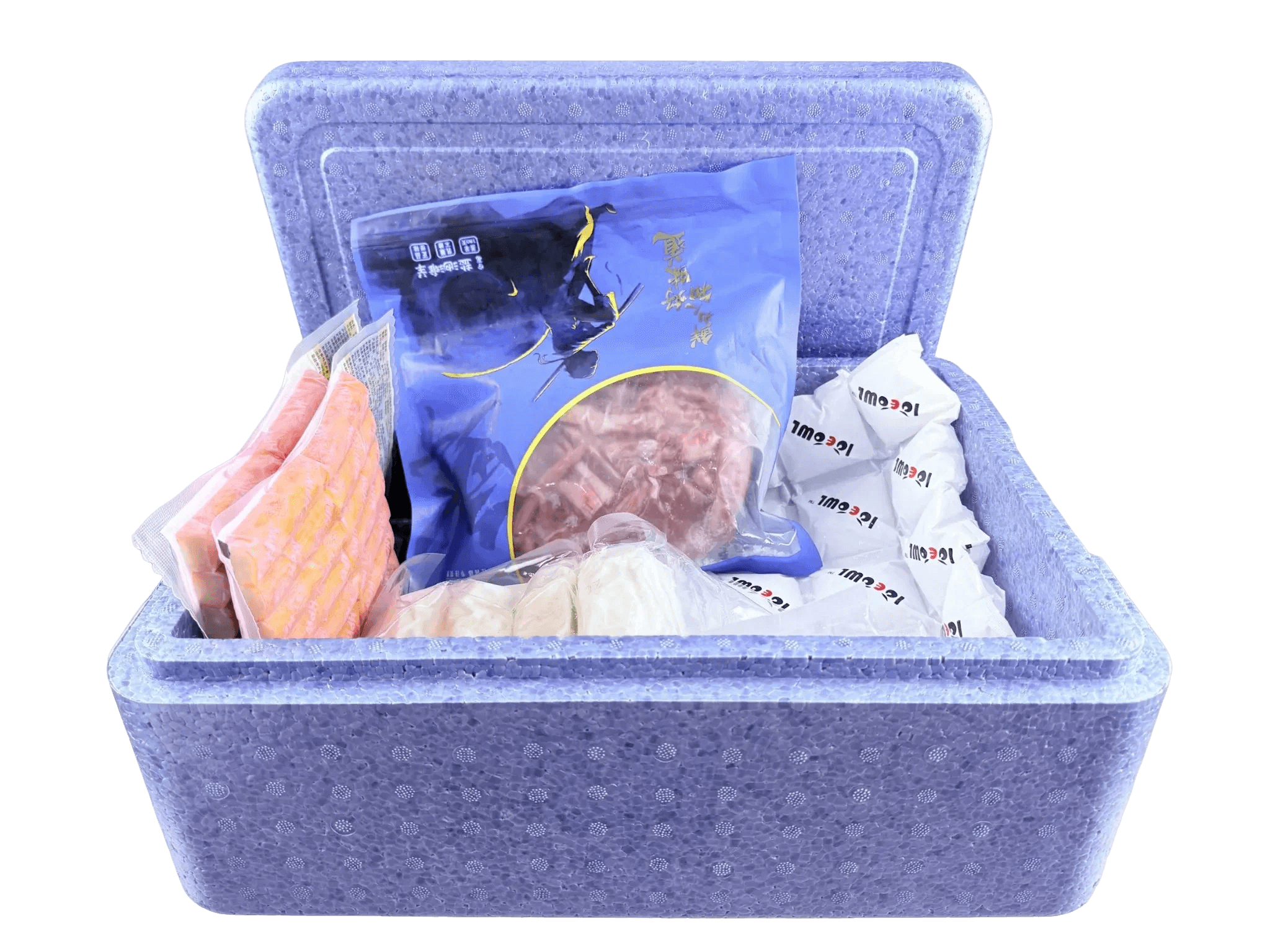
Une boîte EPP peut fournir une protection contre les chocs, isolation, et avantages de manipulation à usage répété. Il peut faciliter le flux de travail de la chaîne du froid ou des emballages de protection en réduisant le poids., support d'inserts moulés, et résiste mieux aux chocs quotidiens que certaines options en mousse jetables. Pour passer de la conception d'échantillons à la production personnalisée en gros pour les programmes logistiques répétés, ces avantages peuvent être significatifs.
Ce qu'il ne peut pas faire, c'est définir les exigences du produit, générer du froid, documenter l'expédition, ou garantir l'acceptation réglementaire. Ces rôles appartiennent à l'étiquette du produit, la source froide, le paquet, dispositifs de surveillance, procédures qualité, et les personnes qui exploitent la route. Une spécification forte maintient ces rôles séparés.
C'est le principe d'achat central: choisissez la boîte en fonction du travail qu'il peut réellement effectuer, puis construisez le reste du flux de travail autour de lui. Quand les acheteurs ignorent ce principe, ils se retrouvent souvent avec des emballages qui semblent professionnels mais qui échouent lors d'une manipulation de routine.
Commencez par l'itinéraire, Charge utile, et plage d'acceptation
Avant de comparer les fournisseurs, écrire l'itinéraire dans un langage opérationnel. Où est stocké le produit avant l'emballage? Qui l'emballe? Combien de temps peut-il attendre avant de charger? Quel véhicule ou transporteur s'en charge? Où pourrait-il être exposé à la chaleur, froid, ou un retard? Qui le reçoit, et à quelle vitesse est-il déballé? Ces questions révèlent si l'emballage a besoin de plus de marge thermique, un meilleur étiquetage, ou un format différent.
Suivant, définir la charge utile. La capacité brute ne suffit pas. Vous devez connaître les dimensions du produit, masse du produit, limites d'orientation, diviseurs requis, volume de la source froide, documents, et tout dispositif de surveillance. L'espace de charge utile utilisable une fois ces éléments inclus est l'espace qui compte. Un petit décalage peut créer une pression sur le couvercle ou un emballage incohérent.
Enfin, confirmer la plage d'acceptation. L'emballage personnalisé en vrac doit être évalué comme un système; taille, structure interne, espace de refroidissement, charge utile, et les conditions de l'itinéraire affectent tous les résultats. Si vous ne définissez pas clairement l'état du produit, aucun fournisseur ne peut confirmer de manière responsable si une boîte et un emballage proposés conviennent.
Les réclamations des fournisseurs doivent être converties en points de vérification
Les réclamations des fournisseurs sont utiles lorsqu'ils démarrent une conversation technique. Ils prennent des risques lorsqu'ils mettent fin à la conversation trop tôt. Une phrase telle que "bonne isolation" devrait conduire à des questions sur les conditions de test. Une phrase telle que "réutilisable" devrait conduire à des critères de nettoyage et d’inspection. Une phrase telle que "personnalisable" devrait donner lieu à des dessins, examen des moisissures, tolérances, et un exemple de signature.
Pour un programme de boîte EPP personnalisé qui contrôle les dimensions, inserts, marque, ajustement parfait, approbation de l'échantillon, et la cohérence de la production, un meilleur dossier d'achat comprend à la fois la déclaration du fournisseur et l'étape de vérification de l'acheteur. Si la performance thermique est importante, garder des notes sur la charge utile, source froide, exposition ambiante, et limites d'acceptation. Si l'hygiène est importante, documenter les méthodes de nettoyage et l'état de surface acceptable après une utilisation répétée.
Cette approche protège les deux côtés. L'acheteur évite de supposer plus que ce que les données soutiennent. Le fournisseur reçoit des exigences plus claires et peut recommander une option plus réaliste.
| Point de décision | Que confirmer | Pourquoi cela protège l'acheteur |
|---|---|---|
| Produit et gamme | Plage de température requise, sensibilité, et exposition admissible. | Empêche la boîte d'être approuvée pour un mauvais état de produit. |
| Réalité de l'itinéraire | Temps de transit dans le pire des cas, mise en scène, transferts, et retard de réception. | Indique si l'emballage nécessite une marge thermique supplémentaire ou un contrôle du processus. |
| Conception de l'emballage | Type de liquide de refroidissement, position, conditionnement, inserts, et espace libre. | Transforme la boîte EPP en un système reproductible au lieu d'un conteneur en vrac. |
| Preuve du fournisseur | Données de test, cohérence de l'échantillon, dessins, et changer de contrôle. | Réduit le risque de réclamations non fondées et d’inadéquation de la production. |
| Fonctionnement quotidien | Nettoyage, inspection, étiquetage, empilement, et retour. | Maintient le programme utilisable après le premier achat. |
Le tableau est utile car il sépare ce qu'est physiquement la boîte de ce que l'acheteur doit encore confirmer.. Cela permet également de garder les discussions avec les fournisseurs pratiques. Si un point ne peut être confirmé lors de l’étape d’échantillonnage, il devrait rester ouvert plutôt que d'être transformé en une allégation de produit non étayée.
Points de contrôle de l'échantillon au volume pour les commandes personnalisées
Ce module doit être complété avant la commande groupée ou l'approbation personnalisée finale. Il transforme la recherche d'une boîte EPP personnalisable pour les commandes personnalisées en gros en un processus de sélection contrôlé au lieu d'une comparaison de catalogue..
La commande doit inclure une spécification écrite, exemple de signature, revue de production, critères d'inspection, besoins en matière d'étiquetage, et un processus pour gérer les changements futurs. Si l'envoi présente un risque élevé, implique la qualité, opérations, et réception du personnel avant l'approbation de l'achat. UN boîte à chaîne du froid affecte plus de départements que les seuls achats.
| Point de décision | Que confirmer | Pourquoi cela protège l'acheteur |
|---|---|---|
| Produit et gamme | Plage de température requise, sensibilité, et exposition admissible. | Empêche la boîte d'être approuvée pour un mauvais état de produit. |
| Réalité de l'itinéraire | Temps de transit dans le pire des cas, mise en scène, transferts, et retard de réception. | Indique si l'emballage nécessite une marge thermique supplémentaire ou un contrôle du processus. |
| Conception de l'emballage | Type de liquide de refroidissement, position, conditionnement, inserts, et espace libre. | Transforme la boîte EPP en un système reproductible au lieu d'un conteneur en vrac. |
| Preuve du fournisseur | Données de test, cohérence de l'échantillon, dessins, et changer de contrôle. | Réduit le risque de réclamations non fondées et d’inadéquation de la production. |
| Fonctionnement quotidien | Nettoyage, inspection, étiquetage, empilement, et retour. | Maintient le programme utilisable après le premier achat. |
Le tableau est utile car il sépare ce qu'est physiquement la boîte de ce que l'acheteur doit encore confirmer.. Cela permet également de garder les discussions avec les fournisseurs pratiques. Si un point ne peut être confirmé lors de l’étape d’échantillonnage, il devrait rester ouvert plutôt que d'être transformé en une allégation de produit non étayée.
De l’approbation de l’échantillon à l’utilisation quotidienne
Un échantillon doit être testé pour l'ajustement, convivialité, et correspondance de processus. Emballez-le avec le produit réel ou un substitut réaliste, inclure la source froide, fermez le couvercle comme le feraient les opérateurs pendant un quart de travail chargé, et déplacez-le sur un itinéraire réaliste. Si l'équipe a besoin d'un effort particulier pour faire fonctionner l'échantillon, l'utilisation en production peut devenir incohérente.
Pour les programmes personnalisés, enregistrer les dessins approuvés, notes matérielles, exigences de couleur ou de marque, détails du couvercle, insérer une mise en page, et attentes en matière d'emballage de carton ou de palette. Pour les programmes groupés, définir les critères d'acceptation pour l'inspection à l'arrivée. Rechercher une déformation, ajustement du couvercle, état de surface, dimensions, et étiquetage. Ces contrôles ne sont pas de la bureaucratie. Ils empêchent les petits défauts de devenir des problèmes opérationnels répétés.
Outils de décision utiles
Vérifiez les détails avant de choisir l'emballage
Ces outils rapides peuvent vous aider à comparer le risque d'itinéraire, besoins de dimensionnement, choix de liquide de refroidissement, et les détails de l'emballage avant de demander un devis.
Calculateur de banquise
Estimation de la quantité de pain de glace pour les expéditions réfrigérées et planification pratique des itinéraires.
Estimer les packs de glaceVérificateur de risque d'itinéraire
Examinez les conditions des pistes avant de sélectionner l'emballage en fonction des exigences opérationnelles réelles..
Vérifier le risque d'itinéraireSélecteur d'emballage
Comparez les options d'emballage isotherme par produit, itinéraire, et besoin de température.
Trouver un emballageUne fois la box utilisée, créer une boucle simple pour les commentaires. Les opérateurs doivent signaler les couvercles endommagés, problèmes de nettoyage, odeur, étiquettes manquantes, et confusion d'emballage. Emballage réutilisable reste fiable uniquement lorsque l'organisation le traite comme un actif géré.
Notes Pratiques D'Exploitation Avant Agrément
Rédigez la procédure d'emballage dans la même langue que celle utilisée par les opérateurs.. Inclure le préconditionnement du produit, placement de source froide, fermeture du couvercle, placement d'étiquette, et la personne responsable du contrôle final. Si la procédure est trop complexe pour être répétée pendant un quart de travail chargé, la conception de l'emballage doit être simplifiée avant que le programme ne se développe.
Définir les attentes en matière de réception. Un envoi sensible à la température ne doit pas attendre dans une zone de réception générale sans attention.. Le destinataire doit savoir quoi inspecter à l'arrivée, quoi enregistrer, où placer les marchandises, et qui contacter si la boîte est endommagée ou si un moniteur de température montre des inquiétudes.
Prévoir les retours à vide lorsque la boîte est destinée à être réutilisée. Le flux de retour affecte le coût total, durabilité, et inventaire de remplacement. Une boîte durable mais fréquemment perdue n’est peut-être pas l’option la plus économique. Marques d'identification, propriété de l'itinéraire, et les points de contrôle de retour peuvent réduire ce problème.
Gardez la spécification sous contrôle. Si le fournisseur change la qualité du matériau, conception du couvercle, géométrie du mur, insérer une mise en page, ou méthode de production, l'acheteur doit comprendre si le changement affecte l'emballage, nettoyage, ou hypothèses thermiques. Le contrôle des modifications est particulièrement important pour les programmes personnalisés et groupés.
Utiliser les commentaires du pilote avant de procéder à la mise à l'échelle. Les opérateurs remarquent souvent des détails qui manquent aux équipes d'achats: une poignée qui pince, un couvercle difficile à aligner, une zone d'étiquette qui est mouillée, ou un insert qui ralentit l'emballage. Ces détails affectent l'adoption et doivent être revus tant que des modifications sont encore possibles..
Une règle utile pour les acheteurs en gros, Équipes d'emballage OEM, programmes de marque privée, et les responsables des achats de la chaîne du froid doivent séparer l'approbation en trois niveaux: produit adapté, ajustement de l'itinéraire, et ajustement opérationnel. L'ajustement du produit demande si la charge utile, état de température, et la sensibilité ont du sens pour le conteneur proposé. L'ajustement de l'itinéraire demande si la boîte et l'emballage disposent d'une marge suffisante pour l'exposition attendue.. Operation fit demande si les gens peuvent faire leurs valises, se déplacer, recevoir, faire le ménage, et renvoyez la boîte systématiquement. Une faiblesse dans une couche peut annuler un bon choix de matériau.
Un autre contrôle pratique consiste à comparer l’utilisation optimale avec la pire journée ordinaire.. Un échantillon de fournisseur est souvent évalué dans des conditions calmes, alors que la vraie logistique inclut des ramassages tardifs, ouvrir les portes du quai, zones de réception très fréquentées, et les opérateurs qui ont besoin d'instructions claires. La bonne boîte EPP personnalisable en vrac doit être suffisamment indulgente pour les variations normales, mais ne doit pas être utilisée comme substitut au contrôle du processus..
Pour les commandes personnalisées ou répétées, la documentation doit rester simple mais complète. Un dessin, exemple de note approuvé, instruction d'emballage, note de nettoyage, et les attentes en matière de contrôle des changements peuvent éviter toute confusion ultérieure. Ceci est particulièrement utile lorsque le même modèle de boîte est utilisé par plusieurs sites ou lorsque différentes équipes gèrent les achats., emballage, recevoir, et examen de la qualité.
L'acheteur doit également examiner le coût total au-delà du premier achat.. Taux de remplacement, travail de nettoyage, espace de stockage, fret de retour, biens perdus, réétiquetage, et le risque de rejet du produit peut être plus important qu'une petite différence de prix unitaire. Une boîte EPP légèrement mieux conçue peut réduire les frictions de manipulation et rendre le programme réutilisable plus facile à entretenir..
Enfin, éviter de transformer le langage prudent des fournisseurs en affirmations absolues. Si un fournisseur indique que la boîte est adaptée à un type d'application, demander dans quelles conditions. S'ils mentionnent l'isolation, demander quel pack a été utilisé. S'ils mentionnent la recyclabilité, demander quelles voies d'identification et de récupération des matériaux sont pratiques. Le dossier d'achat doit montrer ce qui est connu et ce qui dépend encore de votre processus.
Une règle utile pour les acheteurs en gros, Équipes d'emballage OEM, programmes de marque privée, et les responsables des achats de la chaîne du froid doivent séparer l'approbation en trois niveaux: produit adapté, ajustement de l'itinéraire, et ajustement opérationnel. L'ajustement du produit demande si la charge utile, état de température, et la sensibilité ont du sens pour le conteneur proposé. L'ajustement de l'itinéraire demande si la boîte et l'emballage disposent d'une marge suffisante pour l'exposition attendue.. Operation fit demande si les gens peuvent faire leurs valises, se déplacer, recevoir, faire le ménage, et renvoyez la boîte systématiquement. Une faiblesse dans une couche peut annuler un bon choix de matériau.
FAQ
Est une boîte EPP personnalisable pour les commandes personnalisées en gros dont la température est automatiquement contrôlée?
Non. C'est un récipient isolé, pas une unité de refroidissement active. Il peut ralentir le transfert de chaleur et protéger la charge utile des impacts de manipulation., mais les performances en température dépendent de la température de départ du produit, source froide, conception d'emballage, exposition par voie, discipline du couvercle, et processus de réception. Pour les marchandises sensibles, traiter la boîte comme faisant partie d'un système d'emballage complet.
Que dois-je demander avant de commander des échantillons?
Demandez les dimensions intérieures utilisables, détails du matériau et du couvercle, compatibilité source froide, conseils de nettoyage, exemples de dessins, informations de test disponibles, et comment le fournisseur contrôle les changements de production. Pour un programme de boîte EPP personnalisé qui contrôle les dimensions, inserts, marque, ajustement parfait, approbation de l'échantillon, et la cohérence de la production, décrivez également votre itinéraire, charge utile, plage de température, et les points de transfert afin que l'échantillon puisse être évalué de manière réaliste.
Les boîtes EPP peuvent-elles être réutilisées?
Le EPP est généralement sélectionné pour les emballages réutilisables car il est léger, résilient, et capable de se remettre de nombreux impacts de manipulation. La réutilisation dépend toujours de la conception, processus de nettoyage, routine d'inspection, et comment la boîte est retournée et stockée. Les acheteurs doivent définir des critères de dommages et des règles de mise hors service avant de démarrer un programme réutilisable.
Comment savoir si la box correspond à mon itinéraire?
Commencez par le produit, pas la boîte. Confirmer la condition de température requise, masse du produit, durée de l'itinéraire, temps d'attente, exposition du véhicule, fréquence d'ouverture, et processus de réception. Ensuite, testez ou évaluez le boîtier avec le même type de source froide et de charge utile que vous prévoyez d'utiliser dans les opérations quotidiennes..
La recyclabilité signifie-t-elle que la boîte sera acceptée partout?
Pas nécessairement. L'EPP est une mousse à base de polypropylène et peut être recyclable dans des systèmes de récupération appropriés, mais l'acceptation locale dépend de la collecte, tri, contamination, et filières de recyclage. Les acheteurs planifiant un programme de développement durable devraient discuter de l'étiquetage, flux de retour, nettoyage, et la gestion en fin de vie au lieu de s'appuyer sur une allégation générique de recyclage.
Conclusion
Une boîte EPP personnalisable pour les commandes personnalisées en gros peut constituer un choix d'emballage judicieux lorsque l'acheteur associe les avantages matériels à la réalité de l'itinéraire.. Utilisez le EPP pour son poids léger, isolation, résistance aux chocs, et potentiel réutilisable, mais ne présumez pas que la boîte seule contrôle la température ou prouve sa conformité. Confirmer la gamme de produits, ajustement de la charge utile, emballage, source froide, processus de réception, routine de nettoyage, et les preuves du fournisseur avant la mise à l'échelle. La décision d'achat la plus solide est celle qui protège à la fois l'expédition et le flux de travail quotidien qui l'entoure..