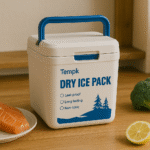
Distributeur de pack de glace carbonique pour la logistique biologique: Portes d'approbation
Un distributeur glace carbonique le pack destiné à la logistique des produits biologiques ne doit être utilisé en routine qu'une fois le produit, matériel, voie, qualification, inventaire, surveillance, et les portes de la qualité sont fermées. Cela protège le distributeur du traitement du dioxyde de carbone solide, feuilles d'hydratation activées par l'eau, packs de gel, et packs PCM comme sources de froid interchangeables. Il permet également de conserver les conditions biologiques approuvées avant la commodité de l'entrepôt.. Le programme final doit identifier les charges utiles et les itinéraires couverts par chaque code de packout., comment les composants sont conditionnés et tracés, que signifient les données de surveillance, qui décide des excursions, et comment le fournisseur change, CAPA, logistique inversée, et la durabilité restent maîtrisées après le lancement.
Grille 1: Approuver l'identité du produit et du matériau
Commencez par un profil de distribution biologique contrôlée. Enregistrer les conditions de stockage et de transport approuvées ou prises en charge, sensibilité au gel, base d'excursion, conteneur primaire, assemblage secondaire, orientation, problèmes de lumière ou d’agitation, charge utile minimale et maximale, et le processus de disposition autorisé.
Les produits biologiques sont diversifiés; La catégorie de la FDA comprend les vaccins, produits sanguins, protéines, cellules, tissus, et thérapies géniques. Aucune consigne universelle ne doit être appliquée à tous. Les critères d'emballage et de distribution proviennent de l'étiquette exacte du produit et du programme de stabilité.
Ensuite, résolvez le terme du liquide de refroidissement.
La neige carbonique solide est du dioxyde de carbone, solide. Il sublime, crée un froid extrême, perd de la masse avant et pendant le transport, peut endommager les produits sensibles au gel ou les matériaux cassants, et nécessite un dégagement de dioxyde de carbone.
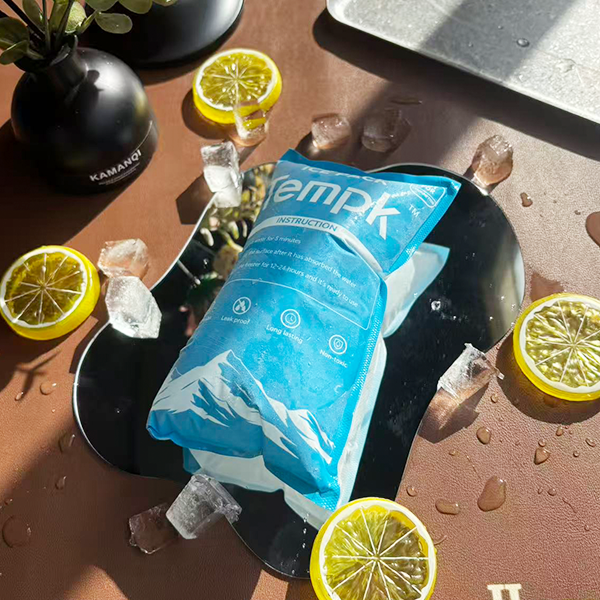
UN hydrater un sac de glace carbonique peut être une feuille activée par l'eau plutôt que par du dioxyde de carbone. Les instructions officielles de Tempk identifient sa feuille d'hydratation comme n'étant pas de la neige carbonique et demandent aux utilisateurs d'ajouter de l'eau et de la congeler.. Il est donc traité comme un liquide de refroidissement aqueux gelé avec hydratation, expansion, conditionnement, joint, et contrôle des fuites.
Les packs de gel et PCM reçoivent des identités distinctes en fonction de leur formulation réelle, récipient, comportement de phase, et les instructions. Un code de matériel de distributeur doit correspondre uniquement aux codes d'emballage approuvés.; la ressemblance physique ne peut autoriser la substitution.
Grille 1 se termine lorsque le service qualité approuve les exigences du produit et la fiche article.
Grille 2: Créer le catalogue de packs de distributeurs
Un catalogue contrôlé relie chaque groupe de produits biologiques et de voies à une révision spécifique du système d'expédition.
L'entrée de catalogue identifie:
paquet primaire et secondaire;
article de liquide de refroidissement ou de réfrigérant, quantité, condition, et position;
récipient isolé et extérieur structurel;
séparateurs, prend en charge, absorbant, et le fardage;
charge utile minimale et maximale;
moniteur et placement cartographié;
fermeture, ventilation, marques, et étiquettes;
emballage et réception des SOP;
profils chauds et froids qualifiés;
voies autorisées, services, saisons, et contingence.
Des fonctions distinctes restent visibles. Le liquide de refroidissement absorbe la chaleur; l'isolation ralentit l'entrée de chaleur; le confinement protège le contenu; l'extérieur survit à la distribution; le moniteur enregistre les conditions; la qualification soutient le système. Aucun composant à lui seul ne permet de contrôler la température de l'envoi ou de le rendre conforme..
Le regroupement de voies nécessite une justification écrite. Un service régional direct, voie aérienne internationale, itinéraire du week-end, et l'emplacement éloigné peut nécessiter des enveloppes opérationnelles différentes. Utilisez des règles de gestion des commandes ou des contrôles de codes-barres afin que les opérateurs ne puissent pas sélectionner un emballage uniquement en fonction de la taille de la boîte..
Le regroupement de charges utiles nécessite également des limites. Une charge minimale peut être un défi du côté froid ou du côté chaud. Une charge maximale peut encombrer le liquide de refroidissement ou créer une zone chaude interne. Si une charge factice ou un fardage est utilisé, cataloguez-le comme élément approuvé et spécifiez son emplacement.
Grille 2 se ferme avec des dessins contrôlés, nomenclatures, règles d'éligibilité, et révisions.
Grille 3: Examiner les preuves avant la qualification
| Porte des preuves | Question d'approbation | Preuve requise |
|---|---|---|
| Produit | Quelles conditions et excursions sont prises en charge? | Étiquette, base de stabilité, informations sur le conteneur, procédure qualité |
| Liquide de refroidissement | Quel est l'état matériel et conditionné réel? | Spécification technique, informations de sécurité, instructions, échantillon de production |
| Fabricant | Les lots de routine peuvent-ils correspondre à l'échantillon de développement? | Contrôles de lots, inspection, traçabilité, accord de qualité, notification de changement |
| Charge utile | Quelles commandes minimales et maximales sont couvertes? | Charger des dessins, géométrie, fardage, justification du support |
| voie | Quelle exposition et quel retard sont crédibles? | Carte du parcours, service, transferts, données saisonnières, contingence |
| Essai thermique | Les risques de chaleur et de froid ont-ils été cartographiés? | Protocole, profils, carte des capteurs, instruments, données brutes, critères de réussite |
| Test physique | Faire du matériel, scellés, étiquettes, et les supports survivent? | Tests de distribution conditionnée et inspection post-test |
| Opérations | Les entrepôts peuvent-ils reproduire le pack? | Etude de conditionnement, AMADOUER, entraînement, pilote, contrôles d'erreur |
| Surveillance | L'appareil prend-il en charge une décision définie? | Justification du placement, configuration, preuve d'étalonnage ou d'exactitude, flux de données |
| Durabilité | La comparaison utilise-t-elle les livraisons réussies? | Limite définie, conditionnement, énergie, retours, dommage, excursions, perte de produit |
Ne comblez pas les lacunes en matière de preuves avec des certificats génériques ou des assurances des fournisseurs.. Marquez-les pour les tests, documentation, ou décision de qualité. Le rapport d’un fabricant peut appuyer l’approbation lorsque sa configuration est comparable, mais le distributeur doit évaluer l'applicabilité.
Grille 3 se ferme lorsque le protocole de qualification peut être rédigé sans deviner les entrées critiques.
Grille 4: Qualifier le système et l'enveloppe des voies
Le protocole approuvé précise les composants exacts équivalents à la production, supports de charge utile, conditions de départ, conditionnement, profils, durée, positions des capteurs, instruments, défis physiques, et critères d'acceptation.
Utiliser des profils chaud et froid justifiés. ISTA 7E fournit des profils thermiques de colis, et norme 20 fournit un processus de conception et de qualification de conteneurs isothermes. Les orientations de l'OMS portent sur la qualification des conteneurs d'expédition et le profilage des itinéraires pour le temps et-Produits sensibles à la température. Chapitre général de l'USP 1079 soutient un cadre de stockage et de transport basé sur les risques. Le test choisi doit correspondre à la question de distribution.
Outils de décision utiles
Vérifiez les détails avant de choisir l'emballage
Ces outils rapides peuvent vous aider à comparer le risque d'itinéraire, besoins de dimensionnement, choix de liquide de refroidissement, et les détails de l'emballage avant de demander un devis.
Sélecteur d’emballage
Comparez les options d'emballage isotherme par produit, itinéraire, et besoin de température.
Trouver un emballageRésistance aux chutes du matériau isolant
Examinez la résistance aux chutes et les facteurs de manipulation avant de choisir des matériaux d'isolation..
Vérifier la résistanceGénérateur de liste de contrôle
Créer une liste de contrôle pratique pour l'examen des emballages, expédition, et documentation.
Construire une liste de contrôleCartographiez les capteurs à des endroits chauds et froids crédibles. Indiquez ce que représente chaque mesure. Un capteur à côté de la glace carbonique ne constitue pas une mesure complète de la charge utile. Gamme d'instruments, intervalle, preuve d'exactitude, réponse, état d'étalonnage, et la capacité des données devrait répondre au test.
Tester ou justifier les charges utiles minimales et maximales et les familles de produits. Remettre en question les tolérances des composants et de fonctionnement qui peuvent raisonnablement survenir. N'ajoutez pas d'abus arbitraires, mais ne testez pas uniquement le montage idéal.
Évaluer ensemble les performances physiques et thermiques. À basses températures, plastiques, films, étiquettes, adhésifs, et les joints peuvent changer. Les vibrations et les chutes peuvent déplacer un liquide de refroidissement ou endommager le confinement. La condensation peut affaiblir une identification externe ou obscure. Confirmer que la ventilation reste fonctionnelle après la fermeture et le stress physique en présence de neige carbonique solide.
Exécuter un pilote opérationnel. Condition du personnel de l'entrepôt, prendre, balayage, assembler, moniteur, marque, tendre, et recevoir des colis en utilisant les systèmes et le timing prévus.
Grille 4 se termine avec des rapports approuvés, écarts résolus, et une enveloppe de voie et de charge utile définie.
Grille 5: Inventaire des versions, Surveillance, et traçabilité
Les contrôles entrants vérifient l'élément, révision, parcelle, quantité, condition, et les documents requis. Mettre en quarantaine les changements ou dommages inexpliqués.
La neige carbonique solide nécessite un stockage ventilé, manipulation protégée, outils sûrs, personnel formé, et une méthode pour déterminer la quantité nette à l'appel d'offres. La perte de stock due à la sublimation doit être planifiée et mesurée.
Les feuilles d'hydratation nécessitent un contrôle de l'état, de l'état sec à l'état hydraté et conditionné.. Les enregistrements de conditionnement doivent identifier la méthode, équipement, heure ou acceptation, lot, libérer, et stockage. Les packs de gel et PCM nécessitent des contrôles de conditionnement équivalents. Un pack qui semble froid n'est pas automatiquement dans l'état approuvé.
Liens de traçabilité lot fournisseur, reçu, libérer, conditionnement, révision du pack, produit, charge utile, opérateur, moniteur, expédition, voie, et disposition selon le risque. Cela prend en charge les retenues ciblées et les enquêtes sur les fournisseurs..
Les données de surveillance nécessitent intégrité et propriété. Associer l'ID de l'appareil, configuration, position cartographiée, horloge, démarrer et arrêter, fichier original, critique, et décision. Définir la couverture des alertes et les interventions en temps réel. A la réception, protéger le produit, inspecter le système, récupérer des données, et faire remonter les écarts.
La continuité des stocks doit être planifiée sans autoriser la substitution silencieuse. Définir des fournisseurs ou des composants alternatifs approuvés uniquement après une évaluation de comparabilité et les tests requis. En période de pénurie, l'entrepôt doit placer le code d'emballage concerné en attente contrôlée plutôt que de remplacer un liquide de refroidissement par un article d'apparence similaire. Approvisionnement, conditionnement, qualité, et les opérations décident si une autre configuration approuvée peut servir la commande. Les prévisions doivent inclure le délai de conditionnement, débit du congélateur, disponibilité de glace carbonique, durée de conservation des composants là où ils sont pris en charge, volume saisonnier, et stock de quarantaine. Cela évite qu'une interruption d'approvisionnement ne se transforme en une modification non documentée d'un système d'expédition qualifié..
Grille 5 ferme lorsqu'un envoi de routine peut être reconstitué à partir d'enregistrements contrôlés.
Grille 6: Utiliser la déviation, CAPA, Fournisseur, et boucles de retour
Un écart commence lorsqu’une exigence ou un processus approuvé n’est pas respecté: alarme de température, liquide de refroidissement sous-conditionné, mauvais code d'emballage, évent bloqué, extérieur endommagé, fuite de composant, données manquantes, retard du transporteur, ou substitution non approuvée.
Protéger le produit et préserver les preuves. L'élimination de la qualité du produit utilise des informations et des procédures de stabilité approuvées. L'enquête reconstitue l'appareil, emplacement, tracer, charge utile, lots de composants, conditionnement, assemblée, itinéraire, et reçu.
La cause première peut être le produit, emballer, processus, équipement, personne, fournisseur, transporteur, données, ou une combinaison. La correction concerne l'événement immédiat. CAPA répond au risque systémique par des actions, propriétaires, dates d'échéance, contrôles d'efficacité, et revue des tendances.
Les accords de qualité des fournisseurs soutiennent les plaintes et les enquêtes. Modifications du matériel, formulation, remplir, joint, dimensions, processus, site, sous-traitant, isolation, ou les étiquettes sont évaluées avant utilisation. Le risque détermine si la documentation, inspection, tests de comparaison, ou une requalification est nécessaire.
La logistique inversée est une autre boucle contrôlée. Les systèmes retournés restent en quarantaine jusqu'au nettoyage, inspection, reconditionnement, et libérer. Suivre la perte, dommage, histoire, réparer si autorisé, et la retraite. Utiliser les données de rendement et de performance mesurées pour les allégations de durabilité.
Enquête hypothétique sur la porte 6
Un distributeur reçoit des alertes chaudes répétées sur une voie internationale à l'aide d'un emballage de glace carbonique solide qualifié.. Le produit est conservé sous procédure et examiné par rapport aux données de stabilité.
L'analyse des tendances montre que des alertes se produisent après un hub d'opérateur spécifique. Cependant, les enregistrements d'emballage montrent également une quantité nette de glace carbonique plus faible lors des appels d'offres pour les expéditions en fin d'après-midi, car le réfrigérant a été pesé tôt et stocké trop longtemps.
L'enquête identifie deux contributeurs: perte de mise en scène à l’intérieur du processus du distributeur et retard du hub à l’extérieur de celui-ci. CAPA rapproche la pesée finale de l'appel d'offres, ajoute un temps de mise en scène contrôlé maximum, révise la saisie des données, et travaille avec le transporteur sur le service et les imprévus. L'emballage est réévalué selon l'exposition révisée du pire cas. La surveillance de l'efficacité suit la quantité de neige carbonique, taux d'alerte, et durée de la voie.
Cet exemple hypothétique évite de blâmer un liquide de refroidissement ou un transporteur avant que les preuves ne soient connectées.
Grille 6 reste actif tout au long du cycle de vie du programme.
Questions fréquemment posées
Un distributeur peut-il approuver un nouveau liquide de refroidissement uniquement par ajustement dimensionnel?
Non. L'adéquation n'est qu'un attribut. Identité du liquide de refroidissement, comportement de phase, conditionnement, capacité thermique, effet secondaire du froid, intégrité du joint, documentation matérielle, interaction avec la charge utile, performance physique, et le contrôle des fournisseurs peut changer le système qualifié. Effectuer une évaluation documentée des changements et des tests appropriés. Mettre à jour la référence après approbation. Ne remplacez pas en silence.
À qui appartient la qualification de voie lorsqu'un tiers emballe le produit?
Les responsabilités peuvent être attribuées par accord, mais la responsabilité doit être explicite. Les propriétaires de produits définissent les exigences de stabilité; les distributeurs ou les emballeurs contrôlent l’exécution; les transporteurs contrôlent les segments de transport; la qualité approuve les preuves et la disposition. Un contrat doit définir la qualification, enregistrements, écarts, changements, vérifications, et communications. Documentez chaque interface opérationnelle.
La glace carbonique solide est-elle nécessaire pour la logistique des produits biologiques congelés?
Pas universellement. Utilisez-le uniquement lorsque la stabilité du produit, matériaux d'emballage, performances qualifiées, sécurité, et les règles de transport le soutiennent. D'autres solutions passives ou actives peuvent être envisagées. Le bon choix dépend du produit et de la voie, pas le mot "gelé" seul. Examiner les alternatives avec qualité. Documenter la justification de la sélection.
Quelles données doivent être incluses dans un examen des tendances des distributeurs?
Vérifier les températures, alertes, charges utiles, voies, durée, événements transporteurs, dommage, état du liquide de refroidissement, écarts de conditionnement, lots de composants, révisions du pack, plaintes, disposition du produit, retours, et réexpéditions. Normaliser les résultats lorsque cela est utile afin que la croissance du volume des expéditions ne masque pas les tarifs. Examinez les taux et les décomptes. Enquêter sur les tendances défavorables récurrentes.
Les objectifs d’emballage durable peuvent-ils remplacer la nomenclature qualifiée?
Non. Les changements en matière de durabilité doivent suivre une refonte contrôlée, examen des risques, et qualification. Réduire les excès là où les preuves le soutiennent, mais protéger les conditions et le confinement approuvés du produit biologique. Comparez les candidats sur des critères de livraison réussis équivalents et incluez la perte de produit, énergie, retours, et fin de vie. Approuver les modifications avant utilisation.
Approuver un programme de distribution vivante
L’approbation du distributeur n’est pas un test ponctuel. Cela commence par l’identité du produit et du matériau, crée des codes d'emballage et de voie contrôlés, qualifie de chaleureux, froid, et risques physiques, et publie l'inventaire et les systèmes de données. Surveillance, écarts, CAPA, changements de fournisseur, logistique inversée, et la durabilité maintiennent la base de référence efficace. La glace carbonique solide et les feuilles d'hydratation restent distinctes, et pas de liquide de refroidissement, isolation, enregistreur, ou le certificat remplace le système qualifié et la décision relative à la qualité du produit.
À propos du tempk
Le catalogue officiel de Tempk comprend des feuilles de liquide de refroidissement d'hydratation décrites comme hydrater les packs de glace carbonique, packs de gel, et emballage isolé catégories. Ses instructions sur la feuille d'hydratation différencient le produit de la neige carbonique solide et dirigent l'activation de l'eau suivie de la congélation.. Un distributeur peut évaluer Tempk grâce aux spécifications exactes des articles, instructions, échantillons équivalents à la production, informations sur le lot, et la documentation pertinente. Les composants Tempk doivent alors entrer dans la qualification du distributeur, inventaire, traçabilité, et système de contrôle des modifications. Gammes de produits biologiques spécifiques, charges utiles, durée, attestations, et la conformité ne doit pas être présumée sans preuves applicables.
Fournir à Tempk les exigences en matière de composants contrôlés et le tableau des preuves du distributeur. Demandez l'échantillon et la documentation nécessaires pour qualifier un code d'emballage approuvé plutôt qu'une promesse générale de refroidissement..