Ce qu'il faut vérifier avant d'acheter Pack de glace sèche distributeur pour la logistique des bonbons
Si vous évaluez un distributeur paquet de glace sec pour la logistique des bonbons, l'idée la plus importante est simple: achetez le système d'expédition pour l'état du produit que vous devez protéger, pas pour le nom du pack. L’expression sac de glace carbonique peut faire référence à plusieurs formats de réfrigérants très différents., et dans la logistique des bonbons, ces différences comptent. Certaines expéditions ont réellement besoin d’une protection contre le froid profond. Beaucoup d’autres ont besoin d’une réfrigération contrôlée, gestion de l'humidité, protection structurelle, ou une conception d'emballage plus propre que ce dont ils ont besoin, intensité de froid maximale.
Un distributeur de glace carbonique pour la logistique des bonbons n'est pas automatiquement un problème de froid profond. Dans de nombreux programmes de bonbons, les vrais ennemis sont les pics de chaleur, humidité, écrasement, et condensation. Bonbon dur, bonbons gélifiés, et les confiseries sucrées nécessitent souvent une solution différente des articles enrobés de chocolat ou fourrés à la crème..
Ce que les acheteurs entendent généralement par ce type de demande
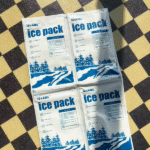
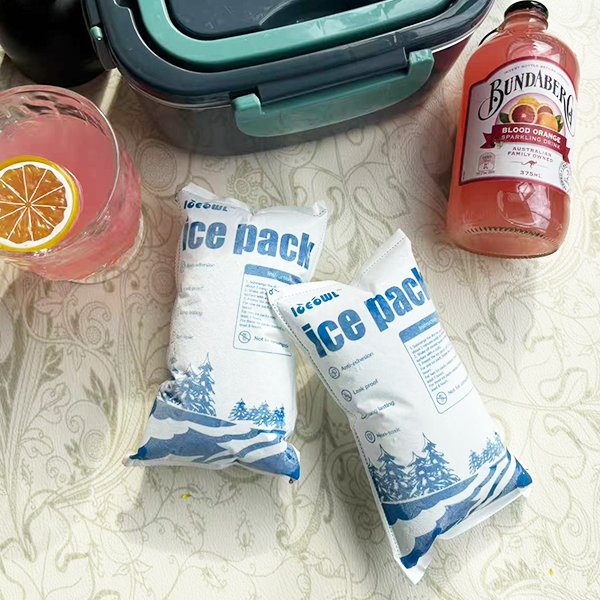
Le terme sac de glace carbonique est utilisé de manière vague dans la confiserie.. Certains distributeurs proposent de la glace carbonique solide, quelques liquides de refroidissement à feuilles moyennes, et d'autres signifient des produits congelés standard packs de gel. Ces options créent des environnements thermiques très différents, et la qualité des bonbons est fortement influencée par l'humidité et la température..
Une recherche dirigée par un distributeur provient généralement d'équipes qui ont besoin d'un produit en stock., vitesse de réapprovisionnement, et des spécifications cohérentes pour les commandes répétées.
Quand un pack de type glace carbonique convient et quand ce n'est pas le cas
Un pack de type glace carbonique convient lorsque l'état et l'itinéraire du produit le justifient réellement.. Cela signifie généralement une cible gelée ou une voie inhabituellement sévère qui a été conçue comme un système entièrement isolé.. Cela ne signifie pas qu’un froid plus profond soit automatiquement plus sûr.. Dans la logistique des bonbons, une mauvaise source de froid peut créer des dommages causés par le gel, condensation, perte de qualité, ou une complexité de manipulation inutile. Le pack doit être évalué dans le cadre de la conception totale: température de départ du produit, isolation, espacement interne, durée, balançoires ambiantes, et conditions d'accueil.
Une forte source de froid peut être utile lors des voies estivales extrêmes ou pour les confiseries très sensibles à la chaleur., mais de nombreuses expéditions de bonbons fonctionnent mieux avec un refroidissement modéré et un bon contrôle de l'humidité plutôt qu'avec de la vraie neige carbonique. Un refroidissement excessif peut créer de la condensation lorsque la boîte est ouverte, ce qui peut endommager la finition que vous essayiez de protéger.
Vraie glace sèche: Forte défense thermique pour les cas graves. Principale limite: Souvent trop froid pour les bonbons standards et peut augmenter le risque de condensation.
Pack congelé modéré: Mieux adapté aux confiseries sensibles à la fonte. Principale limite: Nécessite une bonne isolation et un bon contrôle de l’humidité.
Carton isotherme uniquement: Utile pour les voies courtes et les types de bonbons plus stables. Principale limite: Protection limitée par temps très chaud.
Emballages barrières et structurels: Aide à lutter contre l'humidité et la casse. Principale limite: Ne refroidit pas activement le produit.
Construire le package autour du produit, pas le nom du pack
La logistique des bonbons commence par la classification des produits. Le produit est-il principalement menacé par la fonte, par caractère collant, par perte de brillance, par captation des odeurs, ou en écrasant? La réponse détermine si vous avez besoin d'un liquide de refroidissement modéré, un carton isotherme, un paquet barrière, ou principalement une protection structurelle.
Les bonbons à base de sucre réagissent à l'humidité et à l'activité de l'eau, tandis que les revêtements à base de graisse réagissent fortement à la chaleur et aux variations de température. Cela signifie que le bon emballage lisse souvent la courbe de température et limite les événements d'humidité plutôt que de simplement réduire la température interne aussi bas que possible..
La logistique des bonbons est moins réglementée que le transport des produits pharmaceutiques, mais les acheteurs ont toujours besoin de matériaux de qualité alimentaire, contrôle des fuites, emballage extérieur solide, et réfrigérants adaptés à l'itinéraire. Si de la vraie neige carbonique est utilisée dans le transport aérien, les règles de manipulation deviennent plus spécifiques.
Le réfrigérant n'est qu'une partie de la réponse. Le système de packages est tout aussi important: type d'isolation, taille de boîte, espace mort interne, placement des paquets, espaceurs, séparateurs, couches absorbantes, et la température de départ de la charge utile façonnent le résultat. Deux fournisseurs peuvent proposer des poids de paquets congelés similaires tout en produisant des résultats de charge utile très différents, car l'un des systèmes gère mieux le flux de chaleur et les points froids locaux que l'autre.. Pour les acheteurs B2B, c'est pourquoi une conversation au niveau du système est généralement plus utile qu'une conversation portant uniquement sur les composants.
Un cadre d'achat pratique
Un cadre d'achat pratique commence par cinq questions. Quelle condition de température le produit doit-il atteindre à la livraison? Quelle est la durée de l'exposition réaliste en porte-à-porte? Quel est l’environnement le plus chaud et le plus froid que l’itinéraire puisse rencontrer? Dans quelle mesure votre exploitation peut-elle tolérer des variations de conditionnement ?? Et à quoi ressemblerait réellement un échec: décongélation, gel, fuite, perte d'apparence, ou simplement un surcoût d'emballage? Quand ces questions reçoivent une réponse en premier, les recommandations des fournisseurs deviennent beaucoup plus faciles à juger.
Demandez des données qui reflètent le fonctionnement réel de votre opération. Une déclaration de temps d'attente ne signifie pas grand-chose à moins que vous ne connaissiez la masse de la charge utile, le défi ambiant, la définition réussite-échec, et la méthode de conditionnement qui se cache derrière. Les questions les plus utiles sont de savoir comment la charge utile se comporte à proximité des faces froides., que se passe-t-il après un retard d'itinéraire, et si le pack-out reste dans la plage prévue après des chocs ambiants répétés. En pratique, la discipline d'un fournisseur dans l'explication des hypothèses en dit souvent plus que l'allégation de performance globale.
Succès des achats dans emballage chaîne du froid dépend souvent de la cohérence plutôt que d'un échantillon impressionnant. Un pilote performant peut encore échouer à grande échelle si le film de production, remplissage de gel, Formulation PCM, dimensions des cartons, ou les étapes de conditionnement dérivent avec le temps. C'est pourquoi l'évaluation des fournisseurs doit couvrir la cohérence de l'échantillon à la production., changer de contrôle, aspect pratique de la ligne d'emballage, et la gestion du stockage en plus des performances thermiques pures.
Demandez aux distributeurs de bonbons s'ils segmentent les recommandations par famille de produits ou s'ils proposent simplement une taille de paquet pour tout.. Le meilleur partenaire parlera du type de bonbons, saison, risque d'humidité, et état de déballage plutôt que de citer uniquement un insert congelé.
Quelles familles de bonbons ciblez-vous: bonbon dur, bonbons gélifiés, morceaux enrobés de chocolat, produits fourrés à la crème, ou assortiments mixtes?
Offrez-vous de la vraie glace carbonique, packs de gel congelés, ou un autre format de liquide de refroidissement modéré pour ces voies?
Comment contribuer à prévenir la condensation, transfert d'odeur, et dommages par contact direct entre l'emballage et le produit?
Quels formats d'isolation s'associent le mieux à votre liquide de refroidissement pour les trajets de colis courts plutôt que pour les transits de plusieurs jours?
Outils de décision utiles
Vérifiez les détails avant de choisir l'emballage
Ces outils rapides peuvent vous aider à comparer le risque d'itinéraire, besoins de dimensionnement, choix de liquide de refroidissement, et les détails de l'emballage avant de demander un devis.
Calculateur de glace carbonique
Estimer les besoins en glace carbonique pour les envois congelés ou ultra-froids avant l'emballage.
Estimation de la neige carboniqueCalculateur d’accumulateurs de froid
Estimation de la quantité de pain de glace pour les expéditions réfrigérées et planification pratique des itinéraires.
Estimer les packs de glaceRéférence du matériau isolant
Comparez les choix de matériaux d'isolation pour différents besoins d'emballage de la chaîne du froid.
Comparez les matériauxLa recommandation peut-elle changer selon la saison, climat de destination, ou type bonbon?
Quelles sont vos politiques de stockage, délais de livraison, et options de réapprovisionnement pendant les vacances ou les périodes estivales?
Dans quelle mesure les dimensions des emballages et le remplissage congelé sont-ils cohérents d'une commande à l'autre ??
Prenez-vous en charge les tailles de kits personnalisés pour les programmes de bonbons mixtes ??
Qu'est-ce qui détermine le coût réel
Le programme d’emballage le plus cher n’est souvent pas celui dont le prix unitaire est le plus élevé.. C'est celui qui semble bon marché jusqu'à ce que l'on compte la détérioration, réexpéditions, traitement des plaintes, espace de congélation supplémentaire, poids volumétrique, et du temps perdu dans des emballages difficiles. Dans les achats sous chaîne du froid, le bon système gagne souvent en réduisant les frictions opérationnelles autant qu'en protégeant la charge utile.
La durabilité devient également plus claire lorsque l'emballage est correctement adapté au produit.. La surspécification ajoute du poids, déchets, et la consommation d'énergie. La sous-spécification ajoute à la détérioration et aux expéditions répétées. La meilleure solution consiste généralement à redimensionner l’expéditeur., choisissez un réfrigérant qui correspond à la condition cible, et garder la méthode d'emballage suffisamment simple pour être répétée avec précision à grande échelle.
La logistique des confiseries est poussée par les cadeaux du commerce électronique, conditions plus chaudes du dernier kilomètre, et des attentes plus fortes concernant la présentation à l'arrivée. Cela fait une isolation de bonne taille, changements de pack saisonniers, et une meilleure segmentation des produits est plus précieuse qu'une approche unique pour tout.
Avant de déployer un programme de distribution complet, exploiter une ligne pilote qui utilise les composants de production finaux, pas un échantillon fabriqué à la main. Emballez la vraie charge utile, conditionner le liquide de refroidissement de la même manière que l'entrepôt le fera, et testez l'expédition dans les conditions d'itinéraire les plus réalistes que vous puissiez simuler. Ensuite, examinez non seulement la température de la charge utile, mais aussi la vitesse d'emballage, empreinte de stockage, condition de réception, et la clarté des instructions de travail. Ce pilote vous en dit généralement plus sur le succès du lancement que n'importe quelle brochure..
Points de défaillance courants
Utiliser de la vraie neige carbonique pour les bonbons qui nécessitent principalement un contrôle de l'humidité ou une protection thermique modérée.
Traiter tous les bonbons comme s'ils avaient la même sensibilité à la chaleur et à l'humidité.
Ignorer le risque de condensation lorsqu'un emballage froid est ouvert dans une pièce chaude.
Comparer le prix des packs sans vérifier les réclamations des clients, apparence du produit, et réexpéditions.
Oublier que les pics de vacances et les pics d'été peuvent nécessiter des règles d'emballage différentes.
Les acheteurs ne devraient pas ignorer les détails opérationnels
La discipline opérationnelle est importante car la meilleure conception thermique peut toujours échouer si l'entrepôt ne peut pas la répéter.. Dans la logistique des bonbons, les acheteurs devraient demander comment le liquide de refroidissement est stocké, combien de temps faut-il pour conditionner, quelle est la fenêtre d'assemblage acceptable une fois que le paquet quitte l'entrepôt congelé, et si les instructions de travail sont réalistes pour les personnes qui construisent réellement l'expédition. Une recherche dirigée par un distributeur provient généralement d'équipes qui ont besoin d'un produit en stock., vitesse de réapprovisionnement, et des spécifications cohérentes pour les commandes répétées. Un choix d'emballage qui semble efficace sur le papier mais qui s'avère délicat sur la chaîne de conditionnement devient souvent un programme coûteux en pratique..
La réception des chèques mérite également attention. Le produit ne cesse d'être en danger lorsque la boîte quitte l'entrepôt. Pensez à ce que le récepteur devrait voir, touche, et enregistrer à l'arrivée. Doivent-ils vérifier l'intégrité du paquet, rechercher des signes de fuite ou de condensation, vérifier si la source froide est toujours présente, ou s'intensifier si le produit est étonnamment dur ou chaud? Dans la logistique des bonbons, une règle de réception claire peut réduire les pertes de produits évitables car elle transforme des observations vagues en une réponse définie.
L'empreinte de stockage et le temps de préparation font également partie de la décision d'achat. Quelques packs froids besoin de plus d'espace de congélation, conditionnement plus long, ou un contrôle premier entré, premier sorti plus strict que les autres. Si un programme est livré en volume, cette charge opérationnelle peut avoir une importance presque aussi grande que la courbe thermique. La meilleure solution est souvent celle que votre équipe peut exécuter proprement au quotidien, pas seulement celui qui semble le plus fort dans un seul test.
FAQ courte
Est-ce que tous les bonbons ont besoin d'un sac de glace carbonique?
Non. De nombreux bonbons ont principalement besoin d’être protégés des pics de chaleur et de l’humidité., pas de surgélation.
L'emballage froid peut-il endommager les bonbons?
Oui. Un refroidissement excessif peut créer de la condensation et des problèmes d'apparence lorsque le produit se réchauffe.
Ce qui compte le plus lors du choix d'un distributeur?
Classement des produits, disponibilité saisonnière, spécifications d'emballage cohérentes, et des conseils pratiques d'emballage.
Faut-il utiliser un seul emballage pour chaque SKU de bonbons?
Habituellement pas. Les familles de bonbons ont souvent besoin de différents niveaux de refroidissement et de contrôle de l'humidité..
Dernier point à retenir
Le moyen le plus sûr d'acheter un pack de glace carbonique de distributeur pour la logistique des bonbons est de commencer par les exigences du produit et l'itinéraire., pas avec le nom du pack. Une fois que vous connaissez la condition cible, durée du transit, risque ambiant, et contraintes de packaging, la bonne source de froid devient plus facile à choisir et à faire évoluer. Les acheteurs qui traitent le colis dans le cadre d'un système d'expédition complet bénéficient généralement d'une meilleure protection., déchets inférieurs, et moins de surprises après le lancement.
À propos du Tempk
Nous sommes Tempk, une marque d'emballages à température contrôlée établie en 2011. Notre gamme de produits publiée comprend packs de glace, sacs isolés et des boîtes, couvertures thermiques de palettes, porteurs de température d'insuline, et personnalisé emballage à température contrôlée solutions pour applications alimentaires et pharmaceutiques. Nous nous concentrons sur l’adaptation des formats d’emballage à la sensibilité du produit, conditions d'itinéraire, et des besoins d'emballage pratiques afin que les acheteurs puissent choisir une configuration de chaîne du froid plus adaptée au lieu de compter sur une source de froid générique. Pour la confiserie et la logistique alimentaire plus large, Gamme publique de packs de glace Tempk, sacs isolés, boîtes isolées, et les emballages personnalisés à température contrôlée sont pertinents lorsque les acheteurs doivent adapter le niveau de refroidissement et le format de l'emballage à un produit alimentaire spécifique plutôt que de compter sur une source de froid universelle..
Prochaine étape
Séparez votre ligne de bonbons en stable, modérément sensible, et groupes très sensibles à la chaleur avant de comparer les offres des distributeurs. Si vous comparez des distributeurs, demandez comment ils gèrent le stockage, réapprovisionnement, et cohérence sur les expéditions répétées.