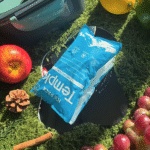
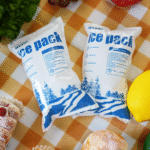
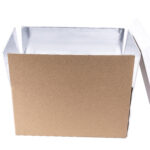
Auparavant, expédier vos produits à des températures ultra basses impliquait de traiter avec de la neige carbonique. Cependant, les contraintes d’approvisionnement et les problèmes de sécurité poussent les entreprises vers packs de glace sèche de remplacement de glace sèche. Ces emballages flexibles maintiennent des températures aussi basses que −40 °C jusqu'à 72 heures sans les dégâts ni les dangers du CO₂ solide. La consommation de glace carbonique augmente de 5 % par an, tandis que l'offre de CO₂ n'augmente que de 0,5 %, provoquant des flambées de prix. Si vous avez besoin d'un moyen fiable de conserver les aliments, produits pharmaceutiques et matériels biologiques congelés 2025, il est temps d'explorer des alternatives modernes. Ce guide explique tout ce que vous devez savoir : ce que sont ces packs, pourquoi ils sont meilleurs que la neige carbonique à l'ancienne, et comment choisir, emballez-les et utilisez-les en toute sécurité.
Pourquoi les packs de remplacement de glace carbonique sont-ils un choix plus intelligent que la glace carbonique traditionnelle?
Comment sélectionner le bon pack de remplacement de glace carbonique pour divers produits sensibles à la température?
Quelles techniques d'emballage maximisent les performances de refroidissement et la sécurité?
Lequel 2025 innovations, les tendances et réglementations du marché affectent le remplacement de la glace carbonique?
Quelles sont les questions les plus courantes sur la sécurité, utilisation et durabilité?
Pourquoi choisir des packs de remplacement de glace carbonique plutôt que de la glace carbonique traditionnelle?
La glace carbonique est le réfrigérant de prédilection depuis des décennies, mais son comportement au froid extrême et à la sublimation présente des risques importants. Les packs de remplacement de glace carbonique offrent un refroidissement comparable sans manipulation dangereuse ni inconvénients environnementaux. Cette section explique pourquoi ces alternatives gagnent du terrain 2025.
Avantages par rapport à la glace carbonique traditionnelle
Les packs de glace carbonique de remplacement maintiennent des températures inférieures à zéro pendant 36 à 72 heures et éliminent les résidus liquides. Au lieu de granulés en vrac qui se subliment rapidement, les packs renferment de la neige CO₂ ou du réfrigérant technique dans des cellules durables. Cette conception prolonge la durée de refroidissement, minimise le dégagement de vapeur de CO₂ et permet la réutilisation. En évitant le contact direct avec le CO₂ solide, les packs réduisent le risque d'engelures et simplifient la manipulation. Contrairement à la glace sèche traditionnelle, qui constitue une classe 9 matière dangereuse nécessitant une formation sur les matières dangereuses et un étiquetage strict, la plupart des packs de remplacement ne sont pas dangereux et exemptés de réglementations strictes.
Les packs de remplacement de glace carbonique répondent également aux problèmes d'approvisionnement. La demande mondiale de glace carbonique augmente 5 % annuellement, alors que l'offre de CO₂ n'augmente que 0.5 %, provoquant des pénuries et des hausses de prix pouvant aller jusqu'à 300 %. Les packs de remplacement utilisent moins de ressources CO₂ et intègrent des matériaux à changement de phase (PCMS) ou des réfrigérants en gel, offrir une chaîne d’approvisionnement plus durable.
Comprendre le fonctionnement des packs de remplacement
Les packs de remplacement sont disponibles en plusieurs formats:
| Type de pack | Matériau de refroidissement du noyau | Plage de température | Durée typique | Avantage clé |
| Feuilles de glace carbonique | Pastilles de CO₂ solides enfermées dans des cellules flexibles | −40 °C à −60 °C | 36–72 heures | Conception réutilisable; minimise la libération de vapeur |
| Packs de gel/PCM | Gels à changement de phase formulés pour fondre/geler à des températures définies | 0 °C à −20 °C (glacé) ou de −15 °C à −26 °C (congelé) | 24–96 heures | Bandes de température stables; réutilisable et non dangereux |
| Packs de gel cryogénique | Gel réfrigérant exclusif Cryo Ice™ | En dessous de −3 °C, rester sous 25 °F (−3,9 °C) pendant le dégel | Jusqu'à 48 heures | Manipulation sûre, aucune formation sur les matières dangereuses n'est requise |
| Plaques eutectiques | Plaques pré-refroidies contenant du PCM | Personnalisable (congelé ou réfrigéré) | 36–72 heures | Robuste, réutilisable et idéal pour les expéditions répétées |
Comment ils fonctionnent: Chaque type de pack absorbe la chaleur lorsqu'il fond ou lorsque le CO₂ se sublime à l'intérieur du pack, maintenir une température interne stable. Les plaques de glace carbonique combinent un refroidissement rapide à partir de pellets de CO₂ avec des temps de maintien prolongés grâce aux cellules scellées.. Les packs de gel et les PCM absorbent la chaleur latente pendant le changement de phase, offrant des plages de température étroites qui empêchent la surgélation des produits sensibles. Certains packs hybrides mélangent des cellules CO₂ et des PCM pour offrir à la fois un démarrage ultra froid et un refroidissement soutenu.
Comparaison de la glace carbonique et des packs de remplacement
| Métrique | Glace sèche traditionnelle | Pack de glace carbonique de remplacement |
| Température | −78,5 ° C (boulettes) | −60 °C à −20 °C selon la conception |
| Durée de refroidissement | 24–48 heures | 36–72 heures (emballer des feuilles); 24–96 heures (PCMS) |
| Classification réglementaire | Dangereux (Et 1845, Classe 9) exigeant l'étiquetage et la formation des matières dangereuses | Généralement non dangereux; documentation et manipulation plus simples |
| Gérer les risques | Gelure, Accumulation de CO₂ entraînant une asphyxie ou une explosion | Risque minimal de gelures grâce à la conception scellée |
| Réutilisabilité | Usage unique; sublime entièrement | Les feuilles et les packs PCM de haute qualité peuvent être recongelés et réutilisés |
| Contraintes d'approvisionnement | En fonction de la disponibilité du CO₂; volatilité des prix jusqu'à 300 % | Sources diversifiées telles que les gels réfrigérants et les PCM; moins sensible aux pénuries de CO₂ |
Scénario du monde réel
Étude de cas: Une entreprise de desserts spécialisés de Los Angeles a expédié des gâteaux surgelés dans tout le pays. Dans 2024 ils dépendaient de granulés de glace carbonique mais étaient confrontés à des pénuries et à des hausses de prix. Après le passage aux feuilles de glace carbonique combinées aux packs de gel PCM, ils ont prolongé les temps de transit de 36 à 60 heures, réduction de la consommation de CO₂ 20 % et suppression des frais liés aux matières dangereuses. Les plaintes des clients ont été abandonnées car les gâteaux sont arrivés intacts, sans brûlure de congélation ni résidus d'eau..
Conseils pratiques pour choisir des alternatives
Évaluer les besoins en température: Si vos produits nécessitent des conditions ultra froides (en dessous de −60 °C), une petite quantité de neige carbonique ou de gel cryogénique peut encore être nécessaire. Pour la plupart des aliments surgelés, Les PCM ou feuilles d'emballage maintiennent efficacement entre -20 °C et -40 °C.
Tenez compte de la durée de l'expédition: Les feuilles d'emballage et les plaques PCM peuvent être superposées pour atteindre 72 heures ou plus; pour des transits plus longs ou des expéditions internationales, combiner avec la réfrigération active ou ajouter des packs supplémentaires.
Optimiser la réutilisation: Choisissez des emballages durables qui peuvent être recongelés : ils réduisent les déchets et les coûts à long terme..
Vérifier le statut réglementaire: Confirmez si le pack est classé comme dangereux. Les alternatives non dangereuses évitent l'étiquetage, exigences en matière de documentation et de formation obligatoires pour la glace carbonique.
Comment sélectionner le pack de remplacement de glace carbonique adapté à votre envoi
Le choix du pack de remplacement parfait dépend du type de produit, durée de l'expédition, et contraintes réglementaires. Cette section offre un cadre clair pour guider votre décision.
Facteurs clés à considérer
- Sensibilité à la température– Différents produits nécessitent des plages de température spécifiques. Les produits pharmaceutiques ultra froids nécessitent des températures inférieures à −60 °C, alors que les aliments surgelés ont généralement besoin de -20 °C à -40 °C. Les feuilles de glace carbonique et les packs de gel cryogénique offrent la gamme inférieure, tandis que les packs de gel PCM maintiennent des bandes plus étroites autour de −20 °C.
- Durée d'expédition– Plus le voyage est long, plus vous aurez besoin de réfrigérant. En règle générale, 5 à 10 kg de neige carbonique (ou capacité de paquet équivalente) par 24 heures pour 100 litres de volume du conteneur. Lors de l'utilisation de feuilles de pack, estimez une feuille de 24 cellules par 12 heures de refroidissement. Pour les expéditions longue distance ou internationales, envisager de superposer les types de packs et d'utiliser une isolation supplémentaire pour prolonger le temps de refroidissement.
- Taille et poids du produit– Les expéditions plus importantes nécessitent plus de puissance de refroidissement. Tableau 2 adapte les recommandations de poids et de feuilles à partir des directives de l'industrie.
| Volume du conteneur | Pastilles CO₂ suggérées | Nombre de feuilles de paquet | Temps de maintien prévu |
| 10 L | 0.75–1 kg | 1 feuille | ≈12 heures |
| 20 L | 1.5–2 kg | 2 feuilles | ≈24 heures |
| 30 L | 2.5–3,0 kg | 3–4 feuilles | ≈36 heures |
| 40 L | 4–5 kg | 4–5 draps | ≈48 à 72 heures |
- Exigences réglementaires et de sécurité– Le transport aérien limite la glace carbonique à 2.5 kg par avion de passagers et jusqu'à 200 kg sur les vols cargo. Les packs non dangereux contournent ces limites et simplifient la paperasse. Si vous expédiez à l’international, vérifier la conformité avec l'Association du transport aérien international (Iata) règles et réglementations douanières.
- Objectifs de durabilité– Les pressions environnementales poussent les entreprises à réduire leurs émissions de CO₂. Les PCM et les packs de gel produisent moins d'émissions de carbone, et certains fournisseurs utilisent du CO₂ renouvelable d'origine biologique capturé lors de la fermentation de l'éthanol.. Évaluez l’empreinte carbone et la recyclabilité des packs que vous choisissez.
Sélection par catégorie de produit
Aliments surgelés et kits de repas
Pour les fruits de mer, viandes et plats préparés nécessitant de −20 °C à −40 °C, feuilles de glace carbonique sont idéaux. Ils maintiennent des conditions de congélation pendant 24 à 48 heures sans produire d'eau de fonte. Parce qu'ils libèrent du CO₂ progressivement, les feuilles d'emballage évitent les brûlures du congélateur et maintiennent la texture du produit. À combiner avec des packs de gel PCM pour prolonger la durée au-delà 72 heures ou pour maintenir des plages de température spécifiques pour les aliments délicats.
Pharmaceutiques et biologiques
Les produits pharmaceutiques exigent souvent des températures extrêmement froides (−70 °C ou moins). Granulés de glace carbonique restent indispensables pour les vaccins et les produits biologiques qui ne peuvent pas tolérer des conditions plus chaudes. Cependant, la combinaison de pellets et de feuilles de pack peut réduire la consommation globale de glace carbonique tout en maintenant les températures requises. Pour les médicaments moins sensibles à la température, les expéditeurs PCM réutilisables gagnent du terrain car ils évitent la classification dangereuse et offrent des profils de température plus stables.
Biotechnologie et échantillons de laboratoire
Les échantillons biotechnologiques et les matériaux cryogéniques nécessitent un contrôle précis de la température et un refroidissement rapide. Les pellets permettent des chutes de température rapides et permettent des ajustements précis du dosage. Pour prolonger les temps d’attente, Associez les granulés avec des plaques PCM ou des packs de gel et utilisez des récipients isolés sous vide.. Capteurs en temps réel (Appareils IoT) peut surveiller les écarts de température pendant le transport.
Aliments de spécialité & Desserts
Les produits tels que les chocolats gourmets et les glaces nécessitent une plage de température étroite pour éviter les changements de texture et d'apparence.. Les packs de gel PCM conçus pour -15 °C à -20 °C maintiennent la stabilité sans surgeler. Parce que les packs de gel ne se subliment pas, ils empêchent la condensation et maintiennent la qualité du produit.
Conseils pour maximiser les performances de refroidissement
Préconditionner les conteneurs: Refroidissez votre glacière ou votre carton avant de l'emballer pour ralentir la sublimation et prolonger le refroidissement jusqu'à 15 %.
Couper correctement: Placez des granulés ou des feuilles de paquet au fond, Ajouter un tampon (carton ou mousse), alors votre produit, et terminez avec plus de packs par dessus. L'air froid coule, les couches supérieures assurent donc un refroidissement uniforme.
Remplir les espaces vides: Utilisez du papier bulle ou du fardage pour éliminer les poches d'air qui accélèrent le transfert de chaleur..
Autoriser l'aération: Prévoir des trous d'aération ou une isolation respirante; ne jamais sceller le CO₂ dans une boîte hermétique : l'accumulation de pression peut provoquer une rupture.
Exemple du monde réel: Une start-up de biotechnologie expédie des échantillons d'enzymes pré-refroidis ses boîtes isothermes pendant la nuit, ajout d'un tampon ondulé et de trois feuilles de pack de 24 cellules superposées. Les enregistrements de température ont montré que la charge utile est restée à −25 °C pendant 60 heures, répondre aux exigences réglementaires sans utiliser de neige carbonique.
Emballage et manipulation des packs de remplacement de glace carbonique en toute sécurité
Un emballage approprié maximise les performances et garantit la sécurité des travailleurs. Bien que les remplacements de glace carbonique soient moins dangereux que la glace carbonique traditionnelle, ils ont encore besoin de soins.
Préparation et congélation
Hydrater les draps réutilisables: Faire tremper des feuilles de glace carbonique réutilisables dans l'eau avant de les congeler pour activer les cellules. Congelez-les à plat pour garantir une forme uniforme.
Congeler complètement le PCM et les packs de gel: Congelez toujours les packs pendant la durée recommandée (généralement 24 à 48 heures) pour atteindre la plage de température prévue..
Organiser par taille et poids: Préparez le bon nombre de colis en fonction du volume du conteneur et de la durée de l'expédition. (voir tableau 2 au-dessus de).
Séquence d'emballage
Couche inférieure: Placez des pellets ou une feuille d'emballage au fond du récipient isotherme pour un refroidissement rapide..
Couche tampon: Ajoutez du carton ou du carton mousse pour éviter tout contact direct et les brûlures de congélation..
Placement de produit: Positionnez votre produit avec des matériaux de rembourrage pour éliminer les espaces vides.
Couche supérieure: Ajoutez des feuilles de paquet ou des granulés supplémentaires sur le dessus; puits d'air froid, le placement sur le dessus assure donc un refroidissement uniforme.
Ventilation: Assurez-vous que le récipient n’est pas hermétique pour permettre au gaz CO₂ de s’échapper; certaines conceptions incluent des évents intégrés.
Équipement de protection individuelle (EPP)
Alors que le remplacement de la glace carbonique réduit le risque d'engelures, porter des gants et des lunettes isolants pendant l'emballage pour protéger la peau et les yeux. Pour les packs de gel conservés en dessous de −20 °C, les gants empêcheront les brûlures par le froid; les lunettes protègent contre les éclaboussures accidentelles lors de l'hydratation des draps réutilisables.
Étiquetage et conformité
Les packs de remplacement de glace carbonique ne sont généralement pas dangereux, pourtant, un étiquetage clair aide les manutentionnaires à comprendre la gestion de la température. Pour les expéditions utilisant à la fois de la neige carbonique et des packs de remplacement, inclure le poids net de glace carbonique et les étiquettes de danger comme l'exige l'IATA. Indiquez toujours le nombre de paquets et les instructions de manipulation recommandées sur le manifeste..
Élimination et réutilisation
Recongeler: Les feuilles de pack de haute qualité et les packs PCM peuvent être recongelés et réutilisés plusieurs fois.
Élimination des packs de gel: Si le gel est biodégradable, suivre les règles locales en matière de déchets; certains peuvent être percés, égoutté et éliminé avec les déchets normaux.
Élimination de la glace carbonique: Si vous avez des restes de glace sèche, laissez-le se sublimer dans un endroit bien aéré. Ne pas conserver dans des contenants scellés.
Étude de cas: Un distributeur pharmaceutique a formé son personnel à s'hydrater, congeler et emballer des feuilles de glace carbonique réutilisables. Après avoir remplacé les pellets en vrac, l'équipe a réduit les blessures et la paperasse réglementaire, tandis que les déchets d'emballages diminuaient 30 %. La gestion des stocks s'est améliorée car les packs pouvaient être congelés en vrac et utilisés à la demande sans avoir à se précipiter pour battre la sublimation sur glace carbonique..
2025 Tendances et innovations dans le remplacement de la glace carbonique
La logistique de la chaîne du froid évolue rapidement, et 2025 apporte de nouvelles technologies, initiatives de développement durable et dynamique du marché qui influencent la façon dont vous refroidissez et expédiez les produits.
Dynamique de l’industrie et croissance du marché
Le marché de la glace carbonique est confronté à des contraintes d’approvisionnement et à des pressions en matière de durabilité. La demande a augmenté à peu près 5 % par an alors que l'offre de CO₂ n'augmente que 0.5 %, créant des pénuries et des hausses de prix au comptant allant jusqu'à 300 %. Le marché mondial de la glace carbonique était évalué à USD 1.54 milliards en 2024 et devrait atteindre USD 2.73 milliards 2032 avec un taux de croissance annuel composé de 7.4 %.
Cependant, le Marché des solutions alternatives à la glace carbonique croît encore plus vite. Des recherches récentes indiquent que ce marché a atteint USD 2.34 milliards en 2024 et devrait croître à 8.7 % annuellement, atteinte USD 5.01 milliards 2033. La croissance est tirée par la pression réglementaire en faveur d’une logistique respectueuse de l’environnement, Expansion du commerce électronique et demande croissante de produits sensibles à la température.
Durabilité et captage du CO₂
La durabilité façonne les stratégies de la chaîne du froid. Les clients attendent de leurs fournisseurs qu’ils réduisent leurs émissions de carbone, incitant les fabricants à explorer les sources de CO₂ biologiques et le captage du carbone. Les usines de bioéthanol capturent le CO₂ de haute pureté libéré pendant la fermentation et le convertissent en neige carbonique. Cela crée une chaîne d’approvisionnement circulaire et réduit la dépendance au CO₂ d’origine fossile.. Toujours, une dépendance excessive à l’égard de quelques producteurs risque de provoquer des ruptures d’approvisionnement, comme dans l’exemple du Royaume-Uni, où les principaux producteurs de CO₂ ont été confrontés à des pressions géopolitiques et commerciales.
Systèmes de refroidissement hybrides
Systèmes de refroidissement hybrides combinant glace carbonique, les fiches d'emballage et les PCM gagnent du terrain. Granulés de stratification, les feuilles d'emballage et les packs PCM prolongent les temps de maintien de 25 % tout en réduisant la consommation de glace carbonique de 18 %. Dans 2025, les expéditeurs investissent également dans une meilleure isolation (panneaux sous vide et matériaux recyclables en bordure de rue) pour réduire les besoins en réfrigérant.
Emballages intelligents et capteurs IoT
La technologie IoT transforme la surveillance de la chaîne du froid. Les capteurs intégrés dans l'emballage fournissent des données en temps réel sur la température, humidité et emplacement, permettant une intervention proactive et la conformité réglementaire. Les emballages intelligents peuvent alerter les destinataires si la température s'écarte des plages définies, réduire la détérioration et garantir l’intégrité du produit.
Tendances en matière de réglementation et de sécurité
Des réglementations environnementales plus strictes encouragent l'adoption de réfrigérants non dangereux et de matériaux recyclables.. Certains pays limitent les émissions de CO₂ ou imposent des taxes sur la logistique à forte intensité de carbone, pousser les entreprises vers les packs de gel et les solutions PCM. Entre-temps, L'IATA continue d'imposer des limites de poids et d'étiquetage aux expéditions de glace carbonique.
Aperçus du marché par région
Amérique du Nord domine le marché alternatif de la glace carbonique grâce à une infrastructure logistique avancée et à des réglementations environnementales strictes.
Europe suit de près, motivé par des mandats de développement durable. L’approvisionnement en CO₂ d’origine biologique et les innovations en matière d’emballage contribuent à atténuer les contraintes d’approvisionnement.
Asie-Pacifique est en train de devenir un marché lucratif en raison de l’urbanisation rapide, demande croissante de soins de santé et développement du commerce électronique.
Questions fréquemment posées (FAQ)
Q1: Les packs de remplacement de glace carbonique sont-ils sûrs à manipuler?
Oui. Les packs de remplacement ne sont généralement pas dangereux et plus sûrs que la neige carbonique traditionnelle.. Ils éliminent le contact direct avec le CO₂ solide, réduire le risque d'engelures. Néanmoins, porter des gants isolants lors de la manipulation de paquets réfrigérés en dessous de −20 °C, et assurer une ventilation adéquate lors de l'utilisation de feuilles à base de neige carbonique.
Q2: Combien de temps les packs de remplacement restent-ils froids?
La durée dépend du type de pack et des conditions. Les feuilles de glace carbonique maintiennent la température pendant 36 à 72 heures, tandis que les packs de gel PCM peuvent fournir 24 à 96 heures de refroidissement. La superposition de plusieurs packs et conteneurs de préconditionnement peut prolonger cette période.
Q3: Puis-je réutiliser les packs de remplacement de glace carbonique?
Les feuilles d'emballage de haute qualité et les emballages PCM sont conçus pour de multiples usages et peuvent être recongelés. Les packs de gel peuvent être réutilisés tant que l'emballage reste intact; finalement, les performances diminuent et les packs doivent être remplacés.
Q4: Les packs de remplacement sont-ils respectueux de l'environnement?
Oui. De nombreux packs utilisent des gels biodégradables ou des matériaux recyclables et produisent moins d'émissions de carbone que la neige carbonique traditionnelle.. Les PCM et les packs de gel évitent le dégagement de vapeurs de CO₂ et réduisent la dépendance au CO₂ d'origine fossile. En plus, certains fabricants captent le CO₂ des usines de bioéthanol, créer une chaîne d'approvisionnement circulaire.
Q5: Quand dois-je encore utiliser de la neige carbonique traditionnelle?
La glace carbonique reste nécessaire dans des conditions ultra froides (en dessous de −70 °C) comme certains vaccins, prélèvements cryogéniques et nettoyage industriel. Dans ces cas, la combinaison de pellets avec des feuilles de pack et des packs PCM peut réduire l'utilisation totale de glace carbonique tout en maintenant les températures requises.
Résumé et recommandations
Les packs de remplacement de glace carbonique offrent une sécurité, solution plus durable et polyvalente pour la logistique de la chaîne du froid en 2025. Leur capacité à maintenir des températures inférieures à zéro pendant 36 à 72 heures, réduire l'utilisation de CO₂ et minimiser les contraintes réglementaires en font un choix judicieux pour l'alimentation, expéditions de produits pharmaceutiques et biotechnologiques. Lors de la sélection d'un pack, évaluez les besoins en température de votre produit, durée de l'expédition, volume des conteneurs et objectifs de durabilité. Systèmes hybrides combinant pellets, les fiches d'emballage et les PCM peuvent prolonger les temps de rétention jusqu'à 25 % tout en réduisant la consommation de glace carbonique.
Étapes exploitables
Évaluez vos besoins: Définissez la plage de température requise et la durée d’expédition de votre produit. Utiliser le tableau 2 pour estimer le nombre de paquets ou le poids des pellets.
Choisissez le bon type de pack: Pour les envois ultra froids, pensez aux granulés de glace carbonique et aux feuilles d'emballage. Pour les aliments surgelés ou les produits pharmaceutiques typiques, Des PCM ou des packs de gel suffisent.
Planifier la logistique d'emballage: Conteneurs de pré-refroidissement, superposez correctement les paquets et assurez la ventilation pour maximiser les performances.
Surveiller et optimiser: Utilisez des capteurs IoT pour suivre les températures et ajuster les quantités des packs en conséquence.
Adopter des pratiques durables: Achetez des packs fabriqués à partir de matériaux recyclables ou biosourcés et évaluez les fournisseurs qui captent le CO₂ à partir de sources renouvelables.
À propos du tempk
Tempk est l'un des principaux fournisseurs de solutions avancées pour la chaîne du froid, spécialisé dans les packs de remplacement de glace carbonique, packs de gel et systèmes d'emballage intelligents. Nous combinons une expertise scientifique avec des tests rigoureux pour fournir des produits qui maintiennent des températures précises, réduire les déchets et respecter les réglementations internationales. Nos feuilles de glace sèche réutilisables et nos packs de gel PCM sont conçus pour 36 à 72 heures de refroidissement., offrant des performances fiables pour l'alimentation, expéditions de produits pharmaceutiques et biotechnologiques. En mettant l’accent sur la durabilité, Tempk s'approvisionne en CO₂ biosourcé et en matériaux recyclables, aider les clients à réduire leur empreinte environnementale.
Appel à l'action
Prêt à améliorer votre chaîne du froid? Contactez les experts de Tempk pour en discuter pack de glace carbonique de remplacement de glace carbonique des options adaptées à vos besoins. Nous vous aiderons à choisir le bon type de pack, planifier la logistique des expéditions et garder une longueur d'avance 2025 tendances.