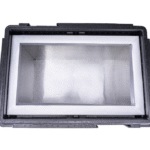
Exportateur de conteneurs EPP pour la biotechnologie: Comment choisir la bonne option sans trop revendiquer les performances
Un exportateur de conteneurs EPP pour la biotechnologie n'est pas sélectionné uniquement par son nom. Le bon choix dépend de la charge utile, espace utilisable, exposition par voie, habitudes de manipulation, plan de refroidissement, et les preuves qu'un fournisseur peut fournir. Pour les importateurs de biotechnologie, distributeurs de laboratoire, équipes logistiques de recherche clinique, et responsables du sourcing export, cette version finale centrée sur l'acheteur apporte le matériel, opérationnel, et des questions d'approvisionnement ensemble afin que la boîte puisse être évaluée dans le cadre d'un véritable processus d'emballage plutôt que comme un élément générique du catalogue..
La capacité du fournisseur compte plus qu’une photo de produit
La première limite est simple: un conteneur biotechnologique doit être évalué dans le cadre d'un processus logistique contrôlé, pas en tant que générique boîte de mousse. C'est important car de nombreuses erreurs d'achat proviennent du traitement d'un conteneur isotherme comme s'il avait déjà été qualifié pour chaque expédition.. Dans la livraison des aliments, cela peut signifier des plaintes de clients ou des marchandises rejetées. Dans le domaine de la santé ou des biotechnologies, cela peut signifier une lacune dans la documentation qui n'est découverte qu'après le déplacement de l'envoi..
Les matériaux biotechnologiques varient considérablement; certains sont réfrigérés, certains congelés, et certains nécessitent une manipulation particulière. Confirmez la portée requise et le plan de surveillance avant de commander. Un fournisseur peut vous aider à choisir une boîte et vous proposer un emballage, mais le propriétaire du produit ou l'équipe qualité doit définir les critères d'acceptation. Cette distinction protège les deux côtés de la transaction.
Il est également utile de distinguer un boîte isolée en EPP à partir d'un enregistreur de données de température. La boîte aide à ralentir le transfert de chaleur. L'enregistreur enregistre ce qui s'est passé. Aucun des deux ne remplace l'autre. Si l'envoi est sensible, l'emballage doit être conçu pour réduire les risques et le plan de surveillance doit être choisi pour documenter les risques.
Ajuster la carte pour une utilisation réelle
| Zone de décision | Ce que cela signifie | Que faire ensuite |
|---|---|---|
| Bon ajustement | distributeurs de biotechnologie, fourniture de recherche clinique, exportation de réactifs de laboratoire, transport d'échantillons, réalisation du kit de recherche | Lorsque la charge utile, itinéraire, et la manipulation sont clairement définies |
| Nécessite un examen supplémentaire | Soins de santé, biotechnologie, pharmaceutique, ou des produits sensibles à la qualité | Lorsque la plage de température, documentation, ou une surveillance est requise |
| Mauvais ajustement | Itinéraires non définis, charges utiles inconnues, ou réclamations thermiques non étayées | Quand les acheteurs s'attendent à ce que la boîte prouve ses performances sans preuve d'emballage |
| Discussion avec les fournisseurs | emballage d'exportation, cohérence de l'échantillon à l'ensemble, planification des voies, support documentaire, surfaces d'étiquetage, politique de nettoyage ou à usage unique, et vitesse de communication des fournisseurs | Lorsque l’approbation d’un échantillon ou une commande groupée est prévue |
La carte d'ajustement est un moyen rapide d'éviter de suracheter ou de sous-spécifier. Cela montre que le même conteneur EPP peut être un choix intelligent dans un flux de travail et un choix incomplet dans un autre.. La prochaine étape consiste à transformer l’utilisation prévue en questions mesurables.
Spécifications à verrouiller avant l'approbation de l'échantillon
Le dimensionnement n'est pas seulement une question de dimensions extérieures. Les acheteurs demandent souvent un support, compact, coutume, ou boîte en vrac, mais la réponse opérationnelle est à l'intérieur du conteneur. L'espace de charge utile utilisable est ce qui reste après le liquide de refroidissement, séparateurs, remplissage de vide, orientation produit, et la manipulation des travailleurs sont considérées. Une boîte peut sembler généreuse en termes de volume interne brut et néanmoins être à l'étroit pour la charge réelle.
Pour les distributeurs biotechnologiques, fourniture de recherche clinique, exportation de réactifs de laboratoire, transport d'échantillons, réalisation du kit de recherche, demander comment la charge utile sera placée et supprimée. Si les cartons sont chargés verticalement, la profondeur du couvercle et le dégagement des mains sont importants. Si des packs de gel ou des packs PCM sont utilisés, il doit y avoir un espacement suffisant pour éviter tout risque de gel direct pour les produits qui ne doivent pas toucher le liquide de refroidissement gelé. Si l'itinéraire comprend des ouvertures fréquentes, la conception de la boîte doit faciliter une fermeture correcte plutôt que de compter sur un comportement parfait de l'opérateur.
Les dimensions externes affectent également le coût de l'itinéraire. Une boîte légèrement trop grande peut réduire l'utilisation du véhicule ou augmenter la pression de retour au stockage.. Une boîte trop petite peut obliger les travailleurs à suremballer, plier les cartons, ou laisser moins d'espace pour le liquide de refroidissement. La meilleure spécification commence par des dessins de charge utile ou des échantillons mesurés, confirme ensuite la façon dont le conteneur est manipulé avant et après l'expédition.
La personnalisation doit commencer par un dessin ou une feuille de mesures claire. Largeur interne, hauteur, et la profondeur ne sont que le début. Les acheteurs doivent définir la forme de la charge utile, combien d'unités tiennent par couche, si le liquide de refroidissement se trouve à côté, au-dessus de, ou en dessous des marchandises, et si un séparateur est nécessaire pour empêcher le contact direct.
Pour les projets ODM ou sur mesure, l'outillage et l'approbation des échantillons méritent une attention particulière. Un prototype peut sembler correct, mais l'acheteur doit confirmer les tolérances, matériel de fabrication, ajustement du couvercle, surfaces d'étiquetage, et si les futures modifications de conception seront communiquées avant qu'elles n'affectent une commande répétée. Ceci est particulièrement important lorsque l'emballage fait partie d'un flux de travail validé ou dont la qualité a été examinée..
Preuve, réclamations, et contrôle de transfert
La performance thermique est le résultat du transfert de chaleur, temps, masse, et manipulation. Le corps en EPP ralentit le mouvement de la chaleur. Le liquide de refroidissement absorbe la chaleur. La charge utile répond en fonction de sa propre sensibilité. Le couvercle, séparateurs, et l'espace vide influence la façon dont l'air se déplace à l'intérieur de la boîte. Parce que ces éléments fonctionnent ensemble, une demande de temps d'attente générique ne doit pas être considérée comme une preuve d'un itinéraire différent.
Lorsqu'un fournisseur évoque un test thermique, demander les conditions: profil ambiant, charge utile, type de liquide de refroidissement, conditionnement du liquide de refroidissement, taille de boîte, température de départ, Placement de l'enregistrement, et critères de réussite ou d'échec. Un test peut être utile même s'il n'est pas identique à votre voie, mais il doit être lu comme une preuve dans des conditions définies, pas comme une promesse universelle.
Pour l’expédition de colis ou de soins de santé, Les profils thermiques ISTA ou les pratiques IATA en matière de fret médical pourraient faire partie de la discussion. Ces références aident les acheteurs à poser de meilleures questions, mais le propriétaire du produit doit toujours confirmer la plage de température requise et les preuves acceptables pour l'expédition spécifique.
Les itinéraires échouent aux points de transfert plus souvent que prévu par les acheteurs. La boîte peut reposer sur un quai de chargement, attendre dans un véhicule, passer par un cross-dock, ou être ouvert pour inspection. Chaque transfert ajoute de l’incertitude. Un bon choix de conteneur EPP réduit certains risques, mais il a aussi besoin d'instructions qui correspondent à l'itinéraire.
Regardez où la boîte sera ouverte et par qui. Si l'équipe de réception l'ouvre immédiatement et enregistre l'état, le processus est différent d'un itinéraire où les boîtes attendent dans un réfrigérateur de succursale ou sur un comptoir client. Le modèle opérationnel doit décider du placement des étiquettes, position de l'enregistreur, preuve d'inviolabilité, et étapes de retour nettoyage.
Questions des fournisseurs qui comptent vraiment
Un fournisseur doit être évalué par les questions auxquelles il peut répondre. Peuvent-ils expliquer la différence entre le volume interne brut et l'espace de charge utile utilisable? Peuvent-ils fournir des informations matérielles sans en faire une promesse de performance universelle? Peuvent-ils discuter de l'approbation des échantillons, cohérence de la production, emballage pour l'exportation, et traitement après-vente?
Pour la vente en gros, distributeur, exportateur, et projets ODM, la communication compte autant que la variété du catalogue. L'acheteur peut avoir besoin de dessins, dimensions des cartons, options de logo, zones d'étiquetage, conseils de nettoyage, ou des informations d'assistance aux tests. Si le fournisseur ne peut pas fournir ces bases avant la commande, il peut être difficile de résoudre les problèmes après l'arrivée de l'envoi.
Outils de décision utiles
Vérifiez les détails avant de choisir l'emballage
Ces outils rapides peuvent vous aider à comparer le risque d'itinéraire, besoins de dimensionnement, choix de liquide de refroidissement, et les détails de l'emballage avant de demander un devis.
Liquide de refroidissement & Référence PCM
Comparez les options de liquide de refroidissement et de PCM lorsqu'un itinéraire nécessite une prise en charge supplémentaire de la température.
Comparez les optionsCalculateur de banquise
Estimation de la quantité de pain de glace pour les expéditions réfrigérées et planification pratique des itinéraires.
Estimer les packs de glaceGénérateur de liste de contrôle de conformité
Créer une liste de contrôle pratique pour l'examen des emballages, expédition, et documentation.
Construire une liste de contrôleUn fournisseur attentif dira également ce qui doit être vérifié par l'acheteur.. C'est bon signe. Cela signifie que le fournisseur comprend la frontière entre la vente d'un conteneur EPP et l'approbation d'une opération complète de la chaîne du froid.. Dans les applications sensibles, cette frontière fait partie du contrôle des risques.
Un scénario pratique pour l'évaluation de l'acheteur
Un acheteur typique de biotechnologie peut avoir besoin de conteneurs pour les réactifs de laboratoire, prélèvement d'échantillon, ou réapprovisionnement du distributeur. Les charges utiles peuvent partager la même famille de boîtiers mais pas le même niveau de risque. Un client peut avoir besoin d'un contrôle réfrigéré, un autre peut avoir besoin d'un soutien gelé, et un autre peut n'avoir besoin que d'une manipulation isolée et protectrice lors d'un court transfert. L'approvisionnement en gros ou à l'export doit donc éviter une promesse unique pour tous les clients..
L'approche pratique consiste à définir une plate-forme de boîtes, puis à séparer les options de conditionnement par groupe de produits.. Le fournisseur peut fournir le conteneur EPP et discuter des configurations de liquide de refroidissement compatibles, tandis que l'équipe qualité ou scientifique de l'acheteur confirme les besoins de chaque charge utile. Cela évite de transformer un conteneur en une solution universelle non prise en charge..
FAQ
Est un exportateur de conteneurs EPP pour la biotechnologie à température automatiquement contrôlée?
Non. Un boîtier EPP assure l'isolation et la protection physique, mais le contrôle de la température dépend de l'emballage complet. Type de liquide de refroidissement, chargement de la charge utile, séparateurs, durée de l'itinéraire, exposition ambiante, discipline du couvercle, et la surveillance affectent tous le résultat. Traitez la boîte comme une partie du système, pas comme une solution complète de température en soi.
Que dois-je vérifier avant de commander des échantillons?
Commencez par les dimensions de la charge utile, espace intérieur utilisable, plage de température requise, le cas échéant, temps de trajet prévu, méthode de nettoyage, besoins en matière d'étiquetage, et comment les opérateurs transporteront ou empileront la boîte. Pour les distributeurs biotechnologiques, fourniture de recherche clinique, exportation de réactifs de laboratoire, transport d'échantillons, réalisation du kit de recherche, un exemple d'examen doit inclure les équipes d'entrepôt et de réception, pas seulement l'équipe d'achat.
Le EPP peut-il être utilisé pour l’alimentation, médical, ou expéditions biotechnologiques?
Le EPP peut être utilisé dans l’emballage de nombreux aliments, Soins de santé, laboratoire, et scénarios industriels, mais l'adéquation dépend de la charge utile et de la documentation requise. Les acheteurs doivent vérifier les déclarations de contact alimentaire, attentes en matière de nettoyage, Exigences de température, et tout examen qualité ou réglementaire avant utilisation de l'emballage pour des marchandises sensibles.
Comment comparer deux fournisseurs?
Comparez plus que le prix. Vérifier la cohérence des échantillons, ajustement du couvercle, dessins, détails matériels, conseils de nettoyage, emballage en carton, libellé de la revendication, et si le fournisseur peut expliquer les limites des performances thermiques. Un fournisseur qui donne des réponses minutieuses peut être plus sûr qu'un fournisseur qui promet qu'une seule boîte résoudra chaque voie..
Notes supplémentaires de l'acheteur avant de commander
Avant d'agréer un exportateur de conteneurs EPP pour la biotechnologie, demander à qui appartiendra la procédure opérationnelle. Les décisions en matière d'emballage se situent souvent entre les achats, entrepôt, logistique, qualité, et ventes. Si personne n'est propriétaire de la procédure, les travailleurs peuvent emballer la boîte différemment d'un quart de travail à l'autre. Cela est important pour les produits sensibles à la température et également pour les emballages réutilisables ordinaires, car une utilisation irrégulière réduit la durée de vie..
L'examen de l'échantillon doit inclure des observations négatives ainsi que des observations positives.. Si un travailleur dit que la boîte est difficile à nettoyer, si le couvercle est facile à détacher, ou si les étiquettes s'enroulent sur la surface, enregistrer ces commentaires. Ces commentaires peuvent paraître minimes, mais ils prédisent comment la boîte se comportera après des centaines d'événements de gestion chargés.
Pour les acheteurs comparant les fournisseurs sur tous les marchés, soyez prudent avec les revendications traduites. Des mots comme médical, de qualité alimentaire, écologique, durable, ou professionnel peut signifier différentes choses dans différents catalogues. Demandez les preuves sous-jacentes ou utilisez une formulation neutre dans vos propres supports de vente jusqu'à ce que votre équipe ait confirmé ce qui peut être revendiqué en toute sécurité..
Un contrôle final est l'élimination ou la planification de fin de vie. Si la boîte est destinée à être réutilisée, décider de ce qui se passe quand il est fissuré, coloré, il manque un couvercle, ou n'est plus acceptable pour l'itinéraire. Une simple règle d'inspection peut empêcher la remise en service des emballages endommagés et protéger la crédibilité de l'ensemble du programme d'emballage..
Les acheteurs doivent également vérifier comment les boîtes elles-mêmes sont expédiées avant de transporter une charge utile.. Cartons d'exportation, empilement de palettes, compression pendant le transport, et l'inspection à la réception en entrepôt peut affecter l'état des couvercles et des coins. Une boîte vide endommagée peut ressembler à un petit problème entrant, mais cela peut devenir un problème récurrent lorsque le conteneur est censé protéger ultérieurement des marchandises de plus grande valeur..
Si la commande fait partie d'un programme ODM ou de marque privée, le langage de la revendication doit être approuvé avec soin. La description la plus sûre explique généralement le matériau, utilisation prévue, et étapes de vérification de l'acheteur sans promettre une conformité universelle ou une durée thermique fixe. Cette formulation est plus facile pour les ventes, qualité, et des équipes logistiques pour se défendre lorsque les clients posent des questions détaillées.
Enfin, décider de ce qui doit rester standard et de ce qui peut varier. Couleur, logo, ou la zone d'étiquette peut être flexible, tandis que les dimensions internes, ajustement du couvercle, espacement du liquide de refroidissement, et la qualité du matériau doit rester contrôlée une fois l'échantillon approuvé. Des points de contrôle clairs réduisent le risque qu'une commande ultérieure semble similaire mais se comporte différemment sur le terrain..
Conclusion
Le meilleur exportateur de conteneurs EPP pour le choix biotechnologique est celui qui correspond à l'itinéraire, charge utile, routine de manipulation, et exigence de preuves. Le EPP peut être un matériau solide pour les emballages isothermes réutilisables, mais l'acheteur ne doit pas transformer les avantages matériels en promesses de performance non étayées.
Avant de commander, confirmer l'espace utilisable, compatibilité du liquide de refroidissement, comportement du couvercle, méthode de nettoyage, besoins en matière de documentation, et cohérence de l'échantillon à la production. Pour les marchandises réglementées ou sensibles à la qualité, impliquer le propriétaire du produit ou l’équipe qualité dès le début. Cette étape permet de gagner du temps car elle clarifie ce que la boîte est censée faire et ce qui doit être prouvé par l'emballage complet..
À propos du Tempk
Tempk fonctionne avec emballage chaîne du froid les acheteurs qui ont besoin d'options pratiques telles que packs de glace en gel, PCM briques de glace, Boîtes isolées EPP, boîtes d'expédition à froid, doublures isolées, sacs thermiques, Solutions de refroidissement médical VPU, et couvertures thermiques au niveau des palettes. Pour ce type de projet, la conversation utile ne concerne pas seulement le nom de la boîte. Nous aidons les acheteurs à discuter de l'adéquation de la charge utile, conditions d'itinéraire, disposition du liquide de refroidissement, dimensionnement personnalisé, et les questions de documentation avant de passer de l'examen des échantillons à des commandes plus importantes.
Partagez votre charge utile, itinéraire, plage de température, et étape de commande avec Tempk pour discuter si un exportateur de conteneurs EPP pour la biotechnologie est la bonne solution ou si un autre format d'emballage isotherme doit être examiné en premier.