Lors de l'expédition de fruits de mer, le maintenir à la bonne température est primordial pour garantir sa fraîcheur à son arrivée. Les feuilles de glace carbonique Fish Box offrent un, rentable, et efficace pour maintenir la température idéale lors des expéditions longue distance. Que ce soit pour une expédition locale ou internationale, Les feuilles de glace carbonique fournissent un environnement ultra froid qui empêche le dégel, préserve la qualité, et est conforme aux réglementations de l'industrie. Ce guide explorera les avantages, fonctionnalité, et les meilleures pratiques pour l'utilisation de ces fiches dans le transport de produits de la mer.
-
Que sont fish box dry ice pack sheets Et comment fonctionnent-ils?
-
Pourquoi les feuilles de glace carbonique sont-elles la meilleure option pour l'expédition de fruits de mer?
-
Comment choisir la bonne plaque de glace carbonique pour votre envoi?
-
Comment pouvez-vous garantir le respect des réglementations d'expédition lorsque vous utilisez de la neige carbonique?
-
Quelles sont les dernières tendances en matière de logistique sous chaîne du froid pour 2025?
Que sont les feuilles de glace carbonique Fish Box et comment fonctionnent-elles?
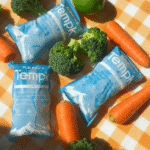
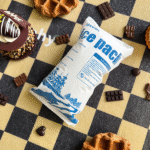
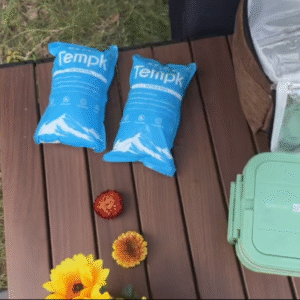
Les feuilles de glace carbonique de la boîte à poisson sont flexibles, cold-retaining packaging materials made from solid dry ice, designed specifically for temperature-sensitive shipments like seafood. These sheets fit seamlessly into insulated shipping containers and sublimate at -78.5°C, ensuring that seafood remains frozen during transit.
Comment ils fonctionnent:
Dry ice pack sheets provide consistent and long-lasting cooling. Alors que la neige carbonique se sublime en gaz, il absorbe la chaleur de son environnement, maintaining ultra-low temperatures. This is especially crucial for seafood, which must stay frozen to preserve freshness and avoid bacterial growth. By using these sheets, seafood shippers can guarantee that their products remain cold without the mess of melting ice or the risk of thawing.
Why Use Dry Ice for Seafood Shipping?
Avantages par rapport à la glace traditionnelle:
-
Pas d'eau de fusion: Contrairement à la glace traditionnelle, dry ice sublimes directly into gas, which prevents excess water from forming inside the shipping container. This is important for avoiding soggy packaging, which could damage seafood.
-
Durée de refroidissement plus longue: Dry ice lasts much longer than conventional ice. Its sublimation rate ensures that seafood stays frozen for an extended period, Le rendre idéal pour les expéditions longues.
-
Température ultra-bas: Dry ice provides temperatures that are well below freezing, which is crucial for preserving frozen seafood during transport.
How Do Fish Box Dry Ice Pack Sheets Work?
Dry ice pack sheets are typically placed inside insulated boxes to ensure maximum efficiency. When the sheets sublimate, they release cold CO2 gas that helps maintain a stable low temperature. By wrapping around the contents of the box, the sheets provide consistent cooling, even in long-distance shipments.
Avantages clés:
-
Consistency in Temperature: These sheets offer a reliable cooling method that helps avoid temperature fluctuations during transit.
-
Simplicité: Using dry ice pack sheets is straightforward. Simply place the sheets inside the shipping container and let them start sublimating.
-
Sécurité et conformité: La glace carbonique est réglementée comme matière dangereuse, and using fish box dry ice pack sheets ensures that shipments comply with all regulatory guidelines for safe transport.
Choosing the Right Dry Ice Pack Sheet for Your Shipment
When selecting a dry ice pack sheet for seafood shipping, Considérez les facteurs suivants:
-
Type of Seafood: Different seafood products require different cooling needs. Par exemple, fish fillets may need a different temperature than lobsters, so it’s crucial to choose the appropriate pack sheet for your specific product.
-
Durée de l'expédition: Longer shipments require more dry ice to maintain the correct temperature. Plan accordingly, especially if your shipment will last more than 48 heures.
-
Shipping Destination: Domestic shipments may require less dry ice compared to international shipments, particularly if air transport is involved.
Example Breakdown:
| Type of Seafood | Glace carbonique recommandée (lbs) | Estimated Cooling Duration |
|---|---|---|
| Crevette | 1-2 lbs | 12-24 heures |
| Fish Fillets | 2-3 lbs | 24-48 heures |
| Lobster | 3-4 lbs | 48-72 heures |
Comment garantir le respect des réglementations sur le transport de glace carbonique
Shipping with dry ice involves adhering to specific guidelines from organizations like the Department of Transportation (POINT) et l'Association du transport aérien international (Iata). Here’s how to ensure compliance:
-
Étiquetage: Packages containing dry ice must be labeled with “Glace sèche” and include the net weight of the dry ice. En plus, un “Dioxyde de carbone, Solide” label should be used to comply with hazardous materials regulations.
-
Conditionnement: Dry ice must be packaged in a way that allows for the release of gas. Insulated boxes with vented lids are commonly used to meet this requirement.
-
Documentation: Pour les expéditions internationales, a declaration form may be required that details the contents, including the dry ice weight and shipment specifics.
Dernières tendances en matière de logistique de la chaîne du froid pour 2025
Emballage intelligent:
The use of smart sensors integrated with packaging materials is growing. These sensors allow both shippers and recipients to monitor the temperature of goods in real-time, offering enhanced control over the shipping process and ensuring that seafood stays within the required temperature range.
Initiatives de durabilité:
Alors que les préoccupations environnementales augmentent, the cold chain industry is moving towards more sustainable packaging solutions. Emballage biodégradable, recyclable dry ice sheets, and eco-friendly coolers are increasingly being used to minimize environmental impact.
Automation:
AI-driven logistics platforms are transforming cold chain management. These platforms optimize shipping routes, predict delays, and improve overall efficiency, helping businesses reduce costs and improve delivery times.
Questions fréquemment posées
How Much Dry Ice Do I Need for Seafood Shipping?
The amount of dry ice required depends on the type of seafood and the shipping duration. Typiquement, vous aurez besoin d'environ 1-2 lbs de glace sèche par 12 heures de temps d'expédition.
Can I Use Dry Ice for Domestic Seafood Shipping?
Oui, dry ice can be used for both domestic and international seafood shipping. It is particularly useful for long-distance or international shipments.
Combien de temps dure la glace carbonique pendant l’expédition?
Dry ice lasts anywhere from 12 à 72 heures, depending on factors like shipment duration and insulation quality.
Conclusion et recommandations
Fish box dry ice pack sheets are a crucial component in seafood shipping, ensuring that products remain frozen and fresh during transit. These sheets offer long-lasting cooling, are easy to use, and comply with shipping regulations. To maximize efficiency and safety:
-
Select the right dry ice sheet based on seafood type and shipping duration.
-
Work with a reliable logistics provider who understands dry ice shipping regulations.
-
Stay up to date with new trends like smart packaging and eco-friendly materials to further optimize your shipping process.
À propos du tempk
Et tempk, nous sommes spécialisés dans la fourniture de solutions logistiques avancées pour la chaîne du froid, including fish box dry ice pack sheets. Our products ensure safe and efficient temperature-controlled shipping for seafood, médicaments, et autres marchandises périssables. Reach out to us for expert advice and tailored shipping solutions.
Appel à l'action: Contact Tempk today to learn how our dry ice packaging solutions can improve your seafood shipping operations.