Guide d'emballage de la chaîne du froid pour les plats de pâtes fraîches
Les plats de pâtes fraîches nécessitent un emballage réfrigéré qui protège la sécurité alimentaire, texture, état de l'étiquette, et recevoir des décisions en même temps. Une glacière générique peut maintenir la température lors d'un court test, mais échoue toujours commercialement si les sauces fuient, les cartons deviennent mouillés, les pochettes sont perforées, ou la couche supérieure se réchauffe pendant le séjour du courrier.
Pour la planification, ce guide utilise un réfrigéré 0-4 Clane, car de nombreux programmes de plats préparés ciblent la température du réfrigérateur avant la vente au détail., restauration, ou transfert direct au consommateur. La gamme finale acceptée doit toujours suivre les spécifications du produit, Plan HACCP, règles alimentaires locales, et l'accord de qualité du client destinataire.
Données de planification d'emballage
| Plage de température | 0-4 C pour distribution réfrigérée; les limites finales doivent suivre le plan HACCP de la marque, étiquette du produit, et les règles du marché. |
|---|---|
| Humidité et condensation | Contrôlez la condensation afin que les pochettes en papier, étiquettes des ingrédients, et les instructions de réchauffage restent lisibles. |
| Pré-refroidissement | Barquettes remplies de pré-réfrigération, sauces, paquets de garniture, et les composants de l'expéditeur avant l'emballage. |
| Pression du paquet | Protéger les raviolis, pâtes farcies, barquettes scellées par film, et les tasses à sauce contre la compression et l'impact dans les coins. |
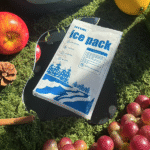
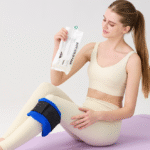
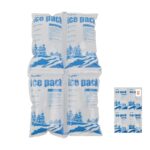
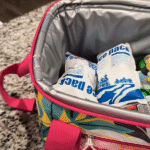
| Emplacement du liquide de refroidissement | Placez les packs de gel conditionnés au-dessus et à côté de la charge avec une doublure ou une barrière en carton., pas directement contre les plateaux délicats. |
| Durée du transport | 24-48 h directement en magasin, restauration, ou les itinéraires DTC doivent inclure le temps d'attente de prise en charge et le délai de réception. |
| Pertes communes | Couche supérieure chaude, condensation, fuite de la sauce, ascenseur de joint de film, adoucissement de la texture des pâtes, et barquettes écrasées. |
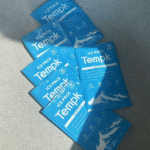
| Ajustement de l'emballage Tempk | Expéditeur ou doublure de boîte isolée Tempk, packs de gel conditionnés, diviseurs au niveau des plateaux, couche absorbante si nécessaire, et enregistreur d'itinéraire. |
Quels changements pour ce produit
Les plats de pâtes fraîches ne doivent pas être emballés uniquement par taille de carton. L'emballage doit être conçu autour de la masse du produit, espace de tête, activité aquatique, type de joint, et la façon dont le client ouvre ou met en scène la nourriture. Le système de refroidissement doit maintenir le produit en dessous de la limite approuvée sans créer de points de contact gelés qui endommagent la texture ou la présentation..
Le pré-refroidissement est particulièrement important. Si produit chaud, tasses à sauce chaude, ou des sachets récemment remplis entrent dans l'expéditeur, packs de gel sont obligés d'évacuer la chaleur du produit au lieu de protéger le parcours. Cela réduit le temps de maintien et augmente les chances d'obtenir un résultat chaud même lorsque le carton extérieur semble acceptable..
Outils de décision utiles
Vérifiez les détails avant de choisir l'emballage
Ces outils rapides peuvent vous aider à comparer le risque d'itinéraire, besoins de dimensionnement, choix de liquide de refroidissement, et les détails de l'emballage avant de demander un devis.
Générateur de liste de contrôle de conformité
Créer une liste de contrôle pratique pour l'examen des emballages, expédition, et documentation.
Construire une liste de contrôleVérificateur de risque d'itinéraire
Examinez les conditions des pistes avant de sélectionner l'emballage en fonction des exigences opérationnelles réelles..
Vérifier le risque d'itinéraireSélecteur d'emballage
Comparez les options d'emballage isotherme par produit, itinéraire, et besoin de température.
Trouver un emballageApproche d'emballage Tempk recommandée
Pour les voies de routine, utiliser un Tempk doublure de boîte isolée ou expéditeur isolé avec des packs de gel conditionnés, un carton intérieur lisse ou un plateau de produit, et un enregistreur placé dans une zone représentative du produit. Pour les charges plus lourdes ou les longs séjours de messagerie, valider la masse du liquide de refroidissement et la taille de l'expéditeur avec des profils d'été et d'hiver plutôt que de se fier à un seul test ambiant.
Le liquide de refroidissement doit être séparé des emballages alimentaires délicats. Cela protège les joints du film, étiquettes en papier, couvercles à clapet, sachets sous vide, et texture du pain ou des pâtes. Où une fuite est possible, ajoutez une couche absorbante ou un sac secondaire contenant du liquide sans bloquer le flux d'air froid autour du produit.
Réception de chèques
A l'arrivée, l'équipe de réception doit vérifier les données de l'enregistreur, sécheresse du carton, état du joint, forme du produit, et fuite visible avant de libérer le stock. Si l'enregistreur montre une excursion non résolue ou si le carton est saturé, l’expédition doit être effectuée selon la procédure qualité du client.
Tempk peut prendre en charge le dimensionnement de l'expéditeur, placement de la poche de gel, test d'itinéraire, et instructions d'emballage pour les programmes de plats préparés réfrigérés. Partager les dimensions du produit, quantité commandée, plage cible, durée de l'itinéraire, profil ambiant, et procédure de réception pour créer un emballage spécifique à une voie.