Mis à jour: 30 Novembre 2025
Frozen food cold chain storage keeps your food safe and your business profitable. Without proper temperature control and handling, nearly a quarter of refrigerated or frozen goods spoil before reaching consumers. Aux États-Unis seulement, roughly 70 % of all food relies on a cold chain and refrigeration consumes about 15 % of global energy. This article explains how frozen food cold chain storage works, why it matters for quality and sustainability, and what trends will shape the industry in 2025.
Importance of frozen food cold chain storage: Understand why precise temperatures and humidity control protect food quality and extend shelf life.
Temperature ranges and handling: Learn the recommended temperature categories for frozen, chilled and deep-frozen goods and how to monitor them.
Réglementation et conformité: Explore FSMA Rule 204, HACCP, ISO standards and emerging protocols like the 2025 temperature monitoring initiative.
Bonnes pratiques et conseils pratiques: Get actionable advice on receiving, stockage, preparing and delivering frozen foods while maintaining quality.
2025 tendances et innovations: Découvrez comment les capteurs IoT, installations améliorées, plant based products and sustainability initiatives are shaping the frozen food cold chain.
Why Is Frozen Food Cold Chain Storage Crucial?
Maintenir l’intégrité du produit. Frozen foods must stay at or below –18 °C (0 ° F) throughout the entire supply chain. When temperatures fluctuate, ice crystals melt and refreeze, damaging cell structure and causing mushy textures or off flavors. According to the International Fresh Produce Association, up to 25 % of food is wasted due to temperature breaches. Maintaining strict temperature control preserves nutrients, prevents microbial growth and keeps products safe for consumption.
Reducing waste and energy use. Refrigeration uses about 15 % of global energy consumption, and inefficient cold storage amplifies that footprint. UN 2025 protocol developed by the Global Cold Chain Alliance (AMCC) et l'American Frozen Food Institute (AFFI) aims to standardize temperature monitoring to improve efficiency, reduce greenhouse gas emissions and cut energy use. Implementing best practices in frozen food cold chain storage can significantly lower waste and energy costs while protecting your bottom line.
Supporting market growth. The global food cold chain logistics market is projected to grow from USD 393.2 billion in 2025 to USD 1,632.6 billion by 2035, a compound annual growth rate of 15.3 %. The demand is driven by rising consumption of fresh and frozen foods, e commerce expansion and the pharmaceutical sector’s need for temperature controlled distribution. A robust cold chain enables companies to tap into this growing market while meeting consumer expectations for quality and safety.
Understanding the Cold Chain as a Relay Race
Imagine a cold chain as a relay race. Each stage—from the production line to the warehouse to the distribution truck—must hand off the product at the right speed and temperature to maintain momentum. Si un coureur laisse tomber le témoin (Par exemple, leaving a pallet of frozen vegetables on a warm loading dock), the entire team loses. Frozen foods pass through multiple “relay points”: récolte, traitement, stockage, emballage, transport et vente au détail. Each point must keep conditions within strict parameters to avoid spoilage.
| Facteur | Description | Sens pratique |
| Température | Frozen foods remain at or below –18 °C (0 ° F); deep frozen items like ice cream may require –25 °C to –30 °C. | Adjust your facilities and transport to sustain these temperatures. |
| Humidité | Low humidity prevents condensation and mold; high humidity maintains produce freshness. | Use equipment that monitors and controls humidity to prevent dehydration or spoilage. |
| Manutention | Emballage approprié, stacking and airflow avoid hotspots and cross contamination. | Train staff to stack pallets for air circulation and to use insulated packaging. |
| Surveillance | Capteurs IoT, data loggers and real time monitoring detect temperature deviations and send alerts. | Invest in technology to receive immediate notifications and take corrective action. |
| Documentation | Digital records of temperature, location and handling support traceability and compliance with FSMA Rule 204. | Maintain electronic documentation for audit readiness and quick recall management. |
Tips and Advice for Maintaining Frozen Food Quality
Map product needs: List all items you ship or store and note their ideal temperature range—bananas at 12–14 °C and frozen meats at –25 °C to –30 °C. Matching equipment to product needs prevents spoilage.
Marchandises et équipements pré-refroidis: Reefer trailers and containers are designed to maintain temperature, not create it. Pre chill products and vehicles to avoid thermal shock.
Check humidity and ventilation: Use humidity sensors to prevent condensation on packaging, which can lead to mold and deterioration.
Calibrer et entretenir l'équipement: Regularly calibrate sensors, check door seals and service refrigeration units to ensure accurate readings and avoid breakdowns.
Document breaches and corrective actions: En cas d'excursion de température, enregistrer la durée, cause and steps taken. This supports traceability and helps refine protocols.
Cas du monde réel: Un exportateur d'agrumes a prolongé la durée de conservation en investissant dans des emballages isothermes et en ajoutant des capteurs IoT aux conteneurs réfrigérés. Quand la porte d'un camion est restée ouverte, temperature data triggered an alert, allowing staff to intervene before spoilage occurred. Route optimization software reduced delays, further protecting product quality.
How to Control Temperature, Humidity and Equipment
Temperature Categories and Monitoring
Frozen food cold chain storage involves several temperature categories:
Congélateur (–25 °C to –30 °C / –13 °F to –22 °F): Used for ice cream, certain seafood and high value meats. This category prevents large ice crystals from forming and preserves texture.
Congelé (–10 °C to –20 °C / 14 °F to –4 °F): Suitable for frozen vegetables, meats and ready meals. The global standard for frozen food is –18 °C (0 ° F).
Froideur (2 °C à 4°C / 35 °F to 39 °F): Produits frais, dairy and some processed foods require this range to maintain crispness and prevent bacterial growth.
Ambiante contrôlée (50 °F to 70 °F / 10 °C to 21 °C): Chocolat, wine and dry goods need moderate conditions to prevent melting or chemical changes.
For each category, maintain the correct temperature using validated thermal packaging, multi zone trailers and IoT sensors. Real time monitoring sends alerts if temperatures drift beyond set points, permettant une action corrective immédiate.
Role of Humidity and Airflow
Humidity control is as important as temperature. High humidity can lead to moisture buildup, mold growth and cross contamination; low humidity causes dehydration and quality loss. Maintaining proper airflow around pallets prevents hotspots and ensures consistent cooling. Use humidity sensors in warehouses and trucks, and avoid blocking air vents when stacking products.
Equipment and Infrastructure
Reefer trailers and refrigerated containers: Modern reefer trailers come with insulation, refrigeration units and real time monitoring systems. Pre cool trailers before loading and perform regular maintenance to prevent breakdowns.
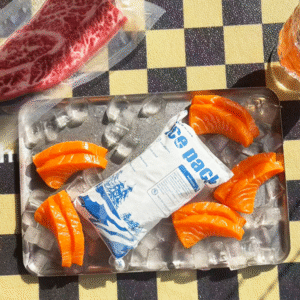
Emballage isotherme: Use passive cooling methods like gel packs or dry ice for short journeys, and active cooling methods such as mechanical refrigeration for longer routes. For deep freeze goods, packaging should maintain extremely low temperatures and prevent condensation.
Installations de stockage à froid: Many cold storage warehouses are outdated, having been built 40–50 years ago. Améliorer l'isolation, adopting energy efficient refrigeration and integrating automation improves efficiency and reduces energy consumption. UN 2025 trend involves investing in new facilities with better sustainability and visibility features.
Training and Staffing
Skilled personnel are essential. Workers must know how to handle frozen goods, load trucks correctly and respond to temperature alarms. Provide continuous training on hygiene, equipment operation and emergency procedures. A strong safety culture reduces errors and ensures compliance.
Gestion des risques et planification d'urgence
Breakdowns happen. Create contingency plans for equipment failure, route delays or power outages. Identifier des conducteurs alternatifs, backup power generators and emergency contacts. Real time sensors and geofencing provide visibility into location and conditions; route planning software minimises travel time and ensures timely deliveries.
Regulations and Standards for 2025
Règle de la FSMA 204 (Règle finale de traçabilité)
Les États-Unis. Loi sur la modernisation de la sécurité alimentaire (FSMA) Règle 204 requires companies handling high risk foods—such as leafy greens, shell eggs and nut butter—to record critical tracking events (CTE) et éléments de données clés (KDE). Businesses must maintain digital records for at least two years and provide them to the FDA within 24 heures. The compliance date has been extended to allow companies more time to implement digital systems.
Key FSMA requirements include:
Codes de lot de traçabilité: Attribuez des codes uniques aux aliments figurant sur la liste de traçabilité des aliments de la FDA pour faciliter les rappels..
Tenue de registres: Maintain interoperable digital records of harvesting, emballage, shipping and receiving events.
Plans HACCP: Identifier les dangers (bactéries, contamination croisée), set critical limits and establish corrective actions.
Formation du personnel: Provide continuous education on temperature control, record keeping and emergency procedures.
Conformité des fournisseurs: Audit suppliers and include temperature requirements in contracts.
Analyse des risques et points de contrôle critiques (HACCP) & Bonnes pratiques de distribution (PIB)
HACCP is a preventive system that identifies hazards and establishes controls at critical points such as transportation and loading docks. Les directives du PIB mettent l'accent sur un emballage approprié, documentation et gestion des risques pour les produits sensibles à la température. Normes ISO (Par exemple, ISO 22000) provide quality management frameworks for food safety.
International Standards and Emerging Protocols
L'Institut International du Froid (IIR) notes that –18 °C remains the international standard for frozen foods. Cependant, the “Three Degrees of Change” initiative proposes raising storage temperatures to –15 °C to save energy. Research shows this could reduce energy consumption by about 10 % but may shorten shelf life by around 30 % and require thicker packaging. Regulators are evaluating differential approaches based on product sensitivity.
En juillet 2025, the GCCA and AFFI released a new protocol to standardize temperature monitoring across the frozen food supply chain. The protocol identifies critical monitoring points, recommends best practices for data collection and analysis, and aims to improve operational efficiency, food safety and sustainability. It encourages businesses to adopt data driven monitoring and collaborate across the industry.
Règle FSMA relative au transport sanitaire
Carriers transporting frozen foods must maintain sanitary equipment, control temperatures and keep detailed records of transport operations. Reefer trailers should have reliable refrigeration units and monitoring systems to prevent temperature excursions.
HFC Phasedown under the AIM Act
The American Innovation and Manufacturing (AIM) Act mandates a phasedown of hydrofluorocarbons (HFC), requiring companies to transition to refrigerants with lower global warming potential. Alternatives like carbon dioxide and hydrocarbons are being adopted, but require compatibility and safety assessments.
Best Practices from Receiving to Delivery
Receiving Goods
Inspect and verify: Check the temperature and condition of incoming goods immediately upon arrival; reject products outside acceptable ranges.
Utiliser les zones de transit: Gardez une zone de transit à température contrôlée près des quais de chargement pour minimiser l'exposition pendant le transfert..
Étiqueter avec précision: Labels should indicate product type, code de lot, exigences de stockage et date de péremption.
Gestion du stockage et des stocks
Entrepôts zonaux: Separate storage by temperature category—chilled, frozen and deep frozen. This prevents temperature mixing and simplifies management.
Rotation de l'inventaire (FIFO): Utiliser d'abord dans, first out principles to minimise aging stock.
Surveiller l'humidité: Maintain appropriate humidity levels to prevent dehydration and condensation.
Mettre en œuvre des systèmes de gestion d'entrepôt: Suivre l'emplacement de l'inventaire, température et état en temps réel.
Préparation et chargement des marchandises
Planifier l'emballage: Choisissez actif (refroidissement mécanique) ou passif (packs de gel, glace carbonique) emballage basé sur le produit et la durée du voyage.
Chargements sécurisés: Disposez les emballages pour permettre la circulation de l'air et éviter d'écraser les articles délicats.
Inspections avant le départ: Les conducteurs doivent vérifier les paramètres du conteneur frigorifique, niveaux de carburant, door seals and sensors before departure.
Surveillance continue: Utilisez des capteurs IoT et la télématique pour suivre la température et l'emplacement; integrate with route optimization software.
Communiquer avec les clients: Fournissez des mises à jour en temps réel sur l'arrivée estimée pour réduire les livraisons manquées.
Emportez des fournitures de secours: Packs de gel de rechange en stock, glace carbonique et générateurs portables pour les urgences.
Delivery and Final Transfer
Ensure last mile deliveries maintain the cold chain. Use insulated containers for short routes and monitor temperature until delivery is complete. Educate customers on proper storage upon receipt and emphasise the importance of keeping products frozen until use.
Derniers développements et tendances dans 2025
Market Growth and Visibility
The cold chain logistics market remains resilient despite geopolitical disruptions and supply chain shocks. Maersk projects the market value growing from USD 324.85 billion in 2024 to USD 862.33 billion by 2032. Demographic changes and demand for food and pharmaceuticals drive this growth. Dans 2025, companies will seek stronger visibility through software and integrated platforms that monitor the entire supply chain.
Upgrading Aging Infrastructure
Many cold storage facilities were built 40–50 years ago and suffer from inefficiencies. Dans 2025, investments will focus on modernizing these warehouses: adding automation, adopting sustainable refrigerants and integrating digital monitoring. Regulatory pressures are phasing out hydrochlorofluorocarbons (HCFC) et hydrofluorocarbures (HFC), encouraging conversions to climate friendly alternatives.
Plant Based and Specialty Products
Consumer demand for plant based protein, gluten free items and organic certified products continues to rise. Par 2030, plant based foods could account for 7.7 % of the global protein market, valued at more than USD 162 billion. These products often come from small and medium sized enterprises new to logistics and thus require support from experienced cold chain providers. Logistics companies must adapt to new temperature requirements and packaging needs for plant based items.
Durabilité et efficacité énergétique
La durabilité est un thème clé. The GCCA–AFFI protocol emphasises reducing energy use and greenhouse gas emissions by optimising temperature monitoring. The “Three Degrees of Change” initiative explores raising storage temperatures to –15 °C to save energy, though this may shorten shelf life and require thicker packaging. Industry leaders are exploring renewable energy, improved insulation and CO₂ refrigeration to shrink the carbon footprint.
Advanced Monitoring and IoT Integration
Capteurs en temps réel, RFID tags and data analytics provide unparalleled visibility. Continuous monitoring allows immediate corrective action during temperature excursions and supports predictive maintenance. Geofencing alerts operators to route deviations, while blockchain platforms enhance traceability and trust. Predictive analytics helps companies adjust inventory and optimize storage capacity based on demand forecasts.
Automation and Smart Warehousing
Automation technologies—robotic picking systems and automated guided vehicles (AGV)—are transforming cold storage facilities. These technologies minimize human contact, reduce contamination risk and improve order accuracy. Smart warehouses use data analytics to optimize space, reduce energy consumption and improve throughput.
Local Distribution and Last Mile Solutions
Proximity to customers becomes more important as e commerce and direct to consumer models expand. Cold chain providers are developing smaller, strategically located distribution hubs to shorten delivery times and reduce emissions. Last mile solutions include insulated lockers, temperature controlled micro fulfilment centers and electric refrigerated vehicles.
FAQ
What is the standard frozen food storage temperature?
The international standard is –18 °C (0 ° F). Frozen foods should remain at or below this temperature throughout the supply chain to maintain quality and safety. Deep frozen items may require –25 °C to –30 °C.
Why is temperature monitoring so important?
Temperature fluctuations can cause ice crystals to melt and refreeze, damaging the texture and flavor of frozen foods. Monitoring ensures products stay within safe ranges, éviter la détérioration et le gaspillage. Real time sensors provide immediate alerts if conditions change.
How does FSMA Rule 204 affect my business?
Règle de la FSMA 204 requires companies to track critical events and maintain digital records for high risk foods. Compliance includes assigning traceability lot codes, recording key data elements and providing records within 24 heures sur demande. Investing in digital traceability and training can streamline compliance.
What are the benefits of upgrading cold storage facilities?
Upgrading reduces energy costs, improves temperature stability and increases capacity. Modern facilities often include automation, sustainable refrigerants and integrated monitoring, which enhance operational efficiency and sustainability.
How is the cold chain industry addressing sustainability?
Industry initiatives focus on energy efficiency, renewable energy and alternative refrigerants. The GCCA–AFFI protocol promotes data driven temperature management to reduce greenhouse gas emissions. Research on raising storage temperatures (Par exemple, –18 °C to –15 °C) aims to save energy while maintaining food safety.
Résumé et recommandations
Proper frozen food cold chain storage is non negotiable for safety, qualité et durabilité. Les principaux points à retenir comprennent:
Maintenir un contrôle strict de la température: Keep frozen products at or below –18 °C and deep frozen items at –25 °C to –30 °C.
Monitor humidity and airflow: Prevent condensation and dehydration by controlling humidity and ensuring air circulation.
Adopt digital monitoring: Investissez dans des capteurs IoT, data loggers and cloud platforms for real time temperature tracking and traceability.
Se conformer à la réglementation: Understand FSMA Rule 204, HACCP, GDP and emerging protocols; tenir des registres numériques et former le personnel.
Investir dans les infrastructures: Moderniser les installations vieillissantes, adopt sustainable refrigerants and embrace automation for efficiency and reduced emissions.
By implementing these practices, vous pouvez réduire les déchets, improve quality and meet regulatory requirements. Staying informed about new protocols and technologies will help your business thrive in a competitive market.
Plan d'action
Auditez votre chaîne du froid: Identifier les points faibles du contrôle de la température, humidity management and documentation. Use the GCCA–AFFI protocol to benchmark your monitoring practices.
Améliorer l'équipement: Replace outdated refrigeration units with energy efficient models and consider switching to low GWP refrigerants.
Mettre en œuvre la traçabilité numérique: Deploy IoT sensors and cloud platforms to track temperatures, humidité et localisation en temps réel. Ensure data is interoperable across partners.
Formez votre équipe: Provide training on FSMA compliance, manipulation appropriée, et intervention d'urgence. Encourager une culture de sécurité et d’amélioration continue.
Plan for growth and sustainability: Consider investment in smaller, strategically located distribution hubs and explore renewable energy options for warehousing and transport.
À propos du tempk
Nous sommes Tempk, an industry leader in cold chain packaging and temperature controlled solutions. Our products are designed to keep your perishables at the right temperature, whether you’re shipping frozen seafood or life saving pharmaceuticals. With decades of research and a commitment to innovation, nous offrons: