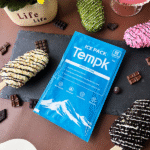
fabricant de produits chimiques pour batteries de refroidissement au gel: sélection pratique des fournisseurs pour les acheteurs de la chaîne du froid
Une décision pratique sur batterie de refroidissement au gel le fabricant de produits chimiques commence par le produit et la voie, pas la photo du catalogue. Gel packs de refroidissement pour les produits chimiques liés aux batteries et les matériaux industriels sensibles à la température peuvent être utiles dans les matériaux de batterie, produit chimique de spécialité, et programmes de chaîne du froid industrielle, mais seulement lorsque la taille du paquet, film, remplir, méthode de conditionnement, isolation, et le plan de manutention correspondent à l'expédition que vous effectuez réellement.
Cet article se concentre sur la façon de choisir un fournisseur, ce qu'il faut vérifier avant de commander en gros, et où un pack de gel doit être remplacé ou soutenu par une conception différente de contrôle de la température. La distinction clé est de savoir si vous refroidissez une expédition ou si vous concevez un système de batterie..
Réponse rapide pour les acheteurs
Choisissez des packs de refroidissement en gel pour les produits chimiques liés aux batteries et les matériaux industriels sensibles à la température uniquement après avoir défini la sensibilité du produit., exposition par voie, espace utilisable, étapes de conditionnement, et exigences en matière de preuve. Un fournisseur fiable devrait vous aider à comparer les échantillons, confirmer les tolérances de production, expliquer le contrôle des fuites, et évitez les performances trop prometteuses qui dépendent de votre expéditeur et de votre voie exactes.
Fixez des limites avant de comparer les fournisseurs
Une erreur courante en matière d'approvisionnement consiste à traiter chaque article froid dans la boîte comme une solution de contrôle de la température.. Les packs de refroidissement au gel pour les produits chimiques liés aux batteries et les matériaux industriels sensibles à la température offrent une capacité de refroidissement, mais ils ne créent pas eux-mêmes une voie qualifiée. Le résultat complet vient de la combinaison du liquide de refroidissement, isolation de l'expéditeur, masse du produit, remplissage de vide, modèle de chargement, préconditionnement, temps de transport, exposition ambiante, et procédures de réception.
Cette distinction est importante pour les fabricants de produits chimiques pour batteries, ingénieurs en emballage industriel, équipes de logistique chimique, et les responsables des achats manipulant des matériaux sensibles à la température. Si votre acheteur demande uniquement une taille de conditionnement et un prix, la citation peut paraître simple, mais le risque opérationnel reste caché. Si votre acheteur définit d'abord le cas d'utilisation, le fournisseur peut recommander un format qui prend en charge le produit au lieu de simplement correspondre à une dimension.
Le brief le plus sûr décrit la catégorie de produit, plage cible, temps de transit minimum et maximum prévu, points de transfert, disposition des cartons, et toute restriction sur le contact direct. Il doit également indiquer si le colis est destiné à une livraison aller simple., réutilisation en boucle fermée, assemblage de kits, ou stock distributeur. Un pack réfrigérant en gel ne neutralise pas les risques chimiques, remplacer les emballages de marchandises dangereuses, ou servir de composant de gestion thermique de la batterie, à moins qu'il ne soit spécifiquement conçu et documenté pour cette utilisation.
Les itinéraires chimiques des batteries nécessitent un examen de sécurité distinct
Les expéditions de produits chimiques liés aux batteries peuvent comporter des dangers spécifiques au produit, règles de manipulation, et des documents qui sortent de l'ordinaire emballage chaîne du froid. Un pack de gel peut aider à gérer la température autour d'un matériau emballé, mais cela ne modifie pas la classification chimique ni ne supprime la nécessité d'un emballage primaire et secondaire conforme.
L’approvisionnement doit impliquer le propriétaire du produit, équipe marchandises dangereuses ou EHS, et prestataire logistique avant de commander à grande échelle. Le fournisseur peut prendre en charge l’ajustement du liquide de refroidissement et la conception du pack, mais il ne faut pas lui demander de faire des allégations non étayées concernant la compatibilité chimique ou la classification de transport.
Adaptez le pack de gel à l'itinéraire que vous empruntez réellement
Un fabricant qui envoie des échantillons chimiques à l'échelle pilote à un laboratoire d'évaluation peut avoir besoin d'un système de refroidissement passif tout en suivant le conditionnement des produits chimiques., étiquetage, et les exigences de documentation. Dans cette situation, la conversation avec le fournisseur ne doit pas s'arrêter à la question de savoir si le pack de gel est réutilisable ou imprimable. L'acheteur doit demander comment le pack se positionne par rapport à la charge utile., si cela crée des points de pression, combien d'espace interne utilisable reste, et si la méthode de préparation peut être répétée par le personnel de l'entrepôt pendant les périodes de pointe.
La longueur de l’itinéraire n’est qu’une partie du tableau. Un itinéraire court avec une longue attente au quai de chargement peut être plus risqué qu'un itinéraire plus long qui reste à l'intérieur de véhicules contrôlés.. Le même emballage peut se comporter différemment lorsqu'il est placé contre un carton de produit, séparé par un séparateur, emballé au-dessus de la charge utile, ou distribué sur tous les côtés de l'expéditeur.
Pour additifs sensibles à la température, produits chimiques pour batteries à l'échelle du laboratoire, échantillons d'envois, expéditions de contrôle des risques thermiques, et programmes de manipulation isolés pour les produits chimiques qui nécessitent un stockage ou un transport contrôlé, le propriétaire du produit doit définir ce qui est inacceptable: réchauffement au-dessus d'une limite, gel, dommages causés par la condensation, perte d'étiquette, fuite de la pochette, cartons écrasés, transfert d'odeur, ou manque de preuve après livraison. Une fois ces modes de défaillance nommés, un fournisseur peut recommander un style d'emballage et un emballage avec un objectif beaucoup plus clair.
Liste de contrôle de l'acheteur pour comparer les fournisseurs
| Que vérifier | Pourquoi ça compte | Question de l'acheteur |
|---|---|---|
| Plage de température requise | Le liquide de refroidissement doit répondre aux exigences du produit, il ne s'agit pas d'une plage de froid générique supposée. | Quelle plage de température le propriétaire du produit spécifie-t-il, et quelles limites d'excursion s'appliquent? |
| Durée de l'itinéraire et exposition | Retards de transfert, quais de chargement, temps de séjour du courrier, et les véhicules chauds créent souvent le risque réel. | Quelle partie de l'itinéraire n'est pas contrôlée, et combien de temps l'expéditeur peut-il attendre là-bas? |
| Charge utile et volume utilisable | Un liquide de refroidissement qui semble solide sur le papier peut déplacer une charge utile trop vendable ou clinique.. | L'emballage convient-il toujours au produit ?, espace tampon, et tout confinement secondaire? |
| Instructions de conditionnement | Une congélation ou un conditionnement incorrect peuvent provoquer un sous-refroidissement, gel superficiel, ou de mauvaises performances thermiques. | Le personnel de l'entrepôt peut-il répéter le processus de préparation sans interprétation particulière? |
| Documentation et contrôle des lots | Les équipes qualité peuvent avoir besoin de traçabilité, exemples de dossiers d'approbation, et communication de contrôle des changements. | Le fournisseur peut-il conserver les spécifications des échantillons, spécifications de fabrication, et les étiquettes d'expédition alignées? |
| Contrôles d'étanchéité et d'hygiène | Une petite fuite peut endommager les étiquettes, cartons, documents de diagnostic, ou emballage de consommation. | Quelle méthode d'inspection est utilisée, et comment sont traités les packs non conformes? |
Le tableau n'est pas destiné à remplacer les tests ou l'examen de la qualité.. Il aide les fabricants de produits chimiques pour batteries, ingénieurs en emballage industriel, équipes de logistique chimique, et les responsables des achats manipulant des matériaux sensibles à la température transforment une vaste demande d'approvisionnement en un brief fournisseur utilisable.. Si un fournisseur ne peut pas répondre clairement à ces questions, l'acheteur peut toujours acheter un liquide de refroidissement à faible coût, mais le risque opérationnel restera avec le propriétaire de l'expédition.
Pour les commandes groupées, la même liste de contrôle doit être utilisée à nouveau après l'approbation de l'échantillon. Une unité de production doit correspondre à l'échantillon approuvé dans les détails qui affectent l'ajustement, gel, fuite, et gestion du personnel. Une petite différence dans la taille du sachet ou dans l’emballage du carton peut créer un réel problème de chargement lors de l’opération finale..
La règle de décision: prouver le point faible, ce n'est pas le point facile
De nombreuses évaluations prouvent ce qui est déjà facile à prouver: le paquet gèle, la pochette est imprimable, ou le prix unitaire atteint l'objectif. La meilleure évaluation se concentre sur le point faible de l’envoi. C'est peut-être un quai de chargement chaud, un produit sensible au gel, un petit kit sans espace vide, un itinéraire réutilisable avec un mauvais contrôle des retours, ou une équipe d'entrepôt qui ne peut pas conditionner les paquets de manière cohérente.
Une fois le point faible connu, la conversation avec les fournisseurs devient plus précise. L'acheteur peut demander une géométrie de pack différente, une couche barrière, une brique rigide, une spécification d'échantillon plus stricte, ou une recommandation d'emballage plus prudente. C'est ainsi qu'un simple achat de pack de gel devient une décision d'approvisionnement contrôlée sous la chaîne du froid..
Demandez des preuves sous la forme que votre équipe qualité peut utiliser
Pour les soins de santé, laboratoire, et expéditions biotechnologiques, les acheteurs doivent séparer une réclamation du fournisseur d'une décision d'emballage documentée. Le CDC prévient que les gelés packs de gel peut toujours créer un risque de gel pour le transport réfrigéré des vaccins, et il traite le transport de routine des vaccins comme un processus planifié avec des conteneurs appropriés, liquide de refroidissement, surveillance, et les procédures du personnel. Ce principe est utile même lorsque l’article ne porte pas sur les vaccins: le choix du liquide de refroidissement doit être examiné par rapport à la sensibilité réelle du produit.
Pour la distribution de médicaments dans l’UE, Les directives du PIB mettent l'accent sur le maintien des conditions de stockage requises pendant le transport dans les limites décrites par le fabricant ou l'emballage extérieur.. Il indique également les véhicules et équipements appropriés, évaluation des risques liés à l'itinéraire, et une surveillance calibrée lorsqu'un contrôle de la température est requis. Cela ne signifie pas que chaque pack de gel nécessite la même documentation; cela signifie que l'acheteur doit savoir quand un simple liquide de refroidissement commercial est insuffisant.
Le fret aérien ajoute une autre dimension lorsque les expéditions de soins de santé sont réservées comme étant sensibles au temps et à la température.. Les directives de l'IATA sur le fret médical identifient les exigences en matière de gestion de la température et l'étiquette sensible au temps et à la température pour les expéditions applicables.. Le fournisseur d'emballage ne peut pas contrôler le processus de la compagnie aérienne, mais il faut comprendre ce pack, étiquetage, et les décisions en matière de documentation doivent s'adapter à l'itinéraire logistique.
Les références de tests thermiques telles que ISTA 7E peuvent aider à comparer conteneurs d'expédition isolés sous profils standardisés. Ils ne doivent pas être décrits comme une garantie qu’un pack fonctionne sur chaque itinéraire.. Utilisez-les dans le cadre d'un ensemble de preuves pratiques parallèlement aux exigences du produit, exposition des voies, disposition de la charge utile, et critères d'acceptation.
Outils de décision utiles
Vérifiez les détails avant de choisir l'emballage
Ces outils rapides peuvent vous aider à comparer le risque d'itinéraire, besoins de dimensionnement, choix de liquide de refroidissement, et les détails de l'emballage avant de demander un devis.
Calculateur de glace carbonique
Estimer les besoins en glace carbonique pour les envois congelés ou ultra-froids avant l'emballage.
Estimation de la neige carboniqueLiquide de refroidissement & Référence PCM
Comparez les options de liquide de refroidissement et de PCM lorsqu'un itinéraire nécessite une prise en charge supplémentaire de la température.
Comparez les optionsCalculateur d’accumulateurs de froid
Estimation de la quantité de pain de glace pour les expéditions réfrigérées et planification pratique des itinéraires.
Estimer les packs de glaceQue confirmer avant de passer d'un échantillon à une commande groupée
Une discussion utile avec les fournisseurs pour le fabricant de produits chimiques pour batteries de refroidissement au gel commence par des notes d'application, pas seulement le prix unitaire. Demandez si le fournisseur peut conserver les dimensions approuvées, remplir, film, couleur, impression, emballage en carton, et étiquetage cohérent. Demandez ce qui se passe si un matériau, structure de la pochette, ou modification de la méthode d'emballage après approbation. Pour la compatibilité chimique, confinement secondaire, risque de fuite, propreté des emballages, conditionnement du liquide de refroidissement, classement réglementaire, et séparation entre le liquide de refroidissement et les conteneurs primaires, la communication sur le changement fait partie de la qualité des produits.
Les échantillons doivent être examinés dans le paquet final, pas seulement sur un bureau. Congeler ou conditionner le paquet comme le ferait le personnel de l'entrepôt. Chargez-le avec la charge utile réelle ou une charge factice représentative. Vérifiez si le carton se ferme correctement, si la charge utile se déplace, si les étiquettes restent sèches, et si le pack crée une pression locale. Si un enregistreur de température est utilisé lors d'un essai, placez-le dans un endroit que votre équipe qualité pourra vous expliquer plus tard.
Le devis groupé doit définir ce qui est inclus. Les acheteurs comparent souvent les prix sans tenir compte du coût de l'impression., sacs intérieurs, cartons principaux, palettisation, documentation, exigences en matière de marque privée, normes d'inspection, ou emballage spécial. Un devis bas qui exclut ces détails peut être plus cher après corrections, retravailler, ou expéditions client endommagées.
Pour les programmes de distribution, la meilleure gamme de produits n’est généralement pas celle qui propose le plus grand nombre de conditionnements. C'est celui qui couvre le plus de parcours clients récurrents avec le moins de confusion. La standardisation des tailles peut améliorer le contrôle des stocks, mais seulement lorsque ces tailles ont été vérifiées par rapport aux charges utiles courantes, boîtes, et attentes de température des clients du distributeur.
Erreurs courantes à supprimer avant l'approbation de l'achat
La plupart des échecs ne sont pas causés par une erreur dans le mot gel.. Ils proviennent d'une inadéquation entre les packs de refroidissement en gel pour les produits chimiques liés aux batteries et les matériaux industriels sensibles à la température., le paquet, l'itinéraire, et les personnes qui préparent l'expédition. Les risques suivants méritent d'être examinés avant qu'un acheteur n'approuve un nouveau fournisseur ou ne passe d'un format de pack à un autre..
| Risque | Pourquoi ça arrive | Prévention |
|---|---|---|
| Contact direct avec la charge utile sensible au gel | Le liquide de refroidissement gelé peut trop refroidir les surfaces locales même lorsque la température moyenne de la boîte semble acceptable. | Utiliser la séparation, test d'ajustement, conditionnement, ou un PCM plus approprié si nécessaire. |
| Sélection uniquement par poids du paquet | Une plus grande quantité de liquide de refroidissement peut réduire l'espace de charge utile et créer des points froids sans résoudre l'exposition de l'itinéraire.. | Évaluer la masse, géométrie, isolation, et le profil d'itinéraire ensemble. |
| Ignorer l'emballage des cartons et des palettes | Unités en vrac qui arrivent compressées, mouillé, ou difficile à congeler crée des problèmes d'entrepôt. | Confirmer la disposition du carton principal, manutention de palettes, et débit d'air du congélateur. |
| En supposant que le temps de conservation du catalogue s'applique | Le temps de maintien dépend du profil ambiant, charge utile, expéditeur, nombre de packs, et critères d'acceptation. | Demandez quel profil de test prend en charge toute revendication de durée. |
Cette analyse des risques est particulièrement pertinente pour les matériaux de batterie, produit chimique de spécialité, et programmes de chaîne du froid industrielle. Le même produit peut bien fonctionner dans un itinéraire de camionnette contrôlé et échouer dans un itinéraire de messagerie avec un temps de séjour long.. L'acheteur doit documenter ce qu'il sait, ce qu'il faut tester, et ce qui doit être traité comme point de vérification du fournisseur.
Les choix durables ne doivent pas affaiblir le contrôle de la température
Un format de liquide de refroidissement réutilisable peut faciliter les lignes d'échantillonnage répétées, mais contaminé, crevé, ou les emballages chimiquement exposés ne doivent pas être renvoyés dans des boucles de réutilisation ordinaires. Le point important est que la réutilisation est un modèle opérationnel, pas seulement une fonctionnalité du produit. Un pack réutilisable nécessite une collecte, inspection, nettoyage le cas échéant, refrection, stockage, et gestion des pertes. Si ces étapes manquent, un emballage réutilisable peut toujours devenir un article à usage unique avec un poids et un coût supplémentaires.
Les programmes à sens unique peuvent encore améliorer leur profil environnemental en dimensionnant correctement le liquide de refroidissement, réduire les biens endommagés, éviter le suremballage inutile, et sélectionner les matériaux qui correspondent à la voie locale de récupération ou d'élimination. Un emballage plus léger n'est pas automatiquement plus durable s'il entraîne des retours, détérioration, ou remplacements d'urgence.
Pour les fabricants de produits chimiques pour batteries, ingénieurs en emballage industriel, équipes de logistique chimique, et les responsables des achats manipulant des matériaux sensibles à la température, la meilleure question de durabilité est pratique: quel format protège l'envoi avec le moins de déchets opérationnels? Cela peut être une brique durable pour une boucle fermée, une pochette souple pour les cartons premium, un insert compact pour les kits, ou un PCM différent lorsqu'une bande de température plus étroite doit être protégée.
FAQ
Le fabricant de produits chimiques pour batteries de refroidissement au gel est-il le même qu'un expéditeur complet de la chaîne du froid?
Non. Les packs de refroidissement au gel pour les produits chimiques liés aux batteries et les matériaux industriels sensibles à la température sont des composants de liquide de refroidissement. Ils doivent être utilisés avec un boîte isotherme, fourre-tout, courrier, ou autre système d'emballage correspondant au produit, itinéraire, et plage de température requise. Pour les envois réglementés ou sensibles à la qualité, le packout peut également nécessiter des procédures, surveillance, et preuves thermiques à l’appui.
Que dois-je vérifier avant de commander des échantillons?
Commencez par la sensibilité du produit, plage de température cible, durée de l'itinéraire, espace de boîte utilisable, et méthode de manipulation. Demandez ensuite les dimensions au fournisseur, détails de remplissage ou de coque, instructions de conditionnement, pratiques d'inspection des fuites, emballage en carton, et documentation. Les échantillons doivent être testés dans l'emballage prévu plutôt que d'être jugés uniquement sur leur apparence..
Les packs de gel congelés peuvent-ils endommager les produits réfrigérés?
Oui, ils peuvent dans certaines situations. Un contact direct ou une mauvaise séparation peut créer des points froids, spécialement pour les médicaments sensibles au gel, vaccins, réactifs, ou certains aliments. Les acheteurs devraient revoir le conditionnement, séparation, placement des paquets, et les limites de température du propriétaire du produit avant d'utiliser des emballages congelés dans des expéditions réfrigérées.
Comment un distributeur doit-il comparer les offres des fournisseurs?
Comparez plus que le prix unitaire. Confirmez ce qui est inclus dans l'impression, emballage intérieur, cartons principaux, palettisation, documentation, exemple de révision, et changer la communication. Un devis qui omet des détails importants sur l'emballage ou la qualité peut ne pas être comparable à une offre plus complète d'un fournisseur..
Quand devrais-je envisager le PCM au lieu d’un pack de gel standard?
Envisagez le PCM lorsque le produit nécessite une plage de température plus étroite, meilleure protection contre le gel, un point de changement de phase défini, ou un comportement thermique plus prévisible sous un emballage validé. La décision doit être basée sur le risque produit, profil d'itinéraire, et exigences de qualité, pas sur l'hypothèse générale que le PCM est toujours nécessaire.
Un pack de gel pour chaîne du froid peut-il être utilisé comme matériau de gestion thermique de la batterie?
Non, sauf s'il est spécifiquement conçu et documenté pour cette application.. Les packs de gel pour chaîne du froid refroidissent un envoi emballé dans un système isolé. Les matériaux d'interface thermique de batterie ou les systèmes de refroidissement actifs sont des produits différents avec une sécurité différente, électrique, mécanique, et exigences chimiques.
Conclusion
Le résultat d'approvisionnement le plus important pour le fabricant de produits chimiques pour batteries de refroidissement au gel vient de la définition de l'expédition avant de sélectionner le pack.. Confirmer la plage de température requise, exposition par voie, ajustement de la charge utile, format du paquet, instructions de conditionnement, contrôles de fuite, et attentes en matière de documentation. Évitez de traiter les packs de gel comme une solution de conformité pour les matières dangereuses ou comme substitut à un emballage chimique validé..
Un pack de gel peut être simple à acheter, mais il ne faut pas le traiter avec désinvolture lorsqu'il protège des objets précieux, sensible, ou marchandises réglementées. Un acheteur qui pose de meilleures questions avant de commander gagne généralement du temps lors des tests d'échantillons., approbation de production, et lancement client.
À propos du Tempk
Dans le cadre de Shanghai Tempk Industrial, Tempk assure la chaîne du froid matériaux d'emballage et support de solutions pour les produits sensibles à la température. Pour les fabricants de produits chimiques pour batteries, ingénieurs en emballage industriel, équipes de logistique chimique, et les responsables des achats manipulant des matériaux sensibles à la température, nous pouvons vous aider à déterminer si les packs de refroidissement en gel pour les produits chimiques liés aux batteries et les matériaux industriels sensibles à la température doivent être fournis sous forme de pochette flexible., brique rigide, insérer, ou fait partie d'un ensemble plus large emballage isolé ensemble. La discussion peut inclure des exemples d'exigences, ajustement parfait, emballage en vrac, et des instructions pratiques de manipulation.
Avant de passer à l'échelle, envoyez à Tempk votre itinéraire, sensibilité au produit, taille de l'expéditeur, et besoins de personnalisation afin que le format du liquide de refroidissement puisse être comparé à l'application réelle.