À quoi sert un fabricant d'essais cliniques de sacs de glace en gel dans les essais?
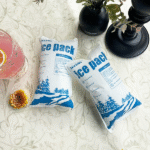
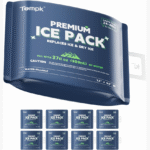
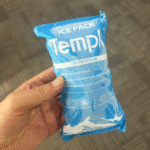
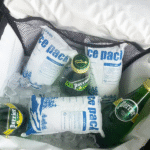
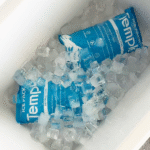
UN fabricant d'essais cliniques de sacs de glace en gel fournit des packs réfrigérants réutilisables utilisés dans les expéditeurs isolés et la manutention contrôlée des sites. définit une compresse froide comme étant réutilisable, étanche, gel ou réfrigérant solide utilisé pour maintenir la température dans un conteneur d'expédition pendant le transport. Cette définition correspond à la façon dont les sacs de glace en gel prennent en charge les voies réfrigérées et la mise en mémoire tampon de courte durée dans les essais cliniques. Il donne également aux équipes achats une liste minimale de preuves pratiques: construction étanche, comportement de conditionnement clair, et un apport thermique constant.
UN fabricant d'essais cliniques de sacs de glace en gel devient critique lorsque la charge utile est un produit expérimental ou des spécimens réglementés. Je E6(R3) affirme que les produits expérimentaux doivent être emballés pour éviter toute contamination et toute détérioration inacceptable pendant le transport et le stockage. La même directive prévoit l’expédition du produit expérimental vers l’emplacement d’un participant, augmentation de la variabilité du dernier kilomètre et du risque lié au facteur humain. Si le contrôle de la réfrigération échoue, les conséquences s'étendent au-delà des coûts logistiques et s'étendent aux écarts de protocole et aux problèmes d'intégrité des données.
UN fabricant d'essais cliniques de sacs de glace en gel est également jugé à travers les contrôles de distribution, parce que le PIB lie la sélection des emballages aux résultats. Le PIB de l'UE affirme que la sélection des emballages doit tenir compte des températures externes extrêmes, temps de transport maximum, et le statut de qualification ou de validation des emballages et des conteneurs d'expédition. Le PIB de l'UE prévient également que les packs réfrigérants placés dans des boîtes isothermes doivent être positionnés de manière à ce que le produit n'entre pas directement en contact avec le pack réfrigérant.. Ces clauses transforment le « placement de sacs de glace » en un contrôle validé, pas une préférence d'emballage.
Quelles règles régissent l'approvisionnement des fabricants d'essais cliniques de sacs de glace en gel?
Commencez les achats avec une évaluation des risques, parce que GDP s'attend à ce que la planification des itinéraires détermine les décisions en matière de contrôle de la température. Le PIB de l'UE exige une évaluation des risques liés aux itinéraires afin de déterminer où des contrôles de température sont nécessaires et s'attend à ce que les équipements de surveillance de la température utilisés dans le transport soient entretenus et calibrés.. Cela nécessite également une cartographie initiale de la température pour les zones de stockage et des emplacements de surveillance là où des fluctuations extrêmes se produisent.. Ces exigences constituent l’épine dorsale de la qualification des voies, définitions d'emballage, et les SOP de dépôt utilisées dans les audits.
« Si des packs réfrigérants sont utilisés dans des boîtes isothermes, ils doivent être situés de manière à ce que le produit n'entre pas en contact direct avec le pack réfrigérant.
Aux États-Unis, les réglementations de distribution renforcent le contrôle des procédures et la traçabilité. 21 CFR 211.150 nécessite des procédures de distribution écrites et un système pour déterminer la distribution de chaque lot, qui prend en charge le rappel en cas de besoin. Les sponsors étendent souvent des attentes identiques en matière de traçabilité aux composants d’emballage critiques, car les enquêtes sur les écarts peuvent nécessiter une récupération au niveau des composants et une analyse des causes profondes. Si vous ne parvenez pas à connecter un enregistrement d'expédition à un lot de packs de gel, vous risquez de transformer une excursion en un manque de documentation insoluble.
Les exigences de qualité des essais cliniques précisent ce que signifie « fournisseur qualifié » pour un fabricant d'essais cliniques de sacs de glace en gel. Je E6(R3) exige que les promoteurs mettent en œuvre une gestion de la qualité à toutes les étapes de l'essai et adoptent une, approche basée sur les risques. La version finale a été adoptée le 06 Janvier 2025 et décrit l'identification des risques, contrôle des risques, communication sur les risques, et l'examen des risques dans le cadre d'activités de conduite d'essais en cours. En termes d'approvisionnement, les changements de fournisseur qui modifient de manière plausible les performances thermiques deviennent des déclencheurs de risques qui doivent être examinés, contrôlé, et documenté.
Je Q9(R1) fournit la justification du degré de formalité de la surveillance de vos fournisseurs. Q9(R1) déclare que la formalité est un spectre et devrait être proportionnelle à l'incertitude, importance, et complexité, plutôt que des ressources seules. Il définit également le contrôle des risques comme la prise de décision visant à réduire ou à accepter le risque., proportionnel à l’importance du risque. Ce langage prend en charge une qualification plus approfondie des fournisseurs pour les produits biologiques de grande valeur et les voies directes vers les participants, où l’incertitude et la complexité sont sensiblement plus élevées.
Les preuves électroniques deviennent un problème de conformité lorsque les données de température soutiennent les décisions de disposition. 21 Partie CFR 11 s'applique aux enregistrements électroniques créés, entretenu, archivé, récupéré, ou transmis conformément aux exigences d'enregistrement de la FDA, et les directives de la FDA expliquent la partie 11 portée lorsque les enregistrements requis sont conservés électroniquement. a également annoncé la disponibilité de la version finale de l'E6(R3) orientations en septembre 2025, mise en évidence flexible, approches basées sur les risques et innovation en matière d’essais. Pour un fabricant d'essais cliniques de sacs de glace en gel programme, cela signifie des données fiables, enregistrements contrôlés, et des décisions documentées.
Les conseils officieux peuvent ajouter un langage partagé pour les équipes opérationnelles interfonctionnelles. chapitre <1079> décrit les bonnes pratiques de stockage et de distribution et relie le contrôle de la distribution aux concepts de gestion des risques liés à la qualité. Il comprend des définitions telles que la température cinétique moyenne, soutenir des discussions plus quantitatives sur les excursions et l’exposition cumulative. Ce cadrage facilite le traitement du fabricant d'essais cliniques de sacs de glace en gel en tant que fournisseur contrôlé plutôt qu'en tant que vendeur de matières premières.
Que devrait demander un appel d'offres à un fabricant d'essais cliniques de sacs de glace en gel pour documenter?
Un appel d’offres solide convertit les « packs froids » en exigences contrôlées avec des preuves objectives et une réutilisation par audit. Clauses d'emballage du PIB de l'UE et ICH E6(R3) les attentes en matière d'intégrité du produit justifient la demande d'un statut de qualification, aide à la validation, et règles de configuration liées aux voies. Pour les responsables des achats et les chercheurs cliniques, le tableau ci-dessous sert également de grille de notation pour chacun fabricant d'essais cliniques de sacs de glace en gel. Utilisez-le pour comparer l'exhaustivité des preuves, pas de réclamations dans la brochure.
| Exigence d'appel d'offres pour un fabricant d'essais cliniques de sacs de glace en gel | Pourquoi c'est important dans les essais | Preuve à demander |
|---|---|---|
| Conception étanche et vérification de l’intégrité du joint | Empêche la libération de liquide susceptible de compromettre les étiquettes et les échantillons | Méthode de test d'étanchéité, critères d'acceptation, beaucoup de résultats |
| Divulgation des matériaux et de la composition du gel | Prend en charge les examens de compatibilité et la formation à la sécurité | FDS, gammes d'ingrédients, restrictions |
| Tolérances dimensionnelles et cohérence du poids | Stabilise la modélisation thermique et la répétabilité du conditionnement | Dessins, plan d'inspection, Résumé du RCP |
| Caractérisation des performances thermiques | Lie la masse de gel pour maintenir le temps sous les extrêmes des voies | Rapport de test avec plages ambiantes et durée |
| Traçabilité des lots et format des étiquettes | Permet la récupération et les enquêtes sur les causes profondes | Schéma de codage des lots et échantillons d'étiquettes |
| Changement de contrôle et de notification SLA | Empêche les modifications silencieuses qui interrompent la validation | Modifier les SOP et les délais de notification |
| Instructions de conditionnement et de placement | Évite les mauvais conditionnements et les points froids | LE NUAGE, diagrammes d'emballage saisonniers |
| Signaux du système qualité | Réduit la variabilité des fournisseurs et la charge d’audit | Extrait du manuel qualité, Résumé de l'ACAM |
Comment la formulation du gel et les matériaux des sacs doivent-ils être testés par un fabricant d'essais cliniques de sacs de glace en gel?
Commencez la qualification des matériaux avec la fiche de données de sécurité, parce qu'il pilote la formation et la réponse aux incidents. La FDS d'un pack de gel décrit un gel réfrigérant conçu pour protéger les produits pharmaceutiques et médicaux pendant le transport et n'indique aucun risque physique ou pour la santé selon le SGH.. Une autre FDS de packs de gel décrit l'utilisation prévue pour garder les articles au froid ou congelés et fournit des conseils de manipulation pour les événements d'exposition.. Pour un fabricant d'essais cliniques de sacs de glace en gel, Un contenu SDS stable et une forte notification de changement sont des signaux E‑E‑A‑T opérationnels.
Testez ensuite les modes de défaillance qui créent réellement des excursions: fuites, le sceau se brise, séparation sur gel, et crevaisons pendant le transport. L’avertissement sans contact direct du GDP de l’UE transforme la géométrie et le placement des packs de gel en un contrôle de sécurité, ce n'est pas un choix pratique. Demandez au fabricant d'essais cliniques de sacs de glace en gel pour documenter comment ses dimensions et sa flexibilité prennent en charge l'espacement, puis validez cet espacement sous les pack-outs saisonniers. Traitez « aucun contact direct » comme un critère d’acceptation mesurable, pas un slogan de formation.
Si vos couloirs contiennent des spécimens biologiques, aligner les règles d'emballage sur les conventions établies de catégorie B. note que les expéditions réfrigérées (2–8 ° C) peut inclure des blocs de glace ou des blocs de gel congelés à l'extérieur du conteneur secondaire et recommande un matériau très absorbant ainsi que des notes claires sur la manipulation de la température.. La définition des packs froids CDC renforce l'exigence d'une construction étanche et d'instructions de conditionnement claires de la part du fabricant d'essais cliniques de sacs de glace en gel. Cet alignement réduit les décisions de « glace supplémentaire » motivées par la compassion qui créent accidentellement de la condensation ou un dépassement de température..
Quels documents de qualité un fabricant d'essais cliniques de sacs de glace en gel doit-il inclure dans le dossier d'appel d'offres ??
UN fabricant d'essais cliniques de sacs de glace en gel devrait remettre un dossier d'offre que vous pouvez déposer, pas réécrire plus tard. Je E6(R3) s'attend à ce que les promoteurs conservent des dossiers documentant l'expédition des produits expérimentaux, reçu, retour, et processus de récupération. Donc, exiger des déclarations de traçabilité, règles de codage des lots, et des délais de notification des modifications qui peuvent être référencés dans la documentation des essais et les enquêtes sur les écarts.. Pour les voies à haut risque, exiger des engagements écrits pour une notification accélérée lorsque le film, gel, ou les processus d'étanchéité changent.
Demandez des instructions de rangement saisonnières liées aux extrêmes et à la durée des voies., pas seulement des fiches techniques génériques. Le PIB de l’UE répertorie les températures externes extrêmes, temps maximum de transport, et le stockage en transit comme facteurs lors de la sélection et de la qualification des emballages. Les directives du protocole SPIRIT mettent l’accent sur le contenu du protocole opérationnellement réalisable, et les manuels d'expédition opérationnalisent généralement ces engagements. UN fabricant d'essais cliniques de sacs de glace en gel qui fournit des plages de configuration validées raccourcira les annexes du protocole et réduira les variations d'un site à l'autre.
Enfin, demander comment le fabricant d'essais cliniques de sacs de glace en gel décide quels changements nécessitent une requalification et pourquoi. Q9(R1) définit le contrôle des risques comme une prise de décision proportionnelle, et E6(R3) relie la qualité basée sur le risque à l’intégrité des essais. Quand le fournisseur peut démontrer sa justification formelle et ses preuves à l’appui, vos propres évaluations des risques restent cohérentes entre les programmes et les zones géographiques. Il s'agit d'un signal E‑E‑A‑T visible, parce que les lecteurs peuvent retracer les décisions jusqu'à des orientations reconnues et des rôles responsables.
Comment faire 2026 les tendances redéfinissent la validation du fabricant d'essais cliniques de sacs de glace en gel?
Dans 2026, validation pour un fabricant d'essais cliniques de sacs de glace en gel est façonné par l’expédition décentralisée, délais de durabilité, et une gouvernance des données plus forte. Je E6(R3) prévoit d'expédier le produit expérimental aux participants, multiplication des voies, transferts, et variabilité du facteur humain. Le PIB de l'UE s'attend à ce que les choix d'emballage reflètent les itinéraires extrêmes et la durée de transport maximale, rendre les configurations validées non négociables. Ces pressions font des preuves fournies par les fournisseurs un avantage concurrentiel pour les responsables des achats et les chercheurs cliniques..
La durabilité devient une question de date en Europe, influencer les décisions relatives aux matériaux réfrigérants et à la planification des déchets. prend acte du règlement sur les emballages et les déchets d'emballages, entré en vigueur le 11 Février 2025 et a une date d'application générale 18 des mois plus tard. Le moment de l’application se situe vers la mi-août 2026, accélérer les travaux de refonte des emballages et de réduction des déchets pour les chaînes d’approvisionnement orientées vers l’Europe. Pour les acheteurs, cela signifie que votre fabricant d'essais cliniques de sacs de glace en gel des déclarations matérielles peuvent être demandées, stratégie de réutilisation, et des conseils en fin de vie plus tôt que prévu.
Les contraintes des transporteurs comptent toujours, même lorsque les équipes préfèrent les stratégies utilisant uniquement du gel pour des raisons de simplicité et de contrôle des coûts. La liste de contrôle d'acceptation de la glace carbonique pour la 67e édition est effective 1 Janvier 2026 et met en évidence le marquage UN1845, Mention « glace carbonique », poids net, et classe 9 attentes en matière d'étiquetage. Comprendre cette « barre de glace carbonique » vous aide à justifier les stratégies de gel lorsque cela est possible et à clarifier les cas où le gel est insuffisant pour les voies gelées.. Il donne également aux équipes d'approvisionnement un comparateur de conformité concret lors de l'évaluation des options alternatives en matière de réfrigérants..
Les expéditions d'échantillons et de diagnostics ajoutent une couche de conformité qui recoupe les choix d'emballage. des conseils pour les contraintes liées à l'emballage des échantillons de diagnostic de catégorie B en suivant les instructions exactes de remplissage et de fermeture fournies par le fabricant de l'emballage. Même si votre pack de gel n'est pas le package UN3373 lui-même, il se trouve à l’intérieur du système et ne doit pas compromettre l’intégrité. Cela renforce pourquoi un fabricant d'essais cliniques de sacs de glace en gel doit fournir des instructions d'assemblage contrôlées et des tolérances qui fonctionnent avec les systèmes triple pack réglementés.
Comment un fabricant d'essais cliniques de sacs de glace en gel peut-il créer des données de validation prêtes pour le protocole?
La validation prête pour le protocole commence par la définition de la voie, sensibilité de la charge utile, et des hypothèses crédibles d’exposition dans le pire des cas. Le PIB de l'UE mentionne explicitement les températures externes extrêmes et la durée maximale de transport comme éléments de sélection des emballages et met l'accent sur le statut de qualification et de validation des systèmes d'emballage.. Demandez au fabricant d'essais cliniques de sacs de glace en gel pour fournir des rapports de tests thermiques qui encadrent les températures et la durée de vos voies, puis identifier les configurations par des nomenclatures maîtrisées. Reliez chaque emballage approuvé à une voie, méthode de conditionnement, et règle de contrôle des changements, les déclencheurs de requalification sont donc évidents.
Les preuves de surveillance doivent être dignes de confiance, parce que les décisions de disposition peuvent dépendre des historiques de température. décrit les méthodes de validation par l'utilisateur final et de traçabilité métrologique pour les enregistreurs de données numériques utilisés dans la surveillance de la chaîne du froid. Le PIB de l’UE attend des équipements de surveillance calibrés dont l’étalonnage est traçable aux normes de mesure nationales ou internationales, et partie FDA 11 des directives s’appliquent lorsque les dossiers requis sont conservés électroniquement. Quand un fabricant d'essais cliniques de sacs de glace en gel soutient votre qualification thermique, mesures, méthodes, et la gouvernance des archives doit s'aligner.
Un, Le flux de validation respectueux du protocole est présenté ci-dessous.
Définir la voie et la charge utile
Risque évaluer les extrêmes et la durée
Sélectionnez la taille et l'emplacement du pack de gel
Rédiger des SOP et des formations de préparation
Réaliser des tests de qualification thermique
Approuver la configuration et le contrôle des modifications
Surveiller les expéditions et examiner les excursions
Rendre les résultats digestibles entre les équipes, inclure une vue simple « temps de maintien par rapport à la température ambiante » dans les résumés de qualification.
texte
Conceptual hold-time curve for a refrigerated pack-out
Holding time (hours)
48 |████████████████████
36 |████████████████
24 |████████████
12 |██████
 0 +----------------------
      mild   warm   hot
        ambient exposure
Plan média avec liens images/diagrammes internes uniquement
Utilisez ces chemins internes comme espaces réservés CMS et gardez chaque texte alternatif convivial pour l'audit.. Ajoutez des légendes qui lient chaque visuel à une déclaration de contrôle ou de risque, pas de commercialisation. Vérifiez que les photos correspondent à vos propres emballages, car les photos qui ne correspondent pas créent des erreurs de formation.
| Type d'actif | Chemin de fichier interne suggéré | Texte alternatif suggéré |
|---|---|---|
| Photo | /actifs/images/gel-ice-bag-packout.webp | Sac de glace en gel emballé à l'intérieur d'un expéditeur isolé |
| Diagramme | /actifs/diagrammes/cool-pack-no-direct-contact.svg | Espacement des packs de refroidissement pour éviter tout contact direct avec le produit |
| Graphique | /actifs/graphiques/hold-time-vs-ambient.png | Temps de rétention par rapport au profil ambiant pour l'expédition réfrigérée |
| Couler | /actifs/diagrammes/qualification-workflow.svg | Flux de travail de qualification pour le fabricant d'essais cliniques de sacs de glace en gel |
Quelles réponses à la FAQ aident à sélectionner un fabricant d'essais cliniques de sacs de glace en gel?
Qu'est-ce qui rend un fabricant d'essais cliniques de sacs de glace en gel « prêt pour les essais cliniques »?
UN fabricant d'essais cliniques de sacs de glace en gel est prêt à être testé lorsqu'il fournit des lots contrôlés, spécifications stables, et support à la validation. Le PIB de l’UE met l’accent sur un emballage qualifié et une surveillance calibrée, traduire en attentes des fournisseurs en matière de preuves. Je E6(R3) ajoute que l'emballage des produits expérimentaux doit empêcher toute détérioration inacceptable pendant le transport et le stockage, lien direct avec les données de performance du réfrigérant. Utilisez ces points d’ancrage comme porte d’accès aux « preuves minimales viables » avant les négociations commerciales.
Comment empêcher les packs de gel de geler le produit expérimental ??
UN fabricant d'essais cliniques de sacs de glace en gel devrait vous aider à concevoir l'espacement et le placement pour éviter les points froids par contact direct. Le PIB de l'UE met en garde contre le contact direct entre les packs réfrigérants et les produits contenus dans des boîtes isothermes, les schémas d'assemblage doivent donc imposer la séparation et inclure des étapes de vérification. Valider avec des sondes aux coins de la charge utile et aux interfaces proches du pack, puis formez le personnel d'emballage à l'aide de photos et de listes de contrôle d'emballage saisonnières.. Si les voies sont volatiles, demander au fabricant d'essais cliniques de sacs de glace en gel pour des géométries de packs qui améliorent la cohérence de l'espacement et réduisent les points froids de l'interface de bord.
Quand choisir la neige carbonique plutôt que le gel?
Choisissez la glace carbonique lorsque la charge utile doit rester gelée en dessous 0 °C pendant toute la durée, ou le gel validé ne peut pas tenir. L'APHL sépare les envois réfrigérés utilisant des packs de gel des envois congelés utilisant de la neige carbonique et énumère les précautions, y compris autoriser le rejet de dioxyde de carbone. Lorsque vous utilisez de la neige carbonique, suivre les attentes de l'IATA pour le marquage UN1845, poids net, et classe 9 étiquettes. UN fabricant d'essais cliniques de sacs de glace en gel peut toujours aider en définissant quand les emballages de gel uniquement sont acceptables et quand le passage à la neige carbonique est nécessaire pour l'intégrité du protocole.
Quelle documentation doit être stockée dans le fichier principal d'essai?
Conservez le fabricant d'essais cliniques de sacs de glace en gel spécification, FDS, et modifier les notifications, ainsi que des SOP d'emballage approuvées et des résumés de validation. Inclure des évaluations des risques de voie et des arbres de décision d'excursion qui correspondent à une gestion de la qualité basée sur les risques. Je E6(R3) s'attend à une approche de gestion de la qualité des sponsors et à des garanties d'intégrité des produits expérimentaux, que ces artefacts prennent en charge. Si les dossiers sont électroniques, documenter s'ils font partie 11 enregistre et applique les contrôles en conséquence.
Comment rédiger les critères d'acceptation pour la libération d'un lot de sacs de glace en gel?
Écrire des critères qui protègent la répétabilité: plage de poids, vérifications des scellés, défauts visuels, et un codage de lot lisible. Appliquer un plan d'échantillonnage proportionnel au risque de voie, resserrement pour les charges utiles à haut risque et les expéditions des participants. Je Q9(R1) dit que la formalité et les efforts doivent évoluer avec l'incertitude et l'importance, et il définit le contrôle des risques comme une prise de décision proportionnelle. Quand les critères suivent cette logique, fabricant d'essais cliniques de sacs de glace en gel la surveillance devient défendable et cohérente entre les dépôts et les CRO.
Éléments interactifs que vous pouvez ajouter pour convertir cette page
- Un configurateur d'emballage qui estime la masse du gel à partir de sa durée, charge utile, et hypothèses ambiantes.
- Un formulaire de fiche de notation des fournisseurs qui classe chaque fabricant d'essais cliniques de sacs de glace en gel en fonction de l'exhaustivité des preuves..
- Une liste de contrôle d'audit téléchargeable pour la qualification du fabricant d'essais cliniques de sacs de glace en gel, aligné sur le PIB et GCP.
Suggestions de liens internes pour votre site
- Texte d'ancrage descriptif: « Qualification de la chaîne du froid pour les expéditions d'essais cliniques » → /cold-chain-qualification-clinical-trials
- Texte d'ancrage descriptif: « Manuel de gestion des excursions en température » → /temperature-excursion-management
- Texte d'ancrage descriptif: « Modèles de validation d'emballages alignés sur le PIB » → /gdp-packaging-validation-templates
- Texte d'ancrage descriptif: « Gouvernance des données de la chaîne du froid prête pour la partie 11 » → /part-11-cold-chain-data
- Texte d'ancrage descriptif: « Accords de qualification et qualité des fournisseurs » → /accords-de-qualification-fournisseurs-qualité
Signaux E-E-A-T à ajouter sur la page
- Ajouter une ligne de réviseur: « Révisé par l'assurance qualité de l'approvisionnement clinique » et « Révisé par l'ingénieur d'emballage. »
- Ajouter une ligne de preuve: « Critères adaptés au PIB de l'UE, Je E6(R3), Je Q9(R1), et partie 11 le cas échéant. »
- Ajouter un journal des modifications: "Mise à jour lorsque les attentes des fournisseurs ou des réglementations changent; les pièces jointes sont contrôlées par la version.
Types de schéma recommandés
Utiliser Article pour la page principale et FAQPage pour le bloc FAQ.
json
{
  "@context": "https://schema.org",
  "@type": "Article",
  "headline": "gel ice bag clinical trial manufacturer 2026",
  "dateModified": "2026-02-11",
  "about": [
    "clinical trial cold chain",
    "gel refrigerants",
    "packaging qualification",
    "temperature monitoring"
  ]
}
json
{
  "@context": "https://schema.org",
  "@type": "FAQPage",
  "mainEntity": [
    {
      "@type": "Question",
      "name": "What makes a gel ice bag clinical trial manufacturer clinical-trial ready?",
      "acceptedAnswer": {
        "@type": "Answer",
        "text": "Trial-ready suppliers provide controlled lots, stable specifications, change control, and lane-specific validation support for repeatable pack-outs."
      }
    },
    {
      "@type": "Question",
      "name": "When should you choose dry ice instead of gel?",
      "acceptedAnswer": {
        "@type": "Answer",
        "text": "Use dry ice when proven frozen conditions are required for the full duration and gel-based systems cannot maintain that state."
      }
    }
  ]
}
Appel à l'action
Si vous recherchez un fabricant d'essais cliniques de sacs de glace en gel ce trimestre, commencez par une demande de propositions et une grille de notation spécifiques à la voie. Demandez trois artefacts prouvant le contrôle: une FDS, une SOP de contrôle des changements, et un rapport de test thermique pertinent pour la voie. Réaliser une revue technique transversale avec l'ingénierie packaging et les opérations cliniques, puis stockez le package de décision dans un référentiel contrôlé. Cette approche réduit le risque d'excursion et augmente la préparation aux audits sans sur-ingénierie de la chaîne d'approvisionnement..