Un meilleur guide d'achat des packs de gel pour la distribution de produits chimiques
Il est préférable d'approcher le grossiste en produits chimiques en packs de gel en tant que décision système, pas un achat de marchandise. Un grossiste en produits chimiques en packs de gel devrait vous aider à choisir le bon format de sachet, pas seulement vendre du poids froid à la caisse. Les packs de gel flexibles peuvent s'enrouler étroitement autour des bouteilles, pochettes, et kits d'échantillons, mais ils doivent être associés au bon emballage secondaire et adaptés à la véritable sensibilité à la température du produit..
Les acheteurs les plus fiables commencent par l'itinéraire, produit, et profil de risque, puis choisissez le format de réfrigérant qui correspond à ces conditions. Dans la distribution chimique, le choix le plus sûr est souvent le pack qui offre une mise en mémoire tampon adéquate avec le moins de complexité de manipulation, ce n'est pas le pack le plus froid de la palette. Cette approche conduit généralement à un meilleur contrôle de la température, manipulation plus propre, et moins de surprises lorsque le volume augmente.
Qu'est-ce que le produit et ce qu'il n'est pas
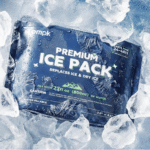
Les packs de gel pour la distribution de produits chimiques sont mieux considérés comme des sources de froid contrôlées à l'intérieur d'un expéditeur passif. Ce ne sont pas des réfrigérations actives, ce ne sont pas des certificats de conformité universels, et ils ne compensent pas une mauvaise disposition des cartons. Leur valeur réside dans le fait qu'ils vous offrent un tampon thermique prévisible qui peut être conditionné, dénombré, mis, et évalué dans le cadre d’un système d’emballage plus large.
Cette distinction est importante car les acheteurs se concentrent souvent trop sur le réfrigérant et sous-se concentrent sur l'itinéraire.. Le contrôle de la température est créé par l'interaction entre la source froide, l'isolation, la charge utile, et les conditions de manutention. Une fois que vous voyez le produit de cette façon, les questions des fournisseurs deviennent plus claires et les compromis de format deviennent plus faciles à juger.
Comment adapter la source de froid à l'itinéraire
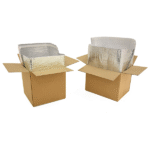
Commencez par les exigences de charge utile et la durée réelle de la voie, y compris le temps d'emballage, séjour du porteur, exposition du dernier kilomètre, et retard de réception. Alors regardez le système isolé, pas seulement le réfrigérant. Un emballage plus fin dans un carton isotherme bien ajusté peut surpasser un emballage plus lourd s'il est mal agencé.. L'objectif est de conserver la bonne bande assez longtemps avec le moins de complexité inutile.
Suivant, décider du degré de standardisation dont l’opération a besoin. Si le même carton est utilisé à plusieurs reprises avec un mélange de produits stable, les formats rigides deviennent plus faciles à justifier car ils simplifient le comptage et le placement. Si les tailles des boîtes ou les charges de produits changent souvent, des inserts flexibles ou des emballages liés peuvent donner une meilleure efficacité globale de l'emballage. Enfin, tenir compte de la saisonnalité. La chaleur estivale et le froid hivernal peuvent indiquer des états de conditionnement différents ou même des emballages approuvés différents..
Matériels, construction, et comportement thermique
Les pages de produits publiques sur le marché de la chaîne du froid montrent que tous les packs de gel ne se comportent pas de la même manière. Les emballages réfrigérés sont généralement proposés avec des formulations conçues autour d'un point de fusion de 0°C., tandis que les produits de distribution surgelés peuvent utiliser des formules à température supprimée autour de -23°C ou d'autres points de consigne inférieurs.. Certains formats sans transpiration ajoutent une couche extérieure tissée ou absorbante pour contrôler la condensation. Les briques rigides peuvent utiliser une coque en plastique durable autour d'un noyau en gel ou PCM. Ces différences affectent le temps de gel, dureté superficielle, résistance à la perforation, comportement à l'humidité, et le taux de transfert de chaleur dans la charge utile.
La géométrie compte tout autant que la chimie. Les inserts plats maximisent la couverture murale, les feuilles liées s'enroulent bien autour du contenu irrégulier, et les briques rigides fournissent une masse thermique concentrée avec un comptage plus facile sur la ligne d'emballage. Aucun de ces formats n'est universellement meilleur. Le bon choix dépend de l'espace disponible dans le carton, la présentation du produit, si l'itinéraire est réfrigéré ou gelé, et si vos opérateurs ont besoin de rapidité, flexibilité, ou une discipline stricte en matière de comptage des paquets.
Le conditionnement est une autre variable majeure. Un pack peut être techniquement correct sur le papier et néanmoins échouer en pratique s'il est sous-gelé., surgelé pour l'application, ou mis en scène trop longtemps à l'ambiante avant la boxe. Dans de nombreux emballages ratés, le problème ne vient pas de la formule du gel elle-même mais des conditions de congélation incohérentes, instructions de travail peu claires, ou une inadéquation entre l'état de l'emballage et les exigences du produit.
Limites de qualité et de conformité
Pour les expéditions de produits chimiques, la question thermique se cache sous une question plus vaste de l’emballage: quelles règles s'appliquent au produit chimique lui-même? Si le matériau est dangereux, l'offrant doit néanmoins respecter les réglementations de transport en vigueur pour l'emballage, marquage, documentation, et manipulation. Un insert de gel ou un pack de gel n'est qu'une aide thermique à l'intérieur d'un emballage conforme plus large..
Les règles d’entrepôt et de réception sont également importantes. De bonnes directives de laboratoire et EHS nécessitent généralement un confinement secondaire pour les produits chimiques liquides, étiquetage approprié, et l'utilisation d'équipements de réfrigération adaptés à la classe chimique concernée. Il met également en garde contre le stockage de produits inflammables dans des réfrigérateurs ou des congélateurs domestiques standards.. Autrement dit, la compresse froide peut aider l'envoi à arriver sous contrôle, mais cela ne supprime pas la nécessité d'un stockage judicieux et d'une gestion des risques une fois l'emballage ouvert..
Pourquoi le coût total d'utilisation est une meilleure mesure que le prix à la pièce
Un devis de grossiste rend généralement visible le prix unitaire du pack et laisse le reste caché. Mais les opérateurs paient toujours pour la capacité de congélation, travail en ligne, déplacement de l'espace produit, volume de carton ondulé supplémentaire, étiquettes endommagées, retours, et problèmes de service client causés par une mauvaise présentation ou une dérive de température. C'est pourquoi une compresse froide légèrement plus chère peut néanmoins réduire le coût global si elle s'adapte mieux au carton ou réduit les problèmes de manipulation..
Pour la même raison, les acheteurs doivent comparer les familles de packs avec le système isolé qu'ils ont l'intention d'utiliser. La source de froid la plus performante ou la plus durable sur le papier n'est peut-être pas la plus économique une fois la taille du carton, coût du fret, et les conditions de réception sont ajoutées à l'équation. Les bons distributeurs aident les équipes à avoir une vision plus large.
Quel format est généralement le plus logique?
Les acheteurs vont généralement plus loin en comparant les formats en termes opérationnels au lieu de se demander quel réfrigérant est le « meilleur » dans l'abstrait.. Le bon choix dépend de la manière dont la boîte est emballée, la sensibilité du produit au contact direct avec le froid, et à quel point l'itinéraire et la conception des cartons sont réellement standardisés.
| Format | Meilleur quand | Principal point fort | Principale mise en garde |
|---|---|---|---|
| Pochette de gel souple | Flacons irréguliers et petits kits | S'enroule étroitement et utilise l'espace efficacement | Peut être vulnérable à la perforation si l'emballage est de mauvaise qualité |
| Pack de gel sans transpiration | Envois lourds en paperasse ou sensibles à la présentation | Aide à gérer la condensation | Prix généralement supérieur à une pochette de base |
| Brique rigide | Dispositions fixes et systèmes réutilisables | Géométrie stable et durabilité structurelle plus élevée | Moins adaptable autour de formes de SKU mixtes |
Une règle utile est simple: si l'emballage est hautement standardisé et que le produit peut tolérer une disposition plus rigide, les briques et les blocs deviennent plus attrayants. Si la gamme de produits change souvent ou si le carton présente de nombreux espaces irréguliers, les formats plus plats ou plus flexibles vous offrent généralement une meilleure efficacité d'emballage.
Une liste de contrôle pratique pour les fournisseurs
Parce que la requête derrière le grossiste en produits chimiques en packs de gel porte clairement une intention d'achat en gros, la sélection des fournisseurs doit aller au-delà du prix de base et de la quantité par caisse. Une liste restreinte pratique se résume généralement aux questions ci-dessous.
1. Épaisseur du film et résistance à la perforation, surtout si la pochette peut entrer en contact avec des bouteilles en verre, bords tranchants du carton, ou fermetures denses.
2. Comment le pack de gel se comporte lorsqu'il est conditionné pour un service réfrigéré ou congelé, et de quel état le produit a réellement besoin.
3. Si la taille du sachet correspond au contenant secondaire et à la disposition absorbante au lieu de les évincer.
4. Étiquetage et traçabilité des lots sur l'emballage lui-même si votre opération nécessite une ségrégation QA.
Outils de décision utiles
Vérifiez les détails avant de choisir l'emballage
Ces outils rapides peuvent vous aider à comparer le risque d'itinéraire, besoins de dimensionnement, choix de liquide de refroidissement, et les détails de l'emballage avant de demander un devis.
Générateur de liste de contrôle
Créer une liste de contrôle pratique pour l'examen des emballages, expédition, et documentation.
Construire une liste de contrôleLiquide de refroidissement & Référence PCM
Comparez les options de liquide de refroidissement et de PCM lorsqu'un itinéraire nécessite une prise en charge supplémentaire de la température.
Comparez les optionsDoublure de boîte & Dimensionnement des couvertures de palettes
Vérifiez la logique de dimensionnement du revêtement de boîte et du couvercle de palette pour les projets d'emballage isotherme.
Dimensionnement estimé5. Contrôle de la condensation lors des fiches FDS, choisir des billets, ou des étiquettes en papier voyagent avec l'envoi.
6. Avis fournisseur pour toute formule, film, ou changement de joint pouvant affecter les emballages validés.
7. Quantité de caisses et conséquences sur la gestion des congélateurs, car les emballages souples peuvent consommer beaucoup d'espace dans la chambre froide au volume de gros.
8. Prise en charge des tests ou des exécutions pilotes avant de vous engager dans un programme d'achat à volume élevé.
Remarquez combien de ces questions concernent réellement la cohérence plutôt que les performances globales.. À l'échelle du gros, dimensions stables, remplissage reproductible, instructions de conditionnement claires, et un support technique réactif comptent souvent plus que des réclamations impressionnantes mais isolées concernant la rétention au froid.
Points de défaillance que les acheteurs ne devraient pas ignorer
Les points faibles les plus courants sont le silence et la procédure: température du congélateur incohérente, packs sous-conditionnés, changé de film ou rempli sans préavis, mauvaise séparation produit-emballage, et des emballages qui n'ont jamais été révisés pour les extrêmes saisonniers. Ces problèmes sont souvent diagnostiqués à tort comme une défaillance générale des packs de froid alors que le véritable problème est le contrôle du processus..
Un autre point d'échec est l'inadéquation de la documentation. L'approvisionnement peut approuver un paquet en fonction du poids et des dimensions approximatives, alors que les opérations nécessitent réellement des instructions de conditionnement détaillées, contrôle de tolérance, recevoir des chèques, et clarté sur l'endroit où le paquet doit être placé dans le carton. Un fournisseur qui ne peut pas prendre en charge ces détails est plus difficile à faire évoluer, même si l'échantillon semblait acceptable.
Un moyen pratique de revoir le pack-out avant de le mettre à l'échelle
Imaginez un envoi normal dans la distribution de produits chimiques: le produit est emballé à sa température de départ prévue, le réfrigérant est conditionné conformément aux instructions, les composants isolés sont assemblés sur la ligne, et la boîte passe ensuite par de véritables transferts de transporteur avant la réception finale. Ce scénario simple est plus utile qu'une allégation abstraite de conservation au froid, car il révèle si l'emballage s'ajuste proprement au carton., si les opérateurs peuvent le placer de manière cohérente, et si la charge utile est protégée là où elle est la plus vulnérable.
Avant le déploiement complet, les acheteurs devraient tester plus d'une condition réaliste. Regardez une voie de jour chaude, une voie de routine, et tout itinéraire avec un transfert inhabituel ou un retard de réception. Un grossiste qui prend en charge ce type d’examen pratique ajoute généralement beaucoup plus de valeur qu’un grossiste qui ne propose que le prix inférieur suivant..
FAQ
Les packs de gel flexibles sont-ils meilleurs que les briques rigides pour les produits chimiques?
Ils conviennent souvent mieux aux conteneurs irréguliers, mais les briques rigides peuvent gagner lorsque la répétabilité et la durabilité de la disposition comptent plus que la conformité.
Un grossiste peut-il prendre en charge à la fois les réactifs de laboratoire et les produits chimiques industriels?
Parfois, mais le fournisseur doit comprendre les différences d'emballage plutôt que de proposer un style d'emballage à froid pour chaque produit..
Pourquoi les équipes de réception devraient-elles se soucier de la conception des emballages?
Parce que le déballage, étiquetage, et un transfert approprié vers le stockage font partie d'une manipulation sûre des produits chimiques, pas seulement l'expédition.
Dernier point à retenir
Pour la plupart des acheteurs, le choix gagnant n'est pas le pack le plus froid ou la brique la plus épaisse. C'est le format réfrigérant qui donne le bon comportement en température, la manipulation la plus propre, et l'approvisionnement le plus fiable pour les voies que vous parcourez réellement. C'est ce qui transforme l'achat d'une compresse froide en une norme de fonctionnement stable..
À propos du Tempk
Et Tempk, nous nous concentrons sur les produits de contrôle de la température depuis 2011. Notre gamme comprend packs de glace en gel, sacs isolés, boîtes d'isolation, et d'autres emballage à température contrôlée pour la nourriture, pharmaceutique, et autres envois sensibles. Nous prenons également en charge les solutions d'emballage personnalisées et publions des informations axées sur la qualité sur les performances d'isolation., comportement de changement de phase, et tests de produits. Pour les équipes évaluant emballage chaîne du froid composants pour marchandises sensibles, nous pouvons vous aider à relier le choix de la source de froid à la conception de l'expéditeur, profil d'itinéraire, et modèle de manipulation.
Prochaine étape
Si vous révisez une voie actuelle ou planifiez une nouvelle, demander des conseils en fonction de la plage de température requise, temps de transit, et format du pack. Pour les projets en vrac ou personnalisés, il est utile de comparer le réfrigérant et le expéditeur isolé ensemble.
Ce qu'un grossiste ou un distributeur solide devrait ajouter
Les meilleurs fournisseurs font plus que livrer des caisses de packs froids. Ils aident à clarifier quel format correspond à quelle voie, fournir une documentation que les opérations peuvent réellement utiliser, et gardez sous contrôle la cohérence de l’échantillon à la production. C'est important car les problèmes de température sont souvent causés par des instructions ambiguës et des variations silencieuses du produit plutôt que par le concept même du réfrigérant..
À grande échelle, l'approvisionnement dépend également des bases du service: fiabilité des stocks, vitesse de remplacement, délai de réponse technique, et la capacité de prendre en charge les révisions saisonnières. Ce ne sont pas des critères d’achat glamour, mais ils déterminent souvent si un programme de packaging reste stable dans le temps.