Fabricant d'essais cliniques de packs de gel: Évaluation des fournisseurs pour les acheteurs de la chaîne du froid
Le moyen le plus sûr d'acheter un fabricant d'essais cliniques de packs de gel est de le traiter comme un élément d'une décision d'emballage contrôlée.. Le fournisseur doit vous aider à relier les limites du produit, exposition par voie, conditionnement des emballages, isolation, instructions de chargement, et documentation. Pour les responsables des approvisionnements cliniques, Equipes logistiques CRO, coordinateurs des sites d'essais, et les équipes d'achats d'emballages, cette approche évite une erreur courante: approuver un liquide de refroidissement parce qu'il semble froid, puis découvrant plus tard que le processus d'expédition complet n'a jamais été défini.
Le jugement d’achat court
Présélectionnez un pack de gel pour l'expédition d'essais cliniques uniquement lorsque le fournisseur peut connecter le composant à l'itinéraire, charge utile, isolation, méthode de conditionnement, et besoin de documentation. Si ces pièces manquent, le pack peut encore être utile, mais il n'est pas prêt pour une approbation groupée.
Un fournisseur doit aider à définir la décision complète en matière de refroidissement
Un pack de gel destiné à l'expédition d'essais cliniques ne crée pas en soi une expédition contrôlée.. Il stocke l'énergie froide et la libère dans l'emballage environnant, mais le résultat de l'expédition dépend de l'isolation extérieure, la quantité de charge utile, l'espace vide, l'emplacement du pack, la température de départ, et le temps passé hors stockage contrôlé. Cette distinction est importante car les acheteurs comparent parfois les packs de gel comme s'il s'agissait de systèmes d'expédition complets.. Ils ne sont pas. Ce sont des composants à l'intérieur d'un emballage qui nécessitent des instructions et, pour les produits à risque élevé, preuves à l'appui.
La conversation la plus utile avec le fournisseur commence par le produit que vous protégez. Un carton de produits logistiques pour essais cliniques peut avoir des limites différentes de celles d'un autre produit de la même catégorie.. Certains produits tolèrent une brève exposition au froid mais souffrent de condensation. D'autres sont blessés par le contact gelé. Certains ont besoin d'un environnement simple et réfrigéré, tandis que les produits de santé réglementés peuvent nécessiter la preuve que la configuration complète a été révisée. Un bon fournisseur devrait se renseigner sur l'itinéraire avant de recommander la quantité par paquet, taille du paquet, ou style liquide de refroidissement.
C'est aussi pourquoi la langue des fournisseurs est importante. Si un fournisseur affirme qu'un pack de gel convient à chaque produit ou à chaque itinéraire, demander les hypothèses derrière cette déclaration. Quelle était la charge utile? Quel était le profil ambiant? Le pack a-t-il été conditionné de la même manière que votre entrepôt le conditionnera? Le pack a-t-il été utilisé avec le même expéditeur, séparateur, et chargement de la carte? Des réponses claires réduisent les chances d'approuver un produit qui fonctionne bien dans un catalogue mais mal dans votre couloir..
La solution pratique pour cette catégorie de produits
Les expéditions d’essais cliniques ajoutent des variations de site au problème d’emballage. Un même kit peut être emballé par différentes équipes de chantier, déplacé via différents transporteurs, et reçus par les laboratoires qui ont besoin de dossiers clairs.
La meilleure solution pour un pack de gel destiné à l'expédition d'essais cliniques est généralement une voie où le refroidissement passif est réaliste et où les équipes d'emballage peuvent suivre la même procédure à chaque fois.. Kits d'essai cliniques, fournitures d'investigation, spécimens biologiques, et les expéditions de réapprovisionnement du site qui nécessitent un refroidissement passif contrôlé peuvent constituer un cas d'utilisation judicieux., mais seulement après que l'acheteur ait confirmé la tolérance du produit, taille du carton, isolation, conditionnement des emballages, et exposition prévue en transit. Un pack de gel qui fonctionne lors d'un petit essai peut ne pas fonctionner de la même manière lorsque les cartons sont plus grands., les palettes attendent plus longtemps, ou les modes de livraison le week-end changent.
Le produit n'est pas adapté lorsque l'itinéraire nécessite une réfrigération active, lorsque l’envoi est exposé à une longue exposition incontrôlée qui n’a pas été testée, ou lorsque le produit serait endommagé par des surfaces froides. Ne décrivez pas un pack de gel comme étant conforme aux essais en soi; la conformité dépend de l'emballage complet, enregistrements, Sops, et examen de la qualité. Dans ces situations, l'acheteur devrait envisager un type de liquide de refroidissement différent, un expéditeur mieux isolé, une voie surveillée, ou un calendrier d'exécution révisé plutôt que de simplement ajouter plus de packs.
Points de vérification avant l'approbation de l'échantillon
| Que vérifier | Pourquoi ça compte | Comment demander au fournisseur |
|---|---|---|
| Cohérence du lot | Les programmes cliniques ont besoin de composants qui ne changent pas sans examen. | Demandez des conseils écrits ou un échantillon de contrôle couvrant la cohérence du lot. |
| Avis de changement de composant | Les substitutions inopinées peuvent affecter les hypothèses de conditionnement des essais. | Demandez des conseils écrits ou un exemple de chèque couvrant l’avis de changement de composant. |
| Instructions d'emballage | Les équipes de chantier ont besoin de simplicité, étapes de chargement répétables. | Demandez des conseils écrits ou un exemple de chèque couvrant les instructions d'emballage.. |
| Ajustement de la surveillance de la température | La surveillance doit correspondre au risque d'expédition et aux besoins en matière de documentation. | Demandez des conseils écrits ou un échantillon de contrôle couvrant l’ajustement de la surveillance de la température.. |
| Exemple de processus d'approbation | Les programmes d'essai doivent examiner les échantillons avant le déploiement. | Demandez des conseils écrits ou un échantillon de contrôle couvrant le processus d'approbation des échantillons. |
Utilisez ces points de vérification pour comparer les fournisseurs sur des preuves, clarté, et répétabilité. Un prix inférieur peut encore être le bon choix, mais seulement si le fournisseur peut maintenir une production cohérente et aider votre équipe à comprendre comment utiliser correctement le pack.
Itinéraire, charge utile, et ajustement de la manipulation
Par exemple, une équipe d'approvisionnement pour les essais peut avoir besoin d'un paquet pour le réapprovisionnement du site et d'un autre pour le retour des échantillons. Les deux peuvent utiliser des packs de gel, mais la charge utile, documentation, formation sur site, et la réception d'un avis peut différer. Un fabricant doit aider à définir la cohérence des composants et les instructions d'emballage, pendant que le sponsor ou l'équipe qualité décide quelles preuves sont requises. Cet exemple ne constitue pas une affirmation selon laquelle un pack de gel convient à un essai.; cela montre pourquoi le liquide de refroidissement doit être examiné dans le contexte du protocole et de l'itinéraire.
Le pack de gel destiné à l'expédition des essais cliniques doit être discuté avec la charge utile réelle, taille du carton, isolation, processus de conditionnement, et procédure de réception. Changer l'un de ces éléments peut changer le résultat. Si l'acheteur envisage d'utiliser le même composant sur plusieurs itinéraires, l'approche la plus sûre consiste à définir des emballages standards et des exceptions plutôt que de laisser chaque entrepôt créer sa propre version.
Notes d'approvisionnement qui séparent les fournisseurs forts des fournisseurs faibles
Avant de commander un pack de gel pour une expédition en vrac pour des essais cliniques, poser des questions qui relient le composant à l'expédition plutôt que des questions qui comparent uniquement le prix unitaire.
- Quelle plage de température du produit ou limite de qualité l'emballage est-il censé prendre en charge ??
- Quel expéditeur, doublure, diviseur, ou le carton extérieur a été utilisé dans une discussion sur un échantillon ou un test?
- Comment le pack doit-il être conditionné, stocké, mis en scène, et chargé avant expédition?
- Le fournisseur fait-il la distinction entre le volume interne brut et l'espace de charge utile utilisable après le chargement des packs?
- Le fournisseur peut-il fournir des spécifications écrites, conseils pour la manutention des matériaux, et assistance en matière d'avis de modification?
- La production en vrac correspondra-t-elle à la taille de l'échantillon approuvé, niveau de remplissage, film, modèle de sceau, et étiquetage?
- Que doivent faire les équipes de réception avec les packs utilisés: disposer, vidange, inspecter, retour, ou quarantaine?
- Quand l'itinéraire change, ce qui doit être vérifié avant que le même emballage ne soit réutilisé?
Les expéditions d'essai peuvent être confrontées à des exigences différentes selon les pays, protocole, produit, et procédure de chantier, l'acheteur doit donc confirmer ses attentes en matière de qualité avant le déploiement.
Évitez ces raccourcis lors de la mise à l'échelle
La première erreur consiste à acheter le pack de gel pour l'expédition des essais cliniques comme un produit sans définir l'itinéraire.. L’achat de matières premières fonctionne pour des consommables simples, mais le refroidissement passif est affecté par l'exposition ambiante, comportement de chargement, et flux de travail de réception. Si un fournisseur ne peut pas discuter de la façon dont le pack interagit avec l'isolation et la charge utile, l'acheteur peut finir par résoudre un problème de température avec un raccourci d'achat.
La deuxième erreur consiste à ajouter plus de masse froide sans vérifier la tolérance du produit. Plus de paquets peuvent augmenter le poids, réduire le volume utilisable, créer un contact froid, et augmentent le risque de condensation. Certains produits sont endommagés par un refroidissement excessif, même lorsqu'ils ont été achetés pour passer par la chaîne du froid.. L'approche la plus sûre consiste à définir la plage autorisée, puis à sélectionner le packout autour de cette plage..
La troisième erreur consiste à approuver un échantillon mais à ne pas verrouiller les détails de la production. Un petit changement dans le niveau de remplissage, matériau de la pochette, géométrie des briques, ou les pratiques de conditionnement peuvent modifier la manipulation et le comportement thermique. Pour les envois réglementés ou de grande valeur, l'approbation de l'échantillon doit être liée à un numéro de pièce, dessin, instructions d'emballage, et les attentes en matière d'avis de changement.
Outils de décision utiles
Vérifiez les détails avant de choisir l'emballage
Ces outils rapides peuvent vous aider à comparer le risque d'itinéraire, besoins de dimensionnement, choix de liquide de refroidissement, et les détails de l'emballage avant de demander un devis.
Générateur de liste de contrôle
Créer une liste de contrôle pratique pour l'examen des emballages, expédition, et documentation.
Construire une liste de contrôleDoublure de boîte & Dimensionnement des couvertures de palettes
Vérifiez la logique de dimensionnement du revêtement de boîte et du couvercle de palette pour les projets d'emballage isotherme.
Dimensionnement estiméSélecteur d’emballage
Comparez les options d'emballage isotherme par produit, itinéraire, et besoin de température.
Trouver un emballageLa quatrième erreur consiste à ignorer la fin du parcours. Les destinataires peuvent ouvrir les cartons dans une pièce chaude, laisser des marchandises sur un comptoir, jeter les packs de manière incorrecte, ou retourner les packs réutilisables endommagés. Une bonne décision d'achat comprend la réception d'instructions et un plan de fin d'utilisation, en particulier pour les programmes logistiques d'essais cliniques avec des commandes répétées.
Limites de la qualité et de la documentation
Pour les applications alimentaires et de santé, les acheteurs doivent faire attention au langage de conformité. Un composant de liquide de refroidissement peut prendre en charge un processus, mais cela ne rend pas l'ensemble de l'envoi conforme à lui seul. Les programmes pharmaceutiques peuvent nécessiter un examen de la qualité, enregistrements de température, et des preuves spécifiques à la voie. Les programmes alimentaires peuvent nécessiter des procédures d'hygiène et de sécurité. Les programmes de cosmétiques et de boissons peuvent mettre l'accent sur la présentation et la qualité des produits.. L'acheteur doit décider quelles exigences s'appliquent avant de demander des réclamations aux fournisseurs..
La documentation du fournisseur doit être pratique, pas décoratif. Des documents utiles expliquent ce qu'est le pack, comment il doit être stocké et conditionné, quels documents ou déclarations peuvent être fournis, comment les changements sont communiqués, et quelles hypothèses ont été utilisées dans toute discussion sur les performances. Une allégation sur papier glacé sans conditions de test est plus faible qu'une simple fiche technique avec des limites claires.
Notes supplémentaires de l'acheteur pour l'examen de l'emballage
Un acheteur doit également définir ce qui ne changera pas après l'approbation. Pour un pack de gel pour l’expédition d’essais cliniques, qui peut inclure les dimensions du paquet, niveau de remplissage, matériel cinématographique, modèle de sceau, quantité de cartons, étiquetage, et instructions de conditionnement. Si un fournisseur modifie ultérieurement l'un de ces articles sans préavis, l'approbation de l'échantillon original peut ne plus représenter la production. Ceci est particulièrement important pour les programmes logistiques d’essais cliniques où une petite différence de manipulation peut devenir une plainte répétée..
La faisabilité de l’entrepôt mérite une attention précoce. Un emballage qui semble parfait dans un carton d'échantillon peut devenir difficile lorsque des centaines ou des milliers d'unités doivent être conditionnées, mis en scène, choisi, chargé, et enregistré. Les acheteurs devraient demander comment les packs arrivent, comment ils sont stockés, combien de temps ils doivent être préparés, comment le personnel identifie les packs prêts, et comment les cartons sont fermés sans retarder l'expédition.
Le comportement de réception fait partie de la chaîne du froid. Si le destinataire ouvre des cartons dans une pièce non contrôlée, retarde le stockage des produits, ou élimine les paquets de manière incorrecte, le plan d'emballage peut être imputé à des problèmes survenus après la livraison. Des instructions simples du récepteur peuvent réduire cet écart. Pour les programmes répétés, les commentaires des destinataires doivent être examinés avant de finaliser les spécifications globales.
Une comparaison équitable des fournisseurs utilise les mêmes hypothèses pour chaque devis. Si un fournisseur propose uniquement le pack et un autre propose le pack plus l'isolation, séparateurs, étiquettes, et les instructions, les prix unitaires ne peuvent pas être comparés directement. Créer une feuille de comparaison répertoriant tous les composants de l'emballage, nombre de paquets attendu, documentation, personnalisation, et un exemple de support.
Pour les acheteurs de logistique d’essais cliniques, l'approbation de l'emballage doit inclure un petit examen opérationnel après le premier envoi d'échantillon. Demandez à l'équipe de l'entrepôt si le pack était facile à identifier, s'il a consommé trop de congélateur ou d'espace de stockage, s'il est resté là où la carte de chargement l'a placé, et si le destinataire a compris quoi faire ensuite. Ces simples observations révèlent souvent des problèmes avant qu’ils ne se transforment en plaintes répétées..
FAQ
Qu'est-ce qui rend un fournisseur fiable pour le fabricant d'essais cliniques de packs de gel?
Un fournisseur fiable pose des questions sur la sensibilité du produit, longueur de l'itinéraire, isolation, charge utile, conditionnement, et la documentation avant de recommander un pack. Le fournisseur doit également prendre en charge l'examen des échantillons, production constante, instructions claires, et changer la communication. Le prix compte, mais cela ne devrait pas remplacer les preuves d'emballage et l'adéquation opérationnelle.
Les acheteurs devraient-ils choisir des packs de gel, briques, enveloppements, ou packs PCM?
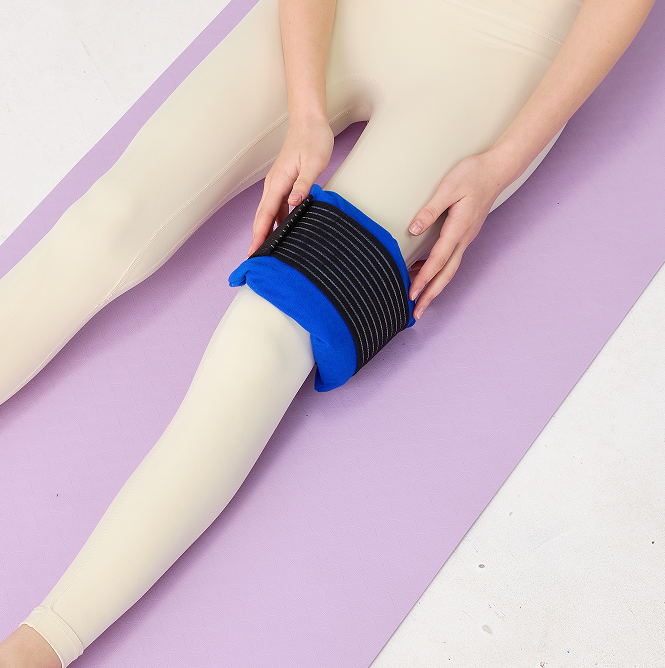
Le format doit correspondre au produit et à l'itinéraire. Les paquets plats peuvent contenir de petits cartons, les briques ajoutent une masse froide structurée, les enveloppes aident avec les formes irrégulières, et PCM peut prendre en charge des objectifs de température plus étroits lorsqu'il est sélectionné correctement. La meilleure option dépend des limites du produit, géométrie de l'emballage, et processus de manipulation.
Combien de paquets sont nécessaires par carton?
Il n’existe pas de numéro universel sécurisé. Le nombre de packs dépend de la charge utile, taille du carton, isolation, exposition ambiante, plage cible, et conditionnement. Demandez au fournisseur de vous aider à créer un exemple de colis en utilisant vos hypothèses réelles de produit et d'itinéraire., puis examinez les résultats avant l'approbation groupée.
Un pack de gel peut-il remplacer la surveillance de la température?
Non. Un pack de gel aide à gérer la température, tout en surveillant, il enregistre ce qui s'est passé. Aliments à plus haut risque, Soins de santé, clinique, ou les expéditions pharmaceutiques peuvent nécessiter des enregistrements de température en fonction des règles du produit et des attentes en matière de qualité. La nécessité d'un suivi doit être décidée par l'équipe qualité ou logistique de l'acheteur..
Que doivent faire les destinataires des packs usagés?
Les destinataires doivent suivre les instructions fournies pour ce pack et les règles de manipulation locales.. Selon le programme, les packs peuvent être vidés, écarté, inspecté, revenu, ou mis en quarantaine. L'acheteur doit définir cela avant la mise à l'échelle afin que les sites de réception n'improvisent pas.
Conclusion
Un pack de gel pour l'expédition d'essais cliniques est utile lorsqu'il est sélectionné autour du produit, pas autour d'une étiquette générique de pack froid. Les décisions les plus importantes sont la condition requise, exposition par voie, isolation extérieure, méthode de conditionnement, placement des paquets, et cohérence des fournisseurs. Pour la logistique des essais cliniques, les acheteurs doivent également confirmer la procédure de fin de route, si les paquets seront jetés ou retournés, et quelles preuves sont nécessaires avant l'achat en gros. L'étape suivante la plus sûre consiste à examiner un échantillon contrôlé en utilisant vos hypothèses réelles sur les cartons et les itinéraires..
À propos du Tempk
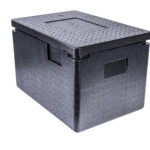
Tempk fonctionne avec emballage chaîne du froid les acheteurs qui ont besoin d’options pratiques de réfrigérant et d’emballage pour les aliments, Soins de santé, laboratoire, livraison, et applications industrielles. Nos discussions sur les produits peuvent inclure packs de glace en gel, Packs PCM, briques de glace, sacs isolés, Boîtes EPP, boîtes d'expédition à froid, doublures isolées, et protection thermique au niveau des palettes. Pour ce sujet, nous nous concentrons sur l'adaptation du composant de refroidissement à la sensibilité du produit, exposition par voie, charge utile, méthode de conditionnement, et la phase d'approvisionnement. Nous évitons de traiter un liquide de refroidissement seul comme un système d'expédition qualifié complet, à moins que l'emballage extérieur, modèle de chargement, plan de surveillance, et les preuves à l’appui sont examinées ensemble.
Envoyez à Tempk votre itinéraire, charge utile, objectif de température, et étape d'approvisionnement pour comparer les packs de gel appropriés, Pack PCM, brique, insérer, ou options d'emballage isotherme.