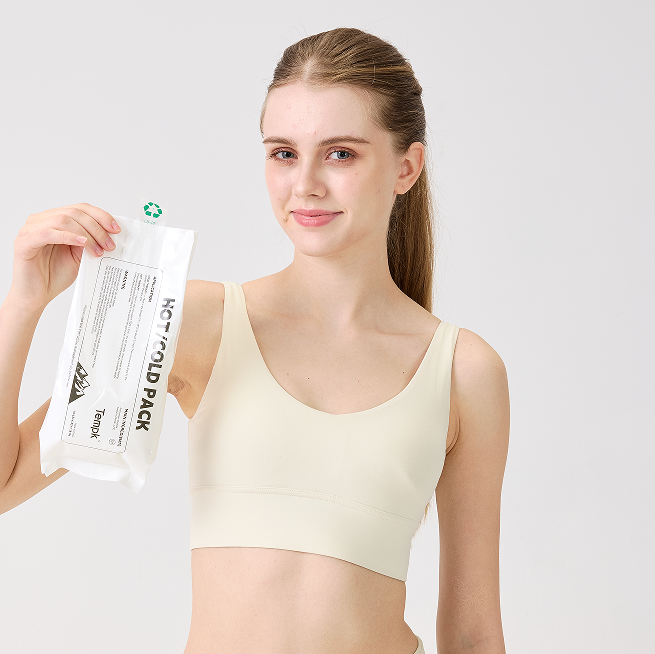
Pack de gel réfrigérant Guide d'achat: Performance, Ajustement du fournisseur, et réalité opérationnelle
Le meilleur fabricant chinois de packs de gel réfrigérant est celui qui correspond au travail sans créer de risque supplémentaire ailleurs.. En pratique, les acheteurs doivent comparer la conception, comportement de phase, ajustement de l'itinéraire, discipline des fournisseurs, et la cohérence des commandes groupées ensemble. C'est le seul moyen fiable de choisir un pack qui fonctionne au-delà du premier lot d'échantillons..
Vous trouverez ci-dessous un guide d'achat pratique qui se concentre sur les questions auxquelles les équipes d'approvisionnement et d'exploitation doivent généralement répondre en premier.: ce que fait réellement le produit, où ça rentre, qu'est-ce qui peut mal se passer, et comment distinguer un fournisseur fiable d'une option sur catalogue uniquement.
Comprendre le produit derrière le nom du catalogue
Un pack de gel réfrigérant ou un pack de gel de réfrigération est une source de froid scellée utilisée à l'intérieur d'un expéditeur isolé.. Il est généralement rempli d'un gel à base d'eau ou d'une autre formulation à changement de phase afin qu'il puisse absorber la chaleur plus lentement et de manière plus prévisible que la glace en vrac.. Pour les acheteurs, le point important est simple: le pack est un composant du système d'expédition. Il aide à maintenir la température, mais ce n'est pas la même chose qu'un expéditeur qualifié à température contrôlée seul.
Les pages de produits publiques sur le marché présentent plusieurs formats courants. Les pochettes flexibles sont largement utilisées là où vous avez besoin d'un contact étroit avec les cartons, plateaux, kits de repas, ou emballage pharmaceutique secondaire. Des briques rigides ou des éléments PCM plus grands sont choisis lorsque la voie est plus longue ou lorsque vous souhaitez une réutilisation plus facile dans un programme consigné. Certains fournisseurs vendent également des variantes à faible condensation ou à gestion de l'humidité, car l'humidité de la surface peut avoir une importance presque aussi grande que les performances de refroidissement dans la distribution réelle..
Où les produits pharmaceutiques, diagnostic, ou d'autres produits sensibles sont impliqués, les directives publiques mettent l'accent sur le système de transport maritime, processus de manipulation, et surveillance de la température plutôt que du pack réfrigérant seul. Les exigences varient selon l'itinéraire et le produit, et une qualification supplémentaire peut être nécessaire.
Comment les choix de conception modifient les performances
Le comportement thermique de ces packs ne dépend pas seulement de leur taille. La structure du film affecte la résistance à la perforation et le risque de fuite. La chimie du gel affecte le point de congélation, flexibilité, et la façon dont le pack libère ou absorbe la chaleur. Dans les références publiques, les applications réfrigérées utilisent généralement des formulations à base d'eau qui évoluent progressivement 0 degrés Celsius, tandis que la distribution gelée peut utiliser des formules à température supprimée qui restent en dessous de ce point. Cette distinction est importante car un emballage conçu pour les aliments surgelés peut être un mauvais choix pour un produit qui doit rester entre 2 et 8 degrés Celsius.
Le conditionnement est tout aussi important que la chimie. Un paquet sorti directement d'un congélateur peut avoir une surface plus froide et un impact thermique plus dur que le même paquet laissé tempéré avant d'être emballé.. Pour les produits pharmaceutiques sensibles au gel, diagnostic, ou produire, cette différence peut décider si l'envoi reste à portée ou est endommagé par un refroidissement excessif. Les acheteurs ne doivent donc pas seulement se demander ce que contient le pack, mais exactement comment le fournisseur s'attend à ce qu'il soit conditionné, mis en scène, et chargé.
Les principaux facteurs de performance incluent la masse de gel, point de changement de phase, routine de conditionnement, durabilité du film, placement des paquets, valeur d'isolation, et combien d'espace libre chaud reste à l'intérieur de l'expéditeur.
Les acheteurs apprennent généralement le plus à partir d’une courte liste de points de données concrets: dimensions finies, poids de remplissage net, épaisseur gelée, plage de changement de phase ou plage de température prévue, instructions de conditionnement, et configuration du conditionnement par caisse ou palette. Ces détails permettent aux équipes opérationnelles et qualité d'imaginer comment le pack se comportera avant même le début d'un essai..
Choisir par application et par itinéraire
Ces packs sont utilisés dans les aliments réfrigérés, fruit de mer, kits de repas, trousses de diagnostic, matériel clinique, produits périssables du commerce électronique, et bien d'autres voies de la chaîne du froid. Dans tous ces paramètres, le pack résout le même problème principal: il donne à l'expéditeur une masse thermique qui lui fait gagner du temps contre la chaleur externe. Les détails changent, cependant, selon que l'envoi transite la nuit dans un climat doux ou traverse un long itinéraire avec des retards dans les hubs et une exposition aux aires de trafic chaudes.
En logistique pharmaceutique et de laboratoire, la frontière entre un pack réfrigérant et un système d'expédition conforme est particulièrement importante. Les conseils pour les produits sensibles à la température se concentrent souvent sur les conditions d'acheminement, surveillance, manutention, et qualification de l'ensemble du package. Un pack de gel peut faire partie de cette solution, mais le pack lui-même ne crée pas de conformité. Vous avez toujours besoin du bon emballage extérieur, modèle d'emballage, méthode de conditionnement, et, là où c'est nécessaire, tests de performances documentés.
Pour les acheteurs qui s’approvisionnent en Chine, l'attrait est généralement la flexibilité de la production. De nombreux projets nécessitent des dimensions personnalisées, impression de marque privée, emballage bilingue, ou un passage rapide de l'échantillon au volume commercial. Ces avantages sont réels, mais seulement lorsque le fabricant ou le fournisseur peut détenir la structure du film, remplir le poids, qualité du joint, et la configuration du carton est stable depuis le premier lot d'approbation jusqu'aux commandes ultérieures.
L'approvisionnement basé en Chine peut également s'avérer judicieux lorsque vous souhaitez plusieurs produits connexes issus d'un même programme., comme des packs de gel, briques de glace, sacs isolés, ou doublures. En pratique, cela ne fait gagner du temps que si le fournisseur gère la documentation d'exportation, palettisation, et un codage par lots suffisamment clair pour que les équipes de réception et de qualité puissent travailler sans approximations.
Les principaux facteurs de performance incluent la masse de gel, point de changement de phase, routine de conditionnement, durabilité du film, placement des paquets, valeur d'isolation, et combien d'espace libre chaud reste à l'intérieur de l'expéditeur. Autrement dit, la sélection commence par le problème de fonctionnement, pas la photo du catalogue. Les acheteurs qui définissent la plage de température, temps de transit, sensibilité de la charge utile, et la méthode de chargement ont clairement tendance à prendre des décisions plus rapides et plus sûres.
Une comparaison conviviale pour l'acheteur se résume généralement à six contrôles:
Choisissez une pochette flexible plus petite lorsque le paquet doit être placé à proximité des plateaux alimentaires, cartons, ou conteneurs secondaires sans créer d'espace mort.
Choisissez un pack de gel ou une brique plus grande lorsque le trajet est plus long et que l'efficacité de la manipulation du congélateur compte plus qu'une conformité étroite..
Utilisez des packs de formulation réfrigérée pour les cibles réfrigérées et une option distincte de température supprimée pour la distribution congelée plutôt que d'essayer de forcer un pack dans chaque voie..
Vérifiez si les surfaces à faible condensation ou à gestion de l'humidité sont utiles si les étiquettes ou les inserts en papier sont importants.
Confirmez l’épaisseur congelée du pack, pas seulement ses dimensions à température ambiante, avant de finaliser l'ajustement du carton.
Traitez le colis comme une partie de l'expéditeur. Si isolation, durée de l'itinéraire, ou les exigences de surveillance sont exigeantes, évaluer le système complet.
La plupart des acheteurs ici équilibrent le coût au débarquement, Flexibilité OEM, et la cohérence de la production. La Chine peut être attractive pour la production de gros volumes et l’impression personnalisée, mais seulement si changement de contrôle, cohérence des lots, et les documents d'exportation sont bien traités.
Une liste de contrôle pratique pour les fournisseurs
Lorsque l'on compare des fabricants ou des fournisseurs, commencer par les dimensions finies, poids de remplissage net, plage de température cible, structure du film, et conception des joints. Ces détails contrôlent le comportement du pack dans la boîte et la fréquence à laquelle il survit aux manipulations sans fuite.. Demandez les dimensions avant et après congélation si cela affecte l'ajustement., et confirmer la fenêtre de tolérance au lieu d'accepter une seule taille nominale.
Suivant, demander comment le fournisseur contrôle la cohérence de l'échantillon à la production. Une bonne réponse devrait couvrir le codage par lots, contrôle des matières entrantes, vérification du poids de remplissage, vérifications des scellés, et un processus clair pour gérer tout changement de formule du gel, jauge de film, ou configuration en carton. Si le projet est basé sur l’exportation ou réglementé, vous devez également demander quels documents peuvent être fournis pour la composition du produit, stockage, et l'utilisation pour l'expédition afin que les équipes techniques ou qualité n'aient pas à reconstruire les bases plus tard.
Outils de décision utiles
Vérifiez les détails avant de choisir l'emballage
Ces outils rapides peuvent vous aider à comparer le risque d'itinéraire, besoins de dimensionnement, choix de liquide de refroidissement, et les détails de l'emballage avant de demander un devis.
Doublure de boîte & Dimensionnement des couvertures de palettes
Vérifiez la logique de dimensionnement du revêtement de boîte et du couvercle de palette pour les projets d'emballage isotherme.
Dimensionnement estiméGénérateur de liste de contrôle
Créer une liste de contrôle pratique pour l'examen des emballages, expédition, et documentation.
Construire une liste de contrôleCalculateur de glace carbonique
Estimer les besoins en glace carbonique pour les envois congelés ou ultra-froids avant l'emballage.
Estimation de la neige carboniqueDimensions finies à température ambiante et après congélation
Masse nette de gel, plage de phase cible, et instructions de conditionnement
Structure du film, largeur du joint, et contrôles de fuite ou d'éclatement
Options à faible condensation, si les étiquettes ou les inserts en papier sont importants
Codage par lots, traçabilité des lots, et processus de contrôle des changements
Nombre de cartons, modèle de palette, densité du congélateur, Quantité minimale de commande, et délai de livraison
Avant la mise à l'échelle, mener un essai simple mais discipliné. Utilisez la charge utile réelle ou un substitut thermique proche, l'emballage extérieur réel, la méthode de conditionnement prévue, et la durée du parcours que vous prévoyez sur le terrain. Incluez au moins une exposition ambiante plus difficile que votre cas idéal.
Si le produit va dans un environnement plus contrôlé, demander si le fournisseur peut maintenir ces points de données stables au fil du temps et comment tout changement serait communiqué. La fiabilité technique dépend autant de la discipline du processus que du premier échantillon.
Erreurs de sourcing courantes à éviter
Une erreur d'achat courante consiste à comparer les packs uniquement en fonction du prix par pièce.. Cela peut cacher de grandes différences dans la masse du gel, capacité de froid utilisable, largeur du joint, ou comportement à l'humidité. Une autre erreur consiste à exécuter un essai de route avec un pack d'échantillons, puis à commander à nouveau une version commerciale légèrement différente sans se rendre compte que les spécifications ont changé..
Une troisième erreur consiste à considérer le pack réfrigérant comme la réponse en soi.. Si votre itinéraire, charge utile, ou le profil de conformité est exigeant, il faut penser en termes de système dans son ensemble: isolation extérieure, placement des paquets, objectifs de température, surveillance, et recevoir des chèques. Les meilleures conversations avec les fournisseurs ont lieu lorsque les acheteurs partagent tôt les conditions du système plutôt que de demander un sac de glace générique de plus longue durée..
La durabilité fait désormais partie du débat sur l’approvisionnement, mais les acheteurs doivent garder les réclamations pratiques. Les emballages réutilisables peuvent réduire l'intensité des matériaux dans les boucles fermées, tandis que des films plus fins ou plus recyclables peuvent réduire les déchets lors d'une distribution à sens unique. Ces avantages n'ont d'importance que si le pack survit encore au gel., transport, et manipulation finale.
Les offres publiques de produits suggèrent que les acheteurs comparent non seulement les pochettes de gel standard, mais également les versions avec gestion de l'humidité., packs de type glace carbonique, et des briques réutilisables plus grandes à mesure que les itinéraires se diversifient.
Questions pratiques avant le lancement
Où les itinéraires, produits, ou les demandes de documentation sont plus sensibles, les acheteurs doivent verrouiller la méthode de conditionnement prévue, position du paquet, et réception des chèques avant la première commande plus importante. Cette simple discipline évite bien des confusions évitables plus tard..
Durant ce procès, enregistrer non seulement la température. Regardez l'humidité de la surface, intégrité du paquet, vitesse de chargement, ajustement gelé, et l'état du produit ou du kit livré. Ces observations en révèlent souvent davantage sur l’adéquation réelle qu’une simple affirmation relative au temps de détention..
Après le procès, verrouiller la spécification. Documenter les dimensions approuvées, masse de gel, structure du film, méthode de conditionnement, et placement des packs. Cette discipline simple réduit la dérive entre l’approbation des échantillons et la production de routine.
Des réponses rapides avant de présélectionner des fournisseurs
Un pack de gel réfrigérant peut-il fonctionner à la fois pour l'expédition réfrigérée et congelée ??
Parfois, mais généralement pas bien. Les voies réfrigérées et gelées nécessitent souvent un comportement de changement de phase différent, routines de conditionnement, et placement des packs.
Un pack de gel est-il suffisant pour la conformité pharmaceutique?
Non. Le pack peut faire partie de la solution, mais la conformité dépend du système d'expédition qualifié, profil d'itinéraire, et processus de manipulation.
Quels exemples d'informations un fournisseur doit-il fournir?
Au minimum, demander les dimensions finies, masse de gel, structure du film, instructions de conditionnement, conditions de stockage, et détails d'emballage du carton.
Des détails opérationnels qui méritent attention
L'approvisionnement en gros change la décision d'une manière importante: vous n'approuvez pas un seul pack, vous approuvez une méthode de fabrication et d’exploitation reproductible. Cela signifie la citation, l'échantillon, les SOP de l'entrepôt, et les spécifications de réapprovisionnement doivent toutes pointer vers le même produit. Si l'une de ces pièces est vague, les coûts apparaissent généralement plus tard à cause de fuites, nouveaux procès, plaintes des clients, ou des lignes d'emballage lentes plutôt que lors de la première commande d'achat.
Un autre point pratique est le stockage et la manutention avant expédition ou utilisation.. La performance commence dans la salle de congélation, zone de préparation, ou entrepôt, pas à la destination finale. Les acheteurs doivent vérifier comment le produit sera stocké, combien de temps prend le conditionnement, si les cartons peuvent être alternés, premier entré, premier sorti, et comment le pack se comporte si les équipes le manipulent pendant des périodes chargées ou partiellement décongelées. De petits détails opérationnels peuvent modifier le résultat fourni plus que ne le suggère le langage du catalogue..
Lorsque l'on compare les fournisseurs, demandez-vous si le fournisseur vous aide à prendre une vraie décision ou s'il vous aide seulement à recevoir un devis. Les fournisseurs utiles répondent directement sur les dimensions, conditionnement, changer de contrôle, documentation, et limites d'application. Les moins utiles restent au niveau du langage sectoriel et vous laissent l’interprétation technique.
Prise finale
L’achat d’un pack réfrigérant à gel puissant consiste rarement à acheter le plus froid, le moins cher, ou pack le plus commercialisé. Il s'agit de faire correspondre le format du pack, méthode de conditionnement, et la discipline des fournisseurs par rapport au travail que vous exécutez réellement.
Si vous définissez clairement le cas d'utilisation, poser des questions plus précises sur les matériaux et le contrôle des processus, et tester le pack dans le flux de travail réel d'itinéraire ou de manutention, vous êtes beaucoup plus susceptible de choisir un fournisseur qui fonctionne bien après le déploiement plutôt que seulement lors de la phase de devis.
À propos du Tempk
Et Tempk, nous nous concentrons sur emballage à température contrôlée pour la nourriture, pharmaceutique, et autres envois sensibles. Notre gamme grand public comprend packs de glace en gel, packs de glace sec, briques de glace pour congélateur, sacs isolés, doublures de boîtes isolées, Boîtes isolées EPP, boîtes d'expédition à froid, glacières médicales, et couvertures thermiques de palettes. Parce que nous travaillons aussi bien sur des formats réfrigérants que isolés, plus un emballage personnalisé à contrôle de température soutenu par un laboratoire certifié CNAS, nous pouvons aider les acheteurs à comparer une option de pack unique au sein du système d'expédition plus large.
Prochaine étape
Si vous comparez des fournisseurs, demander des échantillons, conseils de conditionnement, et une recommandation d'emballage liée à votre plage de température réelle et à votre temps de transit. Un essai contrôlé avec votre charge utile réelle et votre emballage extérieur révélera bien plus qu'une simple fiche de prix unitaire..