Understanding the global cold chain means seeing how temperature controlled logistics keep perishable goods safe across continents. Dans 2025 le marché vaut plus de dollars américains 452 milliard and forecast to exceed USD 1.6 mille milliards par 2033. That explosive growth reflects rising demand for fresh food, vaccines and biologics around the world. In this guide you’ll learn about market dynamics, innovations technologiques, durabilité, regional challenges and how to strengthen your own cold chain.
How big is the global cold chain market and where is it heading? You’ll see numbers from 2024 2034 and drivers like e commerce and pharmaceuticalsprecedenceresearch.com.
What technologies are redefining the cold chain? We explore AI, IoT, renewable energy and automation that improve visibility and reduce wastetrackonomy.ai.
How is sustainability shaping cold chain logistics? Discover new regulations, low GWP refrigerants and solar powered solutions.
What regional trends should you watch? From Asia Pacific’s rapid expansiongcca.org to the U.S. et l'Europe, we highlight capacity gaps, regulatory shifts and investment opportunitiesgcca.orggcca.org.
Quoi de neuf 2025? Learn about cryogenic transport for biologics, plant based food logistics, blockchain contracts and data standardisationtrackonomy.ai.
Global Cold Chain Market: How Big Is It and What Drives Growth?
Market size and forecasts
Le marché mondial de la chaîne du froid est en plein essor. The Business Research Company reports that it grew from USD 405.02 milliards en 2024 en USD 452.84 milliards en 2025, un 11.8 % taux de croissance annuel composé (TCAC). Precedence Research estimates the market at USD 418.81 milliards en 2025, projecting it to reach about USD 1,416.67 milliards 2034precedenceresearch.com. Grand View Research offers a similar forecast: the market could dépasser USD 1.6 mille milliards par 2033. Such variations arise from different methodologies, but all agree the industry will roughly triple by the early 2030s.
Why is it growing so fast? Key drivers include growing global population, rising incomes, urbanisation, expansion of e commerce and consumer demand for fresh and frozen foods. Pharmaceutical and biotechnology industries contribute as new vaccines and cell based therapies need ultra low temperaturestrackonomy.ai. The expansion of online grocery platforms in North America and Asia accelerates demand for refrigerated logisticstrackonomy.ai. Regions are investing in pre cooling facilities and modern storage to reduce losses and meet export standardsprecedenceresearch.com.
Market segmentation and key sectors
The cold chain isn’t monolithic—it spans multiple temperature zones and service types. Markets are typically segmented by service (transport, entrepôts, surveillance, services à valeur ajoutée), plage de température (ambiant, cool, réfrigéré, congelé, surgelé) et end user (food manufacturers, sociétés pharmaceutiques, supermarchés). Par exemple, the fish, meat and seafood segment accounted for about 24 % de revenus dans 2024precedenceresearch.com, while dairy and frozen desserts lead growth in Asia Pacificprecedenceresearch.com. Hardware remains dominant: capteurs, reefers and control systems represented sur 76 % de part de marché dans 2022trackonomy.ai, highlighting the need for reliable equipment.
Factors limiting growth
Despite its momentum, the cold chain faces challenges. Infrastructure gaps are severe in developing regions; Asia Pacific’s cold storage capacity grew rapidly but remains far below developed economiesgcca.org. Ageing facilities—Japan reports that 33 % of its storage units are more than 40 ansgcca.org—need major upgrades. Geopolitical tensions increase energy and transport costs, while high environmental standards accelerate the phase out of hydrofluorocarbons (HFC)maersk.com. Skilled labour shortages and complex regulations hinder cross border trade. Understanding these constraints is vital when planning expansion.
How Are Technology and Innovation Transforming the Global Cold Chain?
IoT et surveillance en temps réel
Real time monitoring is the nervous system of modern cold chains. Capteurs intelligents, telematics and geofencing provide continuous data on temperature, humidité et emplacement. Inbound Logistics notes that $2.7 des milliers de milliards de marchandises à température contrôlée ont été expédiées par camion en 2022inboundlogistics.com and real time monitoring helps prevent spoilage and theft by triggering alerts when conditions deviateinboundlogistics.com. Hardware adoption is widespread: sensors accounted for 76.4 % de part de marché dans 2022trackonomy.ai. IoT platforms allow you to view shipments on a dashboard, receive alerts via mobile and share data with partners. Some systems even use machine learning algorithms to predict failures before they occur, enabling proactive maintenance and dispatching replacement vehicles.
Intelligence artificielle et analyse prédictive
AI takes monitoring data and turns it into actionable insights. Predictive analytics models can forecast temperature excursions, demand surges and equipment breakdowns, improving accuracy and reducing waste. StartUs Insights reports that from 2025 à 2029 the global cold chain will generate sur 26,800 new jobs and 2,800+ brevets avec 36.6 % growth in patents—a sign of rapid innovation. AI driven route optimisation helps carriers choose the fastest path, avoid traffic and reduce fuel consumption. Demand forecasting algorithms adjust inventory to minimise spoilage and stock outs. Dans le secteur pharmaceutique, predictive models ensure biologics stay within narrow temperature bands, which is critical for cell based therapies projected to be 20 % de nouveaux médicamentstrackonomy.ai.
Blockchain et traçabilité
Blockchain technology enhances traceability and trust. Smart contracts automate payment release when conditions are met, while immutable ledgers store temperature records that regulators and partners can audit. This is particularly valuable in high stakes sectors like vaccines, where proof of compliance can expedite cross border clearance and reduce fraud. Some companies integrate blockchain with IoT sensors so that any excursion is recorded permanently, enabling faster recalls.
Automatisation et robotique
Automation addresses labour shortages and boosts efficiency. Trackonomy notes that 80 % des entrepôts ne sont pas encore automatisés, signalling huge potentialtrackonomy.ai. Robotics for picking, packing and sorting reduce human error and help maintain cold storage integrity. Robots mobiles autonomes (RAM) can operate in cold rooms without fatigue; véhicules à guidage automatique (AGV) move pallets, while robotic arms handle sensitive packages. According to Waggon, the equipment market for automation could reach USD 83.34 milliards 2030. Adoption is rising in Europe and North America, where labour costs are high and regulatory pressure encourages efficiency.
Renewable energy and sustainable refrigeration
La durabilité n’est plus une option. Reefer Van Network highlights that companies are switching to réfrigérants à faible PRG, solar powered units and hybrid diesel electric refrigeration. Electric truck refrigeration units cut emissions and comply with emission caps. Waggon’s article describes how electric vehicles and solar powered cold storage can reduce greenhouse gases while saving energy costs. Solar costs between 3.2–15,5 centimes par kWh compared with grid power at 13.1 centimes, making renewable energy particularly attractive in remote areas. More facilities are adopting CO₂ and ammonia refrigerants; natural refrigerants meet or beat performance of synthetic HFCs with lower global warming potential.
Regional Trends and Challenges: Where Are the Gaps and Opportunities?
Asie-Pacifique: Rapid growth and infrastructure gaps
L'Asie-Pacifique est la région à la croissance la plus rapide avec un TCAC de 29.6 % entre 2017 et 2022gcca.org. Rising incomes, dietary shifts and e commerce are fueling demand for fresh fruits, fruits de mer et vaccins. Australia increased its cold storage capacity from 8.4 à 10.2 millions de m³ entre 2020 et 2023 and its market is valued at about EUR 8 milliardgcca.org. Yet per capita cold storage capacity remains far below the U.S. or Europe, leading to high food waste.
Japan faces a pressing need to modernise: 33 % of its cold facilities are over 40 ansgcca.org and high utilisation rates limit capacity for new entrants. Korea is grappling with oversupply and a shift toward natural refrigerants; new regulations will limit the global warming potential of refrigerants to 1,500 par 2028 et 750 par 2030gcca.org. Singapore’s market is expected to doubler par 2034 driven by population growth and cross border e commercegcca.org, while the Philippines is investing USD 53 millions en 2025 to build 100 installations de stockage frigorifiquegcca.org. Indonesia is adopting solar panels and digital monitoring to cut logistics costs from 24 % à 17 %gcca.org. These diverse conditions create opportunities for investment, infrastructure upgrades and technology adoption.
Amérique du Nord et Europe: Mature markets facing sustainability mandates
North America and Europe have mature cold chains but still face challenges. Precedence Research says North America captured 36 % des revenus du marché en 2024precedenceresearch.com. Demand is driven by pharmaceuticals, frozen food and online grocery. Cependant, ageing warehouses and strict environmental regulations necessitate upgrades. Les États-Unis. cold chain market is forecast to atteindre USD 416.09 milliards 2034precedenceresearch.com, with investments shifting toward high efficiency facilities, automation and AI.
Europe focuses heavily on sustainability and decarbonisation. The phase out of HFC refrigerants and adoption of natural alternatives is mandated by EU F gas regulations. Many European operators are adopting electric truck refrigeration units and hybrid power systems, similar to Thermo King’s solutions launched in 2022. Partnerships with renewable energy providers and packaging suppliers help reduce carbon footprints and meet customer expectations for environmentally responsible products.
l'Amérique latine, Moyen-Orient et Afrique: Emerging markets with diverse needs
Latin America’s cold chain remains uneven. Countries like Brazil and Mexico have growing meat and produce exports but inadequate rural cold storage. Investments in infrastructure and digital monitoring are increasing, but regulatory frameworks are still developing. Au Moyen-Orient, the Gulf Cooperation Council (CCG) invests in modern distribution centers to support imported foods and pharmaceuticals; high ambient temperatures require robust refrigeration equipment. En Afrique, the cold chain is nascent—lack of reliable electricity and limited road networks hinder growth. Solar powered storage and portable cooling units offer promising solutions. International development agencies are funding projects in East and West Africa to build cold stores for smallholder farmers, reducing post harvest losses and improving food security.
What Are the Key Components and Best Practices for a Resilient Cold Chain?
Temperature ranges and equipment
Your cold chain must accommodate different temperature regimes:
| Zone de température | Gamme (°C) | Produits typiques | À emporter |
| Ambient/cool | 8–15 | Chocolat, vin, certains produits pharmaceutiques | Mild conditions that avoid heat spikes; use insulated containers and monitoring. |
| Réfrigéré | 2–8 | Produits frais, laitier, vaccins | Require continuous refrigeration; ensure quick loading and validated packaging. |
| Congelé | –18 to –25 | Viande, fruit de mer, glace | Goods are sensitive to defrosting; maintain strong insulation and avoid repeated door openings. |
| Surgelé | Below –25 | Biologique, sperm, tissus | Use specialised freezers or cryogenic containers; continuous power is essential. |
Beyond temperature ranges, consider the core components of a cold chain: pré-refroidissement, stockage à température contrôlée, transport réfrigéré et surveillance & contrôle. Le pré-refroidissement élimine la chaleur du champ des produits; insulated warehouses and temperature controlled vehicles preserve conditions; sensors and telematics provide end to end visibility. Regular calibration and maintenance ensure equipment meets regulatory standards.
Gestion des risques et planification d’urgence
Develop contingency plans to handle power outages, mechanical failures and delays. The TempControlPack article emphasises générateurs de secours, emergency response protocols and staff training. Evaluate your supply chain to identify single points of failure and create redundancies. Pour les biens de grande valeur comme les vaccins, choose routes with reliable infrastructure and temperature controlled cross docking. Insure shipments appropriately and use tamper proof seals to deter theft. Digital twins—a virtual replica of your supply chain—can help model disruptions and test responses before real issues arise.
Étude de cas: CJ Logistique Amérique
Dans 2023 CJ Logistics America opened a cold storage facility in Illinois with energy efficient refrigeration systems and IoT monitoring. It features real time temperature alerts, automated conveyor systems and renewable energy integration. The facility supports both retail and food service customers, demonstrating how integrated technology and sustainability can reduce costs and improve service. Companies worldwide can adopt similar practices to build resilient networks.
Astuces et conseils pratiques
Build an end to end digital chain: Utiliser des capteurs IoT, telematics and AI analytics to monitor shipments from supplier to customer. Real time data reduces spoilage and supports compliance.
Investir dans la formation: Educate staff about temperature requirements, handling procedures and emergency protocols to minimise human error. Use simulation tools to train employees on potential disruptions.
Collaborer avec des spécialistes: Collaborate with third party logistics providers experienced in cold chain management. Outsourcing allows you to leverage dedicated fleets and warehousing while focusing on core competencies.
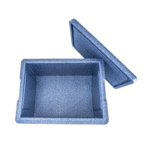
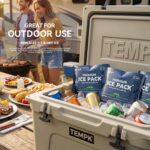
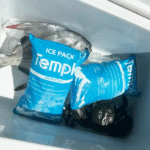
Évaluer l'emballage: Choisissez l'isolation, phase change materials or dry ice depending on the product and duration. Reusable containers reduce cost and waste in repeated shipments.
Exemple du monde réel: Un États-Unis. seafood exporter switched to IoT enabled containers and predictive analytics. Plus de six mois, spoilage fell by 30 % and on time deliveries improved to 95 %. The company recovered its investment within a year through reduced waste and improved customer satisfaction.
What Innovations Will Shape the Future of the Global Cold Chain in 2025 et au-delà?
Cryogenic transport and biologics
The pharmaceutical sector drives demand for ultra low temperatures. Portable cryogenic freezers can maintain –80 °C à –150 °C for gene therapies and biologics. Cryogenic shipping lanes designed specifically for cell based products and mRNA vaccines are expanding; they include special handling protocols, redundant power supplies and dedicated customs processes. With the biologics market expected to reach USD 1,454 milliards 2029trackonomy.ai, building cryogenic capacity will be a strategic priority.
Plant based and alternative proteins
Plant based meat and dairy alternatives require different storage conditions compared with traditional meats. These products often need refrigeration but can be more sensitive to temperature fluctuations and light. Maersk notes that demand for plant based foods is skyrocketing and distribution networks must adaptmaersk.com. Expect growth in refrigerated last mile delivery and dedicated storage zones for plant based goods. Collaboration with producers on packaging innovations can enhance shelf life.
Emballages et capteurs intelligents
Advances in packaging integrate sensors that monitor temperature, choc et humidité. Identiv and Tag N Trac announced a partnership in 2025 to develop smart BLE labels that provide real time visibility for pharmaceuticalsprecedenceresearch.com. These labels, which connect to cloud platforms, can be scanned with a smartphone or gateway to check condition and location. Similar innovations include time temperature indicators and radio frequency identification (RFID) tags that record temperature history, enabling automatic acceptance or rejection at receiving docks.
Data standardisation and collaboration
As supply chains become more interconnected, data standards are essential for interoperability. Trackonomy suggests that by 2025 74 % of logistics data will be standardisedtrackonomy.ai, allowing partners to share information seamlessly. Shared data platforms help align inventory, reduce duplicative shipments and support circular economy initiatives. Regulatory bodies may adopt universal temperature monitoring protocols, streamlining cross border trade.
2025 Derniers développements et tendances
Aperçu de la tendance
2025 will be a pivotal year for the global cold chain. The combination of surging demand, technological breakthroughs and sustainability pressures will reshape the landscape. Voici ce que vous devez savoir.
Dernier progrès en un coup d'œil
Expansion de l’infrastructure de la chaîne du froid: Governments and private companies are investing heavily in new facilities. Asia Pacific alone will add millions of cubic metres of cold storage capacitygcca.org.
Decarbonised refrigeration: Companies are rolling out electric truck units and hybrid systems to meet stricter emission standards. Sustainable packaging and solar powered warehouses reduce energy costs.
Integrated data platforms: Logistics providers are adopting integrated software for real time tracking, predictive analytics and blockchain validation. These platforms bridge gaps between shippers, carriers and end customers.
Insistance au marché
The global cold chain is no longer a niche but a cornerstone of the worldwide food and pharmaceutical system. Market consolidation is expected as large logistics firms acquire smaller players to expand network coverage. Selon StartUs Insights, sur 2,800 brevets et 26,800 emplois will be created in cold chain technology between 2025 et 2029. Mergers and partnerships will focus on data analytics, packaging innovation and cross regional distribution. The push for sustainability will accelerate adoption of natural refrigerants, renewable energy and circular packaging. Regulatory bodies will tighten standards on refrigerants, waste and data transparency.
Questions fréquemment posées
What does “global cold chain” mean? It refers to the worldwide network of refrigerated warehousing, transport and monitoring that keeps perishable goods within specified temperature limits from production to consumption. A robust global cold chain ensures food safety, vaccine efficacy and reduced waste.
Why is demand for cold chain services growing so fast? Rising incomes, urbanisation and the popularity of e commerce drive demand for fresh foods and convenient meal kits. Innovation pharmaceutique, y compris les produits biologiques et les vaccins, requires stringent temperature control. Global trade and consumer expectations for year round availability of fruits and seafood also contribute.
How can small businesses access cold chain logistics? Many third party logistics providers offer shared warehousing and multi client transportation to reduce costs. Look for carriers with digital tracking, flexible shipping windows and experience in your product category. Local cooperatives and government programmes may subsidise cold storage for small farmers.
Quel rôle joue la durabilité dans la chaîne du froid? La durabilité est centrale. The cold chain contributes about 2 % des émissions mondiales de CO₂trackonomy.ai. Using low GWP refrigerants, camions électriques, solar panels and recyclable packaging cuts environmental impact and complies with emerging regulations. Consumers increasingly prefer brands with strong sustainability credentials.
What are the biggest challenges in developing countries? Infrastructure limitée, unreliable electricity, high capital costs and fragmented supply chains hinder cold chain growth. Capacity shortages lead to high food waste. Digital tools and renewable energy solutions can help leapfrog legacy systems, but investment and training are essential.
Résumé & Recommandations
The global cold chain is set to triple in value by the early 2030s, tirée par la demande de produits frais, produits pharmaceutiques et commerce électronique. Rapid adoption of IoT, IA, blockchain and automation will improve visibility and efficiencytrackonomy.ai. Sustainability pressures are pushing companies toward electric vehicles, low GWP refrigerants and renewable energy. Regional disparities offer opportunities for investment: Asia Pacific needs capacity, Europe is modernising, and emerging markets require off grid solutionsgcca.orggcca.org.
Étapes d'action:
Investissez dans la surveillance numérique: Implement IoT sensors and AI analytics to gain end to end visibility and predict disruptions.
Mettre à niveau l'infrastructure: Retrofit ageing warehouses with energy efficient refrigeration and natural refrigerants; expand capacity in high growth regions.
Prioriser la durabilité: Transition vers des groupes frigorifiques électriques ou hybrides, adopt renewable energy and explore reusable packaging.
Collaborer tout au long de la chaîne: Share data with suppliers, carriers and customers via standardised platforms; participate in industry alliances to shape regulations and best practices.
Prévoyez des conditions extrêmes: Élaborer des plans d’urgence, secure reliable power sources and train staff to handle emergencies in both developed and emerging markets.
À propos du tempk
À Rotation, we specialise in connected cold chain solutions that help you monitor, manage and optimise your temperature sensitive logistics. Our sensors, gateways and analytics platform provide real time visibility, while our sustainable refrigeration units reduce energy costs and emissions. We collaborate with manufacturers, food producers and pharmaceutical firms around the world to design resilient, future ready cold chains.
Let’s keep your goods safe and your business ahead: Contact us to discuss your challenges, request a free consultation or test our remote monitoring tools. Together we can create a healthier, more sustainable global cold chain.