Dernière mise à jour: 01 Décembre 2025
Vous expédiez des marchandises sensibles à la température et vous êtes frustré par la détérioration ou les coûts d'emballage élevés ?? En gros Boîtes EPP, fabriqué à partir de polypropylène expansé léger, pourrait être la solution. Dans le premier 50 En mots, vous apprendrez comment ces « mini-réfrigérateurs » réutilisables surpassent les récipients en mousse à usage unique en gardant les articles au frais jusqu'à 96 heures et survivre à des centaines de voyages. Ils réduisent également les émissions de carbone et offrent une tranquillité d'esprit pour les expéditions alimentaires et pharmaceutiques..
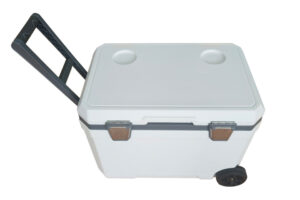
Pourquoi les boîtes EPP en vrac sont-elles meilleures que les glacières en mousse traditionnelles? Nous comparerons l’isolation, durabilité et coût en utilisant des données réelles.
Comment les boîtes EPP soutiennent-elles la durabilité et réduisent votre empreinte carbone? Découvrez les avantages du recyclage et de la réutilisation.
Que devez-vous rechercher lorsque vous achetez des boîtes EPP en gros? En savoir plus sur les densités, certifications et questions sur les fournisseurs.
Quelles sont les dernières 2025 tendances de la technologie des boîtes EPP? Découvrez les capteurs intelligents, conceptions pliables et croissance du marché.
Quelles industries bénéficient le plus des emballages EPP? Comprendre les applications pour les produits pharmaceutiques, nourriture, commerce électronique et plus.
Qu'est-ce qui différencie les boîtes EPP en vrac des conteneurs en mousse standard?
Réponse directe: Boîtes EPP en vrac sont moulés à partir de billes de polypropylène expansé, un matériau avec faible conductivité thermique et haute résilience. Contrairement au PSE fragile (polystyrène élargi), La structure cellulaire fermée de l’EPP emprisonne les poches d’air, limitant le transfert de chaleur et permettant aux boîtes de maintenir une température de 2 à 8 °C jusqu'à 72 heures ou plus lorsqu'il est associé à des panneaux à vide. Ils survivent à des chutes répétées, résister à l'humidité et aux produits chimiques, et reste entièrement recyclable.
Explication élargie: Considérez une boîte EPP comme un thermos high-tech pour vos produits. Au lieu de se fissurer après un voyage comme les glacières en mousse jetables, La mousse EPP se comporte comme un oreiller à mémoire de forme-il rebondit après les impacts. La densité peut être personnalisée à partir de 15–100 kg/m³ pour équilibrer le poids et la force. Une boîte haute densité peut survivre à un 6 chute de pieds ou collision avec un chariot élévateur avec une déformation minimale. Parce que le PPE résiste aux moisissures et aux bactéries, vous pouvez réutiliser chaque boîte des centaines de fois, réduire les déchets et les coûts à long terme. Quand les cartons arrivent en fin de vie, les fabricants les recyclent en nouveaux produits, soutenir les économies circulaires.
Pourquoi les boîtes EPP sont-elles réutilisables pendant plus de 500 Cycles?
La durabilité vient de la structure unique de l’EPP. Chaque boîte est composée de milliers de billes à cellules fermées fusionnées sans adhésif.. Ces perles absorbent l'impact et ensuite retrouver leur forme, permettant à la boîte de résister 500 ou plusieurs allers-retours. Les refroidisseurs EPS traditionnels se fissurent ou s'effritent après une ou deux utilisations, tandis que les conteneurs EPP conservent leur intégrité structurelle même après avoir été tombé de 1.5 m. Cette résilience se traduit par une Coût moindre par expédition: une boîte coûtant plus cher au départ est rentabilisée après une réutilisation répétée.
| Fonctionnalité | Boîte PPE | EPS/EPE traditionnel | Ce que cela signifie pour vous |
| Conductivité thermique | Très faible en raison des poches d'air à cellules fermées | Plus haut; plus de transfert de chaleur | Des temps de maintien plus longs signifient moins de blocs de glace et une détérioration réduite. |
| Résistance aux chocs | Haute résilience; reprend sa forme après les chutes | Fragile; se fissure facilement | Moins de marchandises endommagées et des coûts de remplacement réduits. |
| Plage de température | −40 °C à +110 °C | −20 °C à +80 °C | Convient pour les surgelés, produits réfrigérés et ambiants. |
| Réutilisabilité & Recyclabalité | 100 % recyclable; survit à des centaines de cycles | Souvent à usage unique, difficile à recycler | Coût total de possession réduit et minimum de déchets mis en décharge. |
| Poids | Léger; densité réglable | Similaire ou plus lourd selon le grade | Économise du carburant et réduit la fatigue de la manipulation manuelle. |
Astuces et conseils pratiques
Adaptez la densité à la cargaison: Utiliser PPE haute densité pour charges lourdes (vaccins, fruit de mer) et densité moyenne pour les kits repas ou les commandes e-commerce.
Combiner avec des matériaux à changement de phase (PCMS): Associez vos boîtes avec des packs de gel ou de la neige carbonique maintenir une température stable de 2 à 8 °C ou de –18 °C pendant 48 à 96 heures.
Nettoyer et réutiliser: La résistance à l'eau de l'EPP vous permet de laver et désinfecter boîtes entre les cycles.
Recycler de manière responsable: Broyez les cartons usés en granulés et retournez-les au fabricant pour soutenir une économie circulaire.
Vraie cas: Une entreprise de logistique de produits de la mer a réduit les réclamations pour dommages de 12 % à 0.3 % après passage aux caissons EPP renforcés. Les conteneurs ont survécu aux impacts des chariots élévateurs et ont maintenu leur température pendant un transport maritime de trois jours., économisant des milliers de dollars en pénalités de détérioration.
Comment les boîtes EPP en vrac soutiennent-elles la durabilité dans la logistique de la chaîne du froid?
Réponse directe: Les boîtes EPP sont 100 % recyclable et leur réutilisabilité réduit considérablement les déchets. La fabrication du PPE consomme également moins d’énergie que le PSE, et l'isolation supérieure du matériau signifie que moins de liquide de refroidissement est nécessaire, réduire les émissions de carbone. En gros, cela se traduit par des avantages significatifs en matière de développement durable pour les entreprises qui cherchent à atteindre leurs objectifs en matière de responsabilité sociale..
Explication élargie: La durabilité compte plus que jamais. Le 2025 Le rapport élargi sur le marché des boîtes isolantes en polypropylène souligne que la demande de matériaux d'emballage recyclables et réutilisables est essentielle. moteur de croissance. Parce que les boîtes EPP maintiennent les températures froides plus longtemps, ils nécessitent moins de blocs de glace, réduire la consommation d’énergie et les émissions de gaz à effet de serre pendant le transport. Lorsqu'il est utilisé dans des systèmes en boucle fermée, une boîte peut être réutilisée des centaines de fois, garder des dizaines de glacières jetables en EPS hors des décharges. Selon Future Market Insights, La mousse EPP occupe une part croissante des emballages thermiques car elle peut être recyclé et fabriqué avec moins d’énergie, soutenir les engagements des entreprises en matière de développement durable.
Réduction de l’empreinte carbone et économie circulaire
Un boîtier EPP compact réduit votre empreinte carbone de deux manières: il réduit l'énergie nécessaire à la réfrigération et minimise les déchets grâce à la réutilisation. Par exemple, conserver les produits au froid pendant 72–96 heures réduit le besoin de véhicules réfrigérés sur les itinéraires plus courts. Quand la box arrive en fin de vie, il peut être déchiqueté et reformé en de nouvelles pièces, créer une boucle fermée qui s'aligne sur les principes de l'économie circulaire.
| Mesure de durabilité | Boîte EPP en vrac | Mousse conventionnelle | Sens pratique |
| Recyclabalité | 100 % | Difficile de recycler | Soutient l’économie circulaire et réduit l’utilisation des décharges. |
| Réutiliser les cycles | 500+ cycles | Souvent à usage unique | Coût total et gaspillage réduits par expédition. |
| Énergie de fabrication | Moins d'énergie grâce à la structure en mousse | Plus d'énergie pour l'EPS | Impact environnemental réduit. |
| Temps de maintien de la température | 72–96 heures | 24–48 heures | Des temps de maintien plus longs réduisent le carburant de réfrigération et la détérioration. |
| Émissions de carbone | Réduit en raison de moins de liquide de refroidissement et de carburant | Des émissions plus élevées | Aide à atteindre les objectifs de développement durable et ESG. |
Conseils pratiques et suggestions
Mettre en œuvre une logistique en boucle fermée: Suivez l'utilisation de chaque boîte et planifiez le nettoyage après chaque voyage.. Les modèles pliables ou emboîtables facilitent les retours.
Collaborer avec des programmes de recyclage: Travailler avec des fabricants qui acceptent les boîtes EPP retournées et intègrent des matériaux recyclés dans de nouveaux produits.
Éduquez votre équipe: Former le personnel à la manipulation et au nettoyage appropriés pour maximiser la durée de vie et minimiser les déchets.
Vraie cas: Un distributeur pharmaceutique a éliminé la détérioration des vaccins et réduction des coûts de transport de 19 % après avoir adopté des boîtes EPP certifiées GMP. Leur conception légère permet d'économiser du carburant, et la structure emboîtable a libéré de l'espace d'entrepôt.
Que devez-vous rechercher lors de l'achat de boîtes EPP en gros?
Réponse directe: Évaluer les fournisseurs en fonction de expertise technique, certifications de qualité, options de personnalisation et services d'assistance. Demandez des données de performances thermiques validées, confirmer le nombre de cycles de réutilisation (≥ 500), vérifier les certifications ISO et GMP, et assurez-vous qu'ils proposent des tailles et des densités adaptées à vos produits.
Explication élargie: Toutes les cases EPP ne sont pas égales. Commencez par évaluer le fabricant historique— fournissent-ils des produits pharmaceutiques, clients agroalimentaires et biotechnologiques? Demander des données de performances telles que Résultats du test de chute ISTA ou 96profils de température horaires. Vérifier la conformité avec Directives de la FDA et de l'OMS et assurez-vous que le matériau est de qualité alimentaire. Recherchez des fonctionnalités supplémentaires telles que isolation hybride (EPP combiné avec des panneaux sous vide) ou Capteurs IoT pour la surveillance de la température en temps réel. Finalement, choisissez un partenaire capable d'adapter la boîte à votre chaîne d'approvisionnement plutôt que d'imposer une solution universelle.
Évaluation des critères du fabricant
| Critères | Pourquoi ça compte | Comment évaluer |
| Performance thermique | Garantit que les marchandises restent dans la plage de température requise (Par exemple, 2–8 °C pour les vaccins). | Demander des temps d'attente validés (Par exemple, 72 heures à 2–8 °C) et demander des protocoles de tests. |
| Cycles de réutilisation | Détermine le coût à long terme et l’impact environnemental. | Demandez combien de voyages la boîte peut supporter; L'EPP de haute qualité doit dépasser 500 cycles. |
| Certifications | Signale une qualité constante et une conformité réglementaire. | Rechercher ISO 9001, ISO 14001 et certifications spécifiques à l'industrie (GMP, FDA). |
| Personnalisation | Permet aux boîtes de s'adapter parfaitement aux produits et d'inclure des fonctionnalités telles que des inserts VIP ou des enregistreurs NFC. | Renseignez-vous sur les tailles, densités, couvercles, inserts et options de marque. |
| Programme de recyclage | Soutient l’économie circulaire et réduit les coûts d’élimination. | Choisissez des fournisseurs qui acceptent les cartons retournés et utilisent du contenu recyclé. |
Astuces et conseils pratiques
Demander des échantillons: Testez les coffrets en conditions réelles (gouttes, humidité, température) avant de s'engager dans des commandes importantes.
Auditer l'usine: Organisez une visite virtuelle ou une visite pour observer les équipements de moulage à la vapeur et le contrôle qualité.
Calculer le coût total de possession: Prendre en compte travail de lavage et fréquence de remplacement; Le PPE réutilisable gagne souvent malgré des coûts initiaux plus élevés.
Renseignez-vous sur l'isolation hybride: La combinaison du PPE avec des panneaux sous vide peut prolonger les temps de maintien jusqu'à cinq jours.
Vraie cas: Un distributeur pharmaceutique a réduit à zéro les amendes de détérioration en utilisant des boîtes EPP certifiées GMP qui contenaient 2–8 °C pour 72 heures. Leur structure légère a réduit les coûts de transport de 19 %, et les conceptions emboîtables ont permis d'économiser de l'espace dans l'entrepôt.
Comment entretenir et réutiliser efficacement les boîtes EPP en vrac?
Réponse directe: Un bon entretien prolonge la durée de vie de vos boîtes EPP. Après chaque utilisation, nettoyer et désinfecter la boîte pour éliminer les contaminants résiduels. Inspecter les dommages, puis emboîtez ou pliez la boîte pour la stocker et suivez son cycle d'utilisation dans votre système logistique.
Explication élargie: L'entretien des boîtes EPP est simple car elles résistent à l'humidité et aux produits chimiques. Après avoir récupéré une boîte, rincez-le avec du savon doux et un désinfectant. Parce que le PPE n'absorbe pas l'eau, il sèche rapidement et reste hygiénique. Documentez le nombre de cycles effectués par chaque boîte et remplacez-la lorsque l'intégrité structurelle commence à décliner. (généralement après des centaines d'utilisations). Utilisez des codes-barres ou des étiquettes RFID pour suivre les boîtes et planifier des inspections de routine. Dans les systèmes en boucle fermée, encourager les clients à retourner les cartons en proposant des programmes de dépôt ou des services de ramassage pratiques.
Liste de contrôle d'entretien
Décharger et inspecter: Retirez tout le contenu et les blocs de glace; vérifier s'il y a des fissures ou des déformations.
Faire le ménage: Utilisez un détergent neutre et de l'eau tiède; évitez les solvants agressifs qui pourraient dégrader la mousse.
Désinfecter: Appliquer un désinfectant alimentaire; La résistance chimique du PPE garantit que la boîte reste intacte.
Sec: Laisser sécher à l'air libre ou essuyer avec un chiffon propre; La faible absorption d’eau du PPE accélère le processus.
Enregistrer l'utilisation: Mettre à jour le nombre de cycles de vie de la boîte; retirer et recycler les boîtes en fin de vie.
Magasin: Boîtes emboîtables ou pliantes pour gagner de la place; empilez-les soigneusement pour la prochaine expédition.
Auto-évaluation: Évaluez votre routine d’entretien. Si vous sautez les inspections ou le nettoyage, attribuez-vous un « besoin d’amélioration » et concentrez-vous sur la standardisation des procédures. Un entretien approprié garantit que chaque boîte EPP atteint sa 500 faire du vélo potentiel.
Où sont utilisées les boîtes EPP en vrac? Applications dans toutes les industries
Réponse directe: Les boîtes EPP en vrac sont essentielles dans pharmaceutique, nourriture, commerce électronique, secteurs laboratoire et industriel. Ils maintiennent des plages de température strictes pour les vaccins et les produits biologiques, conserver les fruits de mer et les produits frais pendant les longues expéditions, et protéger les appareils électroniques ou les échantillons fragiles pendant le transport.
Explication élargie: En logistique pharmaceutique, un boîtier EPP compact fait office de bouclier thermique, entretien 2–8 °C ou –20 °C pendant 48 à 72 heures. L’Organisation mondiale de la santé identifie les glacières comme étant essentielles à l’efficacité des vaccins, et les conteneurs EPP peuvent être équipés de capteurs pour une surveillance en temps réel. Pour les aliments frais et les kits repas, PPE résistance aux chocs et protection contre l'humidité garder les fruits de mer et les produits en sécurité pour les expéditions sur plusieurs jours. Les entreprises de commerce électronique exploitent les boîtes pliables en EPP qui s'effondrent à plat après utilisation pour économiser de l'espace. Les laboratoires utilisent des conteneurs EPP pour transporter des échantillons biologiques, tandis que les secteurs industriels les utilisent pour le transport de produits chimiques ou de composants sensibles.
Avantages spécifiques au secteur
| Industrie | Exigences critiques | Comment les boîtes EPP en vrac aident |
| Médicaments | Maintenir 2 à 8 °C, résister aux chocs, se conformer aux cGMP/GDP | Les boîtes EPP offrent des températures stables, intégrez des capteurs IoT et survivez à de longs voyages. |
| Nourriture & Fruit de mer | Conserver les marchandises à –18 °C pour +4 °C, prévenir les fuites | Les parois épaisses en PPE gardent les fruits de mer congelés et les produits frais au frais pendant jusqu'à 72 heures. Leur résistance à l'humidité empêche la contamination. |
| Commerce électronique & Kits de repas | Léger, emballage pliable pour la livraison du dernier kilomètre | Les cartons EPP pèsent 50 % moins que les refroidisseurs conventionnels et se replie à plat pour le retour. |
| Biotechnologie & Laboratoires | Transport stérile pour échantillons et réactifs | La résistance du PPE aux produits chimiques et aux microbes garantit une livraison sûre. |
| Industriel & Chimique | Protéger les pièces délicates, résister aux solvants | Les boîtiers EPP protègent les composants sensibles et résistent aux huiles, solvants et variations de température. |
Vraie cas: Une entreprise de kits repas est passée aux conteneurs pliables en PPE et aux zones de livraison étendues de 48 heures pour 72 heures. Les boîtes ont réduit les déchets d'emballage de 60 % et réduire la logistique des retours en 35 % parce qu'ils s'effondrent pour un transport efficace.
2025 Derniers développements et tendances dans les boîtes EPP
Aperçu de la tendance: Le marché des caissons isolants en PPE est en plein essor. La demande mondiale devrait atteindre $2 milliards en 2025, avec un 7 % TCAC à travers 2033. La croissance est tirée par la montée du commerce électronique, des réglementations plus strictes en matière de chaîne du froid et des objectifs de développement durable. Plusieurs tendances façonnent l’industrie:
Dernières avancées en un coup d'œil
Des temps de maintien plus longs: Les boîtes EPP compactes avec panneaux sous vide maintiennent la température pendant 72–96 heures. L'intégration intelligente peut prolonger cette durée jusqu'à cinq jours.
Surveillance activée par l'IoT: Les capteurs et les trackers Bluetooth transmettent des données de température et de localisation en temps réel, permettre des interventions proactives pour éviter les excursions.
Modèles pliables: Les nouvelles boîtes s'effondrent ou s'emboîtent, économie espace d'entrepôt et frais de logistique de retour.
Focus sur l’économie circulaire: Les fabricants augmentent leur utilisation de PPE recyclé et proposent des programmes de reprise. La pression réglementaire encourage les emballages durables.
Personnalisation et image de marque: Les entreprises exigent des boîtes adaptées à des marchandises uniques, avec séparateurs en option, poignées et logos d'entreprise.
Insistance au marché: Selon une étude de marché sur les archives, les plus grands utilisateurs finaux de boîtes EPP sont distribution des aliments (60 % du marché) et médicaments (25 %). L’Amérique du Nord et l’Europe détiennent une part de marché importante en raison d’une infrastructure de chaîne du froid mature, tandis que l'Asie-Pacifique est la région à la croissance la plus rapide. Les pressions réglementaires en matière de sécurité alimentaire et de transport pharmaceutique stimulent l’adoption. Des innovations telles que emballage intelligent, modèles empilables légers et formulations EPP biosourcées façonnent l’avenir du marché. Les défis incluent un coût initial plus élevé, infrastructures de recyclage limitées dans certaines régions et concurrence de matériaux alternatifs comme le PSE.
Aperçu de la croissance du marché
| Métrique | Données | Source |
| 2025 taille du marché | $2 milliard | Étude de marché sur les archives |
| TCAC (2025–2033) | 7 % | Étude de marché sur les archives |
| Part majeure des utilisateurs finaux | Nourriture (≈ 60 %), médicaments (≈ 25 %) | Étude de marché sur les archives |
| Moteur de croissance du marché | Durabilité et demande de commerce électronique | Étude de marché sur les archives |
| TCAC du marché de la mousse EPP (2024–2030) | 5.9 %; valeur passant de $1.47 milliards à $2.09 milliard | Étude de marché stratégique |
Questions fréquemment posées (FAQ)
Q1: Les boîtes EPP sont-elles sécuritaires pour l’expédition de vaccins et de produits biologiques?
Oui. Les coffrets PPE maintiennent 2–8 ° C plages de température allant jusqu'à 72 heures, et lorsqu'il est associé à des panneaux à vide ou des PCM, ils peuvent maintenir la température encore plus longtemps. Leur résistance aux chocs protège les flacons délicats, et leur structure à cellules fermées empêche l'intrusion d'humidité.
Q2: Combien de fois puis-je réutiliser une boîte EPP?
Les boîtes EPP de haute qualité peuvent être réutilisées sur 500 cycles. Un nettoyage adéquat et des inspections régulières sont essentiels pour maximiser la durée de vie.
Q3: Les boîtes EPP coûtent-elles plus cher que les glacières EPS?
Le prix d'achat initial est plus élevé, mais le coût total sur deux ans peut être 60 % inférieur parce que vous réutilisez le même conteneur des centaines de fois. Vous économisez également sur l'élimination des déchets et évitez les amendes dues aux produits avariés..
Q4: Les boîtes EPP sont-elles recyclables?
Oui. Le PPE est 100 % recyclable. Quand les cartons arrivent en fin de vie, ils peuvent être broyés en granulés et moulés en de nouveaux produits.
Q5: Les boîtes EPP peuvent-elles être utilisées pour les envois chauds?
L'EPP a une large plage de températures de fonctionnement allant de −40 °C à +110 °C, ce qui le rend adapté aux produits chauds et froids. Cependant, sélectionnez toujours une densité et une isolation appropriées pour la charge utile.
Résumé et recommandations
Principaux à retenir:
Les boîtes en PPE en vrac offrent une isolation exceptionnelle, garder les marchandises au frais pendant 72–96 heures. Leur résilience permet 500+ réutiliser les cycles, et ils maintiennent l'intégrité structurelle sur une large plage de températures. La recyclabilité du PPE et sa fabrication à faible consommation d’énergie soutiennent la durabilité. Avec croissance du marché prévue à 7 % à travers 2033, Les boîtes EPP deviennent le choix privilégié pour la logistique de la chaîne du froid.
Lignes directrices pour les actions:
Si vous utilisez encore des glacières en mousse à usage unique, lancer un programme pilote avec des boîtes EPP en vrac. Demander des données de performances thermiques et des certifications aux fabricants. Adaptez la densité des cartons à votre cargaison, à associer avec des packs de gel appropriés, et établir une routine de nettoyage. Suivez les cycles d’utilisation et recyclez de manière responsable. Pour les grandes opérations, envisager des conceptions pliables en EPP pour réduire la logistique de retour. Investir dans des boîtiers EPP aujourd'hui positionne votre entreprise pour la conformité réglementaire, économies de coûts et leadership environnemental.
À propos du tempk
Profil de l'entreprise: Tempk est l'un des principaux fournisseurs de solutions d'emballage pour la chaîne du froid en mettant l'accent sur la durabilité et l'innovation.. Nous fabriquons polypropylène expansé (PPE) boîtes, blocs de glace et sacs isothermes pour produits pharmaceutiques, livraison de nourriture et commerce électronique. Nos coffrets EPP sont entièrement recyclable, maintenir les températures pendant jusqu'à 96 heures et sont validés pour 500+ réutiliser les cycles. Nous maintenons l'ISO 9001 et certifications GMP et exploiter un programme de recyclage pour soutenir les économies circulaires.
Appel à l'action: Prêt à réduire les déchets et à améliorer l’efficacité de la chaîne du froid? Contactez Tempk pour une consultation sur les solutions de boîtes EPP en vrac. Notre équipe vous aidera à sélectionner la bonne densité, taille et accessoires pour protéger vos produits et répondre 2025 objectifs de durabilité.