Comment la technologie de la chaîne du froid alimente des chaînes d’approvisionnement sûres et durables 2025
Mis à jour: Novembre 24, 2025
Imaginez que vos denrées périssables arrivent fraîches et intactes à chaque fois. C'est la promesse de la technologie de la chaîne du froid, un réseau de systèmes à température contrôlée qui conservent les aliments, produits pharmaceutiques et autres produits sensibles dans des limites sûres, de l'origine à la destination. technologie de la chaîne du froid a explosé en importance parce que le commerce mondial et le commerce électronique exigent des livraisons fiables; le marché mondial devrait croître à partir du dollar américain 324.85 milliards en 2024 en USD 862.33 milliards 2032. Suivre le rythme de ces tendances nécessite de comprendre les outils, les technologies et les meilleures pratiques qui façonnent les chaînes d'approvisionnement aujourd'hui.
Qu'est-ce que la technologie de la chaîne du froid, et pourquoi est-ce important dans 2025?
Comment les technologies intelligentes comme l'IA, L'IoT et la blockchain améliorent la technologie de la chaîne du froid?
Quelles innovations durables et solutions d’énergies renouvelables remodèlent l’industrie?
Comment les réglementations et les forces du marché stimulent-elles les investissements ?, modernisation des infrastructures et partenariats?
Quelles tendances émergentes devriez-vous surveiller à mesure que l'industrie évolue 2025 et au-delà?
Qu'est-ce que la technologie de la chaîne du froid, et pourquoi est-ce important dans 2025?
chaîne du froid technology refers to the chain of temperaturecontrolled processes and equipment that preserve perishable products from production through consumption. Dans 2025 son importance grandit rapidement. Les analystes estiment que le marché mondial de la logistique de la chaîne du froid valait le dollar américain 436.30 milliards en 2025 et pourrait atteindre l'USD 1,359.78 milliards 2034, en expansion à un 13.46 % taux de croissance annuel composé. Cette expansion est motivée par la demande croissante de produits alimentaires frais, vaccins, produits biologiques et aliments à base de plantes, associé aux attentes croissantes des consommateurs en matière de qualité et de sécurité.
Producteurs de produits alimentaires, les détaillants et les sociétés pharmaceutiques s'appuient sur la technologie de la chaîne du froid pour réduire la détérioration, se conformer à la réglementation et protéger leur réputation. Restaurants à service rapide en Inde, Par exemple, devraient croître de 20 à 25 % au cours de l'exercice 2024, augmentant le besoin de fiabilité transport réfrigéré. Entre-temps, les exportations mondiales de produits laitiers et de boulangerie augmentent, avec les États-Unis exportant des dollars américains 4.21 milliards de produits de boulangerie en 2022. Sans chaîne du froid efficace, ces opportunités seraient impossibles.
Composants clés des systèmes modernes de chaîne du froid
Une technologie efficace de la chaîne du froid repose sur plusieurs composants interconnectés:
| Composant | Ce que ça fait | Pourquoi c'est important pour toi |
| Transport réfrigéré | Camions, camionnettes, les wagons et les conteneurs maritimes maintiennent des températures précises pendant le transit. Le segment des véhicules utilitaires légers réfrigérés devrait connaître la plus forte croissance grâce à la baisse des coûts d'exploitation.. | Garantit que vos produits restent dans des plages de température sûres lors des longs trajets et des livraisons urbaines. |
| Entrepôts frigorifiques | Installations avec chambres climatisées, congélateurs et systèmes de contrôle de l'humidité. La modernisation est vitale car de nombreux entrepôts sont terminés 40 ans. | Fournit des points de transit fiables pour les marchandises, protège la qualité et réduit les pertes dues à la détérioration. |
| Capteurs de surveillance et IoT | Thermomètres, les capteurs d'humidité et les appareils GPS transmettent des données en temps réel sur l'état du produit. Le segment du matériel a dominé le marché du suivi, avec 76.4 % participer à 2022. | Vous permet de réagir rapidement aux écarts de température, prévenir la détérioration et assurer la conformité réglementaire. |
| Matériaux d'emballage et de changement de phase (PCMS) | Isolation, les panneaux à vide et les PCM absorbent ou libèrent de la chaleur pour stabiliser les températures. Ces matériaux gagnent en popularité en Europe et dans d'autres régions. | Offrez une couche de protection supplémentaire lors de la livraison du dernier kilomètre et réduisez le recours à la réfrigération active. |
| Systèmes d'information et blockchain | Les plateformes logicielles offrent une visibilité de bout en bout, automatiser la documentation et permettre la traçabilité. La blockchain crée des enregistrements immuables de température et de localisation. | Établit la confiance avec vos clients, simplifie les audits et vous aide à répondre aux exigences réglementaires. |
Conseils et informations pratiques
Commencez par un audit: Évaluer les transports existants, capacités de stockage et de surveillance pour identifier les points faibles qui pourraient compromettre l’intégrité du produit.
Investissez dans l'IoT: Déployez des capteurs qui envoient des alertes lorsque les températures dérivent; les données en temps réel vous permettent d'agir avant qu'un problème ne devienne coûteux.
Améliorer les entrepôts: Remplacer les systèmes d'isolation et de réfrigération vieillissants pour améliorer l'efficacité énergétique et se conformer aux nouvelles réglementations sur les réfrigérants.
Cas du monde réel: Un exportateur de produits laitiers a adopté des capteurs compatibles IoT et a réduit la détérioration en 15 %, augmenter les profits tout en respectant des normes d'exportation plus strictes.
Comment les technologies intelligentes comme l'IA, L'IoT et la blockchain améliorent la technologie de la chaîne du froid?
Les technologies intelligentes permettent aux opérateurs de technologie de la chaîne du froid d'optimiser les itinéraires, prévenir les pannes d’équipement et maintenir la qualité des produits. L'automatisation et la robotique transforment l'entreposage et la distribution; à propos 80 % des entrepôts restent non automatisés, laissant une énorme marge d'amélioration. En adoptant des systèmes automatisés de stockage et de récupération, les entreprises réduisent leurs coûts de main-d'œuvre, améliorer le débit et garantir un contrôle constant de la température.
IA, IoT et surveillance en temps réel
L'optimisation des itinéraires basée sur l'IA analyse les modèles de trafic, conditions météorologiques et fenêtres de livraison pour raccourcir les temps de trajet et réduire la consommation de carburant. Les appareils IoT transmettent l'emplacement, données de température et d'humidité, permettre suivi en temps réel. Dans le segment matériel, qui détenait plus de 76 % de la part de marché du tracking dans 2022, ces appareils sont essentiels au maintien d’une visibilité de bout en bout. La maintenance prédictive utilise l'apprentissage automatique pour prévoir les pannes d'équipement, prévenir les pannes et les détériorations coûteuses.
| Technologie | Comment ça marche | Ce que cela signifie pour vous |
| AI route optimisation | Des algorithmes analysent le trafic, conditions météorologiques et horaires de livraison pour déterminer le chemin le plus efficace. | Coûts de carburant réduits, livraisons à temps et émissions réduites. |
| Analyse prédictive | L'IA évalue les données historiques et en temps réel pour prédire les dysfonctionnements des équipements. | Planifiez la maintenance de manière proactive pour éviter les temps d’arrêt et préserver la qualité des produits. |
| Suivi et capteurs IoT | Les appareils connectés surveillent la température, humidité et emplacement, avec alertes automatiques en cas d'écarts. | Les notifications immédiates vous aident à intervenir rapidement, prévenir les pertes de produits et les problèmes de conformité. |
| Traçabilité de la blockchain | Les grands livres distribués enregistrent chaque étape du parcours d’une expédition. | Améliore la sécurité, renforce la confiance des consommateurs et simplifie les audits. |
Conseils pratiques
Outils pilotes d’IA: Commencez avec un logiciel d'optimisation d'itinéraire sur un itinéraire spécifique; mesurer les économies de carburant et les délais de livraison pour établir une analyse de rentabilisation.
Mettre en œuvre la maintenance prédictive: Utiliser l'apprentissage automatique pour planifier l'entretien des équipements en fonction de l'utilisation réelle plutôt que d'intervalles fixes.
Choisissez des systèmes interopérables: Assurez vos appareils IoT, les plateformes logicielles et les partenaires logistiques peuvent partager des données de manière transparente.
Cas du monde réel: Un prestataire logistique a adopté l'IA pour la planification d'itinéraires et a réduit sa consommation de carburant de 10 %, tandis que la maintenance prédictive a réduit les temps d'arrêt imprévus des équipements de 30 %.
Quelles innovations durables et solutions d’énergies renouvelables remodèlent l’industrie?
La durabilité est désormais une valeur fondamentale dans la technologie de la chaîne du froid. Les réglementations environnementales et les préférences des consommateurs poussent les entreprises à adopter des systèmes de réfrigération économes en énergie, énergies renouvelables et emballage durable. Les opérations de la chaîne du froid alimentaire représentent environ 2 % des émissions mondiales de CO₂, et la hausse des coûts de l'énergie font de l'efficacité un impératif commercial.
Solutions d'énergie solaire et renouvelable
Des panneaux solaires sur site combinés à un stockage sur batterie peuvent transformer les entrepôts frigorifiques énergivores. Le secteur des entrepôts frigorifiques dépense plus de dollars 30 milliards par an en énergie, avec de l'électricité représentant jusqu'à 18 % du total des coûts d'exploitation. Les installations consomment jusqu'à 60 kWh par pied carré par an, quatre à cinq fois plus que les bâtiments commerciaux typiques. L'énergie solaire peut coûter aussi peu que 3.2 à 15.5 cents par kWh par rapport aux tarifs moyens des services publics commerciaux de 13.1 centimes par kWh. Les systèmes de stockage Solarplus aident les opérateurs à économiser des dollars 20,000 en USD 50,000 par an sur les coûts énergétiques, fournir une sauvegarde pendant les pannes et réduire l’empreinte carbone.
L’emballage durable est un autre domaine d’innovation. Les entreprises adoptent le recyclage conteneurs isolés, enveloppes thermiques biodégradables et réutilisables packs froids. Matériaux à changement de phase (PCMS) absorber ou libérer de la chaleur pendant les transitions de phase, maintenir des températures stables sans refroidissement actif. Ces matériaux réduisent la consommation d'énergie et prolongent les temps de transport, ce qui les rend idéaux pour la livraison du dernier kilomètre.
| Innovation durable | Avantages | Comment cela vous aide |
| Systèmes solaires et de stockage | Réduire la dépendance aux prix volatils du réseau; économisez entre 20 000 et 50 000 USD par an; assurer la résilience pendant les pannes. | Coûts d’exploitation réduits, factures d'énergie prévisibles et opérations ininterrompues même en cas de pannes de courant. |
| Emballage écologique | Les emballages biodégradables et les emballages réutilisables minimisent les déchets et répondent aux attentes des consommateurs. | Démontre un engagement envers le développement durable et peut améliorer la fidélité à la marque. |
| Matériaux à changement de phase (PCMS) | Absorber ou libérer de la chaleur pour maintenir les produits aux températures souhaitées sans refroidissement actif. | Prolongez la durée de conservation et réduisez le besoin de réfrigération énergivore pendant le transport. |
| Réfrigérants naturels | Ammoniac, Le CO₂ et les hydrocarbures ont un potentiel de réchauffement climatique inférieur à celui des HFC et HCFC synthétiques.. | Évitez les pénalités de conformité et alignez-vous sur les futures réglementations qui éliminent progressivement les réfrigérants à PRG élevé.. |
Conseils pratiques
Évaluer le potentiel solaire: Réalisez une étude de faisabilité pour déterminer la superficie du toit que vous pouvez allouer aux panneaux et si des incitations existent dans votre région..
Changer judicieusement les réfrigérants: Consultez des experts pour moderniser les équipements avec des réfrigérants à faible PRG et vous conformer aux prochaines règles de réduction progressive.
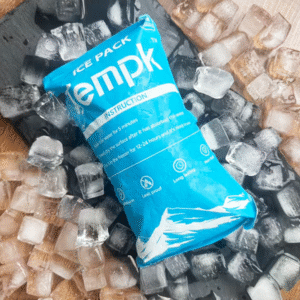
Adopter emballage réutilisable: Enveloppements pilotes biodégradables et packs de glace réutilisables sur certains itinéraires; suivre les commentaires des clients et les économies de coûts.
Cas du monde réel: Une installation de stockage frigorifique de 268 000 pieds carrés dans le Maryland a installé un système solaire sur le toit produisant plus de 2.5 millions de kWh par an, réduire les coûts énergétiques et les émissions de carbone.
Comment les réglementations et les forces du marché stimulent-elles les investissements ?, modernisation des infrastructures et partenariats?
Règlements, les événements géopolitiques et la confiance des investisseurs façonnent l’évolution de la technologie de la chaîne du froid. Les troubles géopolitiques et les perturbations commerciales ont augmenté les temps de transit et réduit la capacité disponible. Les tarifs douaniers et les nouveaux accords commerciaux modifient les flux commerciaux, obliger les entreprises à améliorer leur efficacité et leur résilience. Les infrastructures vieillissantes d’entreposage frigorifique, souvent construites il y a 40 à 50 ans, doivent être modernisées.; pression réglementaire pour éliminer progressivement les hydrofluorocarbones (HFC) les réfrigérants intensifie ce besoin.
Les études de marché montrent une forte activité d’investissement et d’innovation. La taille du marché mondial de la chaîne du froid a été estimée à USD 316.34 milliards en 2024 et devrait croître à un rythme 19.2 % CAGR de 2025 à 2030. Un autre rapport prévoit que le marché passera de l'USD 416.91 milliards en 2025 en USD 1,240.29 milliards 2033, un 14.6 % TCAC. Le secteur emploie plus de 576,300 personnes et ajouté 26,800 nouveaux emplois au cours de la dernière année.
Les investisseurs investissent des capitaux dans les startups de la chaîne du froid, avec une taille moyenne de cycle d'investissement de USD 56.2 millions et plus de 1,600 investisseurs participant. Les dépôts de brevets ont augmenté 36.6 % annuellement, et plus 2,800 des brevets ont été déposés dans le monde entier. Autrement dit, l'industrie innove rapidement.
Croissance du marché et tendances des investissements
| Métrique | 2025 valeur ou tendance | Implication pour vous |
| Taille du marché | USD 436.30 milliards en 2025, projeté en USD 1,359.78 milliards 2034. | Signale d’énormes opportunités; un investissement précoce peut conquérir des parts de marché. |
| Taux de croissance annuel | 13.46 % TCAC 2025-2034; 19.2 % TCAC 2025-2030. | Une expansion rapide suggère que la concurrence va s’intensifier; se concentrer sur la différenciation. |
| Nouveaux emplois | Sur 26,800 emplois ajoutés en un an. | La demande de talents augmente; investir dans la formation et la rétention de la main-d’œuvre. |
| Croissance des brevets | 36.6 % augmentation annuelle avec 2,800+ brevets déposés. | L’innovation s’accélère; protégez votre propriété intellectuelle et surveillez les technologies émergentes. |
| Activité d'investissement | Valeur moyenne du cycle d'investissement USD 56.2 million; plus que 1,600 investisseurs. | Le financement est disponible; les partenariats avec les investisseurs peuvent accélérer la croissance et l’adoption de nouvelles technologies. |
Conseils pratiques
Améliorer les installations de manière proactive: Évitez les pénalités de conformité et profitez des incitations pour les améliorations économes en énergie et les réfrigérants naturels..
Rechercher des partenariats stratégiques: Collaborer avec des fournisseurs de technologie, les fournisseurs d’emballages et les réseaux logistiques pour améliorer la visibilité et partager les ressources.
Surveiller les changements de politique: Restez informé des nouveaux accords commerciaux, tarifs et réglementations sur les réfrigérants pour ajuster les opérations et les prix.
Cas du monde réel: Une grande entreprise de logistique s'est associée à plusieurs entreprises technologiques pour intégrer des capteurs IoT, Analyse IA et blockchain, résultant en 20 % délais de livraison plus rapides et réduction des pertes.
Comment la technologie de la chaîne du froid évoluera-t-elle 2025 et au-delà?
Les prochaines années apporteront des changements transformateurs dans la technologie de la chaîne du froid. Les experts soulignent plusieurs tendances qui façonnent l’industrie:
Automatisation et robotique
Robotique d'entrepôt: Systèmes automatisés de stockage et de récupération, palettiseurs robotisés et véhicules à guidage autonome (AGV) réduire les coûts de main d’œuvre et améliorer le débit.
Drones du dernier kilomètre: Les drones émergents à température contrôlée promettent une livraison rapide de petites charges utiles, en particulier pour les produits pharmaceutiques et les denrées périssables de grande valeur.
Outils de décision utiles
Vérifiez les détails avant de choisir l'emballage
Ces outils rapides peuvent vous aider à comparer le risque d'itinéraire, besoins de dimensionnement, choix de liquide de refroidissement, et les détails de l'emballage avant de demander un devis.
Liquide de refroidissement & Référence PCM
Comparez les options de liquide de refroidissement et de PCM lorsqu'un itinéraire nécessite une prise en charge supplémentaire de la température.
Comparez les optionsCalculateur d’accumulateurs de froid
Estimation de la quantité de pain de glace pour les expéditions réfrigérées et planification pratique des itinéraires.
Estimer les packs de glaceCalculateur de glace carbonique
Estimer les besoins en glace carbonique pour les envois congelés ou ultra-froids avant l'emballage.
Estimation de la neige carboniqueDurabilité et efficacité énergétique
Une réfrigération écologique: Le passage aux réfrigérants naturels et aux compresseurs économes en énergie réduit les émissions et favorise la conformité..
Emballage biodégradable: Les compresses froides réutilisables et les matériaux recyclables réduisent les déchets et répondent aux attentes des consommateurs.
Visibilité de bout en bout
Suivi en temps réel: Les appareils IoT et l'analyse prédictive offrent une visibilité ininterrompue, permettre des interventions proactives.
Données standardisées: Par 2025, 74 % des données logistiques devraient être standardisées, faciliter une intégration transparente dans les chaînes d’approvisionnement.
Modernisation des infrastructures
Améliorations des installations: Améliorer l'isolation, les systèmes de réfrigération et l'énergie renouvelable sur site réduisent les coûts énergétiques et répondent aux nouvelles normes réglementaires.
Extension de la capacité de stockage: De nouvelles installations à proximité des zones de production et des ports soutiennent la croissance des exportations de produits frais et de protéines.
IA et analyse prédictive
Prévision de la demande: L’IA aide à prédire la demande future de biens périssables, réduire les déchets et améliorer la planification des stocks.
Maintenance prédictive: Les capteurs et le machine learning anticipent les pannes d’équipements, assurer des opérations ininterrompues.
Croissance de la logistique pharmaceutique et des produits frais
Demande pharmaceutique: Environ 20 % des nouveaux médicaments sont des thérapies géniques et cellulaires nécessitant un contrôle strict de la température. Le chaîne du froid pharmaceutique le marché devrait atteindre USD 1,454 milliards 2029, avec un 4.71 % TCAC.
Logistique des produits frais: Le marché nord-américain de la chaîne du froid alimentaire pourrait atteindre le dollar 86.67 milliards 2025, reflétant la demande croissante de produits frais et d’aliments à base de plantes.
Partenariats stratégiques et intégration de la chaîne d’approvisionnement
Écosystèmes collaboratifs: Fabricants de produits alimentaires, les fournisseurs d'emballages et les fournisseurs de technologies forment des partenariats pour développer des solutions intégrées.
Standardisation et partage de données: Les conteneurs intelligents et les normes de données communes permettent une intégration transparente dans les chaînes d'approvisionnement, améliorer la résilience et réduire les coûts.
2025 derniers développements et tendances de la chaîne du froid
Rester informé des développements actuels vous aide à prendre des décisions plus judicieuses. Points saillants de 2025 inclure:
Croissance du marché et investissement: Des projections solides du TCAC et un financement record mettent en évidence d’immenses opportunités.
Adoption solaire: De plus en plus d'installations adoptent le stockage solaire et par batterie sur site pour gérer les coûts énergétiques et améliorer la résilience..
Intégration de l'IA: L’optimisation des itinéraires basée sur l’IA et la maintenance prédictive deviennent monnaie courante, réduire les coûts et améliorer la fiabilité.
Emballage durable: L'adoption rapide de matériaux biodégradables et de PCM réduit les déchets et soutient la conformité réglementaire.
Standardisation des données: L'adoption croissante des normes de données partagées et de la blockchain améliore la transparence et la confiance dans les chaînes d'approvisionnement..
Mises à niveau des infrastructures: Les efforts de modernisation se concentrent sur l’efficacité énergétique, amélioration de l'isolation et conformité aux nouvelles réglementations sur les réfrigérants.
Dernier progrès en un coup d'œil
Adoption de l’automatisation et de la robotique: De nombreuses installations investissent dans la manutention robotisée et les véhicules à guidage automatique pour lutter contre la pénurie de main-d'œuvre.
Une réfrigération plus verte: Les entreprises accélèrent la transition vers des réfrigérants à faible PRG et des compresseurs économes en énergie.
Projets solaires étendus: Grand installations de stockage frigorifique installer des systèmes solaires sur les toits générant des millions de kWh par an.
Les analyses du marché montrent que les startups innovantes, les entreprises en démarrage et les prestataires logistiques établis se précipitent pour développer de nouvelles solutions. Avec des centaines de startups et des milliers de brevets, la concurrence restera intense, mais il y a beaucoup de place pour la différenciation grâce au service client, durabilité et technologie avancée.
Questions fréquemment posées
Q1: Comment la technologie de la chaîne du froid garantit-elle la sécurité des produits pendant le transport?
The chaîne du froid keeps goods within strict temperature ranges using emballage isolé, véhicules frigorifiques et capteurs IoT. La surveillance en temps réel vous alerte des écarts afin que vous puissiez intervenir rapidement.
Q2: Quel rôle l’IA joue-t-elle dans l’optimisation de la technologie de la chaîne du froid?
L'IA analyse le trafic, données météorologiques et historiques pour optimiser les itinéraires, prévoir la demande et prévoir les pannes d’équipement. Cela se traduit par des livraisons plus rapides, des coûts de carburant réduits et moins d'excursions de température.
Q3: Les solutions d'énergie renouvelable sont-elles pratiques pour les petites installations de stockage frigorifique?
Oui. Les panneaux solaires combinés au stockage sur batterie offrent des coûts énergétiques prévisibles, même pour les petites opérations. Des coûts en baisse, les incitations gouvernementales et le financement par des tiers le rendent accessible aux entreprises de toutes tailles.
Q4: Comment la réglementation affecte-t-elle la technologie de la chaîne du froid?
Les réglementations exigent l’élimination progressive des réfrigérants à PRG élevé et l’application de normes strictes de contrôle de la température.. Rester conforme protège votre entreprise des pénalités et soutient les objectifs de développement durable.
Résumé et recommandations
Pour prospérer dans le monde en évolution rapide de la technologie de la chaîne du froid, vous devez adopter les technologies intelligentes, moderniser les infrastructures et s’engager en faveur de la durabilité. Le marché se développe rapidement, avec des prévisions annonçant une croissance à deux chiffres et une augmentation des investissements. Focus sur la visibilité en temps réel, Optimisation basée sur l'IA et énergies renouvelables pour réduire les coûts et améliorer la fiabilité.
Plan d'action
Évaluez votre chaîne du froid actuelle: Identifier les goulots d'étranglement dans les transports, stockage et suivi. Donnez la priorité aux améliorations qui génèrent des retours rapides.
Investir dans la technologie: Adoptez les capteurs IoT, Optimisation des itinéraires par l'IA et maintenance prédictive pour améliorer l'efficacité et réduire les déchets.
Moderniser les infrastructures: Améliorer les systèmes d'isolation et de réfrigération, adopter les énergies renouvelables et éliminer progressivement les réfrigérants à PRG élevé.
Collaborer stratégiquement: Collaborer avec des fournisseurs de technologie, les entreprises de logistique et les fournisseurs d'emballages pour partager des données et des ressources.
Rester informé: Surveiller les évolutions réglementaires, tendances du marché et innovations émergentes pour ajuster votre stratégie.
À propos du Tempk
Tempk est un innovateur majeur dans la technologie de la chaîne du froid, spécialisé dans les capteurs intelligents, systèmes de stockage automatisés et solutions économes en énergie. We leverage decades of industry experience to design integrated chaîne du froid platforms that deliver realtime visibility, analyse prédictive et opérations durables. Nos clients comprennent des producteurs de produits alimentaires, les fabricants de produits pharmaceutiques et les entreprises de logistique cherchant à protéger la qualité des produits et à réduire les coûts.
Que vous ayez besoin de moderniser des installations existantes ou d'en construire une nouvelle, chaîne d'approvisionnement résiliente, Tempk fournit des solutions sur mesure soutenues par un support expert. Notre engagement envers l'innovation vous aide à garder une longueur d'avance dans un secteur où la fiabilité et la durabilité sont essentielles..
Passer la prochaine étape
Prêt à transformer votre chaîne du froid? Contactez nos experts dès aujourd'hui pour planifier une consultation. Nous vous aiderons à évaluer vos besoins, recommander les bonnes technologies et vous guider dans leur mise en œuvre. Ensemble, nous construirons un lieu plus sûr, un avenir plus vert et plus efficace pour vos produits sensibles à la température.