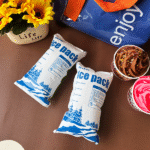
Maintenir le aliments surgelés chaîne froide et chaîne du froid laitière est essentiel pour la sécurité alimentaire, qualité et rentabilité de l'entreprise. Vous pourriez être surpris que les produits surgelés doivent souvent rester en dessous de –18 °C. (0 °F) ou même plus froid, tandis que le lait doit être refroidi à 4 °C (39 °F) ou moins dans les heures qui suivent la traite. Le non-respect de ces plages entraîne une détérioration, perte de revenus et même maladies d'origine alimentaire. Cet article, mis à jour 1 Décembre 2025, s'appuie sur des recherches récentes et des directives de l'industrie pour expliquer les exigences en matière de température, meilleures pratiques, nouvelles technologies et tendances que vous devez connaître.
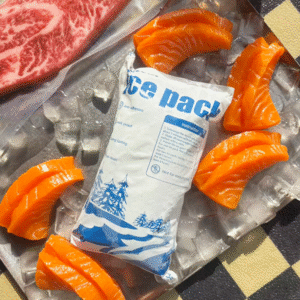
À quelle température faut-il conserver les aliments surgelés?
Les aliments surgelés comprennent les viandes, fruits, légumes et plats préparés. Le segment congelé de la chaîne du froid couvre généralement des températures comprises entre –16 °C et –20 °C, alors que congélateur fait référence à des conditions plus froides allant jusqu'à –80 °C. Selon une prévision de l'industrie, les desserts laitiers glacés comme la crème glacée nécessitent –20 °C à –23 °C, et la plupart des produits alimentaires surgelés se situent entre –18 °C et –25 °C.. Garder les produits dans cette gamme ralentit les réactions biochimiques et préserve la texture et les nutriments.
La science derrière les plages de température gelées
Des températures plus basses inhibent les enzymes et les microbes responsables de la détérioration. Les chercheurs classent les plages de température de la chaîne du froid comme suit : ambiant (15–20 ° C), cool (2–15 °C), froid (–9 °C à 2 °C) et gelé (≤ –10 °C). Lorsque les produits sortent de leur zone désignée, la qualité se dégrade rapidement. Les aliments surgelés conservés au-dessus de leur plage recommandée peuvent subir des brûlures de congélation, formation de cristaux de glace et croissance microbienne pendant la décongélation. Inversement, surgelé peut endommager la structure des tissus dans les aliments délicats comme les baies ou les fruits de mer.
Bonnes pratiques et directives de sécurité en matière de chaîne du froid pour les aliments surgelés
Répondre: Maintenir continuellement des températures inférieures à zéro, minimiser l’exposition à l’air ambiant et mettre en œuvre une surveillance en temps réel.
Pré-refroidissement et congélation rapide: Immédiatement après la production ou la récolte, les aliments doivent être refroidis à leur température cible. Le pré-refroidissement arrête la respiration et la croissance bactérienne; les retards peuvent déclencher une détérioration rapide.
Entreposage frigorifique zoné: Les installations devraient prévoir des zones séparées pour les produits congelés (0 °F ou moins) et réfrigéré (35–40 °F) produits. Cela évite la contamination croisée et permet le stockage de plusieurs produits sans abus de température..
Surveillance en temps réel: Des capteurs et des enregistreurs de données suivent la température, humidité et performances des équipements. Au moins tous les points de contact : entrepôt, camion et emballage – doivent être surveillés pour détecter les écarts et envoyer des alertes.
Emballage et isolation: Utilisez des boîtes d'expédition isolées, expéditeurs de palettes et panneaux isolés sous vide pour réduire le transfert thermique. Ces technologies maintiennent les températures stables pendant le transport et la livraison du dernier kilomètre.
Formation et procédures opérationnelles standard (Sops): Le personnel doit comprendre les techniques de chargement, gestion des portes et comment répondre aux alarmes. Les SOP garantissent des pratiques cohérentes dans toutes les installations.
Plans d'intervention d'urgence: Développer des protocoles en cas de panne de courant, pannes ou retards d’équipement. Des actions correctives rapides réduisent les pertes de produits.
Tableau 1 – Zones de température et aliments surgelés typiques
| Zone de température | Gamme | Aliments typiques | Avantage pratique |
| Congelé | –18 °C à –25 °C | Plats préparés, fruits, légumes, fruit de mer | Préserve la texture et les nutriments; ralentit les réactions enzymatiques |
| Congélateur | ≤ –20 °C à –80 °C | Glace, vaccins, échantillons biologiques | Maintient la durée de conservation des articles très sensibles; empêche la croissance des microbes |
| Froid | –9 °C à 2 °C | Viandes réfrigérées, certains produits laitiers | Inhibe les bactéries tout en évitant les dommages causés au congélateur |
| Ambiance contrôlée | 55–70 °F (13–21 °C) | Produits de longue conservation | Empêche la perte de chaleur pour les produits nécessitant une température ambiante |
Conseils et suggestions pratiques
Petite épicerie: Utiliser couvertures de palettes isolées et matériaux à changement de phase pour maintenir des températures inférieures à zéro pendant les pannes de courant. Investissez dans des thermomètres numériques avec alertes automatisées pour réduire les contrôles manuels.
Distributeur régional: Optimiser les itinéraires pour réduire le temps de séjour; choisissez des partenaires d'entreposage frigorifique dotés de plusieurs quais de chargement et d'un débit rapide. Intégrez les systèmes de gestion d’entrepôt aux données de surveillance pour améliorer la visibilité.
Start-up de produits surgelés: Évaluer les options d'emballage telles que les panneaux isolés sous vide. Les expéditeurs de palettes réutilisables réduisent les déchets et soutiennent les objectifs de développement durable.
Exemple de cas: Un distributeur alimentaire de taille moyenne a mis en œuvre des capteurs IoT et des analyses prédictives sur l'ensemble de sa flotte en 2024. Les écarts de température ont chuté de 15 % à 3 %, économiser des milliers de livres de produits, tandis que l'optimisation des itinéraires a réduit la consommation de carburant de 12 %. Cela illustre comment la technologie peut protéger les stocks gelés et améliorer les marges..
Comment la chaîne du froid laitière garantit-elle la sécurité et la qualité?
Produits laitiers – lait, beurre, le fromage et le yaourt sont hautement périssables. Le lait cru doit être refroidi à 45 °F (7 °C) ou moins dans les deux heures suivant la traite et maintenu à cette température pendant le stockage et le transport. Les produits pasteurisés doivent également être refroidis et conservés à ≤ 45 °F (7 °C). Dans les transports, les camions frigorifiques conservent le lait entre 0 °C et 4 °C, tandis que le beurre, le fromage et le yaourt peuvent nécessiter des réglages légèrement différents.
Réponses directes et faits cruciaux
Limites de température: Le lait commence à se détériorer rapidement au-dessus 40 °F (4.4 °C). À 32-40 °F, le lait reste frais pendant 5 à 7 jours, mais à 45 La durée de conservation en °F tombe à 2 à 3 jours.
Base réglementaire: L'ordonnance sur le lait pasteurisé de catégorie « A » (BP) nécessite que le lait cru et pasteurisé soit refroidi à 45 °F (7 °C) ou moins dans les deux heures et maintenu à cette température. FSMA 204 (à compter de janvier 2025) impose la traçabilité des aliments à haut risque au sein 24 heures.
Stockage spécifique au produit: Le lait est généralement conservé entre 0 et 4 °C; le beurre ramollit dessus 10 °C et perd sa texture; le fromage peut se fissurer s'il est conservé trop froid ou trop chaud. Le yaourt contient des cultures vivantes endommagées par les variations de température.
Défis et solutions dans la gestion de la chaîne du froid laitière
Répondre: Les défaillances de la chaîne du froid des produits laitiers proviennent souvent de fluctuations de température, stockage incohérent et surveillance inadéquate. Les solutions incluent une réfrigération avancée, entretien des équipements et formation du personnel.
Fluctuations de température: Des pannes ou un chargement inapproprié provoquent des pics de température. Les camions frigorifiques multizones autorisent le lait, beurre et fromage pour voyager ensemble tout en maintenant des températures différentes.
Conditions de stockage incohérentes: Les entrepôts plus anciens peuvent avoir une isolation inefficace; le placement de produit crée des points chauds. La mise à niveau de l'équipement et l'amélioration du flux d'air résolvent ces problèmes.
Problèmes de surveillance et d’enregistrement des données: Les problèmes de connectivité et les pratiques manuelles peuvent masquer les écarts. Les capteurs sans fil et les tableaux de bord basés sur le cloud offrent une visibilité continue.
Impact économique et réputation de la marque: Le lait avarié entraîne des pertes financières directes, rappels et atteinte à la confiance dans la marque. Une chaîne du froid laitière robuste protège à la fois les revenus et la réputation.
Tableau 2 – Défis, impacts et solutions dans la chaîne du froid laitière
| Défi | Impact sur la qualité des produits laitiers | Solution recommandée |
| Pics de température pendant le transport | Croissance bactérienne; aigreur; durée de conservation réduite | Utiliser des véhicules pré-refroidis, mettre en œuvre un refroidissement multizone et une surveillance en temps réel |
| Conditions de stockage incohérentes | Modifications de texture et de goût; détérioration accrue | Améliorer l'isolation, entretenir les équipements de réfrigération et optimiser le placement des produits |
| Surveillance inadéquate | Écarts manqués; violations de conformité | Déployer des thermomètres et enregistreurs de données intelligents; former le personnel à la lecture et à la réponse aux alarmes |
| Temps d'arrêt prolongés et retards d'itinéraire | Risque accru d’abus de température et de prolifération microbienne | Optimiser les itinéraires; planifier un chargement et un déchargement efficaces; utiliser le GPS et l'IoT pour la visibilité |
Conseils pratiques pour les praticiens de la chaîne du froid laitière
Producteurs de lait: Investissez dans des camions-citernes isolés en acier inoxydable dotés de systèmes de refroidissement avancés. Pré-refroidir le lait pour 4 °C avant chargement; désinfecter les réservoirs entre les expéditions pour éviter toute contamination.
Transformateurs de fromages et yaourts: Conservez les fromages à pâte molle et les yaourts ci-dessous 4 °C pour protéger les cultures vivantes; utiliser un contrôle de l’humidité pour empêcher le séchage de la surface.
Distributeur ou détaillant: Mettre en œuvre des SOP pour la réception des expéditions: vérifier les journaux de température, faire pivoter le stock en utilisant FIFO (Premier arrivé, Premier sorti) et éviter de laisser les produits laitiers à température ambiante plus de deux heures.
Éducation du consommateur: Encourager les consommateurs à conserver les réfrigérateurs à ≤ 40 °F (4 °C) et des congélateurs à 0 °F (–18 °C). Rappelez-leur de ne pas laisser de lait ou de beurre sur le comptoir pendant plus de deux heures.
Exemple de cas: Dans des camions réfrigérés exploités par Sub Zero Reefers, le lait est conservé entre 0 °C et 4 °C pendant que le beurre, le fromage et le yaourt occupent des zones séparées. Le refroidissement multizone empêche la contamination croisée par la température, et une surveillance en temps réel alerte les conducteurs de tout écart. En suivant ces directives, l'entreprise laitière livre systématiquement des produits frais et réduit les déchets.
Quelles technologies et tendances façonnent la chaîne du froid dans 2025?
La chaîne du froid évolue rapidement. Les analystes estiment que le marché mondial de la chaîne du froid a atteint environ $405 milliards en 2024 et grandira jusqu'à $393–453 milliards à la fin de 2025. Les projections à long terme prévoient un $1.63 marché d'un billion de dollars par 2035, avec une croissance en tête en Asie-Pacifique. Plusieurs tendances sont à l’origine de cette expansion:
1. Digitalisation et visibilité en temps réel
Capteurs IoT, analyse prédictive, L'IA et la blockchain offrent une visibilité constante de la température, humidité et emplacement. Les modèles d'apprentissage automatique prédisent les pannes d'équipement et les perturbations d'itinéraire, économiser du carburant et éviter la détérioration. Par exemple, l’adoption de l’optimisation des itinéraires basée sur l’IA devrait augmenter d’ici 35 % par 2028, réduisant la consommation de carburant jusqu'à 15 %.
2. Automatisation et robotique
Les installations de stockage frigorifiques automatisées et robotisées réduisent les coûts de main-d'œuvre et les erreurs. Les entrepôts dits « éteints » fonctionnent avec une intervention humaine minimale. La robotique aide également à la palettisation, récupération et déplacement de marchandises dans des conditions inférieures à zéro, améliorer la sécurité des travailleurs.
3. Réfrigération durable et efficacité énergétique
Réfrigérants naturels, les entrepôts alimentés à l’énergie solaire et les camions frigorifiques électriques réduisent les émissions de carbone. L’UE et la Corée du Sud éliminent progressivement les réfrigérants à PRG élevé et introduisent des mandats pour des alternatives plus vertes. Les emballages réutilisables et les expéditeurs de palettes réduisent encore davantage les déchets.
4. Pression réglementaire et traçabilité
La réglementation accélère l’adoption de la technologie. Le Règle de la FSMA 204 exige des aliments à haut risque aux États-Unis. être traçable à l'intérieur 24 heures. Les bonnes pratiques de distribution de l’UE exigent la tenue d’archives numériques, et l’OMS impose une surveillance continue des vaccins. La conformité stimule les investissements dans les enregistrements numériques et les outils de surveillance.
5. E-commerce et attentes des consommateurs
L'épicerie en ligne et le commerce électronique stimulent la demande de services de chaîne du froid. MarketDataForecast note qu'environ 14 % de la nourriture mondiale est perdue entre la récolte et la vente au détail en raison d’un mauvais contrôle de la température, et les consommateurs s'attendent de plus en plus à avoir accès toute l'année à des aliments frais et surgelés.. Presque 99 % des acheteurs exigent la transparence de la chaîne d’approvisionnement et 75 % sont prêts à changer de marque s'ils ne le reçoivent pas.
Tableau 3 - Clé 2025 les tendances de la chaîne du froid et leurs avantages
| S'orienter | Description | Importance pratique |
| Surveillance en temps réel & IoT | Capteurs dans les camions, les entrepôts et les emballages capturent la température, humidité et emplacement | Permet une réponse immédiate aux écarts; améliore la conformité et réduit les déchets |
| Optimisation d'itinéraire basée sur l'IA | L'apprentissage automatique prédit les pannes d'équipement et optimise les itinéraires de livraison | Réduit la consommation de carburant jusqu'à 15 %, réduit les retards et les pertes |
| Réfrigérants naturels & Réfrigérateurs EV | Remplacement des réfrigérants à PRG élevé par des options respectueuses de l'environnement; adoption de camions frigorifiques électriques ou hybrides | Réduit l’impact environnemental, réduit les coûts énergétiques et répond aux exigences réglementaires |
| Enregistrements numériques & traçabilité | FSMA 204, Les directives de l'UE en matière de PIB et de l'OMS exigent la tenue de registres électroniques et une traçabilité rapide | Assure la préparation au rappel; renforce la confiance des consommateurs; évite les amendes |
| Emballage innovant | Boîtes d'expédition isolées, expéditeurs de palettes avec matériaux à changement de phase et panneaux isolés sous vide | Garde les produits au frais plus longtemps; permet la livraison du dernier kilomètre sans réfrigération active |
| Automation & robotique | Des robots gèrent la palettisation, récupération et opérations dans des environnements de congélation | Améliore l'efficacité, réduit les coûts de main-d’œuvre et améliore la sécurité |
Suggestions pratiques pour la mise en œuvre de nouvelles technologies
Adoptez les plateformes IoT: Choisissez des systèmes qui intègrent l'entrepôt, capteurs de transport et d’emballage. Recherchez des tableaux de bord qui envoient des alertes automatisées et enregistrent les données pour des raisons de conformité..
Planifier pour la durabilité: Lors de la mise à niveau de la réfrigération, envisager les réfrigérants naturels et les systèmes économes en énergie. Les panneaux solaires peuvent alimenter les entrepôts frigorifiques et réduire les factures de services publics.
Se préparer à la FSMA 204: Mettre en œuvre des systèmes de traçabilité numérique capables de produire un historique des produits sur 24 heures. Former le personnel à tenir des registres précis.
Évaluer l’innovation en matière d’emballage: Utilisez des boîtes d'expédition isolées pour les commandes du commerce électronique et des expéditeurs de palettes avec des matériaux à changement de phase pour les charges plus importantes..
Automatisez progressivement: Commencez par la robotique pour les tâches répétitives comme l'empilage de palettes; évaluer le retour sur investissement avant de passer à des opérations entièrement « éteintes ».
Exemple de cas: Une chaîne d'épicerie a intégré l'optimisation des itinéraires par l'IA et les capteurs IoT dans sa flotte réfrigérée. La consommation de carburant a diminué 15 % et livraisons à temps améliorées. L'adoption d'expéditeurs de palettes isolées sous vide a également réduit la détérioration du dernier kilomètre en 20 %, illustrant comment la technologie et l'innovation en matière d'emballage vont de pair.
Questions fréquemment posées
Q1: Pourquoi le pré-refroidissement est-il important dans la chaîne du froid des aliments surgelés?
Le pré-refroidissement élimine la chaleur du champ des produits et des aliments transformés, arrêter la respiration et la croissance bactérienne. Les retards au cours de cette étape peuvent déclencher une détérioration rapide. Refroidissez toujours les produits à leur température cible avant le stockage ou le transport..
Q2: Combien de temps le lait peut-il rester sans danger à température ambiante?
Le lait se détériore rapidement au-dessus 40 °F (4.4 °C). À 45 °F, sa durée de conservation tombe à deux ou trois jours. À température ambiante (68 °F) le lait peut devenir dangereux en 2 à 3 heures.
Q3: Quels sont les réglages recommandés pour le réfrigérateur et le congélateur pour les consommateurs ??
Les États-Unis. La FDA conseille de conserver les réfrigérateurs au niveau ou en dessous 40 °F (4 °C) et des congélateurs à 0 °F (–18 °C). Utilisez un thermomètre d'appareil pour vérifier régulièrement ces températures.
Q4: Faire du beurre, le fromage et le yaourt ont besoin de températures différentes?
Oui. Le beurre ramollit au-dessus d'environ 10 °C, tandis que le fromage peut se fissurer s'il est congelé. Les entreprises de transport de produits laitiers utilisent donc des camions frigorifiques multi zones, conserver le lait entre 0 et 4 °C et les autres produits dans des compartiments légèrement plus chauds.
Q5: Quelles réglementations affectent les opérations de la chaîne du froid dans 2025?
FSMA 204 aux États-Unis. exige que les aliments à haut risque soient traçables 24 heures. Les bonnes pratiques de distribution de l’UE exigent la tenue de registres électroniques, et l’OMS impose une surveillance continue des vaccins. Ces règles poussent les entreprises à adopter les technologies numériques et un contrôle strict des températures..
Résumé et recommandations
Principaux à retenir
Le respect de la température n'est pas négociable. Les aliments surgelés doivent rester entre –18 °C et –25 °C., tandis que les glaces et certains desserts ont besoin de –20 °C à –23 °C. Le lait doit être refroidi à 45 °F (7 °C) dans les deux heures suivant la traite et maintenu à 0–4 °C.
Pré-refroidissement et surveillance continue Empêcher la détérioration. Utilisez des capteurs et des enregistreurs de données pour suivre la température à chaque étape et adoptez des SOP pour gérer rapidement les écarts..
Les nouvelles technologies transforment la chaîne du froid. IoT, L'IA et la blockchain offrent une visibilité en temps réel; les entrepôts automatisés et les camions frigorifiques électriques améliorent l’efficacité; et les réfrigérants naturels réduisent l'impact environnemental.
La réglementation et les attentes des consommateurs stimulent le changement. FSMA 204 et le PIB de l'UE exigent une traçabilité numérique au sein 24 heures. Les consommateurs exigent transparence et durabilité, pousser les entreprises à investir dans des, des systèmes plus intelligents.
Les solutions personnalisées sont importantes. Camions multizones, les emballages isothermes et les analyses prédictives doivent être adaptés au type de produit, longueur de l'itinéraire et climat. Une taille unique convient rarement à tous.
Prochaines étapes réalisables
Auditez votre chaîne du froid actuelle: Identifiez les fluctuations de température et les temps de séjour tout au long de la chaîne d'approvisionnement. Utilisez des enregistreurs de données pour identifier les points à haut risque.
Améliorer la réfrigération et la surveillance: Investissez dans des capteurs en temps réel, Plateformes IoT et réfrigérants naturels. Assurez-vous que les réfrigérateurs et les congélateurs sont correctement réglés (≤ 40 ° F et 0 °F respectivement).
Mettre en œuvre des systèmes de traçabilité: Cartographier les flux de produits et adopter un logiciel capable de générer des rapports de traçabilité 24 heures sur 24. S'aligner sur la FSMA 204 et exigences en matière de PIB.
Former et impliquer le personnel: Développer des SOP pour le chargement, déchargement et réponse aux alarmes. Fournir une éducation sur l’importance du contrôle de la température et de la conformité réglementaire.
Planifier pour la durabilité: Évaluer les véhicules frigorifiques électriques ou hybrides, emballages réutilisables et entrepôts alimentés à l'énergie solaire. Ces investissements réduisent les émissions et les coûts d’exploitation tout en valorisant votre image de marque.
À propos du tempk
Tempk est un fournisseur de solutions d'emballage isotherme et de chaîne du froid. Nous proposer des blocs de glace réutilisables, boîtes isothermes et sacs thermiques personnalisés conçus pour conserver les aliments, produits pharmaceutiques et biologiques dans des plages de température strictes. Notre centre de recherche et développement innove continuellement avec de nouveaux matériaux et technologies à changement de phase pour améliorer les performances et la durabilité.. En tant que membre de l'Alliance mondiale de la chaîne du froid, nous maintenir des normes de qualité élevées et soutenir les clients à travers les changements réglementaires et l’évolution des tendances du secteur. Consulter notre équipe pour des conseils d'emballage, analyse des données de température et conception complète de la chaîne du froid.
Appel à l'action: Contactez Tempk dès aujourd'hui pour une évaluation personnalisée de la chaîne du froid et découvrez comment nos solutions peuvent protéger vos aliments surgelés et vos produits laitiers de la ferme à la table..