Comment les boîtes de transport EPP gardent les livraisons de repas fraîches
Dernière mise à jour: Décembre 2025
If you run a meal delivery service, you know temperature control is critical. EPP transport boxes are a game-changer in cold chain logistics, keeping meals fresh from kitchen to customer. Chaque année, inadequate cold chain causes up to 25% of perishable food to spoil (vs ~9% in regions with strong refrigeration). Using the right insulated packaging ensures your delivered meals stay safe and delicious, even across long distances. Dans ce guide, we’ll explore why EPP boxes are essential for meal delivery and how they benefit you.
Cet article répondra:
-
Which industries rely on cold chain transportation globally? (and why demand is rising)
-
How do EPP transport boxes improve meal delivery? (key benefits and use cases)
-
What are best practices for using EPP boxes? (tips to maximize cold chain efficiency)
-
What are the latest cold chain trends in 2025? (durabilité, technologie, and market growth)
Which Industries Drive Global Cold Chain Demand?
Many industries worldwide demand robust cold chain transportation pour assurer la sécurité des produits, with food and healthcare at the forefront. Nourriture & beverage is the largest cold chain sector, spanning everything from farm produce and dairy to meal kit deliveries and frozen foods. De même, pharmaceutical and biotech companies rely on cold chain for temperature-sensitive vaccines, médicaments, et échantillons de laboratoire. Even chemicals, produits de beauté, and fine arts industries use climate-controlled shipping to preserve product quality.
In developed countries, sur 60% of food relies on refrigerated logistics, underscoring how crucial cold chain is for daily life. Par contre, in regions lacking infrastructure, jusqu'à 25% of food can spoil before reaching consumers. This gap is driving global investments in better cold transport across all sectors. Par exemple, emerging markets in Asia and Africa are rapidly building refrigerated warehouses and fleets to support growing urban populations and e-commerce grocery services. Dans tous les secteurs, the goal is the same: maintain a stable temperature from origin to destination. Advanced packaging solutions like EPP transport boxes are a key part of meeting this goal, ensuring that whether it’s fresh seafood or prepared meals, products stay within safe temperature ranges throughout transit.
Global Growth in Cold Chain Logistics
The cold chain industry is expanding quickly to meet these needs. Par exemple, the world’s refrigerated warehouse capacity reached about 719 million cubic meters in 2020, un 16.7% augmenter de 2018. This growth has continued through 2025 as more facilities come online worldwide. The cold chain market’s value is likewise soaring – it was estimated around $405 milliards en 2024, and climbed to roughly $453 milliards en 2025 (sur 11% growth in one year). Driving factors include rising consumer demand for fresh foods, the boom in online meal kit and grocery services, and global health initiatives requiring safe vaccine distribution. Notamment, North America leads in market size, but Asia-Pacific is the fastest-growing region as developing economies invest heavily in refrigerated transport and storage.
How Do EPP Transport Boxes Improve Meal Delivery?
PPE (Polypropylène expansé) transport boxes excel at maintaining stable temperatures, which keeps meals fresh and safe during delivery. These insulated containers have thick, thermal foam walls that slow down heat transfer. Par conséquent, hot meals stay hot and cold meals stay cold for hours, preserving food quality and safety far better than non-insulated packaging. For meal delivery businesses, using EPP boxes means fewer temperature-related issues – customers receive their food at the right temperature, which boosts satisfaction and food safety compliance.
Au-delà du contrôle de la température, EPP transport boxes bring several practical benefits. They are lightweight yet exceptionally durable, so you can reuse them hundreds of times without cracking or losing performance. Unlike disposable Styrofoam boxes that often break or leak, EPP boxes withstand bumps and heavy loads, protecting meal contents even on rough rides. They are also food-grade and easy to clean (many models are dishwasher-safe), which is vital for hygiene when delivering meals daily. Surtout, adopting reusable EPP containers can significantly cut down packaging waste. Par exemple, a catering service might replace hundreds of single-use foam coolers with a few dozen reusable EPP boxes – saving money on packaging over time and reducing plastic waste. En bref, EPP boxes let you maintain a reliable cold chain for your meals while also lowering long-term costs and environmental impact.
PPE contre. Boîtes en polystyrène: Différences clés
To understand the impact of EPP boxes, it helps to compare them to traditional Styrofoam (PSE) coolers or cardboard-insulated packaging. Below is a quick comparison of EPP transport boxes versus common disposable foam boxes, and what those differences mean for your meal delivery operation:
| Aspect | Boîte de transport en PPE | Traditional Foam Box | Ce que cela signifie pour vous |
|---|---|---|---|
| Performance d'isolation | Maintains temperature for several hours (keeps food hot/cold ~4–6 hours with minimal thermal loss). | Retains temperature for a shorter period (often 2–3 hours before contents begin to warm up or cool down). | Longer delivery windows and more reliable food safety with EPP (fewer spoiled or cold meals upon arrival). |
| Réutilisabilité | Hautement réutilisable (can be used 100+ fois; durable foam doesn’t crack or break easily). | Generally single-use or low reusability (material crumbles, fissure, or loses effectiveness after a few uses). | Lower packaging costs over time and less waste generation by reusing EPP boxes repeatedly. |
| Durabilité | Tough and impact-resistant; handles heavy loads and rough handling without damage. | Fragile; sujet aux fissures, chipping, or crushing under heavy weight or impact. | EPP better protects your meals in transit and reduces the risk of leaks or spills. |
| Temperature Tolerance | Large plage de température (-40°C to ~120°C); suitable for frozen goods or hot meals, and can be sanitized with high heat. | Portée limitée (brittle in extreme cold; can warp or melt above ~80°C); not ideal for very hot contents or deep freezing. | More versatility – one EPP box can serve for ice cream or hot soup, and can be cleaned safely between uses. |
| Impact environnemental | Eco-friendly through reuse; made of recyclable material (polypropylène #5) and reduces need for disposable packaging. | Difficile de recycler; often ends up in landfills. Single-use nature leads to more plastic foam waste. | Using EPP supports sustainability initiatives and appeals to eco-conscious customers. |
Practical Tips for Cold Chain Meal Delivery
-
Catering large events: Pre-heat or pre-chill your EPP boxes before loading meals. Pour les aliments chauds, Par exemple, you can line the box with a hot water liner or keep it in a warm oven briefly to build heat retention. This ensures dishes stay above serving temperature even if transport takes longer than expected.
-
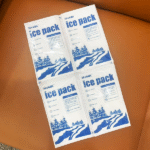
Long-distance or overnight deliveries: Pair EPP boxes with gel ice packs or phase-change ice bricks when shipping meals over many hours. The combination of passive coolant and EPP insulation can keep contents in the safe temperature zone well past 8 heures. Always test your packaging in real conditions to know its limits.
-
Frequent daily deliveries: Keep multiple EPP containers in rotation. While one set of boxes is out for delivery, have another set being cleaned and pre-conditioned (cooled or warmed) for the next round. Establish a routine for inspecting boxes for any wear and cleaning them thoroughly, so each meal goes out in a sanitary, high-performing container.
Cas réel: One regional meal-kit company switched from disposable foam coolers to EPP transport boxes in 2024. They set up a box return program so customers returned the empty boxes each week. Par conséquent, the company cut packaging waste by over 80% and saved about 30% en frais d'emballage. Plus important encore, they reported far fewer customer complaints about spoiled ingredients – even after summer deliveries, the food was arriving at safe temperatures. This real-world example shows how adopting EPP boxes can boost reliability and sustainability simultaneously.
2025 Latest Cold Chain Packaging Trends and Developments
Staying competitive in 2025 means keeping up with new cold chain innovations. This year has seen a strong push for more sustainable packaging and smarter temperature control technologies. Many countries are enacting stricter regulations on single-use plastics and foam, leading meal delivery companies to adopt reusable solutions like EPP boxes as a greener alternative. En même temps, technology is playing a bigger role – from real-time temperature trackers embedded in delivery boxes to data analytics optimizing delivery routes for efficiency. Below we highlight some key trends shaping cold chain logistics and meal delivery right now:
Dernier progrès en un coup d'œil
-
Sustainable packaging rises: Companies worldwide are phasing out Styrofoam and single-use cooling packs. Reusable EPP containers and recyclable phase-change gel packs are becoming standard to reduce waste and meet corporate sustainability goals.
-
Smart cold chain monitoring: 2025 is seeing wider use of IoT sensors and GPS trackers in cold chain shipments. Delivery boxes can now report their internal temperature and location in real time. This helps businesses immediately spot any temperature excursions and proves to clients that their meals stayed within safe ranges.
-
Expanded cold chain infrastructure: Globalement, investment in cold storage and refrigerated transport is at an all-time high. Emerging markets are adding new cold warehouses and specialized delivery vehicles. Par exemple, India and Southeast Asia have launched government-backed programs to develop cold chain networks, aiming to cut food waste and support farm-to-table supply chains.
Insistance au marché: All these trends contribute to rapid market growth. Cold chain services for food and pharma continue to expand by double digits annually. Dans 2025, the global cold chain market is on track to exceed $450 billion in value, reflecting surging demand for temperature-controlled delivery. Consumer expectations are higher than ever – people now expect grocery and meal deliveries to arrive fresh, just as if picked from the store or cooked minutes ago. To meet that expectation, companies are doubling down on quality packaging, faster cooling methods, and training their teams on cold chain best practices. Les plats à emporter: the cold chain is becoming smarter, plus vert, and more robust, and adopting innovations like EPP transport boxes keeps your operation at the forefront of these industry shifts.
Questions et réponses courantes
Q1: What is an EPP transport box, and how is it used in meal delivery?
UN: An EPP transport box is an insulated container made from Polypropylène expansé mousse. Meal delivery services use it as a high-performance cooler to keep dishes at safe temperatures in transit. Thick foam walls slow temperature change, so hot food stays hot and cold food stays cold until it reaches you.
Q2: How long can meals stay fresh in an EPP insulated box?
UN: For several hours in normal conditions. A quality EPP box can keep meals in the safe temperature zone for 4–6 heures without active cooling. By adding hot packs or ice packs, deliveries can stay hot/cold even longer – many overnight meal kit shipments arrive safe and fresh thanks to EPP insulation.
Q3: Are EPP transport boxes environmentally friendly?
UN: Oui. Les boîtes EPP sont hautement réutilisable et recyclable, which makes them much greener than single-use foam or cardboard. Using one EPP box hundreds of times prevents a huge amount of waste. And since it’s made of recyclable plastic (#5 polypropylène), old boxes can be recycled into new products at end-of-life.
Q4: Can EPP boxes be used for both hot and cold foods?
UN: Absolutely – the same box works for both. If you load it with hot meals (and maybe a heat pack), the insulation traps heat inside to keep food warm. If you pack it with chilled items and ice packs, it keeps the cold in. EPP foam doesn’t transfer heat easily, so it maintains the starting temperature you need.
Résumé et recommandations
En résumé, investir dans EPP transport boxes can greatly enhance your cold chain meal delivery. We covered how multiple industries worldwide depend on reliable cold chain packaging – especially food and healthcare. EPP boxes stand out by keeping meals at safe temperatures for hours, reducing waste from spoiled food, and cutting down on single-use packaging. Ils sont durables, réutilisable, and align with 2025’s push for sustainable, high-performance logistics solutions. By using EPP containers, you ensure fresher deliveries, des clients plus satisfaits, and a more efficient operation.
Étapes suivantes: If you’re looking to upgrade your meal delivery cold chain, start by assessing your current packaging and temperature control needs. Plan a trial with a few EPP boxes to compare their performance against your old packaging. Train your team on proper use (like pre-conditioning boxes and handling returns for reuse). Enfin, consider setting up a customer box return program or schedule to retrieve and sanitize boxes for continuous reuse. Taking these actions now will set you up for safe, rentable, and eco-friendly deliveries – keeping your business ahead of the curve.
À propos du tempk
Tempk est l'un des principaux fournisseurs de solutions d'emballage à température contrôlée for the cold chain industry. We specialize in high-performance products like EPP insulated transport boxes, which can maintain precise temperatures for food or pharmaceuticals. Our designs emphasize durability and sustainability – each Tempk EPP box is built for 500+ réutiliser les cycles and is fully recyclable at end-of-life. With global experience across meal delivery, biotechnologie, et logistique, we bring deep expertise to help your business improve quality and reduce waste in temperature-sensitive shipments.
Prêt à renforcer votre chaîne du froid? Contacter le tempk today for personalized advice or to learn how our reusable packaging can support your operation. We’re here to help you deliver freshness, en toute sécurité et efficacement.