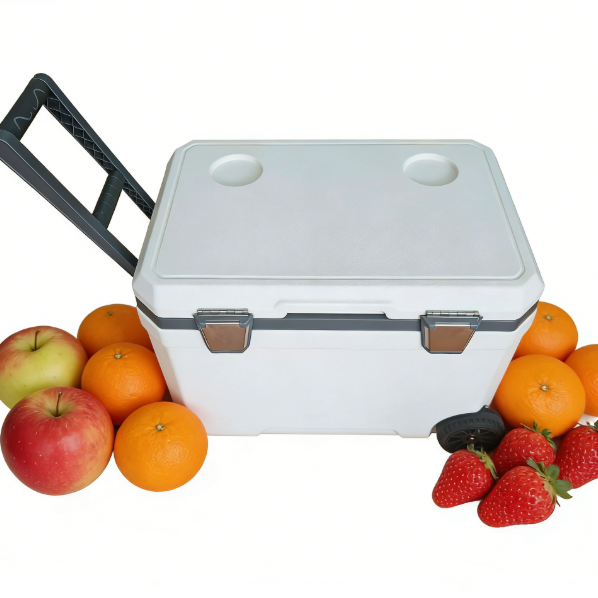
Comment choisir une livraison d'épicerie en boîte de transport EPP
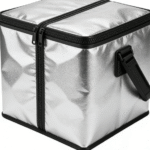
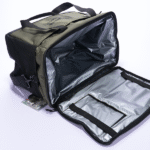
Une décision d’achat forte traite la box comme un petit système d’exploitation: matériel, fermeture, charge utile, plan de température, flux de réutilisation, et documentation. UN Boîte de transport EPP la livraison des produits alimentaires doit être évaluée en fonction de la façon dont elle protège les itinéraires de livraison des produits alimentaires lorsqu'ils sont réfrigérés ou Produits sensibles à la température passer par la cueillette, mise en scène, chargement, et transfert à domicile, la facilité avec laquelle les équipes peuvent l'utiliser, et quelles preuves soutiennent les affirmations faites sur une page de fournisseur. Pour les livreurs d'épicerie, équipes d'exécution, acheteurs logistique alimentaire, et responsables des achats packaging, la question utile n’est pas de savoir si le PPE semble fort ou durable. La question utile est de savoir si la boîte correspond à la charge utile, itinéraire, processus de transfert, routine de nettoyage, et plan d'achat sans créer de travail caché.
Réponse rapide: Une livraison d'épicerie en caisse de transport EPP est à considérer lorsque vous avez besoin d'éclairage, protecteur, emballage réutilisable format pour les itinéraires de livraison d'épicerie où les produits réfrigérés ou sensibles à la température passent par la cueillette, mise en scène, chargement, et transfert à domicile. Avant de commander, confirmer l'espace interne utilisable, ajustement de la charge utile, fiabilité de fermeture, attentes en matière de nettoyage, et si les performances déclarées sont étayées par des tests pertinents ou par la documentation du fournisseur.
Une définition claire pour les acheteurs
EPP signifie polypropylène expansé, une mousse de polypropylène moulée utilisée lorsque les acheteurs souhaitent un faible poids, absorption des chocs, récupération de forme, et support d'isolation. Ces propriétés rendent le matériau pertinent pour les itinéraires de livraison d'épicerie où les produits réfrigérés ou sensibles à la température passent par la cueillette., mise en scène, chargement, et transfert à domicile, mais l'identité matérielle à elle seule ne prouve pas qu'un conteneur convient à une expédition. Forme, structure du mur, contact du couvercle, charnières, détails de vidange ou de nettoyage, et la charge utile s'adapte à tout ce que la boîte peut faire en service.
Pour la livraison d'épicerie, la décision d'emballage se situe entre la qualité des aliments, flux de travail du pilote, et acquérir de l'expérience. La boîte devra peut-être protéger les articles réfrigérés, réduire le mouvement des produits, prendre en charge de courtes périodes de préparation, et restent suffisamment propres pour une utilisation répétée face aux clients. Les attentes en matière de sécurité alimentaire varient selon le produit et le marché, l'acheteur doit donc confirmer le nettoyage, responsabilité du contrôle de la température, et tenue des dossiers avec l'équipe des opérations ou de la qualité.
La valeur pratique vient de l’adaptation du conteneur à la charge utile, itinéraire, manutention, nettoyage, et exigences de réutilisation.
Ajuster la boîte au parcours
Un examen de l'itinéraire doit décrire l'endroit où la boîte de transport est emballée., combien de temps il attend avant l'expédition, s'il est exposé pendant le chargement, combien de transferts se produisent, et qui coche la case à la réception. Si le contrôle de la température est important, la gamme requise doit provenir du propriétaire du produit ou de l'équipe qualité, et tout liquide de refroidissement, doublure, enregistreur de données, ou l'étape de qualification doit être spécifiée séparément. Un boîtier peut supporter le système, mais cela ne remplace pas un packout validé.
Pour la livraison d'épicerie, la décision d'emballage se situe entre la qualité des aliments, flux de travail du pilote, et acquérir de l'expérience. La boîte devra peut-être protéger les articles réfrigérés, réduire le mouvement des produits, prendre en charge de courtes périodes de préparation, et restent suffisamment propres pour une utilisation répétée face aux clients. Les attentes en matière de sécurité alimentaire varient selon le produit et le marché, l'acheteur doit donc confirmer le nettoyage, responsabilité du contrôle de la température, et tenue des dossiers avec l'équipe des opérations ou de la qualité.
La principale limite est que la caisse de transport n’est pas une réponse universelle. Il ne peut pas prouver automatiquement la sécurité alimentaire, conformité pharmaceutique, qualification d'itinéraire, ou stabilité de la température. Ces résultats dépendent des exigences du produit, voie de distribution, processus de nettoyage, accessoires d'emballage, méthode de surveillance, et les documents qui montrent comment le système a été testé.
Ce qu'il faut vérifier avant de passer une commande groupée
Pour les achats, la spécification la plus sûre sépare les faits confirmés des hypothèses. Demandez les dimensions internes et externes, espace de charge utile utilisable, détails de fermeture, description du matériau, conseils de nettoyage, processus d'approbation des échantillons, et les preuves derrière toute performance déclarée. Si un fournisseur ne peut pas expliquer la condition de test derrière une réclamation, traiter cette affirmation comme un point de départ de discussion plutôt que comme une garantie d'achat.
Une conversation utile avec un fournisseur est spécifique. Au lieu de se demander si la boîte est durable, demandez comment la durabilité est vérifiée, que se passe-t-il si le couvercle se déforme, si les unités de production correspondent à l'échantillon, et quelle documentation est disponible pour le matériel, dimensions, et allégations de performance. Cela donne à l'acheteur un dossier qui peut être examiné ultérieurement par les équipes opérationnelles et qualité..
Pour la livraison d'épicerie, la décision d'emballage se situe entre la qualité des aliments, flux de travail du pilote, et acquérir de l'expérience. La boîte devra peut-être protéger les articles réfrigérés, réduire le mouvement des produits, prendre en charge de courtes périodes de préparation, et restent suffisamment propres pour une utilisation répétée face aux clients. Les attentes en matière de sécurité alimentaire varient selon le produit et le marché, l'acheteur doit donc confirmer le nettoyage, responsabilité du contrôle de la température, et tenue des dossiers avec l'équipe des opérations ou de la qualité.
Table de décision pour la révision des spécifications
Pour les achats, la spécification la plus sûre sépare les faits confirmés des hypothèses. Demandez les dimensions internes et externes, espace de charge utile utilisable, détails de fermeture, description du matériau, conseils de nettoyage, processus d'approbation des échantillons, et les preuves derrière toute performance déclarée. Si un fournisseur ne peut pas expliquer la condition de test derrière une réclamation, traiter cette affirmation comme un point de départ de discussion plutôt que comme une garantie d'achat.
Un examen de l'itinéraire doit décrire l'endroit où la boîte de transport est emballée., combien de temps il attend avant l'expédition, s'il est exposé pendant le chargement, combien de transferts se produisent, et qui coche la case à la réception. Si le contrôle de la température est important, la gamme requise doit provenir du propriétaire du produit ou de l'équipe qualité, et tout liquide de refroidissement, doublure, enregistreur de données, ou l'étape de qualification doit être spécifiée séparément. Un boîtier peut supporter le système, mais cela ne remplace pas un packout validé.
La manutention est le point où de nombreuses décisions d'emballage réussissent ou échouent. Une boîte qui semble solide dans une salle d'échantillons peut être gênante lorsque le personnel la charge sous pression, empilez-le dans une camionnette, ou nettoyez-le entre les quarts de travail. Zones de préhension, sécurité du couvercle, protection des coins, zones d'étiquetage, et le comportement d'empilage doit être examiné avec les personnes qui toucheront le conteneur quotidiennement.
| Question de l'acheteur | Que vérifier | Raison pour laquelle c'est important |
|---|---|---|
| La charge utile conviendra-t-elle réellement? | Dimensions internes, espace utilisable, séparateurs, liquide de refroidissement, et dégagement du couvercle. | Une boîte qui tient sur du papier peut échouer lorsque des biens réels et des accessoires sont emballés. |
| Le personnel peut-il le gérer facilement? | Points de préhension, sécurité du couvercle, comportement de la pile, taille pliée si pertinent, et poids chargé. | Le workflow quotidien détermine si le conteneur reste pratique. |
| L'allégation de performance est-elle justifiée? | Fiche de données, rapport d'essai, état d'emballage, ou explication du fournisseur. | Les réclamations sans conditions sont difficiles à utiliser dans le cadre des achats ou de l'examen de la qualité. |
| Peut-il être réutilisé proprement? | Méthode de nettoyage, retrait d'étiquette, routine d'inspection, et stockage après retour. | La réutilisation dépend du contrôle du processus, pas matériel seul. |
| Que se passe-t-il en fin de vie? | Itinéraire de recyclage local, risque de contamination, option de reprise, et séparation des matériaux. | La recyclabilité n'a d'importance que lorsque la valorisation est possible dans le système de l'acheteur. |
Le tableau ne remplace pas une évaluation du fournisseur. C'est un moyen pratique de transformer de vagues allégations d'emballage en questions qu'un acheteur, responsable qualité, ou l'opérateur logistique peut vérifier avant de passer une commande d'achat.
Risques opérationnels à maîtriser
La principale limite est que la caisse de transport n’est pas une réponse universelle. Il ne peut pas prouver automatiquement la sécurité alimentaire, conformité pharmaceutique, qualification d'itinéraire, ou stabilité de la température. Ces résultats dépendent des exigences du produit, voie de distribution, processus de nettoyage, accessoires d'emballage, méthode de surveillance, et les documents qui montrent comment le système a été testé.
Les erreurs courantes incluent le traitement du volume interne brut comme un espace de charge utile utilisable, accepter une réclamation de temps d'attente sans le profil de test, ignorer la manipulation du personnel, et en supposant qu'une surface d'apparence propre suffit pour un usage répété. Une autre erreur fréquente consiste à acheter un format pliable ou portable sans vérifier si la fermeture reste sécurisée après des configurations et des replis répétés..
Outils de décision utiles
Vérifiez les détails avant de choisir l'emballage
Ces outils rapides peuvent vous aider à comparer le risque d'itinéraire, besoins de dimensionnement, choix de liquide de refroidissement, et les détails de l'emballage avant de demander un devis.
Vérificateur de risque d'itinéraire
Examinez les conditions des pistes avant de sélectionner l'emballage en fonction des exigences opérationnelles réelles..
Vérifier le risque d'itinéraireDoublure de boîte & Dimensionnement des couvertures de palettes
Vérifiez la logique de dimensionnement du revêtement de boîte et du couvercle de palette pour les projets d'emballage isotherme.
Dimensionnement estiméRésistance aux chutes du matériau isolant
Examinez la résistance aux chutes et les facteurs de manipulation avant de choisir des matériaux d'isolation..
Vérifier la résistanceUn examen de l'itinéraire doit décrire l'endroit où la boîte de transport est emballée., combien de temps il attend avant l'expédition, s'il est exposé pendant le chargement, combien de transferts se produisent, et qui coche la case à la réception. Si le contrôle de la température est important, la gamme requise doit provenir du propriétaire du produit ou de l'équipe qualité, et tout liquide de refroidissement, doublure, enregistreur de données, ou l'étape de qualification doit être spécifiée séparément. Un boîtier peut supporter le système, mais cela ne remplace pas un packout validé.
Lorsqu’un contrôle supplémentaire de la température est nécessaire
Un examen de l'itinéraire doit décrire l'endroit où la boîte de transport est emballée., combien de temps il attend avant l'expédition, s'il est exposé pendant le chargement, combien de transferts se produisent, et qui coche la case à la réception. Si le contrôle de la température est important, la gamme requise doit provenir du propriétaire du produit ou de l'équipe qualité, et tout liquide de refroidissement, doublure, enregistreur de données, ou l'étape de qualification doit être spécifiée séparément. Un boîtier peut supporter le système, mais cela ne remplace pas un packout validé.
Pour la livraison d'épicerie, la décision d'emballage se situe entre la qualité des aliments, flux de travail du pilote, et acquérir de l'expérience. La boîte devra peut-être protéger les articles réfrigérés, réduire le mouvement des produits, prendre en charge de courtes périodes de préparation, et restent suffisamment propres pour une utilisation répétée face aux clients. Les attentes en matière de sécurité alimentaire varient selon le produit et le marché, l'acheteur doit donc confirmer le nettoyage, responsabilité du contrôle de la température, et tenue des dossiers avec l'équipe des opérations ou de la qualité.
La principale limite est que la caisse de transport n’est pas une réponse universelle. Il ne peut pas prouver automatiquement la sécurité alimentaire, conformité pharmaceutique, qualification d'itinéraire, ou stabilité de la température. Ces résultats dépendent des exigences du produit, voie de distribution, processus de nettoyage, accessoires d'emballage, méthode de surveillance, et les documents qui montrent comment le système a été testé.
Exemple pratique
Imaginez une équipe de livraison d'épicerie utilisant la boîte pour les commandes préparées qui attendent brièvement dans une zone de transit avant le chargement du chauffeur.. L'acheteur doit tester la rapidité avec laquelle le personnel peut emballer la commande, si le couvercle se ferme avec des hauteurs de produits différentes, comment la boîte se place dans le véhicule, et comment il est nettoyé après la livraison. Le processus d'itinéraire compte plus qu'une description de catalogue.
De la commande d'essai à l'utilisation répétée
Pour les achats, la spécification la plus sûre sépare les faits confirmés des hypothèses. Demandez les dimensions internes et externes, espace de charge utile utilisable, détails de fermeture, description du matériau, conseils de nettoyage, processus d'approbation des échantillons, et les preuves derrière toute performance déclarée. Si un fournisseur ne peut pas expliquer la condition de test derrière une réclamation, traiter cette affirmation comme un point de départ de discussion plutôt que comme une garantie d'achat.
Un examen de l'itinéraire doit décrire l'endroit où la boîte de transport est emballée., combien de temps il attend avant l'expédition, s'il est exposé pendant le chargement, combien de transferts se produisent, et qui coche la case à la réception. Si le contrôle de la température est important, la gamme requise doit provenir du propriétaire du produit ou de l'équipe qualité, et tout liquide de refroidissement, doublure, enregistreur de données, ou l'étape de qualification doit être spécifiée séparément. Un boîtier peut supporter le système, mais cela ne remplace pas un packout validé.
La manutention est le point où de nombreuses décisions d'emballage réussissent ou échouent. Une boîte qui semble solide dans une salle d'échantillons peut être gênante lorsque le personnel la charge sous pression, empilez-le dans une camionnette, ou nettoyez-le entre les quarts de travail. Zones de préhension, sécurité du couvercle, protection des coins, zones d'étiquetage, et le comportement d'empilage doit être examiné avec les personnes qui toucheront le conteneur quotidiennement.
Un autre contrôle pratique est la propriété. Si la boîte de transport est réutilisable, quelqu'un doit posséder l'inspection, nettoyage, stockage de retour, et retrait des unités endommagées. Sans cette propriété, même un conteneur solide peut devenir incohérent car différentes équipes prennent des décisions différentes à différents points de transfert.
FAQ
Est-ce qu'une boîte de transport EPP est une livraison d'épicerie automatiquement contrôlée en température?
Non. Il peut fournir un support d'isolation, mais le contrôle de la température dépend de l'emballage complet, la gamme de produits requise, choix de liquide de refroidissement ou de réfrigérant, exposition par voie, ajustement de la fermeture, et tout plan de surveillance. Les acheteurs devraient vérifier le système complet au lieu de traiter le Boîte EPP en tant que autonome expéditeur qualifié.
Que dois-je demander à un fournisseur avant d'acheter une livraison d'épicerie en caisse de transport EPP?
Demandez les dimensions internes et externes, espace de charge utile utilisable, description du matériau, détails de fermeture, conseils de nettoyage, contrôles de l'échantillon à la production, et les preuves derrière toute performance déclarée. Si des allégations de température sont faites, demandez le profil de test et s'il correspond à votre produit, charge utile, et voie.
Les emballages EPP peuvent-ils être réutilisés?
Les emballages EPP sont généralement sélectionnés pour une manipulation réutilisable car ils sont légers et résistants., mais la réutilisation dépend de la conception et du processus d'exploitation. Un acheteur doit définir le nettoyage, inspection, stockage de retour, retrait d'étiquette, et des règles de rejet afin que les unités endommagées ou contaminées ne restent pas en circulation.
Comment dois-je comparer l'EPP avec les emballages en mousse jetables?
Comparez plus que le prix unitaire. Pensez à la logistique de retour, espace de stockage, travaux de nettoyage, risque de dommages, présentation client, gestion des déchets, et si le matériau peut être récupéré localement. Les emballages jetables peuvent paraître moins chers au premier abord, tandis que les emballages réutilisables nécessitent une discipline de processus pour créer de la valeur.
Ce qui compte le plus pour la livraison de courses?
Nettoyage, chronométrage de l'itinéraire, mise en scène d'exposition, manipulation du conducteur, sécurité du couvercle, et la séparation des produits compte généralement autant que l'isolation. Si les règles de sécurité alimentaire s’appliquent, l'opérateur doit confirmer le processus requis auprès de son équipe qualité ou conformité et conserver des enregistrements si nécessaire.
Conclusion
Une boîte de transport en PPE pour la livraison d'épicerie peut être un choix judicieux lorsque le matériel, conception, et le flux de travail correspondent tous au travail. La décision la plus sûre commence par la sensibilité du produit, l'itinéraire, la charge utile, et le processus de manipulation, passe ensuite à l'examen des preuves des fournisseurs et des échantillons. Ne vous fiez pas à des mots généraux tels que réutilisable, recyclable, robuste, isolé, ou résistant aux chocs sans se demander ce qu'ils signifient dans vos conditions. Si protection contre la température, sécurité alimentaire, manipulation des échantillons de laboratoire, ou une cargaison réglementée est impliquée, traiter la boîte de transport comme une partie d'un système d'emballage et de documentation plus large.
À propos du tempk
Tempk aide les acheteurs à discuter des emballages EPP dans des termes que les équipes opérationnelles peuvent réellement utiliser. Lorsque vous évaluez une livraison d'épicerie en caisse de transport EPP, nous pouvons aider à structurer la conversation autour de la charge utile, itinéraire, intention de température, manutention, réutilisation, et documentation fournisseur. Le but n’est pas de survendre une box, mais pour rendre les spécifications suffisamment claires pour l'approvisionnement, logistique, et les équipes de qualité à examiner avant de s'engager à répéter des commandes.
Partagez votre charge utile, itinéraire, processus de manipulation, et exigence de température avec Tempk avant de choisir une livraison d'épicerie en boîte de transport EPP. Un bref examen des spécifications peut éviter qu'une mauvaise boîte ne devienne un problème logistique répété..