Comment choisir le vrac de briques de gel sans suracheter
La question utile derrière le vrac de briques de gel n'est pas simplement le modèle à acheter.. La meilleure question est de savoir si la brique, expéditeur, la charge utile et l'itinéraire peuvent fonctionner comme un seul emballage contrôlé. Une brique de gel rigide peut apporter un placement plus propre et une masse de refroidissement reproductible, mais il ne peut pas surmonter la mauvaise taille de boîte, faible isolation, mauvaise discipline de congélation ou temps de séjour imprévu. Cet article combine l'acheteur, perspectives techniques et opérationnelles afin que vous puissiez discuter des échantillons et des commandes groupées avec des spécifications plus claires et moins d'hypothèses.
La décision est vraiment une question d'ajustement contrôlé
Un acheteur peut décrire le besoin comme un vrac de briques de gel., mais la décision sous-jacente est un ajustement contrôlé. La brique doit s'adapter au produit, l'emballage et le parcours. S'il est trop petit, le tampon thermique peut être faible. Si c'est trop épais, cela peut forcer un expéditeur plus gros ou appuyer contre la charge utile. S'il est placé sans séparation, cela peut créer un risque de gel local. S'il n'est pas entièrement conditionné, même une brique bien conçue peut décevoir.
L’ajustement contrôlé est également le meilleur moyen de séparer le sourcing pratique du langage commercial.. Pour les achats en gros avec inspection à la réception, l'espace de stockage et la disponibilité opérationnelle sont aussi importants que le produit lui-même, le fournisseur doit se renseigner sur l'expédition avant de recommander une taille ou une quantité. L'acheteur doit demander comment la brique sera emballée, quelles preuves soutiennent toute performance revendiquée et ce qui doit rester inchangé entre les échantillons et la production. Cela crée une véritable spécification plutôt qu'un bon de commande vague.
La conversation la plus fiable est spécifique. Type de produit, objectif de température, dimensions internes de l'emballage, poids de charge utile, durée de l'itinéraire, exposition saisonnière, les étapes de traitement et les règles de réception à destination façonnent toutes la réponse. Si l'une de ces entrées change, la brique sélectionnée devra peut-être également changer. Ce n'est pas une faiblesse de Briques en gel. C'est la réalité du passif emballage chaîne du froid.
Ajuster par itinéraire, charge utile et manutention
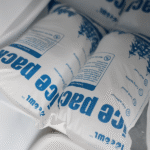
Une brique de gel rigide peut être attrayante car elle est facile à compter et à placer. Cela est important dans les emballages répétés où les opérateurs ont besoin d'un modèle de chargement cohérent.. Cela peut également être utile lorsque l'emballage comporte des espaces plats., canaux latéraux ou positions fixes. Dans un carton bondé ou un sac souple, la même rigidité peut créer des points de pression. La sélection correcte dépend du travail physique d'emballage, pas seulement sur la théorie thermique.
Pour le cas d'utilisation typique d'un entrepôt recevant plusieurs palettes de briques de gel avant le début d'un programme d'expédition saisonnier, l'itinéraire peut comporter plus de risques sur les bords qu'au milieu. Des zones de rassemblement chaleureuses, quais de chargement, véhicules de messagerie, les douanes tiennent, les retards du récepteur et les événements d'ouverture fréquents peuvent tous réduire la marge. L'acheteur doit réfléchir à l'endroit où le colis ne sera pas contrôlé et combien de temps il pourra y rester.. Une allégation de durée générique est moins utile qu’un test ou un essai qui ressemble à ces conditions.
La charge utile change également le résultat. Un produit dense, un petit flacon, un plateau en mousse, un composant de kit repas et un pack de fruits de mer ne se comportent pas de la même manière. Certains produits tolèrent un contact plus froid; d'autres ont besoin de séparation. Certaines expéditions nécessitent un environnement réfrigéré; d'autres ont besoin d'un soutien gelé. Lorsque l’exigence est étroite ou réglementée, une brique de gel standard peut ne pas suffire et un pack PCM, expéditeur qualifié ou un emballage surveillé peut être plus approprié.
| Question d'approbation | Pourquoi ça compte | Preuve ou action utile |
|---|---|---|
| Quelle doit être l'expérience produit? | La condition de température acceptée doit provenir des exigences du produit et du marché.. | Confirmer l'étiquette du produit, spécification client ou instruction qualité. |
| La brique peut-elle s'adapter sans réduire la valeur de la charge utile? | Trop de liquide de refroidissement peut augmenter les coûts de transport ou forcer un expéditeur plus important. | Mesurez l'espace interne utilisable avec un produit réel à l'intérieur. |
| Comment les opérateurs le conditionneront-ils et le chargeront-ils? | Une congélation incomplète et un placement incohérent affaiblissent la répétabilité. | Créer une carte d'emballage écrite et une routine de mise en scène du congélateur. |
| Qu'est-ce qui soutient la réclamation du fournisseur? | Les performances dépendent des conditions de test et de la conception du pack. | Demandez le contexte du test ou exécutez votre propre exemple d'essai. |
| Quels changements nécessitent un préavis? | Matériel, les changements de taille ou d’emballage peuvent modifier l’emballage. | Convenir des attentes en matière de contrôle des modifications et de l'échantillon à la production. |
Cette table d'approbation est intentionnellement courte car la plupart des mauvaises décisions échouent sur quelques points fondamentaux. Les acheteurs n'ont pas besoin de paperasse excessive pour chaque expédition à faible risque, mais ils ont besoin d'une définition commune de ce qui est acheté et de la manière dont cela sera utilisé.. Cette définition partagée réduit les litiges après la livraison.
Où le choix peut échouer
L'échec le plus courant est la commande de stock en vrac sans vérifier la capacité du congélateur., critères de formation et d'inspection des opérateurs. Un autre échec consiste à confondre durabilité du produit et assurance température.. Une brique d’apparence solide peut toujours être mal appliquée. Un sceau propre ne prouve pas que l’emballage est sécuritaire pour chaque itinéraire. Un format réutilisable ne réduit pas automatiquement le coût total. Une taille standard ne convient pas automatiquement à tous les clients. L'acheteur doit supprimer ces hypothèses avant de comparer les devis.
Le contact direct avec le produit est un autre risque. Les briques gelées peuvent créer des surfaces plus froides que l'air ambiant à l'intérieur d'un emballage. Pour les produits sensibles au gel, l'utilisation d'un séparateur ou d'une disposition différente peut être nécessaire. Les acheteurs devraient également considérer la condensation, étiquettes de produits, la résistance du carton et si le liquide provenant de la décongélation ou l'humidité extérieure peut affecter la présentation à l'arrivée. La première impression du destinataire détermine souvent si l'envoi est accepté sans contestation.
La dérive opérationnelle peut également provoquer une défaillance. Un échantillon d'essai peut être soigneusement emballé par un superviseur, alors que la production est emballée rapidement par plusieurs opérateurs. Un test peut utiliser des briques fraîchement congelées, tandis que la production quotidienne peut utiliser des briques tirées d'un congélateur bondé après une longue mise en scène. Si l'emballage dépend d'un comportement parfait, il n'est peut-être pas assez robuste pour une utilisation de routine.
Notes d’approvisionnement avant mise à l’échelle
Pour ce sujet, l'approvisionnement devrait inclure l'emballage en vrac, palettisation, cohérence des lots, flux de travail de stockage, geler la planification des délais et les contrôles d'acceptation de la qualité. Une bonne citation doit rendre ces points visibles. L'acheteur doit demander les dimensions du produit, descriptif du chantier, emballage en carton, instructions de stockage et de conditionnement, disponibilité des échantillons et toute documentation pertinente. Si un travail personnalisé est impliqué, le devis doit clarifier l'approbation du dessin, tolérance, confirmation de l'échantillon et que se passe-t-il si la production ne correspond pas à l'échantillon approuvé.
Pour les commandes en gros ou en gros, le processus de réception est important. Inspecter des cartons aléatoires, confirmer les étiquettes et le nombre de produits, vérifier les dommages visibles, et comparer les unités de production avec l'échantillon approuvé. Stockez les briques de manière à éviter tout dommage avant le gel. Si réutilisable, nettoyage séparé, objets sales et endommagés. Ces contrôles d'entrepôt sont simples, mais ils font la différence entre une spécification de produit et un programme d'expédition fiable.
Lorsque l'envoi contient des soins de santé, éléments pharmaceutiques ou internationaux, les achats ne devraient pas prendre la décision seuls. Inclure la qualité, contacts logistiques et réglementaires. Pratiques de l'IATA, Attentes en matière de PIB, Les directives de l'OMS ou les règles des clients peuvent affecter l'emballage, étiquettes, documentation ou suivi. L'exigence exacte dépend du produit, itinéraire et marché, le langage d'approvisionnement le plus sûr est donc de vérifier plutôt que de supposer.
Un moyen pratique d'exécuter l'approbation des échantillons
Commencez avec deux ou trois options d’échantillons réalistes, pas un grand ensemble aléatoire. Emballez chaque option dans l'expéditeur réel, avec la charge utile réelle ou une charge utile factice réaliste, et avec les mêmes étapes opérateur attendues lors de la production. Enregistrez la durée pendant laquelle les briques ont été conditionnées, comment ils ont été placés, comment le carton ou le sac s'est fermé, et si le produit était protégé du contact direct.
Si une surveillance de la température est nécessaire, utiliser les données pour comprendre le pack plutôt que pour créer un numéro de titre. Placez les mesures là où le risque du produit est le plus élevé et documentez l'exposition ambiante.. Comparer les conditions d'arrivée, présentation du produit, condensation, emballage cassé et commentaires de l'opérateur. Un échantillon qui donne des données acceptables mais qui est difficile à emballer peut néanmoins constituer un mauvais choix pour l'échelle..
Outils de décision utiles
Vérifiez les détails avant de choisir l'emballage
Ces outils rapides peuvent vous aider à comparer le risque d'itinéraire, besoins de dimensionnement, choix de liquide de refroidissement, et les détails de l'emballage avant de demander un devis.
Calculateur de glace carbonique
Estimer les besoins en glace carbonique pour les envois congelés ou ultra-froids avant l'emballage.
Estimation de la neige carboniqueLiquide de refroidissement & Référence PCM
Comparez les options de liquide de refroidissement et de PCM lorsqu'un itinéraire nécessite une prise en charge supplémentaire de la température.
Comparez les optionsGénérateur de liste de contrôle de conformité
Créer une liste de contrôle pratique pour l'examen des emballages, expédition, et documentation.
Construire une liste de contrôleAprès approbation, verrouiller la spécification. Notez la taille des briques, quantité, placement, séparateur, isolation, méthode de fermeture, règle de conditionnement et chèque de réception. Partagez-le avec les équipes achats et entrepôts. Si l'itinéraire, changements de produit ou de boîte, revoir le paquet à nouveau. Cela évite la lente dérive qui affaiblit souvent les programmes passifs de chaîne du froid..
FAQ
Quand les briques de gel en vrac sont-elles un bon choix?
C'est un bon choix lorsqu'une source de froid rigide s'adapte à l'emballage., supporte les conditions de température requises, peut être entièrement conditionné avant l’emballage et peut être placé de manière cohérente par les opérateurs. C'est particulièrement utile lorsque la géométrie reproductible est importante.
Quand devrais-je envisager un autre liquide de refroidissement?
Envisagez un liquide de refroidissement différent lorsque le produit nécessite une fenêtre de température plus étroite, lorsque le risque direct de gel est élevé, lorsque le parcours est trop long pour le packout testé, ou lorsque la documentation nécessite une solution plus technique.
Quelles informations sur le fournisseur dois-je demander en premier?
Demandez les dimensions, construction, poids ou remplissage si pertinent, instructions de conditionnement, emballage en carton, utilisation prévue, disponibilité des échantillons et contexte derrière toute réclamation de performance. Comparez ensuite ces réponses avec votre itinéraire et votre emballage réels.
Puis-je approuver une commande groupée après une expédition réussie?
Un envoi réussi est utile mais pas toujours suffisant. Vérifier si l'essai correspond à l'itinéraire réel, saison, charge utile, processus opérateur et conditions de réception. Pour les marchandises à risque plus élevé, des tests répétés ou un examen formel de la qualité peuvent être nécessaires.
Comment Tempk aide-t-il dans cette décision?
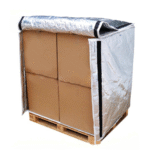
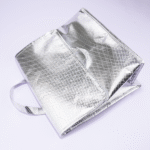
Tempk peut aider les acheteurs à discuter du pack complet, y compris les briques de gel, packs de gel, Options PCM, doublures isolées, glacières, sacs et protections de palettes. La recommandation utile dépend des détails de l'itinéraire et de la charge utile que vous fournissez.
Notes de terrain supplémentaires pour les acheteurs
Avant l'approbation finale, demander à l'équipe de l'entrepôt de manipuler l'échantillon dans des conditions normales de travail. Un produit qui semble facile lors d'un examen documentaire peut être gênant lorsque les travailleurs portent des gants, gérer de nombreux SKU ou emballer pendant une courte fenêtre de ramassage. Les retours sur le terrain révèlent souvent des problèmes qu'une fiche technique ne peut pas montrer: étiquettes peu claires, surfaces glissantes, empilage difficile, comptage lent ou similitude confuse entre les tailles.
L’inspection à la réception est tout aussi importante. Le destinataire doit savoir à quoi ressemble un bon état et ce qui doit être signalé.. Pour les expéditions de nourriture, cela peut inclure des contrôles de température du produit, aspect du produit et état de l'emballage. Pour les envois de soins de santé ou de laboratoire, il peut inclure des enregistrements de température, état du joint, délais de livraison et procédures d'escalade. La liste de contrôle exacte doit correspondre au risque du produit.
Enfin, maintenir les achats et les opérations alignés. Si les achats changent de fournisseurs, change de taille ou accepte une substitution, la carte d'emballage et les hypothèses d'essai peuvent ne plus être valides. Traitez la brique de gel comme un composant nommé dans l'emballage, il ne s'agit pas d'un accessoire interchangeable en vrac. Cette discipline fait des citations futures, l'examen des réclamations et les conversations avec les fournisseurs sont beaucoup plus faciles.
Discipline de spécification finale
Une spécification finale doit être suffisamment courte pour être utilisée et suffisamment claire pour être appliquée.. Inclure le nom du produit, dimensions, construction, fournisseur agréé, position d'emballage, quantité, règle de conditionnement et exigence d'inspection. Lorsque le même programme est géré par plusieurs équipes, entrepôts ou distributeurs, cette référence écrite empêche de petits changements de s'accumuler dans un système thermique différent.
La même discipline aide à la gestion des fournisseurs. Si un futur devis propose un prix inférieur, l'acheteur peut le comparer à la spécification approuvée plutôt que de recommencer l'évaluation. Si le fournisseur propose un matériau, changement de taille ou d'emballage, l'acheteur peut décider si un nouvel examen d'échantillon est nécessaire. C'est un contrôle de qualité pratique, pas de paperasse inutile.
Des petits détails qui protègent une grosse commande
Les commandes importantes échouent souvent à cause de petits détails non gérés. Une étiquette de carton peut ne pas identifier clairement la taille de la brique. Un entrepôt peut mélanger du stock congelé et non congelé. Un conducteur peut laisser la glacière ouverte tout en vérifiant les documents. Un destinataire peut juger l'expédition par l'apparence du produit plutôt que par une règle d'acceptation documentée.. Chaque détail semble mineur en soi, mais ensemble, ils décident si l'emballage de la chaîne du froid se comporte comme un processus contrôlé.
Pour cette raison, l'acheteur ne doit pas séparer l'approbation du produit des instructions d'utilisation. Le même document qui approuve la brique doit expliquer où elle se trouve, comment il est conditionné, comment les pièces endommagées sont rejetées et quand l'emballage doit être réexaminé. Ceci est particulièrement important lorsque le produit est utilisé sur plusieurs comptes clients., car différentes équipes pourraient autrement adapter la même brique de manière incompatible.
Conclusion
Le choix des briques de gel en vrac devrait être une décision contrôlée, pas une supposition de catalogue. Définir l'état requis du produit, confirmer l'itinéraire, mesurer l'espace d'emballage utilisable, examiner la manipulation de l'opérateur et tester l'emballage complet avant la mise à l'échelle. La bonne brique peut améliorer la répétabilité et le support à froid, mais il ne fait son travail qu'en isolation, charge utile, les instructions de conditionnement et de chargement sont alignées. Des spécifications claires et une approbation minutieuse des échantillons protègent à la fois les coûts et la qualité du produit.
À propos du Tempk
Tempk aide les acheteurs de la chaîne du froid à connecter les supports de refroidissement, planification de l'isolation et de l'emballage pour les expéditions qui nécessitent plus de discipline qu'un simple carton rempli de glace. Les briques de gel peuvent faire partie de cette discussion lors d'un placement rigide, le chargement reproductible et l’approvisionnement personnalisé ou en vrac sont importants. La meilleure étape suivante consiste à partager votre itinéraire, charge utile, objectif de température et contraintes d'emballage afin que la recommandation puisse être liée à l'expédition réelle plutôt qu'à un nom de produit générique.
Prochaine étape
Discutez de vos besoins en vrac de briques de gel avec Tempk en partageant l'itinéraire, charge utile, état cible et type d'emballage. Un point de départ précis permet de déterminer si une brique de gel, un autre liquide de refroidissement ou un examen plus complet de l'emballage est la meilleure voie.