If you are looking for a double bubble insulated liner distributor, you are really choosing a shipping partner, not just a material source. A strong partner helps you balance liner construction, box fit, refrigerant use, fulfillment speed, freight cost, and compliance risk. That matters because reflective insulation performs as part of a system, recognized test methods are used to compare real shipping designs, and both food and medical cold chain programs now expect clearer control of temperature-sensitive transport. (The Department of Energy’s Energy.gov)
What this page will help you answer
- What a double bubble insulated liner distributor should actually do for you
- How double bubble liners work in real parcel and cold chain use
- Which technical, service, and compliance signals matter most
- How sustainability and recyclability claims should be reviewed in 2026
- What next steps help you reduce risk before a full rollout
- What does a double bubble insulated liner distributor really provide?
- The best distributor provides four things at once.
D'abord, material fit. You need a liner style that matches your carton family and product risk. Flat liners, pouch liners, and pre-formed liners all solve different packing problems.
Deuxième, operational fit. Your team may need faster hand pack speed, easier storage, fewer carton sizes, or cleaner pack station flow.
Troisième, performance support. You need guidance on refrigerants, fermeture, conditionnement, and summer-versus-winter pack-outs.
Quatrième, supply confidence. A distributor should support pilot runs, mise à l'échelle, stock programs, and corrective action if dimensions drift.
How does double bubble material protect shipments?
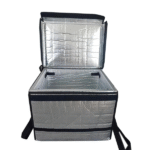
Double bubble liners use trapped air to slow heat transfer and reflective layers to reduce radiant heat gain when the design preserves an air gap. That combination is useful for many chilled and cool parcel shipments because it is lightweight, facile à ranger, and simpler to handle than bulky rigid insulation. But it is not magic. Real performance still depends on total pack design and transport exposure. (The Department of Energy’s Energy.gov)
What technical questions separate a good distributor from a weak one?
A weak source sells by thickness alone. A good distributor asks about lane, ambiant, tenir le temps, réfrigérant, et sensibilité du produit.
That matters because current packaging practice uses recognized references such as ASTM D3103 for thermal insulation comparison and ISTA 7E for thermal transport exposure in parcel-style shipment testing. A distributor does not need to run every test themselves, but they should understand what the results mean and how they apply to your use case. (association internationale de transport sécuritaire)
Ask these five technical questions
- Which box families does this liner fit best?
- What refrigerant type and loading do you recommend?
- Do you have summer and winter pack-out guidance?
- What prior testing or shipment data can you share?
- What changes require revalidation or re-approval?
What compliance issues should you keep in mind?
Pour la nourriture, transportation controls must prevent risk from poor refrigeration and poor protection, et aux États-Unis. rules require written procedures when temperature control is needed for safety. For medical and pharma-related flows, WHO good distribution guidance and IATA temperature-control requirements reinforce the need for controlled handling, surveillance, et documentation. (NOUS. Food and Drug Administration)
So if you serve food, biologique, diagnostic, ou produits de santé, your distributor should be comfortable supporting:
documented pack-out instructions
- temperature logger use where needed
- batch traceability
- change control on dimensions or materials
- qualification planning for seasonal lanes
How should you judge sustainability claims in 2026?
This is where many buyers get trapped. “Eco,” “green,” and even “recyclable” can be too vague if no one explains what the claim really means. The FTC says environmental benefit claims should be backed by reliable evidence, and recyclable claims must reflect real access to recycling. En même temps, EU packaging policy is pushing the market toward recyclable packaging, lower virgin material use, réduction des déchets, and clearer consumer sorting. (Federal Trade Commission)
That means you should ask:
- Is the whole liner recyclable or only part of it?
- In which markets is that disposal path realistic?
- Is there recycled content, and how is it calculated?
- Can we reduce box size or refrigerant first before changing material?
- Do you have a take-back or recovery option for related components?
- A simple 3-minute distributor self-check
- Score each question from 1 à 5.
- Can they explain how the liner works in your actual box?
- Can they provide documented testing logic or trial guidance?
- Can they state clear lead times and stock status?
- Can they speak to compliance without overpromising?
- Can they explain sustainability claims in plain language?
- A distributor scoring under 18 is usually a risk for a serious rollout.
- What trends are shaping buyer decisions right now?
- Three trends are shaping this category in 2026.
Proof over promises. Buyers want test logic, lane thinking, and monitoring options instead of generic insulation language.
Moins de déchets, more clarity. EPA still places reuse and recycling higher than disposal, and EU reform keeps pushing packaging systems toward lower waste and better recyclability. (EPA des États-Unis)
More visibility. IATA notes rising use of IoT cargo devices such as data loggers and trackers, especially where visibility can reduce loss in perishable and pharmaceutical shipping. (国际航空运输协会)
FAQ
What is the biggest advantage of a double bubble insulated liner distributor?
You get liner supply plus converting support, pack-out advice, stock planning, and a faster path to consistent shipping performance.
Are double bubble liners suitable for all cold chain shipments?
Non. They are strong for many chilled and short-to-medium parcel applications, but long frozen or highly validated programs may need a different system.
What document should I request first?
Ask for a size list, construction summary, stock status, and any available thermal comparison or shipment trial guidance.
Should I choose the lowest quoted price?
Only if fit, travail, fret, and failure risk are already controlled. Cheapest unit price is often not lowest total cost.
How do I start safely with a new distributor?
Run a pilot with your exact carton, product load, réfrigérant, and seasonal lane, then review both product condition and packing efficiency.
Summary and next step
The right double bubble insulated liner distributor helps you solve three problems at once: shipment protection, operational consistency, and procurement clarity. If a supplier can explain the material, fit it to your box family, support real testing logic, and speak honestly about sustainability, you are much closer to a dependable cold chain program.
À propos du tempk
Et tempk, we help teams choose thermal packaging with a practical cold chain mindset. We focus on system performance, operational usability, and clear documentation so you can move from sample to scale with fewer surprises and better shipping confidence.