Introduction
Choosing an EPP box manufacturer isn’t just about buying containers; it’s about protecting sensitive goods, reducing waste and meeting strict regulations. Polypropylène expansé (PPE) boîtes, with their closed-cell foam, keep temperature-sensitive products within safe ranges for 72–96 hours, survive drops from 1.5 m and can be reused over 500 fois. In this guide you’ll discover how EPP boxes work, how to evaluate a manufacturer and why the right choice can improve your cold-chain operations.
Cet article répondra:
What makes EPP boxes ideal for cold-chain logistics? Discover the insulation, strength and reusability that set EPP apart.
How do EPP boxes compare with EPS and EPE? A comparison of thermal performance, durability and recyclability based on data.
Which factors matter when selecting an EPP box manufacturer? Understand quality standards, personnalisation, return programmes and customer support.
Where do EPP boxes shine? Explore industry-specific applications from pharmaceuticals to meal-kit delivery.
How can you extend an EPP box’s life? Apprenez les meilleures pratiques en matière d'emballage, scellage, cleaning and return logistics.
What are the trends shaping EPP box manufacturing in 2026? Examiner la croissance du marché, regulation and new technologies.
Why are EPP boxes the gold standard for cold-chain logistics?
PPE, or expanded polypropylene, is a lightweight particle foam that combines insulation and durability. EPP boxes maintain cold temperatures for 72–96 hours when paired with eutectic plates because millions of tiny air pockets slow heat transfer. This closed-cell structure also provides a high strength-to-weight ratio—these boxes withstand drops from 1.5 m and compressive loads of 11–15 psi without cracking. They tolerate temperatures from –40 °C to +110 °C, allowing one container to handle frozen vaccines and hot meal deliveries. Their low water absorption (<5 %) and resistance to oils and chemicals mean you can clean and sterilize them repeatedly.
How does EPP packaging compare with other foams?
| Matériel | Conductivité thermique (W / m · k) | Réutilisabilité | Plage de température | Signification pratique |
|---|---|---|---|---|
| PPE | 0.25–0,26 | 500+ cycles | –40 °C – +110 °C | Provides long-lasting insulation and survives rough handling. |
| PSE (polystyrène élargi) | ≈ 0.036 | Usage unique | –30 °C – +70 °C | Cheap but brittle; often ends up in landfill. |
| EPE/PUR (expanded polyethylene or polyurethane) | 0.034–0,04 | <10 uses | –60 °C – +80 °C | Softer cushioning but less rigid; harder to recycle. |
À retenir: EPP’s combination of insulation, impact resistance and reuse makes it the best choice for long-distance cold-chain shipments, even though it costs more initially. The longer service life lowers the total cost of ownership.
What benefits do EPP boxes provide in practice?
Lightweight strength: The foam’s low density (15–100 kg m⁻³) means even large boxes are easy to carry. This reduces worker fatigue and shipping costs.
Shock absorption: Le PPE rebondit après la compression, protecting delicate goods from drops and vibration.
Réutilisabilité: One box can be reused more than 500 fois, saving resources and complying with sustainability regulations.
Chemical resistance: The non-porous surface resists oils, acids and solvents, preventing contamination and allowing easy cleaning.
Stabilité thermique: EPP remains stable across a wide temperature range. This versatility simplifies inventory: you can standardize on one container for frozen, chilled or hot goods.
Conception personnalisable: Manufacturers can adjust foam density, integrate handles, add RFID tags or sensors and mold complex shapes.
Recyclabalité: EPP is a single thermoplastic; boxes are fully recyclable at end of life.
How do EPP boxes compare with EPS and EPE for cold-chain packaging?
Performance et durabilité: EPP’s resilience allows it to absorb shocks and return to its original shape. Le PSE est fragile et se fissure facilement, while EPE provides cushioning but lacks structural rigidity. Pour les expéditions fréquentes, EPP’s toughness translates into fewer damaged goods.
Rétention thermique: EPP boxes with eutectic plates maintain cold temperatures for 72–96 hours, far outperforming EPS containers, which often last 24–48 hours. PUR and EPE provide mid-range performance but usually weigh more or degrade faster.
Environmental impact and regulations: Le règlement européen sur les emballages et les déchets d’emballages (PP) requires packaging to be recyclable by 2030. Because EPP is fully recyclable, it meets these rules, whereas EPS often ends up in landfills.
Coût et coût total de possession: Although EPP boxes cost more initially, they last hundreds of cycles, lowering replacement and disposal costs. Rental models with IoT tracking can cut payback periods to fewer than eight shipping cycles.
Flexibility and customization: EPP foam can be molded into varied shapes with integrated handles, RFID tags and sensors. EPS and EPE lack this versatility.
What should you look for in an EPP box manufacturer?
Choosing a reliable EPP box manufacturer is critical for quality and longevity. Use these criteria to evaluate suppliers:
1. Material quality and testing
A reputable manufacturer should provide data on density, thermal conductivity and compressive strength. High-density EPP (40–60 kg m⁻³) offers energy absorption of 20–40 kJ m⁻² and compressive strength of 0.3–2.5 MPa. Demandez des certifications (Par exemple, ISO 9001 for quality management) and third-party test reports.
2. Customization and engineering support
Your supply chain is unique. Look for manufacturers that offer custom molds, integrated handles, partitions and sensor pockets. They should use computer-aided design and simulation to optimize wall thickness and foam density. EPP’s closed-cell foam is easy to mold into complex forms, but expert design ensures proper insulation and durability.
3. Compliance and sustainability
Choose manufacturers that adhere to FDA 21 CFR 600.15 and EU Good Distribution Practice for pharmaceutical shipments. Verify compliance with PPWR and Extended Producer Responsibility (EPR) règles, which require recyclable packaging and may levy fees for non-compliant materials. Ask whether the manufacturer participates in chemical recycling initiatives or uses recycled polypropylene feedstock.
4. Service and return logistics
A good EPP box manufacturer helps you design and manage return and reuse programmes. Les systèmes de dépôt peuvent récupérer jusqu'à 80 % de boîtes, and foldable designs reduce return shipping volume by 40 %. Check whether the supplier offers cleaning services, repair or replacement programmes.
5. Scalability and lead times
Demand for EPP boxes is rising—the insulation box sector is worth US$2 billion in 2025 et grandissant à 7 % TCAC. Make sure your manufacturer can scale production without compromising quality. Renseignez-vous sur la capacité de production, mold change flexibility and lead times for custom orders.
6. Industry expertise and support
Suppliers with deep experience in pharmaceuticals, nourriture, e-commerce or electronics can provide tailored advice. They should understand regulatory nuances (Par exemple, temperature validation protocols, Lignes directrices du PIB) and offer training on packing, monitoring and maintenance. Consider companies that collaborate with IoT sensor providers to integrate temperature loggers and GPS tracking.
Where do EPP boxes deliver the most value?
Food and beverage logistics
Restaurants, grocers and meal-kit services need containers that keep perishable items fresh from the warehouse to your door. EPP boxes maintain chilled temperatures for up to 96 heures, allowing for unpredictable delivery windows. Their light weight improves handling, and the foam’s resilience protects fragile ingredients.
Conseil pratique: Pre-cool gel packs overnight and place them around the food for maximum thermal efficiency. Fill any empty space with dividers or fillers to reduce air pockets.
Produits pharmaceutiques et biotechnologie
Vaccins, insulin and monoclonal antibodies require strict temperature control and shock protection. Les boîtes EPP offrent une isolation constante, hold 2–8 °C ranges for 72–96 hours, resist moisture and chemicals and allow integration of IoT sensors for real-time monitoring. They comply with FDA and EU regulations.
Conseil pratique: For ultra-cold biologics (< –60 °C), combine EPP with vacuum-insulated panels (VIPs) or active cooling systems.
E-commerce and meal kits
Direct-to-consumer (D2C) grocery and meal-kit businesses value packaging that is lightweight, reusable and brand friendly. EPP’s durability appeals to sustainability-conscious customers. The Asia–Pacific cold-chain market is growing at 12 % TCAC, creating opportunities for companies that adopt EPP solutions.
Conseil pratique: Use collapsible EPP boxes to save up to 60 % d'espace lorsqu'il est vide, reducing return shipping volume and warehousing costs.
Industrial and laboratory uses
Beyond food and pharma, EPP boxes protect laboratory samples, chemicals and high-value electronics. High-density grades (40–60 kg m⁻³) dampen vibrations and shield sensitive equipment from oils and solvents. Custom inserts keep components secure during transport, and the wide temperature range allows sterilization or autoclave use.
Conseil pratique: For electronic equipment, add foam inserts shaped to the component and clean the box with mild detergent after each trip to remove oily residues.
Medical supply chain case study
Hospitals and clinics often require lightweight packaging due to manual handling limits. EPP resembles Styrofoam but is much sturdier and more durable. It offers optimal protection for medical devices because its shock-absorbing properties prevent damage. De plus, EPP packaging is reusable and suitable for return logistics; a supplier of surgical kits used EPP cases to recover unused instruments, saving costs and reducing hospital storage requirements. After the boxes reach end of life, the material can be ground up and reused, reinforcing sustainability.
How to extend the lifespan of your EPP boxes
Choose the right density and size
Faire correspondre la densité à la charge utile: Pour charges lourdes ou longs trajets, select high-density foam (40–60 kg m⁻³). Medium densities suffice for lighter loads.
Right sizing: Use a box that fits your product snugly to reduce void space and improve temperature stability.
Consider collapsible designs: Foldable EPP boxes save 60 % d'espace lorsqu'il est vide, easing reverse logistics.
Pair with appropriate coolants
Différents produits nécessitent différents supports de refroidissement:
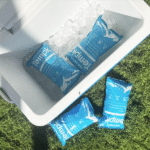
Gel packs and phase-change materials: Ideal for chilled pharmaceuticals and fresh foods.
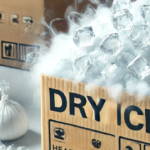
Glace sèche: Suitable for frozen goods at –20 °C or lower.
VIP panels or active cooling: Essential for ultra-cold biologics (< –60 °C).
Ensure proper sealing and ergonomics
Select boxes with flush-fitting lids and gaskets to minimize air leakage.
Use ergonomic handles or straps to ease last-mile delivery.
Customise inserts or dividers to secure vials and prevent shifting.
Implement return and cleaning programmes
Return programmes: Encourage customers to return boxes via deposit schemes; reclaim rates can reach 80 %.
Protocoles de nettoyage: Wash boxes with mild soap and water; EPP’s non-porous surface makes it easy to sanitise.
Usure du moniteur: Inspect boxes for cracks or warping and recycle damaged units.
Leverage decision tools and interactive guides
Modern cold-chain platforms offer size calculators, self-assessment checklists and monitoring add-on selectors. These tools help you choose the right box size, density and sensors, improving user engagement and ensuring your packaging configuration matches product requirements.
2026 trends shaping EPP box manufacturing
Croissance et perspectives du marché
The EPP insulation box sector is valued at US$2 billion in 2025 et grandit à 7 % CAGR à travers 2033. Entre-temps, the broader cold-chain packaging market stood at US$32.29 billion in 2025 and is projected to reach US$48.93 billion by 2030. Temperature monitoring devices are the fastest-growing segment, en expansion à 12.95 % TCAC, reflecting the integration of IoT sensors into packaging.
Sustainability and regulatory pressures
Consumers increasingly prioritise hygiene, shelf life and environmental impact—75 % of surveyed consumers focus on hygiene and food safety, alors que 51 % prendre en compte l'impact environnemental. Regulations such as the EU PPWR and Extended Producer Responsibility fees incentivise recyclable and reusable packaging. Businesses are shifting toward circular economy models, designing packaging that can be reused and recycled.
Innovations technologiques
Optimisation des itinéraires basée sur l'IA: Des algorithmes analysent le trafic, weather and delivery windows to reduce fuel use and improve reliability.
Blockchain pour la traçabilité: Des registres immuables enregistrent chaque étape du parcours d’un produit, améliorer la conformité et la confiance des consommateurs.
Réfrigération à énergie solaire: Solar cold-chain solutions are expanding access in regions with limited electricity.
Capteurs IoT et packaging actif: Smart containers monitor temperature, humidité et localisation en temps réel. EPP boxes often integrate sensor pockets to hold these devices.
Matériaux écologiques: Companies are exploring compostable foams and bio-based additives for EPP.
Market insights and new processes
The expanded polypropylene foam market was valued at US$2.2 billion in 2025 and is projected to reach US$5.1 billion by 2035. Avancées en matière d’efficacité de production, comme une ligne de traitement lancée en avril 2025 that reduced bead expansion time by 18 %—are lowering costs. Les méthodes de recyclage chimique en cours de développement pourraient réduire davantage les coûts des matières premières et améliorer la durabilité. Automotive manufacturers use EPP foam to lighten vehicles and improve crash safety, and electronics companies have cut screen breakage by 35 % after adopting EPP transport modules, illustrating cross-industry innovation.
Questions fréquemment posées (FAQ)
Q1: Combien de temps une boîte EPP peut-elle garder les produits au froid?
With properly conditioned eutectic plates or gel packs, an EPP box maintains cold temperatures for 72–96 hours. Vacuum-insulated panels or active cooling systems can extend this duration.
Q2: Combien de fois puis-je réutiliser une boîte EPP?
Avec une manipulation et un nettoyage appropriés, you can reuse a box more than 500 times without significant loss of performance.
Q3: Le PPE est-il plus écologique que le PSE?
Oui. EPP is a single thermoplastic that is 100 % recyclable and free of chemical blowing agents, alors que le PSE finit souvent dans les décharges et présente de faibles taux de recyclage.
Q4: Les boîtes EPP sont-elles adaptées aux produits pharmaceutiques et aux vaccins?
Absolument. EPP containers maintain 2–8 °C ranges for 72 heures, can integrate sensors for monitoring and resist moisture and chemicals, meeting FDA and EU guidelines.
Q5: Quelle est la période d’amortissement pour passer aux boîtes EPP réutilisables?
Although EPP boxes cost more initially, rental models with IoT tracking can reduce payback periods to fewer than eight shipping cycles. Over their lifespan, the long service life and lower spoilage rates save on replacement costs and waste fees.
Q6: Do chemical-resistant EPP boxes exist?
Oui. Chemical-resistant EPP boxes shrug off oils, acids and solvents. They maintain 2–8 °C or –18 °C for up to 96 hours and can withstand 500 réutiliser les cycles. These features make them ideal for pharmaceutical and food shipments prone to spills.
Q7: What density of EPP should I choose for heavy products?
Pour charges lourdes ou longs trajets, opt for high-density foam (40–60 kg m⁻³). Higher densities enhance strength and insulation but add some weight.
Q8: How do I clean and sanitise EPP boxes?
Wash boxes with a mild detergent after each trip and allow them to dry completely. EPP’s chemical resistance means repeated cleaning won’t degrade the foam.
Q9: Can EPP boxes be customized with sensors?
Oui. Manufacturers can mold sensor pockets or integrate RFID tags to enable real-time monitoring of temperature, humidité et emplacement.
Q10: What are the latest innovations in EPP box design?
Advances include foldable designs that reduce return volume by 40 %, hybrid boxes that combine EPP with VIP panels for longer hold times, and integration of IoT sensors and blockchain for traceability.
Résumé et recommandations
Points clés: EPP boxes provide superior insulation and durability, maintain cold temperatures for 72–96 hours, endure drops and compressive loads, et peut être réutilisé 500 fois. Their recyclability meets stringent regulations and sustainability goals. Market demand is rising, with the EPP box sector valued at US$2 billion and growing at 7 % TCAC, porté par les produits pharmaceutiques, meal kits and e-commerce..
Des conseils concrets:
Évaluez vos expéditions: Déterminer les exigences de température, journey duration and fragility. If your products travel long distances or require strict temperature control, EPP boxes provide clear advantages.
Select a reputable manufacturer: Look for certified quality, custom design capabilities and strong sustainability commitments.
Implement a return programme: Encourage customers to return boxes and track usage. Collapsible designs reduce return volume and lower logistics costs.
Intégrer la surveillance: Use IoT sensors to track temperature, humidité et emplacement. Real-time data helps maintain product integrity.
Rester informé: Keep up with emerging technologies and regulations, such as AI logistics, blockchain and the EU PPWR. Early adoption ensures compliance and competitive advantage.
À propos du tempk
Tempk is a leader in reusable cold-chain packaging solutions. We specialize in EPP box manufacturing, offering durable, insulated containers that maintain temperature for days while supporting over 500 réutiliser les cycles. Our research and development team continuously improves foam formulations and integrates smart technologies such as IoT sensors and blockchain-ready labels. We prioritize sustainability: every box is fully recyclable, and our production facility implements chemical recycling processes to lower environmental impact. En choisissant Tempk, you gain reliable temperature control, reduced waste and compliance with 2030 recyclability mandates. Contact us to design custom EPP solutions tailored to your business needs.
Appel à l'action: Ready to upgrade your cold-chain operations? Reach out to Tempk’s experts for a free consultation. We’ll help you select the right EPP box and integrate return programmes and monitoring tools to ensure your shipments arrive safely, sustainably and on budget.