Comment choisir le meilleur sac thermique en 2025
Sacs thermiques ne sont plus de simples accessoires de pique-nique : ils sont indispensables pour protéger vos repas, produits d'épicerie et médicaments. Demande croissante de loisirs de plein air, les kits de repas et les produits pharmaceutiques sensibles à la température ont poussé le marché des glacières isothermes d'environ USD 846.6 millions en 2025 à un USD projeté 1.57 milliards 2035. Comprendre comment fonctionnent ces sacs et comment choisir le bon peut vous faire économiser de l'argent, réduire les déchets et protéger la santé. Ce guide vous aidera à choisir en toute confiance le meilleur sac thermique pour vos besoins.
Cet article répondra:
Qu'est-ce qu'un sac thermique et comment ça marche? Une explication claire de l'isolation multicouche et des raisons pour lesquelles les films réfléchissants et la mousse ralentissent le transfert de chaleur..
Comment choisir le bon sac? Conseils pour faire correspondre la taille du sac, type de mousse et qualité d'étanchéité adaptés à votre itinéraire et à votre budget.
Quels matériaux et quelle construction comptent le plus? Comparez EPE, Pe, Mousses EVA et PU et voyez comment les coutures et l'étanchéité affectent la durabilité.
Où sont utilisés les sacs thermiques? Explorez les applications allant des repas scolaires et pique-niques à la livraison de produits pharmaceutiques.
Quels types de sacs thermiques existent? Apprenez les différences entre les softsides, rigide, glacières pour sacs à dos et camping.
Quelles sont les dernières innovations pour 2025? Découvrez les glacières intelligentes, inserts modulaires, matériaux biodégradables et pourquoi une meilleure étanchéité et des conceptions réutilisables sont importantes.
Qu'est-ce qu'un sac thermique et comment ça marche?
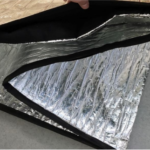
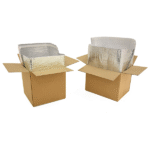
Un sac thermique est un conteneur portable conçu pour ralentir le transfert de chaleur, garder le contenu froid ou chaud plus longtemps. Contrairement à un sac à lunch monocouche, les sacs thermiques modernes présentent une construction multicouche: un tissu extérieur résistant, un noyau en mousse, un film réfléchissant et une doublure intérieure de qualité alimentaire. Chaque couche joue un rôle distinct:
| Couche | But | Avantages pour vous |
| Tissu extérieur | Protège l'isolation intérieure de l'abrasion et de l'humidité | Les tissus durables tels que le tissu Oxford ou le PET recyclé résistent aux déchirures et à la saleté., garantir que le sac dure plus longtemps et reste présentable. |
| Noyau en mousse (EPE, Pe, EVA ou PU) | Crée des poches d'air qui ralentissent le transfert de chaleur | Les mousses à cellules fermées offrent des valeurs R plus élevées (jusqu'à R. 6.0 par pouce), pour que vos aliments restent froids ou chauds pendant des heures. |
| Film réfléchissant | Reflète la chaleur rayonnante du sac | De fins films d'aluminium ou métallisés augmentent l'isolation globale et préservent les articles chauds et froids.. |
| Doublure intérieure | Fournit une sécurité alimentaire, surface essuyable et scelle les coutures | Des matériaux comme le PEVA ou le plastique soudé empêchent les fuites et facilitent le nettoyage. |
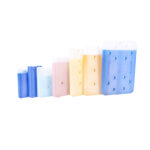
Ces couches travaillent ensemble pour minimiser la conduction, convection et rayonnement. La mousse emprisonne l'air pour réduire la conduction, l'air immobile à l'intérieur limite la convection, et le film réfléchissant redirige la chaleur rayonnante vers le contenu ou loin de lui.. Pour les produits surgelés, vous pouvez associer une isolation en mousse avec glace carbonique ou haute résistance packs de gel, tandis que les produits réfrigérés utilisent des packs de gel et que les articles ambiants dépendent uniquement de l'isolation..
Principaux matériaux d'isolation et leurs performances
En comparant les sacs thermiques, faites attention au noyau en mousse. Différentes mousses offrent des profils de performances et de coûts distincts:
Polyéthylène expansé (EPE): Léger et abordable, La mousse EPE garde généralement les articles au froid pendant 4–8 heures. C’est idéal pour les sacs à lunch, courses d'épicerie et déplacements courts mais se comprime avec le temps, réduisant la capacité isolante.
Polyéthylène (Pe): Avec une densité et une résistance à la compression plus élevées, La mousse PE favorise le refroidissement 6–10 heures. Il équilibre le coût et les performances, ce qui le rend adapté aux glacières d'excursion ou aux livraisons d'épicerie.
Acétate d'éthylène-vinyle (Eva): Plus dense et plus durable, La mousse EVA peut maintenir le refroidissement pendant 10–24 heures. On le trouve dans les glacières haut de gamme et les bacs de livraison robustes.
Polyuréthane (Unité centrale): Commun dans les refroidisseurs durs, La mousse PU retient le froid pendant 24–72 heures. Certains sacs semi-rigides intègrent de fins panneaux en PU pour des performances sur plusieurs jours.
UN 8 Sac en mousse EPE de 30 mm avec papier d'aluminium contenant des blocs de glace en dessous 10 ° C pour 6.5 heures et plats chauds ci-dessus 50 ° C pour 4.2 heures sous 25 Conditions ambiantes °C. Conceptions haut de gamme utilisant des panneaux isolés sous vide (Vips) et matériaux à changement de phase (PCMS) peut maintenir la température du vaccin pendant plus de 72 heures, démontrant comment l'épaisseur de l'isolation et le choix du matériau influencent le temps de maintien.
Choisir le bon sac thermique
La sélection du meilleur sac thermique dépend de l'utilisation prévue, budget, et préférences en matière de durabilité. Considérez ces facteurs:
Taille, Capacité & Longueur de l'itinéraire
Adaptez le sac à votre chargement. Les sacs surdimensionnés gaspillent de la glace et de l'espace, tandis que les sacs sous-dimensionnés risquent des excursions de température. Un sac moyen (15–20 litres) convient à la plupart des commandes d'épicerie; choisissez deux sacs plus petits pour les itinéraires multi-escales.
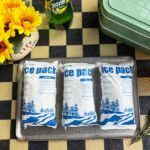
Tenir compte du volume de glace. Pour maintenir des températures sûres, allouer 20–30 % de la capacité du sac pour les packs de glace ou de gel.
Pensez au temps d'attente. Les sacs Softcooler fournissent généralement 4–12 heures de rétention de froid, jusqu'à épuisement des glacières haut de gamme 24–72 heures avec une mousse plus épaisse ou des PCM. Si vous livrez des produits pharmaceutiques, vérifier que le sac peut maintenir 2–8 ° C pour tout votre parcours.
Matériels & Construction
Isolation en couches: Recherchez un tissu extérieur résistant, mousse de haute valeur, film réfléchissant et doublure intérieure de qualité alimentaire.
Qualité d'étanchéité: Rabats plus larges, les fermetures éclair améliorées et les fermetures magnétiques réduisent l'infiltration d'air chaud. Les coutures soudées et les poignées renforcées prolongent la durée de vie du sac.
Modularité: Les inserts modulaires et les doublures rigides permettent la séparation des produits surgelés et réfrigérés, rendant le chargement plus efficace et empêchant la contamination croisée.
Durabilité & Réutilisation
La durabilité est un moteur majeur dans 2025. Les conceptions réutilisables et les matériaux respectueux de l'environnement réduisent les déchets et séduisent les consommateurs soucieux de l'environnement.. Les options incluent:
Polymères recyclés & mousses biodégradables: Les nouvelles mousses écologiques se dégradent jusqu'à 94 % dans quatre ans tout en offrant une isolation comparable.
Sacs à base de papier ou recyclables en bordure de rue: Des produits comme FibreCool et CelluLiner combinez l’isolation avec la recyclabilité en bordure de rue. FiberCool utilise une conception monobloc qui améliore la rétention de la température jusqu'à 30 % par rapport aux sacs en papier standards. La structure en papier multicouche de CelluLiner emprisonne les poches d'air isolantes et est recyclable en bordure de rue.
Systèmes réutilisables: Le marché des emballages réutilisables à température contrôlée atteint USD 2.5 milliards en 2024 et devrait doubler d'ici 2033. Les programmes de réutilisation minimisent les déchets à usage unique et intègrent souvent un suivi numérique pour garantir des retours sûrs.
Fonctionnalités intelligentes & Intégration IoT
Les sacs thermiques évoluent au-delà de l’isolation passive. Les modèles modernes intègrent alimentation portable, modules thermoélectriques et connectivité Bluetooth pour transformer les glacières en appareils multifonctionnels. Les innovations clés incluent:
Capteurs et surveillance: Les sacs thermiques intelligents intègrent des capteurs qui surveillent la température et l'humidité internes. Ces capteurs se connectent via Bluetooth ou Wi-Fi aux applications mobiles, fournir des données en temps réel.
Éléments chauffants rechargeables: Les radiateurs intégrés peuvent maintenir la chaleur pendant les longs transits, Surtout pour les repas chauds.
Codes RFID ou QR: Les étiquettes intégrées rationalisent la gestion des stocks et la logistique.
Applications utilisateur: Les données des capteurs aident les répartiteurs à ajuster les itinéraires et à garantir que les aliments et les produits pharmaceutiques arrivent en toute sécurité.
Les fonctionnalités intelligentes mettent également l'accent pensée systémique, y compris la formation packout, routines de nettoyage et programmes de réutilisation pour garantir des performances constantes et réduire les déchets.
Applications et avantages: Comment les sacs thermiques vous facilitent la vie
Les sacs thermiques sont utilisés dans plusieurs industries et scénarios quotidiens. Voici comment ils peuvent vous être utiles:
Livraison de nourriture & Kits de repas
La livraison de repas à domicile a augmenté, et les consommateurs s'attendent à ce que ce soit rapide, service fiable sans se soucier de la température. Les entreprises de livraison utilisent des sacs thermiques pour maintenir la qualité des aliments jusqu'à ce que le colis arrive à la porte. Sacs de livraison isothermes comme Refroidisseur peut protéger le contenu pour jusqu'à 24 heures, avec une construction à bulles d'aluminium, couches extérieures résistantes à l'eau et poignées pratiques. CelluLiner les sacs sont recyclables en bordure de rue et offrent 2 à 24 heures d'isolation efficace.
Épicerie & Livraison en pharmacie
Les chaînes d'épicerie et les pharmacies comptent sur des sacs thermiques pour conserver les denrées périssables, vaccins et médicaments dans des plages de température sûres pendant le dernier kilomètre. Lorsque les colis sont déposés devant la porte des clients, ils peuvent rester dehors pendant des heures. Les sacs thermiques créent un tampon, combler le fossé entre les centres de distribution et les consommateurs. Pour des temps de maintien modérés, choisissez des sacs en mousse PE ou EVA milieu de gamme; pour les expéditions sur plusieurs jours, pensez à la mousse PU ou aux PCM.
Médicaments & Vaccins
La plupart des vaccins doivent être conservés à 2–8 ° C pour rester efficace. Jusqu'à 50 % of vaccines are wasted globally due to chaîne du froid failures. Haute performance sacs plus frais l'utilisation de matériaux à changement de phase peut maintenir ces températures pendant plus que 72 heures, ce qui les rend essentiels pour la distribution du dernier kilomètre. La conformité réglementaire est également importante : les emballages doivent respecter le PIB, Normes IATA et ISTA.
Récréation de plein air & Voyage
Que vous alliez à la plage, camping ou talonnage, un sac thermique garde les boissons froides et les aliments frais. Nouveau modèles à roues et refroidisseurs durs légers introduit dans 2024 sont à la hauteur 30 % plus léger que les unités rotomoulées comparables. L’alimentation portable et l’éclairage LED élargissent encore les cas d’utilisation, transformer votre glacière en station de travail mobile ou en centre de divertissement.
Industriel & Marchandises sensibles à la température
Au-delà de l'utilisation par le consommateur, les sacs thermiques jouent un rôle essentiel dans le transport de produits biologiques, chimie de spécialités et électronique. Le Emballage de la chaîne du froid le marché est en plein essor, avec une valeur de environ USD 27.7 milliards en 2025 et les attentes à atteindre USD 102.1 milliards 2034. Les analystes segmentent ce marché en conteneurs isothermes (40 % partager) et expéditeurs de palettes (25 %). Les produits pharmaceutiques représentent 55 % de la demande, tandis que la nourriture et les boissons représentent 35 %. La sélection du bon sac ou conteneur thermique est essentielle pour la conformité réglementaire et l'intégrité du produit..
Types de sacs thermiques: Trouvez la solution idéale
Sacs à parois souples
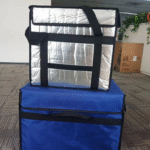
Ces sacs souples sont fabriqués à partir de tissu et de mousse, les rendant légers et pliables. Ils sont idéaux pour les courses quotidiennes, déjeuners et livraisons courtes. La plupart gardent les articles au frais pendant 4–12 heures. Recherchez des rabats plus larges et des fermetures éclair de qualité pour minimiser l'infiltration d'air chaud.
Refroidisseurs rigides
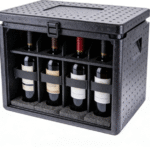
Les glacières rigides utilisent souvent de la mousse PU épaisse ou des panneaux sous vide, fourniture 24–72 heures de rétention de froid. Ils sont parfaits pour les voyages en camping, transport longue distance ou produits pharmaceutiques nécessitant un contrôle strict de la température. Les modèles à roulettes facilitent le transport et peuvent inclure une alimentation ou des haut-parleurs intégrés.
Sac à dos & Glacières portables
Les sacs à dos isolés allient mobilité et isolation efficace. Ils comportent généralement de la mousse EVA, offre 10–24 heures de rétention de froid. Utilisez-les pour la randonnée, livraisons à vélo ou déplacements avec des denrées périssables. De nombreux modèles incluent des sangles ergonomiques et des poches pour téléphones ou clés.
Sacs thermiques spécialisés
Sacs électriques ou chauffants: Utilisez des éléments chauffants rechargeables pour garder les aliments au chaud pendant le transport.
Outils de décision utiles
Vérifiez les détails avant de choisir l'emballage
Ces outils rapides peuvent vous aider à comparer le risque d'itinéraire, besoins de dimensionnement, choix de liquide de refroidissement, et les détails de l'emballage avant de demander un devis.
Calculateur de banquise
Estimation de la quantité de pain de glace pour les expéditions réfrigérées et planification pratique des itinéraires.
Estimer les packs de glaceGénérateur de liste de contrôle de conformité
Créer une liste de contrôle pratique pour l'examen des emballages, expédition, et documentation.
Construire une liste de contrôleSélecteur d'emballage
Comparez les options d'emballage isotherme par produit, itinéraire, et besoin de température.
Trouver un emballageSacs intelligents: Les capteurs intégrés fournissent des données de température et d'humidité en temps réel via des applications.
Sacs biodégradables: Les modèles à base de papier comme FiberCool et CelluLiner combinent isolation et recyclabilité en bordure de rue.
Innovations et tendances pour 2025
L'industrie des sacs thermiques évolue rapidement. Les consommateurs exigent plus d’intelligence, des produits plus durables avec des temps de tenue plus longs, moins de glace et une manipulation plus facile. Les principales tendances comprennent:
Fonctionnalités intelligentes & Pensée systémique: Alimentation portable, les modules thermoélectriques et la connectivité transforment les refroidisseurs en appareils multifonctionnels. La pensée systémique met l’accent sur la formation, routines de nettoyage et programmes de réutilisation pour des performances constantes.
Étanchéité améliorée & Modularité: Rabats plus larges, les fermetures magnétiques et les fermetures éclair améliorées réduisent l'infiltration d'air chaud, tandis que les inserts modulaires séparent les produits surgelés et réfrigérés.
Durabilité & Matériaux biodégradables: Polymères recyclés, les mousses biodégradables et les doublures à base de papier se dégradent plus rapidement tout en conservant leurs performances thermiques. Les sacs recyclables en bordure de rue comme FiberCool et CelluLiner gagnent du terrain.
Léger & Modèles à roues: Les refroidisseurs durs ultralégers sont à la hauteur 30 % plus léger que les modèles conventionnels, améliorer la portabilité. Les glacières sur roues gagnent en popularité pour les sorties en famille et le camping.
Surveillance intelligente & Données: Capteurs de température, Les enregistreurs Bluetooth et les emballages compatibles IoT offrent une visibilité en temps réel. La prise de décision basée sur les données permet d'optimiser les itinéraires et de réduire les excursions.
Kits prêts à l'emploi: Les kits d'expédition thermique préassemblés réduisent la complexité de l'emballage et améliorent la cohérence.
De marque & Solutions DTC: Imprimé sur mesure emballage thermique améliore la reconnaissance de la marque et prend en charge la livraison directe au consommateur.
Comment utiliser et entretenir votre sac thermique
Suivez ces bonnes pratiques pour maximiser les performances et la longévité:
Emballage & Contrôle de la température
Prérefroidir le sac: Placez le sac dans un environnement frais avant de le charger pour prolonger le temps de maintien.
Utilisez le bon réfrigérant: Choisissez des packs de gel pour les produits réfrigérés et de la glace carbonique ou des packs de glace à haute résistance pour les articles surgelés.. Regroupez les éléments similaires pour minimiser l’espace vide.
Minimiser les ouvertures: Chaque fois que tu ouvres le sac, L'air chaud entre. Planifiez votre itinéraire pour réduire les ouvertures inutiles.
Nettoyage & Entretien
Essuyez la doublure avec du savon doux et de l'eau tiède; rincer et sécher complètement avec le sac ouvert.
Évitez les solvants agressifs, sauf s'ils sont approuvés par le fabricant..
Inspectez régulièrement les joints et les fermetures éclair; remplacer les pièces endommagées pour maintenir l'isolation.
Stockage & Réutilisation
Rangez le sac dans un endroit sec, endroit frais lorsqu'il n'est pas utilisé.
Pour les systèmes réutilisables, mettre en œuvre des boucles de retour et des programmes de réparation pour maximiser la durée de vie.
Suivez les directives de recyclage locales pour les sacs à base de papier ou biodégradables.
Sacs thermiques vs. Other chaîne du froid Packaging
The broader chaîne du froid packaging market includes insulated containers, expéditeurs de palettes, réfrigérants et dispositifs de surveillance. Les sacs thermiques offrent plusieurs avantages:
Portabilité: Ils sont légers et faciles à transporter, parfait pour la livraison du dernier kilomètre et pour un usage personnel.
Flexibilité: Les sacs souples peuvent se comprimer lorsqu'ils sont vides, espace de sauvegarde.
Rentabilité: Investissement en capital inférieur à celui des expéditeurs rigides ou des camions réfrigérés.
Versatilité: Convient pour la nourriture, épiceries, médicaments et vaccins lorsqu’ils sont associés à des réfrigérants appropriés.
Cependant, pour les expéditions de gros volumes ou les applications ultra-froides (–80 °C), envisager des conteneurs isolés sous vide ou des expéditeurs de glace carbonique. L’emballage sous chaîne du froid est une industrie multimilliardaire qui continue d’adopter des capteurs intelligents, matériaux durables et conceptions réutilisables.
2025 Perspectives du marché et perspectives d'avenir
Le marché de l’emballage sous chaîne du froid est en plein essor, avec une forte croissance dans le secteur pharmaceutique, biologique, vaccins, aliments frais et autres produits sensibles à la température. Les analystes s'attendent à ce que le marché passe de NOUS $27.7 milliards en 2025 à NOUS $102.1 milliards 2034, motivé par la demande de livraisons sûres et de réglementations plus strictes. Les conteneurs isothermes contiennent environ 40 % de part de marché et d’expéditeurs de palettes 25 %. L’Amérique du Nord est en tête grâce à sa forte production pharmaceutique et ses services d’épicerie, tandis que l'Asie-Pacifique est la région à la croissance la plus rapide.
Pour les sacs thermiques spécifiquement, l’analyse de l’industrie projette le marché – y compris les sacs, conteneurs et refroidisseurs durs – pour grandir à partir de USD 846.6 millions en 2025 en USD 1.57 milliards 2035 à un 6.4 % TCAC. Le marché des sacs thermiques à emporter devrait connaître une forte hausse USD 250 millions en 2024 en USD 500 millions par 2033. La demande est tirée par les services de livraison de repas, outdoor recreation and chaîne du froid pharmaceuticals. Des innovations comme la surveillance intelligente, les matériaux biodégradables et l'énergie portable élargiront encore le marché.
Questions fréquemment posées
Q1: Combien de temps un sac thermique isolé garder les aliments au frais?
La plupart des sacs souples maintiennent des températures froides pendant 4–12 heures, en fonction de l'épaisseur de l'isolant, quantité de glace et fréquence d'ouverture. Glacières haut de gamme avec mousse plus épaisse, les panneaux à vide ou les PCM peuvent conserver le froid pendant 24–72 heures.
Q2: Un sac thermique peut-il garder les produits surgelés complètement congelés?
Cela peut ralentir la décongélation, mais la conservation des produits congelés dépend du temps et de la résistance de la glace. Utilisez des packs de gel plus résistants ou de la neige carbonique et regroupez les articles congelés pour minimiser l'espace vide.. Validez toujours le temps d'attente via des tests d'itinéraire réel avant de promettre des résultats.
Q3: Les sacs thermiques sont-ils adaptés aux vaccins?
Oui, lorsqu'il est validé dans le cadre d'un système complet. Les sacs haute performance utilisant des matériaux à changement de phase peuvent maintenir 2–8 °C pendant plus de 72 heures. Suivez les réglementations de votre pays et ne vous fiez pas uniquement aux réclamations concernant les bagages..
Q4: Quelle est la différence entre un sac thermique et un sac isotherme?
Les termes sont souvent utilisés de manière interchangeable. Les deux utilisent des couches de mousse, films et doublures réfléchissants pour maintenir la température. Certains fabricants réservent le « sac thermique » aux produits dotés de matériaux réfléchissant la chaleur..
Q5: Comment dois-je nettoyer mon sac thermique?
Utilisez du savon doux, de l'eau tiède et un chiffon doux. Essuyez la doublure, rincer et sécher complètement avec le sac ouvert; éviter les solvants agressifs, sauf approbation du fabricant.
Résumé & Recommandations
Principaux à retenir:
La conception multicouche est le secret de l’isolation. Les tissus extérieurs protègent, les noyaux en mousse fournissent des poches d'air, les films réfléchissants réduisent la chaleur rayonnante et les doublures empêchent les fuites. Choisir la bonne mousse affecte directement le temps de maintien.
Adaptez le sac à vos besoins. Adaptez la taille et l’épaisseur de l’isolation à votre itinéraire et à votre charge utile; allouer 20 à 30 % pour la glace.
Recherchez l’étanchéité et la durabilité. Fermetures éclair de qualité, les fermetures magnétiques et les coutures soudées réduisent l'infiltration d'air chaud et prolongent la durée de vie du sac.
Pensez à la durabilité. Polymères recyclés, les mousses biodégradables et les sacs recyclables en bordure de rue réduisent les déchets.
Restez informé des nouveautés. Glacières intelligentes, inserts modulaires, l’alimentation portable et la surveillance de l’IoT remodèlent le marché.
Plan d'action:
Définissez vos besoins: Notez votre plage de température cible, temps de route et type de charge utile.
Modèles de sacs présélectionnés: Sélectionnez deux ou trois sacs avec des niveaux et des tailles d'isolation différents; demander des données de test aux fournisseurs.
Exécutez un test réel: Emballez les sacs avec des produits et des réfrigérants typiques; mesurez la température sur votre itinéraire actuel et choisissez le plus performant.
Standardisez votre processus: Formez votre équipe aux routines d'emballage et de nettoyage pour réduire les erreurs et améliorer la répétabilité..
Surveiller et améliorer: Suivre les pertes et la maintenance; mettre en place des boucles de retour et réparer les sacs au lieu de les jeter.
À propos du Tempk
Tempk est l'un des principaux fournisseurs de Solutions de chaîne du froid, alliant expertise en ingénierie thermique et technologies de pointe. Nous concevons et validons des emballages pour produits pharmaceutiques, biotechnologie, applications alimentaires et industrielles. Notre équipe s'associe à ses clients pour développer des produits durables, des solutions rentables et conformes qui protègent l’intégrité des produits. Nous proposons des conseils, conception, qualification, tests et surveillance numérique, vous permettant de fournir des produits qui sauvent des vies en toute confiance.
Appel à l'action: Prêt à optimiser votre chaîne du froid? Contactez les experts de Tempk pour des conseils personnalisés, audits d'emballage ou démonstration pratique de nos dernières solutions de sacs thermiques.