Choisir un gel réfrigérant pour le fournisseur de produits alimentaires de la chaîne du froid pour des conditions réelles de chaîne du froid et de manipulation
La plupart des acheteurs obtiennent de meilleurs résultats avec le gel réfrigérant pour les fournisseurs de produits alimentaires de la chaîne du froid lorsqu'ils définissent pour la première fois la fenêtre de température., profil de transit, et la géométrie de l'emballage que le produit doit prendre en charge.
Pour chaîne du froid alimentaire, livraison de colis, épicerie, kits de repas, laitier, fruit de mer, et les aliments préparés, la réponse la plus fiable est généralement la même: choisissez le pack seulement après avoir connu la plage de température cible, la durée de l'itinéraire ou la fenêtre de traitement, la géométrie de la charge utile, et le niveau de documentation dont votre équipe a besoin. Cela maintient le sourcing lié à la performance plutôt qu'au langage marketing.
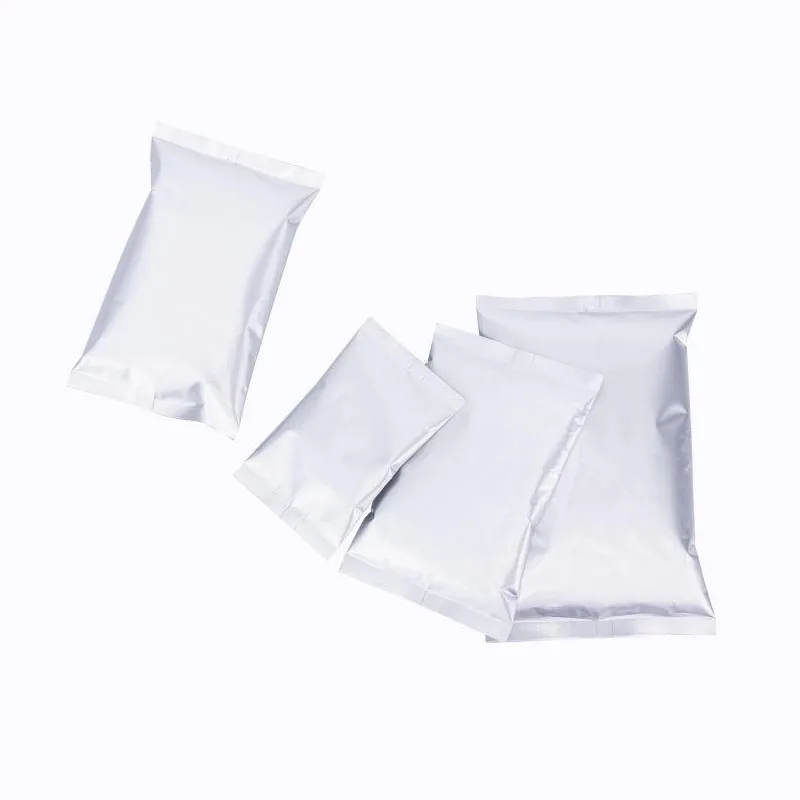
Le gel réfrigérant pour l'expédition des aliments est le moyen de refroidissement interne à l'intérieur d'un pack de gel., couverture, tampon, ou brique utilisée pour maintenir la température requise des aliments pendant le transport. Les acheteurs parlent souvent comme si le gel seul déterminait le succès, mais la performance réelle dépend du système d'emballage complet: isolation, placement des paquets, temps de parcours, masse de charge utile, et température de départ du produit.
Pour la nourriture, l'objectif est pratique et mesurable. Les produits périssables doivent rester suffisamment froids pendant le transport pour rester sûrs et de haute qualité.. Cela rend la conception des itinéraires, conditionnement des emballages, et le timing du récepteur est tout aussi important que la formulation du gel elle-même.
Définir le produit avant de comparer les fournisseurs
Le gel réfrigérant n'est que le moyen de refroidissement à l'intérieur du pack. Ce n’est pas la même chose qu’une solution complète d’expédition de produits alimentaires. La sécurité alimentaire pendant le transport dépend toujours de l'isolation, géométrie du paquet, température de départ du produit, durée de l'itinéraire, gestion de l'exposition, et à quelle vitesse le destinataire ouvre et stocke l'envoi.
C'est pourquoi les acheteurs de produits alimentaires devraient éviter de comparer les gels uniquement par l'étiquette apposée sur le remplissage intérieur.. Un film différent, forme du paquet, conception de couture, ou une routine de conditionnement peut modifier le résultat de l'itinéraire tout autant que la chimie du gel elle-même.
Les programmes alimentaires doivent également séparer les performances en matière de température des hypothèses d'élimination ou de contact alimentaire.. Un emballage peut aider à garder les aliments au frais tout en nécessitant une voie d'élimination différente ou des contrôles de manipulation différents de ceux attendus initialement par l'acheteur..
Les principaux moteurs de performance que les acheteurs doivent comprendre
Les gels réfrigérants alimentaires fonctionnent en absorbant la chaleur de la charge utile et de l'environnement., mais leurs performances réelles dépendent de la façon dont cette énergie de refroidissement est distribuée. Les paquets plats améliorent la couverture des contacts. Les briques prolongent le temps de maintien. Les formats PCM peuvent cibler une plage plus étroite lorsque le refroidissement ordinaire à 0°C est un instrument trop brutal..
La performance thermique ne vient pas seulement du remplissage intérieur. La coque ou le film doit rester suffisamment flexible pour l'état de conditionnement prévu, résister à la perforation ou à la fatigue des coutures, et préserver une géométrie reproductible autour de la charge utile. Même une bonne chimie du réfrigérant peut être décevante si la forme du remplissage change trop après la congélation., si les cellules répartissent la masse de manière inégale, ou si l'extérieur devient difficile à gérer dans le flux de travail réel.
La géométrie est particulièrement importante car la chaleur ne pénètre pas uniformément dans une installation d'expédition ou de manutention.. Les formats plats créent un contact plus large et peuvent réduire l'espace mort. Des briques plus épaisses ou des packs plus denses peuvent stocker l'énergie de refroidissement plus longtemps, mais ils occupent également plus de volume et peuvent créer des points de contact locaux plus froids. Le bon équilibre dépend si vous avez besoin ou non d’une couverture uniforme, temps de maintien plus long, emballage plus facile, manipulation plus propre, ou une fenêtre de température plus contrôlée.
La qualité du film et des coutures est particulièrement importante dans la logistique alimentaire car les cartons sont souvent compressés, abandonné, et s'est déplacé rapidement dans des environnements à températures mixtes. Une petite fuite peut contaminer l’emballage secondaire, créer des coûts de nettoyage, et endommagent l'expérience client même si le gel lui-même est non toxique.
Faire correspondre le format au cas d'utilisation
Le cas d'utilisation le mieux adapté dépend du compromis qui vous tient le plus à cœur: couverture, durée, manutention, répétabilité, contrôle de la condensation, expérience du récepteur, ou un tampon de température plus strict. Les modèles courants ci-dessous aident les acheteurs à comparer rapidement ces compromis.
Aliments réfrigérés et livraison d'épicerie
Les gels réfrigérants sont largement utilisés pour les produits laitiers, kits de repas, produire, fruit de mer, et les aliments préparés qui nécessitent un transport réfrigéré mais qui n'ont pas besoin de conditions de congélation au niveau de la neige carbonique. Dans ces programmes, le bon format de pack de gel peut équilibrer les performances de refroidissement avec l'espace de la boîte et les coûts de transport.
Pour les itinéraires alimentaires par colis, les paquets plats ou les feuilles liées aident souvent à la couverture, tandis que les formats de briques peuvent être meilleurs pour des temps de séjour plus longs et une exposition ambiante plus sévère.
Support alimentaire surgelé ou partiellement surgelé
Certains acheteurs essaient d'utiliser de plus en plus de gel pour compenser un itinéraire qui nécessite réellement une stratégie différente.. Cela augmente généralement les coûts et réduit l'efficacité de la charge utile.. Si les aliments doivent rester congelés pendant de longues périodes, glace carbonique ou un système d'ingénierie différent peut être plus approprié.
Les bons fournisseurs vous diront où les réfrigérants en gel ne sont plus la meilleure solution au lieu d'essayer de regrouper chaque problème dans une seule famille de produits..
Expéditions destinées aux détaillants et aux consommateurs
Lorsque le destinataire est une équipe de magasin ou un consommateur, résistance aux fuites, condensation, et l'élimination devient plus visible. Le paquet doit garder les aliments au frais sans transformer le processus de réception en un travail de nettoyage humide..
C'est pourquoi certains expéditeurs de produits alimentaires recherchent des vêtements extérieurs qui ne transpirent pas., remplissages faciles à drainer, ou des géométries d'emballage plus simples pour les programmes destinés aux clients.
Une liste de contrôle pratique des fournisseurs avant la mise à l'échelle
Quand les fabricants de produits alimentaires, distributeurs, et les équipes d'approvisionnement en chaîne du froid achètent en volume, la meilleure conversation avec le fournisseur est détaillée et spécifique. Il doit couvrir les dimensions en utilisation conditionnée, choix du matériau, qualité de la fermeture ou des coutures, gérer le stress, traçabilité des lots, et les instructions pratiques nécessaires aux personnes qui vont geler, paquet, se déplacer, faire le ménage, ou recevoir le produit. Une liste courte construite sur ces points est généralement plus fiable qu'une longue liste construite uniquement sur le prix et le MOQ..
La plupart des erreurs d'achat se produisent lorsque les équipes comparent les packs avant d'avoir noté les besoins opérationnels réels.. Pour la chaîne du froid alimentaire, livraison de colis, épicerie, kits de repas, laitier, fruit de mer, et les aliments préparés, la décision doit commencer par la température cible des aliments et si le produit est réfrigéré, congelé, ou simplement sensible à la chaleur, puis parcourez le profil d'itinéraire, y compris la préparation en ligne, centres de colis, et exposition du dernier kilomètre, taille du carton, pile de produits, et combien d'espace de charge utile le réfrigérant consommera, et les réalités de manipulation derrière l'expérience du récepteur: condensation, élimination, et facilité de manipulation. Si l'envoi ou le cas d'utilisation a un utilisateur final visible, l'évaluation doit également inclure la capacité du fournisseur à maintenir un poids de remplissage constant, qualité du film, et traçabilité des lots. Cette séquence maintient la discussion liée au résultat de l'itinéraire plutôt qu'au langage du catalogue..
Définir les exigences réelles de température des aliments avant de comparer les formats d'emballage.
Outils de décision utiles
Vérifiez les détails avant de choisir l'emballage
Ces outils rapides peuvent vous aider à comparer le risque d'itinéraire, besoins de dimensionnement, choix de liquide de refroidissement, et les détails de l'emballage avant de demander un devis.
Sélecteur d'emballage
Comparez les options d'emballage isotherme par produit, itinéraire, et besoin de température.
Trouver un emballageVérificateur de risque d'itinéraire
Examinez les conditions des pistes avant de sélectionner l'emballage en fonction des exigences opérationnelles réelles..
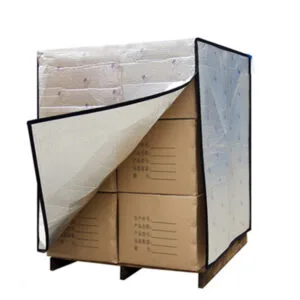
Vérifier le risque d'itinéraireDoublure de boîte & Dimensionnement des couvertures de palettes
Vérifiez la logique de dimensionnement du revêtement de boîte et du couvercle de palette pour les projets d'emballage isotherme.
Dimensionnement estiméDemandez les dimensions conditionnées et les poids finis afin que l'ajustement du fret et du carton puisse être modélisé avec précision..
Vérifiez la résistance du film et la conception des coutures pour une manipulation brutale dans l'industrie alimentaire et des cartons empilés.
Passez en revue les instructions de conditionnement et les besoins en matière de mise en scène du congélateur avec votre équipe d'exploitation..
Renseignez-vous sur les options pour ne pas transpirer, respectueux des canalisations, ou géométrie personnalisée si l'expérience du récepteur est importante.
Exigez une traçabilité et un codage de lot cohérent pour les enquêtes d’assurance qualité.
Exécutez une simulation ou un essai d'itinéraire en direct en utilisant de vraies charges de nourriture, pas des cartons vides.
Pour les achats à long terme, le contrôle des modifications compte presque autant que les performances du premier passage. Les acheteurs doivent savoir ce qui se passe si le fournisseur modifie la structure du film, qualité de résine, formulation de remplissage, modèle de sceau, œuvres d'art, ou site de production. Si ces changements ne sont pas communiqués et réévalués, un pilote réussi peut dériver vers un résultat de production moins fiable sans que personne ne s'en aperçoive jusqu'au début des plaintes sur le terrain.
Points de qualification et de documentation importants
Les directives publiques en matière de sécurité alimentaire pour les denrées périssables livrées mettent l'accent sur emballage isolé et des sources froides telles que des packs de gel congelé ou de la neige carbonique, en espérant que les denrées périssables arrivent congelées, partiellement gelé, ou à température du réfrigérateur, généralement 40°F ou moins.
Pour les expéditeurs de produits alimentaires, l'implication est claire: l’approvisionnement doit se concentrer sur l’ensemble du résultat du parcours. Le pack de gel n'est utile que si le système maintient les aliments dans sa plage cible de sécurité tout au long du profil de transit réel..
Si les demandes d'élimination font partie du dossier, les acheteurs devraient également séparer les produits alimentaires des produits destinés aux égouts.. Ce sont des réclamations différentes et doivent être documentées séparément par le fournisseur..
Un pack de données fournisseur utile comprend normalement des dimensions conditionnées, poids de remplissage nominal ou plage, description du matériau, instructions de conditionnement, fenêtre d'utilisation recommandée, conseils de stockage, et toute information de test pertinente sur les fuites, durabilité, ou performances de l'itinéraire. Pour les programmes réglementés ou sensibles à la qualité, les acheteurs souhaitent souvent aussi une traçabilité des lots, contrôle de révision sur les spécifications et les illustrations, et une déclaration claire de ce que le fournisseur a validé par rapport à ce qui nécessite encore une qualification spécifique à l'itinéraire par l'expéditeur..
La qualification doit refléter la voie que vous envisagez réellement de parcourir. Cela signifie définir la température de la charge utile au moment du conditionnement, le nombre et l'emplacement des réfrigérants, la configuration de l'isolation, la durée prévue du transit, et le profil d'exposition le plus crédible. Les enregistreurs de température ou d'autres outils de surveillance aident à confirmer si l'emballage protège la plage cible dans les endroits les plus chauds et les plus vulnérables., pas seulement au centre géométrique de l'expéditeur.
Pour les programmes alimentaires, les données les plus utiles proviennent des packages de l'ensemble du système. La formulation du gel est importante, mais l'emballage extérieur aussi, l'orientation des packs, la masse et la température des aliments, et le profil réel du transporteur. Une bonne validation associe donc des tests thermiques à des essais d'expéditeur chargé qui reflètent de véritables combinaisons de SKU..
La qualification saisonnière est également importante. Les colis alimentaires transitent souvent par des conditions extérieures et de livraison variables, les acheteurs ont donc intérêt à comprendre comment un emballage se comporte à la fois en haute saison estivale et par temps plus modéré, plutôt que de supposer qu'un résultat statique correspond à chaque mois..
Questions fréquemment posées
Quel est le meilleur gel réfrigérant pour l’expédition de produits alimentaires?
Il n’existe pas de meilleure option universelle. Le bon choix dépend du fait que les aliments soient réfrigérés ou congelés, combien de temps dure l'itinéraire, et quel emballage isotherme entoure le gel.
Les packs de gel standards peuvent-ils remplacer la neige carbonique pour les aliments surgelés ??
Parfois pour des trajets courts, mais pas toujours. Les itinéraires profondément gelés ou de longue durée peuvent encore nécessiter de la neige carbonique ou une autre solution technique.
Que doit prouver un fournisseur de produits alimentaires avant d'acheter en gros?
Cohérence du lot, durabilité du film, instructions de conditionnement claires, et performances dans une simulation d'itinéraire qui ressemble à votre véritable expédition.
Fin de compte
Pour les programmes de chaîne du froid alimentaire, le bon fournisseur de gel réfrigérant est celui qui vous aide à concevoir un résultat d'itinéraire reproductible. Performance thermique, géométrie du paquet, résistance aux fuites, et l'expérience du récepteur sont importantes lorsque la nourriture se déplace à grande échelle.
Le meilleur résultat en matière d’approvisionnement vient généralement de l’adaptation du réfrigérant à l’itinéraire exact ou au cas d’utilisation., puis tester le résultat dans des conditions réalistes, et enfin choisir le fournisseur capable de reproduire ce résultat de manière cohérente. Cette approche est plus lente que l'achat par description de catalogue, mais c'est généralement beaucoup moins cher que de dépanner les échecs après le lancement.
À propos du tempk
Et tempk, nous nous concentrons sur emballage à température contrôlée pour l'expédition de produits frais et biopharmaceutiques, y compris packs de glace en gel, Réfrigérants PCM, expéditeurs isolés, glacières, et développement d'emballages personnalisés. Nos informations publiques mettent également en évidence le soutien des laboratoires pour la conception et les tests.. Pour les acheteurs de la chaîne du froid alimentaire, cette combinaison est utile car les performances du réfrigérant doivent être évaluées dans le cadre de l'ensemble du système de route.
Prochaine étape
Si vous planifiez un nouveau pack ou révisez un pack existant, demandez conseil en fonction de votre température cible, durée de l'itinéraire, disposition des cartons, et exposition saisonnière.