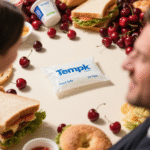
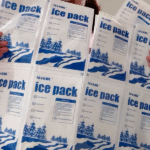
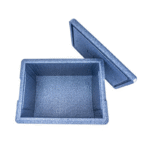
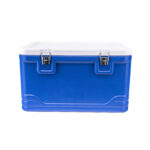
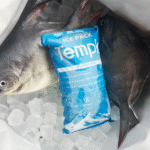
Water Injection Ice Pack Recyclable Thermal Packaging is the right choice when you need a cold-chain pack that is easy to store, easy to activate, and reliable on the lane that actually matters to you. You are not just choosing a refrigerant. You are choosing a repeatable operating method for food, Soins de santé, and specialty products needing passive thermal control. Dans 2026, the best buyers judge that method by thermal fit, contrôle de la manutention, qualité des documents, and total cost together.
This optimized guide blends buyer strategy, science des matériaux, orientation du marché, and current compliance themes into one practical decision framework. It is written for packaging engineers, brand owners, and sustainability buyers who want clear answers, pas de vagues affirmations. À la fin, you should know how to size the pack, validate the lane, comparer les fournisseurs, and build a packaging program that still works when volume grows or conditions get harder.
Ce guide vous aidera à répondre
• What shipping problem water injection ice pack recyclable thermal packaging solves best.
• How material choice, taille, remplir, and conditioning shape Water Injection Ice Pack Recyclable Thermal Packaging performance.
• Which compliance and qualification checks protect food, Soins de santé, and specialty products needing passive thermal control.
• Comment comparer les fournisseurs, sustainability claims, and total landed cost for water injection ice pack recyclable thermal packaging.
• Quoi 2026 market and packaging trends should guide your thermal packaging strategy.
How does Water Injection Ice Pack Recyclable Thermal Packaging solve the real shipping problem?
The flat-pack activation model lets you receive more units in less space, then hydrate and freeze only what the route requires. That makes the format attractive when demand changes quickly or when warehouse space is expensive. It also makes the pack useful in programs that need flexibility without sacrificing control.
For thermal packaging design and sustainable packaging programs, the solution only works if the pack is matched to the real shipment profile. You need to understand the product, the shipper, l'isolation, l'itinéraire, and the operating routine as one system. Quand ces pièces s'alignent, the pack becomes a simple tool that protects food, Soins de santé, and specialty products needing passive thermal control with less friction.
Which recyclable ice packs for thermal packaging scenario is strongest?
The strongest scenario is one with repeatable lanes, simple activation rules, and a payload that benefits from consistent temperature buffering. If the team knows the fill volume, freeze window, and placement pattern, results become predictable. If those steps change from order to order, temperature performance becomes harder to manage and harder to explain.
| Problem to Solve | Best Response with This Pack | What Can Go Wrong | Pourquoi ça compte pour toi |
|---|---|---|---|
| Too much inbound cube | Receive flat and activate on demand | No hydration standard | Storage gains disappear if the process is loose |
| Variable route conditions | Choose the pack size by lane evidence | Using one size for every route | Some orders are overbuilt and others are under-protected |
| High service expectations | Document pack-out and receiving rules | No common work instruction | Complaints become hard to investigate |
| Waste or cost pressure | Right-size the pack and review system cost | Chasing only the lowest pack price | The cheap option may cost more at shipment level |
Conseils pratiques
• Start your water injection ice pack recyclable thermal packaging review with the lane, not with the catalog.
• Write the activation and pack-out steps in the same language your floor team uses.
• If food, Soins de santé, and specialty products needing passive thermal control are sensitive, qualify a backup pack configuration before peak season.
Exemple de scénario: A thermal packaging design and sustainable packaging programs program simplified its packaging choice by linking one pack size to one route family. That reduced training time, improved freezer planning, and made temperature results easier to review when exceptions occurred.
How do size, matériel, and conditioning change Water Injection Ice Pack Recyclable Thermal Packaging performance?
Performance comes from design details. Fill volume changes mass and thickness. Material structure changes flexibility and puncture resistance. Conditioning time changes how much usable reserve is actually inside the pack at the moment it enters the shipper. That is why two visually similar packs can deliver very different results in the field.
The most important design question is not which pack looks strongest on paper. It is which pack gives you the right temperature behavior inside your actual shipper. For some lanes that means a simple water-based pack with tight process control. For others it means gel support, a lighter geometry, or PCM logic that matches a defined temperature window.
What should you test first for water injection ice pack recyclable thermal packaging?
Test hydrated size, frozen fit, conditioning repeatability, and delivered temperature under both baseline and stressed conditions. If the pack is meant for reuse, also test repeated cycles and post-cycle handling. If it is positioned as recyclable or non-toxic, verify how that claim is documented so the thermal and sustainability stories stay aligned.
| Design Variable | What It Changes | Good Buyer Question | Useful Outcome |
|---|---|---|---|
| Fill volume | Masse, épaisseur, and freeze time | Can operators hit the target every shift? | More repeatable conditioning and box fit |
| Structure matérielle | Flexibility and damage resistance | How does it behave after freezing? | Fewer leaks and better route survivability |
| Géométrie du paquet | Surface contact and payload coverage | Does it fit the real box and payload? | Better cooling with less wasted space |
| Set-point strategy | Temperature release profile | Is a standard frozen pack too cold or too broad? | Better match between pack and product needs |
Technical tips
• Freeze the pack at realistic production load, not only in a near-empty test freezer.
• Compare several pack masses before defaulting to the heaviest option.
• Use the same payload arrangement every time you test Water Injection Ice Pack Recyclable Thermal Packaging or the comparison becomes noisy.
Exemple de scénario: A buyer expected a heavier pack to solve a warm-lane issue, but testing showed that better contact and more disciplined conditioning fixed the problem without adding mass.
Which compliance and validation steps shape Water Injection Ice Pack Recyclable Thermal Packaging programs?
The strongest packaging programs are easy to explain because they are easy to document. You should be able to show what the pack is, how it is filled, how it is conditioned, where it is placed, and how the lane was qualified. That level of control protects both shipment quality and team confidence.
Dans 2026, buyers are paying more attention to documentation because packaging decisions increasingly touch quality, les attentes des clients, and sustainability review. Healthcare teams often pair pack validation with monitoring and deviation logic. Food teams focus on sanitary handling and repeatable operating routines. Corporate and multinational buyers are also checking whether packaging claims and policy commitments match reality.
What should your validation file include for water injection ice pack recyclable thermal packaging?
A practical validation file includes the specification, trial plan, diagramme d'emballage, receiving criteria, and change-control rule. It should also capture the route conditions that the pack was qualified for. When new lanes, new seasons, or new materials appear, that file tells you whether a fresh review is needed or whether the existing approval still applies.
| Validation Element | Pourquoi ça compte | Typical Failure When Missing | À quoi ressemble le bien |
|---|---|---|---|
| Controlled specification | Locks the approved design | Teams buy or receive the wrong pack | One current revision used by all sites |
| Conditioning instruction | Makes thermal performance repeatable | Pack starts the route under-conditioned | Simple timing and handling rules |
| Pack-out diagram | Reduces layout variation in the shipper | Different operators build different boxes | Consistent placement every shift |
| Change-control trigger | Protects the approved state over time | Supplier or lane changes go unnoticed | Clear review before routine use continues |
Validation tips
• Match document depth to shipment risk, but never skip the basics for Water Injection Ice Pack Recyclable Thermal Packaging.
• Review compliance together with operations so the rules are realistic enough to be followed.
• When current standards or customer expectations affect thermal packaging design and sustainable packaging programs, translate them into specific packaging checks instead of general policy language.
Exemple de scénario: A distribution team avoided a peak-season disruption because its change-control rule forced review when the supplier updated a film layer. The team rechecked the lane and kept service continuity instead of discovering the change in the field.
How do you compare suppliers and total cost for Water Injection Ice Pack Recyclable Thermal Packaging?
A good buying decision balances technical fit, contrôle des fournisseurs, and program economics. Unit price is part of the picture, but it should never be the whole picture. Storage density, activation labor, taux de dégâts, summer performance, support response, and shipment-level cost all matter when you compare candidates.
The supplier should explain how the pack is built, what tolerances matter, comment les changements sont gérés, and who owns problem resolution. If the keyword suggests a design conversation that includes end-of-life sorting and material reduction, that claim should appear in a document trail that real buyers can review and use.
What should be on a 2026 buying scorecard for water injection ice pack recyclable thermal packaging?
Your scorecard should combine thermal outcome, handling performance, qualité des documents, and business fit. Include dry cube, hydrated size, conditioning repeatability, delivered temperature, risque de dommages, supplier responsiveness, sustainability logic, and backup options. This turns sourcing into an evidence-based decision that can survive internal review.
| Scorecard Area | Que mesurer | Pourquoi ça compte | Decision Value |
|---|---|---|---|
| Thermal result | Delivered temperature on baseline and stress lanes | Proves the pack does the job | Protects service quality |
| Ajustement opérationnel | Activation time, vitesse d'emballage, densité de stockage | Shows how hard the pack is to run | Protects labor and warehouse efficiency |
| Supplier control | Spécifications, support path, and change process | Prevents silent drift after approval | Protects long-term stability |
| System cost | Shipment-level cost, not only pack price | Reveals hidden waste and exception cost | Protects margin and planning quality |
Buying tips
• Use one scorecard across all candidates so every supplier is judged by the same evidence.
• Separate essential requirements from nice-to-have features before reviewing quotes.
• If food, Soins de santé, and specialty products needing passive thermal control are business-critical, qualify a backup supplier or backup pack design early.
Exemple de scénario: A buyer narrowed three candidates to one winner by combining route data and warehouse cost data on the same scorecard. The final choice was not the cheapest per piece, but it was the strongest at shipment level.
Quoi 2026 trends should guide your Water Injection Ice Pack Recyclable Thermal Packaging strategy?
Le 2026 la direction est claire. Buyers want packaging systems that are easier to explain, plus facile à auditer, and easier to run at scale. That means more attention to lane profiling, more scrutiny of sustainability claims, and more pressure on suppliers to provide usable technical support. It also means fewer decisions based on assumptions carried over from older lanes or older packaging formats.
Current industry discussion also shows stronger alignment between packaging and policy. Food teams are emphasizing sanitation and customer experience. Healthcare and vaccine teams are emphasizing qualification, surveillance, et manipulation maîtrisée. European and multinational packaging teams are paying more attention to waste reduction, material accountability, and coming recyclability expectations.
How can you turn those trends into a decision tool for water injection ice pack recyclable thermal packaging?
Use a five-part review. Check lane risk, sensibilité au produit, operating discipline, contrôle des fournisseurs, and sustainability fit. Score each area honestly, then choose the pack program that solves the most important risks without creating unnecessary complexity. This keeps your packaging strategy practical and future-ready.
1. Score the real lane, not the hoped-for lane.
2. Confirm the product temperature window and whether overcooling is a risk.
3. Check whether the site can hydrate, geler, and place the pack consistently.
4. Review supplier documentation, soutien, and change-control readiness.
5. Choose the option that balances cost, fiabilité, and sustainability in the same system.
Decision-tool tips
• Update your decision tool when new seasons, new routes, or new customer requirements affect thermal packaging.
• Treat sustainability as a system question, not a label question.
• Where current standards affect thermal packaging design and sustainable packaging programs, make sure they appear in the operating checklist, not only in a policy memo.
Exemple de scénario: A multi-site program cut review time for new lanes because it used the same five-part decision tool for every qualification. Teams could move faster without lowering the standard of evidence.
2026 Latest Thermal Packaging Developments and Trends
Reviewed in March 2026, the latest direction across cold-chain packaging is toward better visibility, more disciplined qualification, and simpler systems that still deliver strong protection. Buyers are trying to remove avoidable weight and waste while keeping the shipment result defensible. That is why flat-pack, réutilisable, recyclable, and PCM discussions are increasingly tied to route data and supplier transparency instead of broad claims.
Derniers développements
• food and grocery programs are tying thermal packaging decisions more closely to sanitary transport routines, résilience des itinéraires, and customer disposal experience
• European and multinational buyers are preparing for stricter packaging-waste expectations as EU PPWR application approaches in 2026
The same shift is visible in sourcing practice. Teams want fewer stock-keeping units, clearer work instructions, and a pack family that can handle routine lanes without constant exceptions. For Water Injection Ice Pack Recyclable Thermal Packaging, this means the winning program is usually the one that combines right-sized design with strong documentation and calm daily execution.
Market insight for buyers is simple: the best packaging choice is not the trendiest one. It is the one that gives you consistent outcomes, credible claims, and room to scale. That is the standard more buyers are using in 2026.
Questions fréquemment posées
Is water injection ice pack recyclable thermal packaging mainly a cost-saving product or a quality product?
It is both when selected correctly. The right pack can reduce storage and shipment waste while also improving temperature consistency and daily execution.
How much testing is enough before launch?
Test at least one normal lane and one stressed lane using the real box build and a controlled conditioning routine. If the lane is critical, add a seasonal review.
When does a buyer need PCM instead of a standard water-injection pack?
PCM becomes more attractive when the product has a narrow temperature window or when a standard frozen profile risks overcooling or unstable performance.
How should reusable or recyclable claims be evaluated?
Check whether the claim works in practice. Reuse needs a real return loop. Recyclability needs a realistic recovery path and honest communication.
What documentation should always be kept on file?
Keep the controlled specification, conditioning instruction, diagramme d'emballage, trial data, receiving criteria, and change-control rule.
Qu'est-ce qui rend un fournisseur meilleur qu'un autre?
The best supplier combines stable product quality with usable documents, support réactif, and clear change management. That combination protects long-term program stability.
Suggested Internal Content Topics
• cold chain pack-out qualification checklist
• how to choose PCM versus water-based refrigerants
• reusable cold-pack return loop SOP
• temperature monitoring and excursion response basics
• how to right-size insulated shipping boxes
Résumé et recommandation
Water Injection Ice Pack Recyclable Thermal Packaging makes the most sense when you treat it as a system, not as a cheap add-on. The right choice depends on box fit, activation discipline, contrôle des fournisseurs, and how the pack performs on the real lane. If those elements line up, you can protect food, Soins de santé, and specialty products needing passive thermal control while improving cost control and execution speed.
Your best next step is to define the lane, define the pack-out routine, and test one or two well-documented options under real conditions. That gives you evidence you can use for purchasing, quality review, et formation. If the lane is important, qualify a backup option at the same time.
À propos du tempk
Tempk focuses on practical cold-chain packaging, including water injection ice packs, packs de gel, expéditeurs isolés, and custom temperature-control solutions. We work with teams that need clearer specifications, performances plus constantes, and packaging programs that are easier to run at scale. Our goal is to make technical decisions easier to understand and easier to execute.
If you are evaluating water injection ice pack recyclable thermal packaging, start with your lane data, your box geometry, and your operating routine. That is the fastest way to narrow the right format and build a packaging program that keeps working after the pilot ends.