Comment évaluer Glacière médicale Le prix comme décision de transport complète
Si vous comparez les soins médicaux fournisseur de glacières prix, la première question n’est pas « Quel devis est le moins cher ??" C'est " Qu'est-ce qui est exactement cité?’ In the chaîne du froid world, un fournisseur peut fixer le prix d'une coque de glacière médicale passive de base, tandis qu'un autre fixe le prix d'un système de transport complet avec packs de liquide de refroidissement, surveillance de l'accès, instructions de manipulation, et support documentaire. Ce sont des achats très différents, même si les deux pages produits utilisent les mêmes mots.
Pour le travail médical, une évaluation raisonnable des prix commence par la réalité de l'itinéraire. Vous devez connaître la plage de température cible, le temps de transport prévu, à quelle fréquence la boîte sera ouverte, si la charge est sensible au gel, et si le produit doit arriver avec un enregistrement de température utilisable. Sans ce contexte, un chiffre faible sur une feuille de devis peut cacher des coûts d'exploitation élevés plus tard. Une bonne décision relie la conception de la boîte, conditions d'itinéraire, et discipline en matière de passation des marchés dès le départ.
Ce guide explique comment les acheteurs expérimentés décomposent le prix du fournisseur. Il couvre la construction, langage de performance, facteurs de coûts cachés, sélection des fournisseurs, et le point auquel une boîte plus chère peut réellement être la décision commerciale la plus sûre et la moins chère.
Commencez par définir correctement la boîte
Dans le langage de recherche B2B, le terme « prix fournisseur de glacière médicale » mélange souvent plusieurs catégories de produits. Parfois, les acheteurs pensent à une simple boîte de manutention isolée. Parfois, il s’agit d’une glacière commerciale rigide. Dans les discussions sur les vaccins et les produits pharmaceutiques, ils peuvent en fait signifier un système d'expédition passif qui fonctionne avec des packs de liquide de refroidissement et des procédures de surveillance spécifiés..
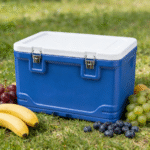
L'OMS et l'UNICEF traitent les porte-vaccins et les glacières comme des conteneurs isolés passifs qui dépendent de blocs de glace., packs sympas, ou d'autres supports de stockage thermique plutôt que l'électricité. Dans ce système, vie froide et vie cool ne sont pas des expressions marketing. Ce sont des concepts de tests définis liés à l'exposition ambiante, état du liquide de refroidissement, et le point le plus chaud à l'intérieur de la chambre de stockage. Les directives en matière d'achats publics de l'UNICEF montrent que les porte-vaccins préqualifiés par l'OMS sont bien plus petits que de nombreux glacières commerciales, avec des capacités de stockage de vaccins généralement autour 0.8 à 3.4 litres, tandis que les glacières servent à des tâches de transport plus importantes et à plus longue distance. Cette distinction est importante car de nombreuses listes B2B utilisent le même mot « glacière » pour des produits appartenant à des classes de performances très différentes..
Cette distinction est importante car une glacière médicale n'est pas automatiquement un produit qualifié. expéditeur à température contrôlée. Une coque en plastique durable peut protéger contre les chocs et la saleté, mais cela seul ne vous dit pas si la box peut contenir 2-8°C pour votre itinéraire, protéger les contenus sensibles au gel, ou prendre en charge les dossiers de conformité à l'arrivée.
Les directives de transport du CDC établissent une distinction nette entre les glacières ordinaires et les systèmes destinés au mouvement des vaccins. Pour le transport courant des vaccins, les conteneurs et emballages qualifiés dotés de dispositifs de surveillance sont acceptables, tandis que les refroidisseurs ordinaires d'aliments et de boissons ne sont pas recommandés comme solution de routine. Le CDC recommande une surveillance continue de la température avec un enregistreur de données numérique et note que les données de température doivent voyager avec les vaccins., ne pas être reconstruit plus tard à partir de conjectures.
Qu'est-ce qui détermine réellement les performances thermiques
La performance d'une glacière médicale dépend d'une chaîne de variables plutôt que d'un seul gros titre.. La chaleur pénètre par les parois et le couvercle, par échange d'air à l'ouverture de la boîte, et grâce à un produit chaud introduit lors du conditionnement. La rétention du froid dépend du matériau isolant, épaisseur de paroi, type de liquide de refroidissement, masse de liquide de refroidissement, charge utile, taux de remplissage, et les conditions ambiantes autour de l'expédition.
Dans les parcours de soins, ce point technique a des conséquences pratiques. Une boîte extérieure robuste peut résister à une bonne manipulation et échouer quand même si l'emballage est incorrect.. Les directives de l'OMS traitent l'emballage de transport passif comme un système complet, pas comme une coquille seule. La durée de vie au froid et la durée de vie au froid dépendent de la manière dont le liquide de refroidissement est préparé, où il se trouve, combien de produit y a-t-il à l'intérieur, et à quel profil de température l'envoi est confronté.
Bonnes directives de distribution de l'OMS pour le temps- et les produits pharmaceutiques sensibles à la température nécessitent que les conteneurs passifs soient qualifiés de système complet. Cela veut dire la boîte, liquide de refroidissement, configuration d'emballage, emplacement du moniteur de température, charge utile minimale et maximale, et le profil d'itinéraire prévu doivent tous travailler ensemble. Les mêmes directives de l'OMS indiquent également que conteneur d'expédition devrait protéger contre les dommages mécaniques, falsification, lumière, humidité, contamination, et gel involontaire lors de l'utilisation d'un liquide de refroidissement gelé.
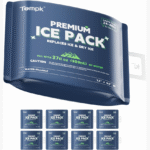
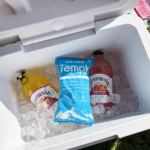
Si votre produit est sensible au gel, la source froide compte autant que la boîte. Les packs d'eau gelée peuvent être efficaces, mais ils augmentent également le risque d'exposition à des températures inférieures à zéro lorsque la charge utile est placée trop près du liquide de refroidissement. C'est pourquoi les acheteurs comparent souvent les packs conditionnés, matériaux à changement de phase pour réfrigérateurs, ou des conceptions antigel au lieu de s'intéresser uniquement au temps de maintien nominal.
Pour le transport réfrigéré des vaccins, Le CDC met en évidence les matériaux de refroidissement conditionnés et les matériaux à changement de phase autour de la gamme de réfrigérateurs, car un liquide de refroidissement gelé mal contrôlé peut endommager les produits sensibles au gel. Les directives de l'OMS relatives aux glacières et aux porte-vaccins conseillent aux acheteurs de comparer plus que le prix d'achat départ usine. Frais d'expédition, poids, durabilité, compatibilité avec les packs d'eau, et les conditions d'itinéraire peuvent modifier sensiblement le coût de livraison et la valeur à long terme de l'achat.
Du point de vue des matériaux, le plastique extérieur fournit principalement la structure, résistance aux chocs, hygiène, et résistance aux intempéries. Le travail thermique est effectué par la couche isolante et le support de stockage thermique. Il s’agit d’une limite de conformité importante: une coque plus résistante peut réduire la casse et prolonger la durée de vie, mais cela ne prouve pas en soi l’adéquation de l’itinéraire ou l’adéquation de la réglementation..
Pour les équipes achats, la leçon pratique est simple: acheter l'enveloppe de performance, pas le slogan. Une box passive bien spécifiée est définie par route, charge utile, liquide de refroidissement, et méthode de manipulation, pas seulement en litres.
Des choix de matériaux et de construction qui comptent
Le choix des matériaux doit toujours être adapté à la façon dont la boîte est manipulée. En termes pratiques d'achat, la coque extérieure contrôle la durabilité, nettoyabilité, et vie visuelle; l'isolation contrôle le gain de chaleur; et le liquide de refroidissement contrôle la durée pendant laquelle la température cible peut être maintenue.
C'est pourquoi deux boîtes de même volume peuvent différer tellement en termes de prix et de valeur de terrain.. Une paroi plus épaisse peut améliorer la rigidité mais réduire le volume utilisable. Un ensemble d'isolation plus léger peut réduire les coûts de transport mais raccourcir le temps d'attente. Une boîte optimisée pour un travail de proximité d'une journée n'est peut-être pas la meilleure solution pour une distribution à plusieurs arrêts.
Un bon fournisseur sera à l’aise pour discuter de ces compromis sans les simplifier à l’excès.. Si chaque revendication de performance se réduit à « une meilleure isolation » ou à « un plastique plus durable,"continue à poser des questions.
La place de la boîte dans la pratique
Glacières médicales sont couramment utilisés pour le transfert de courte durée de fournitures sensibles à la température, mouvement de l'échantillon, gestion des sauvegardes d'urgence, visites de terrain, et le soutien de l'hôpital à la clinique. Certains sont de simples supports isolés. D'autres font partie d'un système d'emballage géré avec des règles de préparation du liquide de refroidissement et des attentes en matière de surveillance..
Le meilleur choix dépend de la prévisibilité de l'itinéraire. Si votre équipe contrôle l'heure de départ, conditions ambiantes, et recevoir le temps de près, une box passive plus simple peut suffire. Si les itinéraires sont variables, les transferts sont fréquents, ou des questions de documentation, les acheteurs ont souvent besoin d'un système plus contrôlé qu'une glacière médicale de base.
Outils de décision utiles
Vérifiez les détails avant de choisir l'emballage
Ces outils rapides peuvent vous aider à comparer le risque d'itinéraire, besoins de dimensionnement, choix de liquide de refroidissement, et les détails de l'emballage avant de demander un devis.
Sélecteur d'emballage
Comparez les options d'emballage isotherme par produit, itinéraire, et besoin de température.
Trouver un emballageRésistance aux chutes du matériau isolant
Examinez la résistance aux chutes et les facteurs de manipulation avant de choisir des matériaux d'isolation..
Vérifier la résistanceVérificateur de risque d'itinéraire
Examinez les conditions des pistes avant de sélectionner l'emballage en fonction des exigences opérationnelles réelles..
Vérifier le risque d'itinéraireIl convient également de séparer l'utilisation d'urgence de l'utilisation de routine.. Un carton destiné à un transport occasionnel occasionnel peut être spécifié différemment d'un carton destiné à des expéditions quotidiennes.. Durabilité, nettoyabilité, stratégie de remplacement, et les besoins en matière de journalisation sont différents lorsque la boîte entre dans les opérations de routine.
Autrement dit, la bonne case est celle qui correspond à votre manière de travailler réellement. Un modèle techniquement impressionnant peut toujours être un mauvais choix commercial s'il ajoute du poids, ralentit la manipulation, ou nécessite une discipline de rangement que l'équipe ne peut pas maintenir.
Comment lire la catégorie sans la simplifier à l'excès
Rassembler tout cela, une décision judicieuse concernant une glacière médicale se situe au croisement de l'ingénierie, opérations, et approvisionnement. Le matériau de la coque, isolation, disposition du liquide de refroidissement, et le système de fermeture créent la base technique. L'itinéraire, modèle de manipulation, et la routine de nettoyage définissent si cette base est adaptée en pratique. La citation, conditions de réapprovisionnement, et les contrôles de production décident si la solution reste réalisable après la première commande.
C'est pourquoi l'article le plus utile sur ce sujet n'est pas une simple liste de fonctionnalités. C'est une façon de lire plus attentivement la catégorie de produits: c'est quoi la boîte, ce que ce n'est pas, où cela ajoute de la valeur, et quelles questions évitent les erreurs d'achat évitables.
Pour usage médical sensible à la température, la discipline principale est de garder la limite de catégorie claire. Une boîte réutilisable durable peut être un élément important de la réponse, mais l'envoi doit encore être évalué comme un système thermique complet avec le bon liquide de refroidissement, emballer, méthode de surveillance, et instructions de manipulation.
Où évolue le marché
Les sources industrielles sur les emballages réutilisables et la logistique pharmaceutique vont dans la même direction: les organisations sont de plus en plus disposées à échanger un prix d’emballage initial plus élevé contre une réduction des déchets, meilleure durabilité, et des performances plus prévisibles sur les voies répétées.
La Réutilisable Packaging Association définit la réutilisation comme un système opérationnel, pas seulement un choix matériel. Cette perspective est importante car la valeur d'une glacière réutilisable dépend du nettoyage, logistique de retour, inspection, et discipline de réparation. Les prestataires logistiques pharmaceutiques discutent également ouvertement d’une plus grande utilisation des matériaux réutilisables. emballage à température contrôlée, y compris des modèles de location ou de mise en commun qui réduisent le blocage du capital et déplacent les responsabilités de maintenance.
Dans le transport sanitaire, le débat sur le marché s'éloigne de l'idée selon laquelle une boîte isotherme suffit à elle seule. Les acheteurs demandent de plus en plus comment la boîte s'adapte à une plage de température définie, quelle surveillance est attendue, si les produits sensibles au gel sont protégés, et comment les unités réutilisables sont nettoyées et suivies entre les voyages.
Les informations sur les marchés publics encouragent également des comparaisons plus rigoureuses. Les organisations peuvent constater que les porteurs de vaccins, glacières, et les expéditeurs de la chaîne du froid plus large ne sont pas des catégories interchangeables, et que les données publiées sur la capacité et la durée des itinéraires doivent être lues dans leur contexte.
Pour les discussions sur les prix, cela signifie que le marché sépare de plus en plus le prix unitaire du coût total. Une boîte moins chère peut quand même perdre si elle est mal expédiée, revient mal, doit être remplacé fréquemment, ou ne peut pas prendre en charge l'itinéraire avec des pratiques de rangement stables.
Que demander aux fournisseurs de glacières médicales avant de comparer les prix
Avant de comparer les devis finaux, transformer la conversation en une révision structurée des spécifications. Cela empêche les facteurs de coûts cachés de s'infiltrer dans le projet après l'émission du bon de commande..
- Dimensions internes et externes: Demandez les deux. L'empreinte externe affecte la densité des palettes et le fret, tandis que les dimensions internes décident si votre charge utile, liquide de refroidissement, séparateurs, et l'enregistreur s'adaptent réellement sans forcer un emballage différent.
- Volume utilisable: Ne comptez pas uniquement sur les litres nominaux. Confirmer l'espace de charge utile utilisable après l'épaisseur de l'isolation, packs de liquide de refroidissement, cloisons, et les doublures sont comptabilisées.
- Construction des matériaux et de la coque: Confirmer le matériau de la coque, empilement d'isolation, conception de doublure, et construction de fermeture. Ces détails influencent la durabilité, nettoyabilité, et comportement thermique.
- Type de couvercle et de fermeture: Vérifier la conception du joint, robustesse du loquet ou de la charnière, options inviolables si nécessaire, et à quel point la boîte est facile à ouvrir et à refermer sur le terrain.
- Empilabilité et efficacité de retour: Pour les opérations réutilisables, demande comment les cartons pleins s'empilent, si le nid est vide, et comment les accessoires tels que les packs de liquide de refroidissement ou les séparateurs sont stockés et retournés.
- Hygiène et nettoyabilité: Demander des conseils de nettoyage. Intérieurs lisses, drainer les décisions, placement du matériel, et la finition de la surface affectent tous la rapidité avec laquelle la boîte peut être nettoyée entre les cycles.
- Support à l’étiquetage et à la traçabilité: Préciser si la conception fournit des panneaux d'étiquettes stables, placement de code-barres ou de QR, identification du lot, et suffisamment d'espace pour la manipulation ou les marquages de plage de température.
- Charger, durabilité, et conditions de manipulation: Demandez ce que la boîte est censée tolérer dans le cadre d'une utilisation quotidienne: soleil, pluie, chargement approximatif, vibrations du véhicule, lavage, ou transport manuel répété. La bonne boîte pour un hôpital n’est pas toujours la bonne boîte pour un quai ou un site minier.
- Cohérence de l'échantillon à la production: Approuver un échantillon, demandez ensuite comment le fournisseur maintient la production alignée sur cet échantillon. Entretien des moules, approvisionnement en matériaux, remplacements de matériel, et les normes d’inspection comptent toutes.
- Adéquation de l’itinéraire et du produit: Confirmer la plage de température cible, durée, disposition du liquide de refroidissement, plan de surveillance, et si les produits sensibles au gel nécessitent une protection supplémentaire. Les exigences varient selon le produit et l'itinéraire.
- Conditions de commande et réapprovisionnement: Clarifier le délai de réapprovisionnement, disponibilité des pièces de rechange le cas échéant, et si le fournisseur peut conserver les mêmes spécifications pour un réapprovisionnement futur.
Le but n’est pas de ralentir le processus d’achat. Il s'agit de s'assurer que la boîte, le liquide de refroidissement, l'itinéraire, et la méthode de traitement s'emboîtent avant que les échelles de commande.
Un cadre de comparaison simple
Cette comparaison rapide n'est pas un classement de marque. C'est un moyen pratique de séparer les types d'options courants avant de demander des échantillons ou des devis finaux..
| Option | Mieux pour | Limite principale | Que vérifier |
| Caisse de manutention isotherme Basic | Transferts courts avec contrôle opérationnel strict | Peut ne pas définir les performances de température spécifiques à l'itinéraire | Volume utilisable, disposition du liquide de refroidissement, et surveillance de l'ajustement |
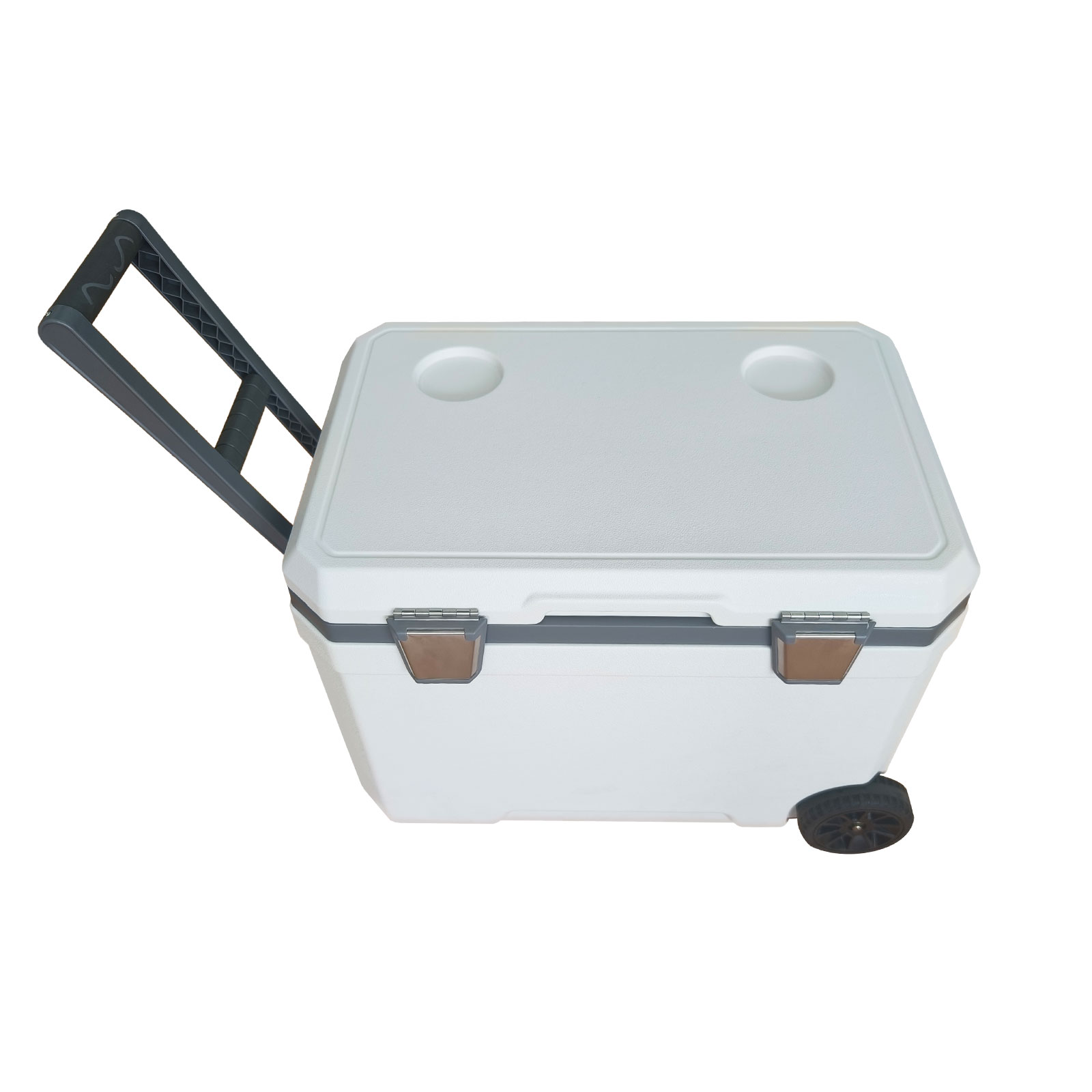
| Boîte passive robuste et réutilisable | Utilisation répétée sur le terrain et manipulation plus exigeante | La coque durable ne prouve pas la qualification | Conditions de test du système, protection contre le gel, nettoyage |
| Expéditeur qualifié ou orienté route | Des itinéraires de contrôle plus élevés avec des attentes de température plus strictes | Coût plus élevé et plus de discipline d’emballage | Plage de charge utile, durée, instructions d'emballage, Placement de l'enregistrement |
FAQ
Ce qui est généralement inclus dans le prix d'un fournisseur de glacière médicale?
Certains devis couvrent uniquement la boîte isotherme, tandis que d'autres incluent des packs de liquide de refroidissement, instructions d'emballage, un enregistreur, aide à la validation, cartons extérieurs, et pièces de rechange. Les acheteurs doivent comparer le système d'expédition complet, pas la boîte seule.
Une glacière médicale est-elle la même chose qu'un expéditeur pharmaceutique qualifié?
Pas toujours. Une glacière médicale peut être simplement un conteneur isolé passif. Un expéditeur qualifié est généralement testé pour une plage de températures définie, charge utile, et durée dans des conditions spécifiées.
Quand un prix unitaire plus élevé est-il judicieux?
Un prix plus élevé peut être justifié lorsqu'il réduit les écarts de température, fréquence de remplacement, échecs sur le terrain, ou déchets de fret. Le meilleur choix est souvent celui dont le coût total d’exploitation est le plus faible..
Conclusion
La bonne façon d'évaluer le prix d'un fournisseur de glacières médicales est de comparer les systèmes, nombres non isolés. Une fois que vous avez défini l'itinéraire, normaliser le devis, et tester l'adéquation entre la charge utile et l'emballage, le prix devient plus facile à interpréter.
Dans tous les cas, la question pratique d'achat est la même: la boîte que vous examinez a-t-elle un sens opérationnel une fois la plage de température, durée, manutention, nettoyage, et le réapprovisionnement sont tous considérés ensemble? Si la réponse est oui, vous êtes beaucoup plus proche d'un bon achat qu'en comparant uniquement les cotes en litres.
Cette vision plus large correspond également à la direction que prend le marché.. Emballage réutilisable, spécification spécifique à l'itinéraire, et des données plus claires sur les fournisseurs remplacent progressivement l'ancienne habitude d'acheter des boîtes isothermes comme s'il s'agissait de produits génériques..
À propos du Tempk
Et Tempk, nous nous concentrons sur les emballages à température contrôlée pour les produits pharmaceutiques, nourriture, et applications logistiques. Notre gamme de produits publiée comprend des glacières, sacs isolés, packs de glace, couvertures de palettes, et des structures en caisson utilisant des matériaux tels que le EPP, PSE, et VIP. Pour les projets liés à la santé, nous accordons une attention particulière à la conception des emballages orientés parcours et nous précisons également que l'accompagnement à la validation est soutenu par un laboratoire certifié CNAS. Cette combinaison est utile lorsqu'un projet nécessite plus qu'une coque isolée générique..
Si vous comparez des devis, commencez par l'itinéraire et les hypothèses de préparation. Il est ainsi beaucoup plus facile de déterminer quelle option est véritablement rentable..