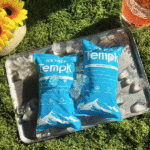
The best single bubble insulated liner suppliers help you use a lightweight format where it makes sense and avoid it where it does not. That balance matters. Single bubble can be an efficient, practical cold-chain solution, but only when the supplier matches the design to your route, charge utile, et méthode d'emballage.
Cet article vous aidera à répondre:
- What makes single bubble liners useful
- When this format is the right choice
- How to compare suppliers on quality and real-world performance
- Which compliance and trend factors matter in 2026
- How to choose a supplier that improves cost and control together
What is the real advantage of single bubble?
The real advantage is efficiency. Single bubble formats are light, flexible, and usually easy to store and pack. That makes them attractive for:
chilled parcel shipping
- fast fulfillment lines
- smaller product loads
- brands trying to reduce packaging bulk
- They often perform best when the route is short to medium and the packaging system is well fitted.
- When is single bubble the wrong choice?
- It is usually the wrong answer when:
- transit time is long
- summer exposure is severe
- the product is very high value or highly temperature sensitive
- frozen protection needs a stronger insulation buffer
- rough handling and long dwell times are likely
- A strong single bubble insulated liner supplier will tell you that clearly.
- How should you compare suppliers?
- Simple supplier scorecard
- Questions à poser
- What route duration do you usually recommend for this format?
- What refrigerants pair best with your design?
- Can you provide custom sizes for our cartons?
- What validation data do you have?
- How do you manage lot consistency?
What technical and compliance points matter?
Single bubble liners still sit inside a regulated packaging world. EU food-contact rules require strict safety logic where relevant, and FDA’s component-based framework means intended use matters. For temperature-sensitive supply chains, WHO and IATA continue to reinforce the importance of validated packaging and disciplined transport handling. (Sécurité alimentaire)
Signification pratique pour vous
- Ask for intended-use clarity, not vague “safe material” claims.
- Validate the full pack-out, not the liner alone.
- Recheck lightweight formats by season, Surtout en été.
How is the market changing in 2026?
The market now rewards packaging that is lighter, plus efficace, and more accountable. FDA’s traceability direction keeps documentation important. The EU’s PPWR 2025/40 pushes more resource-efficient packaging. EPA’s plastics strategy pushes redesign and waste reduction. That creates a strong opportunity for single bubble insulated liner suppliers that can combine low material burden with route-specific proof. (NOUS. Food and Drug Administration)
- How do you choose the best supplier for your program?
Fast decision tool
Questions fréquemment posées
Are single bubble insulated liners good for meal kits?
Souvent, Oui. They can be a strong fit for chilled next-day routes when the pack-out is well designed.
Can single bubble replace foam?
Parfois, but not for every application. The route and product risk decide that.
Is custom size worth it?
Généralement oui, because better fit improves both performance and material efficiency.
- What makes one supplier better than another?
Fit support, test support, qualité du joint, and honest route guidance.
What is the biggest 2026 buying mistake?
Assuming a lightweight liner will work everywhere just because it is cheaper or easier to store.
Final recommendation
Choose single bubble insulated liner suppliers that understand both the strength and the limit of the format. The best partner helps you use lightweight insulation where it delivers real value, and helps you move to a stronger design when the route demands it.
À propos du tempk
Et tempk, we focus on practical cold-chain packaging choices that fit real shipping lanes. For single bubble formats, that means helping buyers improve efficiency without taking unnecessary temperature risk.