Comment spécifier un fabricant de boîtes isolées pour un système isolé sous vide
Un achat défendable nécessite trois approbations. L'ingénierie doit accepter la conception du flux de chaleur, les opérations doivent être capables de l’emballer de manière cohérente, et la qualité doit accepter les preuves. Si l’une de ces approbations manque, un panneau isolant de qualité supérieure peut devenir une source coûteuse d'incertitude. Le bon cahier des charges pour un fabricant de boîtes isothermes et un système isolé sous vide commence donc par les critères d'acceptation, pas une taille de catalogue. De là, le fabricant peut concevoir la disposition des panneaux, protection, pack de liquide de refroidissement, et programme de test autour d'une charge utile réelle. Cette approche rend également les devis comparables car chaque candidat résout le même travail défini..
Porte un: rédiger les critères d'acceptation avant de dessiner la boîte
L'exigence de l'utilisateur doit identifier ce que le package doit protéger et les limites d'utilisation.. Enregistrez la plage de température approuvée du produit, sensibilité à la chaleur ou au gel, dimensions et masse de la charge utile, charges minimales et maximales, transit et retard prévus, conditions saisonnières, modes de transport, transferts, contraintes de parcelle, et processus de réception. Ajouter toutes les exigences de surveillance, preuve d'inviolabilité, confinement secondaire, nettoyage, retour, ou élimination.
Évitez de substituer une durée générique ou "qualité pharmaceutique" étiquette pour cette œuvre. Une durée thermique demandée n'a aucune signification technique tant qu'elle n'est pas liée à une exposition ambiante et à une plage de charge utile acceptable.. Les produits pharmaceutiques ne partagent pas une seule bande de transport universelle. Le propriétaire du produit et l'équipe qualité doivent établir les limites applicables, documentation, et règles de disposition.
La charge utile utilisable doit être spécifiée sous la forme d'une enveloppe de produit tridimensionnelle. Le volume interne nominal est insuffisant en raison des doublures de protection, liquide de refroidissement ou PCM, espaceurs, Placement de l'enregistrement, et les dégagements consomment de l'espace. Fournir les dessins du carton et l'orientation requise. Si plusieurs charges utiles partagent le système, montrer chaque modèle d'emballage plutôt que d'attendre du fournisseur qu'il déduise la compatibilité du volume total.
Définir des preuves acceptables, comme des dessins, dossiers d'inspection, protocoles et rapports de tests, enregistrements de capteurs, notice de montage, et modifier les contrôles. Le fichier exact dépend du risque, mais le définir tôt évite qu'un échantillon commercial soit confondu avec un système qualifié.
Porte deux: lire la boîte comme un réseau de chemins thermiques
Un panneau d'isolation sous vide contient un noyau de support poreux à l'intérieur d'une enveloppe à faible perméabilité.. L'air est évacué et l'enveloppe est scellée. La faible pression du gaz supprime la conduction du gaz dans les pores; le noyau supporte la charge atmosphérique et limite la conduction solide. Le rayonnement et certains transferts de gaz résiduels subsistent, et la chaleur peut contourner le centre à travers le périmètre et d'autres structures en forme de boîte. Le vide améliore une partie du problème du transfert de chaleur. Il ne suspend pas les lois du transfert de chaleur.
L'enveloppe est une barrière fonctionnelle. Il doit restreindre l'entrée de l'air et de la vapeur d'eau tout en survivant à la formation, scellage, assemblée, et service. Une crevaison, sténopé, microfissures, joint contaminé, ou un pli important peut accélérer la perte de vide. Même sans dommages visibles, la perméation peut augmenter la pression interne et l'humidité au fil du temps. C'est le vieillissement VIP: les performances changent à mesure que la condition interne préservée change.
La conception de protection doit être visible sur le dessin d'assemblage. Une coque ou une cassette en mousse peut protéger les grands visages, tandis que les protections d'angle et les doublures maintiennent le produit et le liquide de refroidissement à l'écart des coutures.. Les charges structurelles doivent contourner le panneau lorsque cela est possible. Le couvercle doit se fermer sans protection contre les grattages ou les écrasements. Parce qu'un panneau évacué ne peut généralement pas être découpé ou percé sans le détruire, les pénétrations et la géométrie finale doivent être conçues à l'avance.
Chaque périmètre est également un élément de flux de chaleur. La barrière s'enroule autour du bord du panneau, où il conduit différemment du noyau évacué. Cet effet de bord signifie que la performance efficace du panneau dépend du périmètre, zone, construction de barrières, et géométrie des coutures. Les panneaux plus petits présentent généralement plus de périmètre par rapport à la surface. Les barrières contenant du métal peuvent bien résister à la perméation tout en contribuant à une meilleure conduction des bords, illustrant le compromis entre l'intégrité de la barrière et les ponts thermiques.
À l’échelle de l’enceinte, ajouter les ponts créés par les joints panneau à panneau, coins, interfaces du couvercle, loquets, charnières, poignées, côtes, et tout renfort. Une mesure thermique au centre du panneau omet ces chemins. Des tests sur une boîte entière sont nécessaires car une boîte est un objet tridimensionnel., assemblage transitoire plutôt qu'un matériau plat et homogène.
Demandez comment les panels se réunissent, qu'est-ce qui couvre les coutures, comment se trouve le couvercle, qu'est-ce qui protège les panneaux, et quelles pièces supportent des charges structurelles. Les sections efficaces et les observations de test sont plus utiles qu'une valeur de résistance inexpliquée.
Traduire les spécifications en conséquences au banc d’emballage
Les attributs techniques deviennent utiles lorsqu'ils sont liés aux décisions. Ce tableau peut être inclus dans une demande de proposition ou une revue de conception.
| Spécification ou contrôle | Conséquence technique | Conséquence des opérations | Vérification de l'acheteur |
|---|---|---|---|
| Enveloppe de charge utile finale utilisable | Détermine l'ajustement du produit une fois tous les composants thermiques installés | Contrôle le modèle de paquet et empêche la fermeture forcée | Vérifier l'emballage dimensionné avec les cartons de produits réels |
| Bordure VIP et disposition des joints | Influence la résistance efficace et l’entrée de chaleur locale | Définit quels inserts doivent être installés dans quelle orientation | Sections de révision, contrôles d'assemblage, et données de boîte mappées |
| Protection des barrières et des joints | Préserve le vide et réduit le risque de dommages | Limite le contact avec des outils tranchants, cartons, et liquide de refroidissement | Inspecter le prototype et les critères de dommages documentés |
| Spécification du liquide de refroidissement ou du PCM | Définit le comportement de stockage thermique et le risque de température locale | Nécessite un conditionnement contrôlé, mise en scène, et placement | Examiner les spécifications des composants et les instructions de travail approuvées |
| Charge utile minimale et maximale | Change la masse thermique, volume vide, et l'exposition | Peut nécessiter différentes entretoises ou configurations | Vérifiez les deux cas dans la matrice de test |
| Détails de fermeture et de structure | Affecte les ponts, fuite, et chemins de chargement | Déterminer la répétabilité et l’effort de manipulation | Observer les tests de conditionnement et de distribution programmés |
| Conditions d'essai thermique | Lié toute conclusion de performance | Définir l'emballage exact que le personnel doit reproduire | Comparer le profil, capteurs, charge utile, et les critères d'acceptation avec l'exigence |
| Contrôle des lots et des révisions | Maintient la production représentée par la qualification | Empêche le mélange des composants | Étiquettes d'audit, enregistrements, et processus de notification de changement |
Le tableau expose les conflits dès le début. Par exemple, un insert de protection rigide peut améliorer la résistance à la perforation tout en réduisant l'espace du produit. Un loquet métallique solide peut permettre la réutilisation mais crée un pont s'il est mal isolé. Une quantité généreuse de liquide de refroidissement peut prolonger le résultat d'une chambre particulière, mais réduire la charge utile vendable et créer un risque de froid local.. Ces choix nécessitent une résolution au niveau du système.
Reliez le prototype approuvé à la production grâce à des dimensions contrôlées, une nomenclature, inspections, et révisions de dessins; la similitude visuelle ne suffit pas.
Concevoir la relation liquide de refroidissement-charge utile, pas seulement le mur
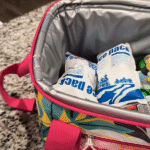
Un expéditeur passif combine la résistance au flux de chaleur extérieur et le stockage thermique à l’intérieur.. Packs de gel, eau packs de glace, ou les matériaux à changement de phase peuvent absorber ou libérer de l'énergie à mesure que les conditions changent. Le composant approprié dépend des exigences du produit et de la configuration qualifiée. Aucun liquide de refroidissement n'est intrinsèquement correct pour tous Produits sensibles à la température.
La condition de départ est critique. Les instructions d'emballage doivent spécifier comment le liquide de refroidissement ou le PCM est conditionné, comment sa disponibilité est reconnue, combien de temps cela peut-il être organisé, et où chaque composant est placé. Si la charge utile doit être séparée du liquide de refroidissement, l'entretoise est un composant essentiel plutôt qu'un matériau d'emballage consommable. Une substitution en film de sac, géométrie du paquet, remplir, ou le placement peut modifier le contact et la réponse thermique même si le nom du liquide de refroidissement apparaît inchangé.
La variation de la charge utile mérite une conception délibérée. Une charge complète peut fournir une masse thermique et occuper de l'espace aérien; une charge minimale peut exposer plus de surface et permettre différents mouvements internes. Les cartons de produits peuvent obstruer les espaces prévus ou toucher une surface froide. La qualification doit couvrir les pires cas représentatifs justifiés par un raisonnement thermique, ne suppose pas automatiquement que la charge la plus petite ou la plus grande est toujours la pire.
Plateaux équipés, pièces à clé, étiquettes, et une séquence claire améliore la répétabilité. Les essais de prototypes avec des utilisateurs réels peuvent révéler des étapes de préparation ou d'assemblage incontrôlées avant le lancement..
Prenons l’exemple d’une expédition transfrontalière typique de réactifs de diagnostic sensibles à la température. Les dimensions extérieures du colis sont fixées par un service transporteur, et les cartons de produits doivent rester debout. Un concept VIP crée plus d'espace intérieur qu'une alternative plus épaisse, mais la première disposition place le PCM directement à côté d'une face du carton et laisse un pont au niveau du couvercle. La cartographie du développement identifie un emplacement du côté froid près du PCM et un réchauffement plus rapide près de la fermeture.
L'équipe ajoute un séparateur contrôlé, révise le joint du couvercle, et définit l'enveloppe du produit afin que les cartons ne puissent pas dériver. Il défie ensuite les charges utiles minimales et maximales avec le conditionnement PCM spécifié et les profils ambiants justifiés. La conception révisée peut utiliser un peu plus de structure interne, mais il est plus précieux car la charge utile s'adapte en toute sécurité et le packout peut être reproduit. Aucun temps de maintien spécifique ne doit être supposé à partir de ce scénario; le résultat appartient à son protocole et à ses données.
Outils de décision utiles
Vérifiez les détails avant de choisir l'emballage
Ces outils rapides peuvent vous aider à comparer le risque d'itinéraire, besoins de dimensionnement, choix de liquide de refroidissement, et les détails de l'emballage avant de demander un devis.
Référence du matériau isolant
Comparez les choix de matériaux d'isolation pour différents besoins d'emballage de la chaîne du froid.
Comparez les matériauxLiquide de refroidissement & Référence PCM
Comparez les options de liquide de refroidissement et de PCM lorsqu'un itinéraire nécessite une prise en charge supplémentaire de la température.
Comparez les optionsDoublure de boîte & Dimensionnement des couvertures de palettes
Vérifiez la logique de dimensionnement du revêtement de boîte et du couvercle de palette pour les projets d'emballage isotherme.
Dimensionnement estiméQualification: construire une chaîne de preuves
Commencez par les preuves des composants, mais ne t'arrête pas là. ASTM C1667 traite de la mesure par débitmètre thermique des propriétés de transmission thermique au centre du panneau. ASTM C1484 couvre les concepts généraux des spécifications VIP, y compris la distinction entre résistance centrale et résistance efficace. Ces références permettent de caractériser un panneau. Ils ne capturent pas de couvercle, liquide de refroidissement, charge utile, ou itinéraire.
ISO 16478 répond à certains VIP du bâtiment et inclut les facteurs de vieillissement et les ponts de bord linéaires. Il offre un contexte matériel, pas expédition sous chaîne du froid qualification ou preuve de performance du colis complet.
Au niveau du package, ASTM D3103 fournit une méthode pour évaluer les performances d'isolation thermique des ensembles de distribution. ISTA 7E fournit des profils de chaleur et de froid pour les produits emballés dans les systèmes de livraison de colis. Norme ISTA 20 décrit un processus de conception et de qualification pour conteneurs d'expédition isolés. Sélectionnez des méthodes car leur portée et leurs conditions soutiennent votre décision, pas parce que leurs noms sont reconnaissables.
Pour le temps- et produits pharmaceutiques sensibles à la température, Les orientations techniques de l'OMS traitent de la qualification en matière de conception, qualification opérationnelle, et qualification des performances des conteneurs maritimes, ainsi que le profilage et la surveillance des itinéraires. En pratique, un programme basé sur les risques passe des exigences et des défis contrôlés aux preuves dans l'environnement opérationnel réel. L'unité qualité responsable détermine les étapes et les approbations nécessaires.
Un protocole doit identifier la nomenclature exacte, état du panneau, charge utile, conditionnement du liquide de refroidissement, assemblée, emplacements des capteurs, profil ambiant, comptage d'échantillons ou stratégie de répétition, critères d'acceptation, écarts, et méthode de reporting. Examiner les résultats complets, y compris les gradients inattendus ou les échecs d'exécution. Un graphique fluide sans contexte de test est une preuve plus faible qu'un historique de développement imparfait mais traçable.
Les risques de distribution nécessitent également une attention particulière. Les tests thermiques ne prouvent pas la résistance aux chocs, vibration, compression, ou une manipulation brutale. Les tests mécaniques sélectionnés pour le système de distribution peuvent révéler des dommages qui affecteront ultérieurement les performances thermiques.. En fonction du risque, il peut être approprié de séquencer les défis mécaniques et thermiques ou de tester à nouveau les unités manipulées..
Les enregistreurs de température de routine documentent ensuite les expéditions particulières dans le cadre de la stratégie de contrôle.. Confirmer la documentation d'étalonnage, configuration, activation, placement, synchronisation de l'heure, récupération de données, et gestion des alarmes. La surveillance fournit des preuves d’exposition; il ne crée pas de protection thermique et ne doit pas être décrit comme une qualification de colis en soi.
La mise à l’échelle dépend du contrôle des changements et de la propriété du cycle de vie
La sélection des fournisseurs se poursuit après un test de réussite. Demandez comment les matériaux critiques sont approuvés, combien de lots sont traçables, quelles inspections à la réception et en cours de processus sont effectuées, et comment les changements sont communiqués. Stratifié barrière, cœur, dimensions du panneau, mousse de protection, coquille, fermeture, liquide de refroidissement, adhésif, et l'assemblage peut tous affecter l'état qualifié. Un changement proposé doit être évalué avant expédition, avec de nouveaux tests basés sur le risque.
Définir les critères de réception des nouvelles boîtes et, si pertinent, unités retournées. Coupes visibles, coins écrasés, fermetures endommagées, intérieurs humides, protection déformée, ou une condition incertaine du panneau devrait déclencher une action documentée. Parce qu'une lente perte de vide n'est peut-être pas évidente, toute méthode d'inspection ou de détection spécifique à un fournisseur nécessite une interprétation et une limite d'acceptation claires.
Les programmes réutilisables nécessitent également la propriété pour le nettoyage, suivi, perte, réparation, stockage, et la retraite. Les allégations de durabilité doivent être basées sur les cycles et la logistique réels plutôt que sur la réutilisation prévue.. ISO 14040 et ISO 14044 offrir un cadre et des exigences pour l’analyse du cycle de vie, y compris un objectif et une portée clairs. Une comparaison peut inclure la production de matériaux, transport aller et retour, conditionnement du liquide de refroidissement, nettoyage, risque de perte de produit, et fin de vie.
Pour les systèmes unidirectionnels, identifier les matériaux et vérifier les itinéraires de destination des déchets. Les enveloppes multicouches et les assemblages collés peuvent ne pas correspondre aux flux de recyclage locaux, donc "recyclable" n'est pas une conclusion universelle.
Une fois la configuration stable, confirmer l'échantillon spécifique au fournisseur, outillage, commande minimum, délai de mise en œuvre, capacité, et détails des prix. Vérifiez si le devis inclut le liquide de refroidissement, enregistreur, boîtier extérieur, aide à la qualification, et expédition.
FAQ pour les acheteurs
Quelle est la spécification la plus importante de la boîte VIP ??
Il n'existe pas de nombre unique suffisant pour l'achat. La spécification la plus prête à prendre des décisions est la configuration approuvée: enveloppe de charge utile utilisable, Construction VIP et protection, conception commune, liquide de refroidissement et conditionnement, limites de charge utile, assemblée, et conditions de qualification. Les données thermiques au centre du panneau prennent en charge ce fichier, mais ça ne peut pas le remplacer.
How can I tell whether a VIP has lost vacuum?
Des crevaisons évidentes, coupes, ou des changements physiques anormaux sont des signes avant-coureurs, but slow loss may not be visually clear. Utiliser la méthode d'inspection ou de test documentée par le fabricant et définir les règles de quarantaine et de rejet. N'improvisez pas un test de compression et ne comptez pas sur la réparation du ruban adhésif à moins qu'une procédure validée ne le prenne spécifiquement en charge..
Why must the minimum payload be tested?
Changing payload changes thermal mass, volume d'air interne, exposition à la surface du produit, and the relationship to coolant. Une charge minimale peut se comporter différemment d'une charge complète, bien que ce ne soit pas automatiquement le pire dans chaque conception. La matrice de test doit identifier les extrêmes justifiés et utiliser les entretoises ou le fardage destinés aux opérations de routine..
Puis-je changer de fournisseur PCM après qualification?
Un changement de source doit entrer dans une évaluation formelle du changement. Comportement de transition matérielle, géométrie du paquet, remplir, film barrière, réponse de conditionnement, et le contact peut affecter le système thermique. Comparez les spécifications et déterminez si une vérification ou une requalification est nécessaire pour l'approbation. Une étiquette ou une apparence similaire n’établit pas l’équivalence.
Que doit fournir un fabricant avant une commande groupée?
Demander l'échantillon approuvé et la révision, dessin de la charge utile utilisable, spécifications des matériaux et des composants adaptées à vos besoins en matière de qualité, instructions d'emballage, protocole et rapport de test, critères d'inspection, et approche de notification de changement. Les conditions commerciales telles que la commande minimum et le délai de livraison doivent être confirmées directement car elles sont celles du fournisseur.- et spécifiques au projet.
Conclusion: approuver la conception, processus, et des preuves ensemble
Un système fiable isolé sous vide survit à trois examens. L'ingénierie comprend l'essentiel, barrière, effets de bord, ponts, vieillissement, et protection anti-crevaison. Les opérations peuvent reproduire le pack de liquide de refroidissement et de charge utile. La qualité peut retracer la configuration fournie jusqu'au package approprié et acheminer les preuves. Garder ces approbations connectées est plus important que de maximiser la valeur d'un seul panneau.
À propos du tempk
Tempk est la marque de Shanghai Tempk Industrial Co., Ltée. Nous offrons emballage chaîne du froid solutions comprenant du gel et des packs de glace à l'eau, PCM, doublures et sacs isolés, PSE, PPE, et Loges VIP, couvertures thermiques de palettes, glacières médicales, Logueurs de données de température, et support pour la validation et l'emballage. Pour un nouveau système isolé sous vide, Tempk peut participer à la discussion pratique sur l'utilisation de la charge utile, disposition du liquide de refroidissement, surveillance, et le plan de preuve tout en gardant l'adéquation finale liée au produit et à la voie définis.
Passer du concept à la spécification: Envoyez à Tempk votre gamme de produits, dessins de charge utile, hypothèses de voie, et des preuves d'approbation requises pour discuter d'une configuration de boîte isolée sous vide à des fins d'évaluation.