Comment garantir la fiabilité transport de glaces réfrigérées aux Etats-Unis?
Le transport de glaces à travers les États-Unis nécessite plus qu'un camion congélateur; cela exige un contrôle discipliné de la température, emballage robuste et respect des réglementations en matière de sécurité alimentaire. Comme une glace traditionnelle, la glace doit être conservée à proximité –18 °F et expédié près de –13 °F pour éviter les cristaux de glace et conserver une texture onctueuse. Dans 2025, durabilité, la surveillance en temps réel et l'autorité thématique sont des tendances majeures du référencement et de l'industrie. Ce guide vous montre comment expédier des glaces en toute sécurité tout en respectant les meilleures pratiques des moteurs de recherche et les réglementations de la chaîne du froid..
Cela vous aidera:
Comprendre pourquoi un contrôle strict de la température et un assainissement sont essentiels à la qualité des glaces, y compris des gammes idéales de stockage et de transport.
Identifier les méthodes d'emballage et de logistique adaptées aux expéditions de glaces sur de longues distances, des boîtes isothermes et packs de gel aux camions frigorifiques et à la neige carbonique.
Naviguer aux États-Unis. réglementation et règles sanitaires de transport de la FSMA Alors vos envois restent conformes.
Effet de levier 2025 des innovations telles que le suivi en temps réel, durabilité et logistique basée sur l'IA pour améliorer l'efficacité.
Pourquoi les glaces nécessitent-elles un contrôle strict de la température pendant le transport?
Le maintien des conditions de surgélation est la base de la logistique des glaces. La logistique traditionnelle des glaces nécessite des températures allant de –5 °F pendant la fabrication à –18 °F en chambre froide et –13 °F pendant le transport. La glace est encore plus délicate, Ainsi, garder le produit dans cette bande étroite évite la fonte et la recongélation qui provoquent des cristaux de glace et une texture granuleuse..
Explication et contexte
Pensez à la glace comme à un soufflé: des variations mineures peuvent ruiner sa structure. Pendant la fabrication, la congélation rapide à environ –5 °F aide à fixer le produit tout en permettant son emballage. Pour un stockage plus long et une expédition à travers le pays, des températures autour de –18 °F préservent la texture et la saveur. Pendant le transport, les camions frigorifiques doivent maintenir –13 °F pour protéger contre la chaleur externe. Même de courtes expositions à l'air plus chaud sur les quais de chargement peuvent provoquer de la condensation et des brûlures de congélation.. Mettre en œuvre une surveillance continue de la température et un pré-refroidissement des véhicules pour se prémunir contre les fluctuations.
Plages de température et leurs implications
| Étape de la chaîne du froid | Température typique | Pourquoi ça compte |
| Fabrication / durcissement | ≈ –5 °F | Assez doux pour remplir les baignoires mais assez froid pour déclencher la congélation. |
| Stockage en entrepôt frigorifique | –18 °F | Empêche la croissance des cristaux de glace et préserve la structure. |
| Transport (camion frigorifique ou conteneur isotherme) | –13 °F | Maintient la glace sous le stress du transport; amortit les fluctuations ambiantes. |
| Caisse de vente au détail/congélateur | ≈ –8 °F | Légèrement plus chaud pour l'accès des clients tout en gardant le produit congelé. |
Conseils pratiques et recommandations
Prérefroidissez votre véhicule et votre emballage à la température d'expédition cible avant le chargement; cela évite le choc thermique.
Utilisez des enregistreurs de données calibrés et des capteurs IoT pour surveiller la température en permanence. Le suivi en temps réel évite non seulement la détérioration, mais améliore également la planification des itinéraires.
Tenir des registres de la température et des procédures d'assainissement comme l'exige la FSMA; les expéditeurs et les transporteurs doivent documenter leurs protocoles et leur formation.
Exemple de cas: Un distributeur de glaces expédiant de la Californie à New York a utilisé des capteurs de température en temps réel connectés à une plateforme cloud. Lorsqu'un capteur détecte une légère augmentation au-dessus de –13 °F lors d'un arrêt routier, le conducteur a reçu une alerte et a réglé le groupe frigorifique. L'envoi est arrivé sans perte de texture, préserver la satisfaction du client et éviter le gaspillage de produits.
Quelles méthodes d'emballage et de logistique fonctionnent le mieux pour l'expédition de glaces?
Une isolation haute performance et un transport contrôlé sont essentiels pour les expéditions de glaces sur de longues distances. Une stratégie d'emballage en couches protège de la chaleur externe tout en répondant aux objectifs de durabilité. Les études de classement modernes montrent que la couverture thématique – explorant toutes les facettes d'un sujet – est le facteur le plus important sur la page. 2025. Dans cette section, nous couvrons les matériaux d'emballage, options de transport et conseils pratiques.
Comparaison des options d'emballage pour l'expédition de glaces
| Possibilité d'emballage | Rétention au froid | Utilisation idéale | Avantage pratique |
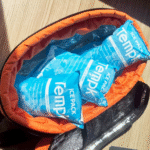
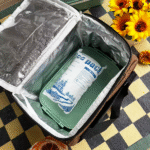
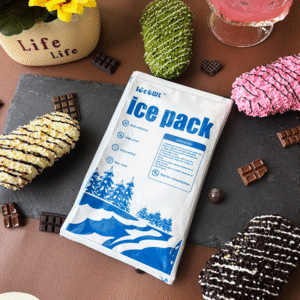
| Packs de glace en gel | 48–72 heures | Expéditions standards ou livraisons régionales | Réutilisable et maintient des températures inférieures à zéro pendant 2 à 3 jours. |
| Polypropylène expansé (PPE) boîtes isolées | 72 heures + | Expéditions longue distance ou d’un océan à l’autre | Hautes performances d'isolation; léger; réduit le risque de brûlure du congélateur. |
| Sacs sous vide | 24–48 heures | Livraisons à court terme ou distribution du dernier kilomètre | Empêche les infiltrations d'air; idéal pour les petits lots. |
| Glace sèche & doublures isolées ventilées | Jusqu'à 96 heures | Expéditions directes aux consommateurs ou aux boutiques | Maintient des températures extrêmement basses; les évents permettent au CO₂ de s'échapper; assurer un étiquetage approprié. |
Considérations logistiques supplémentaires
Choisissez le bon mode de transport: Pour les gros volumes, camions frigorifiques (frigorifiques) qui peuvent maintenir –20 °F sont idéaux. Pour les ordres plus petites, les boîtes isothermes contenant des packs de gel ou de la neige carbonique expédiées via des services express sont plus rentables.
Pré-refroidir et charger uniformément: Pré-refroidissez les conteneurs et répartissez la glace uniformément dans le camion pour garantir un flux d'air constant et une stabilité de la température..
Surveiller le temps de transit: Un temps de transit plus court réduit les risques. Utiliser des outils d'optimisation d'itinéraire pour minimiser les retards et la consommation de carburant.
Astuce du monde réel: Si vous utilisez de la glace carbonique, laisser de l'espace pour que le CO₂ puisse s'évacuer hors de l'emballage afin d'éviter l'accumulation de pression. Les doublures ou emballages ventilés avec de petits trous d'aération garantissent la sécurité et la conformité réglementaire.
Quels États-Unis. la réglementation et les normes sanitaires s'appliquent au transport des glaces?
Le transport des glaces est soumis à la loi sur la modernisation de la sécurité alimentaire (FSMA) règle de transport sanitaire. Expédiés, les transporteurs et les réceptionnaires doivent utiliser des véhicules et des équipements capables de maintenir des températures sûres et d'être correctement nettoyés.. Les opérations de transport doivent inclure des mesures pour prévenir la contamination croisée et assurer un contrôle adéquat de la température.. Le personnel du transporteur responsable des conditions sanitaires doit être formé et tenir des registres des procédures et des accords..
Liste de contrôle de la conformité
Préparation du véhicule: Veiller à ce que les camions et les conteneurs soient conçus pour maintenir des températures glaciales et soient nettoyables..
Procédures opérationnelles: Documentez comment vous évitez la contamination entre les charges, séparer les produits crus et prêts à manger, et maintenir le contrôle de la température.
Entraînement & enregistrements: Fournir une formation sur la sécurité alimentaire aux chauffeurs et au personnel logistique; tenir des registres des procédures, accords et formations pour au moins 12 mois.
Contrôles sanitaires: Inspecter les véhicules et les emballages pour vérifier leur propreté avant chaque expédition; désinfecter régulièrement les contenants
Exemptions légales: Les petites entreprises soumises à des seuils de revenus spécifiques peuvent bénéficier de dérogations à la FSMA; consulter les directives officielles pour plus de détails.
Conseils pratiques
Utilisez des listes de contrôle numériques ou des applications d'audit pour vérifier que chaque envoi répond aux exigences de la FSMA.. Intégrer des modules de formation dans l'intégration des chauffeurs et du personnel de l'entrepôt. Les journaux de température et les dossiers de maintenance protègent non seulement les consommateurs, mais fournissent également des preuves de conformité lors des inspections..
Quelles innovations et tendances façonnent la logistique des glaces 2025?
Durabilité, l'automatisation et la visibilité en temps réel transforment l'industrie de la chaîne du froid. Le poids de la « fraîcheur » en tant que facteur de classement est passé à 6% dans 2025, il est donc essentiel de mettre régulièrement à jour vos pratiques et votre contenu logistiques. Voici les principales tendances:
2025 aperçu des tendances
Pratiques durables: Les préoccupations environnementales poussent les entreprises à adopter des systèmes de réfrigération économes en énergie, énergie renouvelable et emballages recyclables ou biodégradables. Les pratiques durables de la chaîne du froid contribuent à réduire le gaspillage alimentaire et les émissions de carbone.
Suivi en temps réel: Les appareils IoT avancés fournissent des données en temps réel sur place, température et humidité tout au long de la chaîne du froid. Cela améliore l’optimisation des itinéraires, réduit la détérioration et améliore la satisfaction du client.
Automatisation et robotique: Systèmes automatisés de stockage et de récupération (AS/RS) et les manipulateurs robotisés améliorent l'efficacité et réduisent les coûts de main-d'œuvre. Ces systèmes fonctionnent en continu, assurer un contrôle constant de la température et une exécution précise des commandes.
Logistique pilotée par l'IA et optimisation des itinéraires: L'intelligence artificielle analyse les données en temps réel pour prédire les retards, recommander des itinéraires alternatifs et équilibrer les températures de charge.
Blockchain pour la traçabilité: Certains prestataires logistiques expérimentent la blockchain pour enregistrer les enregistrements de température en toute sécurité, améliorer la transparence tout au long de la chaîne d’approvisionnement.
Insistance au marché
La demande des consommateurs pour des desserts glacés d’origine éthique et emballés de manière durable augmente. Les emballages réutilisables et les matériaux respectueux de l'environnement séduisent non seulement les consommateurs, mais aident également les entreprises à atteindre leurs objectifs réglementaires et environnementaux.. L'intégration des appareils IA et IoT permet une maintenance prédictive et une optimisation des itinéraires, réduire les coûts et les émissions. Les entreprises qui adoptent ces innovations très tôt se démarquent à la fois par la confiance des consommateurs et par la visibilité dans les recherches..
Questions fréquemment posées
Q1: Quelle est la plage de température optimale pour l'expédition de glaces?
La glace doit être transportée entre –20 °F et –10 °F. Conserver la glace à environ –18 °F et l’expédier à près de –13 °F aide à conserver sa texture lisse et empêche la formation de cristaux de glace.
Q2: Combien de temps la glace peut-elle rester congelée pendant le transport?
Avec des boîtes isolées EPP de haute qualité et des packs de glace en gel ou de la neige carbonique, la glace peut rester congelée pendant jusqu'à 72 heures. Surveillez la température en continu et sélectionnez les durées d'expédition en conséquence.
Q3: Ai-je besoin d’une surveillance de la température en temps réel pour les petites expéditions?
Oui. Quelle que soit la taille de l'envoi, les dispositifs de surveillance en temps réel vous aident à détecter et à corriger rapidement les écarts de température, garantir l'intégrité du produit.
Q4: Existe-t-il des options d'emballage écologiques pour le transport des glaces?
Oui. De nouveaux matériaux isolants biodégradables et recyclables gagnent du terrain 2025, réduire l’impact environnemental tout en maintenant la rétention du froid.
Q5: Quelles exigences de la FSMA s’appliquent aux expéditions de desserts glacés?
La règle sanitaire de transport de la FSMA oblige les expéditeurs et les transporteurs à maintenir le contrôle de la température, prévenir la contamination croisée, former le personnel et conserver les dossiers.
Résumé & recommandations
Contrôle strict de la température garantit la qualité des glaces. Visez des températures de stockage de –18 °F et de –13 °F pour le transport..
Utiliser des emballages en couches et des modes de transport adaptés; sélectionner les cases EPP, des packs de gel ou de la neige carbonique selon la distance et le volume.
Suivre les règles de transport sanitaire de la FSMA en entretenant un équipement approprié, procédures, formation et dossiers.
Adopter 2025 innovations comme un emballage durable, automatisation et surveillance en temps réel pour rester compétitif.
Optimiser pour la recherche: Haute qualité, un contenu satisfaisant est le premier facteur de classement (23% poids) et les méta-titres riches en mots clés restent cruciaux (14%); concevez vos pages pour l’engagement des utilisateurs et la profondeur du sujet.
Étapes suivantes
Auditez votre processus actuel de chaîne du froid: Évaluer le contrôle de la température, documentation d'emballage et de conformité.
Mettre en œuvre une surveillance en temps réel pour toutes les expéditions et intégrez des alertes à votre système de gestion logistique.
Explorez les options d'emballage durable et l'automatisation pour réduire les déchets et les coûts de main d’œuvre.
Optimisez votre site Web: Mettre à jour les méta-titres, descriptions et contenus régulièrement; créer des clusters thématiques autour des solutions de logistique des glaces et de chaîne du froid pour renforcer l'autorité.
Collaborez avec des experts: Consultez des spécialistes de la chaîne du froid comme Tempk pour des solutions personnalisées et des conseils réglementaires.
À propos du tempk
Nous sommes Tempk, spécialistes du conditionnement et de la logistique sous chaîne du froid haute performance pour l'alimentation, produits pharmaceutiques et biotechnologies. Notre technologie d'emballage isolé sous vide maintient des températures inférieures à zéro pendant de longues périodes, et notre réseau de transporteurs frigorifiques assure une couverture nationale. Nous accordons la priorité à la durabilité en proposant des matériaux recyclables et réutilisables, et nous intégrons une surveillance en temps réel pour vous donner une visibilité de l'entrepôt au pas de votre porte. Nos clients bénéficient d’une détérioration réduite, une empreinte carbone réduite et une satisfaction client améliorée.
Appel à l'action: Prêt à élever votre expédition de glaces? Contactez Tempk dès aujourd'hui pour une évaluation sur mesure de la chaîne du froid et commencez à offrir la perfection.