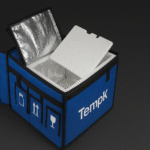
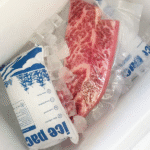
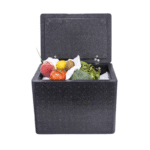
Fournisseur de boîtes isothermes Entreprise de commerce électronique: Sélection des fournisseurs sans incertitude
La meilleure entreprise de commerce électronique de fournisseur de boîtes isothermes est celle qui correspond à votre produit, voie, charge utile, et exigences en matière de preuves avant que la première commande groupée ne soit passée. Pour le traitement des commandes de commerce électronique sensible à la température, les équipes d'approvisionnement comparent souvent les prix en premier, puis découvrez plus tard que la boîte ne correspond pas à l'emballage, transporteur, liquide de refroidissement, ou processus de réception. Une meilleure approche consiste à définir ce qui doit être protégé, ce qu'il faut vérifier, et ce que le fournisseur doit prouver. Ce guide final regroupe ces décisions dans un cadre pratique de sélection des fournisseurs..
La réponse courte en matière d’approvisionnement
Choisissez la société de commerce électronique fournisseur de boîtes isothermes seulement après avoir connu l'état du produit, itinéraire, charge utile, plan de refroidissement, exigence de réception, et preuves nécessaires après la livraison. Une boîte à bas prix peut être acceptable pour un envoi à faible risque, mais c'est une mauvaise base pour les colis à SKU mixtes, kits de repas, commandes de pharmacie, produits de beauté, aliments spécialisés, et d'autres articles qui doivent être traités par colis lorsque l'itinéraire est incertain ou que l'acheteur a besoin de documents. Le meilleur fournisseur n’est pas toujours celui qui a la revendication la plus large; c'est celui qui explique clairement les limites.
Le lecteur cible ne recherche généralement pas une définition académique de l’isolation.. Ils veulent savoir si un fournisseur peut prendre en charge les colis comportant des références mixtes., kits de repas, commandes de pharmacie, produits de beauté, aliments spécialisés, et d'autres articles soumis à la gestion des colis avec un délai de commande, répétable, et colis inspectable. Cela veut dire que la box doit être jugée avec le liquide de refroidissement, la charge utile, la fermeture, le carton, la méthode d'emballage, et la documentation ensemble. Un mur isolé ne constitue pas à lui seul un résultat en matière de chaîne du froid.
Une conversation utile avec un fournisseur commence par le risque qui rend cette application difficile: variabilité des commandes, manutention du transporteur, tentatives de livraison manquées, poids volumétrique, et réclamations clients après livraison. Si ce risque n'est pas mentionné dans la demande, la citation peut paraître attrayante mais être néanmoins incomplète. Par exemple, un colis destiné à un transfert d'entrepôt contrôlé ne subit pas les mêmes abus qu'un envoi de colis sur des voies d'été et d'hiver. Une bonne spécification rend ces différences visibles avant le début de la comparaison des prix.
Commerce électronique Emballage de la chaîne froide doit survivre au tri des colis, tentatives de livraison manquées, variations ambiantes saisonnières, et variation du SKU d'une commande à l'autre.
Ajustement par produit, Itinéraire, Température, et manipulation
Une boîte isolée ralentit le transfert de chaleur; il ne crée pas de contrôle de température par lui-même. Le résultat de la température provient de l'ensemble du système thermique: isolation, réfrigérant, masse de charge utile, ordre d'emballage, espace de tête, profil ambiant, et le temps écoulé. Dans le domaine du traitement des commandes de commerce électronique sensible à la température, une même box peut se comporter différemment lorsque la charge utile est plus dense, plus chaud à l'emballage, plus près du couvercle, ou expédié par une voie plus chaude. C'est pourquoi les acheteurs devraient éviter de considérer le temps de rétention indiqué comme une promesse universelle à moins que les conditions de test ne correspondent à leur itinéraire et à leur produit..
La sélection du liquide de refroidissement doit suivre les exigences du produit. Pour les colis à SKU mixtes, kits de repas, commandes de pharmacie, produits de beauté, aliments spécialisés, et autres articles confrontés à la gestion des colis, le fournisseur doit expliquer pourquoi les packs de gel, Packs PCM, glace carbonique, ou aucun réfrigérant en fonction de la sensibilité du SKU et du risque de voie est approprié et de la préparation requise avant l'emballage. Un liquide de refroidissement conditionné placé dans la mauvaise position peut geler un produit qui n'avait besoin que d'une protection réfrigérée.. La glace carbonique peut maintenir un environnement gelé, mais ça introduit la sublimation, ventilation, et problèmes d'acceptation des transporteurs. Le PCM peut être utile lorsqu'une plage plus étroite est nécessaire, mais son point de changement de phase et son processus de conditionnement doivent être confirmés.
L'emballeur fait partie du système d'emballage. Dans le domaine du traitement des commandes de commerce électronique sensible à la température, une boîte qui fonctionne dans un laboratoire peut échouer lorsqu'une équipe d'entrepôt occupée improvise l'emballage. Les instructions doivent indiquer l'ordre des paquets, conditionnement du liquide de refroidissement, placement de la charge utile, protection supérieure et inférieure, remplissage de vide, fermeture, position de l'étiquette, et toutes les notes de réception. Court, les instructions visuelles fonctionnent souvent mieux que les longues notes techniques que personne ne lit pendant les pics de commandes.
L’inspection à la réception doit être planifiée avant le début de l’expédition. Certains acheteurs vérifient uniquement si le carton extérieur est intact, mais Produits sensibles à la température peut nécessiter une lecture de l'enregistreur de données, un indicateur temps-température, un contrôle visuel de la fonte, ou une étape d'acceptation documentée. Si le destinataire ne sait pas quoi vérifier, un carton d'apparence conforme peut encore donner lieu à des litiges après livraison.
Évaluation des fournisseurs au-delà du prix unitaire
Les achats ne doivent pas seulement demander, ‘What is the price per box?’ A better first question is: quel problème cette boîte est-elle censée résoudre pour les colis à références mixtes ?, kits de repas, commandes de pharmacie, produits de beauté, aliments spécialisés, et autres articles confrontés à la gestion des colis? Si la réponse inclut une plage de température, temps de transit, charge utile, manutention, type de transporteur, et recevoir l'acceptation, le fournisseur peut recommander une structure plus réaliste. Si la réponse est seulement un nom de produit et une taille approximative, les devis seront faciles à recueillir mais difficiles à faire confiance.
Dans un rôle de sélection de fournisseurs où les acheteurs comparent la qualité des échantillons, documentation, réactivité, et la cohérence de la production, l'examen des échantillons est le point où de nombreux problèmes cachés apparaissent. L'échantillon doit être emballé par le même type de personnel qui emballera l'ordre de production, en utilisant le même type de liquide de refroidissement, doublure, remplissage de vide, zone d'étiquette, et méthode de fermeture. L'examinateur doit noter si le couvercle se ferme sans force, si le produit bouge, si les packs entrent en contact avec le produit dans des zones à risque, et si le carton extérieur reste propre et numérisable après manipulation.
Avant de passer à la production, demander comment le fournisseur contrôle les changements. Un petit changement dans l’épaisseur de l’isolation, film de doublure, qualité carton, format du liquide de refroidissement, ou l'ajustement du couvercle peut modifier le résultat thermique et de manipulation. Pour les envois réglementés ou de grande valeur, ce changement peut nécessiter un examen de la qualité ou un nouveau test. Le bon de commande doit identifier quels détails sont approuvés et quels changements nécessitent une confirmation écrite avant expédition..
Un fournisseur doté d’une communication solide peut gagner plus de temps qu’un fournisseur dont le prix unitaire est bas.. Les bonnes réponses sont spécifiques: quel matériel est utilisé, quelles dimensions sont internes et externes, quelles configurations de liquide de refroidissement sont recommandées, quels tests ou échantillons de preuves sont disponibles, quelles illustrations d'emballage peuvent être personnalisées, et ce que l'acheteur doit vérifier. Vague answers such as ‘keeps cold for a long time’ should be treated as marketing language until the test condition is known.
| Point de preuve du fournisseur | Bonne réponse | Panneau d'avertissement |
|---|---|---|
| Contrôle de l'échantillon à la production | Matériaux approuvés, dimensions, fermeture, et l'emballage sont contrôlés. | L'échantillon semble bon mais les détails de production ne sont pas définis. |
| Recommandation thermique | Le fournisseur énonce clairement les hypothèses et les limites des tests. | Le fournisseur promet un temps de rétention universel. |
| Personnalisation | Oeuvre, taille, doublure, et les modifications apportées au pack comportent des étapes de révision. | Les modifications sont proposées sans retester la discussion. |
| Support documentaire | Fiche de données, instructions d'emballage, et des points d'inspection sont disponibles. | Seules les photos et le prix unitaire sont fournis. |
Utilisez ces éléments de preuve pour distinguer un fournisseur qui comprend l'utilisation de la chaîne du froid d'un fournisseur qui ne vend qu'une boîte.. Le tableau ne remplace pas les tests, mais cela rend la conversation sur le sourcing plus concrète.
Contrôles des risques avant la mise à l’échelle
L'erreur la plus courante est de comparer les boîtes par taille visible et prix unitaire tout en ignorant le conditionnement requis.. Cela crée de fausses économies. Une boîte bon marché peut devenir chère si elle a besoin de plus de liquide de refroidissement, plus de remplissage de vide, plus de travail, un service de transporteur premium, ou plus de travail de service client après la livraison. Pour les colis à SKU mixtes, kits de repas, commandes de pharmacie, produits de beauté, aliments spécialisés, et autres articles confrontés à la gestion des colis, Le coût total de l'emballage au débarquement doit inclure le risque de dommage, travail, espace de stockage, poids volumétrique, expéditions rejetées, et gestion de l'élimination.
Another mistake is treating a supplier’s stated thermal duration as a promise for every shipment. Le temps de maintien dépend du profil ambiant, masse de charge utile, température de départ, conditionnement du liquide de refroidissement, séquence d'emballage, et limite d'acceptation. Demandez si le chiffre provient d'un test contrôlé, une fiche fournisseur, un couloir client, ou une estimation générale. Si l'envoi est critique, planifier un projet pilote ou une qualification avant de passer à l'échelle.
Outils de décision utiles
Vérifiez les détails avant de choisir l'emballage
Ces outils rapides peuvent vous aider à comparer le risque d'itinéraire, besoins de dimensionnement, choix de liquide de refroidissement, et les détails de l'emballage avant de demander un devis.
Référence du matériau isolant
Comparez les choix de matériaux d'isolation pour différents besoins d'emballage de la chaîne du froid.
Comparez les matériauxDoublure de boîte & Dimensionnement des couvertures de palettes
Vérifiez la logique de dimensionnement du revêtement de boîte et du couvercle de palette pour les projets d'emballage isotherme.
Dimensionnement estiméRésistance aux chutes du matériau isolant
Examinez la résistance aux chutes et les facteurs de manipulation avant de choisir des matériaux d'isolation..
Vérifier la résistanceLe langage de conformité doit rester précis. Une boîte isotherme n'est pas automatiquement conforme au RGPD, à sa sécurité, approuvé par le vaccin, Prêt pour l'IATA, ou adapté à chaque itinéraire. Il peut prendre en charge un processus conforme lorsqu'il est utilisé avec les bons matériaux, procédures, surveillance, documentation, et examen de la qualité. L'acheteur doit demander quelle partie du processus le colis prend en charge et quelles responsabilités restent à la charge de l'expéditeur..
Les normes et les orientations peuvent fournir des limites utiles. Les tests de transport thermique ISTA peuvent aider à évaluer conteneurs d'expédition isolés pour les conditions des colis. Les programmes de vaccination peuvent faire référence aux directives du CDC, Catégories PQS de l'OMS, et exigences de manipulation spécifiques au produit. Les expéditeurs de produits alimentaires peuvent faire référence au code alimentaire, exigences de l'acheteur, et procédures internes HACCP ou qualité. Les expéditions de glace carbonique peuvent nécessiter un examen des marchandises dangereuses et du transporteur. Ces références sont des points de départ, pas d'approbations universelles.
Exemple pratique: De l'échantillon à la commande répétée
Un scénario typique: un vendeur direct au consommateur expédie de petits colis isolés d'un centre de distribution vers plusieurs zones climatiques, alors que le mix produit change quotidiennement. L'acheteur demande d'abord une caisse isotherme à moindre coût, mais la vraie décision est à plusieurs niveaux. L'équipe doit décider si l'envoi doit être réfrigéré., congelé, ou protection de salle contrôlée; si le produit peut toucher le liquide de refroidissement; si la destination accepte le format du package; et si l'itinéraire a un week-end, douane, ou risque de retard sur le dernier kilomètre.
Lors du premier cycle d'échantillonnage, l'équipe doit emballer le produit exactement comme il le serait à grande échelle. Si un opérateur d'entrepôt a besoin de bande supplémentaire, espaceurs improvisés, ou jugement spécial pour faire fonctionner l'emballage, le design n'est pas prêt pour la production. Si un enregistreur de données est utilisé, sa position doit être documentée car un enregistreur placé contre le liquide de refroidissement peut ne pas représenter l'expérience de la charge utile.
Après le procès, examiner à la fois l'état du produit et les efforts d'exploitation. La boîte s'adapte-t-elle à l'étagère, palette, ou flux de colis? Les étiquettes sont-elles restées lisibles? Le destinataire savait-il comment déballer le produit en toute sécurité? Le carton extérieur est-il resté propre? Les déchets d’emballages correspondaient-ils aux attentes des clients ?? Ces questions révèlent souvent si la box est une véritable solution commerciale ou seulement un échantillon techniquement possible..
Notes supplémentaires pour l'acheteur
Un autre point pratique est le stockage en entrepôt. Boîtes isolées, doublures, et les liquides de refroidissement prennent de la place avant même de protéger une expédition. Si l'emballage est volumineux, difficile à empiler, ou sensible à l'humidité, l'équipe de l'entrepôt peut mal le gérer même lorsque la conception est techniquement solide. Pour le traitement des commandes de commerce électronique sensible à la température, l'approvisionnement devrait demander comment les boîtes sont livrées, stocké, mis en scène, et compté avant le début de l'emballage quotidien.
FAQ
Une entreprise de commerce électronique fournisseur de boîtes isothermes est-elle suffisante pour protéger les produits sensibles à la température?
Non. La boîte n'est qu'une partie du système thermique. Vous avez toujours besoin du bon ajustement de charge utile, type de liquide de refroidissement, conditionnement du liquide de refroidissement, ordre d'emballage, fermeture, itinéraire, et procédure de réception. Pour les colis à SKU mixtes, kits de repas, commandes de pharmacie, produits de beauté, aliments spécialisés, et autres articles confrontés à la gestion des colis, l'acheteur doit définir les exigences de température du produit et demander au fournisseur quelles preuves soutiennent l'emballage recommandé.
Que dois-je demander avant d'approuver un échantillon?
Demandez les dimensions intérieures, espace de charge utile utilisable, construction matérielle, disposition recommandée du liquide de refroidissement, méthode de fermeture, résistance du carton extérieur, zone d'étiquetage, et toute donnée de test ou de référence. Emballez ensuite l'échantillon comme le ferait le personnel de production.. Un bel échantillon ne suffit pas s’il ne peut pas être répété à grande échelle.
Comment dois-je comparer les offres de différents fournisseurs?
Comparez le système complet plutôt que le prix de la boîte uniquement. Un devis peut exclure la doublure, liquide de refroidissement, tampons absorbants, carton imprimé, données thermiques, ou outillage. Un autre peut inclure plus de support mais semble plus cher. Construire une comparaison autour des performances délivrées, travail, déchets, documentation, et risque de contrôle des changements.
Quand faut-il envisager de tester ou de qualifier un itinéraire ??
Envisagez de tester lorsque le produit a une grande valeur, réglementé, sensible au gel ou au chauffage, expédiés sur des voies longues ou incertaines, ou susceptible de faire face à des retards en matière de douane et de week-end. A supplier’s general test result can be useful, mais l'acheteur doit décider si le produit, charge utile, liquide de refroidissement, et le profil ambiant correspondent à l'itinéraire réel.
La même boîte peut-elle être utilisée à chaque saison?
Pas automatiquement. Chaleur estivale, gel hivernal, humidité, retards des transporteurs, et les changements d'itinéraire peuvent altérer les performances. Une boîte utilisée avec succès dans une voie peut nécessiter une charge de liquide de refroidissement différente, Choix PCM, structure d'isolation, ou niveau de service dans une autre saison. L'examen saisonnier est une étape pratique avant de développer un programme d'emballage.
Conclusion
La décision d'une entreprise de commerce électronique solide en matière de fournisseur de boîtes isothermes repose sur des informations spécifiques.: sensibilité au produit, plage de température, charge utile, itinéraire, liquide de refroidissement, manutention, documentation, et contrôle des fournisseurs. La boîte doit être évaluée dans le cadre d'un emballage, pas comme une marchandise isolée. Avant la mise à l'échelle, confirmer ce qui est testé, ce qui est supposé, quels changements nécessitent un examen, et comment le destinataire jugera l'état de livraison.
À propos du tempk
À propos du tempk: Tempk soutient les décisions d'emballage de la chaîne du froid B2B avec des produits tels que packs de glace en gel, Packs PCM, doublures et sacs isolés, boîtes isolées, couvertures thermiques de palettes, glacières médicales, bûcherons de données, et prise en charge du package de validation. Pour le traitement des commandes de commerce électronique sensible à la température, notre rôle est d'aider les acheteurs à traduire l'itinéraire, charge utile, plage de température, et les contraintes d'exploitation dans une discussion pratique sur l'emballage. Nous évitons de considérer une boîte comme universelle, car le succès d'un emballage sous chaîne du froid dépend du produit., liquide de refroidissement, manutention, et plan de vérification.
Prochaine étape
Partagez votre type de produit, itinéraire, Taille de la charge utile, et les conditions de température requises avec Tempk si vous souhaitez une recommandation pratique pour l'approvisionnement d'une entreprise de commerce électronique de fournisseurs de boîtes isothermes ou l'évaluation d'échantillons.