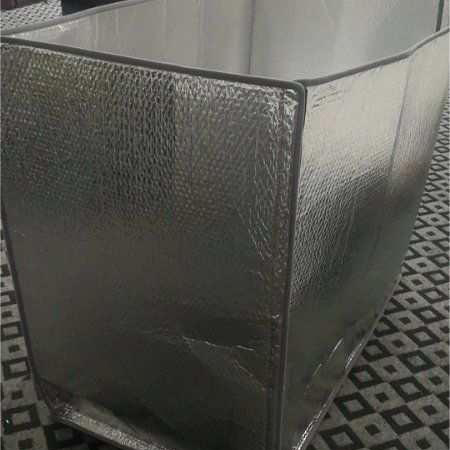
How to Choose Insulated cargo covers for frozen foods for Real Shipment Conditions
Couvre-bagages isolés pour les aliments surgelés doit être choisi en fonction de la sensibilité du produit, exposition par voie, géométrie des palettes, et exigences en matière de preuve. Pour les aliments surgelés en palettes ou en chargements, une couverture peut réduire le stress thermique à court terme lors de la mise en scène ou du transfert, mais il ne peut pas corriger un mauvais préconditionnement, manipulation dangereuse, ou un mode de transport inadapté. La meilleure décision d'achat relie la couverture à un flux de travail écrit: quand il est appliqué, comment il est sécurisé, quelles preuves soutiennent son utilisation, et ce que l'équipe de réception vérifie.
Réponse rapide: utilisez des couvertures de chargement isolées pour les aliments surgelés lorsque votre charge palettisée a besoin d'une protection passive temporaire pendant le transfert, mise en scène, ou des retards de réception. Ne les utilisez pas comme preuve de conformité de la température à moins que le processus d'emballage complet ne fournisse la preuve de votre produit., itinéraire, et critères d'acceptation.
La limite utile: protection, pas de magie
UN couverture de palette est une couche protectrice passive. Il peut réduire la chaleur rayonnante directe, échange convectif lent autour des cartons, et ajouter une barrière amovible pendant l'exposition. Il ne génère pas d'air froid, chauffer activement la charge, ou vérifier que l'envoi est resté dans une plage requise. That is why insulated cargo covers for frozen foods should be described as part of a temperature-management process, pas comme tout le processus.
The operational boundary is especially important for frozen foods in pallet or cargo loads. Frozen food protection depends on maintaining product state through pre-cooling, manipulation rapide, proper vehicle control, et des chèques de réception documentés. Si le produit quitte l'entrepôt déjà chaud, mouillé, endommagé, ou en dehors de la condition requise, la couverture peut simplement cacher le problème jusqu'à la réception. Un flux de travail plus puissant démarre avant l'application de la couverture: confirmer l'état du produit, confirmer que la palette est stable, puis couvrez la charge pour une fenêtre d'exposition définie.
Utilisez la couverture là où elle correspond au risque: reducing heat gain during frozen-food loading, mise en scène temporaire, and transfer between controlled areas. Évitez de le traiter comme un substitut au stockage contrôlé, emballage qualifié, contrôle de la température du véhicule, ou des instructions spécifiques au produit. An insulated cargo cover is not a freezer and cannot restore a frozen state once product temperature has been compromised.
Commencez par la voie, pas la photo du catalogue
La bonne spécification de couverture est plus facile à définir une fois que vous dessinez l'itinéraire sur papier. Inclure chaque endroit où une palette est garée, inspecté, réétiqueté, consolidé, ou déplacé entre les zones de température. Pour ce sujet, the common route may include freezer warehouses, reefer docks, port cold stores, airline perishables centers, et centres de distribution de détail. Ces emplacements ne sont pas identiques. Certains ont des portes de quai ouvertes, certains ont le soleil direct, certains ont des embouteillages avec les chariots élévateurs, et certains ont des retards dans la paperasse.
Une feuille de route utile doit identifier à qui appartient la palette à chaque étape. L'expéditeur peut appliquer la couverture, un transporteur peut le retirer pour inspection, un entrepôt peut réemballer la palette, et le destinataire devra peut-être retourner le couvercle. Si personne n'est propriétaire de ces marches, le programme de couverture devient incohérent. Vous pouvez voir de bons résultats sur une voie et de mauvais résultats sur une autre., même avec le même produit et la même housse.
Demandez aux équipes de signaler les points d'arrêt réels, pas les points d'arrêt prévus. Un horaire peut montrer un court transfert, alors que les opérations réelles incluent les rendez-vous manqués, contrôles douaniers, files d'attente de camions, ou mise en scène dans une zone plus chaude. Cette réalité devrait influencer la taille de la couverture, conception de fermeture, accès à l'étiquetage, et si une surveillance supplémentaire est nécessaire.
Risk notes for frozen foods in pallet or cargo loads
The main risks to watch are surface thawing during loading, ice crystal damage from repeated warming, condensation after cover removal, door-open delays, and covering product that is already out of spec. Ces risques ne sont pas résolus par la seule isolation. Ils nécessitent une décision quant au moment où la charge est prête à être couverte, combien de temps ça peut attendre, comment l'itinéraire est surveillé, et que font les équipes de réception si l'état de l'emballage semble douteux.
Pour les aliments surgelés en palettes ou en chargements, la couverture doit soutenir les instructions du produit plutôt que de les remplacer. Si l'étiquette, fiche de données de sécurité, spécification du client, ou un accord de qualité définit une condition requise, utiliser ce document comme point de départ. Lorsque la condition requise n'est pas claire, ne sélectionnez pas une couverture sur la base d’une réclamation générale. Demandez au propriétaire du produit ou à l'équipe qualité de confirmer la plage acceptable et les conditions de manipulation autorisées..
La question la plus pratique sur l'ajustement du produit est simple: quel problème essayez-vous de réduire? Une couverture peut aider en cas d’exposition temporaire au soleil, mise en scène courte en dehors d'une salle contrôlée, ou variations de température lors du transfert. Ce n'est peut-être pas le bon outil lorsque l'itinéraire nécessite une réfrigération active, un expéditeur validé, un pack de réfrigérant, ou des enregistrements de température documentés à un niveau que la couverture ne peut pas fournir.
Questions des fournisseurs qui évitent les discordances coûteuses
| Que confirmer | Raison de la demande | Bon signal d'achat |
|---|---|---|
| Taille et hauteur des palettes | Les espaces réduisent la protection et rendent la manipulation difficile. | Le fournisseur demande les dimensions de la palette chargée, pas seulement l'empreinte de la palette. |
| Fermeture et accès aux étiquettes | Les couvertures peuvent être retirées si les étiquettes ne peuvent pas être numérisées. | La conception permet la numérisation, inspection, et refermer. |
| Preuve thermique | Les performances dépendent de l'exposition et de la charge. | Le fournisseur explique les conditions de test ou indique clairement les limites. |
| Nettoyage et réutilisation | Les articles réutilisables nécessitent un contrôle de l’hygiène et de l’état. | Des conseils de nettoyage et des critères d’inspection sont disponibles. |
| Cohérence à grande échelle | Les commandes groupées doivent correspondre aux échantillons approuvés. | Le fournisseur définit l'approbation des échantillons et la communication sur les changements de matériaux. |
Pour les aliments surgelés en palettes ou en chargements, le meilleur fournisseur n’est pas celui qui offre la plus grande promesse. C'est celui qui vous aide à définir des hypothèses et à vérifier si ces hypothèses correspondent à votre itinéraire..
La table n’a pas pour but de ralentir les achats. Cela évite un modèle de défaillance courant: un acheteur sélectionne une couverture en fonction du langage général du produit, puis les équipes de l'entrepôt découvrent qu'il ne rentre pas dans la palette, bloque les étiquettes, devient mouillé, ou ne dispose pas des preuves nécessaires pour un compte sensible.
Créez une SOP de couverture que les travailleurs utiliseront réellement
Un processus réalisable commence avant que la palette n'atteigne la porte. Confirmer l'état du produit, intégrité de l'emballage, stabilité des palettes, et toute instruction particulière. Appliquez ensuite la couverture sur une zone définie, fermetures sécurisées, garder les étiquettes requises visibles, et enregistrer toute exception. Pour les aliments surgelés en palettes ou en chargements, cette étape est souvent plus importante que de petites différences entre des couvertures d'apparence similaire.
Pendant le transport ou la mise en scène, le personnel doit savoir si le couvercle peut être ouvert pour inspection et comment il doit être refermé. Si une palette est divisée, retravaillé, ou réétiqueté, le processus de couverture ne doit pas disparaître. Le destinataire doit inspecter à la fois l'emballage du produit et l'état de la couverture., parce que l'humidité, odeur, déchirure, ou une fermeture manquante peut révéler un problème de manipulation.
Un simple relevé peut suffire pour du fret non réglementé: temps couvert, emplacement, responsable, état visible, et recevoir des notes. Les expéditions à plus haut risque peuvent nécessiter des enregistrements de température, examen de la qualité, ou gestion des écarts documentés. Le niveau de documentation doit correspondre au risque produit et aux attentes de l'acheteur, transporteur, et le récepteur.
Utilisez des allégations prudentes dans les voies réglementées ou sensibles à la sécurité
Pour les expéditions de nourriture, les pratiques de transport doivent empêcher que le produit ne devienne dangereux et doivent inclure un contrôle adéquat de la température lorsque l'aliment l'exige. Cela ne signifie pas que chaque couverture de palette a le même rôle réglementaire. Cela signifie que la couverture doit s'adapter à un programme de logistique alimentaire plus large comprenant des équipements propres., chargement correct, véhicules adaptés, et recevoir une évaluation.
Food safety and customer requirements may define acceptable conditions; operators should verify product specifications and local rules. Utiliser un langage prudent dans les spécifications et les contrats. Préférez des phrases telles que « prend en charge la protection contre l'exposition temporaire »,' 'utilisé dans le cadre d'un processus de manipulation documenté,» ou « à évaluer par rapport à la voie d'expédition ». Évitez les déclarations qui suggèrent une conformité universelle, maintien de la température garanti, ou adéquation à chaque itinéraire.
Lorsqu’une qualification formelle est requise, demander quelle norme, profil, charge utile, et les critères d'acceptation ont été utilisés. Données de test thermique d'un expéditeur isolé ou un format d'emballage différent ne doit pas être automatiquement transféré sur une couverture de palette. Si la candidature est importante, qualifier le système dans des conditions qui ressemblent à l'itinéraire réel.
Outils de décision utiles
Vérifiez les détails avant de choisir l'emballage
Ces outils rapides peuvent vous aider à comparer le risque d'itinéraire, besoins de dimensionnement, choix de liquide de refroidissement, et les détails de l'emballage avant de demander un devis.
Vérificateur de risque d'itinéraire
Examinez les conditions des pistes avant de sélectionner l'emballage en fonction des exigences opérationnelles réelles..
Vérifier le risque d'itinéraireLiquide de refroidissement & Référence PCM
Comparez les options de liquide de refroidissement et de PCM lorsqu'un itinéraire nécessite une prise en charge supplémentaire de la température.
Comparez les optionsCalculateur de glace carbonique
Estimer les besoins en glace carbonique pour les envois congelés ou ultra-froids avant l'emballage.
Estimation de la neige carboniqueDe l'échantillon au déploiement: les chèques que les acheteurs oublient
Avant de demander le prix, définir les hypothèses de fonctionnement. Confirmer les dimensions de la palette chargée, catégorie de produit, exposition des voies, durée de vie prévue de la couverture, méthode de nettoyage, espace de stockage, et si les couvertures reviennent à l'origine. Pour les aliments surgelés en palettes ou en chargements, also confirm frozen status before loading, freezer-to-truck dwell time, and reefer setpoint responsibility. Ces détails déterminent si l'échantillon que vous recevez est significatif.
Pendant l'examen de l'échantillon, éviter d’approuver uniquement l’apparence visuelle. Laissez les employés de l'entrepôt appliquer et retirer la couverture dans des délais normaux.. Déplacer la palette à travers les portes, dans les virages serrés, et à proximité des points de numérisation. Vérifiez si le couvercle traîne, larmes, bloque les étiquettes, ou crée un problème de sécurité. Demandez ensuite à la qualité ou aux opérations de définir des critères de réussite ou d'échec avant de passer à une commande groupée..
Pour un achat répété, demander comment le fournisseur gère les substitutions de matériaux, changements de production, emballage des couvertures elles-mêmes, et la cohérence d'un lot à l'autre. L'acheteur n'a pas besoin de transformer chaque commande en projet de laboratoire, mais le déploiement en masse ne doit pas reposer sur un seul échantillon informel si la couverture fait partie d'un processus d'expédition contrôlé.
La durabilité fait partie du modèle opérationnel, pas seulement la brochure
Reusable covers can reduce disposable liners in frozen-food lanes, mais l'humidité, odeur, and cleaning control are critical. C'est le point de vue équilibré. Les housses réutilisables peuvent être une alternative judicieuse aux doublures jetables ou aux emballages d'urgence répétés., mais ils nécessitent également une logistique inverse, travail, stockage, inspection, et nettoyage. Si les housses disparaissent après la livraison ou reviennent contaminées, l’histoire de la durabilité s’affaiblit.
Quand la durabilité fait partie de la décision d’achat, demander des réponses pratiques plutôt que des affirmations générales. Combien de fois la couverture est-elle destinée à être utilisée dans vos conditions de manipulation? Comment les couvertures endommagées seront-elles identifiées? Où les couvertures mouillées sécheront-elles? Qui paie les frais de retour? Quel emballage est utilisé pour expédier les couvertures elles-mêmes? Ces questions aident le programme à survivre au-delà du premier bon de commande.
Pour les aliments surgelés en palettes ou en chargements, la durabilité ne doit jamais se faire au détriment de la sécurité des produits, hygiène, ou manipulation documentée. Une couverture plus durable n’a de valeur que si elle reste adaptée aux biens qu’elle protège. Si le nettoyage, odeur, résidu, ou les dégâts matériels ne peuvent être maîtrisés, une approche d'emballage différente peut être plus sûre.
Exemple pratique: un échantillon qui a l'air bien mais qui échoue sur la route
Imagine a buyer needs insulated cargo covers for frozen foods for frozen foods in pallet or cargo loads moving through a route with a warehouse staging area, une remise du transporteur, et un récepteur qui subit souvent une congestion du quai. La première demande peut paraître simple: fournir une couverture réutilisable pour les palettes standards. Une meilleure demande inclut les dimensions de la palette chargée, points d'arrêt attendus, si la palette peut être inspectée pendant le transport, comment les étiquettes doivent rester numérisables, et quelles notes de réception sont requises si la couverture arrive mouillée, déchiré, ou manquant.
Le fournisseur peut alors recommander un style de couverture et expliquer ses limites. Les opérations peuvent tester la vitesse et l’adéquation des applications. La qualité peut décider si davantage de preuves sont nécessaires. Les achats peuvent comparer le prix unitaire à la réutilisation, perte, nettoyage, et stockage. Cet exemple n'est pas un cas client; c'est un moyen pratique d'éviter une erreur d'achat courante: traiter une couverture passive comme un simple accessoire alors qu’elle touche en réalité plusieurs services.
Évitez ces points d’échec avant de passer à l’échelle
- Covering frozen foods in pallet or cargo loads before confirming that the load is in the right starting condition.
- Acheter uniquement par empreinte de palette et ignorer la hauteur chargée, surplomb, étiquettes, et points d'accès.
- Laisser des espaces de fermeture permettant l'échange d'air dans les coins, coutures, ou la base de la palette.
- Utiliser une housse réutilisable sans nettoyage, séchage, inspection, et processus de retraite.
These mistakes matter because insulated cargo covers for frozen foods are usually used at the messy edge of a controlled process: la porte, la file d'attente des camions, le cross-dock, le point de contrôle, ou la zone d'accueil des clients. C'est là que les petites actions s'accumulent. Un rabat lâche, une couverture mouillée, ou un remplacement retardé peut réduire la valeur d'un produit par ailleurs raisonnable.
La méthode de prévention n'est pas compliquée. Écrivez la règle, former les personnes qui touchent la palette, et auditer le processus lors des expéditions réelles. Si la couverture est suffisamment importante pour acheter, c'est suffisamment important pour être visible dans le workflow.
FAQ
Do insulated cargo covers for frozen foods guarantee a specific temperature range?
Non. Ce sont des produits de protection passive et ne créent pas à eux seuls une plage de température garantie.. Les performances dépendent de la condition de départ du produit, masse de la palette, ajustement de la couverture, exposition ambiante, temps de traitement, et le reste du système de transport. Si une plage de température spécifique est requise, confirmez-le à partir des instructions du produit et demandez quelles preuves soutiennent la configuration de l'emballage.
When should I use insulated cargo covers for frozen foods?
Utilisez-les lorsque le risque principal est une exposition temporaire pendant le chargement, déchargement, mise en scène, inspection, ou transfert entre zones contrôlées. Ils sont particulièrement utiles lorsque l’itinéraire comporte des points de transfert prévisibles et que le personnel peut appliquer et retirer la couverture correctement.. Ils conviennent moins comme substitut à la réfrigération active, emballage qualifié, ou une refonte complète du parcours.
Que dois-je vérifier avant de passer une commande groupée?
Confirmer les dimensions de la palette chargée, conception de fermeture du couvercle, accès aux étiquettes, exigences de nettoyage, logistique de retour, et cohérence de l'échantillon à la production. Pour les aliments surgelés en palettes ou en chargements, also review frozen status before loading, and freezer-to-truck dwell time. Une commande groupée doit être basée sur un véritable essai de palette, pas seulement un dessin ou une photo de produit.
Une housse réutilisable peut-elle créer des problèmes d’hygiène ou de contamination?
Oui, c'est possible si la housse revient mouillée, sale, odorant, déchiré, ou exposé à des marchandises incompatibles. Les programmes réutilisables nécessitent des conseils de nettoyage, critères d'inspection, règles de stockage, et un moyen de retirer les couvercles endommagés du service. Pour la nourriture, laboratoire, ou expéditions industrielles sensibles, un examen de l'hygiène devrait avoir lieu avant le déploiement.
Quelles preuves un fournisseur doit-il fournir?
Demandez une spécification qui explique les matériaux, dimensions, style de fermeture, utilisation prévue, conseils de nettoyage, et toute évaluation thermique disponible. Si le fournisseur mentionne des tests, demander les conditions de test, charge utile, profil ambiant, et critères d'acceptation. Les preuves doivent correspondre suffisamment à votre demande pour étayer la décision.
Conclusion
Insulated cargo covers for frozen foods make sense when they are tied to a clear route problem, un risque produit défini, et un processus de traitement reproductible. Pour les aliments surgelés en palettes ou en chargements, se concentrer sur la condition de départ de la charge, les points de transfert réels, l'ajustement de la couverture, et les preuves derrière toute réclamation du fournisseur. La décision la plus sûre n’est pas la promesse la plus dramatique; c'est celui de ton entrepôt, transporteur, équipe de qualité, et le récepteur peut répéter de manière cohérente.
Avant d'acheter, confirmer l'état requis du produit, tester un échantillon sur une vraie palette, documenter le flux de travail, et décidez quelles équipes de réception doivent vérifier. Cette approche pratique protège à la fois la qualité des produits et la confiance en matière d'approvisionnement..
À propos du Tempk
Tempk soutient les équipes logistiques de la chaîne du froid et sensibles à la température qui ont besoin de choix d'emballage pratiques pour le fret palettisé. In a discussion about insulated cargo covers for frozen foods, nous nous concentrons sur les détails qui affectent l'utilisation quotidienne: taille de la palette, exposition par voie, ajustement de la couverture, construction matérielle, gestion du flux de travail, et les limites de la protection passive. Nous évitons de traiter une seule couverture comme une réponse universelle, parce que différents produits, voies, et les besoins en documentation nécessitent des décisions d'emballage différentes.
CTA
Partagez les dimensions de vos palettes, type de produit, exposition par voie, et les étapes de manipulation attendues avec Tempk. We can help you compare insulated cargo covers for frozen foods options before you move from sample review to a larger order.