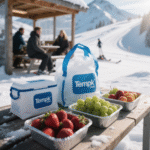
Sacs à lunch isolés pour enfants: Quoi acheter 2025?
Si vous magasinez pour sacs à lunch isolés pour enfants, ton véritable objectif est simple: votre enfant ouvre le déjeuner à midi, et la nourriture a toujours l'air et sent bon. Vous voulez également moins de déversements et moins d’« odeurs mystérieuses ». Aux États-Unis au quotidien. messages sur la sécurité alimentaire, la « zone dangereuse » est communément décrite comme 40°F – 140 °F, et les denrées périssables ne devraient pas rester trop longtemps - souvent résumé comme 2 heures (ou 1 heure quand il fait très chaud).
Ce guide transforme cela en un système pratique que vous pouvez réellement suivre lors des matinées scolaires chargées..
Cet article répondra pour vous:
-
Comment sacs à lunch isolés pour enfants soutien règles de température sûres pour les paniers-repas des enfants
-
Quand tu as besoin d'un sac de glace (et quand tu ne le fais pas) avec un planificateur de sacs à lunch isolés pour enfants
-
Comment choisir la taille et la structure selon l'âge, calendrier, et espace sac à dos
-
Comment réduire les fuites, odeurs, et problèmes de « déjeuner écrasé »
-
Une routine d'emballage simple (plus un test rapide à domicile) pour éviter les surprises
-
2025 tendances: nettoyage plus facile, plus de structure, et plus de transparence matérielle
Pourquoi les sacs à lunch isothermes pour enfants sont-ils importants pour la sécurité alimentaire quotidienne?
Réponse directe: Sacs à lunch isothermes pour enfants changement lent de température. Cela fait gagner du temps, ce qui permet aux aliments froids de se réchauffer plus lentement et aux aliments chauds de refroidir plus lentement..
Explication élargie: Pensez à l’isolation comme à une veste. Une veste ne crée pas de chaleur, mais ça ralentit la perte de chaleur. La même règle s'applique ici: sacs à lunch isolés pour enfants t'aider prise la température de départ, ne rend pas le déjeuner froid comme par magie. Si vous emballez des produits laitiers, viande, œufs, fruit coupé, ou des restes, votre démarche la plus sûre est de les traiter comme « a besoin d’un soutien froid,"surtout quand le déjeuner dure des heures.
sacs à lunch isolés pour enfants
La méthode « Lunch Lane » (rapide et pratique)
Choisissez une voie chaque matin. Cela réduit la fatigue décisionnelle.
-
Voie de longue conservation: fruit entier, craquelins, collations scellées
-
Allée réfrigérée-périssable: yaourt, fromage, charcuterie, fruit coupé
-
Voie chaude: soupe, pâtes, riz (dans un bocal bien isolé)
| Allée du déjeuner | Aliments typiques | Ce que vous ajoutez | Ce que cela signifie pour vous |
|---|---|---|---|
| Longue conservation | craquelins + fruit entier | petit paquet en option | fraîcheur + moins de miettes |
| Réfrigéré-périssable | yaourt + baies | 2 sources froides | meilleure marge de sécurité et meilleur goût |
| Chaud | soupe + pâtes | pot de nourriture isolé | moins de plaintes pour « déjeuner tiède » |
Exemple concret: Un parent a mis fin aux plaintes concernant le « yaourt chaud » en passant à un sac structuré et en ajoutant une deuxième source froide.
sacs à lunch isolés pour enfants
Les sacs à lunch isolés pour enfants fonctionnent-ils sans sacs de glace?
Réponse directe: Oui, mais généralement uniquement pour fenêtres courtes ou déjeuners de longue conservation. Pour les denrées périssables réfrigérées, l'isolation fonctionne mieux avec des sources froides.
sacs à lunch isolés pour enfants
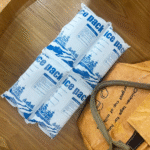
Explication élargie: Si votre enfant déjeune 4 à 6 heures après que vous l'ayez préparé, la plupart des denrées périssables réfrigérées ont besoin d'aide. Une bonne pratique courante en matière de conseils sur la sécurité du déjeuner consiste à utiliser deux sources froides (Par exemple, un pack de gel et une boisson glacée) dans sacs à lunch isolés pour enfants lors de l'emballage de denrées périssables.
sacs à lunch isolés pour enfants
Planificateur de sacs à lunch isolés pour enfants (60 secondes)
Adaptez votre plan au temps avant le déjeuner et le météo.
| La réalité de la journée d'école | Plan de glace | Placement | Ce que cela signifie pour vous |
|---|---|---|---|
| ≤4 heures pour déjeuner | 1 source froide | au-dessus des denrées périssables | généralement suffisant les jours doux |
| 4–6 heures pour déjeuner | 2 sources froides | haut + côté (ou en bas) | refroidissement plus constant |
| 6+ heures, promenades en bus, ramassage à chaud | 2 sources froides + ajustement plus serré | disposition « sandwich froid » | moins d'échauffements risqués |
Conseils pratiques
-
Démarrer à froid: refroidir les aliments pendant la nuit; ne comptez pas sur le sac pour le refroidir.
-
Allez à double face: source froide → conteneur → source froide.
-
Réduire les entrefers: l'air supplémentaire se réchauffe plus rapidement que l'espace rempli.
Comment choisir des sacs à lunch isothermes pour enfants selon l'âge et la routine scolaire?
Réponse directe: Le meilleur sacs à lunch isolés pour enfants ajustez vos conteneurs, mettre le sac à dos, et sont faciles à ouvrir pour votre enfant, sans écraser la nourriture.
Explication élargie: Acheter « trop gros » crée de l’espace vide et des conteneurs coulissants. Acheter « trop petit » crée des sandwichs brisés et du stress. Choisissez en fonction de la durée du déjeuner, à quel point votre enfant est dur avec les fermetures éclair, et si le sac doit contenir un sac à dos serré.
2-test d'ajustement minute pour les sacs à lunch isothermes pour enfants
Donner 1 point pour chaque « oui »:
-
Mon enfant peut ouvrir la fermeture éclair seul.
-
Un conteneur principal s'adapte plat, pas incliné.
-
Il y a de la place pour deux sources froides sans écraser les aliments.
-
La doublure se nettoie en dessous 30 secondes.
-
Le sac tient debout sur un bureau ou une étagère.
Score
-
0–2: risque de frustration (déverse, larmes, nourriture gaspillée)
-
3–4: choix quotidien solide
-
5: configuration « prête pour l’école »
| Stade scolaire | Besoins typiques | Meilleur style de sac | Ce que cela signifie pour vous |
|---|---|---|---|
| Préscolaire (3–5) | déjeuner simple + petite collation | compact, large ouverture | moins de difficultés avec la fermeture éclair |
| Élémentaire (6–10) | déjeuner + collation + boire | moyen, structuré | moins d'objets écrasés |
| Collège (11+) | des portions plus grosses + extras | plus grande capacité + sangle plus résistante | meilleure durabilité |
Exemple concret: Le passage à une base structurée a empêché les fruits d'être écrasés dans un sac à dos bondé..
Quelles sont les caractéristiques les plus importantes des sacs à lunch isothermes pour enfants?
Réponse directe: Privilégier l'isolation + doublure lavable + fermetures éclair solides + structure. Un design mignon est un bonus.
Explication élargie: Les enfants traînent, baisse, et remplir des sacs à lunch. Vos fonctionnalités « indispensables » sont celles qui réduisent la maintenance quotidienne: moins de fuites, moins d'odeurs, moins de fermetures éclair cassées.
Liste de contrôle des fonctionnalités qui empêche 80% de plaintes
| Fonctionnalité | Que chercher | Ce que ça empêche | Ce que cela signifie pour vous |
|---|---|---|---|
| Isolation | sensation rembourrée, coutures serrées | réchauffement rapide | meilleur goût au déjeuner |
| Doublure | essuyable, lisse, moins de coutures | accumulation d'odeurs | nettoyage plus rapide |
| Fermetures éclair | poignées surdimensionnées, piste fluide | fermeture cassée | durée de vie du sac plus longue |
| Structure | murs semi-rigides + base stable | nourriture écrasée | enfant plus heureux |
| Poches simples | pas un "labyrinthe" | ustensiles perdus | emballage plus rapide |
Conseils pratiques
-
Choisir moins de coutures intérieures (les miettes se cachent dans les coutures).
-
Pour les plus jeunes: éviter les compartiments compliqués.
-
Choisissez un sac qui peut se lever tout seul.
Comment éviter les fuites dans les sacs à lunch isothermes pour enfants?
Réponse directe: La prévention des fuites concerne principalement les conteneurs + ordre d'emballage. Le sac à lunch est votre dernière ligne de défense.
Explication élargie: Même premium sacs à lunch isolés pour enfants je ne peux pas conserver une tasse à soupe à couvercle pression dans un sac à dos. Votre objectif est simple: garder les liquides scellés, droit, et protégé des aliments secs.
Système d'emballage étanche que vous pouvez copier
-
Utiliser bouchon à vis récipients pour liquides.
-
Emballer des liquides debout au centre.
-
Mettez une petite serviette/serviette sous les liquides (collecteur de gouttes).
-
Séparez le pain et les collations sèches dans une pochette.
Conseils pratiques
-
Faites le 10-deuxième test de secousse à la maison (eau à l'intérieur, secouer, vérifier).
-
Ajoutez un petit sac secondaire autour des fruits coupés.
-
Gardez les articles mouillés loin des emballages en papier.
Exemple concret: Une famille a mis fin aux déversements à l'heure du déjeuner en optant pour des récipients à vis et des liquides placés au centre avec une petite serviette en dessous..
Les sacs à lunch isolés pour enfants peuvent-ils aider avec les déjeuners chauds?
Réponse directe: Un peu, mais le récipient compte plus que le sac. Utilisez un pot alimentaire isotherme préchauffé à l'intérieur sacs à lunch isolés pour enfants pour le meilleur résultat.
sacs à lunch isolés pour enfants
Explication élargie: Les aliments chauds refroidissent pendant des heures. Un serré, le pot isotherme retient bien mieux la chaleur qu'un sac souple seul. Si votre période de repas scolaire est en retard, un pot fait la différence entre « réconfortant » et « tiède ».
Une configuration de déjeuner chaud qui fonctionne réellement
-
Préchauffez le pot avec de l'eau chaude pendant 5 minutes.
-
Remplissez de nourriture chaude et fermez hermétiquement.
-
Placez le pot au centre du sac avec une petite serviette pour éviter qu'il ne bascule..
Conseils pratiques
-
N'emballez pas d'articles chauds et froids qui se touchent.
-
Choisissez des aliments résistants à la chaleur (les soupes et les pâtes retiennent mieux la chaleur).
-
Apprenez à ouvrir soigneusement pour éviter les déversements.
Comment emballer les sacs à lunch isothermes pour enfants en toute sécurité (un simple guide pratique)
Réponse directe: Emballez comme une « pile à trois couches » pour que les aliments restent froids, non écrasé, et facile à trouver.
Explication élargie: De nombreux échecs au déjeuner sont dus à la compression et non à la température. Une bonne mise en page protège les deux.
Disposition anti-écrasement pour les sacs à lunch isolés pour enfants
-
Couche de base: conteneur le plus lourd (fondation stable)
-
Couche intermédiaire: récipient de repas principal (ajustement serré)
-
Couche supérieure: articles mous + source froide au-dessus pour voie réfrigérée
| Article | Meilleur conteneur | Meilleure position | Ce que cela signifie pour vous |
|---|---|---|---|
| Sandwich | boîte à sandwich rigide | milieu | garde la forme |
| Baies | tasse dure avec couvercle | haut | moins de bleus |
| Craquelins | petit récipient rigide | côté/haut | moins de « miettes de poussière » |
| Yaourt | tasse étanche | entre sources froides | mieux se détendre |
Conseils pratiques
-
Les bananes vont le long de la paroi latérale, pas sous les conteneurs.
-
Les chips doivent être placées dans un contenant rigide, pas un sac fin.
-
Si vous utilisez deux sources froides: aller haut + côté se stabiliser.
SOP de nettoyage pour les sacs à lunch isothermes pour enfants (routine anti-odeurs)
Réponse directe: Essuyer quotidiennement, sécher complètement, nettoyage en profondeur chaque semaine. Le séchage est le plus grand réducteur d’odeurs.
sacs à lunch isolés pour enfants
Explication élargie: La plupart des odeurs proviennent de l'humidité emprisonnée pendant la nuit. Si vous fermez le sac alors qu'il est humide, l'odeur revient vite.
5-SOP de nettoyage quotidien minute pour les sacs à lunch isothermes pour enfants
-
Videz les miettes et retirez les paquets/conteneurs.
-
Essuyer la doublure avec du savon doux + eau chaude.
-
Essuyez les coins et les coutures des fermetures éclair (pièges à miettes).
-
Essuyez à nouveau avec de l'eau propre.
-
Sécher complètement à l’air avec la fermeture éclair ouverte.
| Étape | Temps | Outil | Ce que cela signifie pour vous |
|---|---|---|---|
| Élimination des miettes | 30 seconde | chiffon/mini brosse | moins d'odeurs et de parasites |
| Lingette de doublure | 2 min | chiffon savonneux | élimine les résidus collants |
| Coin + lingette pour fermeture éclair | 1 min | tissu | arrête les « odeurs mystérieuses » |
| Séchage complet à l'air libre | passif | sac ouvert | le plus grand réducteur d'odeur |
Exemple concret: Une famille a mis fin aux odeurs récurrentes en adoptant une règle: "sac ouvert sur le comptoir après l'école."
sacs à lunch isolés pour enfants
Sacs à lunch isolés pour enfants vs boîte à lunch rigide: que devriez-vous choisir?
Réponse directe: Si le déjeuner devient chaud, mise à niveau sacs à lunch isolés pour enfants et sources froides. Si le déjeuner est écrasé, ajoutez une boîte intérieure rigide ou utilisez les deux.
Explication élargie: De nombreuses familles se retrouvent avec le meilleur hybride: boîte intérieure rigide pour la structure à l'intérieur sacs à lunch isolés pour enfants pour le contrôle de la température.
| Votre principal problème | Meilleur coup | Pourquoi ça marche | Ce que cela signifie pour vous |
|---|---|---|---|
| Produits laitiers chauds | sac isotherme + deux sources froides | meilleure stabilité au froid | moins de plaintes de « mauvais goût » |
| Déjeuner écrasé | boîte intérieure rigide | protection des structures | meilleure présentation |
| Fuites | de meilleurs conteneurs + emballage central | les conteneurs comptent le plus | moins de lessive |
| Sac à dos lourd | sac structuré souple | transport plus léger | utilisation quotidienne plus facile |
Comment tester les sacs à lunch isothermes des enfants à la maison avant la rentrée scolaire
Réponse directe: Un thermomètre + une journée d'essai peut éviter des semaines de déjeuners gaspillés.
sacs à lunch isolés pour enfants
Explication élargie: Les tests transforment les suppositions en une routine reproductible.
Test de température simple (aucun laboratoire n'est nécessaire)
-
Préparez un déjeuner réfrigéré normal (yaourt + fromage + fruit).
-
Ajouter deux sources froides dans votre aménagement prévu.
sacs à lunch isolés pour enfants
-
Laissez le sac fermé pendant le même nombre d'heures qu'un matin d'école.
-
Vérifiez le centre de l’article le plus périssable à « l’heure du déjeuner ».
-
S'il fait chaud: ajouter de la masse froide, réduire les entrefers, ou changer de voie pour déjeuner.
2025 évolutions et tendances en matière de sacs à lunch isothermes pour enfants
Aperçu de la tendance: Dans 2025, les parents achètent moins « mignon d’abord » Et plus la routine d'abord. Cela signifie des sacs à lunch conçus pour un nettoyage rapide, emballage debout, et un véritable ajustement du conteneur. Vous constatez également une demande accrue pour des déclarations claires sur les matériaux et une durabilité adaptée aux enfants..
sacs à lunch isolés pour enfants
Dernier aperçu des progrès
-
Des designs plus structurés: moins de déjeuners écrasés dans des sacs à dos serrés
-
Plus facile à nettoyer, doublures intelligentes aux coutures: nettoyage plus rapide et moins d'odeurs persistantes
-
Plus de « pensée systémique »: sac + sources froides + conteneurs + routine
-
Plus de transparence matérielle: les familles veulent des attentes plus claires en matière de documentation de sécurité
sacs à lunch isolés pour enfants
Un aperçu du marché que vous pouvez utiliser: Le meilleur sacs à lunch isolés pour enfants sont ceux que votre enfant peut utiliser de manière indépendante : ouvrez, paquet, fermer, porter, et nettoyer avec un minimum d'aide.
Questions courantes (FAQ)
Q1: Les sacs à lunch isothermes pour enfants gardent-ils les aliments au frais toute la journée?
Ils peuvent ralentir le réchauffement, mais les denrées périssables réfrigérées ont généralement besoin de sources froides. Pour les matinées d'école plus longues, deux sources de froid sont plus fiables qu'une.
Q2: Combien de blocs de glace dois-je utiliser dans les sacs à lunch isothermes pour enfants?
Utilisez une source froide pendant des journées courtes et deux sources froides pour les journées standards ou longues, en particulier pour les produits laitiers et les fruits coupés.
Q3: Comment empêcher les sacs à lunch isothermes pour enfants de sentir mauvais?
Essuyez la doublure le jour même, puis séchez le sac complètement ouvert. Le séchage est le plus grand réducteur d’odeurs.
Q4: Quelle taille est la meilleure pour l'école primaire?
Un sac de structure moyenne qui s'adapte à un récipient principal plat et à deux sources de froid sans presser est généralement le point idéal..
Q5: Les sacs à lunch isolés pour enfants peuvent-ils contenir des aliments chauds?
Oui, mais les plats chauds doivent être mis dans un bocal isotherme. Le pot retient la chaleur; le sac protège et stabilise principalement.
Q6: Quel est le moyen le plus rapide d’éviter d’acheter le « mauvais » sac à lunch?
Exécutez le test d'ajustement de 2 minutes et effectuez un essai de température à la maison avant le début de l'année scolaire..
Résumé et recommandations
Si vous voulez moins de déjeuners gaspillés, traiter sacs à lunch isolés pour enfants comme système: le bon sac, les bonnes sources de froid, récipients scellés, ordre d'emballage intelligent, et une routine de nettoyage simple. Votre meilleure configuration « à l’épreuve de 2025 » est un sac structuré qui s'adapte parfaitement à vos conteneurs, prend en charge deux sources froides pour les denrées périssantes, et se nettoie rapidement.
Que faire ensuite (un simple appel à l'action)
-
Choisissez la file de déjeuner de votre enfant pour la plupart des jours d'école.
-
Standardisez un ensemble de conteneurs qui s’adapte proprement à votre sac.
-
Utilisez le planificateur de pack de glace et verrouillez un dessus + placement latéral.
-
Adoptez la règle quotidienne: essuyer + sécher complètement à l'air.
-
Organisez une journée de test à domicile, puis répétez la routine gagnante tout le semestre.
À propos du tempk
Et tempk, nous appliquons une réflexion pratique sur la chaîne du froid au contrôle quotidien de la température: réduire le gain de chaleur, réduire le temps de séjour au chaud,» et construisez des routines que les gens suivent réellement. Ce même état d'esprit aide les familles à choisir sacs à lunch isolés pour enfants qui garde les déjeuners plus frais, nettoyeur, et plus facile à gérer, sans ajouter de complexité à votre matinée.
Action: Si vous souhaitez une SOP standardisée pour les repas scolaires (par heure de dépôt, l'heure du déjeuner, et le climat), nous pouvons vous aider à transformer votre emploi du temps en une simple routine d'emballage.