Boîte isolée en EPP: FutureProof Your chaîne du froid in 2025
Mis à jour en décembre 2, 2025
In the realm of chaîne du froid logistics, Utiliser le bon contenant peut faire la différence entre des produits frais et une détérioration coûteuse.. Un boîte isolée en EPP – fabriqué à partir de polypropylène expansé – offre une durabilité légère, excellente protection thermique et avantages environnementaux qui surpassent les matériaux traditionnels comme l'EPS ou l'EPE. Dans ce guide complet, vous découvrirez comment isolé Boîtes EPP travail, pourquoi ils sont vitaux pour la logistique moderne, et quelle est la dernière 2025 les tendances du marché sont importantes pour votre entreprise. Nous nous appuierons sur des données faisant autorité et des cas réels pour vous aider à prendre des décisions éclairées..
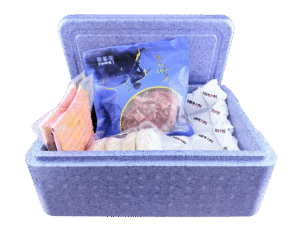
Qu'est-ce qu'une boîte isolée en EPP et comment sa structure en mousse offre-t-elle une isolation supérieure?
Comment les boîtes EPP se comparent-elles aux EPS, EPE et autres matériaux en termes de performances, coût et durabilité?
Quelles applications bénéficient le plus des boîtes EPP dans le secteur alimentaire, secteurs pharmaceutique et du commerce électronique?
What are the newest innovations and market trends shaping chaîne du froid packaging in 2025?
Comment maximiser la durée de vie de votre box EPP grâce à une utilisation appropriée, nettoyage et capteurs?
Quelles questions fréquemment posées les clients lorsqu'ils adoptent des conteneurs EPP réutilisables?
Qu'est-ce qu'une boîte EPP isolée et comment ça marche?
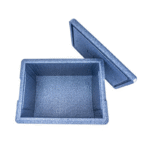
Une boîte isolée en EPP est un récipient réutilisable fabriqué à partir de mousse de polypropylène expansé. Pendant la fabrication, les billes de polypropylène sont expansées à la vapeur puis moulées. Le processus crée un structure à cellules fermées où de minuscules poches d'air sont emprisonnées à l'intérieur de parois en plastique rigide. Cette architecture offre plusieurs avantages:
Excellente isolation thermique – les poches d'air fermées empêchent le flux de chaleur, aidant à maintenir des températures internes stables. Les fiches techniques répertorient la conductivité thermique autour 0.25–0,26 W/m·K, et Rvaleurs proches 3.9 à 70 °F. En pratique, Les boîtes EPP maintiennent des températures froides pendant 72–96 heures et encore plus longtemps en combinaison avec des panneaux sous vide ou des plaques eutectiques.
Faible absorption d'eau et résistance chimique – les cellules fermées absorbent moins de 5 % de volumes, résister à l'absorption d'humidité; ils repoussent également les huiles, graisses et de nombreux produits chimiques.
Rapport résistance/poids élevé – La mousse EPP est légère mais solide; il peut résister aux chutes de 1.5 m et perdure 500 voyages sans craquer. Sa résistance à la compression est élevée (Par exemple, 11–15 psi à 10 % compression), lui permettant d'absorber les chocs et de protéger les objets délicats.
Large plage de température – L’EPP reste stable de –40 °C à +110 °C, ce qui le rend adapté aux environnements de congélateur ou de salle blanche à haute température.
Réutilisabilité et recyclabilité – le matériau peut être nettoyé, désinfecté et réutilisé des centaines de fois, et le polypropylène peut être recyclé en fin de vie.
En raison de ces propriétés, les boîtes isolées en EPP offrent des performances thermiques fiables pour les marchandises périssables, produits pharmaceutiques et biologiques. Ils bloquent le transfert de chaleur à propos 30 % plus efficacement que les boîtes EPS jetables et sont 50 % plus léger. Une boîte typique peut réaliser 500 + réutiliser les cycles, réduire considérablement les coûts et les déchets.
Propriétés des matériaux et performances thermiques
| Propriété | Polypropylène expansé (EPP) | Polystyrène élargi (PSE) | EPE/PUR & Autres | Sens pratique |
| Densité (kg/m³) | 15 - 100 (personnalisable) | 15 - 30 (généralement réparé) | Variable | Les options de densité plus élevée permettent au EPP de supporter des charges plus lourdes sans déformation. |
| Conductivité thermique (W / m · k) | 0.25–0,26 | ~0,036 | 0.034 - 0.04 | Des valeurs inférieures signifient une meilleure isolation; Les parois plus épaisses du EPP et l'air emprisonné améliorent la résistance thermique. |
| Résistance aux chocs | Élevé; rebondit après compression | Faible; fragile et se fissure facilement | Moyen | Les boîtes EPP peuvent survivre aux chutes et aux manipulations brutales, protéger le contenu et réduire les pertes de produits. |
| Absorption d'eau | <5 % volume | 2 - 4 % volume | Varie | La faible absorption d'humidité empêche la moisissure et maintient l'efficacité de l'isolation.. |
| Plage de température | –40 °C à +110 °C | –30 °C à +70 °C | –60 °C à +80 °C | L'EPP reste stable dans les conditions de congélation et de stérilisation, rendre les boîtes polyvalentes. |
| Réutilisabilité | 500 + cycles | Usage unique | Typiquement <10 usages | La longue durée de vie réduit le coût total de possession et les déchets. |
| Recyclabalité | 100 % recyclable | Difficile de recycler en raison de la contamination | Limité | Répond aux réglementations en matière de durabilité et aux objectifs d’économie circulaire. |
La combinaison d’une faible conductivité thermique, La résilience élevée aux chocs et la conception réutilisable rendent les boîtes isolées EPP idéales pour les applications où maintenir une température stable est essentiel. Lorsque vous ouvrez une coupe transversale d'une boîte EPP, vous verrez un réseau de mousse rigide autour d'une cavité creuse. Cette conception confère à la boîte sa légèreté et sa résistance tout en emprisonnant l'air pour l'isolation.. La densité personnalisable permet également aux fabricants d'optimiser entre des configurations plus légères ou plus solides en fonction de votre charge utile.
Conseils pratiques pour une utilisation optimale
Préconditionner avec du liquide de refroidissement: Froideur packs de glace ou des plaques eutectiques pendant la nuit et prérefroidissez votre boîte EPP avant de la charger. Cela amorce l’isolation et prolonge les temps de maintien.
Charger efficacement: Remplissez l'espace vide avec des tampons thermiques tels que des séparateurs isolés ou des éléments de remplissage, réduisant le volume d'air et minimisant les fluctuations de température.
Sceller hermétiquement: Assurez-vous que les couvercles sont bien ajustés. De nombreuses boîtes modernes utilisent des rainures et des clips encastrés; une bonne étanchéité améliore l'isolation en 30 %.
Surveiller les températures: Utilisez des capteurs IoT pour suivre la température interne, humidité et localisation en temps réel. Une surveillance continue vous permet de prendre des mesures correctives si des écarts surviennent.
Nettoyer et désinfecter: Après chaque voyage, laver la boîte avec un détergent doux et un désinfectant. La résistance chimique du EPP permet des nettoyages répétés sans dégradation.
Cas du monde réel: Un distributeur pharmaceutique a mis en place des coffrets EPP compacts équipés de capteurs IoT et de plaques eutectiques. Plus d'un an, l'entreprise a réalisé 72– Stabilité de la température pendant 96 heures, réduction des pertes de vaccins dues à la détérioration 1,2 millions de dollars à zéro, et éliminé 15 % rejet de fruits de mer en raison d'excursions de température. Réutiliser les cartons plus de 500 fois enregistré à peu près 60 % des frais d'emballage par rapport aux conteneurs EPS jetables.
Comment les boîtes EPP se comparent-elles aux EPS, EPE et autres matériaux d'isolation?
When choosing a container for your chaîne du froid shipments, vous comparez souvent le EPP à des matériaux comme polystyrène élargi (PSE), polyéthylène expansé (EPE) ou polyuréthane (Pur). Comprendre les différences vous aide à sélectionner la meilleure option pour vos besoins.
Performance et durabilité: La résilience du EPP et son rapport résistance/poids élevé lui permettent de résister à une manipulation brutale sans se fissurer.. PSE, en revanche, est fragile; il se casse et perd souvent des perles après un seul voyage, créer du désordre et réduire la protection. L'EPE est plus doux et offre un bon amorti mais moins d'isolation thermique et de rigidité structurelle, tandis que le PUR offre une excellente isolation mais est lourd et difficilement recyclable.
Rétention thermique: Avec une conductivité thermique inférieure et la possibilité d'intégrer des plaques eutectiques, Les boîtes en EPP gardent le contenu au froid jusqu'à 96 heures. Les conteneurs EPS ne peuvent conserver le froid que pendant 24 à 48 heures et ne peuvent pas intégrer efficacement des éléments de refroidissement avancés.. L'EPE et le PUR peuvent offrir des performances de milieu de gamme mais peuvent nécessiter des parois plus épaisses ou des matériaux supplémentaires.
Impact environnemental: La pression réglementaire éloigne les entreprises de la mousse à usage unique. L’Union européenne exigence de recyclabilité des emballages par 2030 accélère le passage de l’EPS à l’isolation biosourcée et fibreuse. Les boîtes EPP sont en polypropylène, largement recyclable et exempt d'agents gonflants chimiques. En revanche, Le PSE finit souvent dans les décharges en raison de la contamination, et le PUR peut libérer des fumées toxiques s'il est mal éliminé.
Coût et coût total de possession: Alors que les boîtes EPP ont un coût initial plus élevé que celui des boîtes EPS, ils peuvent être réutilisés des centaines de fois. Un conteneur EPP typique est rentabilisé après seulement huit cycles d'expédition lorsque le suivi IoT réduit les pertes et que les modèles de location répartissent les coûts. Sur la durée de vie de la boîte, cela se traduit par des économies importantes, spécialement pour les voies à haute fréquence.
Flexibilité et personnalisation: La mousse EPP peut être moulée sous de nombreuses formes, intégré avec des poignées, Étiquettes RFID ou enregistreurs de température, et coloré (blanc, noir ou personnalisé) pour différents secteurs. EPS offre une personnalisation limitée, tandis que l'EPE est principalement disponible sous forme d'enveloppes flexibles.
Principaux à retenir
Durabilité: Les boîtes EPP absorbent les chocs et résistent mieux à la déformation que l'EPS et l'EPE.
Longévité thermique: Ils maintiennent des températures froides pendant 72–96 heures avec plaques eutectiques.
Outils de décision utiles
Vérifiez les détails avant de choisir l'emballage
Ces outils rapides peuvent vous aider à comparer le risque d'itinéraire, besoins de dimensionnement, choix de liquide de refroidissement, et les détails de l'emballage avant de demander un devis.
Résistance aux chutes du matériau isolant
Examinez la résistance aux chutes et les facteurs de manipulation avant de choisir des matériaux d'isolation..
Vérifier la résistanceCalculateur de glace carbonique
Estimer les besoins en glace carbonique pour les envois congelés ou ultra-froids avant l'emballage.
Estimation de la neige carboniqueCalculateur d’accumulateurs de froid
Estimation de la quantité de pain de glace pour les expéditions réfrigérées et planification pratique des itinéraires.
Estimer les packs de glaceRéutilisabilité: Leur durée de vie de 500 voyages et leur recyclabilité réduisent les coûts et les déchets à long terme.
Conformité réglementaire: Le EPP vous aide à répondre aux exigences de durabilité telles que les exigences de l'UE en matière de recyclabilité.
Applications: Où brillent les boîtes isolées en EPP?
Logistique des aliments et des boissons
Les boîtes EPP sont largement utilisées pour livrer des fruits de mer frais, viande, produits laitiers et plats cuisinés. Leur capacité d'isolation élevée garantit que les articles périssables restent dans la plage de température requise lors de la livraison du dernier kilomètre et des expéditions à travers le pays.. Par exemple, Les boîtes EPP compactes utilisées avec des plaques eutectiques permettent aux détaillants en épicerie de maintenir la température pendant jusqu'à 96 heures, garder les produits frais même lorsque les délais de livraison sont imprévisibles. Les entreprises de restauration apprécient également la durabilité et la facilité de nettoyage des boîtes., ce qui les rend idéaux pour une utilisation répétée dans les cuisines commerciales et les opérations de restauration.
Produits pharmaceutiques et biotechnologie
Vaccins, insuline, les anticorps monoclonaux et les produits de thérapie cellulaire nécessitent un contrôle strict de la température. Les boîtes EPP offrent des performances thermiques constantes et une résistance aux chocs nécessaires au transport de ces produits sensibles. Directives réglementaires telles que celles de la FDA 21 CFR 600.15 et le PIB de l'UE soulignent l'importance d'un emballage validé. La capacité d’EPP à intégrer des capteurs de température IoT et un suivi GPS garantit visibilité en temps réel et conformité. According to chaîne du froid market analysis, les produits pharmaceutiques et biotechnologiques représentent 45 % du chiffre d’affaires de l’emballage sous chaîne du froid en 2024, illustrant l'ampleur de la demande.
E-commerce et kits repas
L'essor des services d'épicerie et de préparation de repas destinés directement aux consommateurs a stimulé la demande d'emballages fiables pour la chaîne du froid.. La légèreté des boîtes EPP réduit les frais d’expédition, tandis que leur force protège les ingrédients fragiles des dommages. Alors que les consommateurs attendent emballage durable, la possibilité de réutiliser et de recycler les conteneurs EPP améliore la perception de la marque. Le expansion rapide du segment de l’épicerie en ligne—with AsiaPacific chaîne du froid packaging market growing at 12 % TCAC— crée une excellente opportunité pour l’adoption de solutions EPP.
Logistique spécialisée et usage industriel
Au-delà de l'alimentation et des produits pharmaceutiques, Les caisses EPP servent au transport de produits chimiques, échantillons de laboratoire, et électronique de grande valeur nécessitant un contrôle de la température. Leur conception personnalisable permet des cloisons, inserts absorbant les chocs et fermetures sécurisées. Dans les chaînes d'approvisionnement industrielles, L'emballage EPP protège les adhésifs sensibles à la température, peintures et résines contre la dégradation. Parce que le EPP tolère des températures allant jusqu'à 110 °C, les boîtes peuvent être stérilisées ou utilisées dans des autoclaves.
2025 Paysage du marché et tendances de croissance
Perspectives du marché des boîtes isolantes EPP
Le marché mondial de Boîtes d'isolation en EPP est prêt pour une croissance soutenue. Étude de marché sur les archives projette que le marché vaille 2 milliards de dollars américains 2025 avec un 7 % CAGR à travers 2033. La demande découle de l’expansion de la livraison d’épicerie en ligne, expéditions de biotechnologie et initiatives de développement durable. L’étude note que les avantages inhérents du EPP : une excellente isolation, poids léger, la réutilisabilité et la recyclabilité – sont des facteurs clés. La concentration du marché est la plus élevée en Amérique du Nord et en Europe, ensemble représentant environ 100 millions d'unités par an, tandis que l’Asie-Pacifique contribue environ 40 millions d'unités et connaît la croissance la plus rapide.
Les innovations renforcent l’avantage concurrentiel d’EPP. Les chercheurs s’améliorent performances thermiques and extending chaîne du froid duration via new foam formulations and advanced eutectic plates. Les fabricants ajoutent également additifs recyclés et biosourcés au polypropylène pour réduire l'empreinte carbone. Optimisation de la conception, telle que boîtes empilables et pliables—réduit les frais d'expédition et facilite la logistique de retour. Des réglementations strictes en matière de sécurité alimentaire et de transport pharmaceutique favorisent encore davantage l’adoption.
Tendances du marché de l’emballage de la chaîne du froid en 2025
Selon Renseignements du Mordor, le marché mondial de l’emballage sous chaîne du froid s’établissait à 32,29 milliards de dollars américains en 2025 et devrait atteindre 48,93 milliards de dollars américains d'ici 2030, représentant un 8.67 % TCAC. Les appareils de surveillance de la température constituent le segment à la croissance la plus rapide avec un 12.95 % TCAC, reflétant l’importance de la visibilité en temps réel. Les réglementations en matière de développement durable jouent un rôle majeur...Politiques de l’UE exigeant la recyclabilité totale d’ici 2030 encourager les entreprises à abandonner le PSE au profit de matériaux biosourcés et de solutions réutilisables.
D'autres tendances incluent les systèmes d'emballage hybrides qui combinent une isolation passive avec des capteurs intelligents., qui se développent à 10.32 % TCAC. En Asie-Pacifique, expansion rapide de la fabrication pharmaceutique, la distribution de vaccins et l’amélioration des infrastructures de réfrigération entraînent une 12 % TCAC. Les modèles de suivi et de location de l'IoT en temps réel réduisent le coût total de possession en raccourcissant les périodes de récupération à moins de huit cycles d'expédition.
Innovative chaîne du froid technologies shaping 2025
Un rapport de Mise à jour des activités de contrôle thermique énumère plusieurs avancées transformant l’industrie:
Optimisation des itinéraires grâce à l'IA: L'IA analyse le trafic, météo et fenêtres de livraison pour ajuster les itinéraires, réduire la consommation de carburant et améliorer la fiabilité.
Blockchain pour la traçabilité: La blockchain crée des enregistrements immuables du parcours d'un produit, améliorer la conformité et la confiance des consommateurs.
Réfrigération à énergie solaire: Les solutions solaires pour la chaîne du froid gagnent du terrain dans les régions où l’électricité est limitée, réduire les déchets et élargir l’accès.
Conteneurs légers avec capteurs IoT: Les nouveaux conteneurs intègrent des capteurs pour surveiller la température, humidité et localisation en temps réel.
Emballage écologique et matériaux durables: Les entreprises adoptent des emballages plus écologiques pour répondre aux exigences réglementaires et à la demande des consommateurs.
The article also notes that international trade and export programmes are boosting chaîne du froid demand. Par exemple, le Programme britannique d'exportation de produits laitiers, lancé dans 2023 avec Financement de 1,2 millions de dollars américains, vise à accroître les exportations de produits laitiers évaluées à plus de 2,47 milliards de dollars par an, tandis que les exportations américaines de produits de boulangerie ont atteint 4,21 milliards de dollars américains 2022. The global chaîne du froid market is projected to reach 372 milliards de dollars d'ici 2029, à partir de 228,3 milliards de dollars américains 2024, avec un TCAC de 10.3 %.
Questions fréquemment posées
Q1: Combien de temps une boîte isotherme en EPP peut-elle garder les marchandises au froid?
Une boîte isolée en EPP peut maintenir les températures requises pendant 72–96 heures, surtout lorsqu'il est associé à des plaques eutectiques et à un pré-refroidissement approprié. Cette durée peut être prolongée davantage avec des panneaux isolés sous vide ou des éléments de refroidissement actifs..
Q2: Puis-je réutiliser une boîte EPP des centaines de fois?
Oui. La résilience du EPP permet de réutiliser une boîte plus que 500 fois sans perte significative de performances. Un nettoyage et une manipulation appropriés garantissent que la mousse conserve son intégrité structurelle.
Q3: Comment le EPP se compare-t-il au PSE sur le plan environnemental?
Le EPP est 100 % recyclable et exempt d'agents gonflants nocifs. Le PSE finit souvent dans les décharges, et ses taux de recyclage sont faibles. Réglementation européenne imposant des emballages recyclables par 2030 accélèrent la transition vers le EPP.
Q4: L'EPP est-il adapté aux produits pharmaceutiques et aux vaccins?
Absolument. Les boîtes EPP offrent une isolation constante, peut intégrer des capteurs de température, et résister aux procédures de décontamination. Ils répondent aux exigences de la FDA et du GDP de l'UE et sont largement utilisés pour les produits biologiques., vaccins et kits d'essais cliniques.
Q5: Quelle est la période d’amortissement pour passer aux boîtes EPP réutilisables?
Avec modèles de location et suivi IoT, les délais de récupération peuvent descendre jusqu'à moins de huit cycles d'expédition. Les économies de coûts à long terme proviennent de taux de remplacement inférieurs et d’une réduction de la détérioration.
Q6: Comment les perspectives du marché affectent-elles mon entreprise?
Demande croissante – prévue 7 % TCAC pour les boîtes EPP et 8.67 % CAGR for the broader chaîne du froid packaging market—suggère qu'une adoption précoce peut offrir un avantage concurrentiel. Des tendances comme la logistique de l'IA, Les mandats de surveillance et de durabilité de l'IoT façonneront l'environnement opérationnel à travers 2030.
Résumé et recommandations
Les boîtes isolées en EPP se combinent performances thermiques, durabilité, réutilisabilité et durabilité to deliver unmatched value for chaîne du froid logistics. Les principaux points à retenir comprennent:
Isolation et résistance supérieures: La structure en mousse à cellules fermées emprisonne l'air, offrant une faible conductivité thermique et une résistance élevée aux chocs. Les boîtes maintiennent la température pendant 72–96 heures avec des aides au refroidissement appropriées.
Longue durée de vie et recyclabilité: Avec plus 500 cycles réutilisables et 100 % Recyclabalité, Le EPP réduit considérablement les coûts et les déchets par rapport au PSE à usage unique.
Avantages en matière de réglementation et de durabilité: Les mandats de l’UE en matière d’emballages recyclables et les engagements ESG croissants favorisent l’adoption du EPP. L'utilisation du EPP permet d'atteindre les objectifs de développement durable de l'entreprise et de réduire l'empreinte carbone.
Croissance du marché et innovation: Le marché des caissons EPP, valorisé à 2 milliards de dollars américains 2025, grandit à 7 % TCAC. Des innovations telles que la planification d'itinéraires par l'IA, IoT sensors and solar refrigeration are reshaping chaîne du froid logistics.
Étapes exploitables
Évaluez vos expéditions: Analyser les besoins en température, conditions de manutention et logistique de retour. Les boîtes EPP peuvent apporter une valeur immédiate si vous expédiez des marchandises périssables fréquemment ou sur de longues distances..
Adoptez une surveillance intelligente: Intégrez des capteurs IoT et des dispositifs de suivi pour obtenir une visibilité en temps réel de vos expéditions et optimiser les itinéraires logistiques.
Transition vers des systèmes réutilisables: Découvrez des modèles de location ou des réseaux mutualisés qui permettent de partager et de réutiliser des box EPP, raccourcir les délais de récupération pour moins de huit voyages.
S'engager avec les fournisseurs: Travailler avec des fournisseurs d'emballages pour personnaliser les solutions EPP, telles que les conceptions partitionnées, couleurs et tailles – qui répondent à vos besoins spécifiques.
À propos du Tempk
Tempk est un fournisseur leader de solutions pour la chaîne du froid axé sur l'innovation et la durabilité. Nos produits incluent Coffrets EPP isolés haute performance, plaques eutectiques, capteurs de température et systèmes de livraison du dernier kilomètre. Avec des décennies d'expérience dans l'industrie, nous concevons des solutions répondant aux réglementations alimentaires et pharmaceutiques strictes tout en réduisant l'impact environnemental. Nos boîtes EPP réutilisables sont conçues pour 500 + cycles et sont entièrement recyclables. Nous priorisons amélioration continue, intégrant des matériaux recyclés et une technologie intelligente pour garder une longueur d'avance sur les tendances du marché. Que vous expédiiez des vaccins vitaux ou du fromage artisanal, Tempk fournit fiable, emballage économique et écologique.
Appel à l'action: Prêt à améliorer les performances de votre chaîne du froid? Contacter Tempk pour discuter des solutions de boîtes EPP isolées personnalisées et découvrir comment notre technologie peut sécuriser vos produits et faire progresser vos objectifs de développement durable.