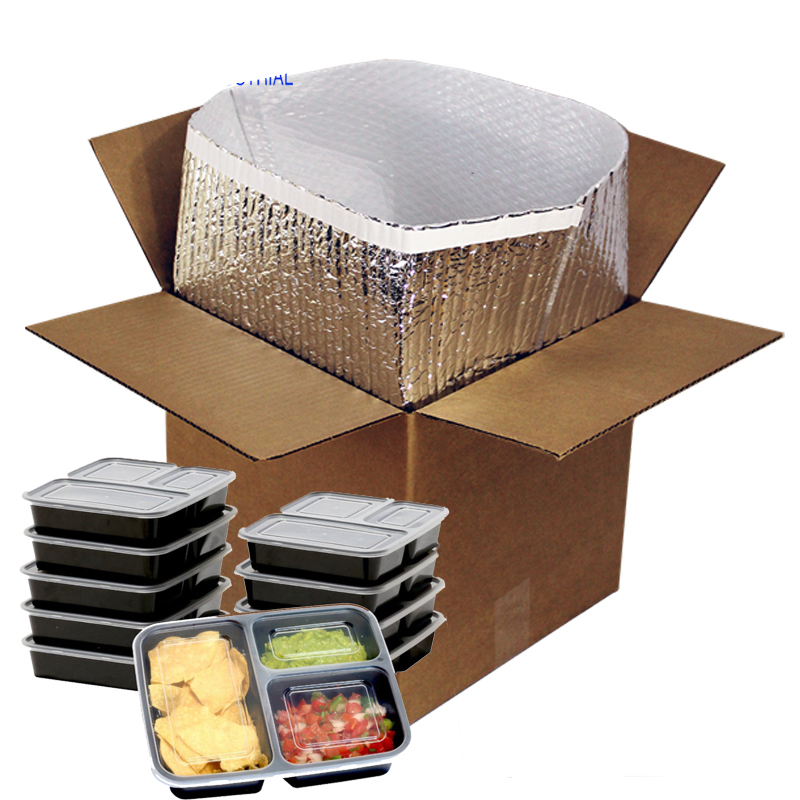
Fournisseur de vaccins dans une boîte d'expédition isolée pour le transport des vaccins: Comment choisir un partenaire d'emballage adapté à votre itinéraire
Choisir un insulated shipping box vaccine supplier for vaccine transport is a route-design decision before it is a purchasing decision. La boîte doit correspondre à la plage de température du produit, charge utile utilisable, disposition du liquide de refroidissement, durée du transport, modèle de transfert, et besoins en documentation. Si ces entrées ne sont pas claires, même une boîte isotherme bien conçue peut être mal utilisée. S'ils sont définis tôt, les achats peuvent comparer les fournisseurs avec beaucoup moins de conjectures.
Un processus de sélection pratique doit répondre à trois questions avant de commencer la comparaison des prix: quelle condition de température doit être maintenue, par quelle voie d'exposition il faut survivre, et quelle preuve ou inspection est nécessaire à la réception? For many vaccine programs, refrigerator storage is commonly associated with 2 C à 8 C, while some products require frozen or ultra-cold handling; the vaccine manufacturer and applicable program guidance must decide the exact requirement. Une fois ces réponses documentées, la discussion avec le fournisseur se précise et le risque d'acheter une boîte dépareillée diminue fortement.
Définir la mission de température avant le formatage de la boîte
L’expression boîte d’expédition isolée peut cacher plusieurs cas d’utilisation différents. Un acheteur peut avoir besoin d'une protection réfrigérée pour un court trajet de colis. Un autre peut avoir besoin d'un paquet congelé. Un tiers devra peut-être éviter l’exposition à la chaleur tout en évitant le gel. Un quatrième peut avoir besoin d'un conteneur consigné pour une boucle de distribution fermée. La même forme extérieure peut apparaître dans chaque cas, mais la mission thermique est différente.
Pour les vaccins, diluants le cas échéant, fournitures de vaccination, and temperature-sensitive clinic inventory, les exigences du produit doivent être confirmées par le propriétaire du produit, étiquette, équipe de qualité, spécification de l'acheteur, ou règle du programme applicable. Le fournisseur peut aider à traduire cette exigence en un concept global, mais il ne faut pas inventer l'exigence. Cette limite est importante car l’emballage ne peut pas garantir la sécurité d’une spécification de température peu claire..
Une fois la mission de température définie, décider si l'envoi doit être réfrigéré, congelé, protection ambiante, support de température ambiante contrôlée, ou manipulation ultra-froide. Décidez ensuite quel niveau de preuve est nécessaire. Les expéditions à faible risque ne nécessitent peut-être qu'une bonne discipline d'emballage et une inspection de la réception.. De grande valeur, réglementé, ou les expéditions sensibles aux écarts peuvent nécessiter un enregistrement des données, emballage documenté, et examen de la qualité.
Considérez la boîte isolée comme faisant partie d'un système passif
Un système à isolation passive ne refroidit pas activement la charge utile. Il préserve un état thermique prévu en combinant l'isolation, liquide de refroidissement, masse de charge utile, préconditionnement, et fermeture. Le système fonctionne pendant une durée limitée dans des conditions définies. C'est pourquoi l'expression temps d'attente devrait toujours déclencher une question complémentaire: sous quel profil ambiant, avec quelle charge utile, et avec quelle configuration de liquide de refroidissement?
Le système d'emballage doit également être pratique. Si les travailleurs ne peuvent pas charger le liquide de refroidissement de manière cohérente, si le couvercle est difficile à fermer, si la charge utile se serre contre les packs de gel, ou si le destinataire ne peut pas inspecter l'état sans délai, la conception peut échouer sur le plan opérationnel même si les matériaux sont sains. Une box théoriquement solide mais difficilement reproductible peut devenir source de variation.
A cooler-shaped container is not automatically a vaccine shipping solution. Conditionnement du liquide de refroidissement, disposition de la charge utile, surveillance, étiquetage, and receipt procedures are just as important as the wall material. L'acheteur doit donc évaluer à la fois la logique thermique et le comportement au travail.. Une recommandation du fournisseur doit inclure la manière dont le colis est emballé, où se trouve le liquide de refroidissement, comment le produit est séparé du contact direct si nécessaire, et ce que le destinataire doit s'attendre à voir à son arrivée.
Questions des fournisseurs qui évitent une mauvaise première commande
Une équipe d'approvisionnement doit comparer les fournisseurs sur plus que le prix et la quantité minimale de commande.. Pour ce sujet, les points utiles sont les formats disponibles, support technique réactif, documentation, conseils pratiques pour l'emballage, et la possibilité d'associer une boîte à des packs de gel, briques de glace, doublures, ou d'autres composants. Le fournisseur n'est pas tenu de fournir une qualification formelle à chaque acheteur., mais il devrait être capable d'expliquer l'utilisation prévue, limites matérielles, et ce qui doit être vérifié avant la mise à l'échelle.
| Facteur de sélection | Ce que les bons acheteurs définissent en premier | Ce qu'il ne faut pas supposer |
|---|---|---|
| Mission température | Plage de stockage ou de transport requise, sensibilité au gel, et règles d'excursion acceptables. | Ne présumez pas qu’une boîte réfrigérée peut gérer des envois congelés ou ultra froids.. |
| Itinéraire et durée | Temps de transit prévu, mise en scène, transferts de transporteurs, et les pires retards probables. | N'acceptez pas une réclamation de temps d'attente sans les conditions de test qui la sous-tendent. |
| Ajustement de la charge utile | Taille réelle du produit, emballage secondaire de protection, et déplacement du liquide de refroidissement. | N'utilisez pas le volume brut comme volume de charge utile utilisable. |
| Système de refroidissement | Taper, méthode de conditionnement, quantité, placement, et instructions pour les travailleurs. | Ne présumez pas que l’isolation seule contrôle la température. |
| Documentation | Enregistrements de température, dossiers d'emballage, étiquettes, et réception de l'inspection. | Ne présumez pas qu'un enregistreur de données empêche une excursion. |
| Assistance fournisseur | Exemple d'examen, avis de changement, communication technique, et répétabilité. | Ne mettez pas à l'échelle un échantillon si les détails de la production ne sont pas clairs. |
Ce tableau permet de distinguer une véritable revue d'emballage d'une comparaison de catalogue.. Cela facilite également l’approbation interne, parce que les achats peuvent montrer la qualité et les opérations, ce qui a été vérifié et ce qui doit encore être vérifié. Quand chaque fournisseur reçoit les mêmes intrants, la décision finale est moins susceptible d'être basée sur des affirmations vagues.
Regardez attentivement les points de transfert
Les expéditions sensibles à la température échouent souvent aux limites du contrôle. Le produit peut être sans danger dans une chambre froide, puis asseyez-vous sur un quai. Il peut transiter par un hub de transporteurs où personne ne comprend le risque produit.. Il peut arriver chez un destinataire pendant une période chargée et attendre avant l'inspection.. Ces courtes périodes sont importantes car elles peuvent épuiser la marge thermique pour laquelle l'emballage a été conçu..
Cartographier le parcours depuis le retrait du produit du stockage jusqu'à l'acceptation finale. Inclure le temps d'emballage, mise en scène, ramasser, transport en ligne, manutention du moyeu, véhicule de livraison, zone de réception, et le point auquel l'envoi est accepté, mis en quarantaine, ou rejeté. Demandez où le colis est le plus exposé et si la recommandation du fournisseur tient compte de cette exposition.. C'est plus utile que de demander uniquement une déclaration de performance générale..
Pour les envois internationaux ou aériens, l'étiquetage et la documentation peuvent ajouter plus de complexité. Les pratiques de l'IATA pour le temps- et marchandises médicales sensibles à la température, règles sur la glace sèche, le cas échéant, et les attentes des douanes locales ou des autorités sanitaires doivent être examinées par l'expéditeur.. Le fournisseur peut fournir des informations sur l'emballage, mais l'expéditeur doit confirmer les exigences de l'itinéraire.
Quand une boîte isotherme ne suffit pas
Il y a des cas où une boîte isolée n'est pas la bonne réponse principale. Des itinéraires très longs, charges pharmaceutiques de grande valeur, plages de température instables, retards douaniers répétés, ou les expéditions nécessitant un contrôle actif peuvent nécessiter une solution différente, comme un conteneur actif, un qualifié expéditeur thermique, transport réfrigéré, ou une refonte du parcours. Un fournisseur doit être prêt à indiquer lorsqu’un simple boîtier passif n’est pas approprié.
Le boîtier peut également s’avérer insuffisant lorsque le processus opératoire est faible. Produit chaud emballé dans un expéditeur froid, liquide de refroidissement non conditionné, une équipe d'emballage non formée, instructions du récepteur manquantes, ou un enregistreur de données que personne ne lit peuvent tous vaincre une conception d'emballage raisonnable. Avant de blâmer le matériel, revoir le processus.
Ceci est particulièrement important pour les acheteurs qui passent d’un type d’expédition à un autre.. Un emballage utilisé pour des échantillons alimentaires peut ne pas convenir aux produits biologiques. Une boîte utilisée pour des produits réfrigérés peut ne pas convenir aux produits surgelés. Un conteneur réutilisable pour une livraison locale peut ne pas convenir à une exportation à sens unique. Nouveau produit, nouvel itinéraire, ou un nouveau récepteur devrait déclencher une révision de l'emballage.
Outils de décision utiles
Vérifiez les détails avant de choisir l'emballage
Ces outils rapides peuvent vous aider à comparer le risque d'itinéraire, besoins de dimensionnement, choix de liquide de refroidissement, et les détails de l'emballage avant de demander un devis.
Liquide de refroidissement & Référence PCM
Comparez les options de liquide de refroidissement et de PCM lorsqu'un itinéraire nécessite une prise en charge supplémentaire de la température.
Comparez les optionsCalculateur de banquise
Estimation de la quantité de pain de glace pour les expéditions réfrigérées et planification pratique des itinéraires.
Estimer les packs de glaceRésistance aux chutes du matériau isolant
Examinez la résistance aux chutes et les facteurs de manipulation avant de choisir des matériaux d'isolation..
Vérifier la résistanceUn flux de travail pratique pour l’examen des échantillons
A public health team may need to move vaccine inventory from a regional store to outreach points, avoid direct contact with frozen coolant when the product is freeze-sensitive, and confirm that receiving staff can read the temperature record. Dans un exemple d'examen, l'acheteur doit emballer la boîte dans des conditions de travail réelles, pas seulement dans une salle de réunion. L'équipe doit noter si le produit convient, si le placement du liquide de refroidissement est clair, si la fermeture est fiable, si les étiquettes restent lisibles, et si le destinataire peut suivre les étapes d'inspection. Si un enregistreur de données est utilisé, confirmer où il se trouve et comment les données seront récupérées.
L'échantillon doit être comparé à l'unité de production prévue. Demandez si le même matériau, conception du couvercle, dimensions intérieures, doublure, et les accessoires seront utilisés. Si le fournisseur s'attend à des substitutions ou à des modifications personnalisées, documentez-les avant approbation. Un bon examen d’échantillon n’est pas une formalité; c'est le point où les problèmes opérationnels cachés deviennent visibles alors qu'ils sont encore peu coûteux à corriger.
Une fois l'échantillon accepté, créer une instruction d'emballage simple. Il devrait montrer l'ordre de chargement, la position du liquide de refroidissement, toute couche de séparation de produit, étapes de fermeture, étiquetage, et recevoir des notes. Même une instruction courte peut réduire les variations lorsque différents travailleurs emballent la même boîte à des jours différents..
Le coût doit inclure le risque d'échec, pas seulement le prix unitaire
Un prix unitaire bas peut être attractif, spécialement pour les achats en gros ou en gros volume, mais emballage chaîne du froid le coût doit être évalué par rapport au coût de la perte de produit, retravailler, expédition de remplacement, sortie retardée, et l'insatisfaction des clients. Cela ne signifie pas que les acheteurs doivent toujours choisir l’option la plus coûteuse.. Cela signifie que l'option sélectionnée doit avoir une marge suffisante pour la valeur du produit et le risque d'itinéraire..
Le coût du transport compte également. Les boîtes surdimensionnées augmentent le poids dimensionnel et l'espace de stockage. Un liquide de refroidissement trop lourd peut augmenter les coûts de transport. Les boîtes réutilisables peuvent réduire la consommation de matière mais nécessitent une logistique de retour. Les boîtes à usage unique peuvent simplifier les exportations mais créer un fardeau d'élimination plus lourd. La meilleure décision est souvent une décision équilibrée: protection thermique suffisante, emballage simple, profil de fret acceptable, et un support fournisseur clair.
Notes supplémentaires de l'acheteur pour une utilisation courante
Avant qu’une conception d’emballage ne devienne une routine, l'équipe doit noter qui prépare le liquide de refroidissement, qui charge le produit, qui vérifie la fermeture, et qui examine l'envoi à la réception. Il n'est pas nécessaire que cela devienne un document compliqué pour chaque expédition à faible risque., mais les responsabilités doivent être claires. Dans de nombreuses opérations, le colis fonctionne de manière acceptable lors d'un essai car une personne expérimentée l'emballe soigneusement, puis des problèmes apparaissent lorsque la tâche est transférée à une équipe occupée sur un autre quart de travail.
Le même point s'applique au stockage avant expédition. Une boîte isotherme stockée au mauvais endroit, liquide de refroidissement qui n'est pas entièrement conditionné, produit qui attend trop longtemps en dehors de la salle contrôlée, ou un carton placé en plein soleil peut réduire la marge avant même que le transporteur ne prenne l'expédition. Pour le transport des vaccins, un acheteur doit considérer le banc d'emballage et le quai de chargement comme faisant partie de la chaîne du froid, pas comme détails de fond.
Les revues d'emballage sont également plus faciles lors de l'approvisionnement, qualité, et les opérations utilisent le même langage. L'approvisionnement peut demander un prix et un délai de livraison, la qualité peut demander de la documentation et des procédures de déviation, et les opérations peuvent se demander à quelle vitesse le personnel peut emballer la boîte. Une bonne conversation avec les fournisseurs rassemble ces préoccupations, car le package sélectionné doit satisfaire les trois groupes à la fois.
Un examen final doit inclure le premier envoi de routine après l'étape de l'échantillonnage.. Vérifiez si le personnel de l'entrepôt a suivi l'emballage sans encadrement particulier, si le transporteur a accepté le colis sans réétiquetage, si le destinataire a compris les étapes de l'inspection, et si un enregistrement de température ou une note d'état a été examiné à temps. Cette petite boucle de rétroaction révèle souvent des problèmes pratiques que les spécifications techniques ne montrent pas.
Pour les commandes répétées, conserver un historique de version simple pour la boîte sélectionnée, liquide de refroidissement, doublure, étiquettes, et instructions d'emballage. Si l'un de ces éléments change, l'équipe peut décider si le changement est mineur ou si un nouvel échantillon de contrôle est nécessaire. Ceci est particulièrement utile lorsque les achats passent d’un contact fournisseur à un autre ou lorsque le même emballage est utilisé dans plusieurs entrepôts..
FAQ
Quelle est la première chose à confirmer avant de commander?
Confirmez les exigences de température du produit et la durée pendant laquelle l'emballage doit le protéger dans des conditions d'itinéraire réalistes.. Sans ces deux entrées, taille de boîte, choix du liquide de refroidissement, et la comparaison des fournisseurs devient une conjecture. Pour les biens réglementés ou de grande valeur, définir également les preuves requises après la livraison.
Quand dois-je demander une boîte isotherme sur mesure?
Envisagez la personnalisation lorsque les dimensions standard gaspillent trop d'espace, le produit est facilement endommagé, le paquetage est difficile à répéter pour les travailleurs, ou l'expédition en vrac nécessite une meilleure efficacité d'empilage et de stockage. La personnalisation doit être examinée avec des échantillons avant de devenir une commande de routine.
Comment comparer équitablement deux fournisseurs?
Donnez aux deux fournisseurs la même taille de produit, charge utile, plage de température, durée de l'itinéraire, préoccupations ambiantes, et besoins en documentation. Comparez ensuite leur emballage recommandé, preuve, cohérence de la production, communication, et ajustement opérationnel total. Un prix unitaire inférieur ne constitue pas une économie s’il augmente les expéditions rejetées.
Que doivent vérifier les destinataires à l'arrivée?
Les destinataires doivent inspecter l'état du colis, intégrité de la fermeture, état du liquide de refroidissement là où il est visible, étiquettes, enregistrements de température si utilisés, et tout signe de fuite ou de dommage. La règle d'acceptation doit être définie avant l'expédition, spécialement pour les produits pharmaceutiques, vaccin, nourriture, ou d'autres biens sensibles à la température.
Conclusion
The right insulated shipping box vaccine supplier for vaccine transport helps you define the temperature mission, choisissez un système passif fonctionnel, vérifier la charge utile et l'ajustement du liquide de refroidissement, examiner les transferts d'itinéraires, et passez de l'échantillon aux commandes de routine sans hypothèses cachées. N'achetez pas uniquement à partir d'une fiche technique. Partagez l'itinéraire et les détails du produit, demander les preuves derrière les allégations de performance, et impliquer les personnes qui emballeront et réceptionneront l'envoi.
À propos du Tempk
Tempk fournit des produits d'emballage pour la chaîne du froid tels que packs de glace en gel, briques de glace, sacs isolés, Boîtes isolées EPP, boîtes d'expédition à froid, doublures de boîtes isolées, couvertures de palettes, et matériel connexe. Pour le transport des vaccins, nous aidons les acheteurs à réfléchir à l'adéquation de l'itinéraire, espace de charge utile, disposition du liquide de refroidissement, exemple d'examen, et passer des expéditions d'essai aux commandes répétées. Nous évitons de considérer une boîte isotherme comme une réponse universelle car la bonne recommandation dépend du produit, voie, manutention, et preuves requises après la livraison.
Prochaine étape
Envoyez Tempk votre voie, charge utile, plage de température, et plan de commande pour recevoir une recommandation d'emballage qui peut être examinée avant l'achat en gros.