Sacs fourre-tout isolés: Comment choisir dans 2025?
Dernière mise à jour: Décembre 12, 2025
Si vous transportez des courses, kits de repas, ou à emporter, sacs fourre-tout isolés vous aider à garder les aliments plus sûrs et plus savoureux pendant les retards réels. La sécurité alimentaire est importante car les bactéries se développent plus rapidement «Zone dangereuse» (40°F – 140 °F), et les directives publiques communes mettent en garde contre le fait de laisser des denrées périssables dehors plus de 2 heures (ou 1 heure au-dessus de 90°F).
Ce guide vous montre comment choisir sacs fourre-tout isolés qui correspond à votre routine, pas seulement votre esthétique.
Ce que vous apprendrez dans ce guide:
-
Comment sacs fourre-tout isolés fonctionne réellement (et ce qu'ils ne peuvent pas faire)
-
Combien de temps les sacs fourre-tout isothermes gardent les aliments au frais en utilisant des règles simples de temps et de température. Les meilleurs détails de construction pour sacs fourre-tout isothermes pour la livraison de nourriture et courses d'épicerie
-
Comment emballer des sacs fourre-tout isothermes avec des blocs de glace si froid dure plus longtemps
-
Comment nettoyer les sacs fourre-tout isothermes sans odeurs ou contamination croisée
-
2025 tendances: pression de réutilisation, examen minutieux des matériaux, et attentes en matière de documentation Environnement+2Scoop+2
À quoi servent réellement les sacs fourre-tout isothermes?
Réponse directe: Les sacs fourre-tout isolés ralentissent le transfert de chaleur, vous faire gagner du temps lors des files d'attente à la caisse, trafic, ou les ascenseurs volent des minutes. Ils ne créent pas de froid par eux-mêmes : considérez-les comme une veste pour votre nourriture..
Explication élargie:
Lorsque vous déplacez des aliments réfrigérés dans de l'air chaud, la chaleur essaie de se précipiter de toutes les directions. Sacs fourre-tout isothermes ralentissez cette ruée en emprisonnant l'air (isolation) et limiter le débit d'air (fermeture). Ce « temps tampon » vous aide à atteindre un réfrigérateur ou un client plus rapidement avec moins de variations de température..
Comment les sacs fourre-tout isothermes bloquent la chaleur
| Pièce de contrôle de la chaleur | Ce que ça fait | Ce que cela signifie pour vous |
|---|---|---|
| Couche d'isolation (mousse/air) | Ralentit le flux de chaleur | Le froid reste froid plus longtemps |
| Doublure réfléchissante (facultatif) | Réduit le gain de chaleur rayonnante | Aide au soleil et dans les voitures chaudes |
| Fermeture serrée (zip/rabat) | Limite les échanges d’air chaud | Moins de « décharges de chaleur » à chaque ouverture |
| Coutures + structure | Empêche les fuites + lacunes | Moins de désordre, températures plus stables |
Conseils pratiques que vous pouvez utiliser aujourd'hui
-
Si votre sac est souple et vide: attendez-vous à un réchauffement plus rapide. Choisissez plus de structure.
-
Si vous ouvrez le sac à plusieurs reprises: les températures changent plus vite. Ouvert une fois, fermer vite.
-
Si votre voyage est imprévisible: traitez les sacs fourre-tout isothermes comme des mini glacières : utilisez des sources froides.
Cas réel: Si votre laitage arrive « en sueur » après les courses, le problème est généralement entrefers + répéter les ouvertures, pas seulement une « isolation fine ».
Combien de temps les sacs fourre-tout isothermes gardent-ils les aliments au frais en toute sécurité?
Réponse directe: Il n’existe pas de nombre d’heures parfait. La sécurité dépend de la température de démarrage, météo, et sources froides. Qu'est-ce que tu peut compter sur le cadre de santé publique: garder la nourriture hors de 40Zone dangereuse de °F à 140 °F, et limiter le temps sans réfrigération à 2 heures (ou 1 heure au-dessus de 90°F).
Explication élargie:
Pensez en « temps tampon »,» et non « une isolation magique ». Sacs fourre-tout isothermes gagner du temps, mais le temps gagne quand même si tu tardes trop. Les voitures chaudes peuvent effacer rapidement votre tampon. Votre objectif est simple: commencer le froid, emballage, ferme bien, et raccourcir l'itinéraire.
Un tableau de sécurité simple que vous pouvez suivre
| Votre situation | Meilleure cible | La plus grosse erreur | Mieux vaut bouger |
|---|---|---|---|
| Court voyage de retour | Reste au froid; bouger vite | Laisser les sacs dans la voiture | Rentrez immédiatement vos sacs |
| Plusieurs arrêts | Réduire le temps + ajouter des sources froides | Ouverture du sac à chaque arrêt | Emballer une fois; ouvert uniquement à la maison |
| Journée chaude (>90°F) | Utilisez l’état d’esprit de la règle d’une heure | Rangement du coffre au soleil | Gardez le sac à l'ombre dans la cabine |
| Itinéraire de livraison | Cohérence + moins d'ouvertures | Mélanger le chaud et le froid | Utilisez deux sacs fourre-tout isothermes |
Conseils pratiques que vous pouvez utiliser aujourd'hui
-
Magasiner froid/surgelé en dernier. Il améliore votre tampon de température de démarrage.
-
Évitez le coffre par temps chaud. L'ombrage de la cabine aide plus que vous ne le pensez.
-
Si vous livrez souvent de la nourriture: envisagez une petite routine de thermomètre pour votre itinéraire le plus long.
Vérification de la réalité: La stratégie la plus sûre n’est pas de « meilleures revendications ». C'est meilleure routine aligné sur les indications de temps et de température.
Quels sacs fourre-tout isothermes sont les meilleurs pour faire les courses ou pour la livraison?
Réponse directe: Le meilleur sacs fourre-tout isolés correspondre à la forme de votre charge, durée du voyage, et style de conduite. Les courses d’épicerie nécessitent un accès large et confortable. La livraison nécessite une ouverture/fermeture rapide, durabilité, et contrôle des déversements.
Explication élargie:
La plupart des gens achètent trop gros (air très chaud) ou trop fragile (lacunes + nourriture écrasée). Choisissez pour votre « charge réelle »,» pas votre « méga transport une fois par mois ».
Tableau de comparaison des cas d'utilisation
| Cas d'utilisation | Meilleure forme de sac | Capacité typique | Ce que cela signifie pour vous |
|---|---|---|---|
| Épicerie hebdomadaire | Base large, structuré | 25–40L | Emballage plus rapide, moins d'objets écrasés |
| Kits de repas | Rectangle carré | 20-30L | Mieux adapté aux compresses froides + articles plats |
| Conduite de livraison | Grand + haut zippé | 30–50L | Moins de perte de chaleur due à une manipulation fréquente |
| Déjeuners de bureau | Verticale mince | 10–18L | Transport léger, assez pour 1 à 2 repas |
Conseils pratiques que vous pouvez utiliser aujourd'hui
-
Si vous portez des bouteilles: choisissez des sacs fourre-tout isothermes plus grands avec une base stable.
-
Si vous transportez des œufs/pâtisseries: choisissez des sacs fourre-tout isothermes plus larges avec structure.
-
Si vous livrez des liquides: prioriser les doublures + coutures avant « surépaisseur ».
Cas réel: De nombreuses plaintes concernant des « fuites » proviennent de lacunes dans les coutures., pas du matériau du revêtement.
Quels matériaux et détails de fabrication permettent aux sacs fourre-tout isothermes de mieux fonctionner?
Réponse directe: La performance vient d'un système: coquille + isolation + doublure + coutures + fermeture. Si une partie est faible, tout le sac est sous-performant.
Explication élargie:
Un liner brillant peut aider avec la chaleur rayonnante, mais il ne peut pas remplacer l’épaisseur de l’isolation ou une fermeture étanche. Pour un usage quotidien, « facile à nettoyer » compte souvent autant que « tient au froid ».
Liste de contrôle du matériel (anglais simple)
-
Coque extérieure: choisissez la résistance à l’abrasion si vous transportez de lourdes charges.
-
Noyau isolant: plus épais, les murs cohérents maintiennent généralement une température plus stable.
-
Doublure intérieure: lisse et essuyable, réduit les odeurs et le temps de nettoyage.
-
Coutures: les coutures renforcées ou scellées réduisent les fuites et les échanges thermiques.
-
Fermeture: une fermeture éclair bat généralement un dessus ouvert pour la rétention de la température.
| Fonctionnalité de construction | Que chercher | Test simple | Ce que cela signifie pour vous |
|---|---|---|---|
| Résistance de la fermeture éclair | Dents épaisses + piste fluide | Ouvrir/fermer 30 fois | Moins d'échecs lors des semaines chargées |
| Essuyage de la doublure | Lisse, non absorbant | Essuyer la sauce avec un mouchoir | Nettoyage plus rapide, moins d'odeur |
| Structure de base | Insert rigide ou panneau ferme | Tenez-le vide | Moins de basculement et d'écrasement |
| Poignées | Couture renforcée | Transporter des bouteilles lourdes | Moins de risque de casse |
Conseils pratiques que vous pouvez utiliser aujourd'hui
-
Si vous souhaitez une utilisation quotidienne: choisissez « essuyer » plutôt que « joli tissu ».
-
Si vous voulez moins de remplacements: donner la priorité aux coutures de la poignée et au panneau de base.
-
Si vous transportez des protéines crues: le contrôle des fuites est une habitude de sécurité, pas un luxe.
Comment emballer des sacs fourre-tout isothermes avec des blocs de glace pour que le froid dure plus longtemps?
Réponse directe: Paquet serré, réduire les entrefers, et placez des sources froides au-dessus et en dessous denrés périssantes. Gardez le sac fermé jusqu'à ce que vous le déchargez.
Explication élargie:
Les entrefers se comportent comme de petites autoroutes de la chaleur. Quand sacs fourre-tout isolés sont à moitié vides, l'air chaud circule plus rapidement à l'intérieur. Un emballage plus serré maintient la température plus régulièrement.
Le plan d’emballage « Deux Sources de Froid »
| Modèle de voyage | Plan source de froid | Configuration du sac | Ce que cela signifie pour vous |
|---|---|---|---|
| Retour direct à la maison | 1–2 sources froides | Sac plein, zippé | Assez de tampon pour la plupart des acheteurs |
| Plusieurs arrêts | 2+ sources froides | Réduire l'ouverture | Meilleure protection des produits laitiers/viandes |
| Temps chaud | 2+ sources froides + ombre | Garder en cabine | Votre tampon rétrécit plus rapidement sous l'effet de la chaleur |
Emballage étape par étape (copie ceci)
-
Pré-refroidir le sac pendant 10 à 15 minutes si vous le pouvez.
-
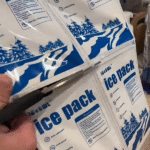
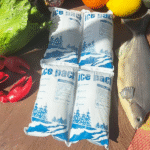
Mettre une source froide en bas (emballage plat ou bouteille congelée).
-
Ajouter denrées périssables au centre (laitier, viande, fruit de mer).
-
Mettre une source froide au dessus (le refroidissement descendant aide).
-
Comblez les lacunes avec articles résistant au froid (les légumes surgelés fonctionnent bien).
-
Zippez-le fermé et ouvert uniquement lorsque vous déchargez.
Conseils pratiques que vous pouvez utiliser aujourd'hui
-
Utiliser des paquets plats sur les côtés pour les courses plus longues.
-
Séparer le chaud et le froid dans deux sacs fourre-tout isothermes pour arrêter la « lutte contre la température ».
-
Ne surchargez pas les fermetures éclair. Une fermeture cassée ruine les performances.
Cas réel: Une règle simple : « ouvrir une fois, décharger rapidement » – réduit souvent les plaintes concernant les produits laitiers chauds plus que l'achat d'un nouveau sac.
Comment nettoyer les sacs fourre-tout isothermes sans odeurs ni contamination croisée?
Réponse directe: Faire le ménage rapide, constamment, et sécher complètement. Les odeurs proviennent généralement de minuscules déversements qui restent humides. Les directives publiques recommandent généralement de laver les sacs réutilisables après utilisation et essuyer les sacs isothermes avec une solution désinfectante, surtout le long des coutures.
Explication élargie:
Traitez votre sac comme une planche à découper: un nettoyage rapide est préférable à un nettoyage en profondeur occasionnel. Si de la viande ou des fruits de mer crus touchent l'intérieur, faire une désinfection et un séchage le jour même. Cela favorise des habitudes de manipulation plus sûres autour du guidage dans la zone dangereuse..
Un programme de nettoyage qui semble réaliste
| Ce que tu as emporté | Niveau de nettoyage | Quand le faire | Ce que cela signifie pour vous |
|---|---|---|---|
| Articles de garde-manger emballés | Essuyage léger | Hebdomadaire | Empêche l'accumulation de saleté |
| Produire + laitier | Essuyer + savon doux | Après chaque voyage | Moins de résidus, moins d'odeurs |
| Viande crue/fruits de mer | Désinfecter + complètement sec | Le même jour | Risque de contamination croisée réduit |
| Renverser la sauce | Nettoyage en profondeur immédiat | Immédiatement | Évitez les taches + odeur persistante |
Conseils pratiques que vous pouvez utiliser aujourd'hui
-
Essuyez d'abord, puis sécher. L'humidité laissée à l'intérieur est un carburant odorant.
-
Sécher complètement à l’air avec le sac ouvert. Les sacs humides fermés sentent vite.
-
Faites attention aux coutures. Les coutures retiennent davantage les résidus que les panneaux plats.
Cas réel: L'« odeur mystérieuse » disparaît généralement lorsque vous ajoutez une règle: pas de stockage jusqu'à ce qu'il soit complètement sec.
Les sacs fourre-tout isothermes nécessitent-ils des documents de conformité européens relatifs au contact alimentaire?
Réponse directe: Si les matériaux intérieurs sont destinés à contacter directement les aliments, Les règles de l’UE sur le contact alimentaire sont importantes. Le cadre de l'UE exige que les matériaux entrant en contact avec les aliments ne libèrent pas de constituants dans les aliments à des niveaux nocifs ou ne modifient pas le goût/l'odeur des aliments de manière inacceptable.. Sécurité alimentaire+1
Explication élargie:
La plupart des épiceries utilisent des aliments emballés, ce qui réduit le risque de contact direct. Mais si votre exploitation utilise des doublures susceptibles de toucher des aliments non emballés, les attentes en matière de conformité augmentent. Pour les plastiques destinés au contact alimentaire, Les règles de l’UE incluent des mesures spécifiques et des attentes en matière de documentation (comme une déclaration de conformité pour certains plastiques). EUR-Lex+1
Bonnes pratiques de fabrication de l'UE (GMP) les règles s'appliquent également aux matériaux destinés au contact alimentaire.
Que demander (simple et pratique)
| Votre cas d'utilisation | Niveau de risque | Que demander aux fournisseurs | Ce que cela signifie pour vous |
|---|---|---|---|
| Aliments emballés uniquement | Inférieur | Matériel + conseils de nettoyage | Focus sur l'hygiène + durabilité |
| La doublure peut toucher les aliments non emballés | Plus haut | Déclaration de contact alimentaire; DoC si les plastiques s'appliquent | Confiance plus forte des acheteurs |
| Opérations alimentaires B2B | Le plus haut | DoC + documents à l'appui + Alignement BPF EUR-Lex+1 | Meilleure préparation aux audits |
Conseils pratiques que vous pouvez utiliser aujourd'hui
-
Décidez d'abord: Les aliments toucheront-ils directement le revêtement?
-
Si oui: demander documentation contact alimentaire et contrôles de processus.
-
Si non: toujours appliquer SOP de nettoyage, parce que les déversements provoquent une contamination croisée.
Un outil de décision en 60 secondes: quel sac fourre-tout isotherme vous convient?
Répondez rapidement (pas de réflexion excessive). Donnez-vous 1 indiquer pour chaque « Oui ».
-
Prévoyez-vous des voyages plus longs que 45 minutes au moins une fois par semaine?
-
Est-ce que tu portes produits laitiers/viande/fruits de mer la plupart des voyages?
-
Achetez-vous ou livrez-vous temps chaud souvent?
-
Est-ce que tu portes soupes/sauces ou des articles sujets aux déversements?
-
Est-ce que plusieurs personnes utiliseront le même sac (risque de dégâts plus élevé)?
-
Avez-vous besoin du sac pour survivre manipulation quotidienne (travail de livraison)?
Votre match
-
0–1 point: Sacs fourre-tout isothermes basiques avec fermeture éclair + 1 source froide
-
2–3 points: Sacs fourre-tout isothermes de niveau intermédiaire avec des parois plus épaisses + base rigide + place pour 2 sources froides
-
4–6 points: Sacs fourre-tout isothermes robustes (fermeture éclair solide, coutures scellées, doublure lavable) + une règle des « deux sources froides »
Votre « liste de contrôle de santé mentale de l'acheteur »
-
Est-ce que c'est étroitement (fermeture éclair ou rabat serré)?
-
Est-ce que c'est se lever et garder la nourriture stable?
-
La doublure est-elle facile à essuyer et sèche rapidement?
-
Les coutures sont-elles renforcé là où le poids tire le plus fort?
2025 les tendances des sacs fourre-tout isothermes et ce qu'elles signifient pour vous
Aperçu de la tendance: Dans 2025, les sacs fourre-tout isothermes sont influencés par deux forces puissantes: pression de réutilisation et examen minutieux des matériaux. Le règlement de l’UE sur les emballages et les déchets d’emballages est entré en vigueur le 11 Février 2025, avec une date d'application générale 18 des mois plus tard, encourager des décisions d'emballage plus axées sur la réutilisation.
Dernier aperçu des progrès (2025)
-
Plus de programmes de réutilisation: Les détaillants et les marques favorisent les produits réutilisables durables alors que les règles sur les déchets se resserrent. Environnement
-
En savoir plus sur "ce qu'il y a dans le revêtement?"des questions: L’examen minutieux des PFAS se poursuit dans l’UE et dans certaines parties des États-Unis.
-
Plus de documentation sur les plastiques alimentaires et recyclés: Les amendements de l'UE continuent d'évoluer pour les plastiques destinés au contact alimentaire.
Perspicacité du marché (anglais simple):
Les clients font confiance à ce qui semble propre et qui sent neutre. Si vos sacs fourre-tout isothermes arrivent tachés ou humides, la confiance chute vite. L'hygiène est désormais une marque, pas seulement la sécurité.
Questions fréquemment posées
Q1: Combien de temps les sacs fourre-tout isothermes gardent-ils les aliments au frais?
Cela dépend de la température de départ, météo, et des compresses froides. Utilisez des sacs fourre-tout isothermes pour gagner du temps, mais suivez la règle des 2 heures (1 heure au-dessus de 90°F) pour les denrées périssantes.
Q2: Les sacs fourre-tout isothermes fonctionnent-ils sans blocs de glace?
Oui pour les courts trajets, mais les blocs de glace prolongent votre tampon. Pour les courses et les arrêts, les sources froides réduisent les devinettes.
Q3: Comment dois-je placer les blocs de glace dans des sacs fourre-tout isothermes?
Utilisez une approche descendante: une source froide sous les denrées périssables et une au-dessus. Gardez le sac bien emballé en sachant que les espaces d'air se réchauffent plus rapidement.
Q4: Comment nettoyer les sacs fourre-tout isothermes sans odeurs?
Essuyer après utilisation, désinfecter lorsque des aliments crus ont été transportés, et sécher complètement à l'air avant le stockage. Il est généralement recommandé d'essuyer les sacs isothermes avec une solution désinfectante..
Q5: Les sacs fourre-tout isothermes peuvent-ils également protéger les aliments chauds?
Ils ralentissent la perte de chaleur, mais ils n'ajoutent pas de chaleur. Gardez les aliments chauds au chaud, limiter le temps tiède, et ne mélangez pas le chaud et le froid dans un seul sac.
Q6: Les sacs fourre-tout isothermes nécessitent-ils des documents européens relatifs au contact alimentaire?
Si le revêtement est destiné à entrer directement en contact avec les aliments, Les règles-cadres de l'UE s'appliquent et les plastiques peuvent nécessiter une documentation (comme un DoC), soutenu par les attentes GMP.
Résumé et recommandations
Sacs fourre-tout isothermes vous aider à protéger la qualité des aliments en ralentissant les changements de température pendant le transport quotidien. Vous obtenez les meilleurs résultats lorsque vous démarrez à froid, emballage, ferme bien, et gardez les déplacements courts, en particulier parce que les directives publiques mettent en garde contre les séjours prolongés dans la zone de danger de 40°F à 140°F.
Si vous voulez moins de courses avariées et moins de plaintes de livraison, se concentrer sur fermeture, propreté du revêtement, qualité des coutures, et une routine d'emballage reproductible.
Ce que vous devriez faire ensuite
-
Choisissez des sacs fourre-tout isothermes par votre véritable itinéraire (temps, chaleur, s'arrête).
-
Adopter un «deux sources froides « pour les denrées périssables » lors des longs voyages.
-
Nettoyez et séchez régulièrement le sac, surtout après les aliments crus.
-
Si vous vendez dans l'UE et que les aliments peuvent toucher le revêtement, s'aligner sur la documentation dès le début
À propos du tempk
À Rotation, nous construisons des emballages à température contrôlée pour des flux de travail réels : vente au détail d'épicerie, kits de repas, et livraison du dernier kilomètre. Nous nous concentrons sur sacs fourre-tout isolés durables, doublures faciles à nettoyer, et des méthodes d'emballage reproductibles qui vous aident à réduire la détérioration et les plaintes, sans compliquer votre processus quotidien..
Prochaine étape: Partagez votre temps de voyage habituel, mélange de produits (réfrigéré/congelé/chaud), et conditions ambiantes. Nous vous aiderons à choisir une configuration de sac fourre-tout isotherme et une routine simple d'emballage et de nettoyage que votre équipe pourra répéter..