Guide d'emballage du homard sous la chaîne du froid pour la livraison de fruits de mer
Emballage de la chaîne du froid guide pour les expéditions de homard, couvrant le refroidissement du homard vivant, humidité, ventilation, protection contre le gel, contrôle de la pression, durée de l'itinéraire, pertes communes, et sélection de packs Tempk.
Pourquoi le homard a besoin d'un emballage de fruits de mer spécifique
Le homard vivant n'est pas emballé comme un colis de fruits de mer congelés. L'emballage doit rester frais et humide tout en évitant le gel, eau stagnante, écrasement, et réception tardive. L'emballage des fruits de mer doit protéger simultanément la température et la qualité visible de la réception.. Un colis peut arriver froid mais échouer s'il fuit, ça sent chaud, écrase le produit délicat, ou mouille le carton extérieur.
L'emballage doit partir d'un produit froid, utilisez une doublure intérieure sans danger pour les fruits de mer, garder le liquide de refroidissement séparé du pack de fruits de mer, et inclure la réception des chèques de température, odeur, goutte, texture, et état du carton.
Outils de décision utiles
Vérifiez les détails avant de choisir l'emballage
Ces outils rapides peuvent vous aider à comparer le risque d'itinéraire, besoins de dimensionnement, choix de liquide de refroidissement, et les détails de l'emballage avant de demander un devis.
Calculateur de banquise
Estimation de la quantité de pain de glace pour les expéditions réfrigérées et planification pratique des itinéraires.
Estimer les packs de glaceDoublure de boîte & Dimensionnement des couvertures de palettes
Vérifiez la logique de dimensionnement du revêtement de boîte et du couvercle de palette pour les projets d'emballage isotherme.
Dimensionnement estiméSélecteur d'emballage
Comparez les options d'emballage isotherme par produit, itinéraire, et besoin de température.
Trouver un emballageTableau des exigences d'emballage
| Facteur de chaîne du froid | Exigence en matière de homard |
|---|---|
| Température cible | Manipulation au frais et au frais pour le homard vivant, généralement conservé au-dessus du point de congélation et à l'écart de tout contact direct avec le liquide de refroidissement |
| Humidité et condensation | Une humidité élevée est nécessaire pour le homard vivant, mais les cartons doivent éviter l'eau stagnante et les fuites |
| Pré-refroidissement | Refroidir le homard et les matériaux d'emballage avant le chargement; éviter les mises en scène chaudes |
| Pression d'emballage | Haut. Coquilles, les griffes, et les antennes ont besoin d'un support rigide et d'une orientation stable |
| Emplacement du liquide de refroidissement | Utilisez des packs de gel à l'extérieur de la chambre du produit vivant avec un séparateur pour éviter les brûlures dues au gel ou les chocs. |
| Durée du transit | Itinéraires express courts privilégiés; valider tout itinéraire du lendemain par rapport à la survie et aux conditions de réception |
| Pertes communes | Stress thermique, branchies sèches, choc direct du liquide de refroidissement, bris de coque, odeur, cartons humides, et rejet du récepteur |
| Réponse d'emballage Tempk | Expéditeur de fruits de mer vivants isolé Tempk avec emballage intérieur respirant ou à gestion de l'humidité, packs de gel séparés, tampon absorbant, support rigide, et instructions du récepteur |
Notes de conception d'itinéraire
Cartographier chaque point chaud de l'itinéraire: temps de préparation, transfert du transporteur, séjour au centre de tri, véhicule de livraison en séjour, et retard du récepteur. Les fruits de mer très humides ou de petite taille peuvent se réchauffer et couler plus rapidement que les filets denses., la disposition intérieure doit donc être approuvée avec le véritable pack de vente au détail.
Utilisez des doublures scellées, couches absorbantes, support de plateau, et séparé packs de gel là où c'est nécessaire. Pour les fruits de mer vivants, éviter le contact avec le gel et l'eau stagnante. Pour les fruits de mer transformés réfrigérés, se concentrer sur la température du produit, contrôle des gouttes, contrôle des odeurs, et la sécheresse du paquet.
Recommandation Tempk
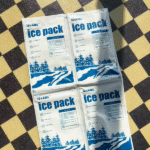
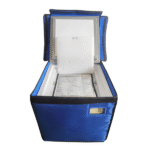
Un emballage de fruits de mer Tempk typique utilise un expéditeur isolé, packs de gel conditionnés ou fruits de mer packs de glace, doublure étanche, tampon absorbant, diviseur de produits, séparateur de liquide de refroidissement, et un enregistreur au niveau du produit. Approuver l'emballage après avoir vérifié la température, odeur, goutte, texture, dommages à la coque ou au plateau, et la sécheresse du carton après le parcours réel.