Mis à jour le: Juin 8, 2026
Fabricant de pack de glace carbonique pour l'expédition de produits pharmaceutiques: Un guide pratique des fournisseurs pour les acheteurs B2B
Un pack de glace carbonique d'un fabricant pour l'expédition de produits pharmaceutiques peut aider à protéger les marchandises sensibles à la température., mais cela ne doit pas être traité comme un raccourci autour des spécifications du produit, test d'emballage, ou vérification du fournisseur. Pour le transport pharmaceutique, la meilleure décision est généralement un équilibre contrôlé: refroidissement suffisant pour protéger la charge utile, suffisamment de tampon pour éviter un refroidissement excessif, et suffisamment de documentation pour rendre les commandes répétées fiables.
Ce que cela signifie pour l'acheteur
Vous ne choisissez pas seulement une source froide. Vous choisissez un type de pack, une méthode d'isolation, une carte de chargement, un processus fournisseur, et un niveau de documentation qui doit être adapté aux médicaments sensibles à la température, biologique, fournitures cliniques, ingrédients actifs, et charges utiles pharmaceutiques contrôlées. Le bon fabricant de pack de glace carbonique pour le transport de produits pharmaceutiques est celui qui contrôle les risques liés à l'itinéraire sans endommager la charge utile ni créer d'écart de conformité..
Clarifier le réfrigérant avant d'approuver le devis
L'expression "paquet de glace sec" est utilisé de plusieurs manières dans le sourcing B2B. Certains acheteurs parlent de glace sèche, qui est un dioxyde de carbone solide. D’autres parlent d’un pack réutilisable de type glace carbonique, un pack hydraté, ou un pack PCM basse température congelé avant utilisation. Ces produits ne sont pas automatiquement les mêmes lors d'un transport, sécurité, ou du point de vue de la documentation. La vraie neige carbonique est extrêmement froide, libère du dioxyde de carbone en se sublimant, et nécessite des contrôles de ventilation et de transport. Un emballage réutilisable peut éviter la sublimation au dioxyde de carbone, mais il faut quand même qu'il soit adapté au produit, isolation, et itinéraire.
Pour les médicaments sensibles à la température, biologique, fournitures cliniques, ingrédients actifs, et charges utiles pharmaceutiques contrôlées, la distinction est importante car le mode d'échec de l'expédition n'est pas toujours un simple réchauffement. Le risque peut être une excursion de température, qualification sans papiers, dépendance excessive au réfrigérant, lacunes en matière de contrôle du changement, et une mauvaise cohérence entre l'échantillon et la production. Un pack plus froid que nécessaire peut créer de la condensation ou des dommages sensibles au gel. Un emballage trop fragile peut protéger le carton lors de la première remise, mais échouer lors de la livraison du dernier kilomètre.. Un fournisseur doit être capable d'expliquer clairement les limites du produit, non seulement dire que le pack est "froid" ou "longue durée."
Le langage d'achat le plus sûr est spécifique. Demandez si le produit est du vrai dioxyde de carbone solide, un pack de glace carbonique hydratée, un pack de gel, ou un pack PCM. Demandez comment il est congelé ou conditionné. Demandez si le fournisseur recommande le pack seul ou un pack complet avec un expéditeur., séparateur, doublure, carton, chargement de la carte, et plan de surveillance. Cela évite une erreur d'achat courante: comparer deux noms de packs tout en ignorant le système qui les entoure.
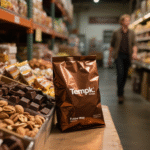
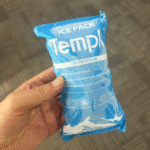
Dans ce sujet, Positions publiques d'information sur les produits de Tempk hydrater les packs de glace carbonique comme réutilisable packs de refroidissement pour les expéditions sous chaîne du froid et les décrit comme des emballages à base de PCM qui absorbent l'eau et sont congelés avant utilisation. Cette limite de produit est utile pour les acheteurs qui souhaitent une source de froid plus propre à manipuler que la glace en vrac., mais cela ne supprime pas la nécessité de vérifier la température cible, disposition de la charge utile, profil d'itinéraire, et critères d'acceptation.
Commencez par l'état du produit, pas le nom du pack
La décision clé pour l'expédition de produits pharmaceutiques est l'état du produit qui doit être protégé à l'arrivée.. Si le produit est congelé, l'emballage doit limiter la décongélation. S'il est réfrigéré, l'emballage doit éviter à la fois le réchauffement et le gel. S'il est stable à la conservation mais sensible à la chaleur, l’objectif peut être la protection de la qualité plutôt que le strict respect de la chaîne du froid. Ces distinctions changent le bon choix de pack.
Les directives de Santé Canada et de type PIB mettent l'accent sur le stockage et le transport conformément aux conditions étiquetées ou aux conditions de transport fondées sur des données..
C'est pourquoi un acheteur doit décrire la charge utile avant de demander le prix. Inclure le type de produit, taille du paquet, état acceptable à la livraison, durée de l'expédition, saison, itinéraire, et processus de réception. Un bon fournisseur pourra alors discuter de la source froide, isolation, séparateur, carton, et des preuves. Un fournisseur faible proposera le pack seul et vous laissera le risque.
Points d'examen du fabricant pour une production reproductible
Une revue du fabricant doit couvrir le matériel, scellage, méthode d'hydratation ou de conditionnement, emballage en carton, cohérence des lots, limites de personnalisation, et communication de contrôle des changements.
Commencez par l'échantillon. Un échantillon n'est utile que s'il représente l'offre de production. Confirmez le matériel de l'emballage, structure de remplissage ou d'hydratation, méthode de scellement, instructions de congélation, carton d'emballage, et toute personnalisation avant d'approuver l'échantillon. Si la version de production utilise un film différent, géométrie cellulaire différente, matériau absorbant différent, ou quantité différente de carton extérieur, le résultat de votre test peut ne pas représenter des expéditions ultérieures.
Ensuite, revoyez la manipulation. L'équipe de l'entrepôt doit savoir combien de temps il faut congeler ou conditionner le pack, comment identifier un pack entièrement préparé, où le placer dans la boîte, s'il peut toucher la charge utile, et comment gérer les retours ou l'élimination. Un fournisseur qui ne donne qu'un prix unitaire laisse l'acheteur résoudre seul ces détails opérationnels.
Enfin, examiner les preuves. Pour les itinéraires alimentaires ou de bonbons à faible risque, vous aurez peut-être besoin d'un simple échantillon de test et d'une liste de contrôle de réception. Pour les voies médicales ou pharmaceutiques, vous pourriez avoir besoin d'une qualification contrôlée, données de l'enregistreur de température, discipline de contrôle du changement, et l'approbation de l'équipe qualité. Le fournisseur de packs ne remplace pas votre démarche qualité, mais un fournisseur compétent rend ce processus plus facile à exécuter.
| Question de l'acheteur | Pourquoi ça compte | Bonne réponse du fournisseur |
|---|---|---|
| Quel est exactement le type de pack? | Évite de confondre glace carbonique solide et glace hydratée., gel, ou packs PCM. | Limites claires du produit et instructions de manipulation. |
| Comment le pack doit-il être conditionné? | Les performances thermiques dépendent de la congélation ou du préconditionnement. | Instruction écrite pour la préparation, stockage, et chargement. |
| Le pack peut-il toucher la charge utile? | Le contact direct peut trop refroidir ou endommager les produits sensibles. | Séparateur spécifique ou recommandation de mise en page. |
| Ce qui change d'un échantillon à une commande groupée? | De petits changements peuvent invalider un échantillon de test. | Contrôles de cohérence des matières et de la production. |
| Quelle documentation peut étayer la réclamation? | Des preuves sont nécessaires avant d’étendre les voies à plus haut risque. | Fiche de données, exemples de données de test, ou un soutien à la qualification, le cas échéant. |
Séparez les vraies règles de glace carbonique de la sélection de packs de type glace carbonique
La glace carbonique réelle est du dioxyde de carbone solide. Il fait extrêmement froid et passe directement du solide au gaz. C'est pourquoi un emballage contenant de la glace carbonique ne doit pas être hermétique., et pourquoi le transport aérien nécessite des étapes de marquage sur glace carbonique et de documentation. Un pack de type glace carbonique hydratée ou un pack de type PCM ne se comporte pas de la même manière, mais il faut encore une évaluation thermique.
Cette distinction peut éviter à la fois les erreurs de conformité et les erreurs de performance.. Si vous utilisez de la vraie neige carbonique, vérifier l'acceptation du transporteur, ventilation des emballages, marquage du poids net, et classe 9 exigences en matière d'air. Si vous utilisez un pack réutilisable de type glace carbonique, vérifier les instructions de congélation, placement des paquets, risque de contact avec la charge utile, et si le peloton est assez fort pour le parcours. Le travail de l'acheteur consiste à clarifier le type de produit avant d'approuver l'une ou l'autre solution..
Outils de décision utiles
Vérifiez les détails avant de choisir l'emballage
Ces outils rapides peuvent vous aider à comparer le risque d'itinéraire, besoins de dimensionnement, choix de liquide de refroidissement, et les détails de l'emballage avant de demander un devis.
Vérificateur de risque d'itinéraire
Examinez les conditions des pistes avant de sélectionner l'emballage en fonction des exigences opérationnelles réelles..
Vérifier le risque d'itinéraireCalculateur de banquise
Estimation de la quantité de pain de glace pour les expéditions réfrigérées et planification pratique des itinéraires.
Estimer les packs de glaceLiquide de refroidissement & Référence PCM
Comparez les options de liquide de refroidissement et de PCM lorsqu'un itinéraire nécessite une prise en charge supplémentaire de la température.
Comparez les optionsNe laissez pas le nom raccourcir la révision. Un produit commercialisé comme sac de glace carbonique peut ne pas convenir à chaque envoi congelé., et il peut faire trop froid pour de nombreux produits réfrigérés ou sensibles à la qualité. La base d'approbation devrait être la voie à suivre, charge utile, preuve, et processus de manipulation.
Un problème d'itinéraire typique à résoudre avant de commander
Un grossiste peut demander un prix de gros avant que l'itinéraire soit défini. Le fournisseur peut proposer des packs, mais l'équipe qualité ne peut pas approuver l'emballage avant la taille de la charge utile, plage cible, exposition ambiante, durée du transit, Placement de l'enregistrement, et les critères d'acceptation sont connus.
Dans cette situation, l'acheteur doit construire l'emballage autour du point de transfert le plus vulnérable. Il s'agit peut-être d'un quai d'entrepôt chaud, une soute à l'aéroport, une camionnette de messagerie, ou le délai de réception après la livraison. Pour une voie qualifiée, l'emballage doit protéger le produit lors de la pire exposition réaliste, pas seulement pendant le temps de transit moyen indiqué sur le site Web d'un transporteur.
Un test pratique sur un échantillon doit enregistrer la façon dont le paquet a été préparé., comment le carton a été chargé, où l'enregistreur a été placé, quelles étaient les conditions ambiantes, et comment l'envoi a été inspecté à l'arrivée. Si le test est répété plus tard, les mêmes détails devraient être reproductibles. C'est la différence entre un essai utile pour l'acheteur et une démonstration ponctuelle qui ne peut pas soutenir les décisions d'achat..
Lorsque le résultat de l'échantillon est mélangé, n'ajoutez pas immédiatement plus de refroidissement. Vérifiez d’abord si le problème venait de l’isolation, vide espace, pré-refroidissement du produit, emplacement du pack, discipline de chargement, ou retard de réception. Une source de froid plus importante peut résoudre le problème du réchauffement mais peut également créer un refroidissement excessif.. Pour de nombreux produits, une meilleure mise en mémoire tampon et une carte de chargement plus claire font plus que simplement augmenter la quantité de paquets.
Liste de contrôle d'approbation avant l'achat en volume
| Article d'approbation | Que confirmer | Pourquoi ça compte |
|---|---|---|
| Identité du pack | Vraie glace sèche, pack hydraté, paquet de gel, ou pack style PCM. | Détermine la manipulation, règles de transport, et comportement thermique. |
| Ajustement du produit | Plage de température ou de qualité acceptable selon le propriétaire du produit. | Empêche le refroidissement excessif et les allégations non fondées. |
| Carte de conditionnement | Emplacement exact du paquet, séparateur, doublure, et disposition de la charge utile. | Rend le chargement de l'entrepôt reproductible. |
| Preuve | Exemple de test, Fiche de données, ou des données de qualification adaptées au risque de l'itinéraire. | Prend en charge les achats et l'examen de la qualité. |
| Contrôle de l'échelle | Cohérence de l’échantillon à la production et communication sur les changements. | Protège les commandes répétées des modifications de construction cachées. |
Erreurs courantes qui augmentent les coûts après le lancement
La première erreur est d'acheter en fonction du nombre de paquets plutôt que des performances du paquet.. Deux fournisseurs peuvent recommander le même nombre de packs, mais une conception peut utiliser une meilleure isolation, moins d'espace vide, et une séparation plus claire. Le résultat de l'arrivée peut être différent même lorsque le bon de commande semble similaire.
La deuxième erreur consiste à tester un échantillon parfait mais à lancer un processus d'entrepôt compliqué.. Si le personnel ne peut pas identifier l'état correct du paquet ou charger la boîte de manière cohérente, la route devient instable. Instructions écrites, photos de la carte de chargement, et une courte liste de contrôle de réception sont des contrôles simples qui évitent souvent les litiges.
La troisième erreur consiste à ignorer les différences de produits au sein d'une même catégorie.. Tous les bonbons ne se comportent pas comme le chocolat. Tous les vaccins ne sont pas réfrigérés. Tous les produits laitiers ne tolèrent pas la même exposition au froid. Toutes les expéditions pharmaceutiques ne nécessitent pas ou n'autorisent pas le même réfrigérant. Un fournisseur devrait vous aider à affiner la recommandation au lieu de traiter la catégorie comme un problème générique de la chaîne du froid..
FAQ
Est-ce qu'un fabricant de pack de glace carbonique pour l'expédition de produits pharmaceutiques est identique à la vraie glace carbonique?
Pas toujours. Certains fournisseurs utilisent l'expression pour désigner le véritable dioxyde de carbone solide., tandis que d'autres l'utilisent pour s'hydrater, gel, ou des packs de type PCM congelés avant utilisation. La différence affecte la manipulation, étiquetage, acceptation du transporteur, et la sécurité. Demandez au fournisseur de définir clairement le type de pack avant d'approuver un échantillon ou de comparer les prix.
Le pack peut-il toucher directement le produit?
Le contact direct ne doit pas être considéré comme sûr. Pour les médicaments sensibles à la température, biologique, fournitures cliniques, ingrédients actifs, et charges utiles pharmaceutiques contrôlées, le contact peut créer un refroidissement excessif local, condensation, dommages superficiels, ou marques d'emballage. Utilisez un séparateur, doublure, tampon, ou chargement de la carte lorsque le produit est sensible. Le fournisseur doit expliquer l'emplacement prévu, non seulement fournir la taille du paquet.
Comment dois-je comparer les réclamations des fournisseurs concernant le temps d'attente ??
Comparez les conditions de test derrière la réclamation. Demandez la taille de l'expéditeur, charge utile, quantité par paquet, profil ambiant, emplacement de l'enregistreur, critères d'acceptation, et si le résultat était un test en laboratoire ou un véritable contrôle d'expédition. Le temps d'attente sans contexte n'est pas un paramètre d'achat fiable.
Ai-je besoin d'un enregistreur de données de température?
Un enregistreur de données est recommandé lorsque la valeur de l'envoi, sensibilité au produit, exigence du client, ou la procédure qualité nécessite des preuves. L'enregistreur ne contrôle pas la température; il enregistre ce qui s'est passé. Pour les allées de nourriture ou de bonbons à faible risque, un exemple de test et une liste de contrôle de réception peuvent suffire. Pour les voies médicales et pharmaceutiques, les attentes en matière de documentation sont généralement plus élevées.
Ce pack peut-il rendre un envoi conforme?
Aucun colis ne rend un envoi conforme à lui seul. La conformité dépend de l'étiquette du produit, système d'emballage qualifié, procédure de manipulation, exigences du transporteur, documentation, et examen de la qualité. Un fournisseur de packs peut prendre en charge le processus, mais l'acheteur doit confirmer les exigences réglementaires et internes de qualité pour la voie spécifique.
Conclusion
Un pack de glace carbonique du fabricant pour l'expédition de produits pharmaceutiques est utile lorsqu'il est sélectionné dans le cadre d'un emballage complet plutôt que comme réponse autonome.. Les décisions les plus importantes concernent la gamme de produits, exposition par voie, disposition de la charge utile, isolation, conditionnement des emballages, preuve du fournisseur, et réception de l'inspection. Si l'un d'entre eux manque, un compresse froide peut créer un faux sentiment de protection.
Pour le transport pharmaceutique, commencer par l'état acceptable du produit, puis revenez en arrière jusqu'à l'emballage. Confirmez si vous utilisez de la vraie neige carbonique ou un pack réutilisable de type neige carbonique. Définir la carte de colisage. Testez l'échantillon d'une manière qui peut être répétée. Avant d'acheter du volume, assurez-vous que le fournisseur peut prendre en charge la même construction, documentation, et les instructions de manipulation approuvées par votre équipe.
À propos du Tempk
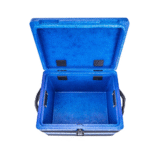
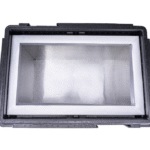
Tempk est le emballage chaîne du froid marque de Shanghai Tempk Industrial Co., Ltée. Pour le transport pharmaceutique, nous aidons les acheteurs à comparer les options de sources froides, emballage isolé, et disposition de l'emballage en fonction du type de produit, condition cible, exposition par voie, et étape d'achat. Notre gamme de produits publics comprend packs de glace en gel, des blocs de glace remplis d'eau, hydrater les packs de glace carbonique, briques de glace, doublures isolées, sacs isolés, EPP et Boîte VIP options, et matériaux d'emballage pour la chaîne du froid associés. Le point de départ utile est simple: partager la charge utile, itinéraire, plage cible, et les contraintes de gestion afin que la recommandation puisse correspondre à l'envoi au lieu du seul mot-clé.
Partagez votre type de produit, plage de température cible, charge utile, itinéraire, et temps de transit avec Tempk pour comparer les options appropriées avant de commander un pack de glace carbonique du fabricant pour l'expédition pharmaceutique en volume.