Comment maîtriser Transport de crémerie sous chaîne du froid dans 2025
Livrer des glaces et des produits laitiers de la crémerie à votre porte exige de la précision. Le marché actuel de la chaîne du froid est énorme – terminé $2.7 billion une valeur de marchandises à température contrôlée a été transportée par camion 2022 (90 % de tous les modes), et le marché mondial de la chaîne du froid alimentaire devrait atteindre à propos $65.8 milliards 2025. Pourtant à peu près un cinquième de la nourriture mondiale est encore perdu ou gaspillé chaque année, coûtant environ $1 billion. Ce guide montre comment vous pouvez construire un système de transport de crèmerie sous chaîne du froid efficace qui assure la sécurité des produits laitiers., réduit les déchets et répond à l’évolution des réglementations.

Pourquoi un contrôle précis de la température est important – En savoir plus sur la FSMA 204 exigences et comment de légères variations de température peuvent gâcher le lait et la crème glacée.
Comment catégoriser les températures des produits laitiers – Comprendre les plages de surgélation, congelé, produits réfrigérés et spécialisés.
Conseils pratiques pour le pré-refroidissement, emballage et transport – Utiliser un stockage multi-température, camions et capteurs pré-refroidis pour éviter la détérioration.
Comment l'IoT, L’IA et les jumeaux numériques améliorent la visibilité – Découvrez comment les capteurs intelligents, l'analyse prédictive et les répliques numériques évitent les problèmes.
Pourquoi la durabilité et la décarbonisation sont des priorités croissantes – Explorez la réfrigération sans diesel et l’entreposage frigorifique économe en énergie.
Les dernières tendances qui façonnent la logistique de la chaîne du froid en 2025 – Automatisation, suivi en temps réel, IA, et partenariats stratégiques.
Questions fréquemment posées sur la logistique et la conformité des crèmeries – Réponses rapides aux requêtes courantes.
Pourquoi un contrôle précis de la température est-il crucial pour le transport en crèmerie?
La logistique de la chaîne du froid diffère du transport normal, car même de petites variations de température peuvent gâcher les produits laitiers.. Le lait peut s’aigrir et la crème glacée peut perdre sa texture crémeuse si la chaîne du froid n’est pas respectée.. Une chaîne du froid est un réseau intégré de stockage et de transport réfrigérés qui maintient les marchandises dans des limites spécifiées.. La Global Cold Chain Alliance recommande de spécifier des limites numériques de température supérieure et inférieure au lieu de descripteurs vagues comme « congelé ».. Toutes les personnes impliquées – expéditeur, chargeur et transporteur – partagent la responsabilité du maintien de ces plages.
Un contrôle précis est important car les produits laitiers sont hautement périssables. Même un léger écart peut gâcher la texture, saveur et sécurité. Les pressions réglementaires ajoutent à l’urgence. Le NOUS. Loi sur la modernisation de la sécurité alimentaire (FSMA) 204 règle finale exige que les entreprises qui fabriquent, processus, emballer ou conserver des aliments figurant sur la liste de traçabilité des aliments (FTL) conserver les éléments de données clés pour chaque événement de suivi critique et fournir des enregistrements à la FDA dans les délais 24 heures. Même si la date de conformité initiale était 20 Janvier 2026 (récemment proposé une prolongation jusqu'en juillet 2028), construire une traçabilité numérique vous protège désormais contre les rappels et les amendes.
Comprendre les catégories de température pour les produits laitiers
Différents produits laitiers nécessitent différentes plages de température. Le non-respect de ces plages entraîne une détérioration, gaspillage d’inventaire et sanctions légales. Tableau 1 résume les catégories principales.
| Catégorie de température | Gamme (°C) | Produits laitiers typiques | Ce que cela signifie pour vous |
| Congélateur | –25 à –30 | Glace, desserts congelés | Maintient des températures ultra basses pour préserver la texture et éviter les cristaux de glace; critique pour la livraison de glaces |
| Congelé | –10 à –20 | Beurre congelé, blocs de fromage | Ralentit la croissance microbienne et maintient les protéines stables |
| Froideur | 2 à 4 | Lait, yaourt, fromage frais | Prolonge la durée de conservation sans geler; fréquent pour les livraisons de lait liquide |
| Pharmaceutique/Probiotique | 2 à 8 | Biologique, boissons probiotiques | Maintient la puissance des produits sensibles; nécessite de petits conteneurs spécialisés |
| Banane/Tropical | 12 à 14 | Laits végétaux | Contrôle la maturation et prévient les dommages causés par le froid |
Astuces et conseils pratiques
Spécifier des plages exactes: Documenter les limites de température supérieure et inférieure, fréquence de contrôle et tolérance pour chaque produit.
Pré-refroidir rapidement: Utiliser le refroidissement sous vide ou des cellules de refroidissement rapide pour éliminer la chaleur du champ peu après la production. Un refroidissement rapide arrête la croissance microbienne.
Utiliser un stockage à plusieurs températures: Les entrepôts modernes utilisent plusieurs zones de température et des atmosphères contrôlées pour ralentir la respiration et maintenir la qualité..
Sceller et pré-refroidir les véhicules: Les camions et conteneurs réfrigérés doivent être pré-refroidis, chargé rapidement et scellé pour éviter les fluctuations de température.
Investissez dans des capteurs et l’enregistrement des données: La surveillance en temps réel réduit la détérioration et prend en charge la FSMA 204 conformité.
Planifier les livraisons en milieu rural: Même les courts trajets à travers la ville peuvent compromettre la qualité; les transporteurs laitiers dédiés utilisent des véhicules spécialisés et des chauffeurs formés.
Cas du monde réel: Une laiterie de la campagne du Missouri a remplacé ses camions ouverts par des remorques réfrigérées équipées d'enregistreurs de données.. En surveillant les températures en continu et en répondant aux alertes, l'entreprise a réduit la détérioration de 15 % et rencontré la FSMA 204 exigences en matière de tenue de dossiers. Cela illustre comment de simples mises à niveau fournissent des résultats mesurables.
Exploiter la technologie: IoT, IA et jumeaux numériques dans la logistique des crèmeries
Une technologie intelligente transforme une chaîne du froid réactive en un atout stratégique proactif. Les chaînes du froid modernes s'appuient désormais sur des capteurs IoT, intelligence artificielle et jumeaux numériques pour fournir 24/7 surveillance, conformité réglementaire et durabilité. Ces outils suivent la température, humidité, choc, localisation et ouvertures de portes en temps réel. Quand les conditions s’écartent, les alertes permettent une action corrective avant que la détérioration ne se produise.
Toujours sur l'IoT et les capteurs intelligents
Appareils IoT intégrés dans les camions, les conteneurs et les zones d'entrepôt enregistrent en permanence les conditions environnementales. Un entrepôt à température contrôlée à Milwaukee, Par exemple, utilise des capteurs intelligents pour tout surveiller, des aliments surgelés aux produits médicaux sensibles; les alertes se déclenchent automatiquement si un conteneur dérive hors de portée. Les clients exigent de plus en plus la preuve que leurs marchandises sont restées dans des limites acceptables. L'installation de capteurs sur l'ensemble de votre flotte vous permet de prouver votre conformité et de répondre aux problèmes avant qu'ils ne deviennent coûteux..
Avantages des capteurs IoT:
Visibilité en temps réel – Surveiller la température, humidité et emplacement 24 heures sur 24.
Alertes immédiates - Recevoir des notifications lorsque les conditions s'écartent.
Conformité réglementaire – Fournir les journaux de données requis par la FSMA 204.
Itinéraires et horaires optimisés – Combinez les données des capteurs avec le GPS pour planifier des livraisons efficaces.
IA et analyse prédictive
Intelligence artificielle (IA) n'est plus un mot à la mode mais un outil d'anticipation des risques. Les modèles d'apprentissage automatique prédisent quand les équipements de réfrigération pourraient tomber en panne, quels itinéraires sont sujets à des écarts de température et comment les conditions météorologiques affectent le transport en commun. Si un modèle constate que les livraisons du lundi matin le long d'un corridor particulier présentent un risque élevé, les répartiteurs peuvent réacheminer ou pré-refroidir l'équipement. L'IA optimise également la planification de la charge et réduit la consommation d'énergie.
Un exemple notable vient de L'activité glaces d'Unilever, qui utilise l'IA pour analyser les données météorologiques afin d'obtenir des prévisions de volume précises et de mettre à jour les niveaux de stocks dans les congélateurs en temps réel. Les dirigeants visent à intégrer l'IA de bout en bout, des fournisseurs aux consommateurs, mais notent que l'amélioration de la visibilité sur le dernier kilomètre reste un défi.. Pour les petites crèmeries, commencez par une IA qui apporte une valeur immédiate (comme la maintenance prédictive) et évoluer progressivement à mesure que les coûts technologiques diminuent.
Jumeaux numériques: Un miroir virtuel de votre chaîne d'approvisionnement
La technologie du jumeau numérique crée une réplique virtuelle de votre entrepôt, flotte ou chaîne d'approvisionnement entière. En combinant cette réplique avec les données en temps réel des appareils IoT, vous pouvez surveiller les opérations, exécuter des simulations et identifier les goulots d’étranglement. Le marché des jumeaux numériques devrait croître d’ici 30–40 % annuellement, atteinte $125–150 milliards par 2032. Les principaux avantages comprennent:
Visibilité et traçabilité de bout en bout: Surveiller les niveaux de stocks, itinéraires de transport et activités d'entrepôt en temps réel.
Analyse prédictive et planification de scénarios: Exécutez des scénarios « et si » pour anticiper les perturbations (Par exemple, conditions météorologiques extrêmes ou panne d’équipement) et élaborer des plans d'urgence.
Collaboration améliorée: Fournir une plateforme numérique partagée où les fournisseurs, les fabricants et les prestataires logistiques accèdent à des données et des informations en temps réel.
Un producteur régional de glaces a utilisé un jumeau numérique de son entrepôt et de sa flotte pour simuler des ajustements d'itinéraire et repositionner les armoires de congélation.. En combinant la maintenance prédictive basée sur l'IA avec des simulations de jumeaux numériques, l'entreprise a réduit sa consommation d'énergie de 10 % et réduit la détérioration annuelle de 12 %, économiser des milliers de dollars.
Comparaison des chaînes du froid traditionnelles et technologiques
Les chaînes du froid traditionnelles reposent sur des contrôles manuels et des feuilles de calcul papier, conduisant à des réponses réactives et à une visibilité limitée. Les opérations technologiques utilisent des données IoT en temps réel, systèmes de gestion d'entrepôt, Alertes basées sur l'IA et tableaux de bord cloud pour une surveillance continue. Investir dans la technologie transforme votre chaîne du froid d'un centre de coûts en un actif stratégique proactif.
Livraison durable et décarbonisation dans le transport des crèmeries
Les préoccupations environnementales et les réglementations plus strictes ont placé la durabilité au premier plan de la logistique de la chaîne du froid.. Le transport frigorifique dépend fortement du diesel, mais les unités alimentées au diesel contribuent aux émissions de gaz à effet de serre et augmentent les coûts d'exploitation. Les consommateurs se soucient de plus en plus de l’impact environnemental de leurs choix alimentaires.
Réfrigération sans diesel: L'affaire de la crémerie Fife
Le Crémerie Fife, un grossiste leader en produits réfrigérés et surgelés en Écosse, modernisé sa flotte avec 30 nouveaux véhicules mettant en vedette sans moteur, systèmes de réfrigération à compresseur et systèmes alimentés par onduleur. Les résultats ont été spectaculaires:
Consommation de carburant réduite d'environ 200 000 litres par an.
Émissions de CO₂ réduites de 1,929 tonnes métriques.
Des économies annuelles estimées à $427,280.
Les nouvelles unités sont ~250 kg plus léger que les équivalents diesel, augmentation de la capacité de charge utile.
Ce cas démontre que la réfrigération durable peut simultanément réduire les émissions, réduire les coûts de carburant et améliorer la capacité de charge utile. Cela montre également que les entreprises des centres urbains comme Édimbourg et Glasgow peuvent répondre à des demandes de livraison strictes grâce à des systèmes de réfrigération multi-températures..
Entreposage frigorifique économe en énergie et technologie verte
La réduction de la consommation d’énergie dans les entrepôts frigorifiques est un autre levier crucial de développement durable. Les entreprises adoptent contrôle de la température par zones, systèmes CVC à haut rendement et créneaux optimisés pour réduire les temps de séjour et les cycles de manipulation. Les entrepôts solaires et la planification optimisée des charges réduisent la consommation de carburant dans les camions réfrigérés, tandis que les unités de réfrigération à énergie solaire étendent l'entreposage frigorifique aux régions hors réseau et réduisent les coûts d'exploitation.. Les matériaux d'emballage respectueux de l'environnement et les packs de gel biodégradables réduisent davantage l'empreinte environnementale.
Emballages durables et solutions réutilisables
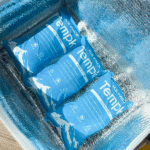
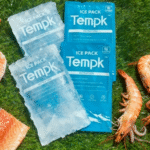
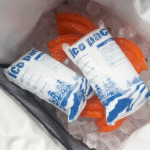
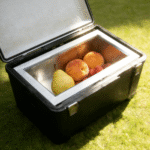
Passer à contenants isothermes réutilisables ou recyclables réduit les déchets et met en valeur la responsabilité environnementale. Rotation, Par exemple, propose des produits écologiques pour la chaîne du froid conçus pour être réutilisables et recyclables, soutenu par la certification Sedex et de solides garanties de qualité. Lorsqu'il est combiné avec des packs de glace en gel et des doublures à température contrôlée, ces solutions maintiennent la chaîne du froid requise tout en réduisant les déchets mis en décharge.
Équilibrer efficacité et émissions
Les initiatives de développement durable doivent équilibrer efficacité et réduction des émissions. Réfrigération économe en énergie, véhicules multi-températures, optimisation d'itinéraire et innovations en matière d'emballage travailler ensemble pour maintenir la qualité des produits et minimiser l’empreinte carbone. Les incitations gouvernementales et la demande des consommateurs pour des livraisons alimentaires à faibles émissions accéléreront l'adoption dans 2025 et au-delà.
Optimisation des itinéraires et livraison du dernier kilomètre
Les attentes des clients en matière de livraison rapide rendent la logistique du dernier kilomètre particulièrement difficile. Suivi en temps réel et routage optimisé aider à garantir des livraisons à temps, même dans les zones rurales ou encombrées. Les capteurs IoT fournissent des données de localisation et l'état de la température, tandis que l'IA analyse les performances historiques des itinéraires pour identifier les couloirs de risque. La planification multi-drop et le cross docking réduisent les temps d'arrêt. Engager les conducteurs à suivre une formation sur le contrôle de la température et les procédures de chargement améliore la conformité.
2025 Développements et tendances dans le transport des crèmeries sous chaîne du froid
Aperçu de la tendance
Le secteur de la logistique de la chaîne du froid connaît une transformation rapide. Selon Trackonomy 2025 analyse, avancées technologiques, l’évolution des demandes des consommateurs et le besoin croissant d’efficacité et de durabilité sont à l’origine de ces changements. La taille du marché mondial de la chaîne du froid était $316.34 milliards en 2024 et devrait atteindre $1,611 milliards 2033, reflétant un 20.1 % TCAC entre 2025 et 2033. L'Amérique du Nord détenait plus de 33 % de la part des revenus dans 2024, le stockage étant le segment le plus important (52.2 % partager). La plage de température gelée dominait dans 2024, et la nourriture & applications dirigées par le segment des boissons.
Dernier aperçu des progrès
Automatisation et robotique – L’industrie de la chaîne du froid est confrontée à une pénurie de main d’œuvre et à une hausse des coûts; systèmes automatisés de stockage et de récupération (AS/RS) et les systèmes de manutention robotisés deviennent courants. Les robots minimisent les erreurs humaines, améliorer le débit et assurer un contrôle constant de la température.
La durabilité comme valeur fondamentale – Réfrigération économe en énergie, les sources d'énergie renouvelables et les emballages durables sont essentiels pour répondre aux exigences réglementaires et aux attentes des consommateurs. La chaîne du froid alimentaire mondiale est responsable d’environ 2 % des émissions mondiales de CO₂, soulignant la nécessité de solutions plus vertes.
Visibilité de bout en bout avec suivi en temps réel – Les dispositifs de suivi compatibles IoT fournissent des informations en temps réel sur l'emplacement, température et état des marchandises. La surveillance en temps réel réduit le gaspillage et contribue à garantir le respect des réglementations.
Moderniser les infrastructures – Les infrastructures vieillissantes doivent être modernisées pour répondre aux normes modernes; investissements dans la réfrigération moderne, améliorations de l'isolation, la collecte de données et l'énergie renouvelable sur site sont attendues dans 2025.
IA et analyse prédictive – L’IA aide à prévoir la demande, optimiser les itinéraires, prévoir les besoins de maintenance des équipements et atténuer les perturbations. Il améliore la prise de décision et la fiabilité du service.
Croissance de la chaîne du froid pharmaceutique – Le secteur pharmaceutique, moteur de l’expansion; le marché mondial des produits pharmaceutiques sensibles à la température devrait atteindre $1,454 milliards 2029. Environ 20 % de nouveaux médicaments sont des thérapies géniques et cellulaires nécessitant une logistique précise de la chaîne du froid.
Investissement dans la logistique des produits frais et la livraison du dernier kilomètre – Le marché nord-américain de la chaîne du froid alimentaire devrait atteindre $86.67 milliards en 2025. La croissance des produits végétaux et biologiques augmente la demande de transport réfrigéré.
Partenariats stratégiques et intégration – Collaboration entre fabricants de produits alimentaires, les fournisseurs d'emballages et les fournisseurs de technologies améliorent la résilience de la chaîne d'approvisionnement et le développement de produits. Par 2025, 74 % des données logistiques devraient être standardisées, permettant une intégration transparente.
Insistance au marché
Les consommateurs se tournent vers les aliments riches en protéines et le commerce électronique, stimuler la demande de solutions pour la chaîne du froid. Investissements dans des technologies avancées comme la RFID, L'IoT et le cloud computing facilitent une meilleure gestion des stocks et réduisent les déchets. Des réglementations strictes comme la FSMA 204 la règle nécessite des systèmes de traçabilité robustes. Des pays comme la Chine devraient afficher une croissance significative grâce à une transition économique tirée par la consommation.. Accords commerciaux organisés et bilatéraux (Par exemple, Accords de libre-échange ALENA et UE) créer des opportunités pour les exportateurs de développer le commerce des denrées périssables.
Questions fréquemment posées
Q1: Quelles sont les étapes les plus critiques pour conserver la fraîcheur des produits laitiers pendant le transport?
Contrôle précis de la température, pré-refroidissement rapide, et les emballages isothermes sont indispensables. Utiliser un stockage à plusieurs températures, pré-refroidir les camions avant le chargement et surveiller les conditions avec des capteurs IoT. Documentez les limites de température supérieure et inférieure et répondez rapidement aux alertes.
Q2: Comment l'IoT et l'IA améliorent-ils la logistique des crèmeries?
Les capteurs IoT fournissent des données en temps réel sur la température, humidité et emplacement. L'IA prédit les pannes d'équipement, identifie les itinéraires à haut risque et optimise la planification des charges. Ensemble, ils permettent une intervention proactive, réduire les déchets et soutenir la FSMA 204 conformité.
Q3: Les petites crémeries ont-elles besoin de jumeaux numériques?
Un jumeau numérique n’est pas obligatoire mais offre des avantages significatifs. Commencer par des capteurs IoT et une maintenance prédictive basée sur l'IA peut fournir des résultats immédiats. À mesure que les opérations se développent, un jumeau numérique permet de simuler les changements d'itinéraire, identifier les goulots d’étranglement et optimiser la consommation d’énergie.
Q4: Quand les entreprises doivent-elles se conformer à la FSMA 204?
La règle finale sur la traçabilité des aliments exige que les entreprises manipulant des aliments figurant sur la liste de traçabilité des aliments tiennent des registres détaillés et les fournissent à la FDA dans les délais requis. 24 heures. La date de conformité initiale était janvier 20 2026, mais la FDA a proposé une prolongation jusqu'en juillet 20 2028. Commencez à vous préparer dès maintenant en mettant en œuvre des systèmes de traçabilité et en formant le personnel.
Q5: Comment les flottes de transport peuvent-elles réduire les émissions sans compromettre les performances?
Passez à des systèmes de réfrigération sans diesel comme ceux utilisés par Fife Creamery, qui a réduit la consommation de carburant de 200,000 litres par an et émissions par 1,929 tCO₂e. Adoptez un stockage frigorifique économe en énergie et envisagez des entrepôts solaires.
Résumé & Recommandations
Le transport de crèmerie sous chaîne du froid est à la fois scientifique et stratégique. Les principaux points à retenir sont:
Contrôle précis de la température n'est pas négociable. Définir des plages de température pour chaque produit et les surveiller avec des capteurs.
Adopter la technologie moderne tels que les capteurs IoT, IA et jumeaux numériques pour gagner en visibilité en temps réel, informations prédictives et efficacité opérationnelle.
Investir dans la durabilité en utilisant une réfrigération sans diesel, stockage frigorifique économe en énergie et emballage respectueux de l'environnement.
Gardez une longueur d'avance sur la réglementation. Se préparer à la FSMA 204 conformité en créant des systèmes de traçabilité et en formant le personnel.
Planifier les tendances futures comme l'automatisation, IA, visibilité de bout en bout et partenariats stratégiques. Une approche proactive permet à votre entreprise de prospérer à mesure que le marché de la chaîne du froid se développe. $316 milliards à $1.6 billion.
Prochaines étapes – Agissez maintenant
Auditez votre chaîne du froid: Cartographiez chaque étape de la production à la livraison et identifiez les points de risque liés à la température. Mettre en œuvre des capteurs et des enregistreurs de données pour combler les lacunes.
Améliorer l'équipement: Investissez dans des entrepôts multi-températures, véhicules pré-refroidis et réfrigération sans diesel lorsque cela est possible. Rechercher des incitations gouvernementales pour des mises à niveau durables.
Mettre en œuvre la traçabilité numérique: Adopter un logiciel qui enregistre les éléments de données clés et les événements de suivi critiques pour respecter la FSMA 204 exigences. Former le personnel à la documentation et à la tenue des dossiers.
Adoptez l’IA progressivement: Commencez par la maintenance prédictive pour éviter les pannes d'équipement, puis développez l'optimisation des itinéraires et la prévision de la demande à mesure que vos données évoluent..
Partenaire stratégique: Collaborer avec les fournisseurs, fournisseurs d’emballages et fournisseurs de technologies pour partager des données et renforcer la résilience.
À propos du tempk
Tempk est un fournisseur de solutions innovantes d'emballage pour la chaîne du froid pour les expéditions alimentaires et pharmaceutiques.. Nous spécialisé dans les boîtes isothermes réutilisables et recyclables, packs de glace en gel, doublures isolées et couvertures de palettes thermiques. Nos produits sont pris en charge par un R dédié&D centre, processus de garantie de qualité et certification Sedex. En misant sur des matériaux respectueux de l'environnement et une isolation avancée, nous aidons les clients à maintenir la qualité des produits, réduire les déchets et respecter des réglementations strictes.
Appel à l'action: Pour conserver vos produits de crèmerie frais et conformes 2025 et au-delà, contactez l'équipe Tempk pour une évaluation personnalisée de la chaîne du froid et découvrez comment nos emballages réutilisables et nos solutions à température contrôlée peuvent soutenir vos objectifs commerciaux..