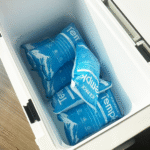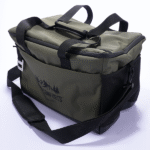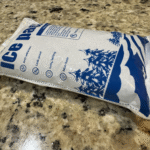
Chaque entreprise alimentaire souhaite que les kits repas arrivent frais et sûrs. En utilisant un meal prep dry ice pack sheet can keep your prepared foods frozen without the mess of melting water. These flexible sheets encapsulate solid carbon dioxide that sublimates at –78.5 °C (–109,3 ° F), allowing shipments to stay at ultra cold temperatures for days. In this guide you’ll learn what a dry ice pack sheet is, comment ça marche, the differences from gel packs, and how to plan your shipments to maintain quality. We’ll also cover the latest 2025 trends and offer actionable advice so toi can manage cold chain logistics like a pro.
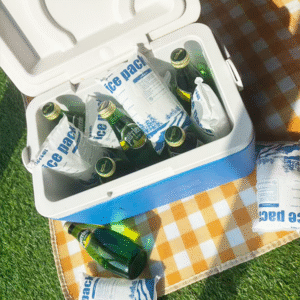
What is a meal prep dry ice pack sheet and how does it work? – understand the science behind sublimation and why it keeps meals dry.
How do you use dry ice pack sheets for meal prep deliveries? – learn step by step packing instructions and calculate how much dry ice you need.
Why choose dry ice pack sheets over gel packs in 2025? – explore benefits like longer cold life and zero moisture.
Safety and environmental considerations – éviter les engelures, respect regulations, and understand disposal of gel pack innards.
2025 innovations et tendances du marché – découvrir les capteurs intelligents, hybrid refrigeration and how the cold chain refrigerant market is growing.
What Is a Meal Prep Dry Ice Pack Sheet and How Does It Work?
A meal prep dry ice pack sheet is a flexible, vacuum sealed pouch filled with solid CO₂ pellets or blocks that sublimate directly into gas, keeping your products ultra cold without melting. Traditional gel packs freeze around 0 °C et fondre lentement; dry ice bypasses the liquid phase entirely. This sublimation at –78.5 °C absorbs large amounts of heat, maintaining temperatures as low as –78.5 °C for 24–72 hours depending on the sheet size and insulation. Because the carbon dioxide escapes as gas, packages stay moisture free and there’s no risk of soggy boxes or damaged labels.
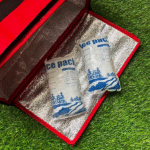
Dry ice pack sheets come in various sizes. Mini sheets are ideal for meal kits requiring –20 °C for 24 heures, while larger disposable sheets can maintain –18 °C to –78.5 °C for up to 72 heures. They are designed to be quick to activate: simply pre freeze or fill them with dry ice pellets, then wrap them around meal prep containers inside an insulated bag. Contrairement aux pellets en vrac, the sheet format spreads cold evenly and reduces point contact freezing.
How Dry Ice Pack Sheets Differ From Traditional Gel Packs
Dry ice pack sheets and gel packs both fall under cold chain refrigerants, mais leurs propriétés diffèrent considérablement. Feuilles de glace carbonique use solid CO₂ to maintain sub zero temperatures and produce no liquid residue. Packs de gel use water based gels that freeze at around 0 °C; they melt gradually and can keep food chilled (pas gelé) pendant 24 à 48 heures. Gel packs are perfect for products that must stay between 2–8 °C, such as fresh proteins or medicine, but are unsuitable for meals that need to remain frozen. Entre-temps, dry ice’s extreme cold can damage products sensitive to freezing, so a sealed barrier between the sheet and food is essential.
| Comparaison | Feuille de glace carbonique | Pack de gel | Impact on your meal prep |
| Plage de température | –78,5 °C à –18 °C | 0 °C à 8 °C | Choose dry ice pack sheets for frozen meals; gel packs for chilled ingredients |
| Cold duration | 24–72 hours depending on sheet size and insulation | ~24 à 48 heures | Dry ice sheets offer extended frozen storage for long transit times |
| Humidité | Aucun résidu liquide; sublimer le gaz | Produces meltwater that must be contained | Keeps packaging dry and reduces mess |
| Considérations de sécurité | Requires handling with gloves and ventilation | Minimal safety concerns but gel contents may irritate skin if leaked | Dry ice sheets need careful handling; gel packs are user friendly |
| Réutilisabilité | Some formats are reusable; d'autres sont jetables | Mostly reusable | Evaluate life cycle costs based on frequency of use |
Conseils pratiques et scénarios
Shipping meal kits: For a 24 hour delivery of 10 kg (4.5 kg) of frozen meals, plan for roughly 10 LB de glace sèche; ce 1:1 ratio maintains frozen temperatures for up to 48 heures. Use high quality insulation to extend performance.
Local meal prep pickup: If customers pick up meals within two hours, des packs de gel peuvent suffire. They provide chilled temperatures without the hazard of dry ice.
Camper le week-end: A hybrid approach (gel packs plus dry ice pack sheets) slows down sublimation and extends cooling beyond 72 heures.
Vraie cas: A regional meal delivery service switched from gel packs to small dry ice pack sheets for its frozen entrées. By combining mini sheets with a well insulated liner, ils ont maintenu –20 °C pendant 30 heures en été, reducing spoilage rates and improving customer satisfaction.
How Do You Use Dry Ice Pack Sheets for Meal Prep Deliveries?
Packing meal kits with dry ice pack sheets requires planning to maximize safety and efficiency. Start by choosing a sturdy, insulated container—Styrofoam or vacuum insulated panels work well. Line the container with a layer of polystyrene foam (pas hermétique) to improve insulation.
Prepare your meals: Seal food in airtight containers or vacuum sealed bags. This prevents moisture ingress and avoids direct contact with dry ice.
Activate the sheet: Remove the dry ice pack sheet from the freezer or fill refillable cells with dry ice pellets. Wear insulated gloves and eye protection when handling dry ice.
Position the sheet: Place the dry ice pack sheet on top of the meals or wrap it around the sides. Pour les envois sous 12 heures, place the sheet on top; pour des durées plus longues, use additional sheets or bottom placement following guidelines (voir tableau ci-dessous).
Ventilation: Ensure the container or cooler has small holes or venting to allow carbon dioxide gas to escape and prevent pressure build up. Never seal dry ice in plastic bags or airtight boxes.
Label and mark: Label the package with “Dry Ice (Et 1845)” and indicate the net weight of dry ice. FedEx guidelines state that packages must list the proper shipping name, UN number and weight.
Plan for quantity: Pour les expéditions de nuit, utilisez la moitié du poids de votre charge utile dans de la neige carbonique; equal weight covers up to 48 heures, et 1.5 times the weight provides roughly 72 heures de protection contre le gel.
Éliminer de manière responsable: Après livraison, allow the dry ice to sublimate outdoors and dispose of packaging materials responsibly (more on environmental considerations later).
Dry Ice Quantity Guide
Use the following rule of thumb chart to estimate the amount of dry ice needed based on meal weight and desired transit time.
| Meal weight | < 12 HRS | 24–48 heures | 48–72 heures | Conseils |
| 5 kg (2.3 kg) | 3 lb dry ice top | 5 livre en haut | 10 livre en haut | Use single sheet on top for same day delivery |
| 10 kg (4.5 kg) | 5 livre en haut | 10 livre en haut | 15 livre en haut | For longer trips use two sheets to maintain –20 °C |
| 20 kg (9 kg) | 10 livre en haut | 20 livre en haut | 30 livre en haut | Consider bottom sheet placement for 72 hr shipping |
| 40 kg (18 kg) | 15 livre en haut + 5 livre de fond | 25 livre en haut + 15 livre de fond | 40 livre en haut + 20 livre de fond | Heavy shipments require extra insulation |
Conseils d'utilisation
Livraisons courtes (sous 12 heures): one sheet on top is usually sufficient.
Two day shipping: match dry ice weight to the product weight and monitor with a data logger.
Three day shipping: plan for 1.5× dry ice weight and use additional insulation.
Étude de cas: A subscription meal service shipping 20 lb of prepared meals across two states used 20 LB de glace sèche (1:1 rapport) et doublures thermiques. Real time sensors showed temperatures stayed below –18 °C for 50 heures, reducing returns and boosting customer trust.
Why Choose Dry Ice Pack Sheets Over Gel Packs in 2025?
Dry ice pack sheets have become the refrigerant of choice for frozen meal kits, et 2025 trends are reinforcing their advantages. Extended cold maintenance is the most cited benefit: dry ice stays cold longer than regular ice or gel packs and often lasts 18–24 hours per sheet. By using multiple sheets, you can maintain low temperatures for days.
Another key advantage is aucun résidu liquide. Gel packs eventually thaw and may leak water that damages packaging or contaminates meals. La glace carbonique se sublime directement en gaz, leaving no mess. This moisture free property is invaluable for sensitive foods like pastries or vacuum sealed entrées.
Dry ice pack sheets are also économe en énergie; they do not require refrigeration or electricity during transit. This reduces reliance on powered coolers and expands delivery to remote areas where power is unavailable. For international shipments or long distance deliveries, dry ice ensures consistent low temperatures and reduces spoilage.
Enfin, dry ice sheets are polyvalent. They can be combined with gel packs to create hybrid cooling systems that extend the life of both refrigerants. Many meal kit companies use this strategy for weekend deliveries, ensuring the product stays frozen until customers arrive home.
How Much Dry Ice Should You Use for Meal Kits?
Estimating the correct amount of dry ice is essential to avoid under or over cooling. Start with the weight based ratio: half the weight of your payload covers overnight shipments, equal weight maintains frozen conditions for 48 heures, and 1.5× weight is recommended for 72 heures.
Alternativement, you can apply the general guidelines from shipping experts: 5–10 lb (2.3–4,5 kg) of dry ice for a 24 hour shipment and 10–20 lb (4.5–9 kg) for 48 hour or longer deliveries. Cependant, external factors like ambient temperature, insulation quality and meal density influence sublimation. Utiliser un calculateur de glace sec or consult your carrier for personalized recommendations.
Outil d'auto-évaluation (Interactive Suggestion)
For engaged users, an interactive self assessment tool could help calculate dry ice needs. You could ask readers to input the weight of their meals, desired transit time and insulation quality. The tool would then output recommended dry ice weight and number of pack sheets. Embedding such a calculator on your website encourages user interaction and reduces guesswork, improving user behavior metrics.
Safety Tips and Environmental Considerations
La manipulation de glace carbonique nécessite des précautions. Wear protective gloves and eye protection whenever you handle dry ice to prevent frostbite and irritation. Contact with skin can cause severe burns. Always ensure packaging is vented; sealed containers can rupture when the carbon dioxide gas builds up. Never put dry ice in airtight plastic bags or sealed coolers; choose fiberboard, plastic or wooden boxes with vent holes instead.
Keep shipments well labeled. Carriers like FedEx require packages to display the proper shipping name («Glace sèche» ou «dioxyde de carbone, Solide"), Et 1845 nombre et poids net. Regulations limit dry ice quantities per package—FedEx allows up to 200 kg for general shipments, while postal services often restrict domestic shipments to 5.5 kg (2.5 kg). Check your carrier’s rules before shipping.
Empreinte environnementale
Dry ice pack sheets are often réutilisable and leave no liquid waste. They are typically made using recycled carbon dioxide captured from industrial processes, soutenir les initiatives d’économie circulaire. En revanche, gel pack innards often contain sodium polyacrylate—a super absorbent polymer that can irritate skin and eyes. Although it is considered non toxic, it doesn’t break down quickly, and disposing of it can clog drains and contribute to landfill waste. Gel packs’ exterior film is usually LDPE plastic (#4), which cannot be recycled through curbside programs and requires drop off at specialized facilities.
Pour minimiser l’impact environnemental:
Reuse where possible: encourage customers to reuse ice packs or offer return programs. Reusing the packs for camping, coolers or future meal deliveries extends their life.
Recycler de manière responsable: check local regulations for recycling LDPE film and avoid pouring gel contents down the drain.
Optez pour des matériaux durables: choose dry ice sheets manufactured with recyclable or biodegradable materials and ensure the CO₂ is sourced from industrial capture.
2025 Innovations et tendances du marché
The cold chain industry is booming. According to recent analyses, the global cold chain packaging refrigerants market—covering gel packs, foam bricks and dry ice products—was valued at USD 1.57 milliards en 2024 et devrait croître jusqu'à USD 1.69 milliards en 2025 before reaching USD 2.92 milliards 2032, un taux de croissance annuel composé (TCAC) de 8.14 %. The dry ice shipping systems market for frozen food, valorisé à USD 1.42 milliards en 2024, is forecast to expand at a 7.8 % TCAC à travers 2033. The surge is driven by online food delivery, globalization of food supply chains and rising demand for frozen ready to eat meals.
Latest Technological Advancements
Surveillance intelligente de la température: Internet des objets (IoT) sensors integrated into dry ice pack sheets send real time alerts when temperatures deviate. Data loggers help verify compliance during transit and improve accountability.
Emballage durable: Manufacturers are developing recyclable thermal shippers that maintain temperature for more than 72 heures et packs de gel utilisant des matériaux biodégradables. Dry ice production increasingly uses CO₂ captured from industrial processes, reducing net emissions.
Transparence de la blockchain: Distributed ledger technology provides traceability of temperature history and authenticity across the supply chain. This helps verify that meal kits remained within safe temperature ranges.
Réfrigération hybride: Electric and hybrid transport units combine mechanical cooling with dry ice pack sheets, reducing diesel dependence and lowering emissions.
Kits prêts à l'emploi: Les kits thermiques pré-assemblés simplifient la formation et réduisent les erreurs d'emballage. They include insulated boxes, plaques de glace carbonique et enregistreurs de données, making adoption easier for small businesses.
Aperçu du marché et préférences des consommateurs
Les consommateurs apprécient de plus en plus la durabilité et la transparence. Businesses are balancing performance with eco friendly materials and exploring carbon neutral strategies. Matériaux à changement de phase (PCMS) and vacuum insulated panels provide precise temperature control while reducing dry ice requirements. Meal delivery services often use mini dry ice sheets to keep frozen meals at –20 °C for 24 heures, while pharmaceutical companies rely on them for –78.5 °C conditions for over 48 heures.
Questions fréquemment posées
Q1: How long do meal prep dry ice pack sheets last? Dry ice sheets typically maintain –78.5 °C to –18 °C for 24–48 hours, and larger disposable sheets can extend to 72 hours when used with quality insulation. Packs de gel, par comparaison, offer 24–48 hours of chilled temperatures.
Q2: Puis-je réutiliser les feuilles de glace carbonique? Oui. Some dry ice sheets are refillable—simply insert new pellets into the cells. Others are designed for single use. Inspect for damage after each use and follow manufacturer instructions.
Q3: Are dry ice pack sheets safe for home meal deliveries? Dry ice is safe if handled properly. Portez des gants, ensure ventilation and instruct recipients to allow remaining dry ice to sublimate outdoors. Provide clear instructions with the package.
Q4: What’s the difference between dry ice foam sheets and foam bricks? Foam bricks are reusable refrigerant blocks that freeze around –20 °C; they are suitable for chilled goods but not as cold as dry ice foam, qui atteint –78,5 °C. Les briques en mousse sont plus lourdes mais plus sûres pour un usage domestique.
Q5: How can I reduce the environmental impact of using dry ice pack sheets? Use only the amount of dry ice needed, choose products made from recycled CO₂ and biodegradable materials, and reuse or recycle packaging. Avoid pouring gel pack innards down the drain and follow local recycling guidelines for LDPE film.
Résumé et suggestion
Meal prep dry ice pack sheets provide unmatched cooling performance for frozen meal kits. They maintain –78.5 °C to –18 °C for 24–72 hours with no liquid residue. By following weight based guidelines—half the payload weight for overnight, equal weight for two day, and 1.5× weight for three day shipments—you can plan shipments with confidence. Always use insulated containers, label packages clearly and ensure ventilation. Dry ice sheets are superior to gel packs for frozen foods, though gel packs still have a role for chilled products.
To optimize your cold chain, assess your meal weight and transit duration, choose the right dry ice sheet size and invest in high quality insulation. Consider using a calculator to estimate dry ice quantity and adopt IoT temperature monitoring for transparency and compliance. Enfin, restez informé sur 2025 tendances : matériaux durables, smart sensors and hybrid refrigeration—to maintain a competitive edge.
À propos Rotation
À Rotation nous sommes spécialisés dans les solutions de contrôle de température haute performance. Notre feuilles de glace carbonique and foam products provide ultra cold temperatures without moisture, ensuring that your meal kits, pharmaceuticals and biologics arrive safely. We design reusable and disposable sheets, insulated boxes and IoT monitoring tools to fit your specific needs. Our commitment to innovation and sustainability means we source CO₂ from industrial capture and explore biodegradable materials. Whether you need help selecting a meal prep dry ice pack sheet or want to build a resilient cold chain, our team is ready to provide customized solutions.
Étapes suivantes: Contact our experts to discuss your cold chain requirements or request a sample pack. Use our self assessment tool to calculate your dry ice needs and explore our knowledge base for more guides.