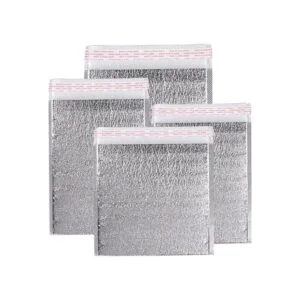
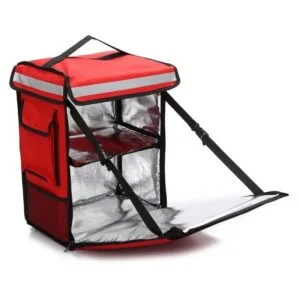
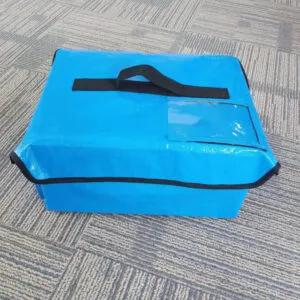
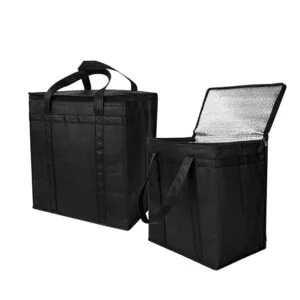
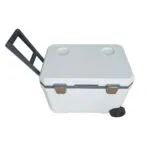
Sélection d'un fabricant d'expédition pharmaceutique de glacière médicale
Une décision fiable commence par un cas d'utilisation contrôlé, pas une capacité de catalogue. Une recherche d'un boîte à glace médicale Le fabricant de produits pharmaceutiques combine généralement plusieurs questions: La charge complète conviendra-t-elle, la configuration peut-elle le protéger sur la route, la production peut-elle reproduire la construction testée, et le personnel peut-il utiliser le système de manière cohérente? Le dimensionnement doit utiliser l'emballage complet qualifié, car l'espace interne brut n'est pas identique à la capacité de charge utile nette..
Pour l’examen final d’un expéditeur de produits médicaux mixtes, le cadre suivant transforme ces questions en portes de décision. Il conserve les preuves techniques, conditions de passation des marchés, et exécution sur site connectée sans considérer le boîtier comme la seule source de contrôle de la température.
Porte 1: Geler le produit et le briefing sur la voie
Avant la mise à l’échelle contrôlée d’un expéditeur médical de produits mixtes, nommer le contenu, présentation, quantité, origine et destination de l'expédition, exposition saisonnière, changements de garde, ouvertures prévues, des retards crédibles, et processus de réception. L'étiquette du produit approuvée et l'unité de qualité responsable doivent définir la plage de température autorisée et toute politique d'excursion.. Un plan de 2°C à 8°C est courant pour de nombreux produits réfrigérés, mais ce n'est pas une règle universelle. Les produits sensibles au gel nécessitent une protection explicite à limite inférieure.
À la sortie d’un expéditeur médical de produits mixtes, convertir le dossier en critères d'acceptation qui peuvent être inspectés ou testés. Les exemples incluent la géométrie interne, packed weight, fermeture, zone d'étiquette, compatibilité de nettoyage, preuve de température, documentation, et avis de changement. Attribuer un propriétaire à chaque critère. Les achats peuvent posséder des conditions commerciales, mais le personnel qualité ou technique doit posséder des exigences qui affectent la protection du produit.
Pour l’examen final d’un expéditeur de produits médicaux mixtes, si la voie est nouvelle, marquer ouvertement les hypothèses. Un temps de trajet maximum indiqué est différent d'un profil de distribution observé. Planifier en cas d’incertitude est utile; le cacher à l’intérieur d’une « marge de sécurité » inexpliquée rend un examen futur difficile.
Porte deux: Transformez l'étiquette de capacité en emballage
À la sortie d’un expéditeur médical de produits mixtes, commencez par un dessin dimensionnel de la charge utile réelle. Ajoutez chaque unité de refroidissement, diviseur, barrière, moniteur, entretoise, et composant de protection. Afficher les points étroits, cône mural, coins arrondis, gérer les intrusions, et évidement du couvercle. Calculer séparément la cavité brute et la charge utile nette, puis pesez la charge assemblée.
Avant la mise à l’échelle contrôlée d’un expéditeur médical de produits mixtes, un agencement efficace n’est pas simplement celui avec le moins d’espace vide. Les opérateurs ont besoin d'espace pour charger les composants dans le bon ordre et récupérer le contenu sans endommager les cartons.. L'enregistreur a besoin d'une position définie, et le liquide de refroidissement ne doit pas bouger pendant la manipulation. Vérifier si le contenant emballé reste pratique pour une ou deux personnes selon les règles de sécurité de l'acheteur.
Avant la mise à l’échelle contrôlée d’un expéditeur médical de produits mixtes, créer un code de configuration pour le packout. Si la charge utile compte, liquide de refroidissement, ou changements de saison, donner à l'alternative une identité distincte jusqu'à ce que des preuves soutiennent sa combinaison avec une configuration existante.
Un enregistrement de décision unique
| Porte d'examen | Preuve versée au dossier | Propriétaire de la décision |
|---|---|---|
| Produit et voie | Limites approuvées, charge utile, carte d'itinéraire, hypothèses de retard | Qualité et logistique |
| Capacité et manutention | Dessin interne, charger la carte, packed weight, essai à sec | Conditionnement et opérations |
| Performance | Protocole, données thermiques, contrôles physiques, écarts | Technique ou qualité |
| Production | Spécification publiée, plan d'inspection, statut de révision | Qualité et approvisionnement des fournisseurs |
| Déploiement | Paquet, moniteur, recevoir, faire le ménage, et instructions d'exception | Opérations et qualité |
| Économie | Coût au débarquement, travail, retour, perte, réparation, et hypothèses de retraite | Propriétaire des achats et du programme |
Pour l’examen final d’un expéditeur de produits médicaux mixtes, un seul enregistrement ne signifie pas qu'une seule personne prend chaque décision. Il fournit un index commun donc une citation, échantillon, test, spécification, et les instructions de travail ne peuvent pas dériver vers des versions distinctes.
Rendre la liste restreinte des fournisseurs comparable
Avant la mise à l’échelle contrôlée d’un expéditeur médical de produits mixtes, utiliser des questions qui produisent des preuves. Au lieu de se demander si une boîte est durable, demander la définition de construction et la méthode d'essai pertinentes. Au lieu de demander si l'usine a une bonne qualité, demander à quel point les dimensions critiques, isolation cachée, ajustement de la fermeture, et les unités non conformes sont contrôlées. Une réponse conditionnelle avec des limites claires est plus utile qu'une promesse générale.
Avant la mise à l’échelle contrôlée d’un expéditeur médical de produits mixtes, noter les éléments non résolus séparément des faiblesses confirmées. Un rapport manquant peut être obtenu, tandis qu'une géométrie qui ne peut pas s'adapter au packout est un problème de conception. Cette distinction évite que l'incertitude précoce soit considérée comme une preuve et que des prix attractifs ne cachent pas des travaux qui appartiennent encore à l'acheteur..
Porte trois: Prototyper la séquence de fonctionnement
Avant la mise à l’échelle contrôlée d’un expéditeur médical de produits mixtes, utiliser des composants représentatifs et demander aux opérateurs prévus d'effectuer l'emballage. Temps de préparation du liquide de refroidissement, chargement, activation de l'enregistreur, fermeture, étiquetage, transfert, ouverture, et déchargement. Observer l'ambiguïté: un composant qui peut être installé de deux manières sera éventuellement installé dans les deux sens, à moins que la conception ou les instructions ne l'empêchent.
Dans le cadre d'une revue transversale d'un expéditeur médical mixte, inclure un conditionnement de liquide de refroidissement approuvé, mesures antigel, orientation de la charge utile, un poste de bûcheron justifié, et instructions pour une excursion. Un moniteur fournit des preuves; il ne refroidit pas le produit et ne rend pas acceptable un emballage inapproprié.
Pour l’examen final d’un expéditeur de produits médicaux mixtes, photographier la séquence approuvée et définir les substitutions autorisées. Une charge utile plus petite, carton alternatif, ou une taille différente du liquide de refroidissement peut modifier la masse thermique et la répartition de la température.. Ne vous fiez pas à « l’équivalent », sauf si l’équivalence repose sur une base technique documentée.
Porte quatre: Construire des preuves en couches
Pour l’examen final d’un expéditeur de produits médicaux mixtes, les tests de développement aident à sélectionner la géométrie et le liquide de refroidissement. La qualification formelle conteste la configuration finale par rapport à un protocole pré-approuvé. Les tests physiques examinent les chocs, vibration, compression, fermeture, et l'intégrité du colis. La vérification sur le terrain vérifie les hypothèses lors d'un mouvement réel. Une surveillance continue permet de détecter les variations après le lancement.
Avant la mise à l’échelle contrôlée d’un expéditeur médical de produits mixtes, des profils thermiques reconnus peuvent faciliter le travail en laboratoire, pourtant, l'organisation responsable doit les comparer avec la voie et le produit réels.. Qualification du forfait, surveillance, procédures, entraînement, recevoir un avis, et la gestion des écarts soutiennent collectivement le contrôle; la boîte vide ne peut pas être déclarée universellement conforme.
À la sortie d’un expéditeur médical de produits mixtes, lire des rapports au-delà de la durée du titre. Confirmer la révision de la boîte, charge utile, liquide de refroidissement et conditionnement, températures de départ, profil ambiant, carte des capteurs, état de l'équipement, nombre d'échantillons, écarts, données brutes, et réussir les critères. Les résultats s'appliquent aux conditions indiquées. Si le rapport ne peut être reproduit à partir de sa description, c'est un faible soutien pour une instruction de travail contrôlée.
Porte cinq: Faire en sorte que la production corresponde aux preuves
À la sortie d’un expéditeur médical de produits mixtes, publier une spécification qui identifie le shell, isolation, matériel, joint, dimensions critiques, poids assemblé, finition, étiquettes, et emballage. Liez-le à la nomenclature testée et à la révision du modèle. Convenir de la façon dont les matériaux entrants, moulage ou assemblage, caractéristiques d'isolation cachées, ajustement de la fermeture, et la fonction finale sont inspectées.
À la sortie d’un expéditeur médical de produits mixtes, approuver la production pilote plutôt que de supposer que l’échantillon d’ingénierie représente une production stable. Vérifier les unités à partir des cavités d'outillage pertinentes, observer l'assemblage, et comparer les mesures critiques. Définir comment les produits non conformes sont séparés et comment les actions correctives sont communiquées.
Outils de décision utiles
Vérifiez les détails avant de choisir l'emballage
Ces outils rapides peuvent vous aider à comparer le risque d'itinéraire, besoins de dimensionnement, choix de liquide de refroidissement, et les détails de l'emballage avant de demander un devis.
Calculateur de glace carbonique
Estimer les besoins en glace carbonique pour les envois congelés ou ultra-froids avant l'emballage.
Estimation de la neige carboniqueCalculateur de banquise
Estimation de la quantité de pain de glace pour les expéditions réfrigérées et planification pratique des itinéraires.
Estimer les packs de glaceRésistance aux chutes du matériau isolant
Examinez la résistance aux chutes et les facteurs de manipulation avant de choisir des matériaux d'isolation..
Vérifier la résistanceÀ la sortie d’un expéditeur médical de produits mixtes, le contrôle des changements protège cette chaîne. Une nouvelle source de résine, formulation de mousse, loquet, joint, moule, ou le sous-traitant peut être légitime, mais cela nécessite une notification et un examen des risques. Il en va de même lorsque l'acheteur modifie la charge utile, liquide de refroidissement, position de l'enregistreur, itinéraire, ou instruction de travail.
Porte Six: Libérez la destination, Pas seulement la boîte
Avant la mise à l’échelle contrôlée d’un expéditeur médical de produits mixtes, préparer le destinataire avec l'identification de l'expédition, espace de stockage ou de déchargement, une méthode de lecture sur moniteur lorsqu'elle est utilisée, et un contact d'escalade nommé. Définir les contrôles des dommages, scellés, fermeture, retard, et des enregistrements. A la réception, lier l'enregistrement de l'enregistreur à l'expédition, vérifier l'état, et suivez le chemin d'escalade approuvé. Une alarme nécessite normalement une quarantaine et une évaluation autorisée à l'aide des informations sur le produit.; ce n'est pas, par lui-même, une décision de disposition définitive.
À la sortie d’un expéditeur médical de produits mixtes, la destination commence également le cycle suivant. Inspecter la coque, couvercle, joint, matériel, limites d'isolation, odeur, étiquettes, et entrée d'eau. Attribuer un statut tel qu'en attente d'inspection, faire le ménage, libéré, mis en quarantaine, ou retraité. Conserver les conteneurs endommagés ou sales à l'écart des stocks libérés.
Dans le cadre d'une revue transversale d'un expéditeur médical mixte, le retour d'information sur l'itinéraire doit distinguer la conception, emballage, manutention, retard, et recevoir des causes. Des problèmes répétés au niveau d'un hub peuvent nécessiter une planification ou une mise en scène plutôt qu'une isolation accrue..
Contester les exceptions avant l’approbation
Pour l’examen final d’un expéditeur de produits médicaux mixtes, le succès de routine ne montre pas comment le système se comporte lorsque les opérations s'écartent. Lors de la revue de conception, traverser un ramassage tardif, connexion manquée, exposition hivernale, ouverture du couvercle, caisse partiellement chargée, loquet endommagé, échec de l'enregistreur, récepteur absent, ou stockage contrôlé indisponible. Sélectionner des scénarios crédibles pour le tracé plutôt que d'inventer des événements dramatiques auxquels le programme ne sera jamais confronté.
Pour l’examen final d’un expéditeur de produits médicaux mixtes, pour chaque exception, définir la détection, confinement immédiat, communication, autorité, documentation, et récupération. Certains risques sont mieux réduits par la marge d’emballage; d'autres ont besoin d'instructions du transporteur, stockage de sauvegarde, contrôle des rendez-vous, moniteurs de rechange, ou un processus de quarantaine. Cet exercice évite le boîte thermique de devenir la réponse par défaut aux problèmes opérationnels qu’il ne peut pas contrôler.
À la sortie d’un expéditeur médical de produits mixtes, les exceptions révèlent également quelles informations doivent accompagner l’envoi. Une destination peut avoir besoin d'une identité de produit, temps de préparation, instructions du moniteur, un contact d'escalade, conditions de stockage, et une décision quant à savoir si le couvercle peut être ouvert. Gardez les instructions visibles courtes, avec des procédures détaillées maintenues dans le système contrôlé.
Porte sept: Comparez la valeur du cycle de vie
Avant la mise à l’échelle contrôlée d’un expéditeur médical de produits mixtes, combiner le prix unitaire avec le fret entrant, fret sortant, préparation du liquide de refroidissement, travail d'emballage, surveillance, nettoyage, stockage, retour, réparation, perte, documentation, et la retraite. Utilisez des hypothèses spécifiques à l'itinéraire et affichez plusieurs taux de récupération pour un programme réutilisable. Ne transformez pas un scénario optimiste en une demande d’épargne universelle.
Pour l’examen final d’un expéditeur de produits médicaux mixtes, une boucle fermée peut justifier un boîtier réparable robuste, alors qu'un réseau ouvert peut donner la priorité à la disponibilité, cube boîte vide, et options locales de fin de vie. L’analyse de durabilité suit la même logique. Voyages terminés, distance de récupération, processus de lavage, dommage, et la voie d'élimination sont mesurables; le mot « réutilisable » à lui seul n’est pas un résultat environnemental.
Gardez le contrôle après le lancement
Pour l’examen final d’un expéditeur de produits médicaux mixtes, établir un rythme de révision des données d'expédition, temps de parcours, dommage, erreurs d'emballage, retards de réception, retours, rejets de nettoyage, et écarts des fournisseurs. Informations sur les tendances par configuration et par voie afin qu'un problème sur une saison ou un hub ne produise pas de changement global inutile.. Définir les seuils qui déclenchent l'enquête, recyclage, action du fournisseur, revue du protocole, ou requalification.
Avant la mise à l’échelle contrôlée d’un expéditeur médical de produits mixtes, la traçabilité doit être proportionnelle au risque et utilisable dans la pratique. Révision du modèle, lot ou date de production, identité du liquide de refroidissement, identifiant de l'enregistreur, emballeur, référence d'expédition, et le récepteur peuvent tous être pertinents. Choisissez les champs nécessaires pour reconstruire un événement et rendez-les faciles à capturer. Un dossier compliqué avec des blancs fréquents est plus faible qu'un dossier ciblé que les équipes complètent de manière fiable.
Pour l’examen final d’un expéditeur de produits médicaux mixtes, planifier une revue interfonctionnelle post-lancement. Confirmez que la case sélectionnée est disponible, le packout est reproductible, les enregistrements sont récupérables, les exceptions sont gérées, et les hypothèses de cycle de vie restent crédibles. Une conception publiée est un point de départ contrôlé, pas la fin de l'intendance.
Exemple pratique: fermer les portes
Questions fréquemment posées
Quelles informations doivent être envoyées en premier au fabricant?
Pour l’examen final d’un expéditeur de produits médicaux mixtes, fournir les dimensions du produit et du carton, conditions de température approuvées, quantité de charge utile, durée du parcours et saisons, transferts, retards attendus, besoins de surveillance, plan de réutilisation, volume de commande, et les enregistrements requis. Indiquez également ce qui reste indécis. Ce dossier permet au fournisseur de recommander une configuration sans prétendre qu'un numéro de modèle répond à lui seul aux questions spécifiques au produit..
Pourquoi faut-il séparer le volume brut et le volume utilisable?
Pour l’examen final d’un expéditeur de produits médicaux mixtes, le volume brut décrit une cavité vide. Le volume utilisable reflète l'espace restant pour la charge utile vendable après le liquide de refroidissement, barrières, moniteurs, fardage, coins arrondis, et intrusion du couvercle. Les achats ont besoin des deux, plus un dessin de charge et le poids emballé. La catégorie nominale est utile pour rechercher, mais ce n'est pas un calcul fiable de la capacité d'expédition.
Un envoi d’échantillon réussi peut-il remplacer la qualification?
Non. Un essai réussi peut fournir des informations utiles sur le terrain, mais il ne peut pas contester les extrêmes saisonniers ni montrer une répétabilité. Un protocole de qualification basé sur les risques définit la configuration, profil, capteurs, durée, et critères d'acceptation à l'avance. La vérification sur le terrain et la surveillance continue peuvent alors confirmer si les hypothèses opérationnelles restent valables.. Cette limite est particulièrement importante pour l’examen final d’un expéditeur de produits médicaux mixtes.
Que devrait-il se passer lorsque les matériaux de production changent?
Pour l’examen final d’un expéditeur de produits médicaux mixtes, le fournisseur doit informer l'acheteur selon une matrice convenue. Les responsables de la qualité et de la technique évaluent l'effet sur l'ajustement, comportement thermique, durabilité, enregistrements, et qualification antérieure. La réponse peut aller de l’examen de documents aux tests de comparaison ou à la requalification.. Les changements doivent être évalués, pas automatiquement rejeté ou accepté en silence.
Conclusion
Avant la mise à l’échelle contrôlée d’un expéditeur médical de produits mixtes, sélectionner le système dans un ordre contrôlé: définir le produit et la voie, prouver un ajustement utilisable, prototyper le processus, construire des preuves appropriées, contrôler la production, préparer la réception, et comparer la valeur du cycle de vie. Conserver la catégorie nominale, volume brut, et charge utile utilisable distincte. Surtout, relier chaque déclaration de performance à la configuration exacte et aux conditions qui la prennent en charge.
À propos du tempk
À la sortie d’un expéditeur médical de produits mixtes, Tempk, associé à Shanghai Tempk, fournitures glacières médicales, Boîtes EPP, Coffrets isothermes VIP, plastique boîtes de la chaîne du froid, et options de liquide de refroidissement correspondantes. Un examen peut commencer par la géométrie de la charge utile, conditions requises, itinéraire, emballage, manutention, et plan de commande. Les acheteurs restent responsables de l'évaluation et de la qualification de la configuration finale pour leur produit spécifique., procédures opérationnelles, et environnement de distribution.
Prochaine étape: Envoyez à Tempk votre dessin de charge, limites de fonctionnement, hypothèses de voie, et quantité attendue pour comparer les configurations pratiques de boîte et de liquide de refroidissement. Appliquer cette demande d'examen final d'un expéditeur de produits médicaux mixtes.