


Pack de glace carbonique en gros pour le transport de bonbons Spécification
Pack de glace carbonique en gros pour le transport de bonbons Spécification
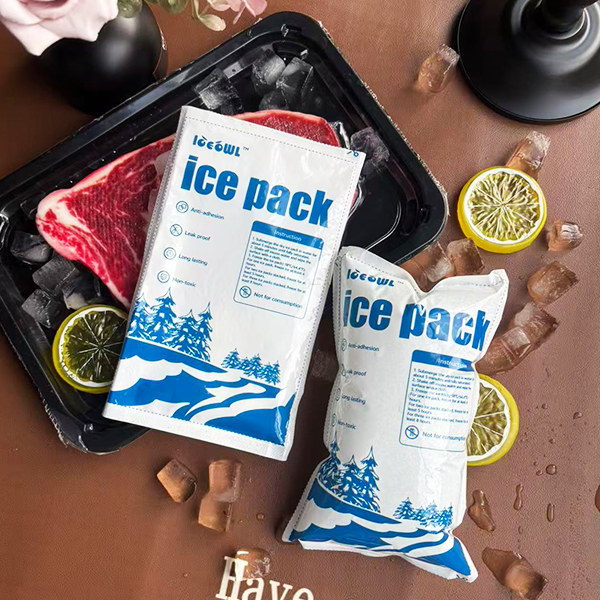
Comment spécifier un pack de glace carbonique en gros pour le transport de bonbons
Une barre fondue est un échec évident. Un assortiment brillant qui arrive froid mais développe une floraison sucrée le lendemain est plus difficile à diagnostiquer.. Both outcomes can begin with the wrong wholesale dry ice pack for candy transport specification. La phrase elle-même est le premier risque: cela peut signifier du dioxyde de carbone solide, a hydrated cooling sheet, un pack de gel, ou un pack à changement de phase. Ces matériaux ne partagent pas la même température, dangers, conditionnement, ou statut de transport. Un cahier des charges professionnel commence donc par l’état acceptable du bonbon et se termine par un système d’expédition contrôlé. Le pack est un composant entre ces deux points.
Rédiger une déclaration sur l'état du produit
Avant de choisir une isolation ou un liquide de refroidissement, rédiger une déclaration de condition d'une page pour chaque famille de bonbons. Il doit indiquer ce qui doit être protégé et comment le succès sera jugé. Cela empêche l'approvisionnement de transformer le « garder au frais » en une température arbitrairement basse..
Pour une barre de chocolat nature, le souci peut être la forme, brillant, floraison, instantané, odeur, et libération du wrapper. Un bonbon fourré peut ajouter une stabilité centrale et une fenêtre de manipulation plus courte. Un assortiment de gommes peut être sensible au collant et à la déformation. Un produit de confiserie dure peut tolérer des températures ambiantes normales mais nécessite une forte protection contre l'humidité.. Une confiserie fourrée à la crème ou autrement périssable peut faire l'objet de contrôles de sécurité établis par le plan de sécurité alimentaire du producteur..
Inclure ces éléments:
- Nom du produit et famille de formulation.
- Emballages primaires et secondaires.
- Condition d'expédition approuvée.
- Limites acceptables de température ou d’état du produit.
- Visuel, texture, et critères de défaillance en matière de sécurité alimentaire.
- Délai maximum prévu entre l'emballage et la réception contrôlée.
- Toute acclimatation ou réception d'instruction.
- Autorité de qualité responsable de la disposition des excursions.
Ne copiez pas la température d'un article générique sur le chocolat dans cette déclaration.. Des conseils sur le chocolat pur peuvent éclairer le développement, mais la formulation exacte, remplissage, géométrie, et les preuves de durée de conservation régissent le produit commercial. Si l'équipe ne parvient pas à définir la condition acceptable, il ne peut pas déterminer si un test réussit.
Résoudre l'identité du liquide de refroidissement avant de comparer les prix
Le dioxyde de carbone solide est de la vraie neige carbonique. Il s'agit de moins 78.5 degrés Celsius à la pression atmosphérique et se sublime en gaz. Cela peut créer une exposition locale sévère au froid et nécessite un emballage qui libère du gaz.. Selon le mode de transport et la juridiction, marquage des marchandises dangereuses, informations sur la quantité, documentation, entraînement, et l'acceptation du transporteur peut s'appliquer. Il ne doit pas être placé en contact direct avec des bonbons ni enfermé dans un contenant hermétique..
Une feuille d'hydrate est généralement fournie sèche, absorbe l'eau, et est ensuite congelé. Un pack de gel contient un remplissage scellé à base d'eau ou formulé. Un pack PCM contient un matériau sélectionné pour une transition de phase définie. Ces produits réutilisables ou potentiellement réutilisables ne sont pas du dioxyde de carbone solide. Leurs noms commerciaux ne doivent pas orienter les hypothèses de classification ou de performance..
Pour la plupart des bonbons sensibles à la chaleur, begin by evaluating an appropriately conditioned water-based or PCM coolant in an insulated shipper. La glace carbonique réelle est une option spécialisée pour une charge utile véritablement approuvée pour le transport congelé, pas une amélioration pour le chocolat ordinaire. Si un devis indique simplement « bloc de glace carbonique,» exiger du fournisseur qu'il indique la composition, activation, conditionnement, classification des transports, et des consignes de sécurité en termes clairs.
Ce contrôle d'identité évite également une erreur opérationnelle. Les travailleurs qui croient qu'une feuille de gel congelée est de la neige carbonique peuvent recourir à des procédures inutiles concernant les matières dangereuses.; les travailleurs qui confondent le dioxyde de carbone solide avec un emballage réutilisable peuvent le sceller dangereusement ou le manipuler sans protection.
Convertir l'itinéraire en défi thermique
La durée de l'itinéraire n'est qu'une entrée. Enregistrez où le colis attend, s'il est consolidé, à quelle fréquence il change de mains, et que se passe-t-il à la livraison. Le défi devrait inclure une exposition réaliste au chaud et au froid, retard de montage, variation de la charge utile, et conditions d'accueil.
Considérez un colis de chocolat haut de gamme expédié depuis un entrepôt contrôlé. Il attend près d'un quai ouvert, voyage dans une remorque de transport de ligne, passe par un hub, entre dans une camionnette locale, et peut rester sur le pas de la porte. Le seuil est visuellement dramatique, mais le quai ou la camionnette peuvent être l'événement de chaleur dominant. À l'arrivée, un produit froid est ouvert dans de l'air humide et développe de la condensation. Un test qui s'arrête lorsque le scan du support indique « livré » ne prend pas en compte le risque qualité final..
Créez une feuille de calcul d'itinéraire avec:
| Élément d'itinéraire | Des preuves à recueillir | Implications dans la conception |
|---|---|---|
| Mise en scène d'origine | Temps, température, exposition au soleil, configuration de palette | Limite de montage et isolation sortante |
| Réseau d'opérateurs | Mode, demeurer, tri, orientation, extrêmes saisonniers | Profil extérieur et retenue du sac |
| Variation de la charge utile | Famille de commandes minimum et maximum | Contrôle de la masse de liquide de refroidissement et de l'espace aérien |
| Destination | Délai de livraison, ombre, capacité de réception, humidité | Marge du dernier kilomètre et instructions d'acclimatation |
| Exceptions | Week-ends, douane, livraison manquée, perte de réfrigération | Durée de l’urgence et décision de surveillance |
La feuille de travail transforme le vague « expédition d’été » en conditions testables. Il révèle également quand un changement de transporteur ou de processus doit être examiné., même si la boite et le liquide de refroidissement n'ont pas changé.
Conception contre les points chauds et les points froids
L'isolation ralentit la chaleur ambiante. Le liquide de refroidissement l'absorbe. Le produit et l'emballage ajoutent de la masse thermique. Leur disposition crée des dégradés, la température moyenne de l'air peut donc masquer à la fois un coin chaud et une face de contact trop refroidie.
Placez les composants de refroidissement pour intercepter les chemins de chaleur probables, mais évitez-les d'appuyer sur des cartons de présentation délicats. Utilisez des séparateurs ou des manchons définis lorsque le contact direct peut provoquer des dommages causés par le froid, abrasion, ou mouiller. Contrôlez l’espace libre car l’air libre peut circuler et parce que des ordres de remplissage différents modifient la capacité thermique. Retenir les packs afin que les vibrations ne modifient pas la géométrie évaluée.
Le conditionnement doit être un processus de production. Spécifier le réglage de l'équipement, modèle de chargement, temps minimum, limite de transfert, et toute étape de revenu contrôlée. Pour les feuilles hydratées, définir la qualité de l'eau si pertinent, méthode de trempage, drainage, cibler la condition hydratée, et inspection. Pour PCM, identifier la formulation correcte et comment les travailleurs vérifient l'état de conditionnement. Pour les packs de gel, préciser le rejet des fuites, gonflement, délaminage, ou des surfaces contaminées.
Le contrôle de l'humidité traverse chaque couche. Utiliser des emballages primaires adaptés, protéger les cartons de présentation de la condensation, et maintenir l'intégrité de la fermeture. Si le propriétaire du produit approuve l'acclimatation dans l'emballage scellé, l'inclure dans les instructions de réception. N'utilisez jamais de maintien au chaud comme remède occasionnel pour une confiserie qui nécessite une réfrigération pour des raisons de sécurité..
Qualifier la configuration, Pas le composant
La réclamation « heures de refroidissement » d’un fournisseur ne peut pas être transférée vers une autre boîte.. La qualification doit identifier la nomenclature complète, charge utile, emballage, conditionnement, défi externe, méthode d'enregistrement, et critères d'acceptation.
Utiliser un produit commercial représentatif ou un substitut justifié. Incluez les cartons primaires et secondaires appropriés car ils influencent le flux de chaleur et l'humidité.. Testez les configurations de charge utile faible et élevée lorsque les deux seront expédiées. Placez des capteurs dans des emplacements à risque: à proximité de coins chauds suspectés, près des faces de contact du liquide de refroidissement, et à des postes de produits représentatifs. Fixation de la sonde de document car un capteur dans l'air signale un événement différent de celui couplé au produit.
Examinez la trace plutôt que seulement l’étiquette réussite/échec. Une lecture initialement basse peut révéler un revenu insuffisant. Une montée rapide et tardive peut indiquer que le liquide de refroidissement est épuisé. Des pics répétés peuvent correspondre à des cycles de chambre ou à des événements de porte. Comparez les répétitions pour comprendre la variabilité de l'emballage et des matériaux.
Les profils thermiques standard peuvent prendre en charge le développement et la comparaison de conceptions croisées. La qualification de voie ajoute des preuves spécifiques à l'itinéraire. Cela ne signifie pas non plus que les bonbons resteront vendables après un certain délai., cela n'excuse pas non plus l'équipe qualité de fixer des règles de disposition. Un enregistreur de données enregistre les conditions; cela ne protège pas le produit.
Le rapport approuvé doit être relié aux dessins, photographies, instructions de travail, entraînement, et une liste de contrôle des modifications. Un test n'a de valeur que si la production peut reproduire le système testé.
Assurez la cohérence du contrat de vente en gros
Les négociations sur les prix devraient avoir lieu une fois que les exigences fonctionnelles sont explicites. Une spécification d'achat robuste couvre:
- Plat, rempli, hydraté, et dimensions gelées, le cas échéant.
- Tolérance de remplissage de liquide de refroidissement ou d'absorbant.
- Film, structure de barrière, et construction de joints.
- Modèle de cellule, soupape, fermeture, et l'impression.
- Codage des lots et enregistrements de production.
- Méthodes d’inspection des fuites et visuelles.
- Emballage et stockage avant utilisation.
- Instructions de conditionnement et d'activation.
- Déclarations de matériaux pour le scénario de contact prévu.
- Notification de modification pour la formule, film, dimensions, processus, ou un site.
- Non-conformité, plainte, et processus d'action corrective.
Demander des échantillons de la production normale et les comparer avec les lots ultérieurs. Effectuer une inspection entrante qui se concentre sur le risque fonctionnel plutôt que sur les seules mesures cosmétiques. Par exemple, le placement des coutures et l'épaisseur gelée peuvent avoir plus d'importance pour l'ajustement du séparateur qu'une variation mineure de l'impression.
Si une réutilisation est prévue, attribuer la responsabilité du nettoyage, inspection, quarantaine, et la retraite. Le fournisseur peut concevoir un emballage durable, mais seul l'opérateur contrôle ce qui se passe après le premier voyage. Évitez de mettre un inventaire tournant non vérifié dans le contrat. Définir l'acceptation basée sur les conditions et collecter les données opérationnelles pendant le programme.
Les achats en gros affectent également la capacité des congélateurs et de la main-d'œuvre. Calculer l'espace nécessaire pour les packs conditionnés, le moment de faire la rotation des stocks, et l'effet des pics de commandes. Une feuille d'hydratation compacte peut réduire le stockage avant l'activation, mais déplace le travail vers le trempage, évacuation, gel, et inspection. Une brique remplie consomme plus de volume entrant, mais peut être plus simple à conditionner de manière cohérente. Le coût total d’exploitation est plus utile que le coût unitaire.
Mettez la durabilité et l’expérience client sur le même tableau de bord
Une boîte surdimensionnée avec un excès de liquide de refroidissement peut empêcher une certaine exposition à la chaleur, mais ça augmente la matière, fret, énergie de conditionnement, et charge d'élimination. Un emballage sous-construit augmente le produit endommagé et la réexpédition. L’objectif est de mettre en place un système de taille adaptée qui fournit des bonbons commercialisables de manière fiable..
Comparez les options par livraison réussie. Comptez l'expéditeur isolé, liquide de refroidissement, carton extérieur, énergie de conditionnement, mouvement de retour, lavage, perte, et des bonbons endommagés. Pour un itinéraire local fermé, les emballages et conteneurs durables et réutilisables peuvent donner de bons résultats car les retours sont prévisibles. Pour les livraisons e-commerce unidirectionnelles dispersées, la logistique de retour peut être peu pratique, et un composant compact ou gérable localement peut être préférable.
L’expérience client fait partie de l’évaluation. L'emballage doit identifier avec précision le liquide de refroidissement congelé réutilisable., contenir de l'humidité, éviter les odeurs fortes, et fournir des instructions claires de manipulation ou d’élimination. Le dioxyde de carbone solide nécessite des mises en garde spécifiques et ne doit pas être présenté comme un accessoire réutilisable ordinaire..
L'amélioration continue doit utiliser des allégations, enregistrements de température, recevoir des photos, et pack de données de récupération. Ne réagissez pas à une parcelle fondue en ajoutant du liquide de refroidissement partout. Déterminer si la cause était un produit chaud, une collecte tardive, mauvais conditionnement du pack, une erreur de fermeture, exposition extrême, ou une conception inadaptée. L'action corrective doit remédier à la défaillance réelle.
FAQ
Quel est le meilleur premier échantillon pour un programme de vente en gros de bonbons?
Choisissez un échantillon qui correspond au carton prévu et représente un processus de conditionnement réalisable. Demander l'identité matérielle, dimensions à l'état d'usage, tolérance de remplissage, instructions d'activation, informations sur le sceau, et un échantillon d'origine production. Créez ensuite un pack représentatif plutôt que de tester le pack seul. Un échantillon ne peut pas établir une performance saisonnière, mais cela peut rapidement révéler la forme, manutention, condensation, et soucis de qualité.
Puis-je spécifier un nombre fixe de paquets par kilogramme de bonbons?
Pas en toute sécurité comme règle universelle. Superficie, isolation, espace vide, température de départ, géométrie du paquet, exposition ambiante, et l'acceptation limite tout ce qui compte. Un ratio peut être dérivé pour une famille de boîtes qualifiée, mais il doit rester dans les conditions de charge utile et d'itinéraire approuvées par cette famille. Testez à nouveau avant de l'appliquer à un nouvel expéditeur ou à un nouvel assortiment.
Si le liquide de refroidissement touche le carton de bonbons?
Uniquement si la configuration évaluée le permet. Le contact direct augmente le transfert de chaleur et peut créer un point froid, condensation, abrasion, ou écrasement. Un séparateur contrôlé ou un espace d'air est souvent utile pour le chocolat délicat. La disposition correcte dépend de la température du liquide de refroidissement, emballage, sensibilité au produit, et résultats des tests thermiques.
Que se passe-t-il si un fournisseur modifie la formulation du gel?
Le changement peut modifier le comportement de la phase, viscosité, réponse aux fuites, poids, et performances thermiques. Votre accord doit nécessiter une notification et une évaluation technique avant sa mise en œuvre. En fonction de l'importance et des preuves existantes, contrôles dimensionnels, examen du matériel, ou des tests thermiques répétés peuvent être appropriés. Documenter la décision avant d'accepter les lots de production.
La glace carbonique est-elle interdite pour les bonbons?
Pas catégoriquement. Il peut être utilisé lorsque le bonbon ou le dessert glacé associé est approuvé pour cette condition et que l'emballage répond aux exigences de sécurité et de transport.. Il s’agit généralement d’un choix inutilement extrême pour les chocolats et confiseries ordinaires.. Compatibilité des produits et qualification, l'emballage ventilé doit conduire la décision.
Conclusion
Une spécification fiable relie sept choses: état du produit, identité du liquide de refroidissement, défi d'itinéraire, géométrie de l'emballage, preuve de test, contrôle de production, et recevoir une pratique. Miss any one and a cold pack can still deliver poor candy. Traitez le dioxyde de carbone solide comme un réfrigérant dangereux distinct, pas comme synonyme de packs congelés réutilisables. Acheter des composants en fonction de leur composition documentée et de leur répétabilité, puis approuvez-les uniquement dans une configuration d'expédition qui protège les confiseries sensibles à la chaleur sans causer de dommages au froid ou à l'humidité..
À propos du tempk
Tempk fournit plusieurs formats de composants de refroidissement et d'emballage isotherme qui peuvent être envisagés pour la distribution de confiseries, y compris des feuilles cellulaires activées par l'eau, packs de gel, briques de glace, sacs isolés, et des boîtes. Une discussion utile avec les fournisseurs commence avec la famille des bonbons, dimensions de l'expéditeur, capacité de conditionnement, itinéraire, et limites de qualité. Tempk peut aider à affiner les choix de composants et à préparer des échantillons pour l'évaluation, tandis que les décisions de qualification et de libération restent liées à l'emballage complet et aux preuves du produit de l'acheteur..
Envoyez à Tempk votre projet de déclaration de condition et votre feuille de calcul d'itinéraire pour discuter d'un examen de l'échantillon à la production pour un programme de refroidissement de bonbons en gros..
Pack de glace carbonique du fournisseur pour le plan logistique des légumes
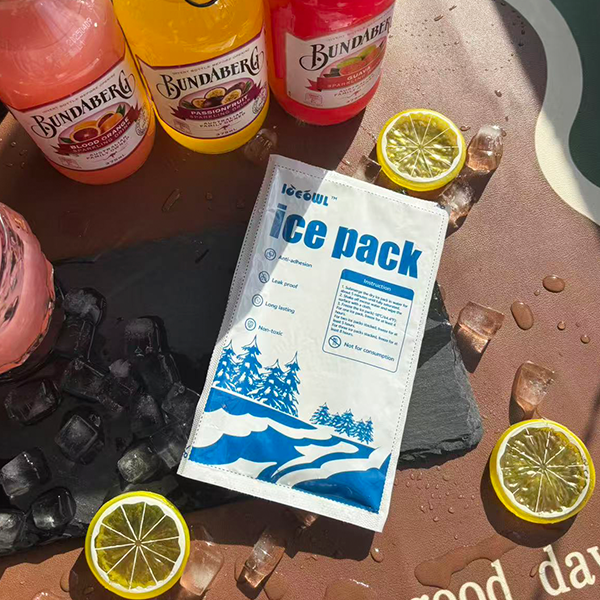
Un plan d'approvisionnement pour le pack de glace carbonique du fournisseur pour la logistique des légumes
Le brief d’achat « garder les légumes au froid » est incomplet et parfois dangereux. Il ignore la limite inférieure de température de la culture, besoin d'humidité, respiration, réponse à l'éthylène, historique de prérefroidissement, et ventilation des cartons. It also leaves a supplier dry ice pack for vegetable logistics undefined. Le produit pourrait être du dioxyde de carbone solide, une feuille de refroidissement activée par l'eau, une pochette de gel, une brique de glace, ou un PCM. Une spécification commerciale prête à être publiée doit résoudre ces incertitudes et relier l’enveloppe opérationnelle de la culture à un composant reproductible du fournisseur., emballage, et itinéraire. L’objectif n’est pas le plus refroidissant. C'est le système le moins compliqué qui fournit des produits vendables de manière fiable, produits sûrs dans des limites définies.
Créer un dossier de recadrage et d'itinéraire
Construire le dossier avant de demander des échantillons. Il doit identifier la culture, cultivar ou type commercial, maturité, conditions de récolte, statut intact ou fraîchement coupé, emballage primaire, dimensions du boîtier, modèle de ventilation, plage de charge utile, méthode de prérefroidissement, et condition d'expédition approuvée.
Ajouter les limites physiologiques:
- Plage de température recommandée et durée maximale.
- Sensibilité à la congélation et au refroidissement.
- Besoin d’humidité relative et intolérance à l’eau libre.
- Comportement respiratoire.
- Production et sensibilité d’éthylène.
- Exigences en matière de ventilation ou d'atmosphère.
- Ecchymoses, compression, et sensibilité aux vibrations.
- Défauts de qualité et contrôles de sécurité alimentaire.
Utiliser des conseils post-récolte spécifiques à la culture. Une gestion proche du point de congélation peut être appropriée pour le brocoli, tandis que les concombres peuvent subir des dommages dus au froid et que les courges d'hiver sont manipulées plus chaudes avec une approche différente en matière d'humidité.. Ne faites pas la moyenne des cultures incompatibles sur une seule cible.
Cartographier l'itinéraire depuis la récolte jusqu'à la réception. Inclure le temps avant le prérefroidissement, achèvement du refroidissement, séjour en chambre froide, emballage, mise à quai, transferts de transporteurs, événements d'ouverture, retards aux frontières ou à l'aéroport, dernier mile, et capacité de destination. Enregistrez les saisons chaudes et froides et les charges utiles faibles ou élevées.
Indiquer le propriétaire de la décision. Un fournisseur de packs de refroidissement peut prendre en charge la sélection et les tests des composants; le producteur, processeur, emballeur, ou l’équipe qualifiée du distributeur définit l’acceptation du produit et la disposition des excursions. Si le contrôle de la température est requis pour la sécurité alimentaire, relier le dossier au plan de sécurité alimentaire et aux responsabilités sanitaires de transport applicables.
Le dossier évite une erreur de catégorie courante: traiter un colis passif comme substitut à l'ombre de la récolte, prérefroidissement, réfrigération active, sanitaire, ou recevoir des mesures disciplinaires.
Il devra également définir des règles de compatibilité pour les commandes mixtes. Une température cible partagée ne suffit pas si une culture produit de l’éthylène, un autre y est très sensible, et un troisième a besoin d'une atmosphère plus sèche. Enregistrez quels produits peuvent partager une boîte, qui nécessitent un emballage primaire séparé, et qui nécessitent une famille de routes différente. Cela transforme la planification de l'assortiment en une entrée contrôlée plutôt qu'en une décision d'emballage de dernière minute..
Ajouter une carte de responsabilité pour les transferts. La ferme peut être propriétaire de l'évacuation de la chaleur des champs, un consolidateur peut vérifier l'état de prérefroidissement, un centre de distribution peut conditionner les packs, le transporteur peut contrôler les pratiques des véhicules, et le destinataire peut évaluer l'arrivée. Quand la propriété est vague, le pack passif est souvent blâmé pour une lacune qu'il n'a jamais pu corriger. Les responsabilités nommées accélèrent également les enquêtes sur les écarts..
Établir à la fois une limite de chaleur et une limite de froid
Un système efficace maintient les produits entre deux régions de défaillance. Au-dessus de la limite de chaleur, respiration, perte d'eau, sénescence, ramollissement, jaunissement, et les processus microbiens peuvent s'accélérer. En dessous de la limite de froid, des blessures causées par le gel ou le froid peuvent survenir. La limite inférieure varie beaucoup plus selon les légumes que ne le suggère le langage générique de la chaîne du froid..
La glace carbonique réelle est du dioxyde de carbone solide d'environ moins 78.5 degrés Celsius. Il ne doit pas être placé à proximité de légumes frais ordinaires. Il peut geler les tissus rapidement, libère du gaz, ne doit pas être fermé hermétiquement, et ajoute des obligations de travail et de transport. Elle ne concerne que les produits intentionnellement spécifiés comme congelés et protégés dans un système approprié..
Les packs de gel ou d'hydratation à base d'eau ne sont pas de la glace sèche., mais ils peuvent commencer en dessous de la plage de sécurité d’une culture. Le PCM pour cuisinière réfrigérée peut réduire la différence de température lorsqu'il est correctement sélectionné et conditionné.. Un diviseur ou un espace aérien contrôlé peut limiter la conduction directe. L'isolation réduit la chaleur ambiante. La conception doit utiliser ces éléments pour conserver les deux marges.
| Risque de frontière | Cause probable | Contrôle préventif | Preuve |
|---|---|---|---|
| Produits chauds au centre | Pré-refroidissement inadéquat ou respiration élevée | Confirmer l'état de la pulpe avant l'emballage | Dossier d'expédition et sonde de produit représentative |
| Refroidissement sur le flanc | Contact avec le liquide de refroidissement gelé ou mauvaise qualité | Sélection PCM, trempe, et séparateur défini | Test thermique en emplacement froid et observation de la qualité |
| Coin chaleureux | Joint d'isolation, vide, ou pack décalé | Géométrie et retenue contrôlées | Sonde à localisation chaude et défi de manipulation |
| Feuilles fanées | Faible humidité ou ventilation excessive | Stratégie d’emballage primaire et d’humidité appropriée | Perte de masse et évaluation de la qualité |
| Surface mouillée ou pourrie | Condensation, fuite, ou de l'eau emprisonnée | Drainage, barrière, contrôle des fuites, et conception de ventilation | Contrôle d'humidité après simulation d'itinéraire |
| Ambiance néfaste | Évents bloqués ou CO2 incontrôlé | Préserver les échanges gazeux et éviter les hypothèses de neige carbonique | Évaluation de l'atmosphère du colis, le cas échéant |
Le tableau aide les achats à comprendre que la performance a plusieurs dimensions. La réclamation concernant la température la plus basse ou la durée la plus longue d'un fournisseur ne répond à aucune d'entre elles sans contexte..
Préserver délibérément la ventilation. Trous de cartons, perforations du sac, canaux de palettes, et les ouvertures du fourre-tout peuvent prendre en charge le refroidissement à air pulsé ou l'échange de gaz. Une feuille flexible qui se replie sur ces ouvertures peut modifier à la fois l'uniformité de la température et l'atmosphère.. Documentez l'empreinte et l'orientation autorisées du liquide de refroidissement afin que le chemin du flux d'air évalué survive à l'emballage de production..
Qualifier le composant à l'intérieur du pack commercial
Demander aux fournisseurs l'identité exacte du matériau, instructions de conditionnement, dimensions, remplir les tolérances, données de phase pour PCM, construction de films et de joints, documentation contact alimentaire, traçabilité des lots, et modifier les contrôles. Testez ensuite des échantillons de production normale dans le système prévu.
Rédigez un protocole avant la course en chambre ou le pilote de voie. Spécifier:
- Recadrer, emballer, maturité, et condition de départ.
- Carton extérieur, isolation, évents, diviseur, et fermeture.
- Code produit du liquide de refroidissement, parcelle, compter, conditionnement, placement, et la retenue.
- Charge utile minimale et maximale.
- Température ambiante et profil de manipulation.
- Portée du capteur, précision, étalonnage, intervalle, et emplacements.
- Critères d'acceptation de la température et de la qualité du produit.
- Stratégie de répétition et gestion des écarts.
Utiliser des produits représentatifs. Une bouteille d'eau peut aider à comparer les premiers concepts mais ne reproduit pas la respiration, transpiration, échange de gaz, géométrie, ou blessure par refroidissement retardée. Si une mère porteuse est utilisée, justifier les propriétés qu'il représente et quels tests de produit ultérieurs sont requis.
Placez les sondes de développement à proximité des murs chauds suspectés, couvercles, contacts froids, et centres de produits représentatifs. Indiquer si chacun mesure l'air, surface d'emballage, ou du tissu. Examiner les traces complètes plutôt que seulement le début et la fin.
Après l'exposition, évaluer la qualité des cultures. Inclure la fermeté, flétrissement, perte de masse, jaunissement, piqûre, décoloration, eau, pourriture, odeur, ecchymoses, et l'état du colis, le cas échéant. Les légumes sensibles au froid peuvent nécessiter une observation après réchauffement. Les produits fraîchement coupés peuvent nécessiter une durée de conservation supplémentaire ou une évaluation microbiologique dans le cadre du programme du transformateur..
Les profils thermiques standard peuvent fournir une comparaison cohérente pour l'emballage des colis. Les essais d'itinéraire intègrent les opérations réelles. Ni l'un ni l'autre n'autorise la substitution ou le délai illimité. Le rapport doit définir les limites évaluées et les relier à une nomenclature., photographies, conditionnement, et instructions d'emballage.
Convertir la qualification en contrat de fournisseur et en système de travail
Les spécifications d'achat doivent protéger tous les attributs utilisés par la conception approuvée.. Selon le format, définir sec, activé, et dimensions figées; masse de liquide de refroidissement ou d'eau absorbée; motif cellulaire; film; joint; soupape; formulation de phases; étiquette; propreté; odeur; et stockage.
L'accord avec le fournisseur doit aborder:
- Libération et traçabilité des lots.
- Méthodes d’inspection critiques et tolérances.
- Documents fournis avec chaque lot.
- Non-conformité et quarantaine.
- Enquête sur les plaintes et mesures correctives.
- Préavis pour le matériel, formule, dimensions, outillage, site, processus, ou changements de sous-traitants.
- Échantillons de référence ou de conservation lorsque cela est justifié.
- Continuité des activités et alternatives approuvées.
Demandez des échantillons de production normale, pas seulement des prototypes. Inspectez-les après activation et conditionnement. Une feuille d'hydratation enflée peut couvrir les orifices d'aération; une brique rigide peut ne plus s'adapter au séparateur; une couture peut devenir cassante lorsqu'elle est gelée.
L'évaluation commerciale doit inclure un minimum de commande, délai de mise en œuvre, quantité de caisse, stockage entrant, eau et main d'œuvre pour l'activation, espace congélateur, mise en scène, vitesse de ligne, identification personnalisée, et traitement des retours. Les chiffres inconnus restent des questions auprès des fournisseurs. Comparez le coût total contrôlé par emballage commercial.
Traduire la conception approuvée en un système de travail sans ambiguïté. Utiliser les codes de composants, étiquettes d'état, photographies, kits de packs, et des zones séparées pour le sec, conditionnement, prêt, revenu, mis en quarantaine, et matériel rejeté. Des PCM similaires ne devraient pas se fier uniquement à la couleur.
Définir le temps maximum entre la libération du prérefroidissement et la fermeture du pack et entre l'élimination du liquide de refroidissement et son utilisation.. Cartographier les équipements de conditionnement sous charge représentative si l'opération l'exige. N'utilisez pas de pack pour refroidir des légumes chauds ou ajoutez du liquide de refroidissement en dehors de la matrice approuvée..
La réception complète le système. Inspecter la température ou l’état de l’indicateur là où il est utilisé, cartons, évents, humidité, fuites, odeur, dommages physiques, et défauts spécifiques à la culture. Maintenir la traçabilité des expéditions et des lots de produits. Conserver le produit incertain et suivre le processus d'élimination approuvé.
Créez un court arbre de décision de réception avant le lancement. Il faut distinguer un rejet physique évident, un envoi surveillé acceptable, données manquantes ou illisibles, et un événement de température nécessitant un examen technique. Pour les cultures sensibles au froid, la procédure peut placer des unités représentatives sous observation car des dommages peuvent apparaître après le réchauffement. Pour les produits fraîchement coupés, le programme de salubrité des aliments du transformateur peut nécessiter une réponse plus immédiate et plus conservatrice. Le destinataire ne doit jamais improviser une règle universelle concernant la sensation de froid du carton..
La formation doit inclure pourquoi chaque étape existe. Les emballeurs sont plus susceptibles de conserver un séparateur lorsqu'ils comprennent qu'il empêche un point de contact froid, et les récepteurs sont plus susceptibles de protéger les cartons ventilés lorsqu'ils comprennent leur rôle dans la circulation de l'air.. Enregistrer la formation et le recyclage après des changements significatifs. Un packout visuellement simple peut toujours échouer lorsqu'une petite substitution non reconnue modifie le circuit thermique..
Améliorez les coûts et la durabilité sans perdre de marge
La comparaison correcte est le coût par livraison vendable, pas de coût par paquet. Inclure la perte de produit, conditionnement, liquide de refroidissement, travail, prérefroidissement, énergie de conditionnement, fret, retours, lavage, inspection, et gestion des déchets.
Une feuille d'hydrate sec peut réduire le volume entrant mais ajoute de l'eau d'activation et des étapes de processus. Un PCM rigide et réutilisable peut offrir de nombreuses rotations sur une voie fermée mais ajoute de la masse et du suivi.. Un colis isolé à sens unique peut être pratique pour les clients dispersés, mais peut faire face à une récupération de matériaux limitée.. La glace sèche ne peut pas être réutilisée et présente des dangers difficiles à justifier pour les produits frais..
Mesurer la durabilité avec la même limite fonctionnelle. La perte de produits a une empreinte, mais cela ne devrait pas excuser un système surdimensionné. Utiliser les données pour réduire les matériaux inutiles tout en protégeant les mêmes exigences de culture et d'itinéraire.
Commencer les améliorations avec les opérations:
- Réduisez le temps entre la récolte et le pré-refroidissement.
- Gardez le produit à l'ombre.
- Améliorer les contrôles d'achèvement du prérefroidissement.
- Alignez les évents des cartons et des palettes.
- Coordonner le ramassage par le transporteur.
- Réduire le séjour au quai.
- Regrouper les cultures compatibles.
- Choisissez parmi les configurations saisonnières approuvées.
Testez ensuite les changements d'emballage un par un. Un liner plus fin, petit paquet, film différent, ou un séparateur révisé peut modifier les marges chaudes et froides. Saisir les modifications via l'évaluation des risques et la qualification.
Pour les programmes réutilisables, calculer les rotations réelles. Suivre la perte, dommage, nettoyage, distance de retour, et performances thermiques. Utiliser la mise hors service basée sur les conditions pour les fuites, délaminage, contamination, déformation, ou perte d'identité. Une réclamation réutilisable sans système de retour n'est qu'une caractéristique matérielle.
L'amélioration continue nécessite des données intégrées. Combiner les traces de température, réception des inspections, réclamations, déchets de récolte, enregistrements de conditionnement, séjour du porteur, et écarts des fournisseurs. Rechercher la cause avant de modifier le nombre de liquide de refroidissement. Des arrivées chaleureuses pourraient commencer sur le terrain; les blessures causées par le froid peuvent commencer au niveau du flanc; la condensation peut commencer dans la salle d'emballage.
FAQ
Que doit inclure une proposition de fournisseur avant la tarification?
Il doit identifier la composition du liquide de refroidissement, activation et conditionnement, dimensions et tolérances de masse, film et joints, données de phase le cas échéant, documentation de contact prévue, contr?les de lot, contexte de test disponible, notification de changement, coffret, et hypothèses commerciales. Un emballage proposé doit indiquer la récolte, charge utile, isolation, placement, et les limites de l'itinéraire.
Une feuille d'hydrate peut-elle être découpée pour s'adapter à un carton ventilé?
Uniquement si la conception du produit et les instructions du fournisseur permettent de couper au niveau des coutures définies sans endommager les cellules ou les joints.. La coupe peut changer la masse, couverture, risque de fuite, et flux d'air. Standardisez la forme finale et comptez, puis tester cet arrangement commercial plutôt que de laisser chaque opérateur improviser. Former les opérateurs sur le modèle de coupe approuvé.
La température de la pulpe végétale est-elle la même que celle de l'air de l'emballage?
Non. Le tissu du produit change plus lentement et peut différer selon la position, taille, et contacter. Les capteurs d'air réagissent rapidement aux ouvertures de porte et aux liquides de refroidissement. Les tests de développement peuvent utiliser des sondes couplées à l'air et au produit. Les mesures de routine doivent suivre les preuves et la procédure de réception de l'opération.. Utiliser la méthode de mesure définie par le protocole.
Comment les blessures causées par le froid devraient-elles être incluses dans l'acceptation?
Utiliser des symptômes spécifiques à la culture et une période d'observation appropriée. Certaines blessures apparaissent après le retour du légume dans des conditions plus chaudes. Les limites de température doivent être appuyées par des directives post-récolte et le programme de produits.. Inspecter les produits représentatifs, pas seulement la trace de l'enregistreur. Conditions de récupération record et symptômes retardés pendant la qualification.
La documentation contact alimentaire qualifie-t-elle le système thermique?
Non. La documentation matérielle traite de l'adéquation à une exposition prévue. La qualification thermique évalue les performances en température et en qualité. Sanitaire, classification des marchandises dangereuses, et le respect des itinéraires sont distincts. Un programme complet conserve des preuves pour chaque fonction pertinente. L'acheteur doit approuver chaque flux de preuves séparément pour son objectif et son marché..
Conclusion
Un achat robuste de refroidissement de légumes relie un dossier de culture et d'itinéraire à deux frontières thermiques, un emballage commercial qualifié, un fournisseur contrôlé, et un travail quotidien reproductible. Il identifie le dioxyde de carbone solide séparément des packs congelés réutilisables et n'utilise jamais de liquide de refroidissement passif comme substitut au pré-refroidissement.. Les améliorations en termes de coûts et de durabilité procèdent ensuite de données de livraison réelles, avec compatibilité des cultures, flux d'air, humidité, et blessure par refroidissement retardée conservée dans la décision.
À propos du tempk
Tempk supplies water-activated hydrate cooling sheets, packs de gel, briques de glace, Formats PCM, sacs isolés, et boîtes isothermes. Ces composants peuvent être évalués par rapport à la physiologie des cultures, carton vents, exposition par voie, géométrie de l'emballage, capacité de conditionnement, et modèle de récupération. Tempk peut fournir des informations sur les produits et des échantillons de production à des fins de test, tandis que le producteur, processeur, ou le distributeur établit les exigences post-récolte et de sécurité alimentaire et approuve l'utilisation commerciale.
Envoyez à Tempk votre dossier de culture et d'itinéraire et votre projet d'emballage pour planifier un exemple d'examen qui couvre l'ajustement, conditionnement, séparation, et contrôles des fournisseurs.
Pack de glace carbonique du fournisseur pour la livraison de fruits de mer: Spécification

Comment spécifier un pack de glace sèche auprès d'un fournisseur pour la livraison de fruits de mer
Rédigez la décision de réception avant de rédiger les spécifications du liquide de refroidissement. That single step keeps a supplier dry ice pack for seafood delivery connected to the seafood rather than to a generic duration claim. L'acheteur doit savoir quelle condition est acceptable à l'arrivée, comment cela sera vérifié, et que se passe-t-il après un écart. Ce n'est qu'alors que l'équipe pourra choisir parmi une feuille congelée hydratée, paquet de gel, PCM, glace mouillée, réfrigération active, ou du dioxyde de carbone solide réel. Ces sources froides ne sont pas interchangeables, et aucun ne remplace le système complet d’emballage et de sécurité alimentaire.
Conception à rebours depuis la réception
Un récepteur ne peut pas évaluer « assez froid ». Le contrat de livraison doit définir le produit, état requis, inspection, enregistrements, et pouvoir de disposition.
Commencez par les espèces, forme de produit, état de traitement, et paquet principal. Indiquer si les fruits de mer sont réfrigérés, congelé, cuit, prêt à manger, emballé à teneur réduite en oxygène, ou vivre. Le plan HACCP et les exigences applicables déterminent les dangers et les contrôles pertinents. Directives de la FDA sur les fruits de mer, Par exemple, traite des abus temps-température liés à la croissance d’agents pathogènes et à la formation d’histamine pour les produits sensibles. Les directives du Codex distinguent les fruits de mer réfrigérés dans des conditions proches de la fonte des glaces des produits surgelés.
Définir la température et l'état du produit à l'expédition. Il ne faut pas demander aux emballages passifs conçus pour maintenir un état établi d'éliminer la chaleur incontrôlée du champ ou du processus.. Enregistrez le temps que le produit peut passer sur le banc d'emballage et dans la zone de transit..
A la réception, les contrôles peuvent inclure l’identité de l’expédition, sécurité, intégrité du colis, fuite, heure d'arrivée, température selon la méthode approuvée, état de l'enregistreur là où il est utilisé, et des signes de gel ou de dégel. Attributs de qualité tels que la texture, goutte, lustre, odeur, et l'apparence de l'emballage peut également avoir une importance. Les critères exacts doivent être spécifiques au produit.
La disposition doit suivre un processus documenté. Une seule lecture de capteur, paquet congelé restant, ou l'observation du conducteur n'est pas une décision de sécurité universelle. Le personnel autorisé chargé de la sécurité alimentaire ou de la qualité doit évaluer l'historique temps-température., produit, conditionnement, Plan HACCP, et d'autres preuves.
Une fois que les besoins du destinataire sont clairs, carte en arrière à travers le seuil de la porte, dernier kilomètre de, dépôt, transfert aérien ou routier, douane, transport de ligne, ramasser, et mise en scène. Cela révèle où le packout passif a besoin de marge et où un correctif opérationnel peut être meilleur..
Rendre la décision explicite concernant le liquide de refroidissement
L'expression « bloc de glace carbonique » doit être remplacée par une identité technique dans le cahier des charges..
Une feuille d'hydrate est activée avec de l'eau et congelée. Il peut s'adapter à une charge utile et peut réduire la masse de stockage entrante avant l'hydratation.. Sa masse finie, dimensions, et le comportement de refroidissement dépendent du processus d'activation et de conditionnement.
Un pack de gel prérempli arrive prêt à être conditionné et offre un remplissage contrôlé, mais il occupe le stockage entrant et ajoute de la masse de transport. Son comportement en phase dépend de la formulation.
Un pack PCM conçu utilise un milieu à changement de phase formulé. Il peut être sélectionné pour prendre en charge une conception thermique définie, mais son point de transition n'est pas égal à la température de la charge utile et il doit être conditionné comme spécifié.
Le dioxyde de carbone solide est de la vraie neige carbonique. À pression atmosphérique, il se sublime à environ −78,5°C et libère du gaz. Cela peut convenir à certains systèmes gelés, mais il peut congeler des fruits de mer réfrigérés, matériaux endommagés, blesser des travailleurs, et créer une accumulation dangereuse de dioxyde de carbone. Les colis doivent être aérés, et le fret aérien peut être réglementé par l'ONU 1845.
La glace humide ou la réfrigération active peuvent rester appropriées dans certaines chaînes de fruits de mer. L’approvisionnement ne doit pas imposer à chaque filière une solution de conditionnement surgelé simplement parce que c’est la catégorie concernée..
| Question de décision | Si la réponse n'est pas claire | Prochaine action requise |
|---|---|---|
| Les fruits de mer sont-ils réfrigérés ?, congelé, en direct, ou autrement contrôlé? | Le liquide de refroidissement ne peut pas être sélectionné de manière responsable | Retour aux spécifications du produit et au propriétaire HACCP |
| La « banquise sèche » est-elle du dioxyde de carbone solide ?? | La portée de la sécurité et du transport est inconnue | Obtenir des informations sur la composition et la classification |
| L'emballage peut-il entrer en contact avec l'emballage alimentaire principal? | Froid, abrasion, et le risque important est inconnu | Définir une barrière et examiner la documentation des contacts |
| Les opérations peuvent-elles reproduire le conditionnement? | Les résultats des tests peuvent ne pas être transférés en production | Développer et vérifier le processus de congélation et de station d'emballage |
| L'itinéraire inclut-il la livraison de colis en boucle ouverte? | Les hypothèses de réutilisation et de retard peuvent être irréalistes | Modèle d’échec de réception et de gestion de fin de vie |
| Les preuves correspondent-elles à la boîte et à la charge utile proposées? | La réclamation relative au temps de rétention n'est pas applicable | Exécuter des tests de système représentatifs |
Cette table de décision transforme l'incertitude en travail plutôt que de lui permettre de devenir une réclamation non étayée dans le bon de commande..
Verrouillez l'architecture du package et prouvez-le
L'ensemble complet a besoin d'être structurel, humidité, thermique, et fonctions de communication. Attribuez chacun délibérément.
L'emballage primaire des fruits de mer doit contenir le produit et le liquide attendu à manipuler. Le confinement secondaire et les absorbants peuvent protéger l'isolation et les cartons extérieurs des gouttes., condensation, la glace fond, ou une fuite de liquide de refroidissement. L'isolation ralentit le flux de chaleur. Le liquide de refroidissement absorbe la chaleur. Les entretoises contrôlent le contact à froid et l’abrasion. Le traitement du vide limite les mouvements et la circulation d'air involontaire. L'emballage extérieur offre de la solidité, fermeture, étiquettes, et traitement des informations.
Chaque couche modifie son comportement thermique. Un séparateur épais réduit le froid direct mais ralentit également le mouvement de la chaleur vers le liquide de refroidissement. Une doublure imperméable peut contenir du liquide mais peut emprisonner de l'air ou obstruer le drainage prévu.. Un tampon absorbant peut se déplacer pendant le transport. Ces détails appartiennent au dessin d'emballage et au test.
Les essais de développement devraient utiliser plusieurs capteurs pour détecter les températures extrêmes chaudes et froides.. Test près du couvercle, murs, coins, interfaces de liquide de refroidissement, et centre de charge utile basé sur la géométrie. Observer la condensation, résistance du carton, fuite, mouvement, état de l'étiquette, et la qualité des fruits de mer ainsi que la température.
Formal testing should identify the exact insulated container, modèle et nombre de liquide de refroidissement, conditionnement, charge utile ou simulant justifié, état de départ du produit, remplissage minimum et maximum, séquence de paquets, fermeture, profil ambiant, durée, carte des capteurs, et critères d'acceptation. Un profil de parcelle standard tel qu'ISTA 7E peut prendre en charge une évaluation structurée, mais le risque d'itinéraire peut justifier des défis saisonniers ou de voie supplémentaires.
Pour de la glace carbonique réelle, la qualification doit établir la quantité et le placement sans compter sur un taux de sublimation universel. Formulaire, isolation, exposition ambiante, fuite du colis, vides, et l'ouverture affecte la consommation. L'emballage doit libérer du gaz et rester structurellement stable à mesure que le réfrigérant disparaît.
Le bracketing mérite un raisonnement attentif. Une commande minimale peut se réchauffer plus rapidement car elle a moins de masse thermique. Une commande maximale peut restreindre le placement du liquide de refroidissement. Différents emballages de fruits de mer peuvent avoir des zones de contact différentes, même pour la même masse.. Documenter pourquoi les charges de test sélectionnées représentent la plage de fonctionnement.
Approuver le fournisseur pour la production, Pas seulement des échantillons
Un excellent échantillon fabriqué à la main ne prouve pas la cohérence globale. L'approbation du fournisseur doit relier l'article évalué à une production contrôlée.
Demander une spécification ou un dessin avec le code produit, catégorie de liquide de refroidissement, dimensions, masse et tolérances, modèle de cellule, le cas échéant, construction de film ou de coque, conception de joint, conditionnement, stockage, et manipulation. Obtenir des informations sur les matériaux et les contacts alimentaires adaptées au marché prévu et au scénario de contact. Une formulation générale « sécurité alimentaire » ne devrait pas remplacer un examen des documents..
Pour les feuilles hydratées, le fichier devrait expliquer l'activation, drainage, état fini, et si la coupe est autorisée. Pour les packs réutilisables, il devrait aborder l'inspection, compatibilité de nettoyage, stockage, et la retraite. Pour la glace carbonique solide, il doit fournir des informations sur la sécurité et la classification tout en laissant la préparation de l'expédition aux parties compétentes.
Évaluer les contrôles de fabrication pertinents au risque: identité matérielle, dosage de remplissage ou d'absorbant, scellage, inspection en cours de fabrication, critères de fuite, codage de lots, libérer, non-conformité, et traçabilité. L'acheteur n'a peut-être pas besoin de tous les détails exclusifs du processus, mais il faut avoir la certitude que les unités de production restent comparables aux unités testées.
Créer un contrôle de l'échantillon à la production. Conserver une référence, dessin, photographies, dimensions clés, et masse conditionnée ou autres mesures critiques. Comparez les lots initiaux et définissez l'inspection à l'arrivée. Les réclamations doivent être traçables jusqu'au fournisseur et aux lots d'expédition..
Le contrat de fourniture doit traiter de la notification des modifications. Film, formulation, absorbant, modèle de sceau, dimensions, outillage, processus, méthode d'essai, ou le lieu de fabrication peut affecter la conception qualifiée. Les propres modifications apportées à la boîte par l'acheteur, doublure, charge utile, itinéraire, ou le placement en pack nécessite la même discipline.
Sujets commerciaux—MOQ, délai de mise en œuvre, prévision, palettisation, impression personnalisée, continuité d'approvisionnement, et sources alternatives - doivent être résolus après l'identification technique. Un remplaçant doit se soumettre à un examen d'équivalence documenté plutôt qu'à une substitution automatique..
Exploiter le système et l’améliorer avec des preuves
Le colis doit survivre à un quart de travail chargé. Convertissez la conception qualifiée en une instruction de travail visuelle montrant le nombre exact de paquets, orientation, séparateurs, placement de fruits de mer, annuler le contrôle, fermeture, et étiquettes. Utiliser des instructions distinctes pour des tailles de boîte ou des charges utiles sensiblement différentes.
Le conditionnement est une étape contrôlée. Définir l’hydratation le cas échéant, disposition des grilles du congélateur, chargement par lots, orientation, préparation, temps d'exposition pendant l'assemblage, et le rejet. Un affichage de l'air du congélateur ne prouve pas qu'une pile dense de paquets est uniformément congelée.. Surveiller ou vérifier le processus à un niveau justifié par le risque.
Former le personnel à reconnaître les quelques erreurs les plus importantes: utiliser le mauvais pack, cellules pliantes, omettre un séparateur, placer un pack qui fuit, charger des fruits de mer chauds, et en remplaçant un carton non approuvé. Donnez-leur un chemin de quarantaine clair afin que le matériel rejeté ne retourne pas en stock.
Pour boucles réutilisables, séparer les actifs restitués et libérés. Nettoyer ou désinfecter selon le cas, sec, inspecter, reconditionner, et une retraite record. Vérifier l'odeur, taches, perforation, dommages aux coutures, briques déformées, et fermeture du conteneur. Mesurer le rendement et la perte réels.
Les données de routine devraient améliorer l'itinéraire. Lier les résultats de l'expédition à la version de l'emballage, produit, charge utile, lot de composants si utile, transporteur, et assaisonner. Enquêter sur les endroits chauds récurrents, condensation, dégâts dus au froid, et erreurs d'emballage avant d'augmenter le liquide de refroidissement. Une fermeture plus forte, séjour au quai plus court, ou une meilleure charge du congélateur peut résoudre le problème avec moins de matériau.
La durabilité doit être évaluée sur la performance complète de la livraison. Les feuilles d’hydrate échangent la masse entrante contre de l’eau locale, gel, et du travail. Les emballages réutilisables échangent des fournitures à usage unique contre des retours, nettoyage, et perte. La glace carbonique évite l'eau de fonte mais nécessite une production, Limères soudantes, et ajoute des contrôles de sécurité. Comparez les systèmes qui répondent aux mêmes exigences de produit et signalez les résultats réels., pas théorique, réutilisation et gaspillage.
La conformité applicable reste plus large que l’emballage. Aux États-Unis, les exigences HACCP et sanitaires en matière de transport des produits de la mer peuvent régir certaines parties de l'exploitation en fonction du rôle et du produit.. D'autres marchés ont leur propre nourriture, transport, sécurité des travailleurs, matériel, et règles relatives aux déchets. Le fournisseur fournit un composant; le secteur alimentaire contrôle le système.
Questions fréquemment posées
Ce qui doit être inclus dans la première demande de fournisseur?
Inclure les espèces ou catégories de fruits de mer, état du produit, paquet principal, état d'expédition, plage de charge utile, boîte isotherme, itinéraire et transferts, retard crédible, critères de réception, équipement de conditionnement, modalités de contact, et modèle prévu à usage unique ou consigné. Demandez un code produit exact et une liste de documents. Identifiez également le volume de commandes attendu, délai de mise en œuvre, et les besoins en matière de notification de changement.
Une feuille hydratée peut-elle remplacer la glace humide dans une boîte à poisson réfrigérée?
Éventuellement, mais les systèmes se comportent différemment au contact, humidité, transfert de chaleur, et manipulation. Le HACCP et les exigences produits, drainage, matériaux d'emballage, placement du liquide de refroidissement, et l'itinéraire doit être évalué. Testez le remplacement prévu plutôt que de supposer qu'une masse égale offre une protection égale. La comparaison doit également prendre en compte les procédures de manipulation et d'élimination des récepteurs..
Comment détecter les dégâts dus au froid lors de la qualification?
Placez les capteurs à proximité des interfaces probables du liquide de refroidissement ainsi que des points chauds, puis inspectez les fruits de mer représentatifs pour les congeler, changement de texture, goutte, décoloration, ou dommages au colis selon une méthode approuvée. Certains effets sur la qualité peuvent devenir plus évidents après une période de récupération définie. Documenter les critères d'évaluation avant les tests afin que les résultats soient interprétés de manière cohérente.
Quand la glace carbonique est-elle un mauvais choix ??
Il est inapproprié lorsque le produit ou l'emballage ne supporte pas son froid., lorsque le gaz ne peut pas s'évacuer en toute sécurité, quand les travailleurs ou les réceptionnaires ne peuvent pas le gérer, lorsque les règles du transporteur ne peuvent pas être respectées, ou lorsqu'un système moins exigeant peut satisfaire à l'exigence vérifiée. La décision doit être documentée.
Les données de test des fournisseurs éliminent-elles le besoin d'un essai auprès de l'acheteur?
Non, à moins qu'elle couvre la configuration exacte approuvée par l'acheteur et qu'elle soit acceptée dans le cadre du processus qualité de l'acheteur.. Les données des fournisseurs sont précieuses pour la sélection et la conception. Différences dans la boîte, charge utile, conditionnement, itinéraire, placement du capteur, ou les critères nécessitent généralement une confirmation représentative. L'acheteur doit enregistrer la justification de toute demande d'équivalence acceptée.
Conclusion
Le meilleur emballage de fruits de mer commence dès la réception et fonctionne à rebours. Définir l'état acceptable du produit, identifier le liquide de refroidissement sans noms ambigus, conçu pour la chaleur et l'humidité, et prouver l'architecture complète. Puis préservez-le grâce aux contrôles des fournisseurs, conditionnement, instructions de travail, surveillance, et gestion du changement.
Cette méthode évite deux erreurs courantes: traiter chaque produit de la mer comme une cargaison congelée et traiter chaque feuille congelée comme de la neige carbonique. Cela crée également une base pratique pour les décisions en matière de coûts et de durabilité, car tous les candidats doivent effectuer le même travail de livraison défini..
À propos du tempk
Tempk publicly supplies hydrate dry ice packs, packs de gel, briques de glace, and insulated packaging formats used in seafood logistics. Cette gamme offre aux acheteurs plusieurs géométries et modèles de fonctionnement à évaluer tout en maintenant une distinction claire entre les liquides de refroidissement réutilisables ou hydratés et le dioxyde de carbone solide.. Tempk peut prendre en charge l'identification des produits, échantillons, et discussion en masse; l’approbation des emballages reste liée au système HACCP du secteur des produits de la mer, itinéraire, et programme de tests.
Envoyer à Tempk la spécification de réception, y compris l'état des fruits de mer, charge utile, boîte, itinéraire, conditionnement, contrôles de l'humidité, et méthode d'acceptation. Demandez les documents exacts du produit et un lot d'échantillons traçable avant de définir le bon de commande de production..
Pack de glace carbonique du fournisseur pour le plan d'emballage du fromage
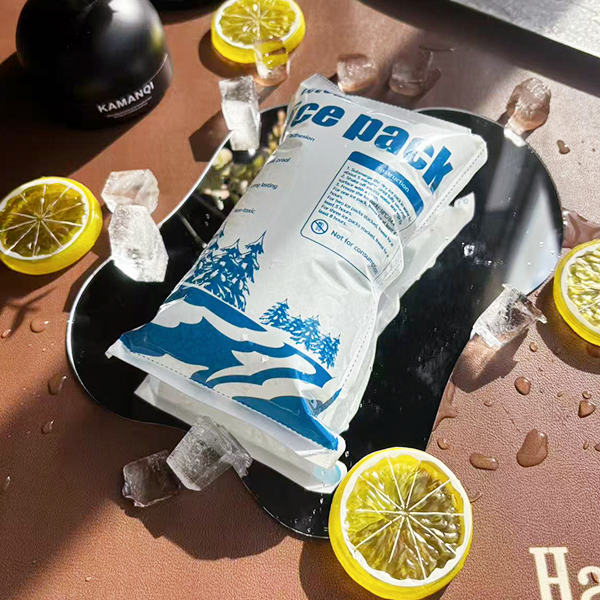
Un plan d'approvisionnement pour le pack de glace carbonique du fournisseur pour l'emballage du fromage
Le meilleur sac réfrigérant n’est pas celui qui reste congelé le plus longtemps. C'est celui que votre équipe peut identifier, condition, lieu, document, et reproduire dans un emballage qui protège le fromage spécifique. A procurement search for a supplier dry ice pack for cheese packaging should therefore begin with a short technical brief, pas une demande de prix. Le mémoire doit également supprimer un piège de dénomination: la neige carbonique solide est un réfrigérant extrême qui libère du gaz, tandis que les feuilles d'hydratation, packs de gel, et les PCM sont des liquides de refroidissement réutilisables ou réutilisables avec un comportement différent. Une fois que cette frontière est claire, les achats peuvent comparer les fournisseurs sur la base de preuves, contrôle de production, ajustement opérationnel, et qualité totale livrée.
Construire le brief technique
Préparer un briefing sur le fromage et la route
Créez un brief pour chaque famille de produits significative. Il doit être suffisamment concis pour qu'un fournisseur puisse le comprendre, mais suffisamment détaillé pour éviter une offre générique..
Identifier le type de fromage, catégorie d'humidité et de maturation, format de vente au détail, emballage primaire, dimensions du boîtier, plage de masse de la charge utile, état d'expédition, exigence de transport approuvée, itinéraire prévu, temps maximum évalué, et processus de réception. Ajoutez les défauts qui comptent: exposition à des températures dangereuses, gel, effritement, purge, graissage, dommages à la croûte, fuite du colis, échec de l'étiquette, transfert d'odeur, condensation, ou présentation écrasée.
Utiliser le plan de sécurité alimentaire du producteur, étiquette, et preuves de durée de conservation. Les directives générales de transport placent souvent le fromage dans une zone réfrigérée et mettent en garde contre la chaleur et le gel., mais les variétés diffèrent. Un fromage à pâte dure correctement affiné peut avoir un profil de sécurité et de qualité différent de celui du fromage frais ou à pâte molle.. Le propriétaire du produit doit classer chaque SKU.
Cartographier l'itinéraire au-delà du temps de transport. Inclure la préparation en chambre froide, assemblée, mise à quai, collecte de transporteurs, cross-dock, transitions de véhicule ou d'avion, douanes si pertinent, livraison, et gestion des destinataires. Identifiez les charges utiles faibles et élevées. Une petite commande dans une grande boîte peut être un cas thermique plus difficile qu'une commande complète.
Le dossier doit indiquer qui approuve les excursions. Un fournisseur d’emballages peut accompagner le développement thermique, mais il ne devrait pas décider si un fromage exposé à la température est sûr ou vendable.
Faites de l'identité du liquide de refroidissement une question de réussite ou d'échec
Si le fournisseur appelle un produit un sac de glace carbonique, exiger une identité en langage clair.
La glace carbonique réelle est du dioxyde de carbone solide d'environ moins 78.5 degrés Celsius à la pression atmosphérique. Il se sublime en gaz et ne peut être enfermé dans un emballage hermétique.. Il peut congeler du fromage réfrigéré, modifier la texture, matériaux fragiles, et créer des risques liés au dioxyde de carbone. Le transport aérien peut nécessiter l'ONU 1845 marquage, informations sur la quantité, documentation, entraînement, et acceptation du transporteur selon les règles en vigueur.
Une feuille d'hydrate est activée avec de l'eau et congelée. Un pack de gel contient un liquide de refroidissement scellé. Un pack PCM contient une formulation avec une région de transition de phase définie. Ces produits ne sont pas automatiquement des marchandises dangereuses et ne sont pas de la glace sèche., même si leur composition doit encore être revue. Ils peuvent néanmoins provoquer une congélation locale s'ils sont utilisés directement à partir d'un congélateur sans la séparation ou le revenu requis par la conception testée..
Demander:
- Identité des matériaux et du liquide de refroidissement.
- Informations sur la sécurité et l'utilisation prévue.
- Données de transition de phase pour PCM.
- Procédure d’activation et de conditionnement.
- Dimensions et masse à l'état d'usage.
- Film, coutures, vannes, et fermetures.
- Scénario de contact prévu et déclarations pertinentes.
- Classification des transports basée sur la composition.
- Instructions de réutilisation et d'inspection prises en charge.
Rejetez les expressions telles que « qualité alimentaire »," "longue durée,» ou « qualité pharmaceutique » lorsqu’ils apparaissent sans preuves définies. Aucun n’établit les performances d’un expéditeur de fromage.
Concevoir un emballage avec deux marges
Un emballage utile a une marge contre le réchauffement et une marge contre le gel. Les marges ne sont pas visibles uniquement à partir du nombre de liquides de refroidissement.
L'isolation résiste à la chaleur ambiante. Le liquide de refroidissement absorbe de l'énergie. Le fromage et les emballages ajoutent de la masse thermique. Les diviseurs ralentissent la conduction locale du froid. L'espace aérien permet le mouvement et la convection. Les coutures et les coins du couvercle peuvent devenir des ponts chauds. Le contact direct entre une brique gelée et une fine pochette sous vide peut devenir un froid extrême.
Disposer le système sur un dessin contrôlé. Identifiez chaque couche, du carton extérieur au fromage. Réparer l'emplacement et la retenue du liquide de refroidissement. Empêche les emballages lourds d'appuyer sur les bacs ou les coffrets cadeaux.. Utilisez un diviseur ou un tampon défini lorsque le contact direct n'est pas pris en charge. Contrôlez les vides pour les faibles charges utiles avec un encart qualifié plutôt qu'un papier aléatoire.
Le conditionnement nécessite une recette écrite. Équipements de l'État, modèle de charge, plage de température, temps minimum, trempe si applicable, vérification de l'état de préparation, et limite de mise en scène. Pour les feuilles d'hydratation, définir l'ajout d'eau, tremper, drainage, poids ou état augmenté, gel, et inspection. Une feuille sèche compacte peut être efficace en stockage mais seulement si l'activation est reproductible.
L'humidité et les odeurs doivent être des éléments de conception. Gardez la condensation du paquet loin des étiquettes, séparateurs de papier, et surfaces exposées. Utiliser un emballage primaire adapté à l’échange de gaz et d’humidité prévu pour le produit. Évaluer l'isolation, encres, gel, films, adhésifs, et produits de nettoyage pour les odeurs désagréables. Dans des coffrets cadeaux mixtes, craquelins séparés, chocolat, ou des fruits lorsque leurs besoins en humidité diffèrent.
Posez aux rapports de test les questions que le marketing laisse de côté
"Garde au froid pendant deux jours" n'a que peu de valeur sans méthode de test. Demandez quelle boîte extérieure, isolation, quantité de liquide de refroidissement, conditionnement, charge utile, profil ambiant, capteurs, et la plage d'acceptation a produit le résultat. Confirmer si les composants proviennent d'une production normale et si le test a été répété.
Pour votre test d'homologation, prédéfinir:
| Élément de protocole | Pourquoi ça compte |
|---|---|
| Critères d'acceptation du produit | Détermine si la trace et l'état du produit sont satisfaisants |
| Charge utile minimale et maximale | Capture différentes masses, vide, et conditions de contact |
| Profils externes chauds et froids | Défis réchauffement et risques de gel |
| Emplacements et fixation des capteurs | Trouve les extrêmes locaux plutôt qu'une moyenne trompeuse |
| Lots de composants et conditionnement | Relie les performances à des matériaux et des processus contrôlés |
| Contrôle qualité après exposition | Capture la texture, purge, graissage, condensation, joint, et odeur |
Utiliser un fromage et un emballage représentatifs ou justifier un substitut. Une bouteille d'eau peut correspondre à la masse mais pas à la géométrie, graisse, contact, ou le comportement du paquet. Placez les capteurs à proximité des coins chauds suspectés et des points de contact du liquide de refroidissement, ainsi que des positions de produits représentatives. Indiquer si chaque mesure représente de l'air, surface du paquet, ou un produit.
Les profils de parcelles standard peuvent prendre en charge le développement et la comparaison. Un programme spécifique à une voie doit intégrer les transferts réels et les exceptions. Les résultats des tests établissent les performances dans des limites définies; ils ne garantissent pas un voyage illimité ni toutes les variétés de fromages.
Approuver un rapport lié à une nomenclature, dessins, photographies, instructions de conditionnement, et les écarts. Si un composant change, évaluer si les preuves s’appliquent toujours.
Notez le fournisseur sur ce qui protège la production
Une fois l’ajustement technique établi, comparer les fournisseurs avec une carte de pointage pondérée. Évitez de permettre qu'un prix unitaire bas cache un faible contrôle des lots ou un travail d'activation élevé..
Évaluer cinq domaines:
- Contrôle des matériaux: formulation, film, remplir, dimensions, scellés, et données de phase.
- Processus qualité: libération du lot, traçabilité, non-conformité, réponse à la plainte, et actions correctives.
- Changer de discipline: préavis pour formule, site, outillage, matériel, processus, et changements de sous-traitants.
- Ajustement opérationnel: stockage, activation, conditionnement, étiquetage, vitesse du paquet, et capacité du congélateur.
- Continuité commerciale: commande minimum, délai de mise en œuvre, quantité de caisse, échantillons, personnalisation, et alimentation de secours.
Traitez les chiffres commerciaux inconnus comme des questions de fournisseurs, pas des hypothèses. Demandez des échantillons de production normale. Comparer appartement, hydraté, et dimensions figées. Inspecter les coutures et les odeurs. Exécutez un essai sur une ligne de conditionnement avant le lancement complet, car un composant qui s'adapte lentement sur un banc peut créer des erreurs au niveau du volume saisonnier.
Définir l'inspection entrante autour du risque. Vérifier l'identité et le lot, état de l'emballage, dimensions ou masse critiques, fuite, propreté, et documents. Établir une quarantaine et une escalade en cas de variation inexpliquée. Conserver les échantillons de référence là où le système qualité trouve de la valeur.
La notification de modification n'est pas un détail administratif. Un changement de film peut altérer la résistance du joint ou la flexibilité à froid. Un changement de gel peut modifier le comportement de phase. Un nouveau modèle de cellules peut modifier la couverture et l'ajustement du pack. L'acheteur doit décider si l'examen, inspection, test de confirmation, ou une requalification est requise.
Travaux de routine de conception avant la date de lancement
Rendre la configuration qualifiée facile à exécuter. Utilisez des codes produit indubitables, photographies, kits de composants, et zones d'état. Les liquides de refroidissement d'apparence similaire doivent être séparés. Définir comment les emballeurs vérifient le conditionnement et ce qui arrive à un pack qui a chauffé trop longtemps.
L'instruction de travail doit inclure la condition de départ du fromage, plage de charge utile, nombre et position du liquide de refroidissement, diviseur, Placement de l'enregistrement, fermeture, étiquettes, et temps de montage maximum. Enregistrer l'achèvement du paquet et l'identité de l'expédition conformément au programme de sécurité et de qualité des aliments.. Coordonner la collecte pour que le fromage emballé n'attende pas inutilement.
Les instructions de réception doivent couvrir les dommages extérieurs, isolation, fuite, état du paquet de fromage, état de la température ou de l'indicateur, et déplacement vers un entrepôt agréé. Lorsque les aliments nécessitent un contrôle de la température pour des raisons de sécurité, les responsabilités sanitaires applicables en matière de transport peuvent inclure des conditions d'exploitation spécifiées et une évaluation à la réception. Confirmer les règles du marché et des rôles.
Incertitude de quarantaine. A cold pack remaining in the box does not prove the cheese stayed acceptable. Un seul enregistreur d'air ne montre pas tous les emplacements de contact. Suivez le processus du producteur pour les excursions temps-température et les dommages physiques.
Pour les colis clients, expliquer la manipulation du liquide de refroidissement dans un langage simple. Une feuille congelée réutilisable ne doit pas être décrite comme de la neige carbonique solide et dangereuse.. La glace carbonique réelle nécessite des avertissements appropriés. Donnez un chemin de contact simple afin que le destinataire ne se fie pas à l'odeur ou au goût pour évaluer la sécurité.
Calculer le coût et la durabilité par livraison réussie
Le prix unitaire exclut la main d'œuvre d'activation, énergie du congélateur, stockage, fret, retours, nettoyage, fuite, et perte de fromage. Comparez le coût total par livraison réussie pour le même produit et les mêmes exigences d'itinéraire.
Une feuille activée par l'eau peut réduire le volume entrant mais ajoute de l'eau et des étapes de ligne. Une brique remplie peut être simple à poser mais lourde. Le PCM peut réduire les variations de température dans un système conçu, mais peut coûter plus cher et exiger un contrôle de qualité plus strict.. Les conteneurs réutilisables fonctionnent mieux lorsque les itinéraires de retour sont denses et que les actifs effectuent suffisamment de rotations.
La durabilité utilise la même frontière du système. Inclure le matériel, fabrication, conditionnement, lavage, voyage de retour, perte de composants, réalité du recyclage, et fromage rejeté. La glace carbonique réelle disparaît sous forme de gaz mais n'est pas sans impact et ne peut pas être réutilisée comme liquide de refroidissement. Un emballage réutilisable n’est pas automatiquement préférable s’il est renvoyé sur de longues distances ou s’il est perdu après une seule utilisation..
Systèmes pilotes consignés. Suivre la récupération, dommage, temps de nettoyage, et performances thermiques après cyclisme. Utiliser des critères de mise hors service basés sur les conditions pour les fuites, délaminage, contamination, déformation, ou perte d'étiquette. Ne publiez pas un nombre de réutilisations non pris en charge.
Adaptez soigneusement la taille grâce à des tests contrôlés. Retirer un paquet peut réduire le poids mais exposer un coin chaud. Le remplacement de la mousse peut modifier la résistance à l'humidité. Chaque modification doit entrer dans le même processus de changement et de qualification qui a protégé la conception originale.
FAQ
Quel est le premier document à envoyer à un fournisseur de packs de refroidissement?
Envoyer un brief produit et itinéraire indiquant la catégorie de fromage, état approuvé, paquet principal, plage de charge utile, dimensions de l'expéditeur, voyage, exceptions, et défauts de qualité. Il donne au fournisseur une base pour proposer des échantillons. Ne divulguez pas de détails sensibles sur la formulation au-delà de ce qui est nécessaire, mais fournissez suffisamment d'informations thermiques et de manipulation pour éviter une recommandation générique.
Un pack de remplacement de glace carbonique est-il toujours plus sûr que la glace carbonique?
Il évite le comportement spécifique aux gaz et aux températures extrêmes du dioxyde de carbone solide s'il s'agit véritablement d'un pack à base d'eau ou PCM.. Il peut encore fuir, créer de la condensation, ou congeler le fromage par contact direct. Vérifier l'identité et l'évaluer dans le pack complet. Une qualification reste requise pour l’usage choisi.
Les fromages à pâte dure et à pâte molle devraient-ils partager un seul expéditeur?
Ils ne peuvent le faire que si le producteur confirme des conditions compatibles et que l'accord qualifié protège à la fois. Le fromage à pâte molle peut déterminer les besoins en réfrigération, tandis que le fromage à pâte dure peut être endommagé par contact direct avec la congélation. Les emballages mixtes nécessitent également de l'humidité, odeur, et séparation physique. Testez l'assortiment exact ou une famille justifiée.
Que prouve le « pack de gel de qualité alimentaire »?
La phrase à elle seule prouve peu. Demandez une documentation matérielle pertinente au scénario de contact prévu, juridiction, température, et durée. Revoir le film, gel, impression, et fermetures le cas échéant. L’adéquation du matériau ne démontre toujours pas la durée thermique ou la manipulation sanitaire. Demandez quels matériaux et conditions d'exposition la documentation couvre.
Quand le pack doit-il être retesté?
Retester ou effectuer une évaluation technique appropriée après des modifications pouvant affecter le flux de chaleur, capacité, géométrie, hygiène, ou reproduction. Les exemples incluent la formule du liquide de refroidissement, masse, film, dimensions, isolation, diviseur, charge utile, itinéraire, équipement de conditionnement, ou instructions de travail. Le système qualité doit définir le périmètre en fonction du risque.
Conclusion
Un approvisionnement réussi en matière de refroidissement du fromage suit une séquence délibérée: définir le produit et l'itinéraire, identifier le liquide de refroidissement, concevoir des marges chaudes et gelées, exiger des preuves de test contextuelles, sélectionner un fournisseur reproductible, et contrôler le travail de routine. Le dioxyde de carbone solide doit être traité comme un réfrigérant dangereux distinct, not a synonym for reusable cooling packs. Le coût total et la durabilité doivent être mesurés par livraison vendable, avec perte de fromage, travail, conditionnement, fret, et récupération incluse.
À propos du tempk
Tempk fournit des formats de packs de refroidissement réutilisables et activés par l'eau, packs de gel, briques de glace, et produits isolés pour le transport de produits alimentaires. Ces composants offrent aux entreprises fromagères plusieurs géométries et flux de conditionnement à évaluer.. Tempk peut discuter du brief produit et itinéraire, fournir des informations sur les composants, et préparer des échantillons pour les essais d'emballage. Le producteur ou le distributeur de fromage reste responsable de la définition des limites de sécurité et de qualité, approuver les critères de test, et libérer l'envoi terminé.
Partagez votre brief et votre proposition de dessin d'emballage avec Tempk pour planifier un examen d'échantillon de fournisseur avant la mise à l'échelle commerciale..
Choisissez un pack de glace sèche d'un fabricant pour l'expédition de fruits
Comment choisir un fabricant de pack de glace carbonique pour l'expédition de fruits
Les dommages causés par le transport des fruits commencent souvent par une instruction raisonnable mais incomplète: "Ajoutez plus de glace." Plus de réfrigérant peut prolonger le refroidissement, mais il peut aussi congeler les fruits extérieurs, déclencher des blessures par refroidissement, créer de la condensation, occuper l'espace de circulation d'air, et ajouter des frais de manutention. Choosing a manufacturer dry ice pack for fruit shipping requires a more disciplined sequence. Définir la marchandise et l'itinéraire, identifier si le produit est de la glace carbonique véritable à base de dioxyde de carbone solide ou une feuille d'hydrate activée par l'eau, concevoir l'ensemble du pack, et prouvez-le avec des preuves de température et de qualité des fruits. Verrouillez ensuite le résultat sur les contrôles de l'usine et du site d'emballage afin que le volume de la saison de récolte se comporte comme l'échantillon approuvé..
Établir la fenêtre d'exploitation sûre du produit
Utilisez les spécifications du propriétaire du fruit et les directives post-récolte faisant autorité pour définir les conditions d'expédition.. Manuel agricole de l'USDA 66 fournit des résumés de produits individuels car les fruits varient en termes de température optimale, humidité, sensibilité au froid, comportement de l'éthylène, respiration, maturité, et potentiel de stockage. Cultivar, maturité de la récolte, conditions de croissance, et la destination peut affiner ces conseils.
Décrire le fruit en termes commerciaux ainsi qu'en termes thermiques. Enregistrez le produit et le cultivar, le cas échéant, état entier ou fraîchement coupé, maturité, méthode de pré-refroidissement, état de la pâte à l'expédition, conditionnement, évents de boîtier, masse de charge utile, et fenêtre de vente prévue. Identifier les résultats inacceptables: gel, piqûre, défaut de maturation, se ratatiner, pourriture, ecchymoses, changement de couleur, cartons humides, ou des emballages de vente au détail écrasés.
Séparer le refroidissement de la congélation. Certains produits tropicaux et subtropicaux subissent des dommages physiologiques à des températures non glaciales inférieures à leur tolérance.. Les symptômes peuvent ne pas apparaître à la réception; ils peuvent émerger pendant la maturation ou un affichage plus chaud. Un plan de qualification peut donc nécessiter une évaluation de conservation après expédition au lieu de juger les fruits immédiatement..
Gardez le pré-refroidissement distinct de la maintenance de l'expédition. Le pré-refroidissement adapté aux produits élimine la chaleur du champ avant que le colis ne soit assemblé. A passive shipper should generally begin with fruit at its approved dispatch condition. L'utilisation d'emballages congelés pour refroidir des fruits chauds peut produire un extérieur froid, centre chaleureux, condensation, et une endurance réduite contre la route.
Demandez au fournisseur de nommer le liquide de refroidissement
La glace carbonique réelle est du dioxyde de carbone, solide. Il fait extrêmement froid et se transforme directement en gaz en se réchauffant.. Cette combinaison peut être inappropriée pour les fruits frais, à moins qu'un processus spécifique au produit ne le justifie.. Un contact direct peut geler les tissus, et le gaz doit s'échapper du colis. La manipulation nécessite une protection contre le froid et une ventilation. Le transport aérien peut invoquer l'ONU 1845 marques, étiquettes, quantity declarations, documentation, entraînement, et contrôles des transporteurs.
Un « bloc de glace carbonique » hydraté n’est pas du dioxyde de carbone. C'est un drap plat contenant une structure absorbante, activé avec de l'eau et conditionné au congélateur. Les cellules répartissent la masse thermique et permettent un placement flexible. Il ne crée pas de CO2 et n'hérite pas des règles de transport de glace carbonique solide. Cela introduit des besoins de processus: hydratation contrôlée, drainage, gel, stockage propre, et inspection des coutures.
Other candidates include pre-filled gel packs, packs d'eau rigides, et des PCM formulés. Leur remplissage, comportement de transition, conditionnement, géométrie, et la construction du film diffère. Demandez au fabricant l'identité technique et les instructions au lieu de déduire les performances de mots tels que glace, PCM, qualité alimentaire, ou longue durée.
| Question de décision | Réponse forte du fournisseur | Réponse faible |
|---|---|---|
| Quel est le réfrigérant? | Nomme le CO2 solide, hydrate à base d'eau, gel, ou PCM défini | « Technologie avancée de glace carbonique » |
| Qu'est-ce qui détermine la durée? | Identifie la masse du liquide de refroidissement, isolation, charge utile, profil ambiant, et gamme | Donne un numéro pour toutes les cases |
| Est-ce adapté aux fruits? | Demande des limites de produits et des tests d'emballage | Revendique l'adéquation universelle des produits |
| Est-ce que la nourriture est appropriée? | Fournit des documents pour les matériaux et le scénario de contact prévu | Utilise « qualité alimentaire » sans portée |
| Peut-il être réutilisé? | Décrit l'inspection, nettoyage, et les limites de la retraite | Promet une recongélation illimitée |
| Est-ce qualifié? | Identifie le système exact, protocole, charger, et critères | Transfère un logo de test au composant |
Cette première clarification protège à la fois l’ingénierie et la logistique. Il évite d'exposer les fruits sensibles au froid à du CO2 inutilement froid et empêche les équipes de placer des étiquettes de marchandises dangereuses sur des feuilles d'hydrates ordinaires..
Concevoir le thermique, Humidité, et interfaces de flux d'air
Le package passif est un ensemble connecté. Le carton extérieur gère les charges de distribution. L'isolation ralentit la chaleur extérieure. Le liquide de refroidissement absorbe de l'énergie. Caisses de fruits, évents, doublures, coussinets, et le fardage gèrent le flux d'air, humidité, mouvement, et contacter. Un changement sur un calque peut modifier le reste.
Cartographier les ponts thermiques probables au niveau des joints du couvercle, coins, et isolation comprimée. Distribuez le liquide de refroidissement pour gérer les régions chaudes sans placer une surface profondément conditionnée contre les fruits. Si un tampon est nécessaire, définir sa matière, épaisseur, et emplacement. Assurez-vous qu'il ne peut pas s'effondrer, changement, ou devenir saturé lors de la manipulation.
Préserver la ventilation des produits prévue. Le blocage des trous du clapet ou des évents du boîtier peut modifier le refroidissement, échange de gaz, et condensation. Inversement, un espace libre excessif peut permettre aux paquets et aux fruits de se déplacer. Utiliser des inserts ajustés qui retiennent la charge tout en conservant le chemin de flux d'air supposé lors des tests.
Planifier la vapeur d'eau. Cold packs can cause condensation when exposed to humid air. Une doublure peut protéger l'isolation et le carton, tandis qu'un matériau absorbant peut recueillir du liquide. Ces couches peuvent également retenir l'humidité ou modifier le flux de chaleur.. Testez-les avec de vraies étiquettes, plateaux, sacs, et les fruits plutôt que de traiter le contrôle de l'humidité comme un complément cosmétique.
Les effets mécaniques et thermiques doivent être combattus ensemble. Une brique rigide peut meurtrir les fruits ou écraser une coquille. Une feuille flexible décongelée peut glisser après retournement. Un coin endommagé peut créer une fuite de chaleur. Les tests de distribution et les essais d'itinéraire doivent confirmer que le réfrigérant reste dans sa position cartographiée..
Qualifiez-vous pour l'itinéraire, Pas la brochure
Écrivez l'itinéraire sous la forme d'une séquence d'événements de garde: removal from cold storage, assemblée, mise en scène en carton fermé, ramasser, véhicule, centre de tri, transport de ligne, dernier kilomètre, seuil de porte, et recevoir. Ajouter des délais crédibles, conditions saisonnières, risques le jour de l'expédition, et toute douane ou inspection demeure.
Choisir les défis externes qui représentent ce risque. ISTA 7E provides recognized temperature profiles for parcel-delivery thermal packaging and can support standardized comparison. Le profilage d'itinéraire ajoute des informations locales. Un profil réussi ne garantit pas tous les climats, service, ou une marchandise.
Construisez un emballage de test contrôlé avec le carton de production, isolation, paquet de fruits, modèle et nombre de liquide de refroidissement, tampon, doublure, fardage, fermeture, et emplacements des enregistreurs. Enregistrer les conditions de démarrage des fruits et du liquide de refroidissement. Limiter le temps d’emballage. Inclure les configurations de charge utile minimale et maximale qui seront réellement vendues.
Cartographiez les points chauds et froids avec des instruments calibrés. Une sonde à l'air libre, un capteur fixé en surface, et une sonde pulpaire mesure différentes choses. Indiquer lequel conduit à l'acceptation. Examiner les traces de capteurs individuels; une moyenne acceptable ne peut pas annuler un bord gelé ou un coin chaud.
Ajouter une évaluation de la qualité des fruits. Notez les attributs pertinents du producteur à la réception et, là où c'est nécessaire, après une période de conservation ou d'affinage définie. Attention à la condensation, dommages au colis, mouvement, et fuite de réfrigérant. Un colis techniquement « froid » qui provoque des piqûres retardées, ecchymoses, ou une mauvaise maturation n'est pas qualifiée à des fins commerciales.
Utiliser des expéditions d'essai pour confirmer la manipulation réelle après des tests contrôlés. Enregistrer les événements et les écarts d'itinéraire. Un procès sans délai est la preuve de ce voyage, pas de preuve de contingence. Ajuster la conception ou restreindre son utilisation prévue lorsque les résultats ne répondent pas aux critères.
Convertir le prototype approuvé en approvisionnement d'usine
La spécification d'achat doit identifier le modèle et la révision, matériels, dimensions et tolérances, motif cellulaire, attributs de remplissage ou absorbants, critères secs et activés le cas échéant, normes de couture et de fuite, instructions de préparation, stockage, codage de lots, et emballage en carton. Lier le rapport de qualification à cette version.
Demandez comment le fabricant contrôle les attributs qui influencent les performances. Les réglages du joint affectent l’intégrité des coutures. Le dosage d'absorbant ou de remplissage affecte la masse thermique. La coupe affecte l'ajustement. Les changements de film peuvent altérer la résistance, perméabilité, ou flexibilité à basse température. Le fabricant doit être en mesure d'expliquer l'inspection et la traçabilité pertinentes sans faire de promesses de performances sans fondement..
Connectez l’approbation des échantillons à la production. Demander des échantillons représentatifs, inspectez-les en utilisant le plan prévu, et activer les feuilles d'hydrates sur le site d'emballage. Vérifier que l'article de production correspond à l'arrangement qualifié. Convenir d'un préavis pour les changements de matières premières, formulation, dimensions, motif de couture, processus, site, ou des instructions.
La planification saisonnière des approvisionnements réduit les substitutions risquées. Discuter des prévisions, quantités commandées, format d'emballage, planification des délais, libération du lot, et continuité avant le pic de récolte. Qualifier intentionnellement un remplaçant si nécessaire. Les dimensions extérieures correspondantes n’établissent pas une absorption d’eau équivalente, masse thermique, ou comportement de contact.
L'inspection à l'arrivée doit être basée sur les risques. Confirmer l'identité, révision, parcelle, état du carton, propreté, dimensions ou masse sélectionnées, aspect des coutures, et documents. Mettre en quarantaine les modèles mixtes, contamination, ou fuite. Analysez les problèmes par lot et partagez les enregistrements d'activation et les photos avec le fabricant..
Activation du contrôle et conditionnement au volume de récolte
Les feuilles d'hydratation transfèrent le volume des stocks vers les opérations du site. Définir la source d’eau propre, méthode d'activation, drainage, taille du lot, disposition du congélateur, préparation au conditionnement, stockage conditionné, et conditions de détention maximales. Mesurer la variation du processus lors d'un projet pilote à grande échelle, pas seulement avec quelques feuilles dans un congélateur vide.
Le débit d'air et la récupération du congélateur peuvent changer lorsque les racks sont encombrés. Les paquets peuvent geler ensemble s'ils ne sont pas égouttés ou séparés. Différents travailleurs peuvent interpréter différemment l’état de préparation. Utiliser un critère mesurable ou clairement observable établi par le processus, et séparer les produits par modèle et statut.
Au banc d'emballage, composants de pré-étape et conserver les fruits hors de stockage pendant une période contrôlée. Utilisez les instructions visuelles des couches indiquant le nombre de liquides de refroidissement, orientation, tampon, évents de boîtier, fardage, enregistreur, et fermeture. Empêcher les compresses froides de reposer sur les emballages de vente au détail délicats. Conserver les cartons terminés dans les conditions supposées par la qualification de l'itinéraire en attendant le ramassage.
La glace carbonique réelle appartient à un processus formé distinct avec protection contre le contact froid, ventilation, un colis qui libère du gaz, et documents de transport vérifiés. Ne laissez pas la similitude des noms de produits mélanger le CO2 solide avec l'inventaire des hydrates ou les instructions de travail..
A la réception, inspecter le temps, dommage, humidité, fuite du pack, état des fruits, et la mesure de température approuvée. Déplacez rapidement les fruits vers le bon environnement. Une alarme ou un défaut de qualité doit déclencher une ségrégation et un examen autorisé. Un paquet congelé ou décongelé ne détermine pas à lui seul la destination.
Réduire l’impact environnemental sans déplacer les risques
Prévenir d’abord la perte de fruits. Examinez ensuite chaque fonction d'emballage et retirez l'excédent avec des preuves. Des cartons de bonne taille peuvent réduire l’isolation, réfrigérant, cube de fret, et un espace vide, mais ils doivent préserver la ventilation des produits et la géométrie des zones tampons. Développer des modules contrôlés pour des tailles de commande courantes au lieu d'une boîte universelle surdimensionnée.
Les draps hydratants se rangent à plat avant l’activation, ce qui peut réduire le volume des entrées et des entrepôts par rapport à un pack pré-rempli de taille active similaire. Le résultat environnemental total comprend également les matériaux, eau, énergie de congélation, masse sortante, protection du produit, réutilisation, retours, et élimination. Limiter les revendications à la limite prise en charge par les données.
La réutilisation est une propriété de route autant qu'une propriété de produit. Une boucle d'épicerie fermée peut récupérer la plupart des paquets; un réseau de consommateurs ouvert ne peut pas. Les unités retournées doivent être mises en quarantaine, nettoyage, inspection pour perforation et contamination, reconditionnement, suivi, et la retraite. Compter les utilisations réellement réussies. Si le transport retour et les pertes sont élevés, une solution à usage unique de bonne taille peut être globalement plus performante.
Demandez au fabricant l'identification du matériau et les instructions d'élimination.. Les systèmes de recyclage locaux peuvent ne pas accepter les films multicouches ou les contenus absorbants. N'imprimez pas un large papier recyclable, compostable, ou allégation biodégradable sans preuve de l'article complet et de la destination.
Mesurer les déchets du chantier. Suivre les feuilles sèches endommagées, échec de l'activation, packs conditionnés inutilisés, espace congélateur, rebuts d'emballage, et allégations sur les fruits. Ces observations révèlent des améliorations qui manquent à une comparaison de matériaux au niveau de l'unité..
Questions fréquemment posées
Quel est le premier échantillon qu’un expéditeur de fruits devrait demander ??
Demander la construction exacte proposée pour la production dans des dimensions adaptées au carton prévu. Demandez sa spécification, instructions d'activation, documents importants, et identité du lot. Utilisez-le d'abord pour les essais d'ajustement et de préparation, puis évaluez-le dans l'emballage complet selon des critères thermiques et de qualité définis.
La neige carbonique solide est-elle appropriée pour les baies ou les fruits tropicaux ??
Ne décidez pas uniquement par catégorie, mais la vraie neige carbonique crée une frontière extrêmement froide et un risque local de gel important pour les fruits frais.. Les fruits tropicaux peuvent également subir des dommages causés par le froid sans gel. Utiliser les exigences et les tests post-récolte spécifiques au produit; un liquide de refroidissement plus doux est souvent un candidat plus logique pour les produits frais réfrigérés.
Un test ambiant peut-il couvrir toute l’année?
Uniquement si le profil et la configuration sélectionnés sont justifiés par l'exposition pertinente à la chaleur et au froid.. De nombreuses voies nécessitent des défis saisonniers ou des approches de conditionnement distinctes. Données d'itinéraire, changements de service, et les modèles de livraison doivent être revus au fil du temps, et les changements peuvent nécessiter une réévaluation. Revoir cette décision chaque année.
Que signifie « qualité alimentaire » pour une feuille de liquide de refroidissement?
Il doit faire référence à des matériaux définis et à un scénario de contact prévu soutenu par la documentation pertinente.. La feuille reste normalement intacte à l'extérieur de l'emballage du fruit.. Les acheteurs devraient examiner les matériaux extérieurs, fuites, impression, propreté, et les exigences de destination plutôt que de traiter l'expression comme une autorisation universelle pour le contact direct avec les aliments.
Comment un acheteur doit-il comparer le coût total?
Mesurer le prix unitaire, volume entrant et de stockage, travail d'activation et eau, capacité et énergie du congélateur, rejette, temps d'emballage, poids sortant et taille de la boîte, gestion des retours, élimination, et allégations sur les fruits. Utilisez un pilote avec le flux de travail réel plutôt que le pourcentage d'économies non vérifié d'un fournisseur. Incluez également les coûts de perte de qualité.
Conclusion
Un pack de glace carbonique du fabricant pour l'expédition de fruits ne convient que lorsque son matériau, géométrie, et la préparation s'alignent sur un produit et un itinéraire spécifiques. Protéger les limites inférieures et supérieures du fruit, maintenir la ventilation et l’équilibre hydrique, et inclure la qualité physique dans la qualification. Lier la conception approuvée aux spécifications d’usine, changer de contrôle, conditionnement du volume de pointe, et recevoir des preuves. Enfin, améliorer la performance environnementale grâce à un dimensionnement adéquat, réutilisation mesurée, activation efficace, et des informations précises sur la fin de vie. L'objectif n'est pas un maximum de froid; c'est une qualité d'arrivée maximale dans un processus contrôlé.
À propos du tempk
La gamme de packs d'hydrates publiée par Tempk se compose de feuilles de refroidissement flexibles activées par l'eau, fournies à plat avant préparation et congelées pour être utilisées avec des emballages isolés.. Nous pouvons aider un expéditeur de fruits à discuter de la disposition des cellules, dimensions personnalisées, flux de travail d'activation, définition de l'échantillon sur commande, et emballage en volume. Limites de température des produits, preuve d'itinéraire, acceptation de la qualité des fruits, et la qualification finale restent de la responsabilité du producteur et de ses partenaires qualité.
Partagez la fiche produit, conception du boîtier et de l'évent, matrice de charge, profil d'itinéraire, capacité de conditionnement, et limite de durabilité avec Tempk pour demander un exemple de configuration ciblé.
Distributeur de pack de glace carbonique pour la logistique pharmaceutique: Approbation
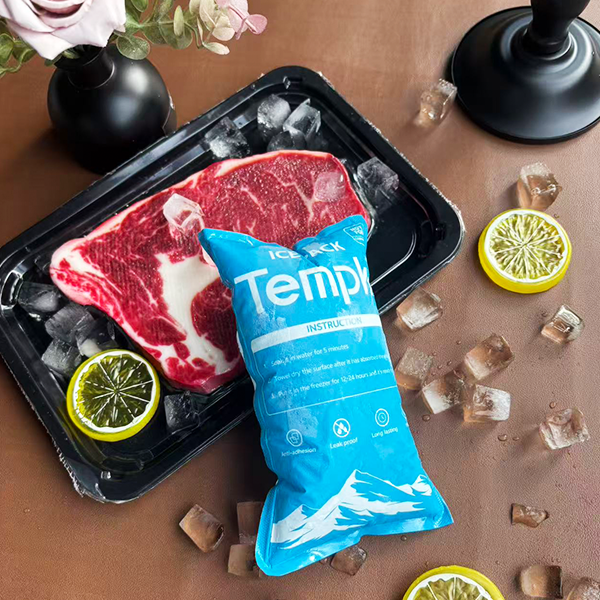
Comment approuver un pack de glace carbonique de distributeur pour la logistique pharmaceutique
L'approbation doit produire une décision traçable, ce n'est pas un article préféré du catalogue. Pour distributeur de glace carbonique pour la logistique pharmaceutique, le fichier doit montrer quel est le liquide de refroidissement, quel médicament et conditionnement il prend en charge, quelles preuves ont été examinées, comment l'offre est contrôlée, et à qui appartiennent les écarts et les changements. Cette rigueur commence par la terminologie: un « sac de glace sèche » hydraté ou réutilisable peut être de l’eau, gel, ou liquide de refroidissement à changement de phase. La glace carbonique réelle est du dioxyde de carbone solide à environ −78,5°C, libère du gaz en se sublimant, et introduit des exigences supplémentaires en matière de sécurité et de marchandises dangereuses.
Établir l’utilisation prévue sur une seule page
Avant de contacter les distributeurs, créer un brief sur l'utilisation prévue. Cela empêche les fournisseurs de résoudre des problèmes différents et rend les réponses techniques comparables..
La note doit identifier le médicament ou la famille de produits, conditions de transport requises, sensibilité connue au gel ou à toute autre exposition, paquet primaire et secondaire, plage de charge utile, et dimensions de l'expéditeur. Ces exigences doivent provenir des informations sur les produits approuvés, connaissance de la stabilité, et l'organisation qualité, pas du fournisseur de liquide de refroidissement.
Décrire le parcours en termes opérationnels. Inclure le stockage d'origine, mise en scène, assemblée, ramasser, transferts, modes, douanes si pertinent, livraison finale, heures de réception, et un retard crédible. Indiquez si la voie est en boucle ouverte ou consignée, si le réapprovisionnement est autorisé, et si une intervention est possible après une alarme.
Énumérer le cadre de qualité et réglementaire applicable à un niveau élevé. Conseils de l'OMS sur le temps- et les produits pharmaceutiques sensibles à la température et les principes du PIB de l'UE mettent l'accent sur le maintien des conditions requises grâce à un équipement approprié., qualification, procédures, surveillance, et responsabilités. Les règles nationales et l'autorisation du produit peuvent ajouter ou modifier des obligations. Le dossier doit demander aux soumissionnaires de fournir des informations; il ne doit pas leur demander d’attester de la conformité de l’acheteur.
Enfin, définir le rôle de fournisseur demandé. Le distributeur stocke-t-il un composant? Fournir des packs conditionnés juste à temps? Fournir du dioxyde de carbone solide? Managing a complete qualified shipper? La profondeur de la surveillance change avec le service.
Utilisez un test d'identité de produit en quatre parties
Un acheteur doit être capable de décrire la source de froid proposée sans utiliser le nom commercial du fournisseur..
Catégorie de composition. Déterminer s'il s'agit d'une feuille activée par l'eau, gel prérempli, PCM d'ingénierie, brique froide rigide, ou dioxyde de carbone solide. Les détails confidentiels de la formulation peuvent rester exclusifs, mais la catégorie fonctionnelle et les dangers pertinents ne peuvent pas être vagues.
Comportement physique. Est-ce qu'il gèle et fond, réchauffer à travers une région de phase, ou sublime en gaz? Quelle expansion, condensation, fuite, ou des considérations de pression suivent?
État de fonctionnement. Quelle hydratation, préconditionnement, disposition du congélateur, trempe, ou la manipulation prépare le composant? Comment cet état est-il vérifié au banc d'emballage?
Limite des preuves. Quels faits décrivent le composant, et quels résultats s'appliquent uniquement à un expéditeur testé? Une fiche matière, test d'intégrité des composants, et qualification thermique complète répondent à différentes questions.
Ce test d'identité révèle rapidement une confusion dangereuse. Un pack d'hydrates commercialisé avec l'expression « glace carbonique » n'est pas un 1845 uniquement à cause de son nom. Inversement, le dioxyde de carbone solide ne peut pas être traité comme un emballage réutilisable standard simplement parce qu'il arrive dans un format emballé.
Examiner le distributeur et le fabricant comme une seule chaîne
Le fabricant contrôle la formulation, matériels, outillage, scellage, et tests de production. Le distributeur contrôle le sourcing, reçu, identification, stockage, exécution des commandes, enregistrements, et communication avec le client. L'approbation doit montrer comment les informations et les produits circulent entre les deux organisations..
| Question de contrôle | Preuve du fabricant | Preuve du distributeur |
|---|---|---|
| Quel est le produit? | Spécification et dessin contrôlés | Fiche article correspondante, citation, et étiquette de stock |
| Comment la cohérence est-elle maintenue? | Contrôles de processus et critères de publication | Vérification des réceptions et contrôle du statut |
| Peut-on retracer beaucoup de choses? | Lot de production et historique des matériaux | Traçabilité entrant-sortant |
| Comment sont gérés les changements? | Processus de changement formel | Itinéraire contracté pour préavis au client |
| Comment les échecs sont-ils étudiés? | Analyse technique et actions correctives | Réception des plaintes, quarantaine, enregistrements, et escalade |
| Comment est gérée la continuité? | Contingence de fabrication | Politique de stocks, prévision, et proposition alternative contrôlée |
Si le distributeur ré-étiquette, remballe, conditions, ou assemble des produits, ces activités ajoutent des contrôles à l'évaluation. Un service en pack conditionné, Par exemple, a besoin de congélateurs qualifiés, procédures de chargement, critères de libération, dossiers d'équipement, et des contrôles contre les confusions. Un service de glace carbonique solide nécessite un stockage approprié, sécurité des travailleurs, gestion des quantités, et compétence en matière de marchandises dangereuses.
Les documents doivent être à jour et cohérents. Vérifier les noms, codes produit, dimensions, masse, et dates de révision à travers la fiche technique, dessin, informations de sécurité, déclarations matérielles, et le devis. Résoudre les traductions ou les conversions d'unités qui pourraient provoquer des erreurs d'emballage.
Le contrat ou l'accord qualité doit définir les enregistrements, plaintes, stock non conforme, délais de notification, et droits d’audit ou d’examen en fonction du risque. Il doit également indiquer que les substitutions nécessitent une évaluation du client plutôt qu'une exécution discrète avec un article « similaire »..
Prouvez la configuration thermique complète
La sélection des composants n'a de sens qu'au sein de l'expéditeur. Le programme de développement devrait prendre en compte l'isolation, placement du liquide de refroidissement, charge utile, espaceurs, fardage, fermeture, et emballage externe comme un seul système thermique.
Commencez par des essais techniques pour identifier les risques liés au froid et au chaud. Un liquide de refroidissement adjacent à la charge utile peut créer un point froid. Un couvercle, coin, couture, ou un espace d'air peut créer un point chaud. Les emballages flexibles peuvent s'adapter aux surfaces mais peuvent se plier; les packs rigides préservent la géométrie mais peuvent laisser des espaces. La cartographie multipoint devrait guider le plan final du capteur.
Un protocole doit définir:
- produit ou simulant justifié et sa condition de départ;
- configurations de charge utile minimale et maximale;
- modèle exact du liquide de refroidissement, quantité, placement, et conditionnement;
- isolation et tous les composants auxiliaires;
- séquence d'assemblage et temps d'exposition maximum;
- profil ambiant et durée du test;
- type de capteur, état d'étalonnage, et postes;
- critères d'acceptation et traitement de l'incertitude de mesure;
- nombre d'exécutions ou justification de l'espace de conception sélectionné.
Les profils standardisés tels que ISTA 7E peuvent prendre en charge les tests thermiques des colis. Ce sont des outils de challenge maîtrisés, pas de promesses sur chaque itinéraire. Données de voie, mode de transport, criticité du produit, exposition saisonnière, et des exceptions de livraison peuvent justifier des travaux supplémentaires.
Les suppléments techniques de l'OMS sur la qualification des conteneurs maritimes renforcent la nécessité de qualifier le système et ses composants. Le rapport de test d’un distributeur ne peut réduire le travail de développement que si sa configuration et ses conditions sont pertinentes. Si le fournisseur a testé une autre charge utile ou un autre carton, traiter le rapport comme une preuve de conception, pas d'approbation spécifique au client.
Après des tests formels, mener un projet pilote opérationnel. Utiliser le personnel réel, congélateurs, bancs de rangement, étiquettes, transferts, et récupération de données. Observez si les opérateurs peuvent répéter la configuration et si les récepteurs terminent les étapes requises. Une qualification mal transférée dans le travail de routine ne constitue pas un contrôle efficace.
Conditionnement de contrôle, Surveillance, et reçu
Le conditionnement du liquide de refroidissement est un paramètre de processus. Spécifier l'état du congélateur, orientation et espacement des paquets, taille du lot, critères minimaux de processus ou de préparation, et exposition autorisée pendant l'assemblage. Si un PCM nécessite un revenu ou une autre étape, écrivez-le dans la procédure et formez le personnel à reconnaître l'achèvement.
Une cartographie des congélateurs et une qualification des équipements peuvent être requises dans le cadre du système et de l’évaluation des risques de l’organisation.. Au minimum, l'équipement doit supporter de manière démontrable la charge de conditionnement définie. Un affichage de la température d'un congélateur vide ne prouve pas qu'un lot dense de packs nouvellement chargés atteint un état uniforme..
Le suivi doit répondre à une question de décision. Choisissez des appareils dotés d’une capacité de mesure appropriée, étalonnage, intervalle, mémoire, batterie, et accès aux données. Positionnez-les en fonction de la cartographie thermique. Définir qui configure et démarre l'enregistreur, qui s'arrête et le lit, que se passe-t-il si des données sont manquantes, et qui évalue une excursion.
Les valeurs d'alarme ne correspondent pas automatiquement aux limites de rejet du produit. La disposition du produit peut nécessiter un historique temps-température, informations sur la stabilité, incertitude du capteur, position du colis, et d'autres preuves. Gardez ce jugement avec le personnel qualité autorisé.
La réception ferme la chaîne. Vérifier l'identité de l'envoi, scellés de sécurité, le cas échéant, condition physique, statut de l'enregistreur, heure d'arrivée, et transfert vers un stockage agréé. Pour les systèmes de glace carbonique, suivez également les procédures d'ouverture et de ventilation en toute sécurité. Conserver les enregistrements sous une forme qui peut être liée au lot et à l'expédition.
Traitez la glace carbonique solide comme son propre flux de travail
Lorsque le médicament nécessite un environnement gelé ou ultra-basse et que du dioxyde de carbone solide est sélectionné, créer un flux de travail dédié plutôt que d’adapter une procédure gel-pack.
La glace carbonique se sublime en dioxyde de carbone. L'emballage doit permettre la libération des gaz et éviter une accumulation dangereuse de pression.. Pièces fermées, véhicules, et les zones de stockage nécessitent une évaluation pour l'accumulation de gaz. Le personnel a besoin d'une communication sur les dangers, protection appropriée contre le contact à froid, et des procédures de manipulation claires.
Le transport aérien invoque les exigences actuelles de l'ONU 1845 et peut impliquer des marques d'emballage, étiquettes, documentation, relevés de quantité, et arrangements avec l'opérateur. Les variations des transporteurs et les règles nationales peuvent ajouter des conditions. Un expéditeur doit faire appel à du personnel qualifié pour les marchandises dangereuses et vérifier les règles en vigueur pour l'envoi exact..
La charge utile doit rester mécaniquement sécurisée après la disparition du réfrigérant. Les matériaux à l’interface de la neige carbonique doivent tolérer les basses températures, et le contact direct avec les emballages pharmaceutiques doit être justifié. Réapprovisionnement, si autorisé, nécessite une procédure qualifiée définissant qui l'exécute, combien est ajouté, où il est placé, et comment le colis est refermé.
Ne transférez pas les franchises de bagages des passagers dans les procédures de fret commercial. Ne présumez pas que la fiche de données de sécurité d’un distributeur complète la documentation de classification ou d’expédition.. La partie proposant l'expédition conserve ses responsabilités selon les règles applicables..
Améliorer ensemble la résilience et la performance environnementale
La continuité de l’approvisionnement et la durabilité peuvent se renforcer mutuellement lorsque les changements sont maîtrisés. Segmentation des itinéraires, Par exemple, peut empêcher une courte voie stable d'utiliser la configuration lourde nécessaire pour un long itinéraire variable. Une boucle fermée peut prendre en charge les packs réutilisables tout en donnant à l'organisation plus de contrôle sur l'inventaire et l'état..
Commencez par des faits mesurés: nombre de configuration, rejets de conditionnement, paquets endommagés, taux de retour, charge du congélateur, masse du colis, écarts, et consommation de composants. Ces mesures opérationnelles identifient les opportunités sans s'appuyer sur des affirmations générales du marché..
Pour une feuille hydratée, évaluer l'efficacité du stockage entrant par rapport à l'hydratation locale, gel, travail, et élimination. Pour un PCM ou un pack de gel réutilisable, évaluer la distance de retour réelle, perte, nettoyage, inspection, et atteint l'utilisation. Pour la glace carbonique, compte de la production, sublimation, isolation, transport, et opérations de sécurité. Comparez les systèmes qui répondent aux mêmes exigences en matière de produits et d'itinéraires.
Un matériau alternatif ou une conception de masse inférieure entre toujours dans le contrôle des modifications. Le bénéfice environnemental ne prime pas sur la qualification thermique, compatibilité du produit, ou revue de qualité. Un bon programme d'amélioration conçoit le plan de preuves parallèlement au changement d'emballage afin que l'approbation ne devienne pas une réflexion après coup..
Questions fréquemment posées
Quel est le document minimum défini pour l'examen du distributeur?
Cela dépend du risque, mais les acheteurs ont généralement besoin d'une spécification ou d'un dessin de produit contrôlé, instructions d'utilisation et de conditionnement, informations pertinentes sur la sécurité et les matériaux, description de la traçabilité des lots, engagements de qualité ou de contrôle des changements, et les preuves d'essai applicables. Le propre stockage du distributeur, manutention, et les procédures de plainte peuvent également nécessiter un examen.
Un distributeur peut-il préconditionner des packs à l'acheteur?
Oui, si le service est défini et contrôlé. L'évaluation doit couvrir les équipements de conditionnement, chargement, cartographie ou qualification, le cas échéant, critères de préparation, manipulation après libération, transport jusqu'à l'acheteur, délais, identification, et des enregistrements. Le préconditionnement modifie le rôle du distributeur et ses besoins de surveillance. Les dossiers de service doivent relier chaque lot libéré à l'expédition concernée..
Quand le remplacement d'un composant présente-t-il un faible risque?
Seule une évaluation documentée peut décider. Des dimensions similaires peuvent encore cacher des différences de formulation, comportement de phase, remplir la masse, film, scellés, et conditionnement. Comparez les attributs critiques et l'effet sur le système qualifié. Des tests ciblés ou une requalification peuvent être nécessaires. La décision et les preuves à l'appui doivent rester traçables jusqu'à la configuration approuvée..
Chaque expédition devrait-elle utiliser un enregistreur?
La stratégie de surveillance doit être basée sur les risques et cohérente avec le produit, voie, qualification, attentes réglementaires, et procédures qualité. Certains programmes surveillent chaque expédition; d'autres utilisent des approches différentes. Quelle que soit la stratégie sélectionnée, elle nécessite une capacité justifiée de l'appareil, placement, étalonnage, examen des données, et gestion des écarts. La justification doit également définir quand la fréquence de surveillance doit augmenter.
Le réapprovisionnement en glace carbonique est-il un simple service de transport?
Non. Le réapprovisionnement modifie la configuration du colis et implique des risques liés au dioxyde de carbone solide et des règles de transport. Elle doit être effectuée uniquement par un, parties formées selon une procédure définie qui préserve le placement de la charge utile, quantité de liquide de refroidissement, documentation, et l'intégrité du colis. L'expéditeur doit également confirmer l'acceptation et la responsabilité du transporteur à chaque remise..
Conclusion
L'approbation est plus forte lorsque chaque revendication a un propriétaire et une limite. Le fabricant contrôle les spécifications du produit, le distributeur préserve l'identité et les enregistrements, l'équipe packaging qualifie le système, les opérations le reproduisent, et la qualité régit les exigences, écarts, et changer.
Cette structure empêche qu'une étiquette « bloc de glace sèche » ne cache quatre catégories différentes de liquides de refroidissement ou n'implique une conformité universelle.. Cela donne également aux marchés publics une base durable pour comparer l'offre, résilience, et des améliorations environnementales sans affaiblir l’État qualifié.
À propos du tempk
Tempk publicly presents multiple passive-cooling formats and insulated packaging components for pharmaceutical logistics. Cette plage peut prendre en charge une comparaison structurée entre les feuilles d'hydrates, packs de gel, briques de glace, et les conteneurs environnants, mais le composant sélectionné nécessite encore une identification exacte et une documentation contrôlée. Tempk peut participer à la discussion sur l'utilisation prévue et à l'étape d'échantillonnage pendant que l'acheteur et le distributeur établissent le cadre de qualité applicable..
Envoyez à Tempk le brief d'une page sur l'utilisation prévue décrit ci-dessus et demandez une réponse liée à un code produit spécifique.. Utilisez cette réponse pour créer le dossier du distributeur, plan de test, et l'accord d'approvisionnement avant d'approuver les commandes courantes.
Choisissez un distributeur de glace carbonique pour les emballages médicaux
Comment choisir un distributeur de glace carbonique pour les emballages médicaux
The costliest error in sourcing a distributor dry ice pack for medical packaging often occurs before a sample is opened: l'acheteur et le vendeur utilisent le terme « bloc de glace carbonique » pour désigner différents matériaux. La vraie neige carbonique est du dioxyde de carbone solide. De nombreux produits vendus sous la même expression sont des feuilles d'hydrates activées par l'eau qui sont congelées et utilisées comme réfrigérants flexibles.. L’un peut convenir à une charge utile profondément gelée et nécessiter des contrôles de marchandises dangereuses; l'autre peut supporter un emballage passif réfrigéré ou congelé sans être du tout du dioxyde de carbone. Un achat judicieux passe par des étapes de décision claires, en commençant par les exigences du produit et en terminant par un approvisionnement de production contrôlé.
Porte 1: Définir ce qui doit être protégé
Commencez par une exigence utilisateur approuvée, pas une demande générique de « garder ça au froid ». Identifier le produit médical ou l'échantillon, conditions de stockage et de transport étiquetées, sensibilité au gel, durée autorisée, et processus d'excursion autorisé. Si le produit a plusieurs configurations, noter les charges thermiques les plus petites et les plus grandes. Si un seul composant d’un kit est sensible, décrire sa position et son emballage secondaire.
Ensuite, définissez le voyage. Enregistrez le temps normal de porte à porte, retard crédible, mode d'expédition, exposition saisonnière, transferts, risque du week-end, et heures de réception. Inclure les ressources de préparation de l’origine: type de congélateur, stockage mappé le cas échéant, espace de préparation, personnel formé, et contraintes de temps d'emballage. Une conception qui exige des procédures que le site ne peut pas répéter n'est pas adaptée même si elle fonctionne dans un laboratoire spécialisé..
Séparer les besoins thermiques des autres besoins en matière d'emballage médical. Un échantillon peut nécessiter un confinement primaire et secondaire étanche. Un dispositif stérile peut nécessiter une barrière de protection. Un flacon en verre nécessite un contrôle des chocs et des contacts. Le liquide de refroidissement ne peut pas compenser un système de confinement inadéquat, and an insulated box does not automatically meet biological-substance or dangerous-goods packing rules.
Terminez ce portail avec des critères d'acceptation approuvés par le propriétaire qualité. Ils doivent indiquer quelle température est évaluée, où il est mesuré, comment le temps passé en dehors des limites est traité, et qu'est-ce qui constitue un laissez-passer. Le distributeur de liquide de refroidissement peut alors répondre à un besoin défini plutôt que d'en inventer un.
Porte deux: Identifiez le réfrigérant sans conditions marketing
Demander l'identité technique par écrit. Si le matériau est du dioxyde de carbone, solide, c'est de la vraie neige carbonique. Dans des conditions atmosphériques normales, il se sublime en gaz et crée une source extrêmement froide.. Son colis doit libérer du gaz, et les manutentionnaires ont besoin de protection et de ventilation. Le transport aérien invoque les règles actuelles de l'ONU 1845 marquage, étiquetage, quantités, documentation, entraînement, et acceptation de l'opérateur, le cas échéant.
Si le produit est une feuille d'hydrate, il est fourni sec, prend de l'eau, et est congelé avant utilisation. Une structure absorbante retient l'eau à travers les cellules afin que la feuille puisse se plier autour d'une charge utile ou tapisser des surfaces.. Il ne génère pas de dioxyde de carbone et ne doit pas être traité comme UN 1845. Il nécessite ses propres contrôles de préparation, y compris l'activation, drainage, gel, stockage propre, et inspection des dommages.
Gel packs and purpose-formulated PCMs add further choices. Un pack de gel prérempli peut simplifier la préparation mais occuper plus d'espace d'entrée et de congélation. La transition de phase d'un PCM peut être sélectionnée pour une région cible, mais les instructions de formulation et de conditionnement nécessitent une vérification. Aucune catégorie n'est automatiquement meilleure. Le bon liquide de refroidissement absorbe la chaleur attendue tout en évitant les dommages causés par le froid.
| Si le fournisseur dit… | Clarifiez ce point | Ne présumez pas… |
|---|---|---|
| « Bac de glace carbonique » | Dioxyde de carbone solide ou feuille d'hydrate congelée? | Le nom définit la classification des transports |
| « Qualité médicale » | Quel matériau, qualité, ou l'exigence de test soutient l'expression? | Adéquation à chaque médicament ou échantillon |
| "Longue durée" | Sous quel profil ambiant, charge utile, isolation, et gamme? | Un temps de maintien universel |
| « Réutilisable » | Quelle inspection, nettoyage, stockage, et le processus de retraite s'applique? | Chaque unité retournée peut reprendre du service en toute sécurité |
| « Validé » | Quelle configuration complète et quel protocole ont été évalués? | Un composant est qualifié pour n’importe quelle case ou voie |
Ce contrôle linguistique est un contrôle des risques. Il empêche que les règles de sécurité relatives au dioxyde de carbone solide soient appliquées à tort à une feuille d'hydrates et empêche qu'un nom commercial inoffensif cache les obligations réelles en matière de neige carbonique..
Porte trois: Conception autour des points chauds et des points froids
A passive shipper works by slowing outside heat and storing thermal energy in refrigerants and payload. La chaleur pénètre par les faces isolantes, articulations, espaces du couvercle, et échange d'air. La position du liquide de refroidissement crée un gradient de température: la région touchant une meute peut être beaucoup plus froide que le centre, tandis qu'un coin éloigné peut se réchauffer d'abord plus tard dans le parcours.
Pour les produits sensibles au gel, le contact direct mérite une attention particulière. Utilisez une entretoise conçue, carton secondaire, ou tampon uniquement s'il est inclus dans le pack testé. Ne pas ajouter de carton improvisé au banc d'emballage. Pour les produits surgelés, garantir que le dispositif de refroidissement supporte tous les côtés exposés à la chaleur sans écraser ni compromettre l'emballage du produit.
La masse de la charge utile et l’espace vide peuvent inverser les attentes. Une grande charge liquide préconditionnée a une inertie thermique importante. Un carton presque vide peut contenir plus d'air en mouvement et moins de masse thermique. Testez les extrêmes de charge sélectionnés par l’évaluation des risques. Définir le fardage et l'orientation afin qu'un opérateur ne puisse pas placer la charge utile contre la mauvaise face.
La cartographie doit inclure suffisamment de capteurs calibrés pour localiser les positions probablement chaudes et froides.. Coupler les sondes de manière cohérente au milieu évalué; la température de l'air et la température simulant le produit ne sont pas la même mesure. Enregistrer les conditions initiales, temps d'emballage, fermeture, profil ambiant, et emplacements des capteurs. La sélection de l'enregistreur de données est importante, mais un enregistreur observe uniquement le système. Il ne fournit aucun refroidissement.
Porte quatre: Convertir un échantillon en preuve de qualification
Le dépistage sur banc peut éliminer les mauvais ajustements, mais cela ne doit pas être présenté comme une qualification. Une étude contrôlée relie la nomenclature exacte à un protocole avec des critères prédéfinis. La configuration de test doit inclure l'isolation de production, modèle et quantité de liquide de refroidissement, couches tampons, configuration de la charge utile, fermeture, étiquettes si elles affectent l’assemblage, et mode d'emploi.
Utiliser des challenges externes justifiés par le processus de distribution. ISTA 7E fournit des profils thermiques reconnus pour les tests de livraison de colis et peut prendre en charge une comparaison générale. Le profilage d'itinéraire peut ajouter des preuves à partir de voies réelles, y compris les modèles de séjour et saisonniers. Ni l’un ni l’autre ne supprime le besoin d’évaluer votre charge utile et votre processus.
L'étude devrait remettre en question les variations crédibles: charge minimale et maximale, exposition saisonnière pertinente, variabilité de l'emballage, et des retards le cas échéant. Chaque déclaration de performance doit rester attachée à ces conditions. « Plage maintenue pour le profil testé avec cette configuration » est informatif. « Garder les médicaments en toute sécurité » n'est pas.
La qualification s'étend également à l'exécution. Former les emballeurs en utilisant les instructions approuvées et observer si les étapes sont claires. Confirmez que l'activation et le conditionnement de la feuille d'hydrate peuvent être répétés dans le cadre du chargement de routine du congélateur.. Vérifiez que la glace carbonique réelle peut provenir, pesé, manipulé, et documenté dans la fenêtre d'expédition. Confirmez que le récepteur peut récupérer les données de surveillance et déplacer le produit rapidement.
Modèle d’orientation de l’OMS pour le temps- et les produits pharmaceutiques sensibles à la température prennent en charge des systèmes d'expédition qualifiés, connaissance de l'itinéraire, surveillance, et reçu documenté. La législation locale et les approbations de produits prévalent, les équipes qualité et réglementaires doivent donc déterminer quelles directives et quels enregistrements s'appliquent à chaque marché.
Porte cinq: Verrouiller le distributeur sur le produit évalué
La transmission des données perd de la valeur si les unités de production diffèrent de l'échantillon. Les spécifications d'achat doivent identifier le type de liquide de refroidissement, modèle, disposition des cellules ou géométrie du conteneur, dimensions et tolérances, masse pertinente, matériels, instructions de préparation, défauts visuels, conditionnement, stockage, codage de lots, and revision. Pour les feuilles activées à l'eau, définir la méthode d'activation utilisée dans la qualification et quels attributs sont vérifiés à l'origine.
Accepter la notification de changement. Changements dans le cinéma, milieu absorbant, modèle de sceau, remplir, dimensions, site de fabrication, ou les conseils de préparation peuvent affecter les performances. Même un changement d'emballage peut influencer le contrôle de la contamination ou l'identification des stocks.. Le distributeur ne doit pas remplacer un produit d'apparence similaire sans examen.
Définir des contrôles entrants proportionnés au risque. Confirmer l'identité, quantité, parcelle, révision, état du carton, propreté, dimensions ou masse selon un plan d'échantillonnage approuvé, et l'intégrité des coutures. Fuites de quarantaine, modèles mixtes, et documents inattendus. Défauts de tendance plutôt que de traiter chaque événement comme isolé.
Les questions commerciales comptent, mais ils doivent suivre la définition technique. Renseignez-vous sur la disponibilité des échantillons, emballage de production, quantités commandées, planification des délais, communication prévisionnelle, et options de continuité. N'acceptez pas une source alternative uniquement parce que sa taille unitaire correspond. Chaque remplaçant doit être évalué par rapport aux attributs critiques et, là où c'est nécessaire, le pack qualifié.
La propriété des documents est un autre contrôle pratique. Conserver la spécification approuvée, instructions d'emballage, rapport de qualification, diagramme de placement de l'enregistreur, et procédure de réception sous contrôle de révision aligné. Un entrepôt ne doit pas continuer à utiliser un ancien diagramme de couches après que l'ingénierie a modifié un espaceur ou un nombre de feuilles.. Réconcilier périodiquement les documents en station de conditionnement avec les versions détenues par la qualité et les approvisionnements. Si un distributeur révise ses directives de préparation, évaluer le changement avant de remplacer les instructions contrôlées. Cette simple vérification des documents évite qu'une conception techniquement solide ne dérive à travers les photocopies., formation informelle, ou stock mixte.
Exécuter l'envoi en tant que processus contrôlé
À l'activation, utiliser l'eau spécifiée, temps, drainage, et orientation pour les feuilles d'hydrates. Congelez-les dans des conditions définies avec suffisamment de flux d'air et de temps pour une préparation cohérente. Séparez les packs conditionnés par modèle et statut. Inspecter les fuites, joints faibles, contamination, et activation incomplète avant l'emballage.
Au banc, comptez chaque composant et suivez une séquence visuelle de couches. Révision du pack d'enregistrement, beaucoup de liquide de refroidissement si nécessaire, identité du produit, identité de l'enregistreur, heure de fermeture, et vérifications des étiquettes de l'expéditeur. Limiter le temps pendant lequel les matériaux conditionnés et la charge utile sont exposés pendant l'assemblage. Si de la vraie neige carbonique est utilisée, suivre les procédures formées pour l'équipement de protection, ventilation, emballage ventilé, et les marques et documents de transport applicables.
A la réception, inspecter avant de démonter. Délai de livraison record, dommage, humidité, état du joint, surveiller l'état, et toute anomalie. Transférer la charge utile vers un stockage contrôlé. Une alarme doit déclencher la quarantaine et l'examen approuvé, il ne s’agit pas d’une décision automatique de libération ou d’élimination. La fonction qualité autorisée utilise la stabilité du produit et les données complètes d'expédition pour déterminer l'élimination.
Boucler la boucle grâce à un examen périodique. Comparez les retards, alarmes, dommage, écarts d'emballage, et défauts du fournisseur. Une requalification ou une évaluation documentée peut être nécessaire après un changement de voie, charge utile, composant, fournisseur, ou processus. Un packout est une stratégie de contrôle maintenue, pas un projet ponctuel.
Questions fréquemment posées
Quelles informations doivent être envoyées avec une demande de devis?
Fournir la description de la charge utile, condition de température approuvée, sensibilité au gel, dimensions et masse de la charge utile, isolation ou expéditeur envisagé, itinéraire et mode, durée normale et imprévue, conditions saisonnières, capacité de conditionnement d'origine, plan de surveillance, modèle de commande, et documents fournisseurs requis. Les détails sensibles du produit peuvent rester contrôlés tout en fournissant suffisamment de contexte technique.
La glace carbonique est-elle plus sûre car elle est plus froide?
Non. Plus froid n’est pas automatiquement plus sûr. Le dioxyde de carbone solide peut prendre en charge des expéditions congelées correctement définies, mais il peut geler ou endommager les produits destinés à être réfrigérés. Il introduit également le contact à froid, gaz, ventilation, pression, et considérations relatives aux règles de transport. Utilisez-le uniquement lorsque les exigences du produit et le système qualifié le justifient.
Un distributeur peut-il fournir un pack de liquide de refroidissement « conforme »?
Un distributeur peut fournir des matériaux contrôlés et des informations complémentaires, mais la conformité appartient au processus d'expédition et au système qualité applicable. Exigences du produit, qualification du système, emballage formé, documentation, surveillance, règles du transporteur, et recevoir des contrôles contribuent tous. Demandez des preuves spécifiques plutôt qu’une allégation de conformité illimitée.
Quand une feuille d’hydrate doit-elle être retirée de la réutilisation?
Suivez le programme approuvé et les informations sur les fournisseurs. Les signes de rejet courants incluent la perforation, coutures qui fuient, contamination, odeur persistante, identification endommagée, gonflement anormal, ou une forme qui empêche le placement qualifié. La réutilisation doit inclure une inspection, nettoyage, stockage, reconditionnement, et traçabilité; l’apparence seule ne peut pas résoudre toutes les préoccupations.
Quel est le rôle d'un enregistreur de température?
Un enregistreur enregistre les conditions à l'emplacement de son capteur et prend en charge l'examen des réceptions et des excursions fondé sur des preuves.. Il ne protège pas la charge utile et ne valide pas le package par lui-même. Sélectionnez-le et placez-le en fonction du plan de surveillance et des données de qualification, maintenir l'état d'étalonnage, et définir comment ses enregistrements sont récupérés et examinés.
Conclusion
La sélection d'un distributeur de glace carbonique pour les emballages médicaux est un processus en cinq étapes: définir le produit et l'itinéraire, identifier le vrai réfrigérant, conception pour les gradients thermiques, qualifier le système exact, et contrôler l'approvisionnement de la production. Exécution opérationnelle et réception puis conservation des preuves intactes. Ce cadre évite l'erreur de catégorie courante entre les feuilles de dioxyde de carbone solide et les feuilles de liquide de refroidissement hydraté tout en donnant aux achats, ingénierie, et équipes qualité, une base de décision partagée. Cela transforme également de larges promesses en conditions vérifiables..
À propos du tempk
Les feuilles de liquide de refroidissement hydraté de Tempk sont décrites dans ses documents publics comme étant plates., produits activés par l'eau qui sont congelés avant d'être placés dans des emballages isolés sous chaîne du froid. Nous pouvons aider les acheteurs à discuter de la disposition des cellules, flux de préparation, format personnalisé, fourniture d'échantillons, et l'ajustement de l'emballage tout en gardant la limite des preuves claire. Critères des produits médicaux, qualification d'itinéraire, décisions concernant les marchandises dangereuses, et l'approbation de qualité finale appartient à l'expéditeur responsable et au propriétaire du produit..
Fournir à Tempk les exigences de l'utilisateur et le dessin d'emballage actuel pour demander une recommandation d'échantillon ciblée et une discussion sur l'approvisionnement en production..
Choisissez un distributeur de glace carbonique pour la logistique du fromage
Comment choisir un pack de glace sèche pour distributeur pour la logistique du fromage
Une expédition de fromage n'a pas besoin du réfrigérant le plus froid disponible. Il lui faut une écurie, environnement reproductible qui correspond aux spécifications du producteur sans geler le produit, mouiller son emballage, ou créant un risque de manipulation évitable. Ce principe devrait guider toute recherche d’un distributeur de blocs de glace carbonique pour la logistique du fromage. Clarifiez d'abord le nom: la vraie neige carbonique est du dioxyde de carbone solide, tandis qu'un « bloc de glace carbonique » hydraté est une feuille activée par l'eau qui est gelée comme un autre liquide de refroidissement réutilisable.. Ensuite, évaluez le fromage, itinéraire, isolation, placement des paquets, site d'exploitation, et les contrôles des fournisseurs ensemble. Le pack complet, pas le pack de marque, détermine le résultat.
Rédigez un briefing sur le fromage et la route
Commencez par le fromage. Enregistrez le style, niveau d'humidité ou description pertinente de la composition, état de croûte et de maturation, format d'emballage, dimensions du boîtier, masse de charge utile, et sensibilité au gel, écrasement, odeur, ou de la condensation. Les conditions de stockage et de transport approuvées par le fabricant doivent être à l’origine des exigences de température.. Frais, doux, dur, déchiqueté, et les fromages fondus ne devraient pas se voir attribuer un seul réglage universel.
Définir les conditions de vente à l'arrivée. La sécurité alimentaire est fondamentale, mais la qualité commerciale inclut la texture, surface, arôme, état de l'étiquette, durée de conservation restante, et présentation au détail. Un emballage qui protège la température lors du broyage des cuves ou du trempage des cartons n'a pas répondu aux exigences de l'utilisateur..
Cartographier l'itinéraire depuis le stockage contrôlé jusqu'au réfrigérateur ou à la chambre froide du destinataire. Inclure le temps de montage, mise à quai, ramassage par le transporteur, moyeux, transport de ligne, inspection ou douane, dernier kilomètre, livraison sans surveillance, et déballage. Notez la durée normale, des retards crédibles, exposition saisonnière, mode d'expédition, et jours d'expédition. Une attente prévisible le week-end peut être mieux résolue par la planification plutôt que par l'ajout de réfrigérant..
Capacité d’origine et de destination des documents. Le site d'emballage peut-il hydrater et congeler les feuilles de manière constante au volume maximal? Dispose-t-il d'un stockage propre et conditionné ?? Le destinataire peut-il récupérer un enregistreur et mettre en quarantaine une livraison douteuse? Le packaging doit être exécutable par le site le moins équipé du réseau prévu.
Choisissez le réfrigérant par mode de défaillance
La vraie neige carbonique est du CO2 solide. Il fournit une source très froide et se transforme directement en gaz. Pour les fromages destinés à rester réfrigérés, que le froid peut créer un risque sérieux de limite inférieure, en particulier aux points de contact directs. Le dioxyde de carbone solide nécessite également une ventilation, dégagement de gaz du colis, manipulation protectrice, et contrôles du transport aérien applicables. Il ne doit être sélectionné que lorsque l'état du fromage et le système testé le justifient..
Une feuille d'hydrate activée par l'eau arrive à plat et sèche, absorbe l'eau, et est congelé avant l'emballage. Plusieurs cellules peuvent répartir la masse thermique et se plier autour des boîtiers de produits. Cela peut être utile pour la géométrie des parcelles et le stockage avant utilisation., mais l'activation et le conditionnement introduisent une variation du processus. Le mot « glace carbonique » dans le nom commercial ne rend pas la feuille CO2, définir un temps de maintien, ou prouver l'adéquation alimentaire.
Pre-filled gel packs reduce activation steps, while rigid ice bricks offer fixed geometry. Les matériaux à changement de phase spécialement formulés peuvent cibler une région de transition définie. Chaque format échange du stockage, travail, espace de charge utile, zone de contact, fuite, et exigences de conditionnement. Comparez-les aux échecs probables:
| Échec probable | Réponse de conception à examiner | Preuve requise |
|---|---|---|
| Le fromage se réchauffe dans un coin du couvercle | Meilleur joint d'isolation ou liquide de refroidissement redistribué | Carte de température sous un profil ambiant justifié |
| Le produit se fige à côté d'un paquet | État du liquide de refroidissement plus doux, tampon, ou changement d'emplacement | Données de point froid utilisant des packs de fromages représentatifs |
| Les étiquettes et les cartons deviennent mouillés | Contrôle des fuites, doublure, couche absorbante, ou plan de condensation | Essai d'emballage via l'emballage et la réception |
| Les unités molles se déforment | Plateau structurel et retenue du liquide de refroidissement | Contrôle de manutention mécanique à pleine charge |
| L'emballage varie selon le travailleur | Décompte plus simple, orientation, et instruction visuelle | Constructions de packs répétées par des opérateurs de routine |
| Le retard dépasse la marge thermique | Changement d'horaire, changement d'itinéraire, ou éventualité qualifiée | Données d'itinéraire et défi étendu contrôlé |
Cette méthode basée sur les échecs empêche l'équipe de considérer la quantité de liquide de refroidissement comme le seul levier de conception.. Parfois un détail du couvercle, calendrier d'expédition, ou un insert structurel résout le vrai problème avec moins de matériau.
Concevoir l'espace entre le liquide de refroidissement et le fromage
La chaleur traverse le carton extérieur et l'isolation à travers de larges faces, coins, articulations, et ouvertures. Le réfrigérant absorbe cette énergie, mais ça crée un dégradé à l'intérieur. Les surfaces les plus proches d'un pack gelé sont initialement plus froides; les endroits proches des fuites de chaleur deviennent plus chauds plus tard. Les deux extrêmes doivent rester acceptables.
Le contact direct augmente le transfert de chaleur conducteur. Pour un fromage sensible au gel, utiliser un mur de carton conçu, entretoise, ou un tampon pour séparer le réfrigérant du pack de vente au détail. Préciser sa matière et sa position dans la nomenclature. Une feuille de carton en vrac ajoutée par un emballeur n'équivaut pas à une entretoise contrôlée, surtout quand l'humidité peut le ramollir.
L'espace de tête modifie le mouvement de l'air interne et le volume de charge utile utile. Trop de vide peut permettre au liquide de refroidissement de glisser ou nécessiter une capacité thermique inutile. Un suremballage peut écraser le fromage ou bloquer la disposition prévue. Développer des modèles de chargement fixes pour les tailles de commande courantes, y compris les charges utiles les plus basses et les plus élevées qui seront proposées.
Gérez l’humidité sans sceller un nouveau problème dans la boîte. Confirmer l'intégrité des coutures du paquet, protéger les structures ondulées des fuites, et pensez à la condensation lorsque des produits froids rencontrent de l'air humide. Un tampon absorbant peut retenir le liquide mais peut également altérer le contact thermique. Testez les étiquettes de vente au détail réelles, tissu, manches, et des séparateurs car le matériel de présentation peut se comporter différemment lorsqu'il est froid et humide.
Préconditionner le fromage selon le procédé approuvé. Il ne faut pas s'attendre à ce qu'un emballage passif tire uniformément une charge chaude vers le bas.. Définissez une exposition maximale au banc d'emballage et coordonnez la récupération du liquide de refroidissement afin qu'aucun composant n'attende inutilement..
Prouvez la configuration exacte
La qualification commence par une nomenclature contrôlée et un dessin d'emballage. Identifier le carton, isolation, doublure, modèle et quantité de liquide de refroidissement, tampon, diviseur, fardage, charge de fromage, enregistreur, et fermeture. Enregistrez l'état de préparation de la charge utile et de chaque liquide de refroidissement. Le rapport de test doit permettre à une autre personne formée de reconstruire la configuration.
Sélectionnez les défis ambiants qui répondent à la question de l'itinéraire. Les profils ISTA 7E peuvent être utilisés pour les tests thermiques et la comparaison des colis. Les données réelles sur les voies peuvent révéler une présence dans le hub local, exposition au seuil de la porte, ou un froid hivernal qu'un profil général ne capte pas. Expliquez la base de chaque défi et n'étendez pas automatiquement un laissez-passer à des itinéraires non testés..
Placez les capteurs calibrés dans des positions probablement chaudes et froides. Une sonde centrale uniquement peut ne pas geler à côté d'un paquet et ne pas chauffer près d'un couvercle.. Spécifier si un capteur mesure l'air, une surface de produit, ou un simulant. Examinez chaque emplacement par rapport aux critères d’acceptation; ne pas se fier à une moyenne qui cache un échec local.
Évaluez des charges extrêmes réalistes et des variations de fonctionnement. Une boîte presque vide a moins de masse thermique; une boîte pleine peut modifier le débit d'air. Différents emballeurs peuvent s'hydrater, vidange, Orient, et fermer le système différemment. Piloter la procédure avec les opérateurs de routine et mettre à jour les instructions lorsqu'ils rencontrent une ambiguïté.
Les essais d'expédition peuvent confirmer la manipulation et les transferts après des tests contrôlés. Instrumentez-les et documentez les retards plutôt que d’appeler une preuve de livraison sans incident. Les preuves de qualification restent liées aux composants et au processus exacts. Un changement de fiche, isolation, charger, tampon, ou l'itinéraire devrait déclencher une évaluation documentée et, là où le risque exige, tests supplémentaires.
Transformez les réclamations des distributeurs en contrôles d'achat
La demande de devis doit demander une identité technique, pas seulement un nom commercial. Précisez si l'article proposé est hydraté, gel, PCM, glace rigide, ou CO2 solide. Demander des dimensions et des tolérances, disposition des cellules ou des conteneurs, masse pertinente, matériels, instructions d'activation et de conditionnement, conditions de stockage, critères de défauts visuels, codage de lots, et emballage en carton.
Examiner la documentation matérielle pour le scénario d’utilisation alimentaire prévu et la destination. Normalement, le liquide de refroidissement reste à l'extérieur de l'emballage du fromage scellé., mais fuite, impression, et la propreté des surfaces compte toujours. Une déclaration « qualité alimentaire » doit être prise en charge dans un champ d'application défini. Cela ne devrait pas impliquer une autorisation de contact direct partout.
Connectez les échantillons aux ordres de production. Le devis et le code d'achat doivent identifier la même révision que celle utilisée lors des tests.. Demandez comment les changements apportés au film, milieu absorbant, modèle de sceau, remplir, dimensions, site, ou les instructions de préparation sont communiquées. Établir des contrôles entrants et un processus de réclamation qui capture le modèle, parcelle, des photos, et enregistrements d'activation.
L'évaluation commerciale intervient après le contrôle de configuration. Discutez des quantités commandées, échantillons, prévision, emballage de production, planification des délais, et continuité. Calculer le coût total du site à l'aide des intrants mesurés: prix unitaire, volume entrant, travail d'activation, capacité du congélateur, temps d'emballage, impact sur la boîte de sortie, pertes, retours, et élimination. Évitez les pourcentages d’économies de coûts non pris en charge.
Pour un approvisionnement alternatif, comparer les attributs critiques et les preuves de test. Deux feuilles de mêmes dimensions extérieures peuvent absorber une eau différente, plier différemment, ou créer un autre contact. La substitution d’urgence devrait nécessiter un examen technique et qualité.
Fonctionner, Recevoir, et améliorer
Pour les packs d'hydrates, une instruction de travail doit couvrir une activation propre, drainage, chargement au congélateur, préparation, ségrégation, et inspection. Le débit d'air du congélateur et la taille des lots peuvent affecter la cohérence. Étiqueter l'inventaire conditionné par modèle et statut, et rejeter les fuites, contamination, coutures faibles, ou cellules anormales.
Les instructions d'emballage doivent être visuelles et brèves. Afficher chaque couche, orientation du liquide de refroidissement, nombre de produits, position de l'entretoise, emplacement de l'enregistreur, et fermeture. Enregistrez la révision de l'emballage et toutes les informations requises sur le lot.. Si de la glace carbonique réelle est utilisée, conserver ses documents de manipulation et de transport formés distincts des travaux ordinaires sur les packs de liquide de refroidissement.
A la réception, inspecter l'état extérieur, humidité, joint, emballage du produit, liquide de refroidissement, et l'état de surveillance. Déplacez rapidement le fromage dans son stockage défini. Lorsque les critères ne sont pas remplis, séparer le chargement et suivre le processus approuvé en matière de sécurité alimentaire et de qualité. Le fait qu'un paquet reste congelé confirme l'observation, pas une décision de libération.
Examiner périodiquement les performances de livraison. Alarmes chaudes de tendance, défauts de qualité côté froid, fuites, paquets écrasés, itinéraires tardifs, et écarts d'emballage. Un motif près d'un coin peut suggérer un pont thermique. Les dommages répétés sur les étiquettes peuvent nécessiter une gestion de l'humidité. Les échecs fréquents tard le vendredi indiquent une planification. Fournir au distributeur des preuves spécifiques au lot lorsque la présence de liquide de refroidissement est suspectée.
Les allégations environnementales nécessitent une limite complète
Un dimensionnement approprié peut réduire le carton, isolation, réfrigérant, et un espace vide, mais chaque format de chargement nécessite un espacement testé. Les feuilles plates d'hydrates peuvent réduire le volume entrant et celui de l'entrepôt avant leur activation. C'est une propriété logistique concrète, pas la preuve d’un impact environnemental total plus faible.
Une comparaison équitable inclut la production matérielle, fret entrant, eau d'activation, énergie de congélation, poids sortant, réutilisation réussie, transport de retour, nettoyage, dommage, perte de produit, et fin de vie. Utiliser les données d'exploitation de l'itinéraire réel. Un emballage théoriquement réutilisable peut être un mauvais choix dans un réseau de consommateurs ouvert avec peu de retours, tandis que le même emballage peut bien fonctionner dans une boucle contrôlée entre la laiterie et le restaurant.
Concevoir un processus de réutilisation avant d’en réclamer le bénéfice. Retours de quarantaine, inspecter les fuites et la contamination, nettoyer selon les instructions du matériau, séchez-les et rangez-les, les reconditionner, et définir la retraite. Comptez les utilisations réussies plutôt que les cycles promis. Pour les itinéraires à usage unique, rechercher le moins de matériaux qui protège encore la qualité alimentaire et commerciale.
Les demandes d'élimination et de recyclage doivent refléter l'infrastructure locale et la construction complète.. Les films multicouches et les contenus absorbants ne peuvent pas entrer dans la collection ordinaire. Donnez aux utilisateurs des informations précises sur les matériaux et évitez une large allégation de recyclage non étayée dans la destination..
Questions fréquemment posées
Que devrait tester en premier un producteur de fromage?
Commencez par les charges extrêmes les plus pertinentes et les défis liés aux itinéraires saisonniers.. Cartographier les points chauds et froids à l'aide de l'emballage de vente au détail réel, isolation, liquide de refroidissement, et entretoises. Inspectez également la condensation, étiquettes, écrasement, et le mouvement. Un laissez-passer thermique qui endommage la présentation vendable n'est pas un laissez-passer complet. Inclure les conditionneurs de routine dans l'essai.
Un sac de glace sèche hydratée nécessite-t-il des étiquettes de marchandises dangereuses?
Pas seulement à cause de son nom. Et 1845 s'applique au dioxyde de carbone, solide. Confirmer la composition réelle à partir de la spécification. Si le réfrigérant est de la vraie neige carbonique, suivre les exigences applicables en matière de transporteur et de mode; s'il s'agit d'une feuille d'hydrate à base d'eau, utiliser les informations de sécurité et d'expédition pour ce matériau.
Un emballage peut-il couvrir toutes les tailles de commande de fromage?
Éventuellement, mais il ne faut pas supposer. Différentes masses de charge utile et volumes vides produisent différents comportements thermiques et mouvements.. Les configurations modulaires peuvent couvrir plusieurs tailles de commande si chaque modèle de charge défini est testé et si les opérateurs peuvent identifier la version correcte de manière fiable. Gardez chaque version clairement codée.
Si l'enregistreur de température touche le fromage?
Le placement dépend de l'objectif de surveillance et des données cartographiques. Un appareil peut être attaché à un emballage de produit représentatif ou placé à un emplacement cartographié, mais un contact direct peut changer la réponse. Définir la méthode, reste cohérent, et ne placez pas l'enregistreur à côté du liquide de refroidissement simplement parce que cela est pratique.
Conclusion
Le choix d’un distributeur de glace carbonique pour la logistique fromagère commence par les limites du fromager et les modes de défaillance du parcours.. Identifiez correctement le réfrigérant, concevoir les interfaces thermiques et physiques, qualifier la configuration exacte, et lier l'offre de production à une spécification contrôlée. Un processus d'origine reproductible et une routine de réception disciplinée préservent ces preuves dans le fonctionnement quotidien. L’amélioration environnementale vient alors d’un dimensionnement mesuré, stockage compact avant utilisation, réutilisation viable, et des informations honnêtes sur la fin de vie plutôt que d'une seule réclamation matérielle.
À propos du tempk
Tempk décrit sa gamme de feuilles de liquide de refroidissement hydraté comme étant activée par l'eau, à plat avant préparation, et conditionné au congélateur pour une utilisation dans des emballages isolés de la chaîne du froid. Nous pouvons aider les équipes logistiques du fromage à discuter de la disposition des cellules, ajustement de la feuille, activation à grande échelle, format personnalisé, manipulation des échantillons, et détails de la commande répétée. Le propriétaire du fromage reste responsable de la définition des critères du produit et de la preuve de l'emballage et du parcours complets dans le cadre de son système de sécurité alimentaire et de qualité..
Apportez à Tempk votre profil de fromage, matrice de taille de commande, données d'itinéraire, dessin d'isolation, et le flux de travail du site lors de la demande d'un exemple de configuration pour une évaluation contrôlée.
Pack de glace carbonique en vrac pour la logistique des légumes: Précisez-le

Comment spécifier un pack de glace carbonique en vrac pour la logistique des légumes
The right bulk dry ice pack for vegetable logistics is not the one with the lowest advertised temperature. C'est le paquet qui aide une charge de légumes définie à rester dans ses propres conditions acceptables tout au long d'un itinéraire défini., sans créer de blessures dues au froid, fuite, accumulation de gaz dangereuse, ou un processus d'emballage irremplaçable. Atteindre cette décision nécessite trois portes: identifier correctement le liquide de refroidissement, établir ce que la culture peut tolérer, et prouver l'emballage complet sous l'exposition pertinente. S'il manque une porte, une réclamation à faible prix unitaire ou à durée impressionnante a peu de valeur d'achat.
Commencez par définir l’échec
« Gardez-le frais » n'est pas un critère d'acceptation. L'acheteur doit indiquer quels résultats rendent l'envoi inacceptable et comment ils seront détectés..
Pour une récolte, le principal risque pourrait être le flétrissement après un dernier kilomètre chaud. Pour un autre, il peut s'agir de piqûres ou d'une décoloration causée par un froid excessif. Un tiers peut être particulièrement sensible à la condensation, écrasement physique, ou chargement mixte incompatible. La température est centrale, mais la qualité des produits reflète aussi la maturité, état initial, temps, humidité, atmosphère, flux d'air, et manutention mécanique.
Utiliser des conseils spécifiques à un produit plutôt qu’une seule gamme de produits. Manuel agricole de l'USDA 66 organise les recommandations de stockage par produit, tandis que les documents du Codex et de la FAO mettent l'accent sur la température, humidité, ventilation, conditionnement, et protection contre les blessures. Ces sources établissent un principe important: les légumes ne sont pas des charges thermiques interchangeables.
La spécification interne doit donc définir:
- la marchandise exacte, variété ou catégorie commerciale le cas échéant;
- état et température au moment de l'emballage;
- limites acceptables de température ou de qualité du produit approuvées par l’équipe responsable;
- masse de charge utile, nombre de cas, et permet une variation de remplissage;
- emballage primaire et modèle de ventilation;
- durée d'expédition et délai crédible;
- réception des chèques et pouvoir de disposition.
Ces informations révèlent également quand la véritable action corrective se situe en amont. Un pack passif compense mal le prérefroidissement retardé, mise en scène chaude, caisses endommagées, ou chargement incohérent. La correction de ces contrôles peut offrir une qualité plus fiable que l'augmentation du liquide de refroidissement.
Résoudre l'identité du produit avant de comparer les devis
« Bloc de glace sèche » est un nom commercial ambigu. Une feuille activée par l'eau, pack de gel réutilisable, Pack PCM d'ingénierie, et le dioxyde de carbone solide ne sont pas équivalents.
Une feuille d'hydrate arrive sèche, absorbe l'eau dans des cellules scellées, et est congelé avant utilisation. Un pack de gel prérempli change également de température et peut geler ou fondre, mais il a un stockage entrant différent, masse, et manipulation. Un pack PCM utilise un milieu à changement de phase formulé sélectionné pour un comportement thermique particulier. La neige carbonique réelle est du dioxyde de carbone solide à environ −78,5 °C sous une pression atmosphérique normale et se transforme directement en gaz..
La distinction contrôle le reste de la décision. Les composants hydratés et gelés ne nécessitent pas d’évacuation du dioxyde de carbone simplement parce que leur nom de produit inclut « glace carbonique ». Le dioxyde de carbone solide peut créer un risque grave de contact avec le froid, pression dans un emballage scellé, et un risque d'asphyxie où le gaz s'accumule. Il peut également être réglementé comme l'ONU 1845 pendant le transport aérien. Pour les légumes frais, son froid intense et ses effets atmosphériques font de la compatibilité des produits une question de conception et de tests spécialisés, pas d'hypothèse.
Demandez à chaque soumissionnaire de remplir une déclaration d'identité en langage simple:
| Déclaration obligatoire | Pourquoi les achats en ont besoin |
|---|---|
| Catégorie de liquide de refroidissement ou de réfrigérant | Évite toute confusion entre les feuilles hydratées, gel, PCM, et du dioxyde de carbone solide |
| Changement physique d'usage | Précise si le produit fond, réchauffe, ou se sublime en gaz |
| Méthode de conditionnement | Révèle le congélateur, hydratation, orientation, et les besoins de contrôle du temps |
| Modalités de contact prévues | Indique si une barrière ou une entretoise est requise |
| Informations sur la classification du transport | Prend en charge le propre mode de l'expéditeur- et examen spécifique à la voie |
| Preuves du système complet disponibles | Sépare les données des composants des performances d'emballage qualifiées |
Cette courte déclaration rend les comparaisons techniques beaucoup plus claires. Cela évite également que le langage marketing ne devienne une décision accidentelle en matière de sécurité ou de conformité..
Construisez le pack autour de la partie la plus faible de la voie
Cartographier le mouvement des produits en fonction de l'heure de l'horloge, mais ne vous arrêtez pas au transit promis par le transporteur. Inclure la mise en scène avant le ramassage, chargement, transfert cross-dock, tri, douane ou inspection, déchargement, livraison finale, et réponse du récepteur. Notez où se termine la réfrigération active, portes ouvertes, les colis reposent sur des surfaces chaudes, ou horaires inter-week-end.
La température ambiante n'est qu'une entrée. Exposition solaire, vent, précipitation, flux d'air de véhicule, fret voisin, position de la palette, et une ouverture répétée peut modifier le transfert de chaleur. Un profil d'itinéraire doit être suffisamment conservateur pour tenir compte des variations attendues sans prétendre couvrir tous les événements imaginables..
La conception de l'emballage attribue ensuite une tâche à chaque composant:
- le carton extérieur assure la structure et la communication;
- l'isolation ralentit le mouvement de la chaleur;
- le liquide de refroidissement absorbe une partie de la chaleur entrante et interne;
- les entretoises et les doublures gèrent le contact, humidité, et géométrie;
- l'emballage végétal soutient la protection et le flux d'air prévu;
- un enregistreur, lorsque cela est justifié, enregistre les conditions mais ne fournit aucun refroidissement;
- les étiquettes et les instructions facilitent la manipulation et la traçabilité.
Le placement du liquide de refroidissement doit contrôler les deux extrêmes. Les capteurs situés à proximité des murs extérieurs ou des couvercles peuvent révéler un risque de chaleur; les capteurs à proximité des interfaces du liquide de refroidissement peuvent révéler un refroidissement excessif. Le centre de la charge peut réagir lentement et ne peut pas représenter chaque unité. Après l'essai, inspecter les légumes pour des effets de qualité, y compris les symptômes qui apparaissent après la guérison.
Representative qualification identifies the insulated container, lots ou spécifications de composants, nombre de liquide de refroidissement, conditionnement, charge utile ou simulant justifié, niveau de remplissage, placement, fermeture, carte des capteurs, profil ambiant, durée, et critères d'acceptation. Un profil thermique ISTA peut fournir une exposition structurée aux parcelles, mais cela ne qualifie pas automatiquement chaque vraie voie. Les risques liés au produit et à l'itinéraire déterminent si des travaux supplémentaires saisonniers ou spécifiques à une voie sont nécessaires.
Transformez la conception approuvée en un contrôle d'approvisionnement en vrac
La qualification prouve une configuration définie. Les achats doivent maintenir l’offre de production suffisamment proche de cette configuration pour que les preuves restent pertinentes.
Pour une feuille hydratée, les attributs critiques peuvent inclure le motif cellulaire, dimensions sèches, dimensions conditionnées, distribution absorbante, tolérance à la masse hydratée, intégrité des coutures, construction de films, et comportement en ligne de coupe. Pour un pack prérempli, remplir la masse, identité de la formulation, qualité du joint, dimensions, et l'état à la réception peut avoir de l'importance. L'acheteur et le fournisseur doivent convenir des attributs qui sont contrôlés et de la manière dont ils sont vérifiés..
Demander une documentation qui correspond au marché et à l'utilisation réelle. Identification du matériau, informations relatives au contact alimentaire pour l'exposition prévue, notice technique, traçabilité des lots, et les notifications de changement sont plus utiles que les déclarations générales « sûres » ou « conformes ». Si un paquet reste derrière un paquet de produits primaires, documenter cette configuration. S'il peut entrer en contact avec un produit non emballé après un dommage, évaluer cette condition prévisible.
L’accord global devrait aborder la cohérence de l’échantillon à la production. Conserver une référence approuvée, dessin, photographies, et mesures clés. Comparez les lots de production initiaux et définissez le contrôle à réception. Un remplacement visuellement similaire ne doit pas entrer dans un emballage approuvé sans examen.
Les conditions commerciales comptent toujours. Discuter du MOQ, prévision, délai de mise en œuvre, configuration de palette, continuité d'approvisionnement, personnalisation, et déchets d'emballage. Cependant, ne personnalisez pas la disposition des cellules ou le film uniquement pour le marquage sans évaluer son effet sur l'ajustement, conditionnement, scellage, et comportement thermique.
Le contrôle du changement est essentiel. Une nouvelle couche de film, absorbant, modèle de sceau, usine, outil, ou la source de matière première peut justifier un examen technique. The same is true when the shipper changes the insulated box, mélange de légumes, remplissage de la charge utile, transporteur, ou itinéraire. Tous les changements n’exigent pas une requalification complète, mais tout changement important nécessite une décision documentée.
Rendre le processus d'emballage reproductible
L'hydratation et le conditionnement font partie du pack, pas de ménage dans l'entrepôt. Rédiger une procédure opérationnelle qu'un nouvel emballeur peut suivre sans interpréter la théorie thermique.
Pour les feuilles activées à l'eau, définir comment ils sont hydratés, drainé, identifié, disposé au congélateur, et vérifié avant utilisation. Contrôlez la taille des lots et le chargement du congélateur afin que l’air puisse circuler. Établir des critères de rejet pour les cellules sous-remplies, congélation inégale, fuites, perforation, contamination, ou coutures endommagées.
Au banc, utiliser une séquence visuelle pour chaque taille de boîte approuvée. Afficher la couche inférieure, feuilles latérales, séparateur, disposition des produits, couche supérieure, annuler le traitement, fermeture, et étiquettes. Si les charges partielles sont autorisées, donnez-leur une configuration testée; ne dites pas simplement aux opérateurs « d’ajouter plus de glace ».
La formation doit expliquer la raison derrière les deux ou trois étapes les plus conséquentes. Les emballeurs sont plus susceptibles d'entretenir un séparateur lorsqu'ils comprennent qu'il empêche le gel local. Ils sont plus susceptibles de rejeter une feuille pliée lorsqu'ils comprennent que le pli change. La répartition du froid.
La vérification de routine peut être basée sur les risques. Cela peut inclure des vérifications de l’état du pack, dossiers d'hydratation ou de conditionnement, surveillance périodique de la température, audits d'emballage, retour du récepteur, et revue des tendances. Une procédure de dérogation doit préserver le dossier d'expédition, identifier la version du pack et le lot de composants, et acheminer l'élimination des produits au personnel autorisé.
Le dioxyde de carbone solide réel nécessite une procédure différente. Les travailleurs ont besoin d’une protection adaptée contre le contact froid et d’une formation aux risques, Les forfaits doivent libérer le gaz, et les contrôles des espaces clos et des transports doivent être revus. Ne placez jamais de neige carbonique dans un emballage rigide et hermétique.. Les exigences actuelles du transporteur et de la juridiction doivent être confirmées pour chaque mode..
Réduisez les déchets sans affaiblir la protection
Le premier objectif de durabilité est de livrer des légumes utilisables. La perte de produit évitée peut être significative en termes pratiques, mais il ne doit pas être utilisé pour excuser un liquide de refroidissement inutile ou un emballage difficile à récupérer.
Comparez les options au niveau du système. Une feuille d'hydrate sec peut être efficace à transporter et à stocker avant l'activation, pourtant il utilise de l'eau locale, énergie du congélateur, et du travail. Un pack réutilisable peut éviter les achats répétés de composants, mais seulement s'il survit à la manipulation et revient via un réseau fiable. Un format à usage unique peut être approprié sur le plan opérationnel pour un chemin de parcelles ouvert, tandis qu'une brique durable peut avoir plus de sens dans une piscine fermée.
Suivre les résultats réels: consommation de liquide de refroidissement par type d'expédition, dégâts du pack, taux de retour, charge du congélateur, masse d'emballage, produire un rejet, et les écarts. Ces mesures révèlent si les allégations « éco » survivent aux opérations quotidiennes. Demandez aux fournisseurs des descriptions claires des matériaux et des conseils réalistes en matière d'élimination., puis vérifiez quelles filières de recyclage ou de déchets existent localement.
La segmentation des itinéraires réduit souvent à la fois les risques et le matériel. Une voie locale courte ne devrait pas automatiquement hériter du packout utilisé pendant une longue période., itinéraire de colis variable. Inversement, la réduction matérielle doit être testée sous la pire exposition crédible attendue avant le déploiement.
Questions fréquemment posées
Quelles informations doivent être envoyées avec une demande d'échantillon?
Envoyer le type de légume, dimensions du produit et de l'emballage, plage de charge utile, condition de départ, récipient isolé, itinéraire et transferts, limites d'acceptation souhaitées, et équipements de conditionnement actuels. Indiquez si le programme est à usage unique ou consigné. Cela permet au fournisseur de recommander un format pertinent plutôt qu'un format générique populaire..
Une commande groupée peut-elle être approuvée à partir du rapport de temps d'attente d'un fournisseur?
Seulement après avoir vérifié la pertinence. Revoir la box testée, isolation, liquide de refroidissement, quantité, mise en page, charge utile, niveau de remplissage, conditionnement, profil ambiant, emplacements des capteurs, durée, et critères d'acceptation. Si ces conditions diffèrent de votre exploitation, utiliser le rapport comme arrière-plan et effectuer une évaluation représentative. L'acheteur doit documenter les lacunes et les combler avant l'approbation de l'achat..
Pourquoi un séparateur est-il parfois nécessaire entre le paquet et les légumes?
Un séparateur peut limiter le contact direct à froid, répartir la pression, protéger contre l'abrasion, et gérer la condensation. Son matériau et son épaisseur ajoutent également une résistance thermique, il doit donc rester partie de la configuration testée. Le retirer au banc d'emballage peut invalider la conception prévue. Les instructions d'emballage doivent identifier sa position et son orientation exactes.
Les draps hydratés sont-ils automatiquement réutilisables?
Pas nécessairement. La réutilisation dépend de la construction exacte, instructions du fournisseur, programme d'hygiène, inspection, exposition aux dommages, et système de retour. Si la réutilisation est autorisée, définir le nettoyage, refrection, identification, et les règles de retraite plutôt que de se fier uniquement à l'apparence. Examiner périodiquement les données d'échec pour confirmer que la limite de retraite reste appropriée.
Qui décide si les légumes exposés à un écart de température peuvent être vendus?
Le personnel autorisé en matière de qualité ou de sécurité alimentaire de l’organisation doit décider selon une procédure établie, utiliser la connaissance des matières premières, données d'exposition, état du colis, et autres preuves pertinentes. La lecture de la température du fournisseur de pack ou du support ne constitue pas à elle seule une règle de disposition universelle.. Cette équipe doit également documenter la justification et tout suivi requis.
Conclusion
Une spécification forte rend cinq choses explicites: les limites de la culture, la véritable identité du liquide de refroidissement, le défi thermique de la voie, la preuve du paquet complet, et les contrôles qui le préservent à grande échelle. Il reconnaît également ce que le composant ne peut pas faire. Une feuille gelée ne peut pas remplacer le prérefroidissement, sanitaire, réfrigération active si nécessaire, ou jugement de qualité.
Quand ces limites sont claires, les achats en gros deviennent plus prévisibles. Les fournisseurs peuvent proposer le même article technique, les opérations peuvent reproduire le test, et les écarts peuvent être étudiés à l'aide d'enregistrements utiles plutôt que d'hypothèses.
À propos du tempk
Tempk’s published portfolio covers hydrate dry ice packs and other coolant formats, together with insulated packaging components used in food logistics. Cela permet de discuter du pack et de son conteneur environnant comme des choix de conception liés tout en gardant leurs preuves séparées.. Tempk peut prendre en charge l'identification des produits, sélection d'échantillons, et discussions en masse; l’emballage final de légumes doit être qualifié pour la récolte de l’acheteur, charge utile, processus, et itinéraire.
Envoyez à Tempk un itinéraire concis et un briefing, y compris la catégorie de légumes, boîte, variation de la charge utile, limites d'acceptation, et processus de conditionnement. Demandez une documentation produit exacte et un ensemble d'échantillons contrôlés avant de définir les spécifications de production..
Pack de glace carbonique en vrac pour l'administration d'insuline
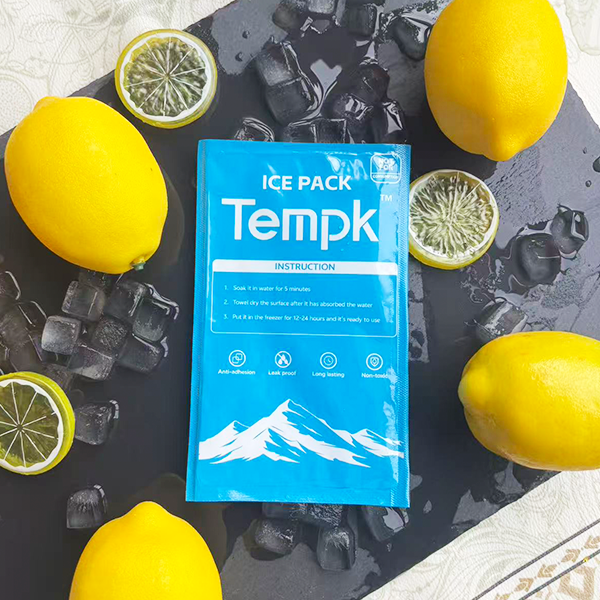
Une spécification tenant compte des risques de gel pour les blocs de glace carbonique en vrac destinés à l'administration d'insuline
The phrase bulk dry ice pack for insulin delivery contains a hidden contradiction. Si « glace carbonique » signifie dioxyde de carbone solide, sa température est totalement inadaptée au contact direct avec l'insuline qui ne doit pas geler. S’il s’agit d’une feuille congelée ou d’un pack de gel réutilisable, le matériel peut être utile, mais son nom commercial ne prouve ni le contrôle de la température ni l'aptitude pharmaceutique. Un projet d’approvisionnement fiable résout d’abord cette ambiguïté. Il retrace ensuite une ligne de preuve à partir de l’étiquette exacte de l’insuline., par la conception et la qualification thermique, à chaque lot de liquide de refroidissement et à chaque colis emballé. Le résultat n'est pas une boîte plus froide. Il s'agit d'un système reproductible avec une marge de gel connue et une réponse définie lorsque les conditions sont incertaines.
Portes de produit et de conception
Porte 1: Définir le produit et le propriétaire de la décision
Aucune équipe de conditionnement ne devrait travailler uniquement à partir de « l’insuline ». Capturez le produit exclusif ou non exclusif, force, marché, présentation en flacon ou stylo, quantité par paquet, statut non ouvert ou en cours d'utilisation, révision de l'étiquette, et déclaration de stockage approuvée. De nombreux produits à base d'insuline non ouverts sont étiquetés pour être réfrigérés à proximité 2 degrés Celsius à 8 degrés Celsius et préciser qu'ils ne doivent pas être congelés, mais les quotas d'utilisation et les périodes de rejet varient. L'étiquette exacte fait autorité.
Attribuer la responsabilité de la décision avant le début de l'expédition. Le fabricant pharmaceutique, pharmacie, unité qualité du distributeur, ou une autre fonction de soins de santé autorisée doit définir:
- Plage d'acceptation du transport et toute démarche d'excursion justifiée.
- Surveillance requise et conservation des données.
- Libérer, quarantaine, et responsabilité de disposition.
- Configurations de produits et de charges utiles autorisées.
- Itinéraires approuvés et conditions d’urgence.
- Déclencheurs de contrôle des changements et de requalification.
Le fournisseur de liquide de refroidissement peut fournir des informations sur les matériaux et les tests. Il ne peut pas déclarer l’insuline exposée sans danger, inventer une tolérance à la température ambiante, ou approuver une condition universelle de transport. Garder cette responsabilité claire empêche l'urgence commerciale de l'emporter sur les preuves spécifiques au produit..
L'exigence devrait également distinguer la sécurité et la qualité des objectifs de service.. Un engagement transporteur n’est pas une qualification thermique. La volonté de livrer dans la journée n’élimine pas le risque de retard le week-end. Rédigez l'exigence du parcours maximum évalué et définissez ce que l'organisation fera en dehors de celui-ci..
Porte deux: Classer le liquide de refroidissement proposé
Exiger que le devis indique ce qu'il y a à l'intérieur du pack. Les noms suivants ne sont pas interchangeables:
- Dioxyde de carbone solide: glace carbonique réelle, qui sublime près du moins 78.5 degrés Celsius, libère du gaz, et peut être réglementé comme marchandise dangereuse.
- Feuille hydratante: un matériau cellulaire sec activé avec de l'eau puis congelé.
- Pack de gel: une pochette ou une brique scellée pour liquide de refroidissement à base d'eau ou formulée.
- Pack changement de phase: une formulation contrôlée sélectionnée pour une région de transition définie.
La glace sèche ne doit pas être placée à côté de l'insuline. Un spécialement conçu, un système multicouche l'utilisant à une limite thermique éloignée nécessiterait toujours une justification du propriétaire du produit, analyse du risque de gel, ventilation, contrôles de manipulation, classification des transports, et qualification. C'est un projet d'ingénierie exceptionnel, ce n'est pas un achat en gros de routine.
Les packs congelés réutilisables évitent le risque de gaz carbonique, mais ils peuvent encore être trop froids. Un pack d'eau retiré d'un congélateur à basse température a une surface inférieure au point de congélation de l'eau.. S'il touche un carton de flacon, un gel local peut survenir avant que la température moyenne de l'expéditeur ne présente un problème. Un PCM conçu plus près de la gamme réfrigérée peut réduire ce gradient lorsqu'il est correctement conditionné, mais l'identité de la note et l'état de départ doivent être contrôlés.
Obtenir la composition, données de phase le cas échéant, informations de sécurité, instructions d'activation, méthode de conditionnement, dimensions gelées, tolérance de masse, construction de joints, et classification des transports. Confirmer cette dernière via la fonction responsable des marchandises dangereuses ou de la conformité plutôt que via un nom commercial.
Porte trois: Concevoir un tampon thermique, Pas une pile froide
L'objectif de conception est de maintenir la limite chaude et la limite froide éloignées des exigences du produit.. L'isolation résiste à la chaleur extérieure. Les liquides de refroidissement stockent l’énergie thermique. Les séparateurs ajoutent de la résistance entre les médicaments et les surfaces froides. La masse de la charge utile et l’espace aérien influencent la réponse. Le couvercle, coins, articulations, et les faces de contact créent des conditions non uniformes.
Construire à partir d'une pile de composants définie. Préciser le carton extérieur, panneaux isolants, qualité et nombre de liquide de refroidissement, matériau de séparation, carton de charge utile, annuler le contrôle, enregistreur, fermeture, et étiquettes. Marquez chaque pièce avec un identifiant. Si les opérateurs peuvent remplacer le carton ondulé « équivalent » ou un PCM bleu similaire, la pile testée n'est pas contrôlée.
Le conditionnement nécessite la même précision. Gamme d'équipements de l'État, chargement des paquets, période minimale de conditionnement, trempe si nécessaire, vérification de l'état de préparation, méthode de transfert, et temps de mise en scène maximum. Pour les feuilles d'hydratation, inclure l'eau d'activation, processus de trempage, drainage, inspection, et dimensions élargies. Cartographier ou qualifier les équipements de conditionnement le cas échéant; un congélateur plein avec un flux d'air bloqué peut ne pas reproduire les conditions de développement.
| Risque d'emballage | Comment cela apparaît | Contrôle de conception | Vérification |
|---|---|---|---|
| Le produit gèle au niveau de l'emballage | Conduction locale à travers un carton fin | État PCM contrôlé, séparateur, espacement fixe | Sondes pour emplacements froids et produit représentatif |
| Le produit se réchauffe près du couvercle | Fuite de chaleur ou couverture manquante | Isolation continue et couche supérieure définie | Sonde de localisation chaude et contrôle de fermeture |
| Faibles déplacements de charge utile | Vide supplémentaire et vibrations | Insert qualifié à faible remplissage ou configuration séparée | Test de manipulation et fonctionnement thermique à faible charge |
| Mauvaise qualité PCM utilisée | Apparence ou étiquette similaire | Ségrégation, code, balayage, et dégagement de ligne | Enregistrement des lots et contrôle des packs |
| Liquide de refroidissement sous-conditionné | Capacité thermique réduite | Chargement contrôlé du congélateur et vérification de l'état de préparation | Dossier de conditionnement et parcours thermique |
Le tableau transforme les risques abstraits en contrôles de processus. Cela montre également pourquoi l'ajout de packs supplémentaires ne constitue pas une action corrective générale.. Un liquide de refroidissement supplémentaire peut améliorer un endroit chaud et aggraver un endroit gelé..
Porte quatre: Qualifier le système et le workflow
La qualification doit démontrer la performance du système défini face à des défis externes sélectionnés et à des variations de routine.. Établir un protocole avant de tester. Inclure les exigences du produit, configuration, charges utiles, lots de composants, conditionnement, profil ambiant, capteurs, critères d'acceptation, répéter la stratégie, gestion des écarts, et approbation du rapport.
Utilisez des cartons d'insuline représentatifs ou un substitut thermique justifié avec une masse correspondante, géométrie, et comportement de contact. Testez la charge utile minimale et maximale si les deux sont commerciales. Défiez les saisons chaudes et froides, car un produit sensible au gel peut tomber en panne dans une voie froide, même lorsque la conception du liquide de refroidissement a été créée pour l'été..
Placer des capteurs via une analyse du risque thermique. Inclure les positions chaudes suspectées et les positions de contact froid. Indiquer si les sondes mesurent l'air, surface, ou substitut de produit. Utiliser des appareils avec une précision appropriée, gamme, étalonnage, et intervalle. Examiner les traces complètes. Une moyenne centrale acceptable ne peut pas remplacer une lecture murale inférieure à la limite..
Conseils techniques de l'OMS pour le temps- and temperature-sensitive pharmaceuticals provides a useful qualification framework for shipping containers. Les profils thermiques ISTA peuvent prendre en charge les tests de colis standardisés. Les principes du PIB peuvent s’attendre à un équipement adapté, contrôle documenté, et preuve de température. Appliquer les normes et directives pertinentes à l’organisation, produit, itinéraire, et le marché; ne pas commercialiser un composant comme étant globalement conforme parce qu'il est apparu dans un test réussi.
La qualification de performance ou un pilote d'expédition contrôlée doit démontrer que des opérateurs formés peuvent reproduire l'emballage avec des matériaux de production normaux et des contraintes de temps.. Inclure le transfert et la réception par le transporteur, le cas échéant. Le rapport final nécessite une nomenclature approuvée, dessin d'emballage, photographies, procédure de conditionnement, et limites d'utilisation.
Porte cinq: Traduire les preuves en spécifications d'achat groupé
La qualité du fournisseur doit préserver les caractéristiques utilisées par la qualification. Définir les attributs critiques des matériaux et les tolérances acceptables. En fonction du liquide de refroidissement, ceux-ci peuvent inclure l'identité de la formulation, comportement de transition, remplir la masse, dimensions agrandies, structure du film, intégrité du joint, performances des vannes, et durabilité d'impression.
L'accord de qualité ou les conditions d'achat doivent aborder:
- Codification et traçabilité des lots.
- Inspection et libération de la production.
- Documents fournis avec chaque lot.
- Contrôle des produits non conformes.
- Enquête sur les plaintes et mesures correctives.
- Notification préalable de la formule, film, processus, outillage, site, ou changements de sous-traitants.
- Échantillons de rétention lorsque cela est justifié.
- Droits d’audit ou d’examen technique adaptés au risque.
- Stockage, transport, et conditions de conservation.
- Continuité des activités et alternatives approuvées.
Évaluer des échantillons de production normale, pas seulement des prototypes. Mesurez les sacs après hydratation et conditionnement si ces états affectent l'ajustement.. Exécuter des inspections entrantes en fonction du risque fonctionnel. Une belle impression ne compense pas un joint étroit; une petite dérive dimensionnelle peut avoir de l’importance si elle supprime l’entrefer qualifié autour de l’insuline.
La planification commerciale devrait inclure un espace de congélation, rotation des stocks, travail d'activation, mise en scène des packs, et volume saisonnier. Les prix de gros peuvent être trompeurs lorsqu'un pack nécessite une étape opérationnelle que l'établissement ne peut pas contrôler.. Comparez le coût total livré et conditionné dans le processus qualifié.
Porte Six: Rendre chaque expédition traçable et vérifiable
L'exécution de routine doit créer un enregistrement concis de ce qui a été emballé. Inclure le produit et le lot, lot ou état du liquide de refroidissement si nécessaire, configuration du pack, opérateur ou ligne, temps de réalisation du pack, identité de l'enregistreur si utilisé, transfert du transporteur, et reçu. La profondeur de l'enregistrement dépend du système qualité et du modèle de distribution.
Utiliser des instructions de travail visuelles et des kits de composants. Clairement séparé conditionné, trempe, prêt, revenu, mis en quarantaine, et liquide de refroidissement rejeté. Vérifier le nombre et la position avant la fermeture. Évitez les ajouts de dernière minute après un délai, à moins qu'une procédure approuvée ne définisse la réponse; un paquet congelé supplémentaire peut créer un risque de gel non évalué.
Le suivi doit avoir un but et une réponse. Confirmer l'activation et l'emplacement de l'enregistreur. A la réception, lier le dossier à l'envoi, examiner l'état selon la procédure, et conservez l'insuline rapidement dans les conditions indiquées sur l'étiquette.. Si les données sont manquantes ou hors de portée, mettre le produit en quarantaine et faire remonter le problème. Ne comptez pas sur la glace restante, un carton sympa, ou l’assurance d’un transporteur.
Pour les envois directs aux patients, simplifier l'action du destinataire. Le patient doit savoir comment identifier un colis endommagé ou une alerte, où conserver l'insuline, et qui appeler. Évitez de demander au patient d’interpréter un tracé complexe ou d’évaluer sa stabilité. Assurez-vous que les instructions relatives au liquide de refroidissement distinguent avec précision un pack réutilisable de la glace carbonique réelle..
Porte sept: Contrôlez le changement et améliorez la voie
Les preuves de qualification ne restent valables que tant que leurs hypothèses restent raisonnables. Définir les déclencheurs de révision pour la formulation du liquide de refroidissement, film, dimensions, site fournisseur, isolation, carton, charge utile, état de l'étiquette, itinéraire, transporteur, saison, équipement de conditionnement, enregistreur, et procédure d'emballage. Un changement peut nécessiter un examen du document, analyse technique, tests de confirmation, ou requalification complète en fonction du risque.
Recueillir des données opérationnelles sans confondre observation et approbation. Les tendances dans les relevés des enregistreurs peuvent révéler des marges en diminution. Les plaintes peuvent révéler des mouvements du paquet ou des instructions peu claires pour les patients.. Les enregistrements des congélateurs peuvent montrer des goulots d'étranglement en matière de conditionnement. Les écarts du fournisseur peuvent identifier les dérives de joint ou de remplissage.
Lors d'une enquête sur un événement chaud ou froid, reconstituer la chronologie. Examiner la condition de départ du produit, état de préparation du liquide de refroidissement, component identity, photos d'emballage, temps de montage, fermeture, scans du transporteur, météo de l'itinéraire, position de l'enregistreur, et retard de réception. Identifiez la cause première avant de changer le système.
Les améliorations en matière de durabilité doivent passer par ce même processus de changement. Isolation ou liquide de refroidissement de la bonne taille à l'aide de preuves. Les composants réutilisables peuvent s'adapter aux couloirs fermés des pharmacies ou des cliniques, alors que la récupération à domicile peut être inefficace. Comparez les livraisons réussies équivalentes, y compris l'énergie de conditionnement, retours, nettoyage, perte, matériel, fret, et déchets de médicaments. Une proposition avec moins de matériaux qui réduit la marge thermique n'est pas équivalente.
FAQ
Qu'est-ce qu'un acheteur devrait rejeter immédiatement dans une offre de liquide de refroidissement?
Rejeter l'ambiguïté sur la composition, une revendication de temps de maintien universelle sans contexte de test, ou une déclaration selon laquelle le pack est conforme à tous les produits pharmaceutiques. Contester également une instruction visant à placer du liquide de refroidissement congelé directement contre l'insuline sans qualification spécifique au produit.. Une citation crédible identifie le matériel, conditionnement, dimensions, documentation, et limites des preuves disponibles.
Puis-je utiliser la boîte d’insuline comme seule barrière contre le froid?
Ne présumez pas cela. Un carton peut offrir une certaine résistance, mais son épaisseur, état d'humidité, zone de contact, et la géométrie du produit varie. L'emballage qualifié doit établir si un séparateur séparé ou un espace contrôlé est nécessaire. Testez les positions de contact à froid avec un emballage représentatif. La qualification doit vérifier la pile de barrières réelle.
Combien de redoublements de qualification sont nécessaires?
Il n’existe pas de numéro unique qui s’applique à chaque programme. Le protocole doit justifier le comptage répété en fonction du risque, variabilité, exigences standards ou internes, plage de charge utile, et l'utilisation prévue. Un seul passage fournit généralement des preuves limitées de reproductibilité. Suivre le système qualité de l’organisation et les directives pertinentes.
Le liquide de refroidissement gelé restant peut-il prouver que l'insuline est restée acceptable?
Non. Un paquet partiellement congelé indique quelque chose sur l’état du paquet à la réception, pas l'historique complet de la température du produit. L'insuline peut s'être réchauffée à un autre endroit ou gelée à un point de contact. Utiliser les procédures approuvées de surveillance et d’excursion, ainsi que les dossiers d'inspection et de manutention des colis.
Quand un pack réutilisable ne convient-il plus?
Mettez-le hors service selon des critères d'état définis tels que les fuites., gonflement, délaminage, contamination, perte d'étiquette, déformation permanente, ou preuve d'un changement de comportement thermique. Ne vous fiez pas uniquement à un nombre de cycles maximum non vérifié. Suivre et inspecter les actifs réutilisables dans le cadre du processus approuvé. Documentez pourquoi chaque unité est mise hors service.
Conclusion
Une spécification globale tenant compte du risque de gel est une chaîne de portes. Définir l'insuline exacte et le propriétaire de la décision, classer le liquide de refroidissement, créer un packout tamponné, qualifier à la fois la conception et le flux de travail, préserver les attributs critiques grâce aux contrôles des fournisseurs, documenter les expéditions courantes, et réévaluer les changements significatifs. La glace sèche ne doit pas être traitée comme un réfrigérant direct à l'insuline.. Reusable cooling packs become appropriate only when their material behavior and conditioning are controlled inside a system supported by evidence for both sides of the labeled range.
À propos du tempk
Tempk supplies passive cold-chain components that include hydrate cooling sheets, packs de gel, Options PCM, et produits d'expédition isolés. Pour un projet d'insuline en vrac, Tempk peut aider les acheteurs à comparer la construction des composants, conditionnement, dimensions, et disponibilité des échantillons par rapport à un projet de pack. Exigences spécifiques au produit, protocoles de qualification, stratégie de surveillance, et l'élimination des médicaments restent sous la responsabilité de la fonction qualité pharmaceutique ou de santé agréée..
Fournissez à Tempk votre nomenclature contrôlée, plage de charge utile, état étiqueté, et défi d'itinéraire pour discuter des échantillons de production pour une évaluation du risque de gel.