


Pack de gel thermique Fabricant de fruits de mer: Guide des échantillons aux fournitures
Pack de gel thermique Fabricant de fruits de mer: Guide des échantillons aux fournitures
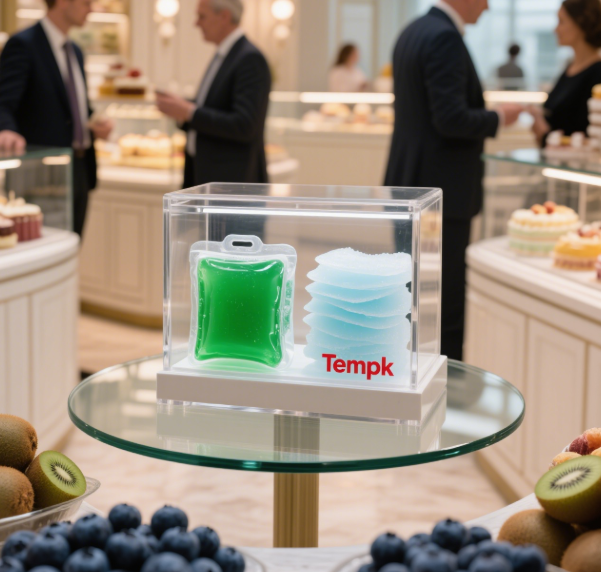
Pack de gel thermique Fabricant de fruits de mer: Un cadre pratique de l'échantillon à l'approvisionnement
Un échantillon peut geler solidement, se sentir durable, et c'est toujours un mauvais choix commercial. L'approvisionnement commence lorsque l'échantillon est traduit en une spécification contrôlée que la production, qualité, et les opérations peuvent se répéter. Pour un acheteur à la recherche d'un fabricant de fruits de mer en pack de gel thermique, la décision centrale est de savoir si le liquide de refroidissement, carton, isolation, charge de produit, contrôles sanitaires, et acheminez le travail comme un seul emballage hygiénique. Une décision d'approvisionnement défendable combine les limites du produit, preuves matérielles, test d'emballage, contrôles des fournisseurs, et un plan réaliste pour une utilisation quotidienne.
La décision finale appartient aux transformateurs de produits de la mer, exportateurs, grossistes, opérateurs de kits repas, and cold-chain packaging engineers, souvent dans des applications telles que les cartons de poisson frais, distribution de coquillages, kits de fruits de mer préparés, et livraison en gros à courte distance. Une revue intégrée relie l'utilisateur'il y a un besoin, le produit fini, contrôle des fournisseurs, preuve d'emballage, et exécution quotidienne. Il maintient les hypothèses visibles afin que le même élément ne soit pas approuvé pour une utilisation plus large que celle que soutiennent les preuves..
Construire le dossier de décision avant de choisir le pack
La carte d'approbation d'un fabricant de fruits de mer en sachets de gel thermique doit contenir cinq décisions liées: quel est l'article fini, où il sera utilisé, quels risques comptent, quelles preuves mettent fin à ces risques, et comment la production restera équivalente à l'échantillon approuvé. Cette séquence empêche l'équipe de partir d'un élément de catalogue attrayant et d'en inventer une utilisation plus tard.. Cela donne également aux fournisseurs un moyen clair de divulguer les limitations sans être pénalisés s'ils refusent une garantie irréaliste..
Rédiger la déclaration d'utilisation prévue dans un langage opérationnel. Nommez la charge utile, condition requise, récipient, itinéraire, modalités de contact, méthode de conditionnement, et décision à la réception. Identifiez ensuite laquelle des utilisations possibles, y compris les cartons de poisson frais, distribution de coquillages, kits de fruits de mer préparés, et livraison en gros à courte distance, sont à l'intérieur de la première approbation et qui restent en dehors de celle-ci. Le contrôle du périmètre est particulièrement important lorsqu'un nom commercial peut faire référence à la distribution alimentaire., Soins de santé, soins personnels, ou manutention industrielle.
Gardez les limites du produit explicites: Un pack de gel élimine ou tamponne la chaleur, mais cela ne remplace pas le refroidissement du produit, manipulation hygiénique, un conteneur isotherme, ou un plan de sécurité alimentaire spécifique au produit. La déclaration doit apparaître dans le dossier technique et la formation., pas seulement dans une note légale. Les opérateurs et les équipes commerciales doivent comprendre qu'un composant gel, un conteneur isotherme, un emballage qualifié, et un itinéraire surveillé remplit différentes fonctions. Demandez à l'équipe responsable de l'exportation mondiale de produits de la mer et de la distribution nationale de confirmer l'interprétation spécifique au marché..
Attribuez chaque décision à un propriétaire. L'équipe produit définit les conditions acceptables; l'emballage définit les hypothèses d'ajustement et de transfert de chaleur; qualité examine les preuves et les changements; les opérations confirment la capacité de préparation; les achats contrôlent la spécification commerciale; réception des résultats des enregistrements. Lorsque la propriété n’est pas claire, les lacunes sont souvent comblées par le langage marketing du fournisseur plutôt que par une décision documentée de l'acheteur. Utilisez le résultat lorsque vous étudiez un refroidissement irrégulier causé par un mauvais placement dans ce programme..
Traduire le pack fini en attributs contrôlés
The specification should describe thermal gel packs engineered for seafood packing and distribution as a finished article. Inclure les dimensions inconditionnées et conditionnées, remplir ou masser, apparence, construction de film ou de coque, couture ou fermeture, imprimer, étiquette, emballage individuel, carton, stockage, et méthode d'inspection. Etat des tolérances et catégories de défauts. Si une propriété n'est importante qu'après gel, gonflement, chauffage, fléchissement, ou nettoyage, définir la préparation avant de la mesurer.
Les informations sur la formulation doivent être suffisantes pour l'examen réel des dangers et de l'exposition.. Le nom commercial d'un épaississant ou d'un polymère ne décrit pas la qualité de l'eau., additifs, conservateurs, colorants, résidus, ou compatibilité avec le conteneur. Une FDS peut prendre en charge la communication des dangers, cependant, des preuves distinctes peuvent être nécessaires pour le contact alimentaire, contact avec la peau, réclamations médicales, élimination, ou performances thermiques. Posez la question précise avant de demander le document. Appliquer ce contrôle à la distribution de coquillages et attribuer son propriétaire avant approbation de l'échantillon.
Les conditions de défaillance prévisibles doivent être représentées. Dans ce programme, ils incluent la perforation des palmes, coquilles, ou agrafes en carton, eau de fonte et condensation autour des étiquettes, refroidissement inégal causé par un mauvais placement, et contamination croisée après endommagement du pack. L'évaluation doit montrer comment la défaillance est évitée, détecté, contenu, enquêté, et lié à beaucoup de choses. This turns broad requirements such as 'étanche' ou 'sûr' into testable controls and response rules. Associez les preuves au code d'article approuvé et au lot du fournisseur pour les packs de gel thermique conçus pour l'emballage et la distribution de fruits de mer..
Pour le dossier de sortie, définir la limite d'exposition dans les mêmes mots utilisés par les opérations. Un contact direct avec des fruits de mer comestibles ne doit jamais être présumé. Définir si le produit est ensaché, scellé en barquette, enveloppé, ou exposé, puis obtenez des preuves de la condition exacte du contact. La conclusion approuvée doit couvrir les fuites prévisibles, nettoyage, et la manipulation des utilisateurs ainsi que la séparation normale. Demandez à l'équipe responsable de l'exportation mondiale de produits de la mer et de la distribution nationale de confirmer l'interprétation spécifique au marché..
| Porte d'approbation | Preuve de décision | Condition de libération |
|---|---|---|
| Utiliser la définition | Charge utile, itinéraire, isolation, contact, et déclaration d'acceptation | Toutes les hypothèses critiques sont détenues et enregistrées |
| Échantillon représentatif | Matériaux finaux, formule, processus, œuvres d'art, et emballage | Les différences par rapport à la production sont fermées ou formellement évaluées |
| Preuve fonctionnelle | Endiguement, conditionnement, manutention, et données thermiques pertinentes pour l'utilisation | Méthodes, échantillons, et les limites sont visibles |
| Contrôle des fournisseurs | Rôles sur le site, enregistrements de lots, plan d'inspection, et processus de changement | La responsabilité atteint l’opération de production réelle |
| Disponibilité opérationnelle | Instruction de travail, entraînement, recevoir, et workflow de déviation | L'acheteur peut reproduire et contrôler l'état approuvé |
Ces portes créent une séquence plutôt qu'une pile de documents. Un programme ne devrait pas progresser parce qu'un certificat semble solide alors que l'échantillon, itinéraire, ou la notice d'utilisation reste provisoire. La décision de libération devient plus facile à défendre lorsque chaque porte fait référence au même code produit et à la même configuration.. Inclure la décision dans les instructions de l'opérateur pour les kits de fruits de mer préparés.
La qualification relie les conditions de test à l'itinéraire
Une déclaration de performance n'est utile que lorsque ses conditions sont connues. Enregistrez le conteneur isotherme, charge utile, quantité et position du liquide de refroidissement, températures de départ, processus de conditionnement, profil ambiant, durée, emplacement du capteur, critère de réussite, et toute ouverture de porte ou événement de manipulation. Le rapport doit identifier le pack exact testé. Sans ces champs, une valeur horaire ne peut pas être comparée équitablement ou transférée en toute sécurité vers un autre itinéraire. Appliquer ce contrôle à la livraison en gros à courte distance et attribuer son propriétaire avant l'approbation de l'échantillon.
Le travail en laboratoire et la surveillance des voies répondent à différentes questions. Les profils contrôlés aident à comparer les conceptions et à établir une configuration qualifiée. Les données d'itinéraire montrent comment les transporteurs, transferts, mise en scène, météo, et la variation de fonctionnement interagit avec cette conception. Utiliser les écarts pour affiner le modèle de risque, ne pas supposer que plus de liquide de refroidissement est toujours la solution. Un liquide de refroidissement supplémentaire peut consommer de la charge utile, ajouter du fret, et créer des surfaces plus froides. Associez les preuves au code d'article approuvé et au lot du fournisseur pour les packs de gel thermique conçus pour l'emballage et la distribution de fruits de mer..
Le plan d'exploitation doit être testé sur le site qui l'utilisera. Pré-refroidir le produit et l'emballage tel que défini par le plan de sécurité alimentaire, séparer la préparation du liquide de refroidissement de la manipulation des produits bruts, et inspectez chaque emballage endommagé en tant qu'événement de contamination potentiel. Un changement représentatif devrait confirmer la capacité de préparation, discipline de mise en scène, inspection, et escalade avant que le volume ne soit engagé. Demandez à l'équipe responsable de l'exportation mondiale de produits de la mer et de la distribution nationale de confirmer l'interprétation spécifique au marché..
Définir les déclencheurs de requalification lors de l’approbation. Une nouvelle charge utile, transporteur, saison, isolation, taille du paquet, formulation, site de production, ou la méthode de conditionnement peut invalider une hypothèse même lorsque la description d'achat reste inchangée. Les données de tendance provenant des réceptions et des plaintes doivent être examinées pour détecter des changements plus petits qui peuvent justifier des tests ciblés avant qu'une défaillance visible ne se produise.. Utilisez le résultat lorsque vous étudiez un refroidissement irrégulier causé par un mauvais placement dans ce programme..
Sélectionnez le fournisseur derrière le devis
Pour un fabricant de fruits de mer en packs de gel thermique, identifier si chaque enchérisseur est le vendeur légal, usine, convertisseur, filler, distributeur, importateur, ou propriétaire de marque privée. Cartographier qui achète des matériaux critiques, approuve les changements de formule, définit les paramètres du joint, sort beaucoup, stocke les dossiers, et traite les plaintes. Un distributeur peut être un partenaire efficace lorsqu’il dispose d’un contrôle documenté sur l’usine.; une usine peut encore être faible si les responsabilités sont fragmentées.
Utiliser des échantillons par étapes. Les premiers échantillons explorent les dimensions et la manipulation. Des échantillons techniques confirment la construction prévue. Des échantillons représentatifs de la production vérifient la ligne proposée, outillage, matériels, formule, œuvres d'art, et emballage. Étiquetez chaque échantillon avec son statut et son lot. L'approbation finale ne doit pas reposer sur une unité préparée par une méthode de laboratoire spéciale que la ligne normale ne peut pas reproduire.. Appliquer ce contrôle à la distribution de coquillages et attribuer son propriétaire avant approbation de l'échantillon.
Les conditions commerciales doivent préserver le contrôle technique. Liez la commande à la révision des spécifications et aux illustrations, définir l'emballage et l'inspection, état du document et enregistrement des attentes, et exiger un préavis pour les changements critiques. Discuter du modèle de commande, pics, exposition aux matières premières, contraintes de capacité, contingence, délai de réclamation, et disposition des stocks non conformes. Un prix unitaire bas n’est pas complet s’il déplace l’inspection, reconditionnement, ou coût d'échec pour l'acheteur. Associez les preuves au code d'article approuvé et au lot du fournisseur pour les packs de gel thermique conçus pour l'emballage et la distribution de fruits de mer..
La planification régionale pour l'exportation mondiale de produits de la mer et la distribution nationale ajoute des rôles d'importateur, langue, réclamations, instructions d'élimination, et distribution locale. Les obligations en matière de sécurité alimentaire varient selon le produit et le marché. Aux États-Unis, les règles sanitaires de transport adresse appropriée, équipement nettoyable et contrôle de la température si nécessaire; les entreprises de produits de la mer doivent également aligner l'emballage sur leur analyse des dangers et leurs critères de réception.. Confirmer que l'identité du modèle reste cohérente dans tous les rapports, Documents FDS, factures, étiquettes, et des cartons, avec une référence croisée contrôlée là où les codes de marque privée et d'usine diffèrent.
Un test pratique du cadre
Utilisez ce scénario pour remettre en question la logique d'approbation. Un exportateur de fruits de mer constate des températures acceptables à l'expédition mais des coins chauds à la réception. L'ajout aveugle de gel peut réduire la charge utile et créer un risque de gel. Une meilleure position du pack de cartes d'enquête, préconditionnement, carton vents, heure de transfert, et l'emplacement de l'enregistreur avant de changer la masse de liquide de refroidissement. Il s'agit d'une situation hypothétique d'approvisionnement, il ne s'agit pas d'un résultat client revendiqué, et son but est d'exposer les variables qui ont besoin d'un propriétaire. Inclure la décision dans les instructions de l'opérateur pour les kits de fruits de mer préparés.
L'équipe doit geler les hypothèses actuelles avant de modifier la conception. Capturer la géométrie de la charge utile et les conditions de départ, isolation, préparation du liquide de refroidissement, placement, exposition ambiante, transferts, plan de capteur, et règle d'acceptation. Choisissez ensuite le plus petit changement qui répond au risque observé. Modification de la masse du liquide de refroidissement, isolation, placement, et le temps de chargement ensemble peut produire une passe mais n'apprend pas grand-chose sur le contrôle important. Consigner la conclusion dans le dossier de libération contrôlée du fabricant de fruits de mer en sachets de gel thermique.
Le soumissionnaire reçoit le même modèle de faits et renvoie une configuration proposée avec des limitations explicites. L'acheteur ne compare pas seulement le prix, mais aussi avec quelle clarté la proposition relie le peloton à l'itinéraire, dans quelle mesure l'échantillon est-il représentatif, quelles données sont disponibles, et comment les changements seront contrôlés. Once the configuration passes the buyer's review, les instructions de travail et les critères d'admission sont publiés avec la même révision. Appliquer ce contrôle à la livraison en gros à courte distance et attribuer son propriétaire avant l'approbation de l'échantillon.
Réduisez les déchets en améliorant le système
À grande échelle, la question environnementale doit rester liée aux opérations. Un emballage réutilisable peut être judicieux sur les routes fermées des fruits de mer, mais contrôle des odeurs, vérification du lavage, taux de perte, et le transport de retour peut compenser les économies matérielles. Documentez les hypothèses derrière la comparaison afin qu'un changement d'itinéraire, taux de retour, nettoyage, ou l'élimination ne laisse pas une ancienne créance attachée à un système différent. Demandez à l'équipe responsable de l'exportation mondiale de produits de la mer et de la distribution nationale de confirmer l'interprétation spécifique au marché..
Évaluer le matériel, énergie de congélation, poids du colis, isolation, perte de produit, nettoyage, récupération, transport inverse, et élimination dans une limite. La réutilisation est attractive sur un parcours fermé stable avec un rendement élevé et une inspection contrôlée. Cela peut être inefficace dans un réseau ouvert. De la même manière, une demande d'élimination n'est utile que lorsque les utilisateurs reçoivent des instructions précises et que l'infrastructure locale peut atteindre le résultat déclaré. Utilisez le résultat lorsque vous étudiez un refroidissement irrégulier causé par un mauvais placement dans ce programme..
Le meilleur projet de réduction pourrait être un emballage saisonnier plus petit, meilleur pré-refroidissement, mise en scène plus courte, contrôle amélioré du vide, ou segmentation d'itinéraire. Ces changements peuvent réduire le liquide de refroidissement et le fret tout en augmentant la fiabilité. Le marketing environnemental doit décrire de manière précise l’amélioration prouvée et éviter de laisser entendre qu’une propriété matérielle rend l’ensemble de l’expédition durable.. Inclure la décision dans les instructions de l'opérateur pour les cartons de poisson frais.
Dernières questions avant la sortie
Une spécification de pack de gel peut-elle couvrir plusieurs produits?
Éventuellement, mais seulement après que l'espace de conception commun soit établi. Les produits peuvent différer en sensibilité, géométrie, condition de départ, voie de contact, et critères d'acceptation. Pour des utilisations telles que les cartons de poisson frais, distribution de coquillages, kits de fruits de mer préparés, et livraison en gros à courte distance, documenter quelles combinaisons ont été évaluées et lesquelles nécessitent un emballage séparé. Un code d'achat commun ne doit pas cacher les instructions spécifiques à l'application.
Qu'est-ce qui doit déclencher une réévaluation après le lancement?
Réévaluer lorsqu'un matériau critique, formule, site de fabrication, outil, processus de scellement, taille du paquet, isolation, charge utile, itinéraire, méthode de conditionnement, transporteur, ou changements de critères d’acceptation. Les tendances en matière de plaintes et la dérive saisonnière inexpliquée peuvent également déclencher un examen.. L'accord de qualité doit indiquer qui informe qui et quelles preuves sont nécessaires avant que la configuration révisée ne soit publiée.. Utilisez le résultat lors de l’enquête sur la perforation des ailerons, coquilles, ou des agrafes en carton dans ce programme.
Comment créer une liste restreinte pour un fabricant de fruits de mer en packs de gel thermique?
Donnez à chaque soumissionnaire le même brief contrôlé: utilisation prévue, charge utile, condition requise, isolation, itinéraire, conditionnement, voie de contact, modèle de commande, et marché cible. Notez les réponses pour la transparence de la fabrication, preuve, représentativité de l'échantillon, changer de contrôle, et aptitude opérationnelle. Ne classez pas une demande d'heures non justifiée au-dessus d'une proposition qui indique clairement ses limites de test.. Consigner la conclusion dans le dossier de libération contrôlée du fabricant de fruits de mer en sachets de gel thermique.
Quel échantillon l'équipe qualité doit-elle approuver?
Approuver un échantillon représentatif de la production lié à la spécification finale, matériels, formule, outillage, imprimer, étiquette, et carton. Un prototype rempli à la main peut prendre en charge les premiers travaux de conception mais ne devrait pas permettre une production de masse.. Conservez l'échantillon signé comme référence visuelle tout en utilisant les limites d'inspection objectives pour les dimensions., remplir, joint, apparence, et contrôles fonctionnels. Associez les preuves au code d'article approuvé et au lot du fournisseur pour les packs de gel thermique conçus pour l'emballage et la distribution de fruits de mer..
Libérer le système, Alors regarde-le
Une décision solide d'un fabricant de fruits de mer en pack de gel thermique se termine par un produit contrôlé, une utilisation définie, preuves avec des limites visibles, un processus de changement de fournisseur, et instructions de travail que l'acheteur peut reproduire. Cela déclenche également une boucle de rétroaction opérationnelle. Examiner les défauts du lot, exceptions de conditionnement, données d'itinéraire, plaintes, et modifications afin que la conception approuvée ne s'écarte pas des conditions qui l'ont justifiée.
À propos du tempk
Tempk supplies flexible gel ice packs, briques de glace rigides, packs d'injection d'eau, et composants d'emballage isothermes pour la chaîne du froid. Pour les packs de gel thermique conçus pour l'emballage et la distribution de fruits de mer, nous pouvons revoir le format demandé, dimensions, personnalisation, emballage, et intrants de fournitures commerciales avec votre équipe. The final choice should be evaluated in the buyer's complete packout and market context, donc l'enquête la plus utile inclut la charge utile, condition requise, itinéraire, isolation, voie de contact, et modèle de commande attendu.
Envoyez à Tempk le dossier contrôlé pour votre projet de fabricant de fruits de mer en pack de gel thermique lorsque vous êtes prêt à comparer un échantillon représentatif de la production avec votre itinéraire et vos exigences d'approbation..
Distributeur de packs de gel thermique au Canada: Guide des échantillons aux fournitures

Distributeur de packs de gel thermique au Canada: Un cadre pratique de l'échantillon à l'approvisionnement
L'erreur la plus coûteuse lors de cet achat est rarement de choisir un pack qui paraît trop simple. Il s'agit d'approuver un liquide de refroidissement avant que l'équipe n'ait défini la limite de produit, itinéraire, voie de contact, et les preuves nécessaires à la réception. Pour un acheteur à la recherche d'un distributeur de packs de gel thermique au Canada, la décision centrale est de savoir si le distributeur peut prendre en charge la documentation canadienne, besoins en canaux bilingues, réapprovisionnement régional, et l'acheteur's actual temperature-control process. Une décision d'approvisionnement défendable combine les limites du produit, preuves matérielles, test d'emballage, contrôles des fournisseurs, et un plan réaliste pour une utilisation quotidienne.
La décision finale appartient aux importateurs canadiens, distributeurs régionaux, entreprises alimentaires, fournisseurs de soins de santé, et les équipes achats, souvent dans des applications telles que la livraison de plats réfrigérés, packs de support clinique, expéditions dans des communautés éloignées, et sacs isothermes réutilisables. Une revue intégrée relie l'utilisateur'il y a un besoin, le produit fini, contrôle des fournisseurs, preuve d'emballage, et exécution quotidienne. Il maintient les hypothèses visibles afin que le même élément ne soit pas approuvé pour une utilisation plus large que celle que soutiennent les preuves..
Commencez par une carte d'approbation
La carte d'approbation d'un distributeur de packs de gel thermique au Canada doit contenir cinq décisions liées: quel est l'article fini, où il sera utilisé, quels risques comptent, quelles preuves mettent fin à ces risques, et comment la production restera équivalente à l'échantillon approuvé. Cette séquence empêche l'équipe de partir d'un élément de catalogue attrayant et d'en inventer une utilisation plus tard.. Cela donne également aux fournisseurs un moyen clair de divulguer les limitations sans être pénalisés s'ils refusent une garantie irréaliste..
Rédiger la déclaration d'utilisation prévue dans un langage opérationnel. Nommez la charge utile, condition requise, récipient, itinéraire, modalités de contact, méthode de conditionnement, et décision à la réception. Identifiez ensuite laquelle des utilisations possibles, y compris la livraison de plats réfrigérés, packs de support clinique, expéditions dans des communautés éloignées, et sacs isothermes réutilisables, sont à l'intérieur de la première approbation et qui restent en dehors de celle-ci. Le contrôle du périmètre est particulièrement important lorsqu'un nom commercial peut faire référence à la distribution alimentaire., Soins de santé, soins personnels, ou manutention industrielle.
Gardez les limites du produit explicites: Un distributeur canadien fournit la disponibilité du liquide de refroidissement; il ne qualifie pas à lui seul l’expéditeur complet. Limites de produit, isolation, charge utile, exposition par voie, et le suivi reste à définir. La déclaration doit apparaître dans le dossier technique et la formation., pas seulement dans une note légale. Les opérateurs et les équipes commerciales doivent comprendre qu'un composant gel, un conteneur isotherme, un emballage qualifié, et un itinéraire surveillé remplit différentes fonctions. Demander à l'équipe responsable au Canada de confirmer l'interprétation spécifique au marché..
Attribuez chaque décision à un propriétaire. L'équipe produit définit les conditions acceptables; l'emballage définit les hypothèses d'ajustement et de transfert de chaleur; qualité examine les preuves et les changements; les opérations confirment la capacité de préparation; les achats contrôlent la spécification commerciale; réception des résultats des enregistrements. Lorsque la propriété n’est pas claire, les lacunes sont souvent comblées par le langage marketing du fournisseur plutôt que par une décision documentée de l'acheteur. Utilisez le résultat lors de l'enquête sur les dommages causés par la condensation dans les réseaux de parcelles dans ce programme.
Approuver un produit, Ce n'est pas un matériau générique
The specification should describe thermal gel packs distributed for Canadian food, Soins de santé, et les programmes commerciaux de chaîne du froid en tant qu'article fini. Inclure les dimensions inconditionnées et conditionnées, remplir ou masser, apparence, construction de film ou de coque, couture ou fermeture, imprimer, étiquette, emballage individuel, carton, stockage, et méthode d'inspection. Etat des tolérances et catégories de défauts. Si une propriété n'est importante qu'après gel, gonflement, chauffage, fléchissement, ou nettoyage, définir la préparation avant de la mesurer.
Les informations sur la formulation doivent être suffisantes pour l'examen réel des dangers et de l'exposition.. Le nom commercial d'un épaississant ou d'un polymère ne décrit pas la qualité de l'eau., additifs, conservateurs, colorants, résidus, ou compatibilité avec le conteneur. Une FDS peut prendre en charge la communication des dangers, cependant, des preuves distinctes peuvent être nécessaires pour le contact alimentaire, contact avec la peau, réclamations médicales, élimination, ou performances thermiques. Posez la question précise avant de demander le document. Appliquez cette vérification aux packs de support clinique et attribuez son propriétaire avant l'approbation de l'échantillon..
Les conditions de défaillance prévisibles doivent être représentées. Dans ce programme, ils incluent l'incohérence des stocks entre les régions, réclamations copiées d'un autre marché, dégâts de condensation dans les réseaux de colis, et traçabilité des lots manquants. L'évaluation doit montrer comment la défaillance est évitée, détecté, contenu, enquêté, et lié à beaucoup de choses. This turns broad requirements such as 'étanche' ou 'sûr' into testable controls and response rules. Reliez les preuves au code d'article approuvé et au lot du fournisseur pour les sachets de gel thermique distribués pour les aliments canadiens., Soins de santé, et programmes commerciaux de chaîne du froid.
Pour le dossier de sortie, définir la limite d'exposition dans les mêmes mots utilisés par les opérations. Confirmer la situation de contact direct et toutes les obligations canadiennes en matière d'emballage alimentaire qui s'appliquent à l'emballage fini. Ne considérez pas une icône d’utilisation alimentaire comme une preuve suffisante. La conclusion approuvée doit couvrir les fuites prévisibles, nettoyage, et la manipulation des utilisateurs ainsi que la séparation normale. Demander à l'équipe responsable au Canada de confirmer l'interprétation spécifique au marché..
| Porte d'approbation | Preuve de décision | Condition de libération |
|---|---|---|
| Utiliser la définition | Charge utile, itinéraire, isolation, contact, et déclaration d'acceptation | Toutes les hypothèses critiques sont détenues et enregistrées |
| Échantillon représentatif | Matériaux finaux, formule, processus, œuvres d'art, et emballage | Les différences par rapport à la production sont fermées ou formellement évaluées |
| Preuve fonctionnelle | Endiguement, conditionnement, manutention, et données thermiques pertinentes pour l'utilisation | Méthodes, échantillons, et les limites sont visibles |
| Contrôle des fournisseurs | Rôles sur le site, enregistrements de lots, plan d'inspection, et processus de changement | La responsabilité atteint l’opération de production réelle |
| Disponibilité opérationnelle | Instruction de travail, entraînement, recevoir, et workflow de déviation | L'acheteur peut reproduire et contrôler l'état approuvé |
Ces portes créent une séquence plutôt qu'une pile de documents. Un programme ne devrait pas progresser parce qu'un certificat semble solide alors que l'échantillon, itinéraire, ou la notice d'utilisation reste provisoire. La décision de libération devient plus facile à défendre lorsque chaque porte fait référence au même code produit et à la même configuration.. Inclure la décision dans les instructions de l'opérateur pour les expéditions vers des communautés éloignées.
Rendre les allégations de performance traçables
Une déclaration de performance n'est utile que lorsque ses conditions sont connues. Enregistrez le conteneur isotherme, charge utile, quantité et position du liquide de refroidissement, températures de départ, processus de conditionnement, profil ambiant, durée, emplacement du capteur, critère de réussite, et toute ouverture de porte ou événement de manipulation. Le rapport doit identifier le pack exact testé. Sans ces champs, une valeur horaire ne peut pas être comparée équitablement ou transférée en toute sécurité vers un autre itinéraire. Appliquer ce contrôle aux bacs isothermes réutilisables et attribuer son propriétaire avant l'approbation de l'échantillon.
Le travail en laboratoire et la surveillance des voies répondent à différentes questions. Les profils contrôlés aident à comparer les conceptions et à établir une configuration qualifiée. Les données d'itinéraire montrent comment les transporteurs, transferts, mise en scène, météo, et la variation de fonctionnement interagit avec cette conception. Utiliser les écarts pour affiner le modèle de risque, ne pas supposer que plus de liquide de refroidissement est toujours la solution. Un liquide de refroidissement supplémentaire peut consommer de la charge utile, ajouter du fret, et créer des surfaces plus froides. Reliez les preuves au code d'article approuvé et au lot du fournisseur pour les sachets de gel thermique distribués pour les aliments canadiens., Soins de santé, et programmes commerciaux de chaîne du froid.
Le plan d'exploitation doit être testé sur le site qui l'utilisera. Les voies canadiennes peuvent combiner de longues distances, transferts à distance, et de forts changements saisonniers. La qualification doit modéliser le parcours plutôt que de s'appuyer sur une moyenne nationale générale. Un changement représentatif devrait confirmer la capacité de préparation, discipline de mise en scène, inspection, et escalade avant que le volume ne soit engagé. Demander à l'équipe responsable au Canada de confirmer l'interprétation spécifique au marché..
Définir les déclencheurs de requalification lors de l’approbation. Une nouvelle charge utile, transporteur, saison, isolation, taille du paquet, formulation, site de production, ou la méthode de conditionnement peut invalider une hypothèse même lorsque la description d'achat reste inchangée. Les données de tendance provenant des réceptions et des plaintes doivent être examinées pour détecter des changements plus petits qui peuvent justifier des tests ciblés avant qu'une défaillance visible ne se produise.. Utilisez le résultat lors de l'enquête sur les dommages causés par la condensation dans les réseaux de parcelles dans ce programme.
La responsabilité est une exigence commerciale
Pour un distributeur de packs de gel thermique Canada, identifier si chaque enchérisseur est le vendeur légal, usine, convertisseur, filler, distributeur, importateur, ou propriétaire de marque privée. Cartographier qui achète des matériaux critiques, approuve les changements de formule, définit les paramètres du joint, sort beaucoup, stocke les dossiers, et traite les plaintes. Un distributeur peut être un partenaire efficace lorsqu’il dispose d’un contrôle documenté sur l’usine.; une usine peut encore être faible si les responsabilités sont fragmentées.
Utiliser des échantillons par étapes. Les premiers échantillons explorent les dimensions et la manipulation. Des échantillons techniques confirment la construction prévue. Des échantillons représentatifs de la production vérifient la ligne proposée, outillage, matériels, formule, œuvres d'art, et emballage. Étiquetez chaque échantillon avec son statut et son lot. L'approbation finale ne doit pas reposer sur une unité préparée par une méthode de laboratoire spéciale que la ligne normale ne peut pas reproduire.. Appliquez cette vérification aux packs de support clinique et attribuez son propriétaire avant l'approbation de l'échantillon..
Les conditions commerciales doivent préserver le contrôle technique. Liez la commande à la révision des spécifications et aux illustrations, définir l'emballage et l'inspection, état du document et enregistrement des attentes, et exiger un préavis pour les changements critiques. Discuter du modèle de commande, pics, exposition aux matières premières, contraintes de capacité, contingence, délai de réclamation, et disposition des stocks non conformes. Un prix unitaire bas n’est pas complet s’il déplace l’inspection, reconditionnement, ou coût d'échec pour l'acheteur. Reliez les preuves au code d'article approuvé et au lot du fournisseur pour les sachets de gel thermique distribués pour les aliments canadiens., Soins de santé, et programmes commerciaux de chaîne du froid.
La planification régionale pour le Canada ajoute des rôles d'importateur, langue, réclamations, instructions d'élimination, et distribution locale. Le cadre de la salubrité des aliments au Canada s'applique à de nombreux produits importés., exporté, et les aliments faisant l'objet d'échanges interprovinciaux. L'ACIA définit les aliments réfrigérés dans le contexte du RSAC comme étant conservés à 4 degrés Celsius ou moins sans être congelé, mais l'exigence correcte dépend toujours de l'aliment et du processus spécifiques. Confirmer que l'identité du modèle reste cohérente dans tous les rapports, Documents FDS, factures, étiquettes, et des cartons, avec une référence croisée contrôlée là où les codes de marque privée et d'usine diffèrent.
Utilisez un scénario pour exposer les hypothèses cachées
Utilisez ce scénario pour remettre en question la logique d'approbation. Un distributeur dessert Toronto à partir de stocks locaux, mais expédie les clients du Nord via un réseau sur plusieurs jours. Le même pack de gel peut convenir aux deux entreprises uniquement si l'isolation, charge utile, conditionnement, et les temps de contingence sont ajustés et vérifiés pour chaque voie. Il s'agit d'une situation hypothétique d'approvisionnement, il ne s'agit pas d'un résultat client revendiqué, et son but est d'exposer les variables qui ont besoin d'un propriétaire. Inclure la décision dans les instructions de l'opérateur pour les expéditions vers des communautés éloignées.
L'équipe doit geler les hypothèses actuelles avant de modifier la conception. Capturer la géométrie de la charge utile et les conditions de départ, isolation, préparation du liquide de refroidissement, placement, exposition ambiante, transferts, plan de capteur, et règle d'acceptation. Choisissez ensuite le plus petit changement qui répond au risque observé. Modification de la masse du liquide de refroidissement, isolation, placement, et le temps de chargement ensemble peut produire une passe mais n'apprend pas grand-chose sur le contrôle important. Consigner la conclusion dans le dossier de libération contrôlée du distributeur du pack de gel thermique Canada.
Le soumissionnaire reçoit le même modèle de faits et renvoie une configuration proposée avec des limitations explicites. L'acheteur ne compare pas seulement le prix, mais aussi avec quelle clarté la proposition relie le peloton à l'itinéraire, dans quelle mesure l'échantillon est-il représentatif, quelles données sont disponibles, et comment les changements seront contrôlés. Once the configuration passes the buyer's review, les instructions de travail et les critères d'admission sont publiés avec la même révision. Appliquer ce contrôle aux bacs isothermes réutilisables et attribuer son propriétaire avant l'approbation de l'échantillon.
La valeur environnementale doit survivre aux opérations
À grande échelle, la question environnementale doit rester liée aux opérations. Le stockage régional peut réduire le fret d’urgence, tandis qu'un pack consigné peut aider les réseaux fermés. Les deux avantages doivent être mis en balance avec la duplication des stocks, commandes de lavage, et perte. Documentez les hypothèses derrière la comparaison afin qu'un changement d'itinéraire, taux de retour, nettoyage, ou l'élimination ne laisse pas une ancienne créance attachée à un système différent. Demander à l'équipe responsable au Canada de confirmer l'interprétation spécifique au marché..
Évaluer le matériel, énergie de congélation, poids du colis, isolation, perte de produit, nettoyage, récupération, transport inverse, et élimination dans une limite. La réutilisation est attractive sur un parcours fermé stable avec un rendement élevé et une inspection contrôlée. Cela peut être inefficace dans un réseau ouvert. De la même manière, une demande d'élimination n'est utile que lorsque les utilisateurs reçoivent des instructions précises et que l'infrastructure locale peut atteindre le résultat déclaré. Utilisez le résultat lors de l'enquête sur les dommages causés par la condensation dans les réseaux de parcelles dans ce programme.
Le meilleur projet de réduction pourrait être un emballage saisonnier plus petit, meilleur pré-refroidissement, mise en scène plus courte, contrôle amélioré du vide, ou segmentation d'itinéraire. Ces changements peuvent réduire le liquide de refroidissement et le fret tout en augmentant la fiabilité. Le marketing environnemental doit décrire de manière précise l’amélioration prouvée et éviter de laisser entendre qu’une propriété matérielle rend l’ensemble de l’expédition durable.. Inclure la décision dans les instructions de l'opérateur pour la livraison de produits alimentaires réfrigérés.
Dernières questions avant la sortie
Quand les tests thermiques sont-ils nécessaires?
Les tests sont nécessaires lorsque l'acheteur compte sur l'emballage pour maintenir l'état du produit via un itinéraire défini.. L'étude doit identifier les conditions de départ, profil ambiant, charge utile, isolation, configuration du liquide de refroidissement, emplacements des capteurs, et règle d'acceptation. Risque, sensibilité au produit, variabilité des voies, et les attentes réglementaires déterminent si des qualifications supplémentaires et une surveillance continue sont nécessaires. Reliez les preuves au code d'article approuvé et au lot du fournisseur pour les sachets de gel thermique distribués pour les aliments canadiens., Soins de santé, et programmes commerciaux de chaîne du froid.
Une spécification de pack de gel peut-elle couvrir plusieurs produits?
Éventuellement, mais seulement après que l'espace de conception commun soit établi. Les produits peuvent différer en sensibilité, géométrie, condition de départ, voie de contact, et critères d'acceptation. Pour des utilisations telles que la livraison de nourriture réfrigérée, packs de support clinique, expéditions dans des communautés éloignées, et sacs isothermes réutilisables, documenter quelles combinaisons ont été évaluées et lesquelles nécessitent un emballage séparé. Un code d'achat commun ne doit pas cacher les instructions spécifiques à l'application.
Qu'est-ce qui doit déclencher une réévaluation après le lancement?
Réévaluer lorsqu'un matériau critique, formule, site de fabrication, outil, processus de scellement, taille du paquet, isolation, charge utile, itinéraire, méthode de conditionnement, transporteur, ou changements de critères d’acceptation. Les tendances en matière de plaintes et la dérive saisonnière inexpliquée peuvent également déclencher un examen.. L'accord de qualité doit indiquer qui informe qui et quelles preuves sont nécessaires avant que la configuration révisée ne soit publiée.. Consigner la conclusion dans le dossier de libération contrôlée du distributeur du pack de gel thermique Canada.
Comment puis-je créer une liste restreinte pour un distributeur de packs de gel thermique au Canada?
Donnez à chaque soumissionnaire le même brief contrôlé: utilisation prévue, charge utile, condition requise, isolation, itinéraire, conditionnement, voie de contact, modèle de commande, et marché cible. Notez les réponses pour la transparence de la fabrication, preuve, représentativité de l'échantillon, changer de contrôle, et aptitude opérationnelle. Ne classez pas une demande d'heures non justifiée au-dessus d'une proposition qui indique clairement ses limites de test.. Reliez les preuves au code d'article approuvé et au lot du fournisseur pour les sachets de gel thermique distribués pour les aliments canadiens., Soins de santé, et programmes commerciaux de chaîne du froid.
L'approbation finale est un point de départ géré
La décision d'un distributeur de packs de gel thermique solides au Canada se termine par un produit contrôlé, une utilisation définie, preuves avec des limites visibles, un processus de changement de fournisseur, et instructions de travail que l'acheteur peut reproduire. Cela déclenche également une boucle de rétroaction opérationnelle. Examiner les défauts du lot, exceptions de conditionnement, données d'itinéraire, plaintes, et modifications afin que la conception approuvée ne s'écarte pas des conditions qui l'ont justifiée.
À propos du tempk
Tempk supplies flexible gel ice packs, briques de glace rigides, packs d'injection d'eau, et composants d'emballage isothermes pour la chaîne du froid. Pour les sachets de gel thermique distribués pour les aliments canadiens, Soins de santé, et programmes commerciaux de chaîne du froid, nous pouvons revoir le format demandé, dimensions, personnalisation, emballage, et intrants de fournitures commerciales avec votre équipe. The final choice should be evaluated in the buyer's complete packout and market context, donc l'enquête la plus utile inclut la charge utile, condition requise, itinéraire, isolation, voie de contact, et modèle de commande attendu.
Envoyez à Tempk le dossier contrôlé pour votre projet de distributeur de packs de gel thermique Canada lorsque vous êtes prêt à comparer un échantillon représentatif de la production avec votre itinéraire et vos exigences d'approbation..
Pack de gel polymère super absorbant Fournisseur de soins de santé: Guide des échantillons aux fournitures

Pack de gel polymère super absorbant Fournisseur de soins de santé: Un cadre pratique de l'échantillon à l'approvisionnement
L'erreur la plus coûteuse lors de cet achat est rarement de choisir un pack qui paraît trop simple. Il s'agit d'approuver un liquide de refroidissement avant que l'équipe n'ait défini la limite de produit, itinéraire, voie de contact, et les preuves nécessaires à la réception. Pour un acheteur à la recherche d'un fournisseur de soins de santé en pack de gel polymère super absorbant, la décision centrale est de savoir si le fournisseur contrôle la formulation complète et les performances de l'emballage scellé au lieu de vendre le nom du polymère comme un raccourci pour la sécurité. Une décision d'approvisionnement défendable combine les limites du produit, preuves matérielles, test d'emballage, contrôles des fournisseurs, et un plan réaliste pour une utilisation quotidienne.
La décision finale appartient aux équipes de sourcing des soins de santé, assembleurs de trousses médicales, acheteurs logistique laboratoire, et responsables qualité, souvent dans des applications telles que les kits de soins de santé à température tamponnée, support de transport d'échantillons, accessoires de thérapie par le froid, et liquides de refroidissement d'expédition activés par l'eau. Une revue intégrée relie l'utilisateur'il y a un besoin, le produit fini, contrôle des fournisseurs, preuve d'emballage, et exécution quotidienne. Il maintient les hypothèses visibles afin que le même élément ne soit pas approuvé pour une utilisation plus large que celle que soutiennent les preuves..
Définir ce qu'un achat réussi doit prouver
La carte d'approbation d'un fournisseur de soins de santé en packs de gel polymère super absorbant doit contenir cinq décisions liées.: quel est l'article fini, où il sera utilisé, quels risques comptent, quelles preuves mettent fin à ces risques, et comment la production restera équivalente à l'échantillon approuvé. Cette séquence empêche l'équipe de partir d'un élément de catalogue attrayant et d'en inventer une utilisation plus tard.. Cela donne également aux fournisseurs un moyen clair de divulguer les limitations sans être pénalisés s'ils refusent une garantie irréaliste..
Rédiger la déclaration d'utilisation prévue dans un langage opérationnel. Nommez la charge utile, condition requise, récipient, itinéraire, modalités de contact, méthode de conditionnement, et décision à la réception. Identifiez ensuite laquelle des utilisations possibles, y compris des kits de soins de santé à température tampon, support de transport d'échantillons, accessoires de thérapie par le froid, et liquides de refroidissement d'expédition activés par l'eau, sont à l'intérieur de la première approbation et qui restent en dehors de celle-ci. Le contrôle du périmètre est particulièrement important lorsqu'un nom commercial peut faire référence à la distribution alimentaire., Soins de santé, soins personnels, ou manutention industrielle.
Gardez les limites du produit explicites: Le polymère superabsorbant décrit une fonction matérielle, il ne s'agit pas d'une approbation de produit fini. L'identité du polymère, résidus, additifs, qualité de l'eau, système de conservation, film, joint, et l'exposition prévue, tout compte. La déclaration doit apparaître dans le dossier technique et la formation., pas seulement dans une note légale. Les opérateurs et les équipes commerciales doivent comprendre qu'un composant gel, un conteneur isotherme, un emballage qualifié, et un itinéraire surveillé remplit différentes fonctions. Demandez à l'équipe responsable de l'approvisionnement mondial en soins de santé de confirmer l'interprétation spécifique au marché..
Attribuez chaque décision à un propriétaire. L'équipe produit définit les conditions acceptables; l'emballage définit les hypothèses d'ajustement et de transfert de chaleur; qualité examine les preuves et les changements; les opérations confirment la capacité de préparation; les achats contrôlent la spécification commerciale; réception des résultats des enregistrements. Lorsque la propriété n’est pas claire, les lacunes sont souvent comblées par le langage marketing du fournisseur plutôt que par une décision documentée de l'acheteur. Utilisez le résultat lors de l'enquête sur les allégations non fondées sur la toxicité dans ce programme..
La spécification doit atteindre la chaîne de production
La spécification doit décrire les packs de gel pour soins de santé formulés avec un polymère superabsorbant ou un système liant l'eau associé en tant qu'article fini.. Inclure les dimensions inconditionnées et conditionnées, remplir ou masser, apparence, construction de film ou de coque, couture ou fermeture, imprimer, étiquette, emballage individuel, carton, stockage, et méthode d'inspection. Etat des tolérances et catégories de défauts. Si une propriété n'est importante qu'après gel, gonflement, chauffage, fléchissement, ou nettoyage, définir la préparation avant de la mesurer.
Les informations sur la formulation doivent être suffisantes pour l'examen réel des dangers et de l'exposition.. Le nom commercial d'un épaississant ou d'un polymère ne décrit pas la qualité de l'eau., additifs, conservateurs, colorants, résidus, ou compatibilité avec le conteneur. Une FDS peut prendre en charge la communication des dangers, cependant, des preuves distinctes peuvent être nécessaires pour le contact alimentaire, contact avec la peau, réclamations médicales, élimination, ou performances thermiques. Posez la question précise avant de demander le document. Appliquer ce contrôle au support de transport des échantillons et attribuer son propriétaire avant l'approbation de l'échantillon.
Les conditions de défaillance prévisibles doivent être représentées. Dans ce programme, ils incluent la poussière de polymère ou les déversements lors du remplissage, synérèse de gel ou séparation de liquide, allégations non étayées de non-toxicité, et variation du gonflement après activation de l'eau. L'évaluation doit montrer comment la défaillance est évitée, détecté, contenu, enquêté, et lié à beaucoup de choses. This turns broad requirements such as 'étanche' ou 'sûr' into testable controls and response rules. Reliez les preuves au code d'article approuvé et au lot du fournisseur pour les packs de gel de santé formulés avec un polymère superabsorbant ou un système liant l'eau associé..
Pour le dossier de sortie, définir la limite d'exposition dans les mêmes mots utilisés par les opérations. Gardez le liquide de refroidissement physiquement séparé de la charge utile des soins de santé, à moins que le système fini n'ait été évalué pour le contact prévu.. Do not treat a generic 'non toxique' statement as a substitute for exposure-specific evidence. La conclusion approuvée doit couvrir les fuites prévisibles, nettoyage, et la manipulation des utilisateurs ainsi que la séparation normale. Demandez à l'équipe responsable de l'approvisionnement mondial en soins de santé de confirmer l'interprétation spécifique au marché..
| Porte d'approbation | Preuve de décision | Condition de libération |
|---|---|---|
| Utiliser la définition | Charge utile, itinéraire, isolation, contact, et déclaration d'acceptation | Toutes les hypothèses critiques sont détenues et enregistrées |
| Échantillon représentatif | Matériaux finaux, formule, processus, œuvres d'art, et emballage | Les différences par rapport à la production sont fermées ou formellement évaluées |
| Preuve fonctionnelle | Endiguement, conditionnement, manutention, et données thermiques pertinentes pour l'utilisation | Méthodes, échantillons, et les limites sont visibles |
| Contrôle des fournisseurs | Rôles sur le site, enregistrements de lots, plan d'inspection, et processus de changement | La responsabilité atteint l’opération de production réelle |
| Disponibilité opérationnelle | Instruction de travail, entraînement, recevoir, et workflow de déviation | L'acheteur peut reproduire et contrôler l'état approuvé |
Ces portes créent une séquence plutôt qu'une pile de documents. Un programme ne devrait pas progresser parce qu'un certificat semble solide alors que l'échantillon, itinéraire, ou la notice d'utilisation reste provisoire. La décision de libération devient plus facile à défendre lorsque chaque porte fait référence au même code produit et à la même configuration.. Inclure la décision dans les instructions de l'opérateur pour les accessoires de thérapie par le froid.
Utiliser les preuves thermiques avec leurs limites visibles
Une déclaration de performance n'est utile que lorsque ses conditions sont connues. Enregistrez le conteneur isotherme, charge utile, quantité et position du liquide de refroidissement, températures de départ, processus de conditionnement, profil ambiant, durée, emplacement du capteur, critère de réussite, et toute ouverture de porte ou événement de manipulation. Le rapport doit identifier le pack exact testé. Sans ces champs, une valeur horaire ne peut pas être comparée équitablement ou transférée en toute sécurité vers un autre itinéraire. Appliquez ce contrôle aux liquides de refroidissement d'expédition activés par l'eau et attribuez son propriétaire avant l'approbation de l'échantillon..
Le travail en laboratoire et la surveillance des voies répondent à différentes questions. Les profils contrôlés aident à comparer les conceptions et à établir une configuration qualifiée. Les données d'itinéraire montrent comment les transporteurs, transferts, mise en scène, météo, et la variation de fonctionnement interagit avec cette conception. Utiliser les écarts pour affiner le modèle de risque, ne pas supposer que plus de liquide de refroidissement est toujours la solution. Un liquide de refroidissement supplémentaire peut consommer de la charge utile, ajouter du fret, et créer des surfaces plus froides. Reliez les preuves au code d'article approuvé et au lot du fournisseur pour les packs de gel de santé formulés avec un polymère superabsorbant ou un système liant l'eau associé..
Le plan d'exploitation doit être testé sur le site qui l'utilisera. Pour les formats activés par l'eau, définir l'eau d'activation, quantité de remplissage, méthode de trempage, étape de vidange, et dimensions gonflées acceptables; de petites différences de procédure peuvent modifier la forme du pack et l'espace de charge utile utilisable. Un changement représentatif devrait confirmer la capacité de préparation, discipline de mise en scène, inspection, et escalade avant que le volume ne soit engagé. Demandez à l'équipe responsable de l'approvisionnement mondial en soins de santé de confirmer l'interprétation spécifique au marché..
Définir les déclencheurs de requalification lors de l’approbation. Une nouvelle charge utile, transporteur, saison, isolation, taille du paquet, formulation, site de production, ou la méthode de conditionnement peut invalider une hypothèse même lorsque la description d'achat reste inchangée. Les données de tendance provenant des réceptions et des plaintes doivent être examinées pour détecter des changements plus petits qui peuvent justifier des tests ciblés avant qu'une défaillance visible ne se produise.. Utilisez le résultat lors de l'enquête sur les allégations non fondées sur la toxicité dans ce programme..
De la comparaison des offres à une relation d’approvisionnement contrôlée
Pour un fournisseur de soins de santé en packs de gel polymère super absorbant, identifier si chaque enchérisseur est le vendeur légal, usine, convertisseur, filler, distributeur, importateur, ou propriétaire de marque privée. Cartographier qui achète des matériaux critiques, approuve les changements de formule, définit les paramètres du joint, sort beaucoup, stocke les dossiers, et traite les plaintes. Un distributeur peut être un partenaire efficace lorsqu’il dispose d’un contrôle documenté sur l’usine.; une usine peut encore être faible si les responsabilités sont fragmentées.
Utiliser des échantillons par étapes. Les premiers échantillons explorent les dimensions et la manipulation. Des échantillons techniques confirment la construction prévue. Des échantillons représentatifs de la production vérifient la ligne proposée, outillage, matériels, formule, œuvres d'art, et emballage. Étiquetez chaque échantillon avec son statut et son lot. L'approbation finale ne doit pas reposer sur une unité préparée par une méthode de laboratoire spéciale que la ligne normale ne peut pas reproduire.. Appliquer ce contrôle au support de transport des échantillons et attribuer son propriétaire avant l'approbation de l'échantillon.
Les conditions commerciales doivent préserver le contrôle technique. Liez la commande à la révision des spécifications et aux illustrations, définir l'emballage et l'inspection, état du document et enregistrement des attentes, et exiger un préavis pour les changements critiques. Discuter du modèle de commande, pics, exposition aux matières premières, contraintes de capacité, contingence, délai de réclamation, et disposition des stocks non conformes. Un prix unitaire bas n’est pas complet s’il déplace l’inspection, reconditionnement, ou coût d'échec pour l'acheteur. Reliez les preuves au code d'article approuvé et au lot du fournisseur pour les packs de gel de santé formulés avec un polymère superabsorbant ou un système liant l'eau associé..
La planification régionale pour l'approvisionnement mondial en soins de santé ajoute des rôles d'importateur, langue, réclamations, instructions d'élimination, et distribution locale. Les acheteurs de soins de santé devraient acheminer la formulation, danger, étiquetage, et les questions d'utilisation finale via les équipes qualité et réglementaires. Une FDS d'un matériau prend en charge la communication des dangers mais ne prouve pas en elle-même son aptitude médicale., statut de contact alimentaire, ou performances thermiques. Confirmer que l'identité du modèle reste cohérente dans tous les rapports, Documents FDS, factures, étiquettes, et des cartons, avec une référence croisée contrôlée là où les codes de marque privée et d'usine diffèrent.
À quoi ressemble le chemin de l'échantillon au fournisseur
Utilisez ce scénario pour remettre en question la logique d'approbation. Un assembleur de kits veut un, pack activé par l'eau pour réduire l'espace d'entrepôt. Avant approbation, l'équipe mène le processus d'activation écrit avec plusieurs opérateurs, mesure la variation dimensionnelle, vérifie les joints après gonflement, et confirme que le packout résultant laisse toujours l'espace de charge utile requis. Il s'agit d'une situation hypothétique d'approvisionnement, il ne s'agit pas d'un résultat client revendiqué, et son but est d'exposer les variables qui ont besoin d'un propriétaire. Inclure la décision dans les instructions de l'opérateur pour les accessoires de thérapie par le froid.
L'équipe doit geler les hypothèses actuelles avant de modifier la conception. Capturer la géométrie de la charge utile et les conditions de départ, isolation, préparation du liquide de refroidissement, placement, exposition ambiante, transferts, plan de capteur, et règle d'acceptation. Choisissez ensuite le plus petit changement qui répond au risque observé. Modification de la masse du liquide de refroidissement, isolation, placement, et le temps de chargement ensemble peut produire une passe mais n'apprend pas grand-chose sur le contrôle important. Enregistrez la conclusion dans le dossier de libération contrôlée du fournisseur de soins de santé en pack de gel polymère super absorbant.
Le soumissionnaire reçoit le même modèle de faits et renvoie une configuration proposée avec des limitations explicites. L'acheteur ne compare pas seulement le prix, mais aussi avec quelle clarté la proposition relie le peloton à l'itinéraire, dans quelle mesure l'échantillon est-il représentatif, quelles données sont disponibles, et comment les changements seront contrôlés. Once the configuration passes the buyer's review, les instructions de travail et les critères d'admission sont publiés avec la même révision. Appliquez ce contrôle aux liquides de refroidissement d'expédition activés par l'eau et attribuez son propriétaire avant l'approbation de l'échantillon..
Choisir la bonne taille avant de faire une déclaration écologique
À grande échelle, la question environnementale doit rester liée aux opérations. Les formats légers expédiés à sec peuvent réduire la masse entrante, mais la comparaison doit inclure le travail d'activation, consommation d'eau, rejette, fuite, et élimination à destination. Documentez les hypothèses derrière la comparaison afin qu'un changement d'itinéraire, taux de retour, nettoyage, ou l'élimination ne laisse pas une ancienne créance attachée à un système différent. Demandez à l'équipe responsable de l'approvisionnement mondial en soins de santé de confirmer l'interprétation spécifique au marché..
Évaluer le matériel, énergie de congélation, poids du colis, isolation, perte de produit, nettoyage, récupération, transport inverse, et élimination dans une limite. La réutilisation est attractive sur un parcours fermé stable avec un rendement élevé et une inspection contrôlée. Cela peut être inefficace dans un réseau ouvert. De la même manière, une demande d'élimination n'est utile que lorsque les utilisateurs reçoivent des instructions précises et que l'infrastructure locale peut atteindre le résultat déclaré. Utilisez le résultat lors de l'enquête sur les allégations non fondées sur la toxicité dans ce programme..
Le meilleur projet de réduction pourrait être un emballage saisonnier plus petit, meilleur pré-refroidissement, mise en scène plus courte, contrôle amélioré du vide, ou segmentation d'itinéraire. Ces changements peuvent réduire le liquide de refroidissement et le fret tout en augmentant la fiabilité. Le marketing environnemental doit décrire de manière précise l’amélioration prouvée et éviter de laisser entendre qu’une propriété matérielle rend l’ensemble de l’expédition durable.. Inclure la décision dans les instructions de l'opérateur pour les kits de soins de santé à température tamponnée.
Dernières questions avant la sortie
Quand les tests thermiques sont-ils nécessaires?
Les tests sont nécessaires lorsque l'acheteur compte sur l'emballage pour maintenir l'état du produit via un itinéraire défini.. L'étude doit identifier les conditions de départ, profil ambiant, charge utile, isolation, configuration du liquide de refroidissement, emplacements des capteurs, et règle d'acceptation. Risque, sensibilité au produit, variabilité des voies, et les attentes réglementaires déterminent si des qualifications supplémentaires et une surveillance continue sont nécessaires. Reliez les preuves au code d'article approuvé et au lot du fournisseur pour les packs de gel de santé formulés avec un polymère superabsorbant ou un système liant l'eau associé..
Une spécification de pack de gel peut-elle couvrir plusieurs produits?
Éventuellement, mais seulement après que l'espace de conception commun soit établi. Les produits peuvent différer en sensibilité, géométrie, condition de départ, voie de contact, et critères d'acceptation. Pour des utilisations telles que les kits de soins de santé à température tamponnée, support de transport d'échantillons, accessoires de thérapie par le froid, et liquides de refroidissement d'expédition activés par l'eau, documenter quelles combinaisons ont été évaluées et lesquelles nécessitent un emballage séparé. Un code d'achat commun ne doit pas cacher les instructions spécifiques à l'application.
Qu'est-ce qui doit déclencher une réévaluation après le lancement?
Réévaluer lorsqu'un matériau critique, formule, site de fabrication, outil, processus de scellement, taille du paquet, isolation, charge utile, itinéraire, méthode de conditionnement, transporteur, ou changements de critères d’acceptation. Les tendances en matière de plaintes et la dérive saisonnière inexpliquée peuvent également déclencher un examen.. L'accord de qualité doit indiquer qui informe qui et quelles preuves sont nécessaires avant que la configuration révisée ne soit publiée.. Enregistrez la conclusion dans le dossier de libération contrôlée du fournisseur de soins de santé en pack de gel polymère super absorbant.
Comment puis-je créer une liste restreinte pour un fournisseur de soins de santé en packs de gel polymère super absorbant?
Donnez à chaque soumissionnaire le même brief contrôlé: utilisation prévue, charge utile, condition requise, isolation, itinéraire, conditionnement, voie de contact, modèle de commande, et marché cible. Notez les réponses pour la transparence de la fabrication, preuve, représentativité de l'échantillon, changer de contrôle, et aptitude opérationnelle. Ne classez pas une demande d'heures non justifiée au-dessus d'une proposition qui indique clairement ses limites de test.. Reliez les preuves au code d'article approuvé et au lot du fournisseur pour les packs de gel de santé formulés avec un polymère superabsorbant ou un système liant l'eau associé..
Une décision d'achat défendable
Une décision d'un fournisseur de soins de santé en pack de gel polymère super absorbant puissant se termine par un produit contrôlé, une utilisation définie, preuves avec des limites visibles, un processus de changement de fournisseur, et instructions de travail que l'acheteur peut reproduire. Cela déclenche également une boucle de rétroaction opérationnelle. Examiner les défauts du lot, exceptions de conditionnement, données d'itinéraire, plaintes, et modifications afin que la conception approuvée ne s'écarte pas des conditions qui l'ont justifiée.
À propos du tempk
Tempk supplies flexible gel ice packs, briques de glace rigides, packs d'injection d'eau, et composants d'emballage isothermes pour la chaîne du froid. Pour les packs de gel de soins de santé formulés avec un polymère superabsorbant ou un système liant l'eau associé, nous pouvons revoir le format demandé, dimensions, personnalisation, emballage, et intrants de fournitures commerciales avec votre équipe. The final choice should be evaluated in the buyer's complete packout and market context, donc l'enquête la plus utile inclut la charge utile, condition requise, itinéraire, isolation, voie de contact, et modèle de commande attendu.
Envoyez à Tempk le dossier contrôlé pour votre projet de fournisseur de soins de santé en packs de gel polymère super absorbant lorsque vous êtes prêt à comparer un échantillon représentatif de la production avec votre itinéraire et vos exigences d'approbation..
Distributeur de bloc de réfrigération de gel en Chine: Guide des échantillons aux fournitures

Distributeur de bloc de réfrigération de gel en Chine: Un cadre pratique de l'échantillon à l'approvisionnement
Quand un colis sous chaîne du froid échoue, le pack de gel est un suspect facile. En pratique, des pannes surviennent fréquemment au niveau des interfaces: chargement à chaud, conditionnement incomplet, espace vide, longues passations de pouvoir, joints endommagés, ou des règles de réception peu claires. Pour un acheteur recherchant un distributeur de bloc réfrigérant à gel en Chine, la décision centrale est de savoir si le distributeur peut contrôler l'usine, documentation, outillage, modifier les notifications, et exécution des exportations. Une décision d'approvisionnement défendable combine les limites du produit, preuves matérielles, test d'emballage, contrôles des fournisseurs, et un plan réaliste pour une utilisation quotidienne.
La décision finale appartient aux importateurs, marques plus cool, fournisseurs de services alimentaires, et les équipes achats industriels, souvent dans des applications telles que les refroidisseurs à parois rigides, caisses de nourriture consignées, caisses de transport de laboratoire, et accessoires d'entreposage frigorifique au détail. Une revue intégrée relie l'utilisateur'il y a un besoin, le produit fini, contrôle des fournisseurs, preuve d'emballage, et exécution quotidienne. Il maintient les hypothèses visibles afin que le même élément ne soit pas approuvé pour une utilisation plus large que celle que soutiennent les preuves..
Construire le dossier de décision avant de choisir le pack
La carte d'approbation d'un distributeur de blocs réfrigérants à gel en Chine devrait contenir cinq décisions liées: quel est l'article fini, où il sera utilisé, quels risques comptent, quelles preuves mettent fin à ces risques, et comment la production restera équivalente à l'échantillon approuvé. Cette séquence empêche l'équipe de partir d'un élément de catalogue attrayant et d'en inventer une utilisation plus tard.. Cela donne également aux fournisseurs un moyen clair de divulguer les limitations sans être pénalisés s'ils refusent une garantie irréaliste..
Rédiger la déclaration d'utilisation prévue dans un langage opérationnel. Nommez la charge utile, condition requise, récipient, itinéraire, modalités de contact, méthode de conditionnement, et décision à la réception. Identifiez ensuite laquelle des utilisations possibles, y compris les refroidisseurs à parois rigides, caisses de nourriture consignées, caisses de transport de laboratoire, et accessoires d'entreposage frigorifique au détail, sont à l'intérieur de la première approbation et qui restent en dehors de celle-ci. Le contrôle du périmètre est particulièrement important lorsqu'un nom commercial peut faire référence à la distribution alimentaire., Soins de santé, soins personnels, ou manutention industrielle.
Gardez les limites du produit explicites: Un distributeur peut simplifier le sourcing, mais il se peut qu'il ne soit pas propriétaire du processus de moulage ou de remplissage. Les acheteurs ont besoin d'une chaîne transparente depuis la formulation de la résine et du liquide de refroidissement jusqu'à l'inspection finale et l'emballage d'exportation.. La déclaration doit apparaître dans le dossier technique et la formation., pas seulement dans une note légale. Les opérateurs et les équipes commerciales doivent comprendre qu'un composant gel, un conteneur isotherme, un emballage qualifié, et un itinéraire surveillé remplit différentes fonctions. Demandez à l'équipe responsable de l'approvisionnement à l'exportation en Chine de confirmer l'interprétation spécifique au marché..
Attribuez chaque décision à un propriétaire. L'équipe produit définit les conditions acceptables; l'emballage définit les hypothèses d'ajustement et de transfert de chaleur; qualité examine les preuves et les changements; les opérations confirment la capacité de préparation; les achats contrôlent la spécification commerciale; réception des résultats des enregistrements. Lorsque la propriété n’est pas claire, les lacunes sont souvent comblées par le langage marketing du fournisseur plutôt que par une décision documentée de l'acheteur. Utilisez le résultat lors de l'examen du volume indiqué sans contexte d'espace utilisable dans ce programme.
Traduire le pack fini en attributs contrôlés
La spécification doit décrire les blocs réfrigérants à gel rigide provenant d'un distributeur basé en Chine en tant qu'article fini.. Inclure les dimensions inconditionnées et conditionnées, remplir ou masser, apparence, construction de film ou de coque, couture ou fermeture, imprimer, étiquette, emballage individuel, carton, stockage, et méthode d'inspection. Etat des tolérances et catégories de défauts. Si une propriété n'est importante qu'après gel, gonflement, chauffage, fléchissement, ou nettoyage, définir la préparation avant de la mesurer.
Les informations sur la formulation doivent être suffisantes pour l'examen réel des dangers et de l'exposition.. Le nom commercial d'un épaississant ou d'un polymère ne décrit pas la qualité de l'eau., additifs, conservateurs, colorants, résidus, ou compatibilité avec le conteneur. Une FDS peut prendre en charge la communication des dangers, cependant, des preuves distinctes peuvent être nécessaires pour le contact alimentaire, contact avec la peau, réclamations médicales, élimination, ou performances thermiques. Posez la question précise avant de demander le document. Appliquer ce contrôle aux caisses de nourriture consignées et attribuer son propriétaire avant l'approbation de l'échantillon.
Les conditions de défaillance prévisibles doivent être représentées. Dans ce programme, ils incluent la fissuration des murs ou des couvercles après impact., substitution d'usine cachée, volume indiqué sans contexte d'espace utilisable, et inadéquation des impressions ou des cartons lors de la production de masse. L'évaluation doit montrer comment la défaillance est évitée, détecté, contenu, enquêté, et lié à beaucoup de choses. This turns broad requirements such as 'étanche' ou 'sûr' into testable controls and response rules. Reliez les preuves au code d'article approuvé et au lot du fournisseur pour les blocs réfrigérants à gel rigide provenant d'un distributeur basé en Chine..
Pour le dossier de sortie, définir la limite d'exposition dans les mêmes mots utilisés par les opérations. Si le bloc peut entrer en contact avec des aliments, confirmer l'article fini et les conditions d'utilisation. Une déclaration générique sur les résines ne couvre pas les colorants, fermetures, encres, ou le remplissage en gel. La conclusion approuvée doit couvrir les fuites prévisibles, nettoyage, et la manipulation des utilisateurs ainsi que la séparation normale. Demandez à l'équipe responsable de l'approvisionnement à l'exportation en Chine de confirmer l'interprétation spécifique au marché..
| Porte d'approbation | Preuve de décision | Condition de libération |
|---|---|---|
| Utiliser la définition | Charge utile, itinéraire, isolation, contact, et déclaration d'acceptation | Toutes les hypothèses critiques sont détenues et enregistrées |
| Échantillon représentatif | Matériaux finaux, formule, processus, œuvres d'art, et emballage | Les différences par rapport à la production sont fermées ou formellement évaluées |
| Preuve fonctionnelle | Endiguement, conditionnement, manutention, et données thermiques pertinentes pour l'utilisation | Méthodes, échantillons, et les limites sont visibles |
| Contrôle des fournisseurs | Rôles sur le site, enregistrements de lots, plan d'inspection, et processus de changement | La responsabilité atteint l’opération de production réelle |
| Disponibilité opérationnelle | Instruction de travail, entraînement, recevoir, et workflow de déviation | L'acheteur peut reproduire et contrôler l'état approuvé |
Ces portes créent une séquence plutôt qu'une pile de documents. Un programme ne devrait pas progresser parce qu'un certificat semble solide alors que l'échantillon, itinéraire, ou la notice d'utilisation reste provisoire. La décision de libération devient plus facile à défendre lorsque chaque porte fait référence au même code produit et à la même configuration.. Inclure la décision dans les instructions de l'opérateur pour les boîtes de transport de laboratoire.
La qualification relie les conditions de test à l'itinéraire
Une déclaration de performance n'est utile que lorsque ses conditions sont connues. Enregistrez le conteneur isotherme, charge utile, quantité et position du liquide de refroidissement, températures de départ, processus de conditionnement, profil ambiant, durée, emplacement du capteur, critère de réussite, et toute ouverture de porte ou événement de manipulation. Le rapport doit identifier le pack exact testé. Sans ces champs, une valeur horaire ne peut pas être comparée équitablement ou transférée en toute sécurité vers un autre itinéraire. Appliquez ce contrôle aux accessoires d'entreposage frigorifique au détail et attribuez son propriétaire avant l'approbation de l'échantillon..
Le travail en laboratoire et la surveillance des voies répondent à différentes questions. Les profils contrôlés aident à comparer les conceptions et à établir une configuration qualifiée. Les données d'itinéraire montrent comment les transporteurs, transferts, mise en scène, météo, et la variation de fonctionnement interagit avec cette conception. Utiliser les écarts pour affiner le modèle de risque, ne pas supposer que plus de liquide de refroidissement est toujours la solution. Un liquide de refroidissement supplémentaire peut consommer de la charge utile, ajouter du fret, et créer des surfaces plus froides. Reliez les preuves au code d'article approuvé et au lot du fournisseur pour les blocs réfrigérants à gel rigide provenant d'un distributeur basé en Chine..
Le plan d'exploitation doit être testé sur le site qui l'utilisera. Les blocs rigides nécessitent un plan de dégel et d'empilage. Les opérateurs doivent savoir comment inspecter les bouchons, coins, soudures, et des unités gonflées ou déformées avant de les charger dans une glacière. Un changement représentatif devrait confirmer la capacité de préparation, discipline de mise en scène, inspection, et escalade avant que le volume ne soit engagé. Demandez à l'équipe responsable de l'approvisionnement à l'exportation en Chine de confirmer l'interprétation spécifique au marché..
Définir les déclencheurs de requalification lors de l’approbation. Une nouvelle charge utile, transporteur, saison, isolation, taille du paquet, formulation, site de production, ou la méthode de conditionnement peut invalider une hypothèse même lorsque la description d'achat reste inchangée. Les données de tendance provenant des réceptions et des plaintes doivent être examinées pour détecter des changements plus petits qui peuvent justifier des tests ciblés avant qu'une défaillance visible ne se produise.. Utilisez le résultat lors de l'examen du volume indiqué sans contexte d'espace utilisable dans ce programme.
Sélectionnez le fournisseur derrière le devis
Pour un bloc réfrigérant à gel distributeur Chine, identifier si chaque enchérisseur est le vendeur légal, usine, convertisseur, filler, distributeur, importateur, ou propriétaire de marque privée. Cartographier qui achète des matériaux critiques, approuve les changements de formule, définit les paramètres du joint, sort beaucoup, stocke les dossiers, et traite les plaintes. Un distributeur peut être un partenaire efficace lorsqu’il dispose d’un contrôle documenté sur l’usine.; une usine peut encore être faible si les responsabilités sont fragmentées.
Utiliser des échantillons par étapes. Les premiers échantillons explorent les dimensions et la manipulation. Des échantillons techniques confirment la construction prévue. Des échantillons représentatifs de la production vérifient la ligne proposée, outillage, matériels, formule, œuvres d'art, et emballage. Étiquetez chaque échantillon avec son statut et son lot. L'approbation finale ne doit pas reposer sur une unité préparée par une méthode de laboratoire spéciale que la ligne normale ne peut pas reproduire.. Appliquer ce contrôle aux caisses de nourriture consignées et attribuer son propriétaire avant l'approbation de l'échantillon.
Les conditions commerciales doivent préserver le contrôle technique. Liez la commande à la révision des spécifications et aux illustrations, définir l'emballage et l'inspection, état du document et enregistrement des attentes, et exiger un préavis pour les changements critiques. Discuter du modèle de commande, pics, exposition aux matières premières, contraintes de capacité, contingence, délai de réclamation, et disposition des stocks non conformes. Un prix unitaire bas n’est pas complet s’il déplace l’inspection, reconditionnement, ou coût d'échec pour l'acheteur. Reliez les preuves au code d'article approuvé et au lot du fournisseur pour les blocs réfrigérants à gel rigide provenant d'un distributeur basé en Chine..
La planification régionale pour l'approvisionnement à l'exportation de la Chine ajoute des rôles d'importateur, langue, réclamations, instructions d'élimination, et distribution locale. Les exigences d’importation appartiennent au marché de destination, not merely the supplier's location. Demandez au distributeur de cartographier les documents provenant de l'usine, laboratoire, fournisseur de fret, et vendeur légal. Confirmer que l'identité du modèle reste cohérente dans tous les rapports, Documents FDS, factures, étiquettes, et des cartons, avec une référence croisée contrôlée là où les codes de marque privée et d'usine diffèrent.
Un test pratique du cadre
Utilisez ce scénario pour remettre en question la logique d'approbation. Un importateur approuve un échantillon bleu, reçoit ensuite une production avec une sensation de capuchon et de mur légèrement différente. Sans échantillon doré signé, nomenclature contrôlée, et clause de notification de modification, le distributeur peut considérer les substitutions comme cosmétiques tandis que l'acheteur y voit un risque de fuite. Il s'agit d'une situation hypothétique d'approvisionnement, il ne s'agit pas d'un résultat client revendiqué, et son but est d'exposer les variables qui ont besoin d'un propriétaire. Inclure la décision dans les instructions de l'opérateur pour les boîtes de transport de laboratoire.
L'équipe doit geler les hypothèses actuelles avant de modifier la conception. Capturer la géométrie de la charge utile et les conditions de départ, isolation, préparation du liquide de refroidissement, placement, exposition ambiante, transferts, plan de capteur, et règle d'acceptation. Choisissez ensuite le plus petit changement qui répond au risque observé. Modification de la masse du liquide de refroidissement, isolation, placement, et le temps de chargement ensemble peut produire une passe mais n'apprend pas grand-chose sur le contrôle important. Enregistrez la conclusion dans le dossier de libération contrôlée pour le distributeur chinois du bloc réfrigérant à gel.
Le soumissionnaire reçoit le même modèle de faits et renvoie une configuration proposée avec des limitations explicites. L'acheteur ne compare pas seulement le prix, mais aussi avec quelle clarté la proposition relie le peloton à l'itinéraire, dans quelle mesure l'échantillon est-il représentatif, quelles données sont disponibles, et comment les changements seront contrôlés. Once the configuration passes the buyer's review, les instructions de travail et les critères d'admission sont publiés avec la même révision. Appliquez ce contrôle aux accessoires d'entreposage frigorifique au détail et attribuez son propriétaire avant l'approbation de l'échantillon..
Réduisez les déchets en améliorant le système
À grande échelle, la question environnementale doit rester liée aux opérations. Un bloc longue durée peut réduire l’utilisation de packs jetables sur les itinéraires fermés, mais le taux de retour, charge de nettoyage, bouchons de remplacement, et le fret inversé doit être inclus dans la comparaison. Documentez les hypothèses derrière la comparaison afin qu'un changement d'itinéraire, taux de retour, nettoyage, ou l'élimination ne laisse pas une ancienne créance attachée à un système différent. Demandez à l'équipe responsable de l'approvisionnement à l'exportation en Chine de confirmer l'interprétation spécifique au marché..
Évaluer le matériel, énergie de congélation, poids du colis, isolation, perte de produit, nettoyage, récupération, transport inverse, et élimination dans une limite. La réutilisation est attractive sur un parcours fermé stable avec un rendement élevé et une inspection contrôlée. Cela peut être inefficace dans un réseau ouvert. De la même manière, une demande d'élimination n'est utile que lorsque les utilisateurs reçoivent des instructions précises et que l'infrastructure locale peut atteindre le résultat déclaré. Utilisez le résultat lors de l'examen du volume indiqué sans contexte d'espace utilisable dans ce programme.
Le meilleur projet de réduction pourrait être un emballage saisonnier plus petit, meilleur pré-refroidissement, mise en scène plus courte, contrôle amélioré du vide, ou segmentation d'itinéraire. Ces changements peuvent réduire le liquide de refroidissement et le fret tout en augmentant la fiabilité. Le marketing environnemental doit décrire de manière précise l’amélioration prouvée et éviter de laisser entendre qu’une propriété matérielle rend l’ensemble de l’expédition durable.. Inclure la décision dans les instructions de l'opérateur pour les refroidisseurs à parois rigides.
Dernières questions avant la sortie
Quel échantillon l'équipe qualité doit-elle approuver?
Approuver un échantillon représentatif de la production lié à la spécification finale, matériels, formule, outillage, imprimer, étiquette, et carton. Un prototype rempli à la main peut prendre en charge les premiers travaux de conception mais ne devrait pas permettre une production de masse.. Conservez l'échantillon signé comme référence visuelle tout en utilisant les limites d'inspection objectives pour les dimensions., remplir, joint, apparence, et contrôles fonctionnels. Reliez les preuves au code d'article approuvé et au lot du fournisseur pour les blocs réfrigérants à gel rigide provenant d'un distributeur basé en Chine..
Quand les tests thermiques sont-ils nécessaires?
Les tests sont nécessaires lorsque l'acheteur compte sur l'emballage pour maintenir l'état du produit via un itinéraire défini.. L'étude doit identifier les conditions de départ, profil ambiant, charge utile, isolation, configuration du liquide de refroidissement, emplacements des capteurs, et règle d'acceptation. Risque, sensibilité au produit, variabilité des voies, et les attentes réglementaires déterminent si des qualifications supplémentaires et une surveillance continue sont nécessaires. Utilisez le résultat lors de l'enquête sur la fissuration d'un mur ou d'un couvercle après un impact dans ce programme..
Une spécification de pack de gel peut-elle couvrir plusieurs produits?
Éventuellement, mais seulement après que l'espace de conception commun soit établi. Les produits peuvent différer en sensibilité, géométrie, condition de départ, voie de contact, et critères d'acceptation. Pour des utilisations telles que les glacières à parois rigides, caisses de nourriture consignées, caisses de transport de laboratoire, et accessoires d'entreposage frigorifique au détail, documenter quelles combinaisons ont été évaluées et lesquelles nécessitent un emballage séparé. Un code d'achat commun ne doit pas cacher les instructions spécifiques à l'application.
Qu'est-ce qui doit déclencher une réévaluation après le lancement?
Réévaluer lorsqu'un matériau critique, formule, site de fabrication, outil, processus de scellement, taille du paquet, isolation, charge utile, itinéraire, méthode de conditionnement, transporteur, ou changements de critères d’acceptation. Les tendances en matière de plaintes et la dérive saisonnière inexpliquée peuvent également déclencher un examen.. L'accord de qualité doit indiquer qui informe qui et quelles preuves sont nécessaires avant que la configuration révisée ne soit publiée.. Reliez les preuves au code d'article approuvé et au lot du fournisseur pour les blocs réfrigérants à gel rigide provenant d'un distributeur basé en Chine..
Libérer le système, Alors regarde-le
La décision d'un distributeur chinois de blocs réfrigérants à gel puissant se termine par un produit contrôlé, une utilisation définie, preuves avec des limites visibles, un processus de changement de fournisseur, et instructions de travail que l'acheteur peut reproduire. Cela déclenche également une boucle de rétroaction opérationnelle. Examiner les défauts du lot, exceptions de conditionnement, données d'itinéraire, plaintes, et modifications afin que la conception approuvée ne s'écarte pas des conditions qui l'ont justifiée.
À propos du tempk
Tempk supplies flexible gel ice packs, briques de glace rigides, packs d'injection d'eau, et composants d'emballage isothermes pour la chaîne du froid. Pour les blocs réfrigérants à gel rigide provenant d'un distributeur basé en Chine, nous pouvons revoir le format demandé, dimensions, personnalisation, emballage, et intrants de fournitures commerciales avec votre équipe. The final choice should be evaluated in the buyer's complete packout and market context, donc l'enquête la plus utile inclut la charge utile, condition requise, itinéraire, isolation, voie de contact, et modèle de commande attendu.
Envoyez à Tempk le dossier contrôlé pour votre projet de distributeur de blocs réfrigérants à gel en Chine lorsque vous êtes prêt à comparer un échantillon représentatif de la production avec votre itinéraire et vos exigences d'approbation..
Grossiste en produits chimiques de briques réfrigérantes en gel: Guide des échantillons aux fournitures
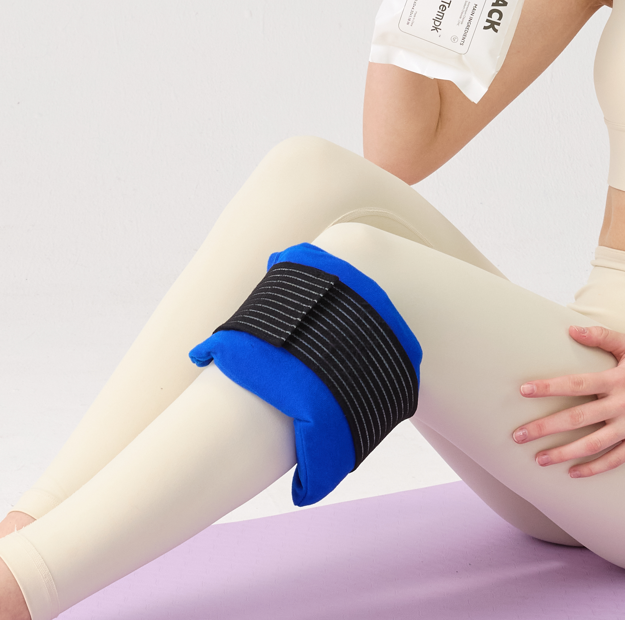
Grossiste en produits chimiques de briques réfrigérantes en gel: Un cadre pratique de l'échantillon à l'approvisionnement
Les acheteurs comparent souvent les packs de gel par dimensions et prix unitaire. Ces champs comptent, mais ils en disent peu sur le comportement des phoques, conditionnement, espace de charge utile utilisable, documentation, ou performances dans le système isolé final. Pour un acheteur à la recherche d'un grossiste en produits chimiques en briques réfrigérantes en gel, la décision centrale est de savoir si le liquide de refroidissement et l'expéditeur sont compatibles avec la FDS du produit, classification des dangers, plage de température requise, et mode de transport. Une décision d'approvisionnement défendable combine les limites du produit, preuves matérielles, test d'emballage, contrôles des fournisseurs, et un plan réaliste pour une utilisation quotidienne.
La décision finale appartient aux grossistes en produits chimiques, fournisseurs de laboratoire, des équipes de qualité, et distributeurs de matériaux sensibles à la température, souvent dans des applications telles que les expéditions de réactifs, échantillons industriels, kits de laboratoire, et produits chimiques sensibles à la température. Une revue intégrée relie l'utilisateur'il y a un besoin, le produit fini, contrôle des fournisseurs, preuve d'emballage, et exécution quotidienne. Il maintient les hypothèses visibles afin que le même élément ne soit pas approuvé pour une utilisation plus large que celle que soutiennent les preuves..
Définir ce qu'un achat réussi doit prouver
La carte d'approbation d'un grossiste en produits chimiques en briques réfrigérantes en gel doit contenir cinq décisions liées.: quel est l'article fini, où il sera utilisé, quels risques comptent, quelles preuves mettent fin à ces risques, et comment la production restera équivalente à l'échantillon approuvé. Cette séquence empêche l'équipe de partir d'un élément de catalogue attrayant et d'en inventer une utilisation plus tard.. Cela donne également aux fournisseurs un moyen clair de divulguer les limitations sans être pénalisés s'ils refusent une garantie irréaliste..
Rédiger la déclaration d'utilisation prévue dans un langage opérationnel. Nommez la charge utile, condition requise, récipient, itinéraire, modalités de contact, méthode de conditionnement, et décision à la réception. Identifiez ensuite laquelle des utilisations possibles, y compris les expéditions de réactifs, échantillons industriels, kits de laboratoire, et produits chimiques sensibles à la température, sont à l'intérieur de la première approbation et qui restent en dehors de celle-ci. Le contrôle du périmètre est particulièrement important lorsqu'un nom commercial peut faire référence à la distribution alimentaire., Soins de santé, soins personnels, ou manutention industrielle.
Gardez les limites du produit explicites: Une brique réfrigérante contrôle le flux de chaleur; cela ne rend pas une matière dangereuse non dangereuse, remplacer les emballages de marchandises dangereuses, or define the chemical's storage limits. La déclaration doit apparaître dans le dossier technique et la formation., pas seulement dans une note légale. Les opérateurs et les équipes commerciales doivent comprendre qu'un composant gel, un conteneur isotherme, un emballage qualifié, et un itinéraire surveillé remplit différentes fonctions. Demander à l'équipe responsable de la distribution mondiale de produits chimiques et de laboratoire de confirmer l'interprétation spécifique au marché..
Attribuez chaque décision à un propriétaire. L'équipe produit définit les conditions acceptables; l'emballage définit les hypothèses d'ajustement et de transfert de chaleur; qualité examine les preuves et les changements; les opérations confirment la capacité de préparation; les achats contrôlent la spécification commerciale; réception des résultats des enregistrements. Lorsque la propriété n’est pas claire, les lacunes sont souvent comblées par le langage marketing du fournisseur plutôt que par une décision documentée de l'acheteur. Utilisez le résultat lors de l'enquête sur les conteneurs intérieurs endommageant les briques rigides dans ce programme..
La spécification doit atteindre la chaîne de production
La spécification doit décrire les briques réfrigérantes à gel rigide utilisées autour des produits chimiques., réactifs, matériel de laboratoire, et échantillons industriels comme article fini. Inclure les dimensions inconditionnées et conditionnées, remplir ou masser, apparence, construction de film ou de coque, couture ou fermeture, imprimer, étiquette, emballage individuel, carton, stockage, et méthode d'inspection. Etat des tolérances et catégories de défauts. Si une propriété n'est importante qu'après gel, gonflement, chauffage, fléchissement, ou nettoyage, définir la préparation avant de la mesurer.
Les informations sur la formulation doivent être suffisantes pour l'examen réel des dangers et de l'exposition.. Le nom commercial d'un épaississant ou d'un polymère ne décrit pas la qualité de l'eau., additifs, conservateurs, colorants, résidus, ou compatibilité avec le conteneur. Une FDS peut prendre en charge la communication des dangers, cependant, des preuves distinctes peuvent être nécessaires pour le contact alimentaire, contact avec la peau, réclamations médicales, élimination, ou performances thermiques. Posez la question précise avant de demander le document. Appliquer ce contrôle aux échantillons industriels et attribuer son propriétaire avant l'approbation de l'échantillon.
Les conditions de défaillance prévisibles doivent être représentées. Dans ce programme, ils incluent l'incompatibilité chimique après une fuite, liquide de refroidissement confondu avec le produit, conteneurs intérieurs endommageant les briques rigides, et les allégations de température copiées sur différents réactifs. L'évaluation doit montrer comment la défaillance est évitée, détecté, contenu, enquêté, et lié à beaucoup de choses. This turns broad requirements such as 'étanche' ou 'sûr' into testable controls and response rules. Reliez les preuves au code d'article approuvé et au lot du fournisseur pour les briques réfrigérantes à gel rigide utilisées autour des produits chimiques., réactifs, matériel de laboratoire, et échantillons industriels.
Pour le dossier de sortie, définir la limite d'exposition dans les mêmes mots utilisés par les opérations. Ne présumez pas que la brique extérieure est inoffensive à chaque exposition. Revoir la formulation du liquide de refroidissement, boîtier, scénario de fuite, et compatibilité avec la charge utile chimique et le confinement secondaire. La conclusion approuvée doit couvrir les fuites prévisibles, nettoyage, et la manipulation des utilisateurs ainsi que la séparation normale. Demander à l'équipe responsable de la distribution mondiale de produits chimiques et de laboratoire de confirmer l'interprétation spécifique au marché..
| Porte d'approbation | Preuve de décision | Condition de libération |
|---|---|---|
| Utiliser la définition | Charge utile, itinéraire, isolation, contact, et déclaration d'acceptation | Toutes les hypothèses critiques sont détenues et enregistrées |
| Échantillon représentatif | Matériaux finaux, formule, processus, œuvres d'art, et emballage | Les différences par rapport à la production sont fermées ou formellement évaluées |
| Preuve fonctionnelle | Endiguement, conditionnement, manutention, et données thermiques pertinentes pour l'utilisation | Méthodes, échantillons, et les limites sont visibles |
| Contrôle des fournisseurs | Rôles sur le site, enregistrements de lots, plan d'inspection, et processus de changement | La responsabilité atteint l’opération de production réelle |
| Disponibilité opérationnelle | Instruction de travail, entraînement, recevoir, et workflow de déviation | L'acheteur peut reproduire et contrôler l'état approuvé |
Ces portes créent une séquence plutôt qu'une pile de documents. Un programme ne devrait pas progresser parce qu'un certificat semble solide alors que l'échantillon, itinéraire, ou la notice d'utilisation reste provisoire. La décision de libération devient plus facile à défendre lorsque chaque porte fait référence au même code produit et à la même configuration.. Inclure la décision dans les instructions de l'opérateur pour les kits de laboratoire.
Utiliser les preuves thermiques avec leurs limites visibles
Une déclaration de performance n'est utile que lorsque ses conditions sont connues. Enregistrez le conteneur isotherme, charge utile, quantité et position du liquide de refroidissement, températures de départ, processus de conditionnement, profil ambiant, durée, emplacement du capteur, critère de réussite, et toute ouverture de porte ou événement de manipulation. Le rapport doit identifier le pack exact testé. Sans ces champs, une valeur horaire ne peut pas être comparée équitablement ou transférée en toute sécurité vers un autre itinéraire. Appliquer ce contrôle aux produits chimiques sensibles à la température et attribuer son propriétaire avant approbation des échantillons.
Le travail en laboratoire et la surveillance des voies répondent à différentes questions. Les profils contrôlés aident à comparer les conceptions et à établir une configuration qualifiée. Les données d'itinéraire montrent comment les transporteurs, transferts, mise en scène, météo, et la variation de fonctionnement interagit avec cette conception. Utiliser les écarts pour affiner le modèle de risque, ne pas supposer que plus de liquide de refroidissement est toujours la solution. Un liquide de refroidissement supplémentaire peut consommer de la charge utile, ajouter du fret, et créer des surfaces plus froides. Reliez les preuves au code d'article approuvé et au lot du fournisseur pour les briques réfrigérantes à gel rigide utilisées autour des produits chimiques., réactifs, matériel de laboratoire, et échantillons industriels.
Le plan d'exploitation doit être testé sur le site qui l'utilisera. Utilisez des couleurs ou des étiquettes distinctes là où la confusion est possible, empêcher les briques d'écraser les conteneurs primaires, et mettre en quarantaine tout envoi présentant une fuite de liquide de refroidissement jusqu'à ce que la compatibilité et l'intégrité du produit soient évaluées.. Un changement représentatif devrait confirmer la capacité de préparation, discipline de mise en scène, inspection, et escalade avant que le volume ne soit engagé. Demander à l'équipe responsable de la distribution mondiale de produits chimiques et de laboratoire de confirmer l'interprétation spécifique au marché..
Définir les déclencheurs de requalification lors de l’approbation. Une nouvelle charge utile, transporteur, saison, isolation, taille du paquet, formulation, site de production, ou la méthode de conditionnement peut invalider une hypothèse même lorsque la description d'achat reste inchangée. Les données de tendance provenant des réceptions et des plaintes doivent être examinées pour détecter des changements plus petits qui peuvent justifier des tests ciblés avant qu'une défaillance visible ne se produise.. Utilisez le résultat lors de l'enquête sur les conteneurs intérieurs endommageant les briques rigides dans ce programme..
De la comparaison des offres à une relation d’approvisionnement contrôlée
Pour un grossiste en produits chimiques en briques réfrigérantes en gel, identifier si chaque enchérisseur est le vendeur légal, usine, convertisseur, filler, distributeur, importateur, ou propriétaire de marque privée. Cartographier qui achète des matériaux critiques, approuve les changements de formule, définit les paramètres du joint, sort beaucoup, stocke les dossiers, et traite les plaintes. Un distributeur peut être un partenaire efficace lorsqu’il dispose d’un contrôle documenté sur l’usine.; une usine peut encore être faible si les responsabilités sont fragmentées.
Utiliser des échantillons par étapes. Les premiers échantillons explorent les dimensions et la manipulation. Des échantillons techniques confirment la construction prévue. Des échantillons représentatifs de la production vérifient la ligne proposée, outillage, matériels, formule, œuvres d'art, et emballage. Étiquetez chaque échantillon avec son statut et son lot. L'approbation finale ne doit pas reposer sur une unité préparée par une méthode de laboratoire spéciale que la ligne normale ne peut pas reproduire.. Appliquer ce contrôle aux échantillons industriels et attribuer son propriétaire avant l'approbation de l'échantillon.
Les conditions commerciales doivent préserver le contrôle technique. Liez la commande à la révision des spécifications et aux illustrations, définir l'emballage et l'inspection, état du document et enregistrement des attentes, et exiger un préavis pour les changements critiques. Discuter du modèle de commande, pics, exposition aux matières premières, contraintes de capacité, contingence, délai de réclamation, et disposition des stocks non conformes. Un prix unitaire bas n’est pas complet s’il déplace l’inspection, reconditionnement, ou coût d'échec pour l'acheteur. Reliez les preuves au code d'article approuvé et au lot du fournisseur pour les briques réfrigérantes à gel rigide utilisées autour des produits chimiques., réactifs, matériel de laboratoire, et échantillons industriels.
La planification régionale pour la distribution mondiale de produits chimiques et de laboratoires ajoute des rôles d'importateur, langue, réclamations, instructions d'élimination, et distribution locale. The shipped chemical's classification, FDS, instructions d'emballage, et les règles des transporteurs ont la priorité. Les acheteurs devraient demander à des spécialistes des marchandises dangereuses et de la qualité d'examiner l'ensemble de l'emballage lorsque des matières réglementées sont impliquées.. Confirmer que l'identité du modèle reste cohérente dans tous les rapports, Documents FDS, factures, étiquettes, et des cartons, avec une référence croisée contrôlée là où les codes de marque privée et d'usine diffèrent.
À quoi ressemble le chemin de l'échantillon au fournisseur
Utilisez ce scénario pour remettre en question la logique d'approbation. Un grossiste expédie deux réactifs qui partagent la même bande de stockage nominale mais ont des sensibilités au gel et des classifications de marchandises dangereuses différentes.. La configuration à une seule brique ne doit pas être approuvée tant que les exigences thermiques et de sécurité du transport n'ont pas été examinées séparément.. Il s'agit d'une situation hypothétique d'approvisionnement, il ne s'agit pas d'un résultat client revendiqué, et son but est d'exposer les variables qui ont besoin d'un propriétaire. Inclure la décision dans les instructions de l'opérateur pour les kits de laboratoire.
L'équipe doit geler les hypothèses actuelles avant de modifier la conception. Capturer la géométrie de la charge utile et les conditions de départ, isolation, préparation du liquide de refroidissement, placement, exposition ambiante, transferts, plan de capteur, et règle d'acceptation. Choisissez ensuite le plus petit changement qui répond au risque observé. Modification de la masse du liquide de refroidissement, isolation, placement, et le temps de chargement ensemble peut produire une passe mais n'apprend pas grand-chose sur le contrôle important. Consigner la conclusion dans le dossier de libération contrôlée du grossiste en produits chimiques en briques réfrigérantes en gel.
Le soumissionnaire reçoit le même modèle de faits et renvoie une configuration proposée avec des limitations explicites. L'acheteur ne compare pas seulement le prix, mais aussi avec quelle clarté la proposition relie le peloton à l'itinéraire, dans quelle mesure l'échantillon est-il représentatif, quelles données sont disponibles, et comment les changements seront contrôlés. Once the configuration passes the buyer's review, les instructions de travail et les critères d'admission sont publiés avec la même révision. Appliquer ce contrôle aux produits chimiques sensibles à la température et attribuer son propriétaire avant approbation des échantillons.
Choisir la bonne taille avant de faire une déclaration écologique
À grande échelle, la question environnementale doit rester liée aux opérations. Les briques rigides réutilisables peuvent convenir aux itinéraires de laboratoire fermés, mais décontamination, possession, classement de retour, et la perte peut rendre la réutilisation inappropriée pour certains produits chimiques. Documentez les hypothèses derrière la comparaison afin qu'un changement d'itinéraire, taux de retour, nettoyage, ou l'élimination ne laisse pas une ancienne créance attachée à un système différent. Demander à l'équipe responsable de la distribution mondiale de produits chimiques et de laboratoire de confirmer l'interprétation spécifique au marché..
Évaluer le matériel, énergie de congélation, poids du colis, isolation, perte de produit, nettoyage, récupération, transport inverse, et élimination dans une limite. La réutilisation est attractive sur un parcours fermé stable avec un rendement élevé et une inspection contrôlée. Cela peut être inefficace dans un réseau ouvert. De la même manière, une demande d'élimination n'est utile que lorsque les utilisateurs reçoivent des instructions précises et que l'infrastructure locale peut atteindre le résultat déclaré. Utilisez le résultat lors de l'enquête sur les conteneurs intérieurs endommageant les briques rigides dans ce programme..
Le meilleur projet de réduction pourrait être un emballage saisonnier plus petit, meilleur pré-refroidissement, mise en scène plus courte, contrôle amélioré du vide, ou segmentation d'itinéraire. Ces changements peuvent réduire le liquide de refroidissement et le fret tout en augmentant la fiabilité. Le marketing environnemental doit décrire de manière précise l’amélioration prouvée et éviter de laisser entendre qu’une propriété matérielle rend l’ensemble de l’expédition durable.. Inclure la décision dans les instructions de l'opérateur pour les expéditions de réactifs.
Dernières questions avant la sortie
Qu'est-ce qui doit déclencher une réévaluation après le lancement?
Réévaluer lorsqu'un matériau critique, formule, site de fabrication, outil, processus de scellement, taille du paquet, isolation, charge utile, itinéraire, méthode de conditionnement, transporteur, ou changements de critères d’acceptation. Les tendances en matière de plaintes et la dérive saisonnière inexpliquée peuvent également déclencher un examen.. L'accord de qualité doit indiquer qui informe qui et quelles preuves sont nécessaires avant que la configuration révisée ne soit publiée.. Reliez les preuves au code d'article approuvé et au lot du fournisseur pour les briques réfrigérantes à gel rigide utilisées autour des produits chimiques., réactifs, matériel de laboratoire, et échantillons industriels.
Comment créer une liste restreinte pour un grossiste en produits chimiques en briques réfrigérantes en gel?
Donnez à chaque soumissionnaire le même brief contrôlé: utilisation prévue, charge utile, condition requise, isolation, itinéraire, conditionnement, voie de contact, modèle de commande, et marché cible. Notez les réponses pour la transparence de la fabrication, preuve, représentativité de l'échantillon, changer de contrôle, et aptitude opérationnelle. Ne classez pas une demande d'heures non justifiée au-dessus d'une proposition qui indique clairement ses limites de test.. Utilisez le résultat lors de l'enquête sur l'incompatibilité chimique après une fuite dans ce programme.
Quel échantillon l'équipe qualité doit-elle approuver?
Approuver un échantillon représentatif de la production lié à la spécification finale, matériels, formule, outillage, imprimer, étiquette, et carton. Un prototype rempli à la main peut prendre en charge les premiers travaux de conception mais ne devrait pas permettre une production de masse.. Conservez l'échantillon signé comme référence visuelle tout en utilisant les limites d'inspection objectives pour les dimensions., remplir, joint, apparence, et contrôles fonctionnels. Consigner la conclusion dans le dossier de libération contrôlée du grossiste en produits chimiques en briques réfrigérantes en gel.
Quand les tests thermiques sont-ils nécessaires?
Les tests sont nécessaires lorsque l'acheteur compte sur l'emballage pour maintenir l'état du produit via un itinéraire défini.. L'étude doit identifier les conditions de départ, profil ambiant, charge utile, isolation, configuration du liquide de refroidissement, emplacements des capteurs, et règle d'acceptation. Risque, sensibilité au produit, variabilité des voies, et les attentes réglementaires déterminent si des qualifications supplémentaires et une surveillance continue sont nécessaires. Reliez les preuves au code d'article approuvé et au lot du fournisseur pour les briques réfrigérantes à gel rigide utilisées autour des produits chimiques., réactifs, matériel de laboratoire, et échantillons industriels.
Une décision d'achat défendable
La décision d'un grossiste en produits chimiques de briques réfrigérantes à gel puissant se termine par un produit contrôlé, une utilisation définie, preuves avec des limites visibles, un processus de changement de fournisseur, et instructions de travail que l'acheteur peut reproduire. Cela déclenche également une boucle de rétroaction opérationnelle. Examiner les défauts du lot, exceptions de conditionnement, données d'itinéraire, plaintes, et modifications afin que la conception approuvée ne s'écarte pas des conditions qui l'ont justifiée.
À propos du tempk
Tempk supplies flexible gel ice packs, briques de glace rigides, packs d'injection d'eau, et composants d'emballage isothermes pour la chaîne du froid. Pour les briques réfrigérantes à gel rigide utilisées autour des produits chimiques, réactifs, matériel de laboratoire, et échantillons industriels, nous pouvons revoir le format demandé, dimensions, personnalisation, emballage, et intrants de fournitures commerciales avec votre équipe. The final choice should be evaluated in the buyer's complete packout and market context, donc l'enquête la plus utile inclut la charge utile, condition requise, itinéraire, isolation, voie de contact, et modèle de commande attendu.
Envoyez à Tempk le dossier contrôlé pour votre projet de grossiste en produits chimiques de briques réfrigérantes en gel lorsque vous êtes prêt à comparer un échantillon représentatif de la production avec votre itinéraire et vos exigences d'approbation..
Gel Pack Allemagne Fournisseur: De l’approbation des échantillons à un approvisionnement fiable
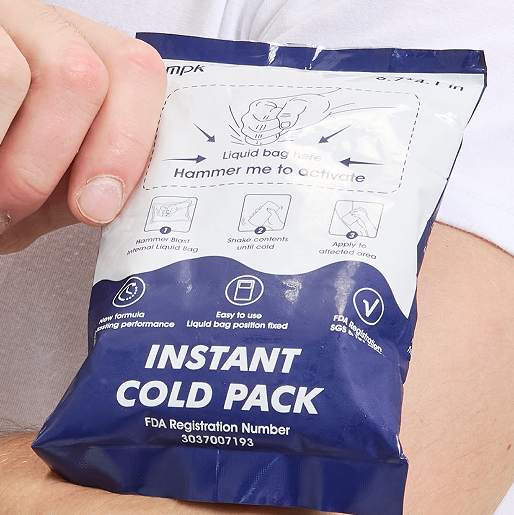
Gel Pack Allemagne Fournisseur: Un cadre pratique de l'échantillon à l'approvisionnement
Quand un colis sous chaîne du froid échoue, le pack de gel est un suspect facile. En pratique, des pannes surviennent fréquemment au niveau des interfaces: chargement à chaud, conditionnement incomplet, espace vide, longues passations de pouvoir, joints endommagés, ou des règles de réception peu claires. Pour un acheteur à la recherche d'un fournisseur de packs de gel en Allemagne, the central decision is whether the pack and its documentation can be placed into the buyer's actual German supply chain without unsupported safety or environmental claims. Une décision d'approvisionnement défendable combine les limites du produit, preuves matérielles, test d'emballage, contrôles des fournisseurs, et un plan réaliste pour une utilisation quotidienne.
La décision finale appartient aux importateurs allemands, distributeurs de produits alimentaires et de soins de santé, ingénieurs d'emballage, et les équipes achats, souvent dans des applications telles que la livraison de nourriture, emballage secondaire pharmaceutique, expéditions de laboratoire, et distribution urbaine réutilisable. Une revue intégrée relie l'utilisateur'il y a un besoin, le produit fini, contrôle des fournisseurs, preuve d'emballage, et exécution quotidienne. Il maintient les hypothèses visibles afin que le même élément ne soit pas approuvé pour une utilisation plus large que celle que soutiennent les preuves..
Commencez par une carte d'approbation
La carte d'approbation d'un fournisseur de packs de gel en Allemagne doit contenir cinq décisions liées: quel est l'article fini, où il sera utilisé, quels risques comptent, quelles preuves mettent fin à ces risques, et comment la production restera équivalente à l'échantillon approuvé. Cette séquence empêche l'équipe de partir d'un élément de catalogue attrayant et d'en inventer une utilisation plus tard.. Cela donne également aux fournisseurs un moyen clair de divulguer les limitations sans être pénalisés s'ils refusent une garantie irréaliste..
Rédiger la déclaration d'utilisation prévue dans un langage opérationnel. Nommez la charge utile, condition requise, récipient, itinéraire, modalités de contact, méthode de conditionnement, et décision à la réception. Identifiez ensuite laquelle des utilisations possibles, y compris la livraison de nourriture, emballage secondaire pharmaceutique, expéditions de laboratoire, et distribution urbaine réutilisable, sont à l'intérieur de la première approbation et qui restent en dehors de celle-ci. Le contrôle du périmètre est particulièrement important lorsqu'un nom commercial peut faire référence à la distribution alimentaire., Soins de santé, soins personnels, ou manutention industrielle.
Gardez les limites du produit explicites: Un pack de gel est un composant liquide de refroidissement. It does not make an insulated box a qualified thermal shipping system and it is not automatically a food-contact article merely because it travels near food. La déclaration doit apparaître dans le dossier technique et la formation., pas seulement dans une note légale. Les opérateurs et les équipes commerciales doivent comprendre qu'un composant gel, un conteneur isotherme, un emballage qualifié, et un itinéraire surveillé remplit différentes fonctions. Demandez à l'équipe responsable en Allemagne et dans l'Union européenne de confirmer l'interprétation spécifique au marché..
Attribuez chaque décision à un propriétaire. L'équipe produit définit les conditions acceptables; l'emballage définit les hypothèses d'ajustement et de transfert de chaleur; qualité examine les preuves et les changements; les opérations confirment la capacité de préparation; les achats contrôlent la spécification commerciale; réception des résultats des enregistrements. Lorsque la propriété n’est pas claire, les lacunes sont souvent comblées par le langage marketing du fournisseur plutôt que par une décision documentée de l'acheteur. Utilisez le résultat lors de l'enquête sur les allégations de recyclabilité non vérifiées dans ce programme.
Approuver un produit, Ce n'est pas un matériau générique
La spécification doit décrire les packs de gel scellés pour les programmes allemands et européens de chaîne du froid en tant qu'article fini.. Inclure les dimensions inconditionnées et conditionnées, remplir ou masser, apparence, construction de film ou de coque, couture ou fermeture, imprimer, étiquette, emballage individuel, carton, stockage, et méthode d'inspection. Etat des tolérances et catégories de défauts. Si une propriété n'est importante qu'après gel, gonflement, chauffage, fléchissement, ou nettoyage, définir la préparation avant de la mesurer.
Les informations sur la formulation doivent être suffisantes pour l'examen réel des dangers et de l'exposition.. Le nom commercial d'un épaississant ou d'un polymère ne décrit pas la qualité de l'eau., additifs, conservateurs, colorants, résidus, ou compatibilité avec le conteneur. Une FDS peut prendre en charge la communication des dangers, cependant, des preuves distinctes peuvent être nécessaires pour le contact alimentaire, contact avec la peau, réclamations médicales, élimination, ou performances thermiques. Posez la question précise avant de demander le document. Appliquer ce contrôle aux emballages secondaires pharmaceutiques et attribuer son propriétaire avant l'approbation de l'échantillon.
Les conditions de défaillance prévisibles doivent être représentées. Dans ce programme, ils incluent une formulation incomplète ou une documentation de sécurité, langage ambigu concernant le contact alimentaire, allégations de recyclabilité non vérifiées, et un mauvais contrôle de la condensation et de l'étanchéité. L'évaluation doit montrer comment la défaillance est évitée, détecté, contenu, enquêté, et lié à beaucoup de choses. This turns broad requirements such as 'étanche' ou 'sûr' into testable controls and response rules. Reliez les preuves au code d'article approuvé et au lot du fournisseur pour les packs de gel scellés pour les programmes de chaîne du froid allemands et européens plus larges..
Pour le dossier de sortie, définir la limite d'exposition dans les mêmes mots utilisés par les opérations. Si le pack de gel peut toucher des aliments non emballés, les matériaux de contact et les conditions d'utilisation prévues nécessitent un examen spécifique. S'il reste séparé par emballage primaire, documenter cette configuration au lieu de revendiquer une approbation universelle pour le contact alimentaire. La conclusion approuvée doit couvrir les fuites prévisibles, nettoyage, et la manipulation des utilisateurs ainsi que la séparation normale. Demandez à l'équipe responsable en Allemagne et dans l'Union européenne de confirmer l'interprétation spécifique au marché..
| Porte d'approbation | Preuve de décision | Condition de libération |
|---|---|---|
| Utiliser la définition | Charge utile, itinéraire, isolation, contact, et déclaration d'acceptation | Toutes les hypothèses critiques sont détenues et enregistrées |
| Échantillon représentatif | Matériaux finaux, formule, processus, œuvres d'art, et emballage | Les différences par rapport à la production sont fermées ou formellement évaluées |
| Preuve fonctionnelle | Endiguement, conditionnement, manutention, et données thermiques pertinentes pour l'utilisation | Méthodes, échantillons, et les limites sont visibles |
| Contrôle des fournisseurs | Rôles sur le site, enregistrements de lots, plan d'inspection, et processus de changement | La responsabilité atteint l’opération de production réelle |
| Disponibilité opérationnelle | Instruction de travail, entraînement, recevoir, et workflow de déviation | L'acheteur peut reproduire et contrôler l'état approuvé |
Ces portes créent une séquence plutôt qu'une pile de documents. Un programme ne devrait pas progresser parce qu'un certificat semble solide alors que l'échantillon, itinéraire, ou la notice d'utilisation reste provisoire. La décision de libération devient plus facile à défendre lorsque chaque porte fait référence au même code produit et à la même configuration.. Inclure la décision dans les instructions de l'opérateur pour les expéditions de laboratoire.
Rendre les allégations de performance traçables
Une déclaration de performance n'est utile que lorsque ses conditions sont connues. Enregistrez le conteneur isotherme, charge utile, quantité et position du liquide de refroidissement, températures de départ, processus de conditionnement, profil ambiant, durée, emplacement du capteur, critère de réussite, et toute ouverture de porte ou événement de manipulation. Le rapport doit identifier le pack exact testé. Sans ces champs, une valeur horaire ne peut pas être comparée équitablement ou transférée en toute sécurité vers un autre itinéraire. Appliquer ce contrôle à la distribution urbaine réutilisable et attribuer son propriétaire avant l'approbation de l'échantillon.
Le travail en laboratoire et la surveillance des voies répondent à différentes questions. Les profils contrôlés aident à comparer les conceptions et à établir une configuration qualifiée. Les données d'itinéraire montrent comment les transporteurs, transferts, mise en scène, météo, et la variation de fonctionnement interagit avec cette conception. Utiliser les écarts pour affiner le modèle de risque, ne pas supposer que plus de liquide de refroidissement est toujours la solution. Un liquide de refroidissement supplémentaire peut consommer de la charge utile, ajouter du fret, et créer des surfaces plus froides. Reliez les preuves au code d'article approuvé et au lot du fournisseur pour les packs de gel scellés pour les programmes de chaîne du froid allemands et européens plus larges..
Le plan d'exploitation doit être testé sur le site qui l'utilisera. Planifiez le traitement des informations en langue allemande là où le canal de vente ou le processus de travail en a besoin, et aligner les instructions relatives aux déchets sur le véritable itinéraire de collecte local plutôt qu'un symbole de recyclage générique. Un changement représentatif devrait confirmer la capacité de préparation, discipline de mise en scène, inspection, et escalade avant que le volume ne soit engagé. Demandez à l'équipe responsable en Allemagne et dans l'Union européenne de confirmer l'interprétation spécifique au marché..
Définir les déclencheurs de requalification lors de l’approbation. Une nouvelle charge utile, transporteur, saison, isolation, taille du paquet, formulation, site de production, ou la méthode de conditionnement peut invalider une hypothèse même lorsque la description d'achat reste inchangée. Les données de tendance provenant des réceptions et des plaintes doivent être examinées pour détecter des changements plus petits qui peuvent justifier des tests ciblés avant qu'une défaillance visible ne se produise.. Utilisez le résultat lors de l'enquête sur les allégations de recyclabilité non vérifiées dans ce programme.
La responsabilité est une exigence commerciale
Pour un fournisseur de pack de gel Allemagne, identifier si chaque enchérisseur est le vendeur légal, usine, convertisseur, filler, distributeur, importateur, ou propriétaire de marque privée. Cartographier qui achète des matériaux critiques, approuve les changements de formule, définit les paramètres du joint, sort beaucoup, stocke les dossiers, et traite les plaintes. Un distributeur peut être un partenaire efficace lorsqu’il dispose d’un contrôle documenté sur l’usine.; une usine peut encore être faible si les responsabilités sont fragmentées.
Utiliser des échantillons par étapes. Les premiers échantillons explorent les dimensions et la manipulation. Des échantillons techniques confirment la construction prévue. Des échantillons représentatifs de la production vérifient la ligne proposée, outillage, matériels, formule, œuvres d'art, et emballage. Étiquetez chaque échantillon avec son statut et son lot. L'approbation finale ne doit pas reposer sur une unité préparée par une méthode de laboratoire spéciale que la ligne normale ne peut pas reproduire.. Appliquer ce contrôle aux emballages secondaires pharmaceutiques et attribuer son propriétaire avant l'approbation de l'échantillon.
Les conditions commerciales doivent préserver le contrôle technique. Liez la commande à la révision des spécifications et aux illustrations, définir l'emballage et l'inspection, état du document et enregistrement des attentes, et exiger un préavis pour les changements critiques. Discuter du modèle de commande, pics, exposition aux matières premières, contraintes de capacité, contingence, délai de réclamation, et disposition des stocks non conformes. Un prix unitaire bas n’est pas complet s’il déplace l’inspection, reconditionnement, ou coût d'échec pour l'acheteur. Reliez les preuves au code d'article approuvé et au lot du fournisseur pour les packs de gel scellés pour les programmes de chaîne du froid allemands et européens plus larges..
La planification régionale pour l'Allemagne et l'Union européenne ajoute des rôles d'importateur, langue, réclamations, instructions d'élimination, et distribution locale. Les acheteurs allemands devraient évaluer le scénario de contact envisagé, documentation sur les produits chimiques applicables, droits de distribution de médicaments le cas échéant, et le cadre européen en matière d'emballage. Règlement (UE) 2025/40 s'applique à partir de 12 Août 2026, les allégations d'emballage et les choix de conception méritent donc un examen juridique actuel. Confirmer que l'identité du modèle reste cohérente dans tous les rapports, Documents FDS, factures, étiquettes, et des cartons, avec une référence croisée contrôlée là où les codes de marque privée et d'usine diffèrent.
Utilisez un scénario pour exposer les hypothèses cachées
Utilisez ce scénario pour remettre en question la logique d'approbation. Un distributeur allemand de kits repas compare un emballage souple à une brique rigide. Le bon choix dépend de la géométrie du carton, contrôle de la condensation, logistique de retour, et les preuves derrière les demandes d'élimination, pas uniquement sur le pays de fabrication. Il s'agit d'une situation hypothétique d'approvisionnement, il ne s'agit pas d'un résultat client revendiqué, et son but est d'exposer les variables qui ont besoin d'un propriétaire. Inclure la décision dans les instructions de l'opérateur pour les expéditions de laboratoire.
L'équipe doit geler les hypothèses actuelles avant de modifier la conception. Capturer la géométrie de la charge utile et les conditions de départ, isolation, préparation du liquide de refroidissement, placement, exposition ambiante, transferts, plan de capteur, et règle d'acceptation. Choisissez ensuite le plus petit changement qui répond au risque observé. Modification de la masse du liquide de refroidissement, isolation, placement, et le temps de chargement ensemble peut produire une passe mais n'apprend pas grand-chose sur le contrôle important. Enregistrez la conclusion dans le dossier de libération contrôlée du fournisseur de gel pack Allemagne.
Le soumissionnaire reçoit le même modèle de faits et renvoie une configuration proposée avec des limitations explicites. L'acheteur ne compare pas seulement le prix, mais aussi avec quelle clarté la proposition relie le peloton à l'itinéraire, dans quelle mesure l'échantillon est-il représentatif, quelles données sont disponibles, et comment les changements seront contrôlés. Once the configuration passes the buyer's review, les instructions de travail et les critères d'admission sont publiés avec la même révision. Appliquer ce contrôle à la distribution urbaine réutilisable et attribuer son propriétaire avant l'approbation de l'échantillon.
La valeur environnementale doit survivre aux opérations
À grande échelle, la question environnementale doit rester liée aux opérations. L’argument de durabilité le plus solide est généralement une réduction mesurée du total des emballages et des expéditions échouées., soutenu par un système réaliste de réutilisation ou de valorisation plutôt que par un large label vert. Documentez les hypothèses derrière la comparaison afin qu'un changement d'itinéraire, taux de retour, nettoyage, ou l'élimination ne laisse pas une ancienne créance attachée à un système différent. Demandez à l'équipe responsable en Allemagne et dans l'Union européenne de confirmer l'interprétation spécifique au marché..
Évaluer le matériel, énergie de congélation, poids du colis, isolation, perte de produit, nettoyage, récupération, transport inverse, et élimination dans une limite. La réutilisation est attractive sur un parcours fermé stable avec un rendement élevé et une inspection contrôlée. Cela peut être inefficace dans un réseau ouvert. De la même manière, une demande d'élimination n'est utile que lorsque les utilisateurs reçoivent des instructions précises et que l'infrastructure locale peut atteindre le résultat déclaré. Utilisez le résultat lors de l'enquête sur les allégations de recyclabilité non vérifiées dans ce programme.
Le meilleur projet de réduction pourrait être un emballage saisonnier plus petit, meilleur pré-refroidissement, mise en scène plus courte, contrôle amélioré du vide, ou segmentation d'itinéraire. Ces changements peuvent réduire le liquide de refroidissement et le fret tout en augmentant la fiabilité. Le marketing environnemental doit décrire de manière précise l’amélioration prouvée et éviter de laisser entendre qu’une propriété matérielle rend l’ensemble de l’expédition durable.. Inclure la décision dans les instructions de l'opérateur pour la livraison de nourriture.
Dernières questions avant la sortie
Quel échantillon l'équipe qualité doit-elle approuver?
Approuver un échantillon représentatif de la production lié à la spécification finale, matériels, formule, outillage, imprimer, étiquette, et carton. Un prototype rempli à la main peut prendre en charge les premiers travaux de conception mais ne devrait pas permettre une production de masse.. Conservez l'échantillon signé comme référence visuelle tout en utilisant les limites d'inspection objectives pour les dimensions., remplir, joint, apparence, et contrôles fonctionnels. Reliez les preuves au code d'article approuvé et au lot du fournisseur pour les packs de gel scellés pour les programmes de chaîne du froid allemands et européens plus larges..
Quand les tests thermiques sont-ils nécessaires?
Les tests sont nécessaires lorsque l'acheteur compte sur l'emballage pour maintenir l'état du produit via un itinéraire défini.. L'étude doit identifier les conditions de départ, profil ambiant, charge utile, isolation, configuration du liquide de refroidissement, emplacements des capteurs, et règle d'acceptation. Risque, sensibilité au produit, variabilité des voies, et les attentes réglementaires déterminent si des qualifications supplémentaires et une surveillance continue sont nécessaires. Utilisez le résultat lorsque vous étudiez une formulation incomplète ou une documentation de sécurité dans ce programme..
Une spécification de pack de gel peut-elle couvrir plusieurs produits?
Éventuellement, mais seulement après que l'espace de conception commun soit établi. Les produits peuvent différer en sensibilité, géométrie, condition de départ, voie de contact, et critères d'acceptation. Pour des utilisations telles que la livraison de nourriture, emballage secondaire pharmaceutique, expéditions de laboratoire, et distribution urbaine réutilisable, documenter quelles combinaisons ont été évaluées et lesquelles nécessitent un emballage séparé. Un code d'achat commun ne doit pas cacher les instructions spécifiques à l'application.
Qu'est-ce qui doit déclencher une réévaluation après le lancement?
Réévaluer lorsqu'un matériau critique, formule, site de fabrication, outil, processus de scellement, taille du paquet, isolation, charge utile, itinéraire, méthode de conditionnement, transporteur, ou changements de critères d’acceptation. Les tendances en matière de plaintes et la dérive saisonnière inexpliquée peuvent également déclencher un examen.. L'accord de qualité doit indiquer qui informe qui et quelles preuves sont nécessaires avant que la configuration révisée ne soit publiée.. Reliez les preuves au code d'article approuvé et au lot du fournisseur pour les packs de gel scellés pour les programmes de chaîne du froid allemands et européens plus larges..
L'approbation finale est un point de départ géré
La décision d'un fournisseur allemand de packs de gel solides se termine par un produit contrôlé, une utilisation définie, preuves avec des limites visibles, un processus de changement de fournisseur, et instructions de travail que l'acheteur peut reproduire. Cela déclenche également une boucle de rétroaction opérationnelle. Examiner les défauts du lot, exceptions de conditionnement, données d'itinéraire, plaintes, et modifications afin que la conception approuvée ne s'écarte pas des conditions qui l'ont justifiée.
À propos du tempk
Tempk supplies flexible gel ice packs, briques de glace rigides, packs d'injection d'eau, et composants d'emballage isothermes pour la chaîne du froid. Pour les packs de gel scellés pour les programmes de chaîne du froid allemands et européens plus larges, nous pouvons revoir le format demandé, dimensions, personnalisation, emballage, et intrants de fournitures commerciales avec votre équipe. The final choice should be evaluated in the buyer's complete packout and market context, donc l'enquête la plus utile inclut la charge utile, condition requise, itinéraire, isolation, voie de contact, et modèle de commande attendu.
Envoyez à Tempk le brief contrôlé pour votre projet de fournisseur de packs de gel en Allemagne lorsque vous êtes prêt à comparer un échantillon représentatif de la production avec votre itinéraire et vos exigences d'approbation..
Gel Pack Chocolat Vrac: De l’approbation des échantillons à un approvisionnement fiable
Gel Pack Chocolat Vrac: Un cadre pratique de l'échantillon à l'approvisionnement
Les acheteurs comparent souvent les packs de gel par dimensions et prix unitaire. Ces champs comptent, mais ils en disent peu sur le comportement des phoques, conditionnement, espace de charge utile utilisable, documentation, ou performances dans le système isolé final. For a buyer searching for a gel pack chocolate bulk, the central decision is whether the packout prevents damaging heat without exposing chocolate to excessive cold, condensation, or direct contact. Une décision d'approvisionnement défendable combine les limites du produit, preuves matérielles, test d'emballage, contrôles des fournisseurs, et un plan réaliste pour une utilisation quotidienne.
The final decision belongs to chocolate manufacturers, marques de coffrets cadeaux, centres de distribution, and wholesale distributors, often across applications such as premium chocolate parcels, seasonal gift programs, ingredient samples, et réapprovisionnement au détail. Une revue intégrée relie l'utilisateur'il y a un besoin, le produit fini, contrôle des fournisseurs, preuve d'emballage, et exécution quotidienne. Il maintient les hypothèses visibles afin que le même élément ne soit pas approuvé pour une utilisation plus large que celle que soutiennent les preuves..
Commencez par une carte d'approbation
The approval map for a gel pack chocolate bulk should contain five linked decisions: quel est l'article fini, où il sera utilisé, quels risques comptent, quelles preuves mettent fin à ces risques, et comment la production restera équivalente à l'échantillon approuvé. Cette séquence empêche l'équipe de partir d'un élément de catalogue attrayant et d'en inventer une utilisation plus tard.. Cela donne également aux fournisseurs un moyen clair de divulguer les limitations sans être pénalisés s'ils refusent une garantie irréaliste..
Rédiger la déclaration d'utilisation prévue dans un langage opérationnel. Nommez la charge utile, condition requise, récipient, itinéraire, modalités de contact, méthode de conditionnement, et décision à la réception. Identifiez ensuite laquelle des utilisations possibles, including premium chocolate parcels, seasonal gift programs, ingredient samples, et réapprovisionnement au détail, sont à l'intérieur de la première approbation et qui restent en dehors de celle-ci. Le contrôle du périmètre est particulièrement important lorsqu'un nom commercial peut faire référence à la distribution alimentaire., Soins de santé, soins personnels, ou manutention industrielle.
Gardez les limites du produit explicites: Chocolate shipping is a temperature-moderation problem, not simply a request for the coldest available pack. Product formulation, conditionnement, temps de transit, and recovery from cold conditions all affect appearance and texture. La déclaration doit apparaître dans le dossier technique et la formation., pas seulement dans une note légale. Les opérateurs et les équipes commerciales doivent comprendre qu'un composant gel, un conteneur isotherme, un emballage qualifié, et un itinéraire surveillé remplit différentes fonctions. Have the responsible team in global e-commerce and wholesale confectionery confirm the market-specific interpretation.
Attribuez chaque décision à un propriétaire. L'équipe produit définit les conditions acceptables; l'emballage définit les hypothèses d'ajustement et de transfert de chaleur; qualité examine les preuves et les changements; les opérations confirment la capacité de préparation; les achats contrôlent la spécification commerciale; réception des résultats des enregistrements. Lorsque la propriété n’est pas claire, les lacunes sont souvent comblées par le langage marketing du fournisseur plutôt que par une décision documentée de l'acheteur. Use the result when investigating insulation gaps around gift boxes in this program.
Approuver un produit, Ce n'est pas un matériau générique
The specification should describe bulk gel packs used to moderate temperature around chocolate and confectionery shipments as a finished article. Inclure les dimensions inconditionnées et conditionnées, remplir ou masser, apparence, construction de film ou de coque, couture ou fermeture, imprimer, étiquette, emballage individuel, carton, stockage, et méthode d'inspection. Etat des tolérances et catégories de défauts. Si une propriété n'est importante qu'après gel, gonflement, chauffage, fléchissement, ou nettoyage, définir la préparation avant de la mesurer.
Les informations sur la formulation doivent être suffisantes pour l'examen réel des dangers et de l'exposition.. Le nom commercial d'un épaississant ou d'un polymère ne décrit pas la qualité de l'eau., additifs, conservateurs, colorants, résidus, ou compatibilité avec le conteneur. Une FDS peut prendre en charge la communication des dangers, cependant, des preuves distinctes peuvent être nécessaires pour le contact alimentaire, contact avec la peau, réclamations médicales, élimination, ou performances thermiques. Posez la question précise avant de demander le document. Apply this check to seasonal gift programs and assign its owner before sample approval.
Les conditions de défaillance prévisibles doivent être représentées. In this program they include condensation when a cold parcel is opened, localized overcooling beside the pack, insulation gaps around gift boxes, and bulk packs that occupy too much sellable volume. L'évaluation doit montrer comment la défaillance est évitée, détecté, contenu, enquêté, et lié à beaucoup de choses. This turns broad requirements such as 'étanche' ou 'sûr' into testable controls and response rules. Tie the evidence to the approved item code and supplier lot for bulk gel packs used to moderate temperature around chocolate and confectionery shipments.
Pour le dossier de sortie, définir la limite d'exposition dans les mêmes mots utilisés par les opérations. The gel pack should normally be separated from unpackaged confectionery. Review the complete contact pathway, including leaks, condensation, and transfer from printed or secondary materials. La conclusion approuvée doit couvrir les fuites prévisibles, nettoyage, et la manipulation des utilisateurs ainsi que la séparation normale. Have the responsible team in global e-commerce and wholesale confectionery confirm the market-specific interpretation.
| Porte d'approbation | Preuve de décision | Condition de libération |
|---|---|---|
| Utiliser la définition | Charge utile, itinéraire, isolation, contact, et déclaration d'acceptation | Toutes les hypothèses critiques sont détenues et enregistrées |
| Échantillon représentatif | Matériaux finaux, formule, processus, œuvres d'art, et emballage | Les différences par rapport à la production sont fermées ou formellement évaluées |
| Preuve fonctionnelle | Endiguement, conditionnement, manutention, et données thermiques pertinentes pour l'utilisation | Méthodes, échantillons, et les limites sont visibles |
| Contrôle des fournisseurs | Rôles sur le site, enregistrements de lots, plan d'inspection, et processus de changement | La responsabilité atteint l’opération de production réelle |
| Disponibilité opérationnelle | Instruction de travail, entraînement, recevoir, et workflow de déviation | L'acheteur peut reproduire et contrôler l'état approuvé |
Ces portes créent une séquence plutôt qu'une pile de documents. Un programme ne devrait pas progresser parce qu'un certificat semble solide alors que l'échantillon, itinéraire, ou la notice d'utilisation reste provisoire. La décision de libération devient plus facile à défendre lorsque chaque porte fait référence au même code produit et à la même configuration.. Include the decision in the operator instruction for ingredient samples.
Rendre les allégations de performance traçables
Une déclaration de performance n'est utile que lorsque ses conditions sont connues. Enregistrez le conteneur isotherme, charge utile, quantité et position du liquide de refroidissement, températures de départ, processus de conditionnement, profil ambiant, durée, emplacement du capteur, critère de réussite, et toute ouverture de porte ou événement de manipulation. Le rapport doit identifier le pack exact testé. Sans ces champs, une valeur horaire ne peut pas être comparée équitablement ou transférée en toute sécurité vers un autre itinéraire. Apply this check to retail replenishment and assign its owner before sample approval.
Le travail en laboratoire et la surveillance des voies répondent à différentes questions. Les profils contrôlés aident à comparer les conceptions et à établir une configuration qualifiée. Les données d'itinéraire montrent comment les transporteurs, transferts, mise en scène, météo, et la variation de fonctionnement interagit avec cette conception. Utiliser les écarts pour affiner le modèle de risque, ne pas supposer que plus de liquide de refroidissement est toujours la solution. Un liquide de refroidissement supplémentaire peut consommer de la charge utile, ajouter du fret, et créer des surfaces plus froides. Tie the evidence to the approved item code and supplier lot for bulk gel packs used to moderate temperature around chocolate and confectionery shipments.
Le plan d'exploitation doit être testé sur le site qui l'utilisera. Use a written staging process so operators know when gel packs leave the freezer or conditioning area, where they sit in the carton, and how to prevent direct pressure on presentation packaging. Un changement représentatif devrait confirmer la capacité de préparation, discipline de mise en scène, inspection, et escalade avant que le volume ne soit engagé. Have the responsible team in global e-commerce and wholesale confectionery confirm the market-specific interpretation.
Définir les déclencheurs de requalification lors de l’approbation. Une nouvelle charge utile, transporteur, saison, isolation, taille du paquet, formulation, site de production, ou la méthode de conditionnement peut invalider une hypothèse même lorsque la description d'achat reste inchangée. Les données de tendance provenant des réceptions et des plaintes doivent être examinées pour détecter des changements plus petits qui peuvent justifier des tests ciblés avant qu'une défaillance visible ne se produise.. Use the result when investigating insulation gaps around gift boxes in this program.
La responsabilité est une exigence commerciale
For a gel pack chocolate bulk, identifier si chaque enchérisseur est le vendeur légal, usine, convertisseur, filler, distributeur, importateur, ou propriétaire de marque privée. Cartographier qui achète des matériaux critiques, approuve les changements de formule, définit les paramètres du joint, sort beaucoup, stocke les dossiers, et traite les plaintes. Un distributeur peut être un partenaire efficace lorsqu’il dispose d’un contrôle documenté sur l’usine.; une usine peut encore être faible si les responsabilités sont fragmentées.
Utiliser des échantillons par étapes. Les premiers échantillons explorent les dimensions et la manipulation. Des échantillons techniques confirment la construction prévue. Des échantillons représentatifs de la production vérifient la ligne proposée, outillage, matériels, formule, œuvres d'art, et emballage. Étiquetez chaque échantillon avec son statut et son lot. L'approbation finale ne doit pas reposer sur une unité préparée par une méthode de laboratoire spéciale que la ligne normale ne peut pas reproduire.. Apply this check to seasonal gift programs and assign its owner before sample approval.
Les conditions commerciales doivent préserver le contrôle technique. Liez la commande à la révision des spécifications et aux illustrations, définir l'emballage et l'inspection, état du document et enregistrement des attentes, et exiger un préavis pour les changements critiques. Discuter du modèle de commande, pics, exposition aux matières premières, contraintes de capacité, contingence, délai de réclamation, et disposition des stocks non conformes. Un prix unitaire bas n’est pas complet s’il déplace l’inspection, reconditionnement, ou coût d'échec pour l'acheteur. Tie the evidence to the approved item code and supplier lot for bulk gel packs used to moderate temperature around chocolate and confectionery shipments.
Regional planning for global e-commerce and wholesale confectionery adds importer roles, langue, réclamations, instructions d'élimination, et distribution locale. There is no single universal shipping temperature for all chocolate. Buyers should confirm limits with the product owner and validate a packout against seasonal routes instead of copying a frozen-food configuration. Confirmer que l'identité du modèle reste cohérente dans tous les rapports, Documents FDS, factures, étiquettes, et des cartons, avec une référence croisée contrôlée là où les codes de marque privée et d'usine diffèrent.
Utilisez un scénario pour exposer les hypothèses cachées
Utilisez ce scénario pour remettre en question la logique d'approbation. A gift-box company ships the same assortment from two fulfillment centers. One site packs directly from a freezer and the other stages coolant before use. The different process can produce different chocolate outcomes even when both locations buy the same gel pack. Il s'agit d'une situation hypothétique d'approvisionnement, il ne s'agit pas d'un résultat client revendiqué, et son but est d'exposer les variables qui ont besoin d'un propriétaire. Include the decision in the operator instruction for ingredient samples.
L'équipe doit geler les hypothèses actuelles avant de modifier la conception. Capturer la géométrie de la charge utile et les conditions de départ, isolation, préparation du liquide de refroidissement, placement, exposition ambiante, transferts, plan de capteur, et règle d'acceptation. Choisissez ensuite le plus petit changement qui répond au risque observé. Modification de la masse du liquide de refroidissement, isolation, placement, et le temps de chargement ensemble peut produire une passe mais n'apprend pas grand-chose sur le contrôle important. Record the conclusion in the controlled release record for the gel pack chocolate bulk.
Le soumissionnaire reçoit le même modèle de faits et renvoie une configuration proposée avec des limitations explicites. L'acheteur ne compare pas seulement le prix, mais aussi avec quelle clarté la proposition relie le peloton à l'itinéraire, dans quelle mesure l'échantillon est-il représentatif, quelles données sont disponibles, et comment les changements seront contrôlés. Once the configuration passes the buyer's review, les instructions de travail et les critères d'admission sont publiés avec la même révision. Apply this check to retail replenishment and assign its owner before sample approval.
La valeur environnementale doit survivre aux opérations
À grande échelle, la question environnementale doit rester liée aux opérations. Right-sizing often produces a better environmental result than simply choosing a reusable pack: unnecessary coolant adds freezing energy, poids du colis, and freight while reducing payload efficiency. Documentez les hypothèses derrière la comparaison afin qu'un changement d'itinéraire, taux de retour, nettoyage, ou l'élimination ne laisse pas une ancienne créance attachée à un système différent. Have the responsible team in global e-commerce and wholesale confectionery confirm the market-specific interpretation.
Évaluer le matériel, énergie de congélation, poids du colis, isolation, perte de produit, nettoyage, récupération, transport inverse, et élimination dans une limite. La réutilisation est attractive sur un parcours fermé stable avec un rendement élevé et une inspection contrôlée. Cela peut être inefficace dans un réseau ouvert. De la même manière, une demande d'élimination n'est utile que lorsque les utilisateurs reçoivent des instructions précises et que l'infrastructure locale peut atteindre le résultat déclaré. Use the result when investigating insulation gaps around gift boxes in this program.
Le meilleur projet de réduction pourrait être un emballage saisonnier plus petit, meilleur pré-refroidissement, mise en scène plus courte, contrôle amélioré du vide, ou segmentation d'itinéraire. Ces changements peuvent réduire le liquide de refroidissement et le fret tout en augmentant la fiabilité. Le marketing environnemental doit décrire de manière précise l’amélioration prouvée et éviter de laisser entendre qu’une propriété matérielle rend l’ensemble de l’expédition durable.. Include the decision in the operator instruction for premium chocolate parcels.
Dernières questions avant la sortie
Qu'est-ce qui doit déclencher une réévaluation après le lancement?
Réévaluer lorsqu'un matériau critique, formule, site de fabrication, outil, processus de scellement, taille du paquet, isolation, charge utile, itinéraire, méthode de conditionnement, transporteur, ou changements de critères d’acceptation. Les tendances en matière de plaintes et la dérive saisonnière inexpliquée peuvent également déclencher un examen.. L'accord de qualité doit indiquer qui informe qui et quelles preuves sont nécessaires avant que la configuration révisée ne soit publiée.. Tie the evidence to the approved item code and supplier lot for bulk gel packs used to moderate temperature around chocolate and confectionery shipments.
How do I create a shortlist for a gel pack chocolate bulk?
Donnez à chaque soumissionnaire le même brief contrôlé: utilisation prévue, charge utile, condition requise, isolation, itinéraire, conditionnement, voie de contact, modèle de commande, et marché cible. Notez les réponses pour la transparence de la fabrication, preuve, représentativité de l'échantillon, changer de contrôle, et aptitude opérationnelle. Ne classez pas une demande d'heures non justifiée au-dessus d'une proposition qui indique clairement ses limites de test.. Use the result when investigating condensation when a cold parcel is opened in this program.
Quel échantillon l'équipe qualité doit-elle approuver?
Approuver un échantillon représentatif de la production lié à la spécification finale, matériels, formule, outillage, imprimer, étiquette, et carton. Un prototype rempli à la main peut prendre en charge les premiers travaux de conception mais ne devrait pas permettre une production de masse.. Conservez l'échantillon signé comme référence visuelle tout en utilisant les limites d'inspection objectives pour les dimensions., remplir, joint, apparence, et contrôles fonctionnels. Record the conclusion in the controlled release record for the gel pack chocolate bulk.
Quand les tests thermiques sont-ils nécessaires?
Les tests sont nécessaires lorsque l'acheteur compte sur l'emballage pour maintenir l'état du produit via un itinéraire défini.. L'étude doit identifier les conditions de départ, profil ambiant, charge utile, isolation, configuration du liquide de refroidissement, emplacements des capteurs, et règle d'acceptation. Risque, sensibilité au produit, variabilité des voies, et les attentes réglementaires déterminent si des qualifications supplémentaires et une surveillance continue sont nécessaires. Tie the evidence to the approved item code and supplier lot for bulk gel packs used to moderate temperature around chocolate and confectionery shipments.
L'approbation finale est un point de départ géré
A strong gel pack chocolate bulk decision ends with one controlled product, une utilisation définie, preuves avec des limites visibles, un processus de changement de fournisseur, et instructions de travail que l'acheteur peut reproduire. Cela déclenche également une boucle de rétroaction opérationnelle. Examiner les défauts du lot, exceptions de conditionnement, données d'itinéraire, plaintes, et modifications afin que la conception approuvée ne s'écarte pas des conditions qui l'ont justifiée.
À propos du tempk
Tempk supplies flexible gel ice packs, briques de glace rigides, packs d'injection d'eau, et composants d'emballage isothermes pour la chaîne du froid. For bulk gel packs used to moderate temperature around chocolate and confectionery shipments, nous pouvons revoir le format demandé, dimensions, personnalisation, emballage, et intrants de fournitures commerciales avec votre équipe. The final choice should be evaluated in the buyer's complete packout and market context, donc l'enquête la plus utile inclut la charge utile, condition requise, itinéraire, isolation, voie de contact, et modèle de commande attendu.
Send Tempk the controlled brief for your gel pack chocolate bulk project when you are ready to compare a production-representative sample with your route and approval requirements.
Fournisseur médical de coussin de refroidissement en gel: De l’approbation des échantillons à un approvisionnement fiable

Fournisseur médical de coussin de refroidissement en gel: Un cadre pratique de l'échantillon à l'approvisionnement
La phrase sur un devis d'un fournisseur peut décrire un produit, un lieu d'approvisionnement, ou un poste marketing. Avant de comparer les offres, un acheteur doit définir ce que l'expression doit signifier dans l'opération réelle. Pour un acheteur à la recherche d'un fournisseur médical de coussins de refroidissement en gel, la décision centrale est de savoir si le tampon fini, ses instructions, et le fournisseur's documentation fit the intended medical or wellness claim. Une décision d'approvisionnement défendable combine les limites du produit, preuves matérielles, test d'emballage, contrôles des fournisseurs, et un plan réaliste pour une utilisation quotidienne.
La décision finale appartient aux distributeurs médicaux, équipes d'approvisionnement des cliniques, marques de rééducation, et responsables de programmes de marque privée, souvent dans des applications telles que les kits de thérapie par le froid, produits de confort post-intervention, lignes de récupération sportive, et stock de clinique et de pharmacie. Une revue intégrée relie l'utilisateur'il y a un besoin, le produit fini, contrôle des fournisseurs, preuve d'emballage, et exécution quotidienne. Il maintient les hypothèses visibles afin que le même élément ne soit pas approuvé pour une utilisation plus large que celle que soutiennent les preuves..
Construire le dossier de décision avant de choisir le pack
La carte d'approbation d'un fournisseur médical de coussins de refroidissement en gel doit contenir cinq décisions liées: quel est l'article fini, où il sera utilisé, quels risques comptent, quelles preuves mettent fin à ces risques, et comment la production restera équivalente à l'échantillon approuvé. Cette séquence empêche l'équipe de partir d'un élément de catalogue attrayant et d'en inventer une utilisation plus tard.. Cela donne également aux fournisseurs un moyen clair de divulguer les limitations sans être pénalisés s'ils refusent une garantie irréaliste..
Rédiger la déclaration d'utilisation prévue dans un langage opérationnel. Nommez la charge utile, condition requise, récipient, itinéraire, modalités de contact, méthode de conditionnement, et décision à la réception. Identifiez ensuite laquelle des utilisations possibles, y compris des kits de thérapie par le froid, produits de confort post-intervention, lignes de récupération sportive, et stock de clinique et de pharmacie, sont à l'intérieur de la première approbation et qui restent en dehors de celle-ci. Le contrôle du périmètre est particulièrement important lorsqu'un nom commercial peut faire référence à la distribution alimentaire., Soins de santé, soins personnels, ou manutention industrielle.
Gardez les limites du produit explicites: Un coussin de refroidissement en gel est un produit de confort thermique, pas une preuve de performance clinique. Utilisation prévue, étiquetage, durée de l'exposition cutanée, et le marché cible déterminent les contrôles réglementaires et de qualité qui peuvent s'appliquer. La déclaration doit apparaître dans le dossier technique et la formation., pas seulement dans une note légale. Les opérateurs et les équipes commerciales doivent comprendre qu'un composant gel, un conteneur isotherme, un emballage qualifié, et un itinéraire surveillé remplit différentes fonctions. Demandez à l'équipe responsable aux États-Unis et dans les réseaux de soins de santé mondiaux de confirmer l'interprétation spécifique au marché..
Attribuez chaque décision à un propriétaire. L'équipe produit définit les conditions acceptables; l'emballage définit les hypothèses d'ajustement et de transfert de chaleur; qualité examine les preuves et les changements; les opérations confirment la capacité de préparation; les achats contrôlent la spécification commerciale; réception des résultats des enregistrements. Lorsque la propriété n’est pas claire, les lacunes sont souvent comblées par le langage marketing du fournisseur plutôt que par une décision documentée de l'acheteur. Utilisez le résultat lors de l'enquête sur des réclamations médicales non justifiées dans ce programme..
Traduire le pack fini en attributs contrôlés
The specification should describe gel cooling pads intended for healthcare, thérapie, et programmes de bien-être comme article fini. Inclure les dimensions inconditionnées et conditionnées, remplir ou masser, apparence, construction de film ou de coque, couture ou fermeture, imprimer, étiquette, emballage individuel, carton, stockage, et méthode d'inspection. Etat des tolérances et catégories de défauts. Si une propriété n'est importante qu'après gel, gonflement, chauffage, fléchissement, ou nettoyage, définir la préparation avant de la mesurer.
Les informations sur la formulation doivent être suffisantes pour l'examen réel des dangers et de l'exposition.. Le nom commercial d'un épaississant ou d'un polymère ne décrit pas la qualité de l'eau., additifs, conservateurs, colorants, résidus, ou compatibilité avec le conteneur. Une FDS peut prendre en charge la communication des dangers, cependant, des preuves distinctes peuvent être nécessaires pour le contact alimentaire, contact avec la peau, réclamations médicales, élimination, ou performances thermiques. Posez la question précise avant de demander le document. Appliquer ce contrôle aux produits de confort post-procédure et attribuer son propriétaire avant l'approbation de l'échantillon.
Les conditions de défaillance prévisibles doivent être représentées. Dans ce programme, ils incluent les fuites de couture lors de flexions répétées, instructions de chauffage ou de refroidissement peu claires, réclamations médicales non fondées, et sensation de gel incohérente entre les lots de production. L'évaluation doit montrer comment la défaillance est évitée, détecté, contenu, enquêté, et lié à beaucoup de choses. This turns broad requirements such as 'étanche' ou 'sûr' into testable controls and response rules. Reliez les preuves au code d'article approuvé et au lot du fournisseur pour les coussinets rafraîchissants en gel destinés aux soins de santé, thérapie, et programmes de bien-être.
Pour le dossier de sortie, définir la limite d'exposition dans les mêmes mots utilisés par les opérations. Un tampon utilisé contre la peau soulève des questions différentes de celles d'un liquide de refroidissement scellé à l'extérieur d'une pochette à médicaments. Confirmez le matériau de la couverture, manche de barrière, avertissements, et une mauvaise utilisation prévisible de l'agencement de contact corporel prévu. La conclusion approuvée doit couvrir les fuites prévisibles, nettoyage, et la manipulation des utilisateurs ainsi que la séparation normale. Demandez à l'équipe responsable aux États-Unis et dans les réseaux de soins de santé mondiaux de confirmer l'interprétation spécifique au marché..
| Porte d'approbation | Preuve de décision | Condition de libération |
|---|---|---|
| Utiliser la définition | Charge utile, itinéraire, isolation, contact, et déclaration d'acceptation | Toutes les hypothèses critiques sont détenues et enregistrées |
| Échantillon représentatif | Matériaux finaux, formule, processus, œuvres d'art, et emballage | Les différences par rapport à la production sont fermées ou formellement évaluées |
| Preuve fonctionnelle | Endiguement, conditionnement, manutention, et données thermiques pertinentes pour l'utilisation | Méthodes, échantillons, et les limites sont visibles |
| Contrôle des fournisseurs | Rôles sur le site, enregistrements de lots, plan d'inspection, et processus de changement | La responsabilité atteint l’opération de production réelle |
| Disponibilité opérationnelle | Instruction de travail, entraînement, recevoir, et workflow de déviation | L'acheteur peut reproduire et contrôler l'état approuvé |
Ces portes créent une séquence plutôt qu'une pile de documents. Un programme ne devrait pas progresser parce qu'un certificat semble solide alors que l'échantillon, itinéraire, ou la notice d'utilisation reste provisoire. La décision de libération devient plus facile à défendre lorsque chaque porte fait référence au même code produit et à la même configuration.. Inclure la décision dans les instructions de l'opérateur pour les lignes de récupération sportive.
La qualification relie les conditions de test à l'itinéraire
Une déclaration de performance n'est utile que lorsque ses conditions sont connues. Enregistrez le conteneur isotherme, charge utile, quantité et position du liquide de refroidissement, températures de départ, processus de conditionnement, profil ambiant, durée, emplacement du capteur, critère de réussite, et toute ouverture de porte ou événement de manipulation. Le rapport doit identifier le pack exact testé. Sans ces champs, une valeur horaire ne peut pas être comparée équitablement ou transférée en toute sécurité vers un autre itinéraire. Appliquer ce chèque au stock de la clinique et de la pharmacie et attribuer son propriétaire avant l'approbation de l'échantillon.
Le travail en laboratoire et la surveillance des voies répondent à différentes questions. Les profils contrôlés aident à comparer les conceptions et à établir une configuration qualifiée. Les données d'itinéraire montrent comment les transporteurs, transferts, mise en scène, météo, et la variation de fonctionnement interagit avec cette conception. Utiliser les écarts pour affiner le modèle de risque, ne pas supposer que plus de liquide de refroidissement est toujours la solution. Un liquide de refroidissement supplémentaire peut consommer de la charge utile, ajouter du fret, et créer des surfaces plus froides. Reliez les preuves au code d'article approuvé et au lot du fournisseur pour les coussinets rafraîchissants en gel destinés aux soins de santé, thérapie, et programmes de bien-être.
Le plan d'exploitation doit être testé sur le site qui l'utilisera. Les programmes de soins de santé devraient définir le nettoyage, inspection, stockage, et critères de mise hors service avant qu'une serviette réutilisable n'entre en circulation courante. Un changement représentatif devrait confirmer la capacité de préparation, discipline de mise en scène, inspection, et escalade avant que le volume ne soit engagé. Demandez à l'équipe responsable aux États-Unis et dans les réseaux de soins de santé mondiaux de confirmer l'interprétation spécifique au marché..
Définir les déclencheurs de requalification lors de l’approbation. Une nouvelle charge utile, transporteur, saison, isolation, taille du paquet, formulation, site de production, ou la méthode de conditionnement peut invalider une hypothèse même lorsque la description d'achat reste inchangée. Les données de tendance provenant des réceptions et des plaintes doivent être examinées pour détecter des changements plus petits qui peuvent justifier des tests ciblés avant qu'une défaillance visible ne se produise.. Utilisez le résultat lors de l'enquête sur des réclamations médicales non justifiées dans ce programme..
Sélectionnez le fournisseur derrière le devis
Pour un fournisseur médical de coussins de refroidissement en gel, identifier si chaque enchérisseur est le vendeur légal, usine, convertisseur, filler, distributeur, importateur, ou propriétaire de marque privée. Cartographier qui achète des matériaux critiques, approuve les changements de formule, définit les paramètres du joint, sort beaucoup, stocke les dossiers, et traite les plaintes. Un distributeur peut être un partenaire efficace lorsqu’il dispose d’un contrôle documenté sur l’usine.; une usine peut encore être faible si les responsabilités sont fragmentées.
Utiliser des échantillons par étapes. Les premiers échantillons explorent les dimensions et la manipulation. Des échantillons techniques confirment la construction prévue. Des échantillons représentatifs de la production vérifient la ligne proposée, outillage, matériels, formule, œuvres d'art, et emballage. Étiquetez chaque échantillon avec son statut et son lot. L'approbation finale ne doit pas reposer sur une unité préparée par une méthode de laboratoire spéciale que la ligne normale ne peut pas reproduire.. Appliquer ce contrôle aux produits de confort post-procédure et attribuer son propriétaire avant l'approbation de l'échantillon.
Les conditions commerciales doivent préserver le contrôle technique. Liez la commande à la révision des spécifications et aux illustrations, définir l'emballage et l'inspection, état du document et enregistrement des attentes, et exiger un préavis pour les changements critiques. Discuter du modèle de commande, pics, exposition aux matières premières, contraintes de capacité, contingence, délai de réclamation, et disposition des stocks non conformes. Un prix unitaire bas n’est pas complet s’il déplace l’inspection, reconditionnement, ou coût d'échec pour l'acheteur. Reliez les preuves au code d'article approuvé et au lot du fournisseur pour les coussinets rafraîchissants en gel destinés aux soins de santé, thérapie, et programmes de bien-être.
La planification régionale pour les réseaux de soins de santé aux États-Unis et dans le monde ajoute des rôles d'importateur, langue, réclamations, instructions d'élimination, et distribution locale. NOUS. regulations identify reusable and disposable hot or cold packs in Class I device categories, mais un acheteur doit confirmer la classification exacte, exemptions, devoirs d'établissement, étiquetage, et limitations d'utilisation prévue pour le produit fini. Confirmer que l'identité du modèle reste cohérente dans tous les rapports, Documents FDS, factures, étiquettes, et des cartons, avec une référence croisée contrôlée là où les codes de marque privée et d'usine diffèrent.
Un test pratique du cadre
Utilisez ce scénario pour remettre en question la logique d'approbation. Un groupe de cliniques veut un tampon de marque privée pour les kits de sortie et les salles de rééducation. L’équipe achats doit séparer la fonction confort de toute réclamation médicale, tester les instructions finales auprès des utilisateurs, et approuver un échantillon de production qui comprend le film lui-même, gel, imprimer, et configuration du carton. Il s'agit d'une situation hypothétique d'approvisionnement, il ne s'agit pas d'un résultat client revendiqué, et son but est d'exposer les variables qui ont besoin d'un propriétaire. Inclure la décision dans les instructions de l'opérateur pour les lignes de récupération sportive.
L'équipe doit geler les hypothèses actuelles avant de modifier la conception. Capturer la géométrie de la charge utile et les conditions de départ, isolation, préparation du liquide de refroidissement, placement, exposition ambiante, transferts, plan de capteur, et règle d'acceptation. Choisissez ensuite le plus petit changement qui répond au risque observé. Modification de la masse du liquide de refroidissement, isolation, placement, et le temps de chargement ensemble peut produire une passe mais n'apprend pas grand-chose sur le contrôle important. Enregistrez la conclusion dans le dossier de libération contrôlée du fournisseur médical de coussins de refroidissement en gel.
Le soumissionnaire reçoit le même modèle de faits et renvoie une configuration proposée avec des limitations explicites. L'acheteur ne compare pas seulement le prix, mais aussi avec quelle clarté la proposition relie le peloton à l'itinéraire, dans quelle mesure l'échantillon est-il représentatif, quelles données sont disponibles, et comment les changements seront contrôlés. Once the configuration passes the buyer's review, les instructions de travail et les critères d'admission sont publiés avec la même révision. Appliquer ce chèque au stock de la clinique et de la pharmacie et attribuer son propriétaire avant l'approbation de l'échantillon.
Réduisez les déchets en améliorant le système
À grande échelle, la question environnementale doit rester liée aux opérations. La réutilisation ne peut réduire le volume de remplacement que lorsque le tampon survit au nettoyage et à l'inspection et que les utilisateurs le renvoient ou le conservent réellement pendant le nombre de cycles prévu.. Documentez les hypothèses derrière la comparaison afin qu'un changement d'itinéraire, taux de retour, nettoyage, ou l'élimination ne laisse pas une ancienne créance attachée à un système différent. Demandez à l'équipe responsable aux États-Unis et dans les réseaux de soins de santé mondiaux de confirmer l'interprétation spécifique au marché..
Évaluer le matériel, énergie de congélation, poids du colis, isolation, perte de produit, nettoyage, récupération, transport inverse, et élimination dans une limite. La réutilisation est attractive sur un parcours fermé stable avec un rendement élevé et une inspection contrôlée. Cela peut être inefficace dans un réseau ouvert. De la même manière, une demande d'élimination n'est utile que lorsque les utilisateurs reçoivent des instructions précises et que l'infrastructure locale peut atteindre le résultat déclaré. Utilisez le résultat lors de l'enquête sur des réclamations médicales non justifiées dans ce programme..
Le meilleur projet de réduction pourrait être un emballage saisonnier plus petit, meilleur pré-refroidissement, mise en scène plus courte, contrôle amélioré du vide, ou segmentation d'itinéraire. Ces changements peuvent réduire le liquide de refroidissement et le fret tout en augmentant la fiabilité. Le marketing environnemental doit décrire de manière précise l’amélioration prouvée et éviter de laisser entendre qu’une propriété matérielle rend l’ensemble de l’expédition durable.. Inclure la décision dans les instructions de l'opérateur pour les kits de thérapie par le froid.
Dernières questions avant la sortie
Comment puis-je créer une liste restreinte pour un fournisseur médical de coussins de refroidissement en gel?
Donnez à chaque soumissionnaire le même brief contrôlé: utilisation prévue, charge utile, condition requise, isolation, itinéraire, conditionnement, voie de contact, modèle de commande, et marché cible. Notez les réponses pour la transparence de la fabrication, preuve, représentativité de l'échantillon, changer de contrôle, et aptitude opérationnelle. Ne classez pas une demande d'heures non justifiée au-dessus d'une proposition qui indique clairement ses limites de test.. Reliez les preuves au code d'article approuvé et au lot du fournisseur pour les coussinets rafraîchissants en gel destinés aux soins de santé, thérapie, et programmes de bien-être.
Quel échantillon l'équipe qualité doit-elle approuver?
Approuver un échantillon représentatif de la production lié à la spécification finale, matériels, formule, outillage, imprimer, étiquette, et carton. Un prototype rempli à la main peut prendre en charge les premiers travaux de conception mais ne devrait pas permettre une production de masse.. Conservez l'échantillon signé comme référence visuelle tout en utilisant les limites d'inspection objectives pour les dimensions., remplir, joint, apparence, et contrôles fonctionnels. Utilisez le résultat lors de l'analyse des fuites de couture lors de flexions répétées dans ce programme..
Quand les tests thermiques sont-ils nécessaires?
Les tests sont nécessaires lorsque l'acheteur compte sur l'emballage pour maintenir l'état du produit via un itinéraire défini.. L'étude doit identifier les conditions de départ, profil ambiant, charge utile, isolation, configuration du liquide de refroidissement, emplacements des capteurs, et règle d'acceptation. Risque, sensibilité au produit, variabilité des voies, et les attentes réglementaires déterminent si des qualifications supplémentaires et une surveillance continue sont nécessaires. Enregistrez la conclusion dans le dossier de libération contrôlée du fournisseur médical de coussins de refroidissement en gel.
Une spécification de pack de gel peut-elle couvrir plusieurs produits?
Éventuellement, mais seulement après que l'espace de conception commun soit établi. Les produits peuvent différer en sensibilité, géométrie, condition de départ, voie de contact, et critères d'acceptation. Pour des utilisations telles que les kits de thérapie par le froid, produits de confort post-intervention, lignes de récupération sportive, et stock de clinique et de pharmacie, documenter quelles combinaisons ont été évaluées et lesquelles nécessitent un emballage séparé. Un code d'achat commun ne doit pas cacher les instructions spécifiques à l'application.
Libérer le système, Alors regarde-le
Une décision solide en matière de fournisseur médical de coussins de refroidissement en gel se termine par un produit contrôlé, une utilisation définie, preuves avec des limites visibles, un processus de changement de fournisseur, et instructions de travail que l'acheteur peut reproduire. Cela déclenche également une boucle de rétroaction opérationnelle. Examiner les défauts du lot, exceptions de conditionnement, données d'itinéraire, plaintes, et modifications afin que la conception approuvée ne s'écarte pas des conditions qui l'ont justifiée.
À propos du tempk
Tempk supplies flexible gel ice packs, briques de glace rigides, packs d'injection d'eau, et composants d'emballage isothermes pour la chaîne du froid. Pour coussins réfrigérants en gel destinés au secteur de la santé, thérapie, et programmes de bien-être, nous pouvons revoir le format demandé, dimensions, personnalisation, emballage, et intrants de fournitures commerciales avec votre équipe. The final choice should be evaluated in the buyer's complete packout and market context, donc l'enquête la plus utile inclut la charge utile, condition requise, itinéraire, isolation, voie de contact, et modèle de commande attendu.
Envoyez à Tempk le dossier contrôlé pour votre projet de fournisseur médical de coussins de refroidissement en gel lorsque vous êtes prêt à comparer un échantillon représentatif de la production avec votre itinéraire et vos exigences d'approbation..
Accumulateur de refroidissement au gel Fabricant américain: Guide des échantillons aux fournitures
Accumulateur de refroidissement au gel Fabricant américain: Un cadre pratique de l'échantillon à l'approvisionnement
La phrase sur un devis d'un fournisseur peut décrire un produit, un lieu d'approvisionnement, ou un poste marketing. Avant de comparer les offres, un acheteur doit définir ce que l'expression doit signifier dans l'opération réelle. Pour un acheteur à la recherche d'un accumulateur de refroidissement à gel fabricant américain, la décision centrale est de savoir si les États-Unis revendiqués. rôle de fabrication, origine matérielle, contrôles de production, et la documentation d'utilisation finale est claire et vérifiable. Une décision d'approvisionnement défendable combine les limites du produit, preuves matérielles, test d'emballage, contrôles des fournisseurs, et un plan réaliste pour une utilisation quotidienne.
La décision finale appartient aux États-Unis. distributeurs, Marques OEM, responsables de la chaîne du froid, et équipes de sourcing, souvent à travers des applications telles que les colis alimentaires, trousses de soins de santé, échantillons industriels, et glacières de livraison réutilisables. Une revue intégrée relie l'utilisateur'il y a un besoin, le produit fini, contrôle des fournisseurs, preuve d'emballage, et exécution quotidienne. Il maintient les hypothèses visibles afin que le même élément ne soit pas approuvé pour une utilisation plus large que celle que soutiennent les preuves..
Définir ce qu'un achat réussi doit prouver
La carte d'homologation d'un fabricant américain d'accumulateurs de gel réfrigérant doit contenir cinq décisions liées: quel est l'article fini, où il sera utilisé, quels risques comptent, quelles preuves mettent fin à ces risques, et comment la production restera équivalente à l'échantillon approuvé. Cette séquence empêche l'équipe de partir d'un élément de catalogue attrayant et d'en inventer une utilisation plus tard.. Cela donne également aux fournisseurs un moyen clair de divulguer les limitations sans être pénalisés s'ils refusent une garantie irréaliste..
Rédiger la déclaration d'utilisation prévue dans un langage opérationnel. Nommez la charge utile, condition requise, récipient, itinéraire, modalités de contact, méthode de conditionnement, et décision à la réception. Identifiez ensuite laquelle des utilisations possibles, y compris les colis alimentaires, trousses de soins de santé, échantillons industriels, et glacières de livraison réutilisables, sont à l'intérieur de la première approbation et qui restent en dehors de celle-ci. Le contrôle du périmètre est particulièrement important lorsqu'un nom commercial peut faire référence à la distribution alimentaire., Soins de santé, soins personnels, ou manutention industrielle.
Gardez les limites du produit explicites: Le mot fabricant doit décrire qui contrôle la conversion, remplissage, scellage, essai, et libérer. Un bureau de vente national, importateur, ou le propriétaire de la marque privée peut jouer un rôle différent. La déclaration doit apparaître dans le dossier technique et la formation., pas seulement dans une note légale. Les opérateurs et les équipes commerciales doivent comprendre qu'un composant gel, un conteneur isotherme, un emballage qualifié, et un itinéraire surveillé remplit différentes fonctions. Demandez à l'équipe responsable aux États-Unis de confirmer l'interprétation spécifique au marché..
Attribuez chaque décision à un propriétaire. L'équipe produit définit les conditions acceptables; l'emballage définit les hypothèses d'ajustement et de transfert de chaleur; qualité examine les preuves et les changements; les opérations confirment la capacité de préparation; les achats contrôlent la spécification commerciale; réception des résultats des enregistrements. Lorsque la propriété n’est pas claire, les lacunes sont souvent comblées par le langage marketing du fournisseur plutôt que par une décision documentée de l'acheteur. Utilisez le résultat lors de l'enquête sur les défaillances des joints après la distribution dans ce programme.
La spécification doit atteindre la chaîne de production
La spécification doit décrire les accumulateurs de gel réfrigérant et les packs de stockage réfrigérés scellés fournis pour les États-Unis.. programmes comme article fini. Inclure les dimensions inconditionnées et conditionnées, remplir ou masser, apparence, construction de film ou de coque, couture ou fermeture, imprimer, étiquette, emballage individuel, carton, stockage, et méthode d'inspection. Etat des tolérances et catégories de défauts. Si une propriété n'est importante qu'après gel, gonflement, chauffage, fléchissement, ou nettoyage, définir la préparation avant de la mesurer.
Les informations sur la formulation doivent être suffisantes pour l'examen réel des dangers et de l'exposition.. Le nom commercial d'un épaississant ou d'un polymère ne décrit pas la qualité de l'eau., additifs, conservateurs, colorants, résidus, ou compatibilité avec le conteneur. Une FDS peut prendre en charge la communication des dangers, cependant, des preuves distinctes peuvent être nécessaires pour le contact alimentaire, contact avec la peau, réclamations médicales, élimination, ou performances thermiques. Posez la question précise avant de demander le document. Appliquer ce contrôle aux kits de soins de santé et attribuer son propriétaire avant l'approbation de l'échantillon.
Les conditions de défaillance prévisibles doivent être représentées. Dans ce programme, ils incluent une représentation peu claire du pays d'origine, changement de formule sans préavis, ruptures de joints après distribution, et allégations environnementales sans justification. L'évaluation doit montrer comment la défaillance est évitée, détecté, contenu, enquêté, et lié à beaucoup de choses. This turns broad requirements such as 'étanche' ou 'sûr' into testable controls and response rules. Reliez les preuves au code d'article approuvé et au lot du fournisseur pour les accumulateurs de gel réfrigérant et les packs de stockage réfrigérés scellés fournis pour les États-Unis.. programmes.
Pour le dossier de sortie, définir la limite d'exposition dans les mêmes mots utilisés par les opérations. Un liquide de refroidissement scellé en dehors de son emballage primaire constitue un scénario réglementaire différent d'une surface destinée à entrer en contact avec des aliments ou avec la peau.. Documenter la configuration réelle et la voie de fuite prévisible. La conclusion approuvée doit couvrir les fuites prévisibles, nettoyage, et la manipulation des utilisateurs ainsi que la séparation normale. Demandez à l'équipe responsable aux États-Unis de confirmer l'interprétation spécifique au marché..
| Porte d'approbation | Preuve de décision | Condition de libération |
|---|---|---|
| Utiliser la définition | Charge utile, itinéraire, isolation, contact, et déclaration d'acceptation | Toutes les hypothèses critiques sont détenues et enregistrées |
| Échantillon représentatif | Matériaux finaux, formule, processus, œuvres d'art, et emballage | Les différences par rapport à la production sont fermées ou formellement évaluées |
| Preuve fonctionnelle | Endiguement, conditionnement, manutention, et données thermiques pertinentes pour l'utilisation | Méthodes, échantillons, et les limites sont visibles |
| Contrôle des fournisseurs | Rôles sur le site, enregistrements de lots, plan d'inspection, et processus de changement | La responsabilité atteint l’opération de production réelle |
| Disponibilité opérationnelle | Instruction de travail, entraînement, recevoir, et workflow de déviation | L'acheteur peut reproduire et contrôler l'état approuvé |
Ces portes créent une séquence plutôt qu'une pile de documents. Un programme ne devrait pas progresser parce qu'un certificat semble solide alors que l'échantillon, itinéraire, ou la notice d'utilisation reste provisoire. La décision de libération devient plus facile à défendre lorsque chaque porte fait référence au même code produit et à la même configuration.. Inclure la décision dans les instructions de l'opérateur pour les échantillons industriels.
Utiliser les preuves thermiques avec leurs limites visibles
Une déclaration de performance n'est utile que lorsque ses conditions sont connues. Enregistrez le conteneur isotherme, charge utile, quantité et position du liquide de refroidissement, températures de départ, processus de conditionnement, profil ambiant, durée, emplacement du capteur, critère de réussite, et toute ouverture de porte ou événement de manipulation. Le rapport doit identifier le pack exact testé. Sans ces champs, une valeur horaire ne peut pas être comparée équitablement ou transférée en toute sécurité vers un autre itinéraire. Appliquez ce contrôle aux refroidisseurs de livraison réutilisables et attribuez son propriétaire avant l'approbation de l'échantillon..
Le travail en laboratoire et la surveillance des voies répondent à différentes questions. Les profils contrôlés aident à comparer les conceptions et à établir une configuration qualifiée. Les données d'itinéraire montrent comment les transporteurs, transferts, mise en scène, météo, et la variation de fonctionnement interagit avec cette conception. Utiliser les écarts pour affiner le modèle de risque, ne pas supposer que plus de liquide de refroidissement est toujours la solution. Un liquide de refroidissement supplémentaire peut consommer de la charge utile, ajouter du fret, et créer des surfaces plus froides. Reliez les preuves au code d'article approuvé et au lot du fournisseur pour les accumulateurs de gel réfrigérant et les packs de stockage réfrigérés scellés fournis pour les États-Unis.. programmes.
Le plan d'exploitation doit être testé sur le site qui l'utilisera. Définir l'inspection entrante, conditionnement du congélateur, instructions de travail pour l'emballage, séparation des dommages, et traçabilité des réclamations avant le déploiement national. Un changement représentatif devrait confirmer la capacité de préparation, discipline de mise en scène, inspection, et escalade avant que le volume ne soit engagé. Demandez à l'équipe responsable aux États-Unis de confirmer l'interprétation spécifique au marché..
Définir les déclencheurs de requalification lors de l’approbation. Une nouvelle charge utile, transporteur, saison, isolation, taille du paquet, formulation, site de production, ou la méthode de conditionnement peut invalider une hypothèse même lorsque la description d'achat reste inchangée. Les données de tendance provenant des réceptions et des plaintes doivent être examinées pour détecter des changements plus petits qui peuvent justifier des tests ciblés avant qu'une défaillance visible ne se produise.. Utilisez le résultat lors de l'enquête sur les défaillances des joints après la distribution dans ce programme.
De la comparaison des offres à une relation d’approvisionnement contrôlée
Pour un accumulateur de refroidissement à gel fabricant américain, identifier si chaque enchérisseur est le vendeur légal, usine, convertisseur, filler, distributeur, importateur, ou propriétaire de marque privée. Cartographier qui achète des matériaux critiques, approuve les changements de formule, définit les paramètres du joint, sort beaucoup, stocke les dossiers, et traite les plaintes. Un distributeur peut être un partenaire efficace lorsqu’il dispose d’un contrôle documenté sur l’usine.; une usine peut encore être faible si les responsabilités sont fragmentées.
Utiliser des échantillons par étapes. Les premiers échantillons explorent les dimensions et la manipulation. Des échantillons techniques confirment la construction prévue. Des échantillons représentatifs de la production vérifient la ligne proposée, outillage, matériels, formule, œuvres d'art, et emballage. Étiquetez chaque échantillon avec son statut et son lot. L'approbation finale ne doit pas reposer sur une unité préparée par une méthode de laboratoire spéciale que la ligne normale ne peut pas reproduire.. Appliquer ce contrôle aux kits de soins de santé et attribuer son propriétaire avant l'approbation de l'échantillon.
Les conditions commerciales doivent préserver le contrôle technique. Liez la commande à la révision des spécifications et aux illustrations, définir l'emballage et l'inspection, état du document et enregistrement des attentes, et exiger un préavis pour les changements critiques. Discuter du modèle de commande, pics, exposition aux matières premières, contraintes de capacité, contingence, délai de réclamation, et disposition des stocks non conformes. Un prix unitaire bas n’est pas complet s’il déplace l’inspection, reconditionnement, ou coût d'échec pour l'acheteur. Reliez les preuves au code d'article approuvé et au lot du fournisseur pour les accumulateurs de gel réfrigérant et les packs de stockage réfrigérés scellés fournis pour les États-Unis.. programmes.
La planification régionale pour les États-Unis ajoute des rôles d'importateur, langue, réclamations, instructions d'élimination, et distribution locale. NOUS. les applications alimentaires peuvent impliquer des considérations de la FDA en matière de contact alimentaire et de transport sanitaire, tandis que les produits thérapeutiques peuvent appartenir à des catégories de dispositifs médicaux en fonction de l'utilisation prévue. Les allégations de marketing environnemental doivent être spécifiques et étayées plutôt que larges ou implicites.. Confirmer que l'identité du modèle reste cohérente dans tous les rapports, Documents FDS, factures, étiquettes, et des cartons, avec une référence croisée contrôlée là où les codes de marque privée et d'usine diffèrent.
À quoi ressemble le chemin de l'échantillon au fournisseur
Utilisez ce scénario pour remettre en question la logique d'approbation. Un États-Unis. distributor asks three bidders for a 'domestique' accumulator. Le suivi utile est celui où la conversion du film, préparation de gel, remplissage, scellage, impression, et l'inspection finale a lieu, et quelle entité détient le contrôle des modifications pour chaque étape. Il s'agit d'une situation hypothétique d'approvisionnement, il ne s'agit pas d'un résultat client revendiqué, et son but est d'exposer les variables qui ont besoin d'un propriétaire. Inclure la décision dans les instructions de l'opérateur pour les échantillons industriels.
L'équipe doit geler les hypothèses actuelles avant de modifier la conception. Capturer la géométrie de la charge utile et les conditions de départ, isolation, préparation du liquide de refroidissement, placement, exposition ambiante, transferts, plan de capteur, et règle d'acceptation. Choisissez ensuite le plus petit changement qui répond au risque observé. Modification de la masse du liquide de refroidissement, isolation, placement, et le temps de chargement ensemble peut produire une passe mais n'apprend pas grand-chose sur le contrôle important. Consigner la conclusion dans le dossier de libération contrôlée de l'accumulateur de refroidissement à gel Fabricant américain.
Le soumissionnaire reçoit le même modèle de faits et renvoie une configuration proposée avec des limitations explicites. L'acheteur ne compare pas seulement le prix, mais aussi avec quelle clarté la proposition relie le peloton à l'itinéraire, dans quelle mesure l'échantillon est-il représentatif, quelles données sont disponibles, et comment les changements seront contrôlés. Once the configuration passes the buyer's review, les instructions de travail et les critères d'admission sont publiés avec la même révision. Appliquez ce contrôle aux refroidisseurs de livraison réutilisables et attribuez son propriétaire avant l'approbation de l'échantillon..
Choisir la bonne taille avant de faire une déclaration écologique
À grande échelle, la question environnementale doit rester liée aux opérations. L'approvisionnement national peut raccourcir certains chemins logistiques, mais la durabilité doit être mesurée à travers les matières premières, énergie, fret, taux d'échec, et récupération plutôt que déduite d’une étiquette nationale. Documentez les hypothèses derrière la comparaison afin qu'un changement d'itinéraire, taux de retour, nettoyage, ou l'élimination ne laisse pas une ancienne créance attachée à un système différent. Demandez à l'équipe responsable aux États-Unis de confirmer l'interprétation spécifique au marché..
Évaluer le matériel, énergie de congélation, poids du colis, isolation, perte de produit, nettoyage, récupération, transport inverse, et élimination dans une limite. La réutilisation est attractive sur un parcours fermé stable avec un rendement élevé et une inspection contrôlée. Cela peut être inefficace dans un réseau ouvert. De la même manière, une demande d'élimination n'est utile que lorsque les utilisateurs reçoivent des instructions précises et que l'infrastructure locale peut atteindre le résultat déclaré. Utilisez le résultat lors de l'enquête sur les défaillances des joints après la distribution dans ce programme.
Le meilleur projet de réduction pourrait être un emballage saisonnier plus petit, meilleur pré-refroidissement, mise en scène plus courte, contrôle amélioré du vide, ou segmentation d'itinéraire. Ces changements peuvent réduire le liquide de refroidissement et le fret tout en augmentant la fiabilité. Le marketing environnemental doit décrire de manière précise l’amélioration prouvée et éviter de laisser entendre qu’une propriété matérielle rend l’ensemble de l’expédition durable.. Inclure la décision dans les instructions de l'opérateur pour les colis alimentaires.
Dernières questions avant la sortie
Comment créer une liste restreinte pour un fabricant américain d'accumulateurs de refroidissement à gel?
Donnez à chaque soumissionnaire le même brief contrôlé: utilisation prévue, charge utile, condition requise, isolation, itinéraire, conditionnement, voie de contact, modèle de commande, et marché cible. Notez les réponses pour la transparence de la fabrication, preuve, représentativité de l'échantillon, changer de contrôle, et aptitude opérationnelle. Ne classez pas une demande d'heures non justifiée au-dessus d'une proposition qui indique clairement ses limites de test.. Reliez les preuves au code d'article approuvé et au lot du fournisseur pour les accumulateurs de gel réfrigérant et les packs de stockage réfrigérés scellés fournis pour les États-Unis.. programmes.
Quel échantillon l'équipe qualité doit-elle approuver?
Approuver un échantillon représentatif de la production lié à la spécification finale, matériels, formule, outillage, imprimer, étiquette, et carton. Un prototype rempli à la main peut prendre en charge les premiers travaux de conception mais ne devrait pas permettre une production de masse.. Conservez l'échantillon signé comme référence visuelle tout en utilisant les limites d'inspection objectives pour les dimensions., remplir, joint, apparence, et contrôles fonctionnels. Utilisez le résultat lorsque vous recherchez une représentation peu claire du pays d'origine dans ce programme.
Quand les tests thermiques sont-ils nécessaires?
Les tests sont nécessaires lorsque l'acheteur compte sur l'emballage pour maintenir l'état du produit via un itinéraire défini.. L'étude doit identifier les conditions de départ, profil ambiant, charge utile, isolation, configuration du liquide de refroidissement, emplacements des capteurs, et règle d'acceptation. Risque, sensibilité au produit, variabilité des voies, et les attentes réglementaires déterminent si des qualifications supplémentaires et une surveillance continue sont nécessaires. Consigner la conclusion dans le dossier de libération contrôlée de l'accumulateur de refroidissement à gel Fabricant américain.
Une spécification de pack de gel peut-elle couvrir plusieurs produits?
Éventuellement, mais seulement après que l'espace de conception commun soit établi. Les produits peuvent différer en sensibilité, géométrie, condition de départ, voie de contact, et critères d'acceptation. Pour des utilisations telles que les colis alimentaires, trousses de soins de santé, échantillons industriels, et glacières de livraison réutilisables, documenter quelles combinaisons ont été évaluées et lesquelles nécessitent un emballage séparé. Un code d'achat commun ne doit pas cacher les instructions spécifiques à l'application.
Une décision d'achat défendable
La décision d'un fabricant américain d'accumulateurs de refroidissement à gel puissant se termine par un produit contrôlé, une utilisation définie, preuves avec des limites visibles, un processus de changement de fournisseur, et instructions de travail que l'acheteur peut reproduire. Cela déclenche également une boucle de rétroaction opérationnelle. Examiner les défauts du lot, exceptions de conditionnement, données d'itinéraire, plaintes, et modifications afin que la conception approuvée ne s'écarte pas des conditions qui l'ont justifiée.
À propos du tempk
Tempk supplies flexible gel ice packs, briques de glace rigides, packs d'injection d'eau, et composants d'emballage isothermes pour la chaîne du froid. Pour les accumulateurs de gel réfrigérant et les packs de stockage frigorifiques scellés fournis pour les États-Unis. programmes, nous pouvons revoir le format demandé, dimensions, personnalisation, emballage, et intrants de fournitures commerciales avec votre équipe. The final choice should be evaluated in the buyer's complete packout and market context, donc l'enquête la plus utile inclut la charge utile, condition requise, itinéraire, isolation, voie de contact, et modèle de commande attendu.
Envoyez à Tempk le dossier contrôlé pour votre projet de fabricant d'accumulateur de refroidissement à gel aux États-Unis lorsque vous êtes prêt à comparer un échantillon représentatif de la production avec votre itinéraire et vos exigences d'approbation..
Gel Cooler Pack Viande en gros: De l’approbation des échantillons à un approvisionnement fiable

Gel Cooler Pack Viande en gros: Un cadre pratique de l'échantillon à l'approvisionnement
Les acheteurs comparent souvent les packs de gel par dimensions et prix unitaire. Ces champs comptent, mais ils en disent peu sur le comportement des phoques, conditionnement, espace de charge utile utilisable, documentation, ou performances dans le système isolé final. Pour un acheteur à la recherche d'un pack refroidisseur de gel pour la viande en gros, la décision centrale est de savoir si le liquide de refroidissement prend en charge un système sanitaire, processus réfrigéré ou congelé spécifique au produit sans créer de fuite, contamination, ou risque de refroidissement excessif. Une décision d'approvisionnement défendable combine les limites du produit, preuves matérielles, test d'emballage, contrôles des fournisseurs, et un plan réaliste pour une utilisation quotidienne.
La décision finale appartient aux transformateurs de viande, réseaux de boucherie, grossistes, opérateurs de kits repas, et les équipes logistiques alimentaires, souvent dans des applications telles que les cartons de viande réfrigérée, coupes spéciales surgelées, réapprovisionnement au détail, et cartons de viande livrés à domicile. Une revue intégrée relie l'utilisateur'il y a un besoin, le produit fini, contrôle des fournisseurs, preuve d'emballage, et exécution quotidienne. Il maintient les hypothèses visibles afin que le même élément ne soit pas approuvé pour une utilisation plus large que celle que soutiennent les preuves..
Construire le dossier de décision avant de choisir le pack
La carte d'approbation pour un commerce de gros de viande en packs réfrigérants à gel doit contenir cinq décisions liées: quel est l'article fini, où il sera utilisé, quels risques comptent, quelles preuves mettent fin à ces risques, et comment la production restera équivalente à l'échantillon approuvé. Cette séquence empêche l'équipe de partir d'un élément de catalogue attrayant et d'en inventer une utilisation plus tard.. Cela donne également aux fournisseurs un moyen clair de divulguer les limitations sans être pénalisés s'ils refusent une garantie irréaliste..
Rédiger la déclaration d'utilisation prévue dans un langage opérationnel. Nommez la charge utile, condition requise, récipient, itinéraire, modalités de contact, méthode de conditionnement, et décision à la réception. Identifiez ensuite laquelle des utilisations possibles, y compris les cartons de viande réfrigérée, coupes spéciales surgelées, réapprovisionnement au détail, et cartons de viande livrés à domicile, sont à l'intérieur de la première approbation et qui restent en dehors de celle-ci. Le contrôle du périmètre est particulièrement important lorsqu'un nom commercial peut faire référence à la distribution alimentaire., Soins de santé, soins personnels, ou manutention industrielle.
Gardez les limites du produit explicites: Les packs de gel prennent en charge le contrôle de la température mais ne remplacent pas le refroidissement rapide des produits., emballage primaire hygiénique, un plan de maîtrise des dangers, ou un équipement réfrigéré approprié si nécessaire. La déclaration doit apparaître dans le dossier technique et la formation., pas seulement dans une note légale. Les opérateurs et les équipes commerciales doivent comprendre qu'un composant gel, un conteneur isotherme, un emballage qualifié, et un itinéraire surveillé remplit différentes fonctions. Demandez à l'équipe responsable de la vente en gros et de la livraison mondiale de viande de confirmer l'interprétation spécifique au marché..
Attribuez chaque décision à un propriétaire. L'équipe produit définit les conditions acceptables; l'emballage définit les hypothèses d'ajustement et de transfert de chaleur; qualité examine les preuves et les changements; les opérations confirment la capacité de préparation; les achats contrôlent la spécification commerciale; réception des résultats des enregistrements. Lorsque la propriété n’est pas claire, les lacunes sont souvent comblées par le langage marketing du fournisseur plutôt que par une décision documentée de l'acheteur. Utilisez le résultat lors de l'analyse du liquide de refroidissement placé contre des surfaces sensibles à la température dans ce programme..
Traduire le pack fini en attributs contrôlés
La spécification doit décrire les packs réfrigérants en gel en gros pour la transformation de la viande., distribution, et livraison sous forme d'article fini. Inclure les dimensions inconditionnées et conditionnées, remplir ou masser, apparence, construction de film ou de coque, couture ou fermeture, imprimer, étiquette, emballage individuel, carton, stockage, et méthode d'inspection. Etat des tolérances et catégories de défauts. Si une propriété n'est importante qu'après gel, gonflement, chauffage, fléchissement, ou nettoyage, définir la préparation avant de la mesurer.
Les informations sur la formulation doivent être suffisantes pour l'examen réel des dangers et de l'exposition.. Le nom commercial d'un épaississant ou d'un polymère ne décrit pas la qualité de l'eau., additifs, conservateurs, colorants, résidus, ou compatibilité avec le conteneur. Une FDS peut prendre en charge la communication des dangers, cependant, des preuves distinctes peuvent être nécessaires pour le contact alimentaire, contact avec la peau, réclamations médicales, élimination, ou performances thermiques. Posez la question précise avant de demander le document. Appliquer ce contrôle aux coupes spéciales surgelées et attribuer son propriétaire avant l'approbation de l'échantillon..
Les conditions de défaillance prévisibles doivent être représentées. Dans ce programme, ils incluent la perforation des os ou des bords tranchants du plateau., contamination croisée due à des emballages endommagés, liquide de refroidissement placé contre des surfaces sensibles à la température, et les emballages réutilisables sales reviennent en production. L'évaluation doit montrer comment la défaillance est évitée, détecté, contenu, enquêté, et lié à beaucoup de choses. This turns broad requirements such as 'étanche' ou 'sûr' into testable controls and response rules. Reliez les preuves au code d'article approuvé et au lot du fournisseur pour les packs réfrigérants en gel en gros pour la transformation de la viande., distribution, et livraison.
Pour le dossier de sortie, définir la limite d'exposition dans les mêmes mots utilisés par les opérations. La viande doit rester dans un emballage primaire approprié. Si un paquet peut toucher le produit exposé après un dommage, évaluer cet événement prévisible plutôt que de se fier uniquement à la séparation normale. La conclusion approuvée doit couvrir les fuites prévisibles, nettoyage, et la manipulation des utilisateurs ainsi que la séparation normale. Demandez à l'équipe responsable de la vente en gros et de la livraison mondiale de viande de confirmer l'interprétation spécifique au marché..
| Porte d'approbation | Preuve de décision | Condition de libération |
|---|---|---|
| Utiliser la définition | Charge utile, itinéraire, isolation, contact, et déclaration d'acceptation | Toutes les hypothèses critiques sont détenues et enregistrées |
| Échantillon représentatif | Matériaux finaux, formule, processus, œuvres d'art, et emballage | Les différences par rapport à la production sont fermées ou formellement évaluées |
| Preuve fonctionnelle | Endiguement, conditionnement, manutention, et données thermiques pertinentes pour l'utilisation | Méthodes, échantillons, et les limites sont visibles |
| Contrôle des fournisseurs | Rôles sur le site, enregistrements de lots, plan d'inspection, et processus de changement | La responsabilité atteint l’opération de production réelle |
| Disponibilité opérationnelle | Instruction de travail, entraînement, recevoir, et workflow de déviation | L'acheteur peut reproduire et contrôler l'état approuvé |
Ces portes créent une séquence plutôt qu'une pile de documents. Un programme ne devrait pas progresser parce qu'un certificat semble solide alors que l'échantillon, itinéraire, ou la notice d'utilisation reste provisoire. La décision de libération devient plus facile à défendre lorsque chaque porte fait référence au même code produit et à la même configuration.. Inclure la décision dans les instructions de l'opérateur pour le réapprovisionnement au détail.
La qualification relie les conditions de test à l'itinéraire
Une déclaration de performance n'est utile que lorsque ses conditions sont connues. Enregistrez le conteneur isotherme, charge utile, quantité et position du liquide de refroidissement, températures de départ, processus de conditionnement, profil ambiant, durée, emplacement du capteur, critère de réussite, et toute ouverture de porte ou événement de manipulation. Le rapport doit identifier le pack exact testé. Sans ces champs, une valeur horaire ne peut pas être comparée équitablement ou transférée en toute sécurité vers un autre itinéraire. Appliquer ce contrôle aux cartons de viande livrés à domicile et attribuer son propriétaire avant l'approbation de l'échantillon.
Le travail en laboratoire et la surveillance des voies répondent à différentes questions. Les profils contrôlés aident à comparer les conceptions et à établir une configuration qualifiée. Les données d'itinéraire montrent comment les transporteurs, transferts, mise en scène, météo, et la variation de fonctionnement interagit avec cette conception. Utiliser les écarts pour affiner le modèle de risque, ne pas supposer que plus de liquide de refroidissement est toujours la solution. Un liquide de refroidissement supplémentaire peut consommer de la charge utile, ajouter du fret, et créer des surfaces plus froides. Reliez les preuves au code d'article approuvé et au lot du fournisseur pour les packs réfrigérants en gel en gros pour la transformation de la viande., distribution, et livraison.
Le plan d'exploitation doit être testé sur le site qui l'utilisera. Séparez les zones de viande crue du stockage et de la recongélation du liquide de refroidissement propre. Définir qui peut retourner les packs, comment ils sont lavés, et quand une tache, couper, gonflé, ou l'unité qui fuit est jetée. Un changement représentatif devrait confirmer la capacité de préparation, discipline de mise en scène, inspection, et escalade avant que le volume ne soit engagé. Demandez à l'équipe responsable de la vente en gros et de la livraison mondiale de viande de confirmer l'interprétation spécifique au marché..
Définir les déclencheurs de requalification lors de l’approbation. Une nouvelle charge utile, transporteur, saison, isolation, taille du paquet, formulation, site de production, ou la méthode de conditionnement peut invalider une hypothèse même lorsque la description d'achat reste inchangée. Les données de tendance provenant des réceptions et des plaintes doivent être examinées pour détecter des changements plus petits qui peuvent justifier des tests ciblés avant qu'une défaillance visible ne se produise.. Utilisez le résultat lors de l'analyse du liquide de refroidissement placé contre des surfaces sensibles à la température dans ce programme..
Sélectionnez le fournisseur derrière le devis
Pour un pack refroidisseur de gel viande en gros, identifier si chaque enchérisseur est le vendeur légal, usine, convertisseur, filler, distributeur, importateur, ou propriétaire de marque privée. Cartographier qui achète des matériaux critiques, approuve les changements de formule, définit les paramètres du joint, sort beaucoup, stocke les dossiers, et traite les plaintes. Un distributeur peut être un partenaire efficace lorsqu’il dispose d’un contrôle documenté sur l’usine.; une usine peut encore être faible si les responsabilités sont fragmentées.
Utiliser des échantillons par étapes. Les premiers échantillons explorent les dimensions et la manipulation. Des échantillons techniques confirment la construction prévue. Des échantillons représentatifs de la production vérifient la ligne proposée, outillage, matériels, formule, œuvres d'art, et emballage. Étiquetez chaque échantillon avec son statut et son lot. L'approbation finale ne doit pas reposer sur une unité préparée par une méthode de laboratoire spéciale que la ligne normale ne peut pas reproduire.. Appliquer ce contrôle aux coupes spéciales surgelées et attribuer son propriétaire avant l'approbation de l'échantillon..
Les conditions commerciales doivent préserver le contrôle technique. Liez la commande à la révision des spécifications et aux illustrations, définir l'emballage et l'inspection, état du document et enregistrement des attentes, et exiger un préavis pour les changements critiques. Discuter du modèle de commande, pics, exposition aux matières premières, contraintes de capacité, contingence, délai de réclamation, et disposition des stocks non conformes. Un prix unitaire bas n’est pas complet s’il déplace l’inspection, reconditionnement, ou coût d'échec pour l'acheteur. Reliez les preuves au code d'article approuvé et au lot du fournisseur pour les packs réfrigérants en gel en gros pour la transformation de la viande., distribution, et livraison.
La planification régionale pour la vente en gros et la livraison mondiale de viande ajoute des rôles d'importateur, langue, réclamations, instructions d'élimination, et distribution locale. Les exigences de température et sanitaires varient selon les espèces, forme de produit, processus, et le marché. NOUS. règles de transport sanitaire, Par exemple, traiter des équipements nettoyables et des températures nécessaires pour un transport en toute sécurité plutôt que de prescrire une seule formule de gel pack. Confirmer que l'identité du modèle reste cohérente dans tous les rapports, Documents FDS, factures, étiquettes, et des cartons, avec une référence croisée contrôlée là où les codes de marque privée et d'usine diffèrent.
Un test pratique du cadre
Utilisez ce scénario pour remettre en question la logique d'approbation. Un grossiste utilise un carton pour les emballages sous vide désossés et les coupes avec os. Ces derniers créent plus de risques de perforation et d’espace vide. Une meilleure spécification de volume peut nécessiter une couche de protection ou un format d'emballage différent plutôt qu'un SKU universel.. Il s'agit d'une situation hypothétique d'approvisionnement, il ne s'agit pas d'un résultat client revendiqué, et son but est d'exposer les variables qui ont besoin d'un propriétaire. Inclure la décision dans les instructions de l'opérateur pour le réapprovisionnement au détail.
L'équipe doit geler les hypothèses actuelles avant de modifier la conception. Capturer la géométrie de la charge utile et les conditions de départ, isolation, préparation du liquide de refroidissement, placement, exposition ambiante, transferts, plan de capteur, et règle d'acceptation. Choisissez ensuite le plus petit changement qui répond au risque observé. Modification de la masse du liquide de refroidissement, isolation, placement, et le temps de chargement ensemble peut produire une passe mais n'apprend pas grand-chose sur le contrôle important. Enregistrez la conclusion dans le dossier de libération contrôlée pour le vente en gros de viande en pack réfrigérant à gel.
Le soumissionnaire reçoit le même modèle de faits et renvoie une configuration proposée avec des limitations explicites. L'acheteur ne compare pas seulement le prix, mais aussi avec quelle clarté la proposition relie le peloton à l'itinéraire, dans quelle mesure l'échantillon est-il représentatif, quelles données sont disponibles, et comment les changements seront contrôlés. Once the configuration passes the buyer's review, les instructions de travail et les critères d'admission sont publiés avec la même révision. Appliquer ce contrôle aux cartons de viande livrés à domicile et attribuer son propriétaire avant l'approbation de l'échantillon.
Réduisez les déchets en améliorant le système
À grande échelle, la question environnementale doit rester liée aux opérations. La réutilisation en boucle fermée peut réduire les déchets dans un réseau de boucherie; la livraison de colis ouverts produit souvent une faible récupération. Choisissez le système qui correspond à la logistique inverse réelle. Documentez les hypothèses derrière la comparaison afin qu'un changement d'itinéraire, taux de retour, nettoyage, ou l'élimination ne laisse pas une ancienne créance attachée à un système différent. Demandez à l'équipe responsable de la vente en gros et de la livraison mondiale de viande de confirmer l'interprétation spécifique au marché..
Évaluer le matériel, énergie de congélation, poids du colis, isolation, perte de produit, nettoyage, récupération, transport inverse, et élimination dans une limite. La réutilisation est attractive sur un parcours fermé stable avec un rendement élevé et une inspection contrôlée. Cela peut être inefficace dans un réseau ouvert. De la même manière, une demande d'élimination n'est utile que lorsque les utilisateurs reçoivent des instructions précises et que l'infrastructure locale peut atteindre le résultat déclaré. Utilisez le résultat lors de l'analyse du liquide de refroidissement placé contre des surfaces sensibles à la température dans ce programme..
Le meilleur projet de réduction pourrait être un emballage saisonnier plus petit, meilleur pré-refroidissement, mise en scène plus courte, contrôle amélioré du vide, ou segmentation d'itinéraire. Ces changements peuvent réduire le liquide de refroidissement et le fret tout en augmentant la fiabilité. Le marketing environnemental doit décrire de manière précise l’amélioration prouvée et éviter de laisser entendre qu’une propriété matérielle rend l’ensemble de l’expédition durable.. Inclure la décision dans les instructions de l'opérateur pour les cartons de viande réfrigérée.
Dernières questions avant la sortie
Qu'est-ce qui doit déclencher une réévaluation après le lancement?
Réévaluer lorsqu'un matériau critique, formule, site de fabrication, outil, processus de scellement, taille du paquet, isolation, charge utile, itinéraire, méthode de conditionnement, transporteur, ou changements de critères d’acceptation. Les tendances en matière de plaintes et la dérive saisonnière inexpliquée peuvent également déclencher un examen.. L'accord de qualité doit indiquer qui informe qui et quelles preuves sont nécessaires avant que la configuration révisée ne soit publiée.. Reliez les preuves au code d'article approuvé et au lot du fournisseur pour les packs réfrigérants en gel en gros pour la transformation de la viande., distribution, et livraison.
Comment créer une liste restreinte pour un vente en gros de viande en pack refroidisseur de gel?
Donnez à chaque soumissionnaire le même brief contrôlé: utilisation prévue, charge utile, condition requise, isolation, itinéraire, conditionnement, voie de contact, modèle de commande, et marché cible. Notez les réponses pour la transparence de la fabrication, preuve, représentativité de l'échantillon, changer de contrôle, et aptitude opérationnelle. Ne classez pas une demande d'heures non justifiée au-dessus d'une proposition qui indique clairement ses limites de test.. Utilisez le résultat lors de l'examen d'une perforation provenant d'os ou de bords tranchants du plateau dans ce programme..
Quel échantillon l'équipe qualité doit-elle approuver?
Approuver un échantillon représentatif de la production lié à la spécification finale, matériels, formule, outillage, imprimer, étiquette, et carton. Un prototype rempli à la main peut prendre en charge les premiers travaux de conception mais ne devrait pas permettre une production de masse.. Conservez l'échantillon signé comme référence visuelle tout en utilisant les limites d'inspection objectives pour les dimensions., remplir, joint, apparence, et contrôles fonctionnels. Enregistrez la conclusion dans le dossier de libération contrôlée pour le vente en gros de viande en pack réfrigérant à gel.
Quand les tests thermiques sont-ils nécessaires?
Les tests sont nécessaires lorsque l'acheteur compte sur l'emballage pour maintenir l'état du produit via un itinéraire défini.. L'étude doit identifier les conditions de départ, profil ambiant, charge utile, isolation, configuration du liquide de refroidissement, emplacements des capteurs, et règle d'acceptation. Risque, sensibilité au produit, variabilité des voies, et les attentes réglementaires déterminent si des qualifications supplémentaires et une surveillance continue sont nécessaires. Reliez les preuves au code d'article approuvé et au lot du fournisseur pour les packs réfrigérants en gel en gros pour la transformation de la viande., distribution, et livraison.
Libérer le système, Alors regarde-le
Une décision solide en matière de vente en gros de viande en pack réfrigérant se termine par un produit contrôlé, une utilisation définie, preuves avec des limites visibles, un processus de changement de fournisseur, et instructions de travail que l'acheteur peut reproduire. Cela déclenche également une boucle de rétroaction opérationnelle. Examiner les défauts du lot, exceptions de conditionnement, données d'itinéraire, plaintes, et modifications afin que la conception approuvée ne s'écarte pas des conditions qui l'ont justifiée.
À propos du tempk
Tempk supplies flexible gel ice packs, briques de glace rigides, packs d'injection d'eau, et composants d'emballage isothermes pour la chaîne du froid. Pour les packs réfrigérants en gel en gros pour la transformation de la viande, distribution, et livraison, nous pouvons revoir le format demandé, dimensions, personnalisation, emballage, et intrants de fournitures commerciales avec votre équipe. The final choice should be evaluated in the buyer's complete packout and market context, donc l'enquête la plus utile inclut la charge utile, condition requise, itinéraire, isolation, voie de contact, et modèle de commande attendu.
Envoyez à Tempk le dossier contrôlé pour votre projet de vente en gros de viande en pack réfrigérant lorsque vous êtes prêt à comparer un échantillon représentatif de la production avec votre itinéraire et vos exigences d'approbation..